Sri Lanka Travel Guide for Indians 2026 — Free ETA, Cost, Best Time & Tips
Last updated: July 8, 2026
Sri Lanka packs astonishing variety into one compact island just off India’s southern tip — ancient rock fortresses and sacred cities, emerald tea-country hills, leopard-rich national parks, palm-fringed beaches and atmospheric colonial forts, all within a few hours of each other. For Indian travellers it is one of the easiest and most rewarding overseas trips: a short direct flight away, deeply familiar yet excitingly different, with warm hospitality, fabulous food and superb value. From scaling Sigiriya to riding the famous hill-country train, Sri Lanka delivers a little of everything.
This 2026 guide for Indian travellers covers visas and flights, the best time to visit, what it costs, where to stay and eat, and how to plan a rewarding island loop.
- Visa: Indians need an ETA (Electronic Travel Authorization), applied for online before travel — check current rules as schemes change.
- Getting there: Direct flights from Chennai, Bengaluru, Mumbai and Delhi reach Colombo in around 1.5–3.5 hours.
- Best time: December–March for the west, south and hill country; the east coast is best May–September.
- Don’t miss: Sigiriya, the Kandy–Ella train, the tea country, a wildlife safari and Galle Fort.
Part 1 of 8
Why Sri Lanka belongs on your list
Few destinations cram so much into so small an area. In a week you can climb a 5th-century rock fortress, ride one of the world’s most scenic train journeys through tea plantations, track leopards on safari, wander a Dutch-colonial fort and relax on a tropical beach. Add a culture that feels both familiar and distinct, excellent food and prices that stretch a long way, and Sri Lanka becomes an ideal first overseas trip — or a destination you return to again and again.
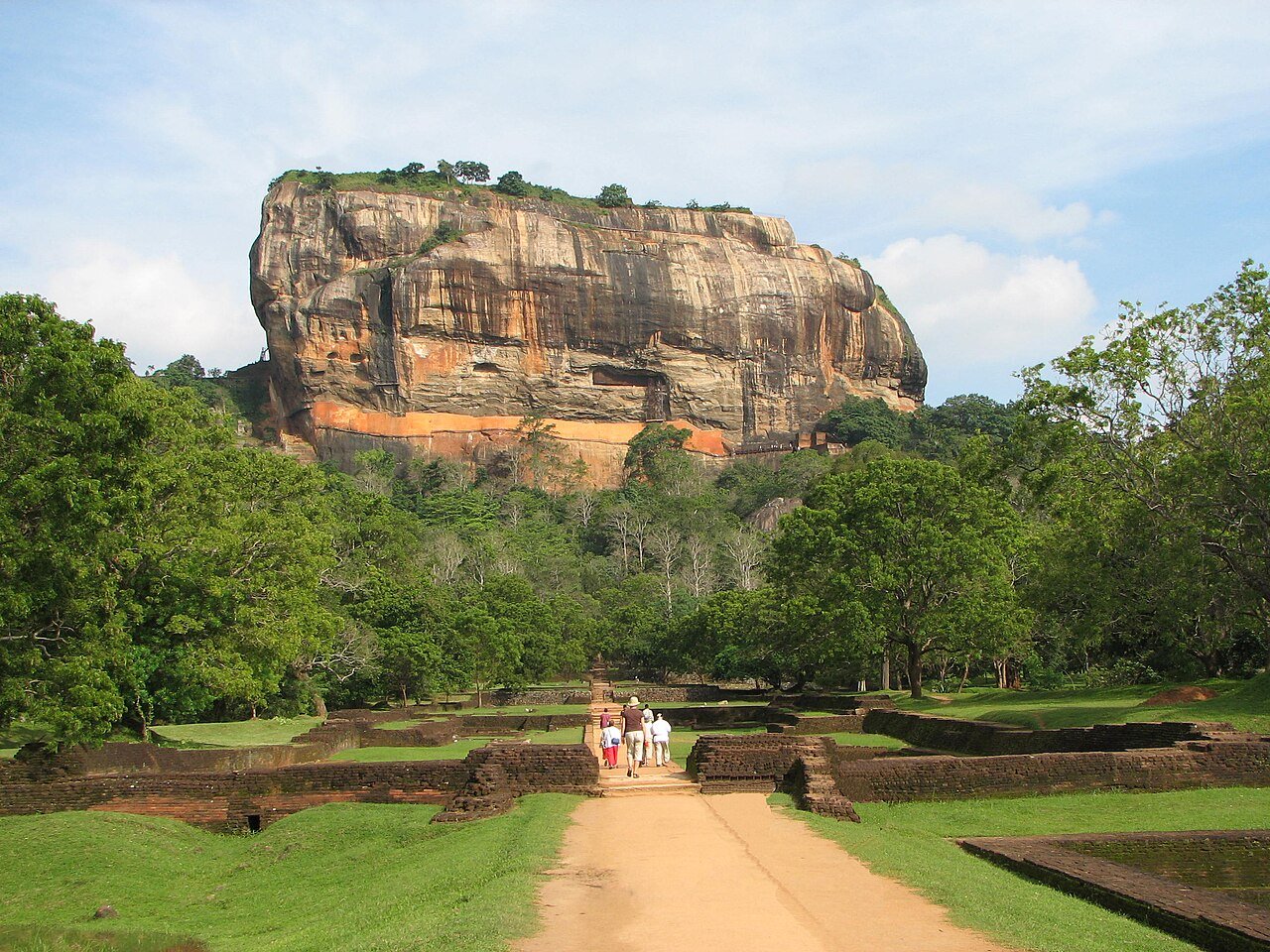
Sigiriya
The dramatic Lion Rock fortress with frescoes and water gardens.
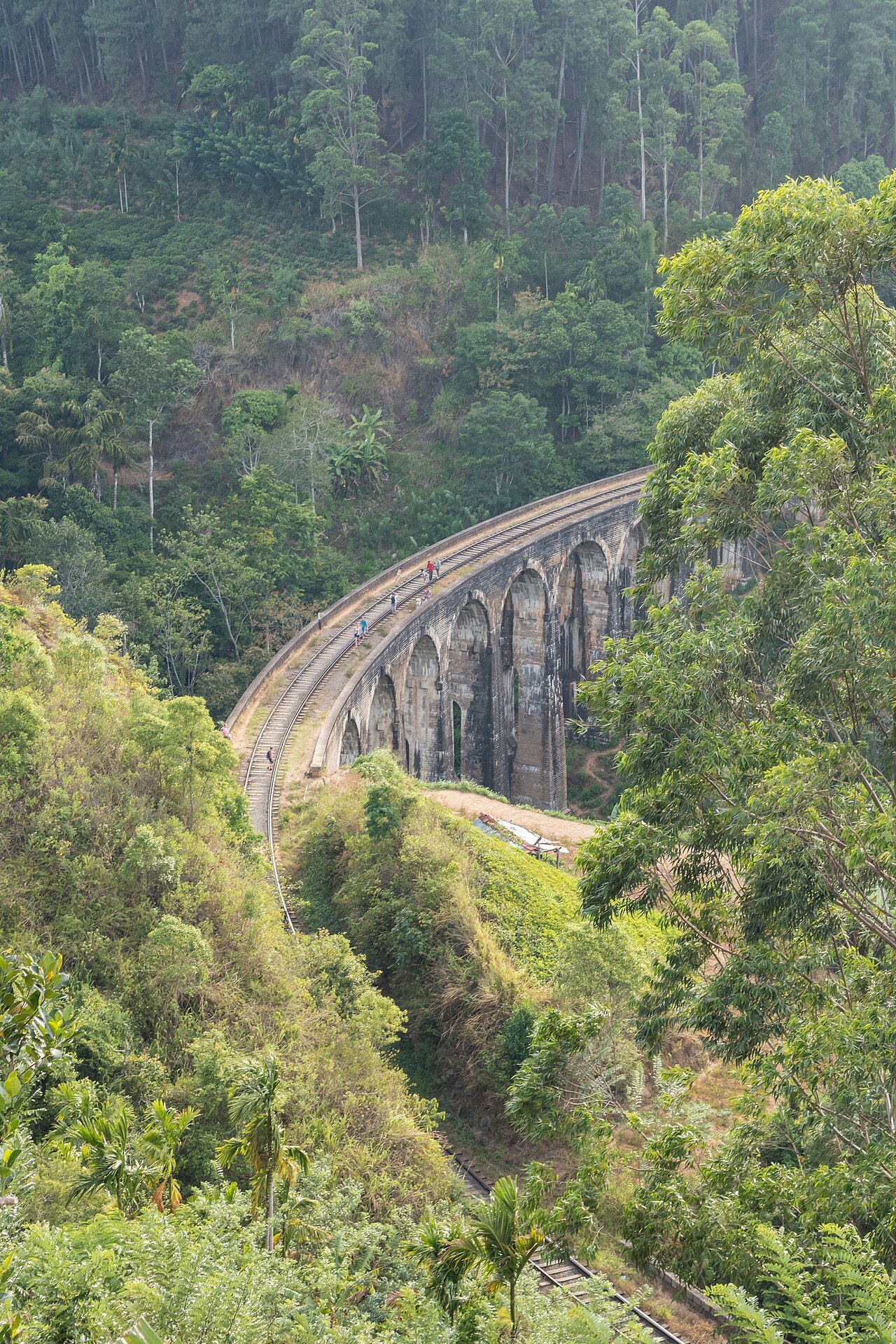
Hill-country train
The famous Kandy–Ella ride through tea estates and the Nine Arch Bridge.
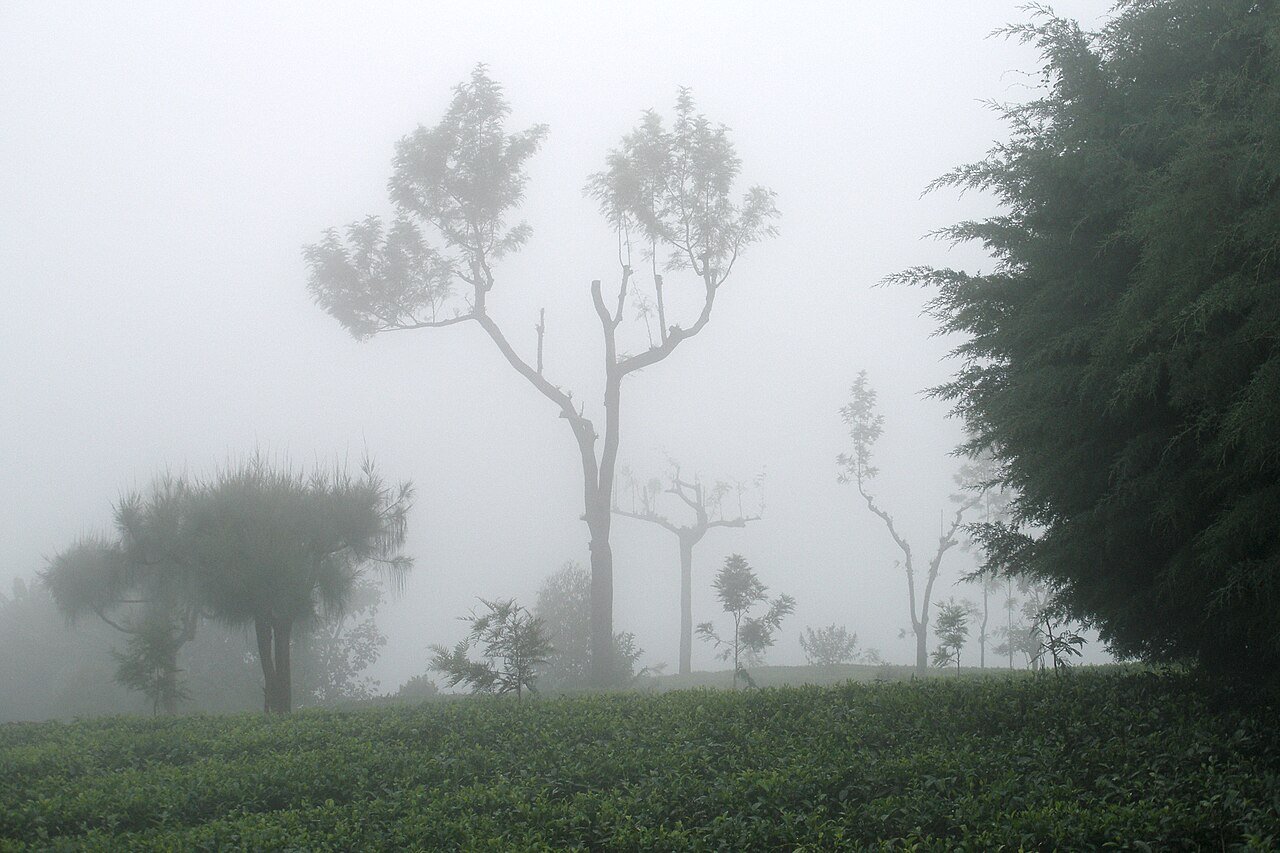
Tea country
Cool, green Nuwara Eliya and Ella with plantations and waterfalls.
Wildlife safaris
Leopards at Yala and elephants at Udawalawe and Minneriya.
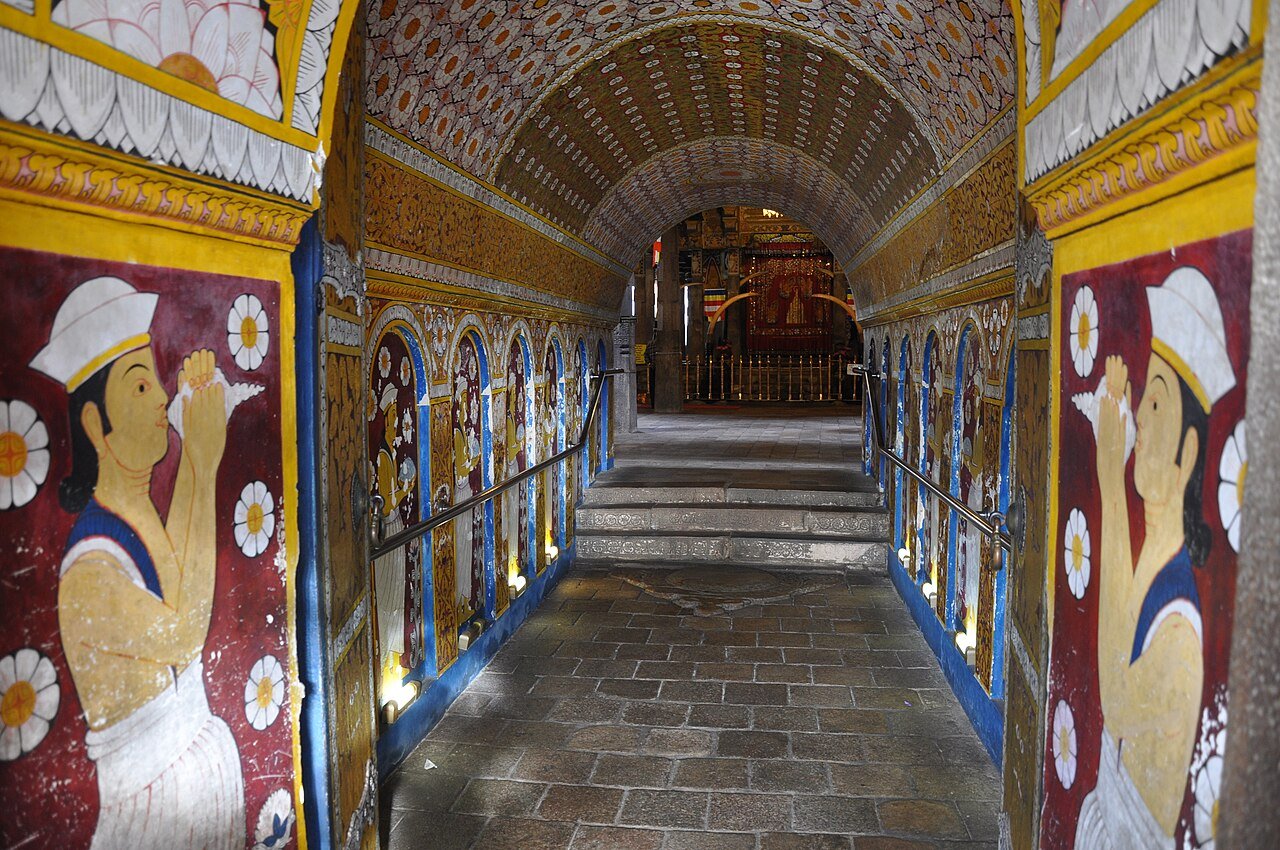
Kandy & heritage
The sacred Temple of the Tooth and the ancient cities of the Cultural Triangle.
Beaches & Galle
Southern beaches, whale watching at Mirissa and historic Galle Fort.
Whether you want culture, wildlife, hills or beaches, Sri Lanka offers an extraordinary range in one easy, affordable and welcoming island.
Sri Lanka is a whole world in miniature — rock fortresses, tea-country trains, leopards and beaches, all an island hop from home.
Part 2 of 8
Visas and getting to Sri Lanka
Sri Lanka is one of the most accessible overseas destinations for Indians, with short direct flights and a simple online entry permit.
Visa: Indian passport holders generally need an ETA (Electronic Travel Authorization), applied for online before travel through the official portal, which permits a tourist stay of up to 30 days. Sri Lanka has at times offered free or visa-free entry for Indians, but these schemes change, so always confirm the current requirements and fees before booking.
By air: Direct flights from Chennai, Bengaluru, Mumbai, Delhi and other cities reach Colombo’s Bandaranaike International Airport in around 1.5–3.5 hours, making Sri Lanka a quick and convenient trip.
Pro tip
Plan your route as a loop — Colombo, the Cultural Triangle, the hill country and the south — to avoid backtracking, and pre-book the scenic Kandy–Ella train’s reserved seats, which sell out fast.
Getting around: Hiring a car with a driver-guide is popular and affordable for covering the island, while trains (especially the hill-country line) and buses are cheap and scenic. Tuk-tuks and apps like PickMe handle local hops.
Part 3 of 8
Best time to visit Sri Lanka
Sri Lanka has two monsoons affecting different coasts, so the best time depends on where you are going.
| Region | Best months | What to expect |
|---|---|---|
| West & south coast | Dec–Mar | Dry, sunny beaches around Colombo, Galle and Mirissa — peak season. |
| Hill country | Dec–Mar | Cool, clear days for tea country, Ella and the scenic train. |
| East coast | May–Sep | Dry, calm seas at Trincomalee, Arugam Bay and the east. |
| Inter-monsoon | Apr & Oct | Transitional, with showers possible island-wide. |
For the classic west-coast, south and hill-country loop, come between December and March. If you are focused on the east coast and its beaches, May to September is better. Because the weather varies so much by region, it is worth tailoring your route to the season rather than expecting perfect conditions everywhere at once.
Part 4 of 8
Costs and budgeting for Indians
Sri Lanka offers strong value, especially given how much you can see in a short trip. Here is a realistic per-person, per-day guide for 2026, excluding flights.
| Style | Daily budget | What it covers |
|---|---|---|
| Backpacker | $30–50 | Guesthouse or hostel, trains and buses, local meals and a shared safari. |
| Mid-range | $70–120 | Comfortable hotel or boutique stay, a car with driver, safaris and good meals. |
| Premium | $180+ | Luxury tea bungalows and beach resorts, private guide, curated experiences and dining. |
Trains and local food are very cheap, while the main costs are accommodation, safaris and a hired driver-guide if you choose one. Entry fees for Sigiriya and the safaris are the priciest single items for tourists. Carry Sri Lankan rupees and some US dollars as backup, and note that conditions and prices can shift, so check recent updates.
Good to know
Pre-book reserved seats on the Kandy–Ella train and your Sigiriya and safari slots in peak season. Tap water is best avoided in favour of bottled water, and check current local travel advisories before you go.
Part 5 of 8
Where to stay, what to eat and top experiences
Where to stay: Mix it up to match the island’s variety — a heritage or boutique stay near Sigiriya and Kandy, a cosy tea-country bungalow in Ella or Nuwara Eliya, and a beach hotel or guesthouse in the south around Mirissa, Unawatuna or Galle.
What to eat: Sri Lankan food is a delight — rice and curry with multiple vegetable dishes, hoppers and egg hoppers, kottu roti, fresh seafood and fiery sambols, all rounded off with world-famous Ceylon tea. Vegetarians eat very well, and the flavours will feel both familiar and excitingly new to Indian palates.
Climb Sigiriya
Ascend the Lion Rock for frescoes, ruins and sweeping views.
Ride the train
Take the Kandy–Ella line past tea estates and the Nine Arch Bridge.
Go on safari
Track leopards at Yala or elephants at Udawalawe and Minneriya.
Explore Galle
Wander the ramparts and lanes of the Dutch-built Galle Fort.
For more, visit the sacred Temple of the Tooth in Kandy, the cave temples of Dambulla, go whale watching at Mirissa, or hike Little Adam’s Peak and the tea trails around Ella.
Part 6 of 8
An 8-day Sri Lanka itinerary
This classic loop links culture, hills, wildlife and beaches across the island.
Days 1–2 — Cultural Triangle: From Colombo, head to Sigiriya and Dambulla, climbing the Lion Rock and exploring the cave temples and nearby Polonnaruwa or Minneriya safari.
Day 3 — Kandy: Visit the Temple of the Tooth, the lake and a cultural show, then prepare for the scenic train south.
Days 4–5 — Hill country: Take the famous Kandy–Ella train through tea estates, explore Nuwara Eliya and Ella, the Nine Arch Bridge and Little Adam’s Peak.
Day 6 — Safari: Head to Yala or Udawalawe for a wildlife safari.
Days 7–8 — South coast: Relax on the beaches of Mirissa or Unawatuna, go whale watching, explore Galle Fort, and return to Colombo for departure.
Pro tip
For the iconic train photos, book a reserved seat on the Kandy–Ella (or Ella–Kandy) leg well in advance, and aim for a window on the right-hand side heading towards Ella for the best tea-country views.
Part 7 of 8
Practical tips for Indian travellers
A few practical notes will help your Sri Lanka trip run smoothly across its varied regions.
Sort your ETA
Apply online before travel and confirm the latest visa rules and fees.
Pre-book the train
Reserved seats on the hill-country line sell out — book early.
Plan by region
Match your route to the season, as the two coasts have opposite weather.
Carry rupees & dollars
Use Sri Lankan rupees day to day, with some US dollars as backup.
Sri Lanka is generally safe and very welcoming to Indian visitors, suiting families, couples and solo travellers, including women, with the usual precautions in crowds and after dark. Dress modestly at temples (covering shoulders and knees, and removing shoes and hats), and never turn your back to a Buddha statue for photos, which causes offence. Drink bottled water, agree tuk-tuk fares or use apps, and check current travel and economic-situation advisories before you go, as conditions can change.
Sri Lanka also pairs beautifully with the rest of the region. It combines naturally with a Maldives beach extension, with South India through the short Chennai or Bengaluru flights, and works as a standalone island loop. Building one of these into your route turns a Sri Lanka trip into an even richer Indian Ocean journey.
Part 8 of 8
Frequently asked questions
Do Indians need a visa for Sri Lanka?
Yes. Indian passport holders generally need an ETA (Electronic Travel Authorization), applied for online before travel, allowing a tourist stay of up to 30 days. Visa-free or free-ETA schemes have come and gone, so always confirm the current rules and fees before booking.
How long is the flight from India to Sri Lanka?
Direct flights from Chennai, Bengaluru, Mumbai and Delhi reach Colombo in around 1.5–3.5 hours depending on the city, making Sri Lanka one of the quickest overseas trips from India.
When is the best time to visit Sri Lanka?
December to March is best for the west and south coasts and the hill country, while May to September suits the east coast. Because the two monsoons affect different regions, tailor your route to the season.
How many days do I need for Sri Lanka?
About a week to ten days lets you cover the Cultural Triangle, Kandy, the hill country, a safari and the south coast comfortably. A shorter five-to-six day trip can focus on one or two regions.
Is the Kandy–Ella train worth it?
Absolutely — it is one of the world’s most scenic rail journeys, winding through tea estates, waterfalls and the famous Nine Arch Bridge. Book a reserved seat well in advance, as the popular legs sell out quickly.
Is Sri Lanka safe for Indian travellers?
Yes, it is generally safe and very welcoming to Indians, suiting families, couples and solo travellers. Take normal precautions, dress respectfully at temples, drink bottled water, and check current travel advisories before you go.
Is Sri Lanka good for vegetarians?
Very. Rice and curry comes with a spread of vegetable dishes, and hoppers, kottu and sambols are widely available in vegetarian versions. The flavours feel both familiar and exciting to Indian palates.
What can I combine with a Sri Lanka trip?
Sri Lanka pairs well with a Maldives beach extension and with South India via short flights from Chennai or Bengaluru, or it works perfectly as a standalone island loop combining culture, hills, wildlife and beaches.
The bottom line
Sri Lanka is the ultimate compact adventure — rock fortresses, tea-country trains, leopard safaris, sacred temples and tropical beaches, all on one welcoming island a short flight from home. Sort your ETA, plan your loop around the regional seasons, pre-book the hill-country train, and mix culture, wildlife and coast. Do that, and Sri Lanka will reward Indian travellers with one of the most varied, affordable and rewarding overseas trips going.
Related reading
 Tamil Nadu Temple Trail 7-Day Itinerary 2026 — Madurai, Thanjavur, Trichy, Kanchipuram & Rameswaram
 Kerala Honeymoon Itinerary: 6 Romantic Days (2026)
 Maldives 5-Day Budget Itinerary 2026 — Local Islands, Sandbanks & Snorkelling
Photos sourced from Wikimedia Commons under their respective Creative Commons licences. Visa, flight and travel details are indicative for 2026; confirm current ETA rules and travel advisories before you travel.