Dubai Travel Guide for Indians 2026 — Visa, Cost, Best Time & Itinerary
Last updated: July 8, 2026
Dubai is the favourite international destination for Indian families and first-time travellers — a short flight away, ultra-safe, packed with attractions and full of familiar food and faces. This guide focuses on what makes Dubai so easy and rewarding specifically for Indian visitors: the record-breaking sights, the desert safari, the old-Dubai souks, the family theme parks and beaches, and the huge Indian community that makes it feel like a home away from home. From visas to value, here is how to plan a smooth Dubai trip.
This 2026 guide for Indian travellers covers visas and flights, the best time to go, costs, where to stay and eat (including Indian food), family-friendly attractions and what not to miss.
- Visa: Indians need a UAE visa (e-visa via airlines/agents); holders of valid US/UK/Schengen visas may get visa-on-arrival — confirm.
- Getting there: Frequent direct flights from many Indian cities; just a few hours away.
- Indian-friendly: Huge Indian community, abundant Indian food and widely spoken Hindi/English.
- Don’t miss: Burj Khalifa, a desert safari, the old-Dubai souks, beaches and theme parks.
Part 1 of 8
Why Dubai is perfect for Indian travellers
Dubai feels tailor-made for Indian visitors. It is just a few hours away by frequent direct flights, exceptionally safe and clean, and home to a vast Indian community, so Hindi is widely understood, Indian restaurants are everywhere, and the culture feels familiar. Add the record-breaking Burj Khalifa, the thrilling desert safari, the gold and spice souks of old Dubai, world-class malls and beaches, and family theme parks, and Dubai becomes an easy, exciting and comfortable trip for families, couples and first-timers alike.
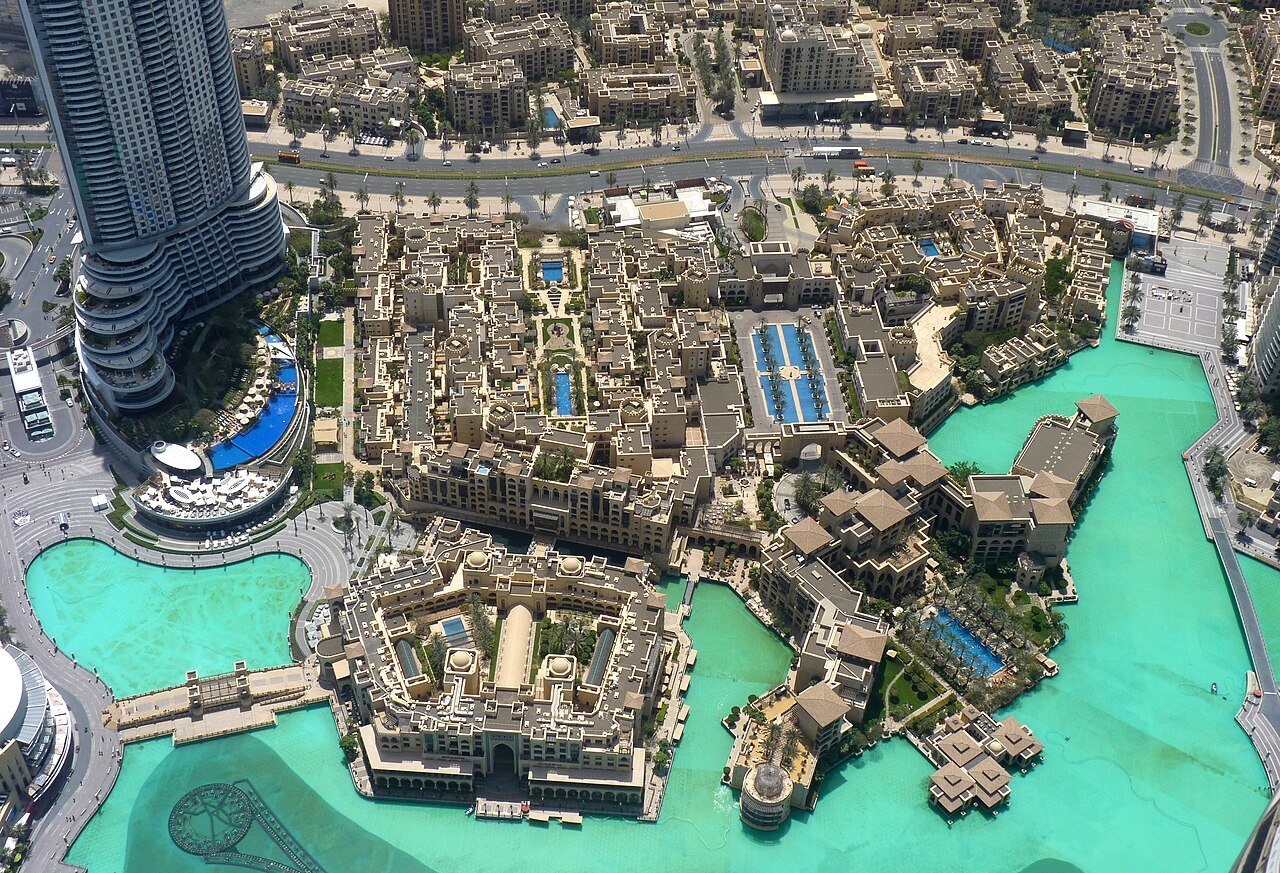
Burj Khalifa
The world’s tallest building and the Dubai Fountain.
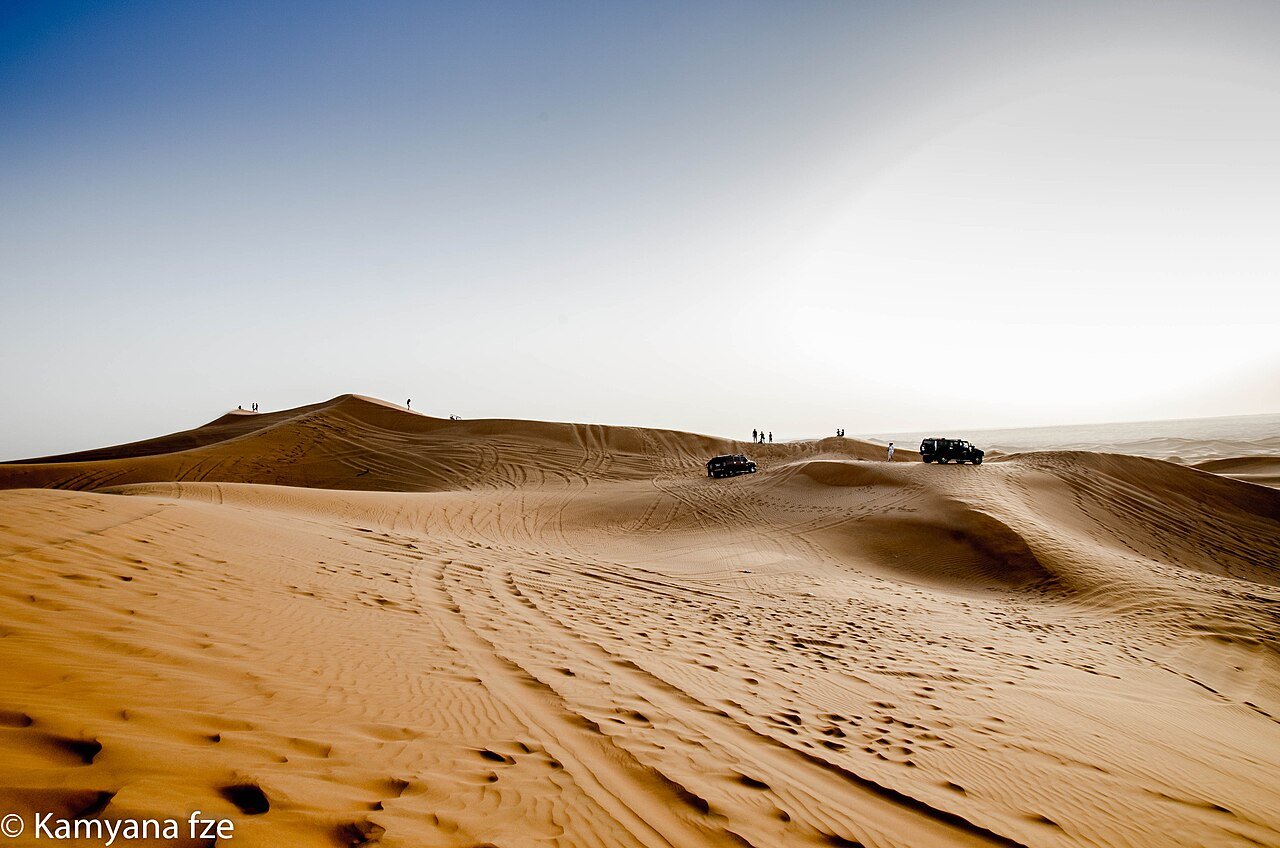
Desert safari
Dune bashing, camel rides and a desert dinner.
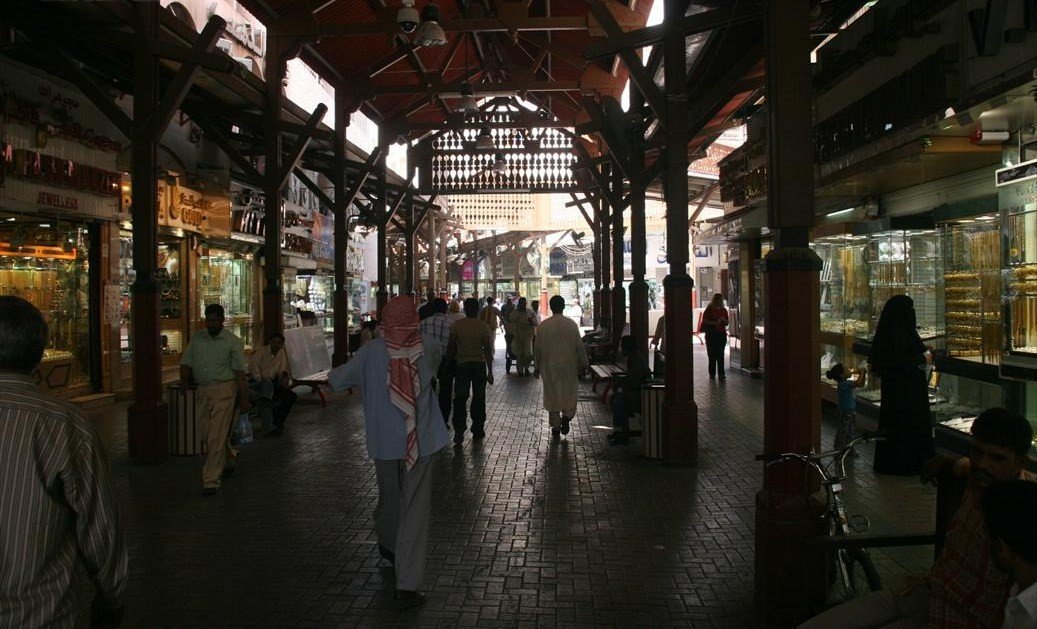
Old Dubai
Gold and spice souks and the Creek.
Theme parks
IMG, Motiongate and waterparks for families.
Beaches & Palm
JBR, Kite Beach and Palm Jumeirah.
Indian food
Abundant Indian, veg and halal dining.
Whether you want glitz, desert adventure, family fun or a comfortable first trip abroad, Dubai delivers a polished, welcoming experience that is especially easy for Indian travellers.
Dubai is a home away from home for Indian travellers — short flights, familiar food and a huge community, wrapped around record-breaking sights and desert adventure.
Part 2 of 8
Visas and getting to Dubai
Dubai is one of the easiest and best-connected destinations from India.
Visa: Indian passport holders generally need a UAE tourist visa, arranged as an e-visa through airlines or authorised agents before travel. Those holding a valid US, UK or Schengen visa or residence may qualify for a visa-on-arrival. Always confirm the current rules before booking.
By air: Frequent direct flights connect many Indian cities to Dubai International (DXB) in just a few hours, on Emirates, flydubai, Indian carriers and others, with competitive fares.
Pro tip
Stay near a metro station and get a Nol card for cheap travel. Many Indian travellers fly into Dubai and pair it with Abu Dhabi; book the Burj Khalifa, a desert safari and theme parks online in advance for the best prices.
Getting around: Dubai’s clean metro links the airport, Downtown, Marina and malls cheaply, supplemented by trams, abras and ride-hailing (Careem/Uber). A Nol card works across public transport, making getting around simple and affordable.
Part 3 of 8
Best time to visit Dubai
Dubai’s desert climate makes timing important for comfort and cost.
| Season | Months | What to expect |
|---|---|---|
| Peak/cool | Nov–Mar | The best weather — warm, pleasant; ideal for outdoors and beaches. Higher prices. |
| Shoulder | Oct & Apr | Warm to hot, with prices easing at the season’s edges. |
| Summer | May–Sep | Extremely hot (40°C+); cheapest rates, with indoor malls and parks ideal. |
| Events | Dec–Jan | The Dubai Shopping Festival brings sales but busier, pricier hotels. |
For pleasant weather, especially for the desert safari and beaches, visit between November and March, the peak (and priciest) season. The scorching summer brings the cheapest rates if you focus on air-conditioned malls, theme parks and indoor attractions — popular with Indian families during the summer holidays. The Dubai Shopping Festival around December–January brings big sales.
Part 4 of 8
Costs and budgeting for Indians
Dubai spans budget to luxury, with free and affordable highlights. Here is a realistic per-person, per-day guide for 2026, excluding international flights.
| Style | Daily budget | What it covers |
|---|---|---|
| Budget | $50–90 | Budget hotels in old Dubai, cheap eats, metro, free attractions and a shared safari. |
| Mid-range | $120–220 | Good hotels, mix of dining, a desert safari and paid attractions. |
| Luxury | $400+ | 5-star and beach resorts, fine dining, multiple attractions and private tours. |
The Dubai Fountain, beaches and skyline views are free or cheap, while the Burj Khalifa deck, theme parks and a desert safari are the main costs. Old Dubai (Deira/Bur Dubai) has excellent affordable Indian and Pakistani food and cheaper hotels. Carry some dirhams; cards are widely accepted, and a shared desert safari is an affordable family highlight.
Good to know
Dubai is very safe with low crime, but it is conservative — dress modestly in public, avoid public displays of affection, drink only in licensed venues, and respect Ramadan customs. Stay hydrated in the heat and book popular attractions ahead, especially in the family-heavy summer holidays.
Part 5 of 8
Where to stay, Indian food and family fun
Where to stay: Deira and Bur Dubai (old Dubai) offer the cheapest hotels and the most Indian restaurants and feel; Downtown and Business Bay sit by the Burj Khalifa and malls; and Marina/JBR have beaches and dining. Families often pick old Dubai for value or Marina for the beach, staying near a metro station.
Indian food & dining: Dubai has some of the best Indian and Pakistani food outside the subcontinent, plus abundant vegetarian and halal options, so Indian travellers never struggle for familiar meals. Areas like Bur Dubai and Karama are packed with Indian eateries.
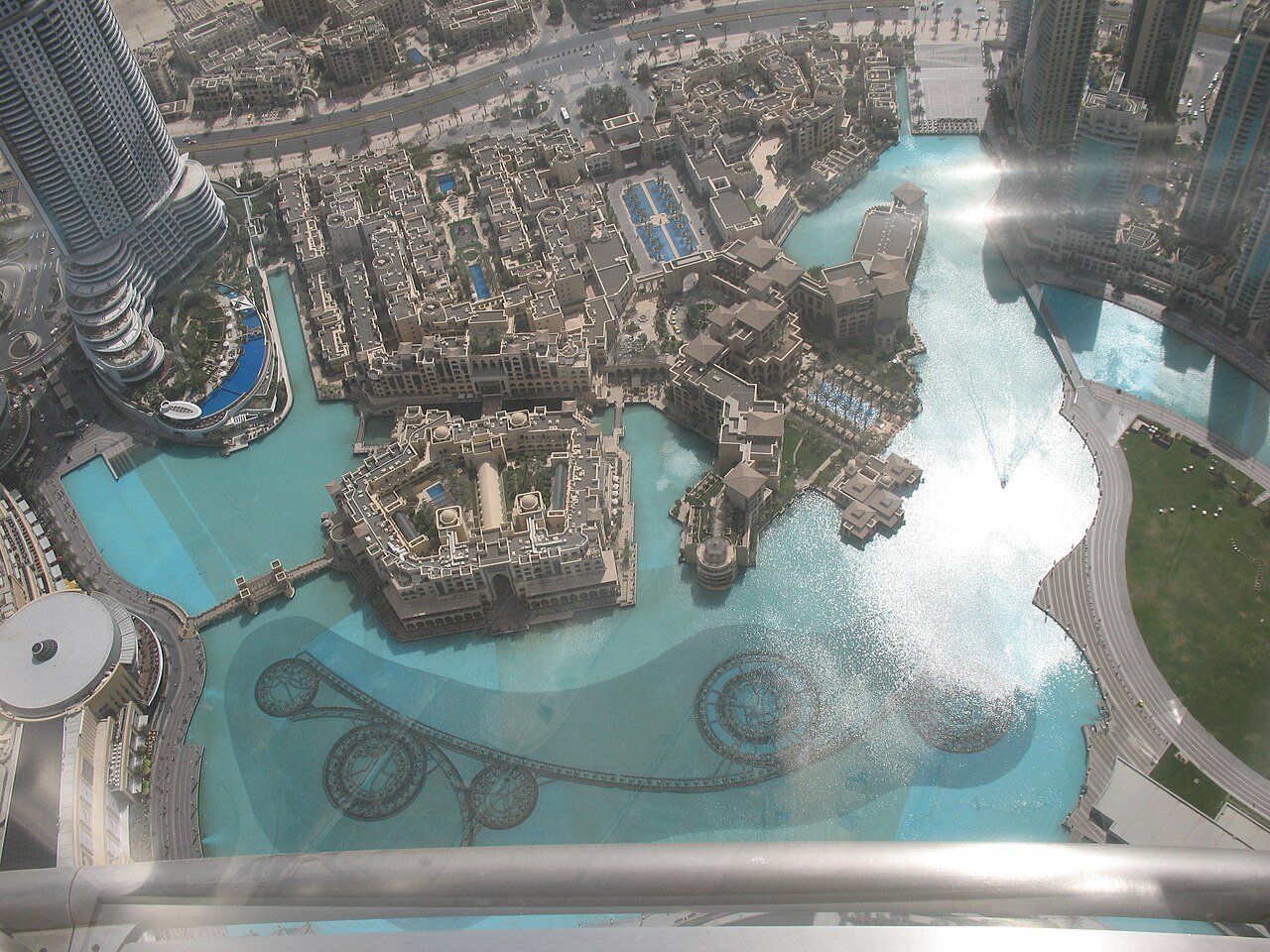
Burj Khalifa & Mall
Views, the aquarium and the fountain show.
Desert safari
A family favourite with dinner and shows.
Theme parks
IMG Worlds, Motiongate and waterparks.
Old Dubai & souks
Abra rides and the gold and spice markets.
For more, visit the Dubai Frame, Museum of the Future, the Dubai Aquarium, Global Village (seasonal) and the beaches — Dubai is packed with family-friendly attractions.
Part 6 of 8
A 4-5 day Dubai itinerary
This route suits families and first-timers, balancing icons, desert and fun.
Day 1 — Downtown: The Burj Khalifa and Dubai Mall (aquarium, fountain show in the evening).
Day 2 — Old Dubai & desert: The gold and spice souks and an abra ride, then an afternoon-evening desert safari.
Day 3 — Beaches & Palm: JBR or Kite Beach, Dubai Marina and Palm Jumeirah with Atlantis (and its waterpark).
Day 4 — Theme parks or your choice: A theme park (IMG, Motiongate) or the Dubai Frame and Museum of the Future.
Day 5 — Abu Dhabi day trip: The Sheikh Zayed Grand Mosque and Louvre Abu Dhabi, before departing.
Pro tip
Book the Burj Khalifa, theme parks and a desert safari online in advance, and time your Downtown evening around the free Dubai Fountain shows. For families, the cooler months are most comfortable, but summer offers cheap indoor fun.
Part 7 of 8
Practical tips for Indian travellers
A few practical pointers make a Dubai trip seamless for Indian visitors.
Sort your visa
Arrange the UAE e-visa or check visa-on-arrival eligibility.
Use the metro
Cheap Nol-card travel; skip costly taxis.
Dress respectfully
Modest clothing in public; cover up at religious sites.
Find Indian food
Bur Dubai and Karama for Indian/veg/halal meals.
Dubai is one of the easiest international trips for Indian travellers — short flights, a huge Indian community, familiar food, widely spoken Hindi and English, and famous safety. Sort your UAE e-visa (or check visa-on-arrival), use the cheap metro with a Nol card, and base yourself in old Dubai for value and Indian food or Marina for the beach.
Respect the conservative culture: dress modestly in public, avoid public displays of affection, drink only in licensed venues, and be mindful during Ramadan. Carry some dirhams alongside cards, stay hydrated in the heat, and book the Burj Khalifa, desert safari and theme parks online in advance. With glitz, desert adventure, family attractions and a home-away-from-home feel, Dubai rewards Indian travellers — especially families and first-timers — with a comfortable, exciting trip.
Part 8 of 8
Frequently asked questions
Do Indians need a visa for Dubai?
Generally yes. Indian passport holders need a UAE tourist visa, arranged as an e-visa via airlines or authorised agents. Those holding a valid US, UK or Schengen visa or residence may qualify for visa-on-arrival. Always confirm the current rules before booking your trip.
Why is Dubai so popular with Indian travellers?
Dubai is just a few hours away by frequent direct flights, exceptionally safe and clean, and home to a vast Indian community, so Hindi is widely understood and Indian, vegetarian and halal food is everywhere. Add record-breaking sights, a desert safari and family theme parks, and it is an easy, comfortable and exciting trip.
When is the best time to visit Dubai?
November to March offers the most pleasant weather, ideal for the desert safari and beaches, though it is the peak and priciest season. The summer (May–September) is extremely hot but brings the cheapest rates and indoor fun, making it popular with Indian families during the school holidays.
Where can I find Indian food in Dubai?
Dubai has some of the best Indian and Pakistani food outside the subcontinent, with areas like Bur Dubai and Karama packed with Indian eateries, plus abundant vegetarian and halal options citywide. Indian travellers never struggle to find familiar, affordable meals throughout the city.
How much does a Dubai trip cost?
It varies widely. Excluding flights, budget travellers manage on $50–90 a day in old Dubai, mid-range trips run $120–220 including a desert safari and attractions, and luxury stays start around $400. The fountain and beaches are free, while the Burj Khalifa deck, theme parks and safaris are the main costs.
Is Dubai good for families?
Excellent. Dubai is safe, clean and packed with family attractions — theme parks like IMG Worlds and Motiongate, waterparks, the aquarium, beaches and the desert safari. With familiar Indian food, easy transport and plenty of indoor options for the heat, it is one of the best family destinations from India.
How do I get around Dubai?
Dubai’s clean, cheap metro links the airport, Downtown, Marina and malls, supplemented by trams, abras and ride-hailing (Careem/Uber). Buy a Nol card for public transport, stay near a metro station, and use ride-hailing for door-to-door trips to spread-out attractions.
Can I visit Abu Dhabi from Dubai?
Yes, easily. Abu Dhabi is about 1.5 hours away by road and makes a great day trip, with highlights like the Sheikh Zayed Grand Mosque, Louvre Abu Dhabi and Ferrari World. Organised day tours and buses run regularly, or you can hire a car, and the same UAE visa covers both emirates.
What should I pack for a Dubai trip?
Pack light, breathable clothing for the heat, plus modest outfits covering shoulders and knees for malls, souks and any religious sites, and a light layer for strong indoor air-conditioning. Bring swimwear for the beaches and pools, sunglasses, a hat and strong sunscreen, comfortable walking shoes, and closed shoes for the desert safari.
Is Dubai a good first international trip for Indians?
Excellent. Dubai is one of the easiest first trips abroad — a short flight, visa-on-arrival options for some, a huge Indian community, familiar food, widely spoken Hindi and English, famous safety and easy transport. With its mix of iconic sights, desert adventure and family attractions, it builds confidence for first-time international travellers.
The bottom line
Dubai is a home away from home for Indian travellers — a short flight away, ultra-safe, packed with record-breaking sights, desert adventure and family theme parks, and full of familiar Indian food and a huge community. Sort your UAE e-visa, travel between November and March (or summer for cheap indoor fun), use the cheap metro, and base yourself in old Dubai for value or Marina for the beach. Respect local customs, book attractions online, and Dubai will reward Indian families, couples and first-timers with a comfortable, exciting and unforgettable trip.
Related reading
 Qatar Travel Guide for Indians (2026)
 Baku Azerbaijan Itinerary: 5 Days from India (2026)
 Georgia Itinerary from India: 7 Days in the Caucasus (2026)
Photos sourced from Wikimedia Commons under their respective Creative Commons licences. Visa, flight and travel details are indicative for 2026; confirm current visa rules and prices before you travel.