Ranthambore Safari Guide 2026 — Tigers, Zones, Booking & Best Time
Last updated: July 8, 2026
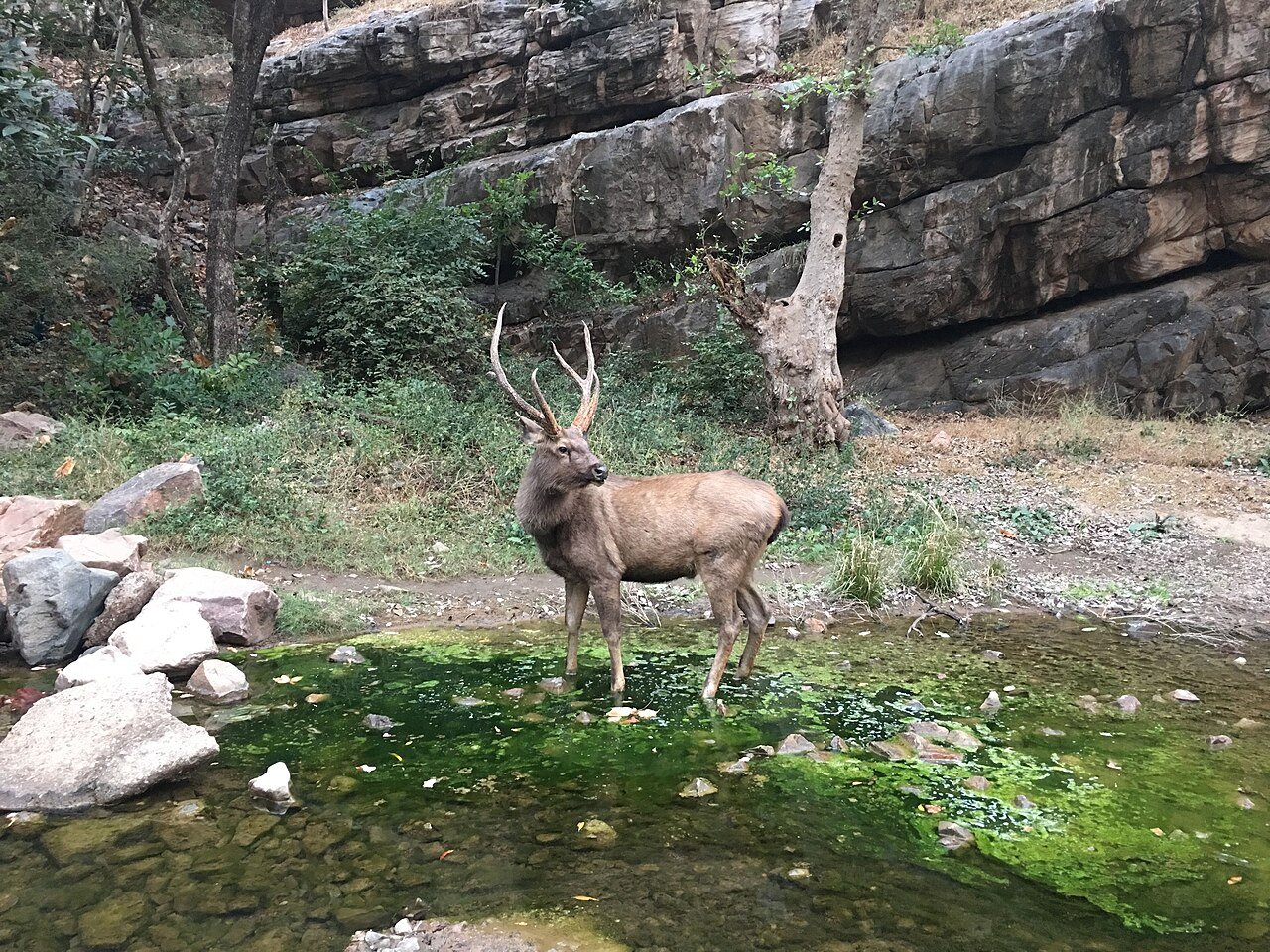
Ranthambore is India’s most famous tiger reserve — a dramatic landscape of dry forest, lakes and crumbling ruins in Rajasthan, crowned by an ancient hilltop fort, where Bengal tigers roam in the open and are sighted more often than almost anywhere else. Add deer, leopards, crocodiles and rich birdlife, plus the romance of a UNESCO fort inside the park, and Ranthambore offers one of the most thrilling and accessible wildlife experiences in the country, easily combined with a Golden Triangle or Rajasthan trip.
This 2026 guide for Indian travellers covers how to reach Ranthambore, the best time to go, what it costs, where to stay and eat, and how to plan your safaris for the best chance of a tiger sighting.
- Getting there: Train to Sawai Madhopur (about 11 km), or drive ~3.5 hours from Jaipur; the park is closed in the monsoon (July–September).
- Best time: October to June, with April–June best for tiger sightings and October–March most comfortable.
- Budget: ₹3,000–9,000 per day, with safaris booked separately and in advance.
- Don’t miss: A morning tiger safari, Ranthambore Fort and the lakeside wildlife.
Part 1 of 9
Why Ranthambore belongs on your list
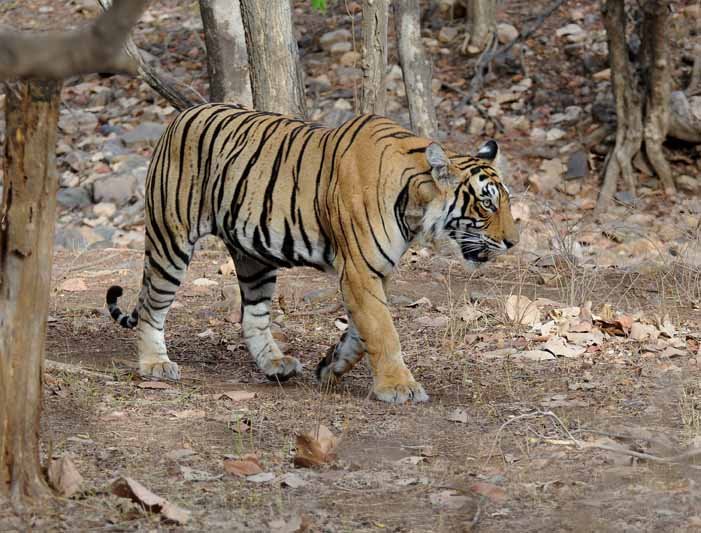
Ranthambore is where India’s wild heart meets its royal heritage. Tigers stalk through golden grass and lounge by ancient lakes, against a backdrop of ruined pavilions and a thousand-year-old fort. The relatively open terrain and healthy tiger population make sightings more likely than at many reserves, while the fort, temples and birdlife give it depth beyond the big cats. It is a genuinely exciting and photogenic wildlife destination.
Tiger safaris
One of India’s best chances to spot wild Bengal tigers.
Ranthambore Fort
A UNESCO hilltop fort inside the park, with grand views.
Rich wildlife
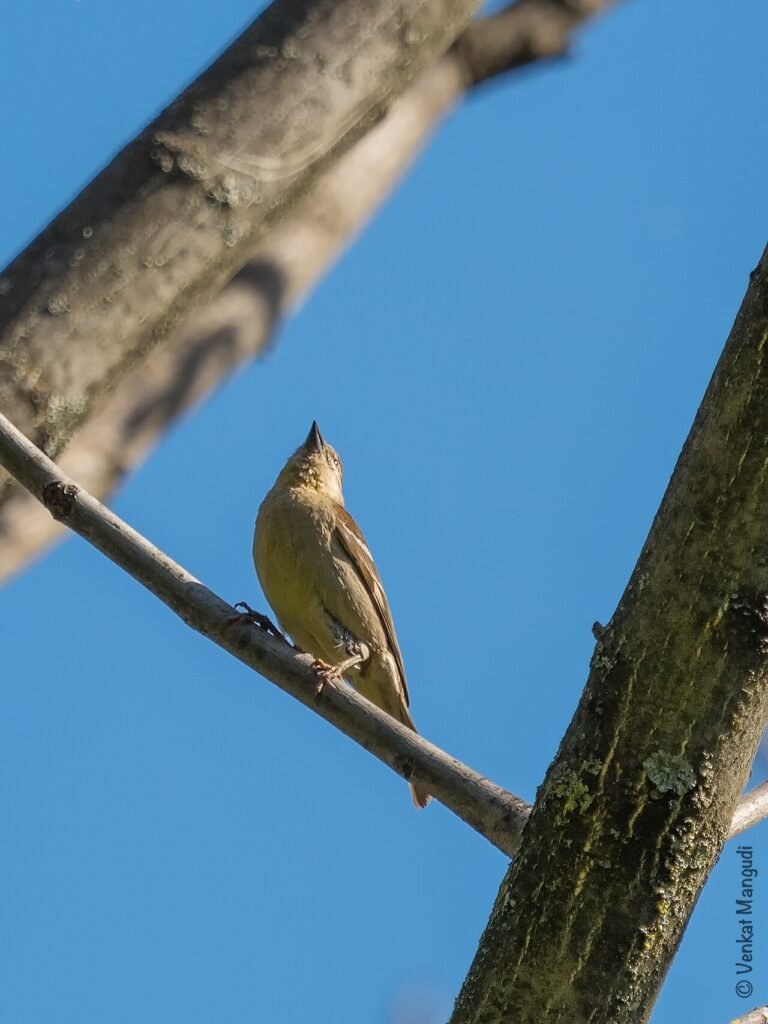
Leopards, deer, crocodiles, sloth bears and abundant birds.
Trinetra Ganesh
A revered temple within the fort, drawing pilgrims.
Lakes & ruins
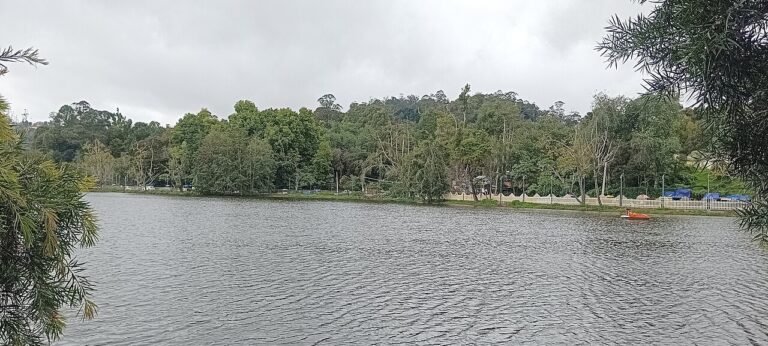
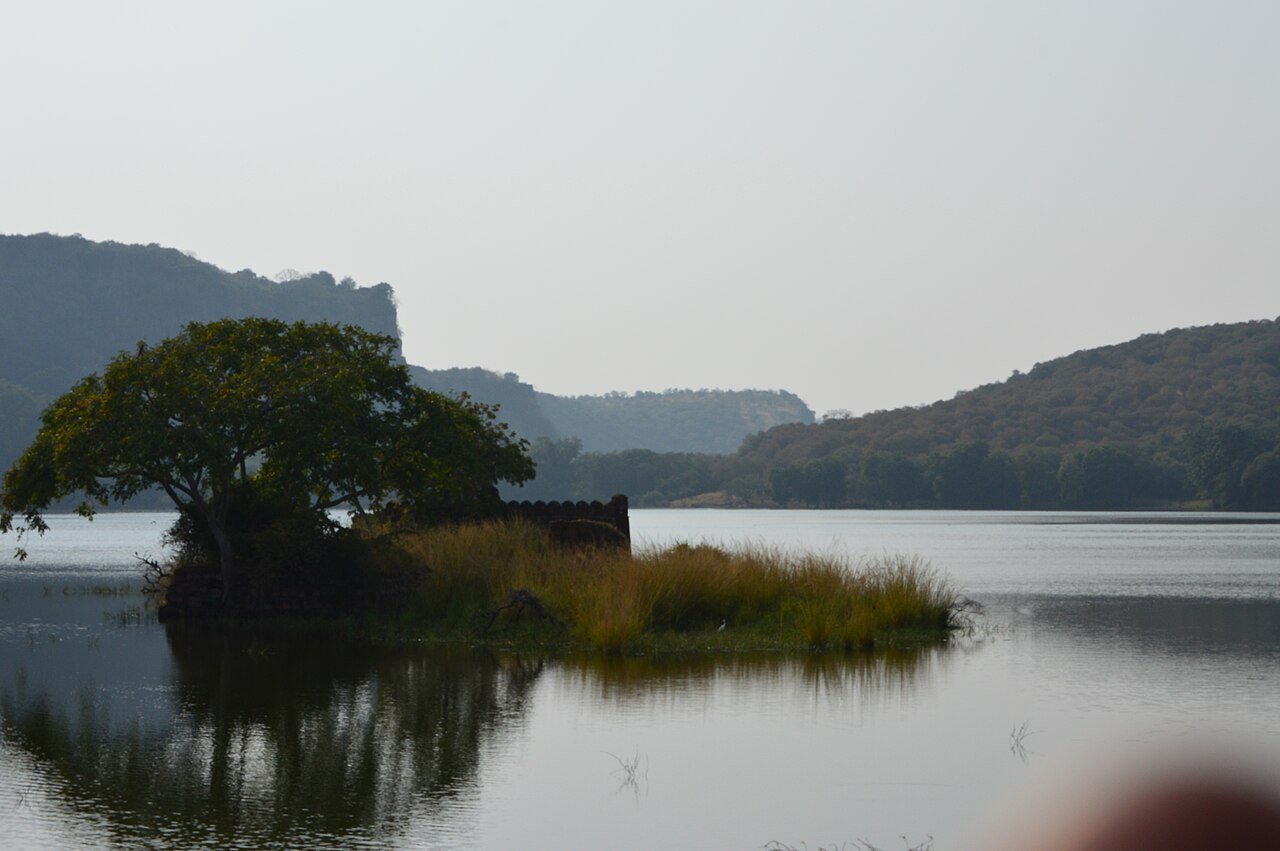
Padam Talao, Jogi Mahal and atmospheric old pavilions.
Wildlife photography
Open landscapes and lakesides ideal for the camera.
Whether you are a wildlife enthusiast, a photographer or simply after the thrill of seeing a tiger in the wild, Ranthambore delivers one of India’s most rewarding safari experiences.
Ranthambore is the wild and the regal in one frame — a tiger by an ancient lake, beneath a fort that has watched the forest for a thousand years.
Part 2 of 9
Getting to Ranthambore and getting around
Ranthambore is easy to reach, especially by rail, and pairs naturally with Jaipur and the Golden Triangle.
By train: Sawai Madhopur, about 11 km from the park, is the nearest railway station, well connected on the Delhi–Mumbai line, including fast trains from Delhi, Jaipur and Kota.
By air: Jaipur International Airport is the nearest at around 160 km, roughly 3.5 hours by road. Delhi is a longer drive or a train ride away.
By road: Jaipur to Ranthambore takes around 3.5 hours, making it an easy add-on to a Rajasthan or Golden Triangle trip.
Pro tip
Book your safaris online well in advance — permits for the prime zones and dates sell out fast, especially in peak season. Your lodge can often help arrange and confirm safari bookings.
Getting around: Safaris are conducted in shared open jeeps (gypsies, 6 seats) or larger canters (20 seats), allotted to specific zones by the forest department. Lodges arrange transfers, and the town and fort are a short drive from most stays.
Part 3 of 9
Best time to visit Ranthambore
The park has a clear open season, and the time of year affects both comfort and your chances of a tiger sighting.
| Season | Months | What to expect |
|---|---|---|
| Winter | Oct–Mar | Pleasant, cool weather and lush early-season greenery. Comfortable but tigers are more dispersed. |
| Summer | Apr–Jun | Hot, but the best tiger sightings as animals gather near water. Top season for safaris. |
| Monsoon (closed) | Jul–Sep | The core park is closed; only limited buffer zones may operate. |
| Shoulder | Oct & Mar | Good all-round conditions as the season opens or peaks. |
For the most comfortable visit, come in the cooler October-to-March window; for the best chance of seeing a tiger, brave the heat of April to June, when wildlife concentrates around the shrinking water sources. The core zones close during the monsoon, so plan around the open season.
Part 4 of 9
Costs and budgeting for Indians
Ranthambore spans budget guesthouses to luxury jungle lodges, with safaris a separate, key cost. Here is a realistic per-person, per-day guide for 2026.
| Style | Daily budget | What it covers |
|---|---|---|
| Budget | ₹2,500–4,000 | Guesthouse, a shared canter safari, and local meals. |
| Mid-range | ₹4,500–9,000 | Comfortable resort, one or two gypsy safaris and good meals. |
| Premium | ₹15,000+ | Luxury jungle lodge, private/premium safaris, naturalist guides and fine dining. |
Safaris are booked and paid separately, with the smaller, more flexible gypsy jeeps costing more than the larger canters but offering a better experience. Doing two or three safaris (different zones, morning and afternoon) maximises your sighting chances. Carry some cash, though cards and UPI work at most lodges.
Good to know
A tiger sighting is never guaranteed — it is wild nature. Book multiple safaris across different zones to improve your odds, and choose gypsy jeeps over canters for flexibility and better wildlife viewing.

Part 5 of 9
Where to stay, what to eat and top experiences
Where to stay: The Ranthambore Road area near Sawai Madhopur has the full range, from budget hotels to renowned luxury jungle lodges and tented camps with naturalists on hand. Staying close to the park gates makes the early-morning safari starts easier.
What to eat: Most lodges offer buffet-style Indian and Rajasthani meals, often included in the package — hearty dal, sabzi, tandoori and regional specialities. The bigger resorts have varied menus, and you can sample Rajasthani thalis in Sawai Madhopur town.
Morning safari
The prime time to spot tigers as the forest stirs.
Afternoon safari
A second drive in a different zone for more chances.
Ranthambore Fort
Explore the hilltop fort and Trinetra Ganesh temple.
Photography drive
Capture tigers, deer and birdlife by the lakes.
For more, visit Surwal Lake for birdwatching, the fort’s ruins and viewpoints, and enjoy a naturalist talk at your lodge to understand the park’s ecology and tiger families.
Part 6 of 9
A 2-3 day Ranthambore itinerary
This plan maximises your safari chances while leaving time for the fort.
Day 1 — Arrive & afternoon safari: Reach Sawai Madhopur, settle into your lodge, and take an afternoon safari to get oriented and start spotting wildlife.
Day 2 — Two safaris: Do a morning and an afternoon safari in different zones to maximise tiger-sighting chances, with a midday rest at the lodge.
Day 3 — Fort & departure: Visit Ranthambore Fort and the Trinetra Ganesh temple in the morning (or fit in one more safari), then continue your journey.
Extend your trip: Ranthambore pairs perfectly with Jaipur and the Golden Triangle, or a wider Rajasthan circuit, for a combined wildlife-and-heritage holiday.
Pro tip
Book at least two to three safaris across different zones and both time slots — tigers move, and more drives dramatically improve your chances. The morning safari is generally the most productive, so prioritise it.
Part 7 of 9
Where to stay, what to eat and experiences
(See above for stay and food details.)
Gypsy over canter
Smaller jeeps offer flexibility and better viewing.
Wear neutral colours
Earthy tones help you blend in on safari.
Layer for mornings
Winter dawn safaris are cold in an open jeep.
Stay quiet
Silence and patience improve sightings and respect the wildlife.
Plan your safaris early and trust your naturalist — they know the tigers’ territories and recent movements, which makes all the difference.
Part 8 of 9
Practical tips for Indian travellers
A few practical notes help you make the most of a Ranthambore safari.
Book safaris early
Permits for prime zones and dates sell out — reserve ahead online.
Choose gypsy jeeps
They offer flexibility and better wildlife viewing than canters.
Layer for dawn
Open-jeep mornings are cold in winter; bring warm layers.
Be patient & quiet
Sightings are never guaranteed — stay calm, quiet and hopeful.
Remember that Ranthambore is wild nature, so a tiger sighting is never guaranteed; booking multiple safaris across different zones and time slots is the best way to improve your odds. Wear neutral colours, keep noise to a minimum, never litter or feed animals, and follow your guide’s instructions at all times. Carry sun protection, water and a good camera or binoculars, and respect the forest department’s rules, which exist to protect the tigers.
Ranthambore’s location makes it an easy and rewarding add-on to a wider trip. It pairs naturally with Jaipur and the Golden Triangle (Delhi and Agra), with a fuller Rajasthan circuit, or with Bharatpur’s bird sanctuary nearby. Building one of these into your route combines India’s wildlife with its heritage in one memorable journey.
Part 9 of 9
Frequently asked questions
How likely am I to see a tiger in Ranthambore?
Ranthambore has one of the higher tiger-sighting rates among Indian reserves thanks to its healthy population and relatively open terrain, but sightings are never guaranteed in the wild. Booking multiple safaris across different zones and time slots gives you the best chance.
How do I reach Ranthambore?
Take a train to Sawai Madhopur (about 11 km away) on the Delhi–Mumbai line, or drive around 3.5 hours from Jaipur, the nearest airport at about 160 km. It pairs easily with a Jaipur or Golden Triangle trip.
When is the best time to visit Ranthambore?
October to June, when the park is open. April to June is hottest but offers the best tiger sightings as animals gather near water, while October to March is more comfortable. The core park closes during the monsoon (July–September).
How do I book a Ranthambore safari?
Safaris are booked through the forest department’s online system (or via your lodge) and sell out fast for prime zones and dates, so reserve well in advance. You choose between shared gypsy jeeps and larger canters, with zones allotted by the department.
Should I choose a gypsy or a canter safari?
A gypsy (6-seat open jeep) is recommended for its flexibility, smaller group and better wildlife viewing, though it costs more. Canters (20-seat) are cheaper but less nimble. For the best experience, book gypsy safaris where possible.
How many safaris should I do?
At least two to three, across different zones and both morning and afternoon slots. Tigers move around, so more drives significantly improve your chances of a sighting, with the morning safari generally the most productive.
Is Ranthambore good for families?
Yes. The safaris are exciting for all ages and the fort adds a heritage element, though early starts and the no-guarantee nature of sightings mean managing children’s expectations. Choose a comfortable lodge and prioritise the morning safari.
What can I combine with a Ranthambore trip?
Ranthambore pairs naturally with Jaipur and the Golden Triangle, a wider Rajasthan circuit, or the Bharatpur bird sanctuary, combining India’s wildlife with its heritage in one trip.
The bottom line
Ranthambore is the perfect blend of wild and regal — Bengal tigers roaming an open landscape of lakes and ruins, watched over by an ancient hilltop fort. Come in the open season, book multiple gypsy safaris across different zones, prioritise the mornings, and pair the wildlife with the fort and a Jaipur or Golden Triangle add-on. Do that, and Ranthambore will give you one of the most thrilling and memorable wildlife experiences in all of India.
Related reading
 Resort vs Hotel for Family Trips: Which Is Better? (2026)
 Self-Drive Car Rentals in India: A Complete Guide (2026)
 Luxury & Tourist Trains in India: A Complete Guide (2026)
Photos sourced from Wikimedia Commons under their respective Creative Commons licences. Park timings, safari rules and travel details are indicative for 2026; confirm the open season and book safaris officially before you travel.