Jaisalmer Itinerary: 2-3 Day Desert Trip Plan (2026)
Last updated: July 8, 2026
A short Jaisalmer itinerary is the perfect desert escape — pairing the living “Golden City” fort and its exquisitely carved havelis with a camel safari and a starlit night in the Thar dunes. In two or three days you can wander the honey-coloured Sonar Quila, marvel at the lacework mansions, ride into the Sam or Khuri sands for a desert sunset, and sleep under a vast desert sky to folk music. It is one of India’s most atmospheric and romantic short trips, deep in western Rajasthan.
This 2026 itinerary guide covers how to get there, the best time to go, what it costs, a day-by-day plan, where to stay and eat, and the practical tips for a smooth Jaisalmer trip.
- Getting there: Train to Jaisalmer from Jodhpur and Delhi, drive about 5 hours from Jodhpur, or fly via Jodhpur.
- Best time: October to March, when the desert is cool and pleasant; summers are extreme.
- Budget: ₹2,000–6,000 per day, with desert camps and safaris as memorable add-ons.
- Don’t miss: The living Jaisalmer Fort, the carved havelis, a camel safari and a desert-camp night.
Part 1 of 8
Why this Jaisalmer itinerary works so well
Jaisalmer packs its magic into a compact, walkable old town and the dunes a short drive away, so a couple of days is enough to experience both. You get the golden fort glowing at every hour, the finest carved havelis in Rajasthan, and the romance of a camel safari and a night in a desert camp — a perfect blend of heritage and adventure that makes the long journey west well worth it.
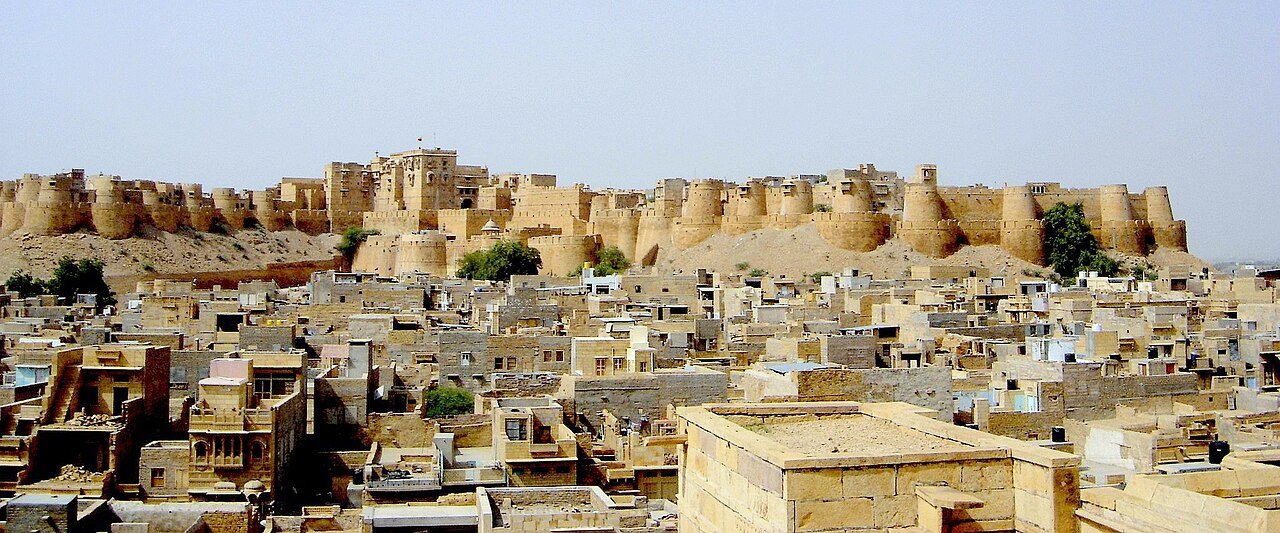
Living fort
Sonar Quila, the golden hill fort still inhabited, with temples and stays.
Carved havelis
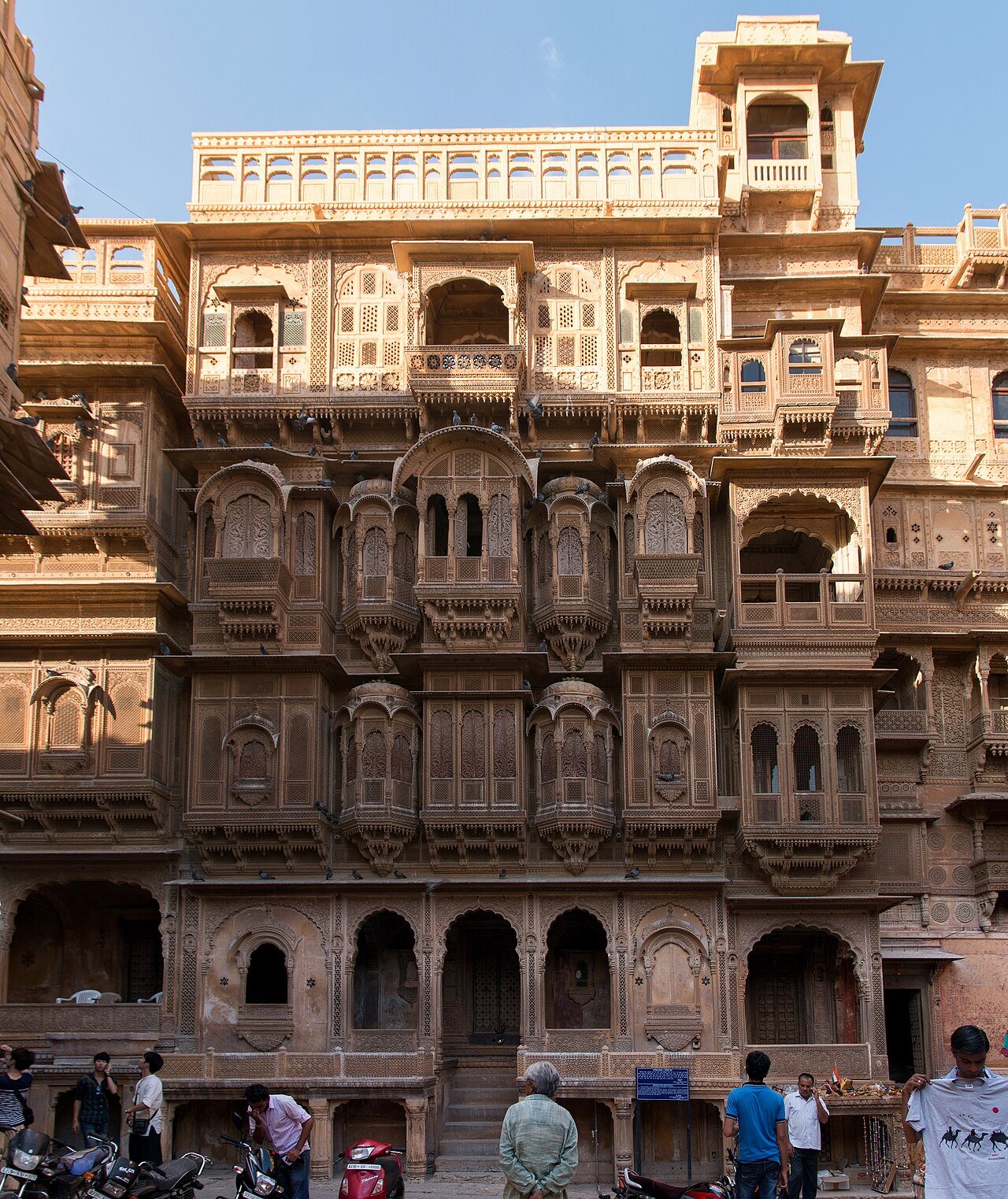
The Patwon, Nathmal and Salim Singh mansions of sandstone lacework.
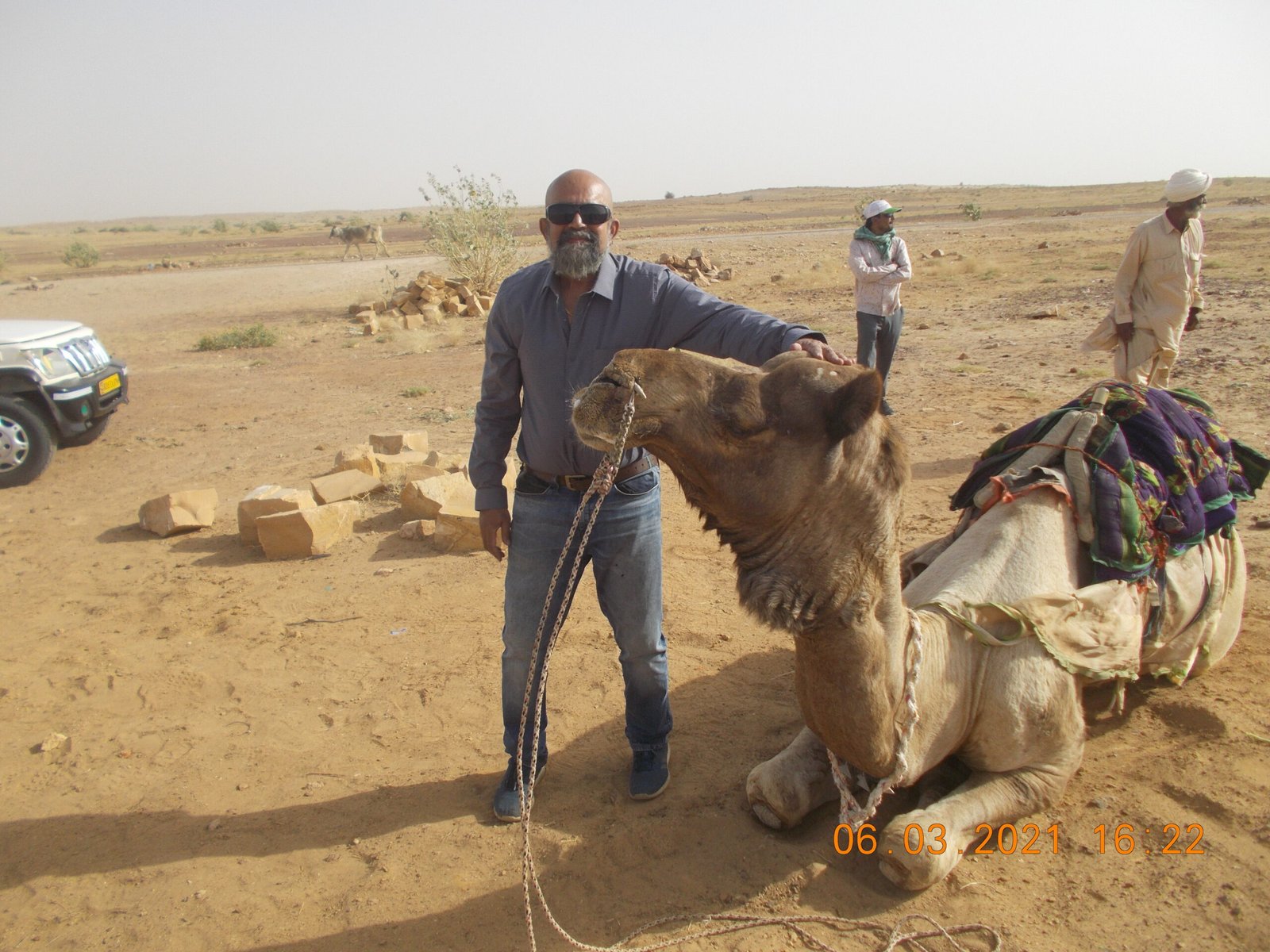
Camel safari
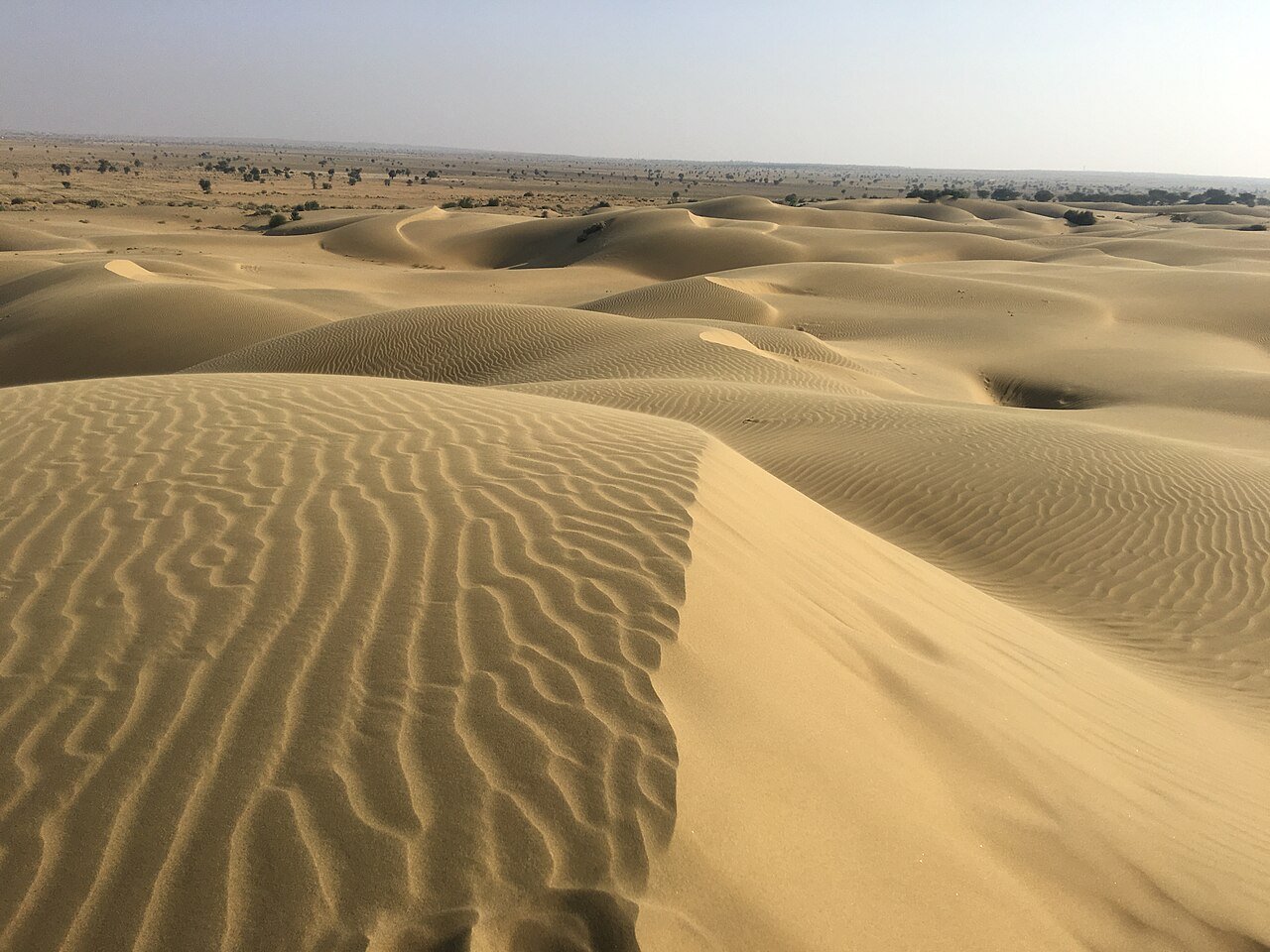
Ride into the Sam or Khuri dunes for a Thar sunset.
Desert camp
A starlit night of folk music, dance and dinner among the dunes.
Gadisar Lake
A serene man-made lake ringed by shrines, lovely at dawn.
Kuldhara
The eerie, abandoned village steeped in local legend.
Whether you want heritage, desert adventure or a magical night under the stars, this Jaisalmer itinerary delivers an unforgettable slice of the Thar.
Jaisalmer is a golden mirage made real — a living fort by day, a camel ride into the dunes by dusk, and a sky full of stars by night.
Part 2 of 8
Getting there and getting around
Jaisalmer lies deep in the desert but is well connected by train and road, with limited flights too.
By train: Jaisalmer railway station has direct services from Jodhpur, Jaipur and Delhi, including convenient overnight trains — a classic and comfortable way to arrive.
By air: Jaisalmer has a small airport with limited, often seasonal flights. Many travellers fly to Jodhpur (around 285 km) and continue by road or rail.
By road: Jodhpur to Jaisalmer takes around 5 hours across the desert, with buses and taxis, and it is a popular leg of a wider Rajasthan road trip.
Pro tip
Spend at least one night at a desert camp near Sam or Khuri rather than rushing back to town. The dunes are most magical at sunset, after dark and at dawn, away from the day crowds.
Getting around: The fort and old city are compact and walkable, with autos for longer hops. Camps and safari operators arrange transport to the dunes, and a hired car suits trips to Kuldhara and Bada Bagh.
Part 3 of 8
Best time for this trip
Jaisalmer is in the heart of the Thar, so the cool season is by far the best time to visit.
| Season | Months | What to expect |
|---|---|---|
| Winter | Oct–Mar | The best window — pleasant days, cool desert nights and ideal safari weather. Peak season. |
| Summer | Apr–Jun | Extremely hot, often above 45°C; sightseeing and safaris are uncomfortable. |
| Monsoon | Jul–Sep | Warm with occasional showers; quieter and a little greener, but still hot. |
| Desert Festival | Feb | A vibrant festival of music, dance and camel races in the dunes. |
Aim for October to March for comfortable days and atmospheric, cool desert nights. If you can, time your visit for the Jaisalmer Desert Festival in February — just book camps and stays well in advance, as the city fills up.
Part 4 of 8
Costs and budgeting for Indians
Jaisalmer suits most budgets, with desert camps ranging from simple to luxurious. Here is a realistic per-person, per-day guide for 2026.
| Style | Daily budget | What it covers |
|---|---|---|
| Backpacker | ₹1,500–2,500 | Fort guesthouse, autos, a basic camel safari and local meals. |
| Mid-range | ₹3,000–6,000 | Heritage haveli hotel or a comfortable desert camp, safari, guide and good meals. |
| Premium | ₹9,000+ | Luxury desert camp or palace hotel, private car and guide, curated experiences. |
The fort and havelis are inexpensive to visit, so your main planned costs are the camel safari and the desert-camp stay, sold as packages that usually include dinner and a cultural show. These vary widely in comfort, so choose to match your budget. Carry cash, as ATMs are limited and digital payments patchy at the dunes.
Good to know
Choose desert-camp and safari operators carefully and confirm exactly what is included. Carry cash for the dunes, and dress warmly for desert nights, which can get surprisingly cold in winter.
Part 5 of 8
The 2-3 day Jaisalmer itinerary
This plan blends the fort and havelis with a classic desert overnight.
Day 1 — Fort & havelis: Explore Jaisalmer Fort, its Jain temples and viewpoints, then the Patwon, Nathmal and Salim Singh havelis, ending with a sunset at Gadisar Lake or the cenotaphs of Bada Bagh.
Day 2 — Desert overnight: Visit Kuldhara on the way to the dunes, then take a camel safari into the Sam or Khuri sands for sunset, followed by a night of folk music, dinner and stargazing at a desert camp.
Day 3 — Dawn & departure: Watch sunrise over the dunes, return to town for any last sights or shopping, and begin your onward journey.
Extend your trip: Jaisalmer pairs naturally with Jodhpur’s blue city and a wider Rajasthan circuit through Udaipur and Jaipur for a complete desert-and-palace journey.
Pro tip
For a quieter desert experience, choose the Khuri dunes over the busier Sam dunes, and confirm whether your safari is a short sunset ride or a longer trek before booking.
Part 6 of 8
Where to stay, what to eat and experiences
Where to stay: Staying inside or just below the living fort puts you among the atmosphere, while the town has beautiful heritage haveli hotels. For the full desert experience, spend a night at a Sam or Khuri dunes camp, from rustic to luxury. Many travellers split a night in town with a night in the desert.
What to eat: Try Rajasthani classics like ker sangri, gatte ki sabzi, dal baati churma and desert-style thalis, often enjoyed at rooftop restaurants with fort views or around the campfire with folk music.
Camel safari
Ride into the Sam or Khuri dunes for a Thar sunset.
Explore the fort
Wander the living Sonar Quila’s lanes and temples.
Haveli tour
Marvel at the carved Patwon and Nathmal havelis.
Desert night
Enjoy folk music, dinner and stargazing at a dune camp.
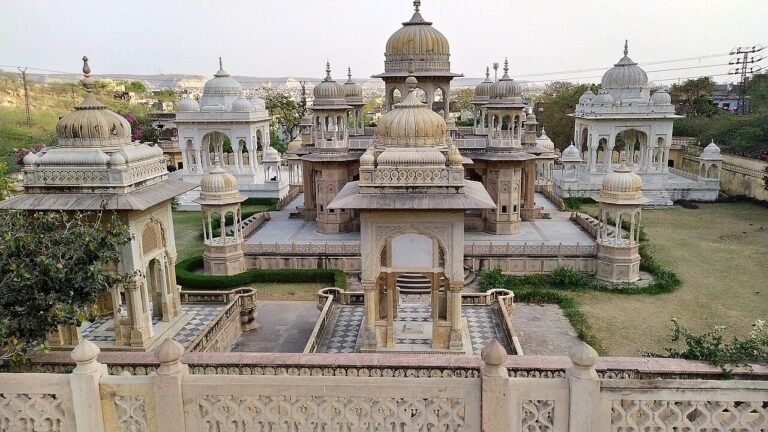
For more, catch dawn at Gadisar Lake, visit the cenotaphs of Bada Bagh at sunset, and explore the abandoned village of Kuldhara.
Part 7 of 8
Practical tips for Indian travellers
A few practical notes help you enjoy Jaisalmer’s fort and desert safely and comfortably.
Vet your camp
Choose safari and desert-camp operators carefully and confirm inclusions.
Layer for nights
Desert nights get cold in winter, so pack warm layers alongside sun protection.
Carry cash
ATMs are limited and digital payments patchy at the dunes and small stalls.
Tread lightly
The living fort is fragile; be a responsible visitor.
Jaisalmer is a relaxed, welcoming and generally safe city, suiting families, couples and solo travellers, including women, with the usual care in crowded lanes and on safaris. Be wary of overly pushy touts steering you to particular shops or camps, and book your safari and accommodation through reputable, well-reviewed operators. Protect yourself from the strong desert sun by day and the cold by night, and stay hydrated throughout.
Jaisalmer completes a classic western Rajasthan journey. It pairs naturally with Jodhpur, the “Blue City”, a few hours away, and slots into a wider royal circuit with Udaipur and Jaipur. Building one of these into your route turns a Golden City visit into a fuller desert-and-palace adventure across Rajasthan.
Part 8 of 8
Frequently asked questions
How many days do I need for Jaisalmer?
Two to three days are ideal — one for the fort, havelis and lake, and one for a desert overnight with a camel safari and dune camp. A third day lets you add Kuldhara, Bada Bagh and the Desert National Park.
How do I reach Jaisalmer?
Take a direct train from Jodhpur, Jaipur or Delhi, drive about 5 hours from Jodhpur, or fly via Jodhpur (around 285 km) with onward road travel, as Jaisalmer’s own airport has limited, seasonal flights.
When is the best time to visit Jaisalmer?
October to March, when the desert is cool and pleasant for sightseeing and safaris. Summers are extremely hot, often above 45°C, and best avoided. The Desert Festival in February is a vibrant time to visit.
Is a desert camp stay worth it?
Absolutely. A night at a Sam or Khuri dunes camp, with a camel safari, folk music, dinner and stargazing, is the highlight of most Jaisalmer trips. Camps range from rustic to luxury, so choose one to match your budget.
Sam or Khuri dunes — which is better?
Sam dunes are larger and more popular but busier, while Khuri is quieter and more rustic. For a peaceful desert experience choose Khuri; for easy access and a livelier atmosphere, Sam works well. Both offer camel safaris and camps.
Is Jaisalmer safe for solo and women travellers?
Yes, it is generally safe and welcoming. Take normal precautions in crowded lanes, book safaris and camps through reputable operators, be wary of pushy touts, and dress for both the strong daytime sun and cold desert nights.
Should I stay inside the Jaisalmer Fort?
You can, and it is atmospheric, but the living fort faces conservation pressures from heavy tourism. Many travellers split their stay between a haveli hotel in town and a night at a desert camp to enjoy both while treading lightly on the fort.
What can I combine with a Jaisalmer trip?
Jaisalmer pairs naturally with Jodhpur’s blue city a few hours away, and slots into a wider Rajasthan circuit with Udaipur and Jaipur, making for a complete desert-and-palace itinerary.
Can I do Jaisalmer as part of a Rajasthan road trip?
Yes, it is a classic leg. Jaisalmer pairs naturally with Jodhpur (about 5 hours away) and slots into a wider Rajasthan circuit with Udaipur and Jaipur. Many travellers reach it by overnight train and continue the loop by train or hired car.
Is the camel safari suitable for everyone?
Short sunset camel rides into the dunes suit most travellers, including families, and are gentle and scenic. Longer treks are more demanding. If camel riding is uncomfortable, many camps also offer jeep safaris into the dunes, so you can still enjoy the desert sunset.
The bottom line
A short Jaisalmer itinerary captures the jewel of the Thar — a living golden fort, breathtakingly carved havelis and a desert made for camel safaris and starlit camps. Come in the cool season, split your time between the atmospheric old town and a night among the dunes, choose your camp and safari operator with care, and pack for hot days and cold nights. Do that, and the Golden City will reward you with one of the most romantic and memorable desert experiences in all of India. Watch the fort glow gold at dusk, ride out into the silence of the dunes, and a couple of days in Jaisalmer will feel like stepping into another, older world.
Related reading
 Multi-Park Wildlife Safari in India: Planning Guide
 Luxury & Tourist Trains in India: A Complete Guide (2026)
 Gokarna Itinerary: 2-3 Day Beach Trip Plan (2026)
Photos sourced from Wikimedia Commons under their respective Creative Commons licences. Travel details are indicative for 2026; confirm timings, fees and safari operators locally before you travel.