Rajasthan 7-Day Itinerary 2026 — Jaipur, Jodhpur, Udaipur Golden Route
Last updated: July 8, 2026
Rajasthan is the land of maharajas — a desert state of mighty forts, lake palaces, blue and golden cities and living folk culture that makes for one of India’s most spectacular journeys. A week is enough to ride the classic circuit from the Pink City of Jaipur to the blue city of Jodhpur, the golden fort of Jaisalmer and the romantic lakes of Udaipur, each with its own distinct character. Grand, colourful and endlessly photogenic, a Rajasthan road trip is a bucket-list adventure for every Indian traveller.
This 2026 itinerary guide covers how to get there, the best time to go, what it costs, a day-by-day plan, where to stay and eat, and the practical tips for a smooth royal-Rajasthan journey.
- Getting there: Fly into Jaipur or Udaipur; trains and a hired car link the cities along the route.
- Best time: October to March, when the desert weather is cool and comfortable.
- Budget: ₹3,000–8,000 per day, including a car and a desert-camp or heritage night.
- Don’t miss: Jaipur’s Amber Fort, Jodhpur’s Mehrangarh, Jaisalmer’s desert and Udaipur’s lakes.
Part 1 of 8
Why a 7-day Rajasthan trip works so well
Each Rajasthan city has its own colour and character, so a week-long circuit never feels repetitive. You move from Jaipur’s pink forts and bazaars to Jodhpur’s blue lanes beneath a colossal fort, on to Jaisalmer’s golden desert and camel safaris, and finally to Udaipur’s dreamy lakes and palaces. With grand heritage hotels, Rajasthani feasts and folk music throughout, it is a journey that feels truly regal.
Jaipur
The Pink City’s Amber Fort, Hawa Mahal and lively bazaars.
Jodhpur
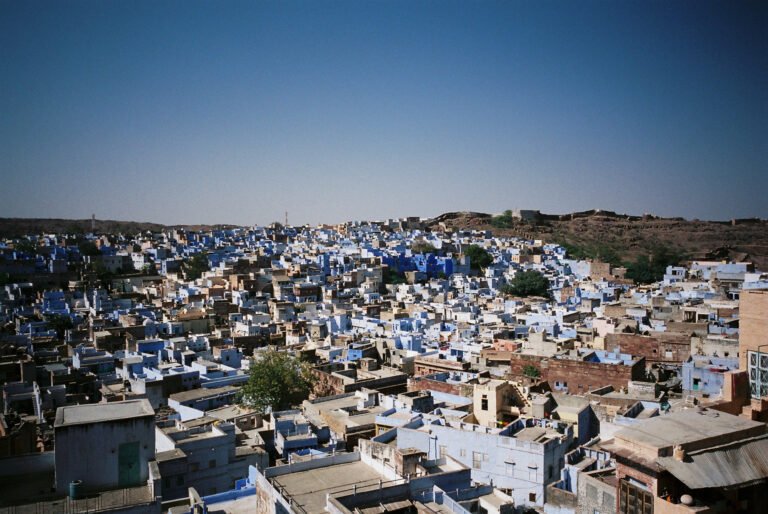
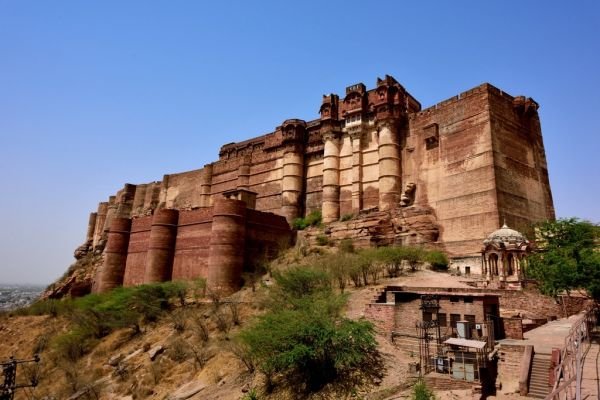
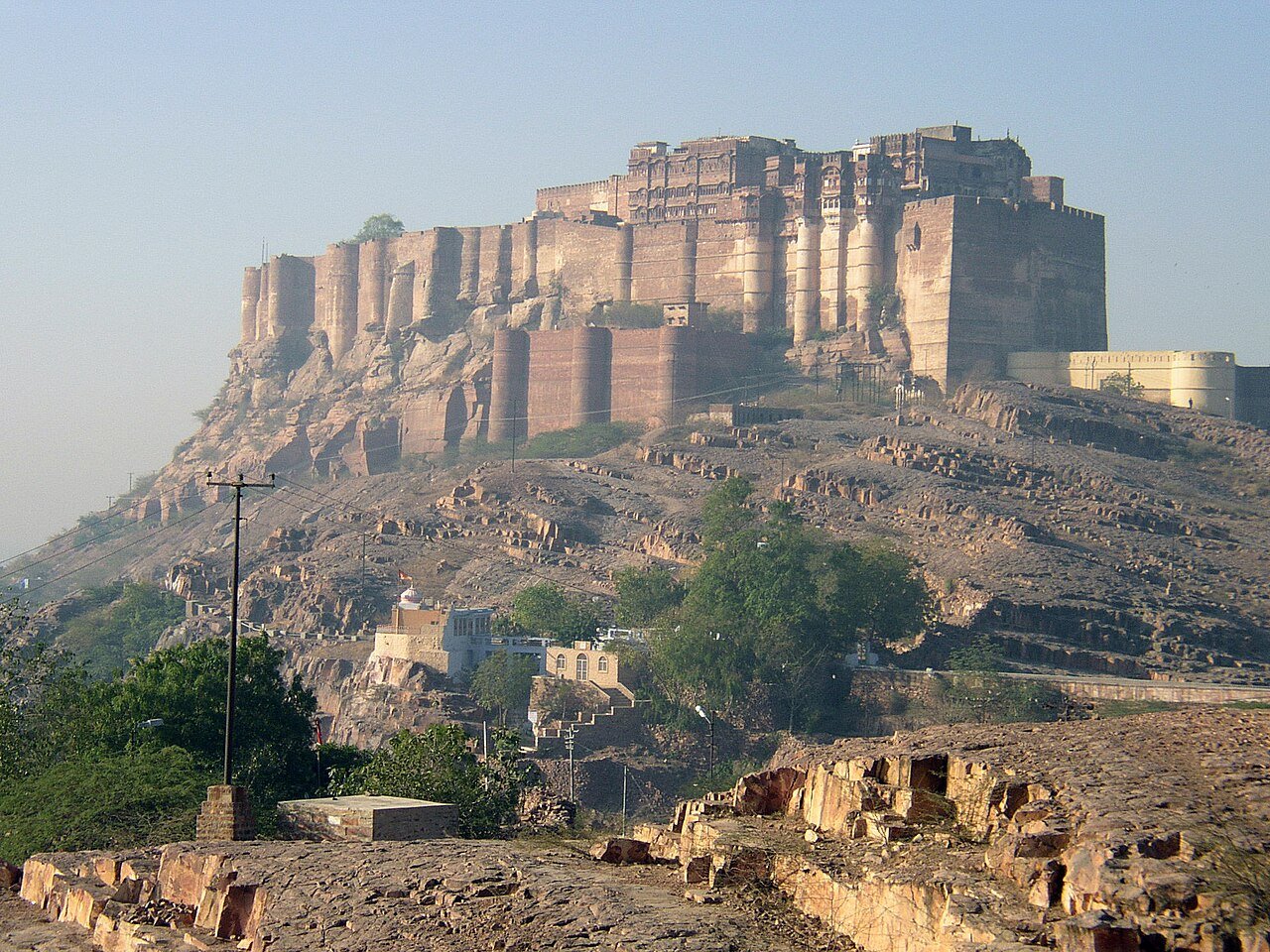
The towering Mehrangarh Fort over a sea of blue houses.
Jaisalmer
A living golden fort and a desert of dunes and camel safaris.
Udaipur
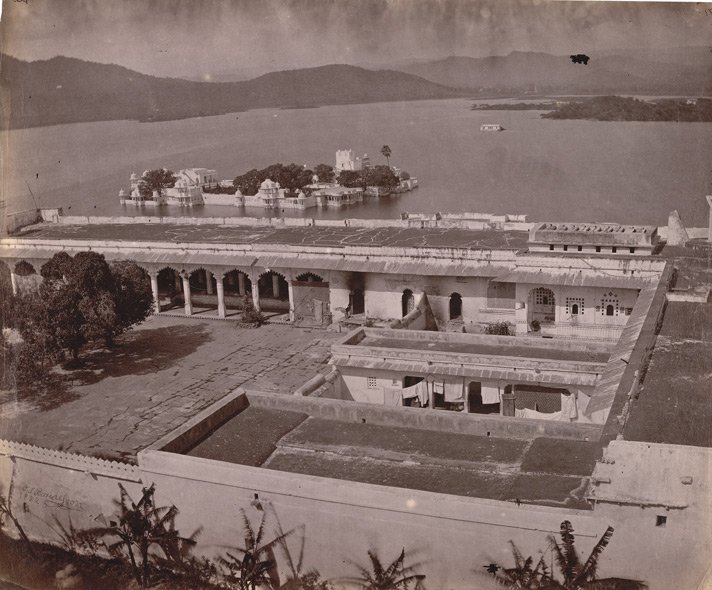
Lakes, the City Palace and palaces that seem to float on water.
Desert nights
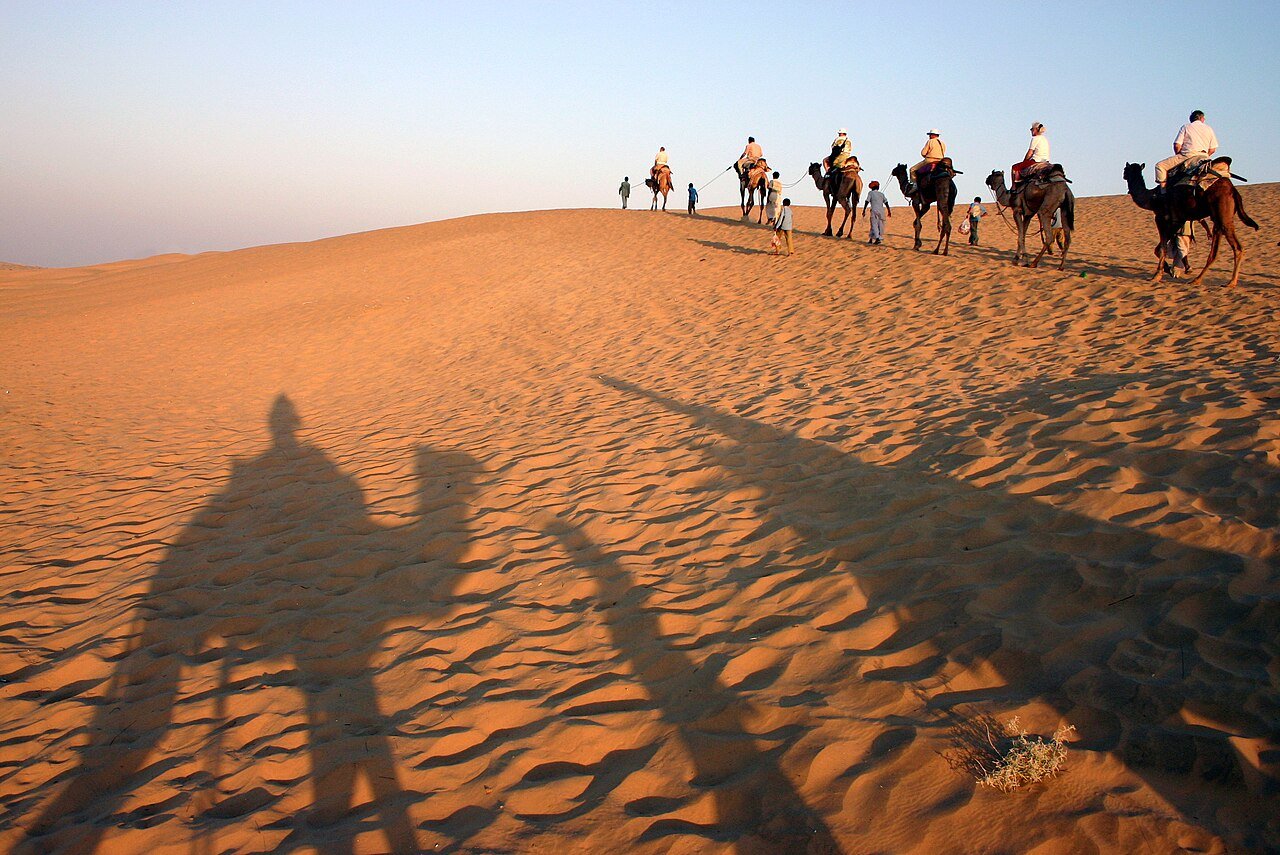
Camel rides, dune camps and folk music under the stars.
Royal cuisine
Dal baati churma, laal maas and rooftop dining with fort views.
Whether you love history, photography, culture or simply grand experiences, a seven-day Rajasthan loop packs in an extraordinary amount of colour and romance.
Rajasthan in a week — pink, blue and golden cities, lake palaces and a night in the dunes: the most regal road trip in India.
Part 2 of 8
Getting there and the route
Rajasthan is well connected, and this route runs in a logical loop you can tailor to your entry and exit cities.
By air: Jaipur and Udaipur both have well-connected airports, so many travellers fly into one and out of the other to avoid backtracking. Jodhpur also has flights.
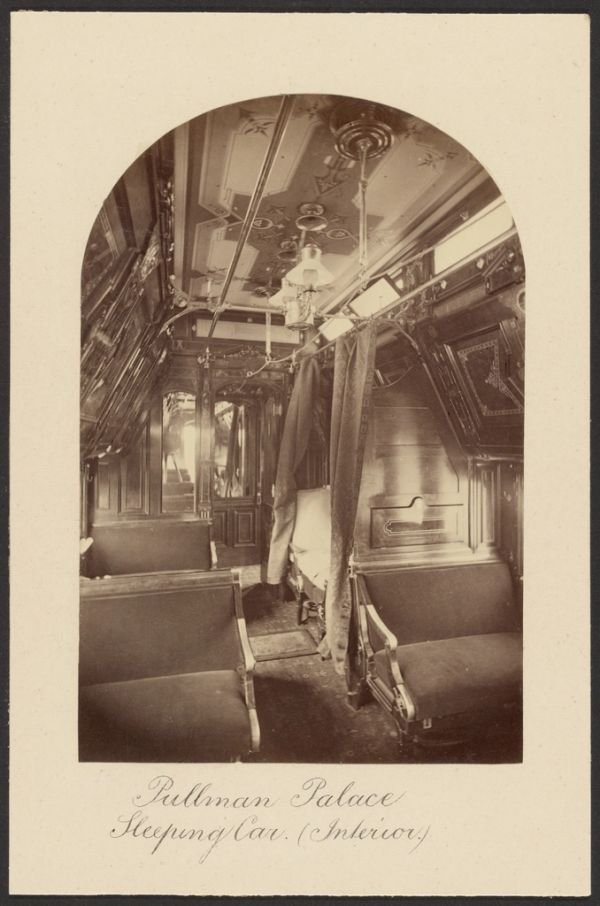
By train and road: Rajasthan has excellent overnight trains between the cities (a classic, atmospheric way to travel), while a hired car with a driver offers the most flexibility for the desert stretches and stops along the way.
Pro tip
Fly into Jaipur and out of Udaipur (or vice versa) and mix overnight trains for the long Jodhpur–Jaisalmer legs with a car for flexibility. This keeps the route moving forward and saves daytime travel hours.
Getting around: A car with driver links the cities and handles the desert, while within each city autos, app cabs and walking cover the forts and bazaars. Camel safaris and jeeps handle the dunes around Jaisalmer.
Part 3 of 8
Best time for this trip
Rajasthan is a desert state, so the cool winter months are by far the most comfortable for this fort-and-desert circuit.
| Season | Months | What to expect |
|---|---|---|
| Winter | Oct–Mar | The best window — cool days, cold desert nights and ideal sightseeing. Peak season. |
| Summer | Apr–Jun | Extremely hot, often above 40°C; sightseeing and the desert are uncomfortable. |
| Monsoon | Jul–Sep | Warm with occasional showers; quieter and a little greener, but still hot. |
| Festivals | Oct–Feb | Pushkar Fair, Desert Festival and others add colour — book far ahead. |
Aim for October to March for comfortable days and atmospheric, cool desert nights. The festival season adds vibrant events like the Pushkar Camel Fair and the Jaisalmer Desert Festival, but these draw big crowds, so book accommodation well in advance.
Part 4 of 8
Costs and budgeting for Indians
Rajasthan suits every budget, from backpacker havelis to opulent palace hotels. Here is a realistic per-person, per-day guide for 2026, excluding flights.
| Style | Daily budget | What it covers |
|---|---|---|
| Backpacker | ₹1,800–3,000 | Guesthouses and havelis, trains and shared transport, local meals and a basic desert safari. |
| Mid-range | ₹3,500–7,000 | Heritage hotels, a car with driver, monument entries, a desert camp and good meals. |
| Premium | ₹12,000+ | Palace and luxury hotels, private car and guide, premium desert camps and fine dining. |
Your main variables are accommodation — heritage and palace stays are a Rajasthan highlight worth budgeting for — the hired car, and the desert-camp and safari experiences. Composite monument tickets in cities like Jaipur offer good value. Carry some cash for autos, bazaars and the desert, though cards and UPI work widely.
Good to know
Book heritage hotels and desert camps ahead in peak season, choose reputable Jaisalmer safari operators, and pack for hot days and genuinely cold desert nights in winter.
Part 5 of 8
The 7-day Rajasthan itinerary
This classic loop links the four great cities, with the desert as the centrepiece.
Days 1–2 — Jaipur: Explore Amber Fort, Jaigarh and Nahargarh, the City Palace, Jantar Mantar, Hawa Mahal and the bazaars.
Day 3 — Jodhpur: Travel to the blue city for the magnificent Mehrangarh Fort, Jaswant Thada and the old-town lanes.
Days 4–5 — Jaisalmer: Continue to the golden city for its living fort and carved havelis, then a camel safari and an overnight desert camp in the Sam or Khuri dunes.
Days 6–7 — Udaipur: Finish in romantic Udaipur with the City Palace, a Lake Pichola boat ride and a Monsoon Palace sunset before departure.
Extend your trip: Add Pushkar and Ajmer, the forts of Kumbhalgarh and Chittorgarh, or the hill station of Mount Abu for a longer Rajasthan journey.
Pro tip
Use an overnight train for the long Jodhpur–Jaisalmer leg to save a day of travel, and time your Jaisalmer desert camp for a clear night — the dunes, folk music and star-filled sky are the trip’s magical highlight.
Part 6 of 8
Where to stay, what to eat and experiences
Where to stay: Rajasthan’s heritage havelis and palace hotels are a destination in themselves — pick a characterful one in at least a couple of cities. In Jaisalmer, split a night in town with a night at a desert camp, and in Udaipur choose a lake-view stay for the romance.
What to eat: Feast on Rajasthani classics — dal baati churma, gatte ki sabzi, laal maas and ker sangri — plus pyaaz kachori, ghewar and rooftop dining with fort-and-lake views. Each city has its own specialities worth seeking out.
Fort mornings
Start early at Amber, Mehrangarh and Jaisalmer forts to beat the heat.
Desert camp
Camel safari, folk music and a dune night near Jaisalmer.
Udaipur boat ride
Cruise Lake Pichola past the island palaces.
Bazaar shopping
Textiles, jewellery, juttis and crafts across the cities.
For more, add a Pushkar visit, the great wall of Kumbhalgarh, the marble Ranakpur temple, or a Rajasthani cultural evening with folk dance and food.
Part 7 of 8
Practical tips for Indian travellers
A few practical notes keep this multi-city Rajasthan trip smooth and enjoyable.
Open-jaw route
Fly into Jaipur and out of Udaipur to avoid backtracking.
Mix train & car
Overnight trains for long legs, a car for flexibility and the desert.
Pack for extremes
Hot days and cold desert nights in winter — bring layers.
Carry some cash
For autos, bazaars and the desert, alongside cards and UPI.
Rajasthan is a well-trodden, tourist-friendly region and generally safe, including for solo and women travellers, with the usual care in crowded bazaars and after dark. Be wary of commission-driven touts and drivers steering you to particular shops or camps, agree fares and prices in advance, and book reputable operators for the desert safari. Start fort visits early to beat the heat and crowds, dress modestly at temples, and stay hydrated in the dry desert climate.
This route is the heart of a wider royal-India journey. It connects to the Golden Triangle via Jaipur with Delhi and Agra’s Taj Mahal, and can be extended with Pushkar, the Shekhawati havelis, or the hill station of Mount Abu. Building one of these in turns a seven-day loop into a grander tour of north-western India.
Part 8 of 8
Frequently asked questions
Is 7 days enough for Rajasthan?
Yes, a week comfortably covers the classic circuit of Jaipur, Jodhpur, Jaisalmer and Udaipur, including a desert-camp night. Add two to three days for Pushkar, the forts of Kumbhalgarh and Chittorgarh, or Mount Abu.
What is the best Rajasthan route for a week?
The classic loop runs Jaipur to Jodhpur to Jaisalmer to Udaipur. Flying into Jaipur and out of Udaipur (or the reverse) avoids backtracking, and mixing overnight trains with a hired car keeps the long desert legs efficient.
When is the best time to visit Rajasthan?
October to March, when the desert weather is cool and comfortable for forts and dunes. Summers are extremely hot and best avoided, while the festival season (October–February) adds events like the Pushkar Fair but draws big crowds.
How should I travel between the cities?
A mix works best — atmospheric overnight trains for the long Jodhpur–Jaisalmer leg, and a hired car with a driver for flexibility and the desert stretches. Flights connect Jaipur, Jodhpur and Udaipur if you are short on time.
Is a desert camp night worth it?
Absolutely. A camel safari and an overnight camp in the Sam or Khuri dunes near Jaisalmer, with folk music and a star-filled sky, is the highlight of most Rajasthan trips. Choose a reputable operator and aim for a clear night.
Is Rajasthan safe for solo and women travellers?
Yes, it is a popular and generally safe region. Take normal precautions in crowded bazaars and after dark, agree auto and safari prices in advance, be wary of commission-driven touts, and dress modestly at temples and in smaller towns.
How hot does Rajasthan get?
Very hot in summer, often above 40°C from April to June, which makes sightseeing and the desert uncomfortable. Winter days are pleasant but desert nights can be genuinely cold, so pack layers if visiting between November and February.
What can I combine with a Rajasthan trip?
Rajasthan connects to the Golden Triangle via Jaipur with Delhi and Agra’s Taj Mahal, and can be extended with Pushkar, the Shekhawati havelis or the hill station of Mount Abu for a grander north-western India tour.
Can I do Rajasthan by train alone?
Yes, Rajasthan has excellent rail links and you can connect Jaipur, Jodhpur, Jaisalmer and Udaipur entirely by train, including atmospheric overnight services. However, a hired car adds flexibility for the desert and for stops between cities, so many travellers mix the two.
Which Rajasthan city should I spend the most time in?
It depends on your interests. Jaipur has the most monuments and shopping, Udaipur is the most romantic and relaxing, Jaisalmer offers the desert experience, and Jodhpur is compact but dramatic. On a week-long trip, two nights each in Jaipur and Jaisalmer (for the desert) works well, with one or two in Jodhpur and Udaipur.
The bottom line
A seven-day Rajasthan circuit is the most regal journey in India — pink, blue and golden cities, mighty forts, lake palaces and a magical night in the desert dunes. Come in the cool winter months, fly an open-jaw route, mix trains and a hired car, and stay in at least a couple of heritage havelis. Do that, and the land of maharajas will reward you with one of the most colourful, romantic and unforgettable trips you can take anywhere in the country. From a fort sunrise to a desert sunset, every day brings a new colour and a new palace — which is exactly why Rajasthan tops so many India bucket lists.
Related reading
 Resort vs Hotel for Family Trips: Which Is Better? (2026)
 Self-Drive Car Rentals in India: A Complete Guide (2026)
 Luxury & Tourist Trains in India: A Complete Guide (2026)
Photos sourced from Wikimedia Commons under their respective Creative Commons licences. Travel details are indicative for 2026; confirm timings, fees and desert-camp operators locally before you travel.