London Paris Itinerary: 7 Days from India (2026)
Last updated: July 8, 2026
London and Paris — two of the world’s greatest cities, linked by just over two hours on the Eurostar — make a dream combined trip for Indian travellers. Pair London’s royal history, free museums and West End buzz with Paris’s romance, art and iconic landmarks for the ultimate European city break. From Big Ben and the Tower of London to the Eiffel Tower and the Louvre, this itinerary packs in two unforgettable capitals in one seamless journey across the Channel.
This 2026 London–Paris itinerary lays out a practical day-by-day plan, with tips on visas, the Eurostar, costs, where to stay and what not to miss.
- Visas: You need a UK visa AND a Schengen visa (for France) — apply for both well in advance.
- Getting between them: The Eurostar links central London and Paris in about 2.5 hours.
- Best time: April to June and September to October for pleasant weather and fewer crowds.
- This route: London (3–4 days) → Eurostar → Paris (3–4 days), about a week.
Part 1 of 8
Why combine London and Paris
London and Paris are the perfect pairing — close enough to combine easily, yet wonderfully different in character. London offers royal pageantry, world-class (and free) museums, historic landmarks and West End theatre, while Paris brings romance, art, grand boulevards and café culture. The Eurostar whisks you city-centre to city-centre in about 2.5 hours, so you spend your time exploring two iconic capitals rather than in transit. It is the classic first European trip.
London icons
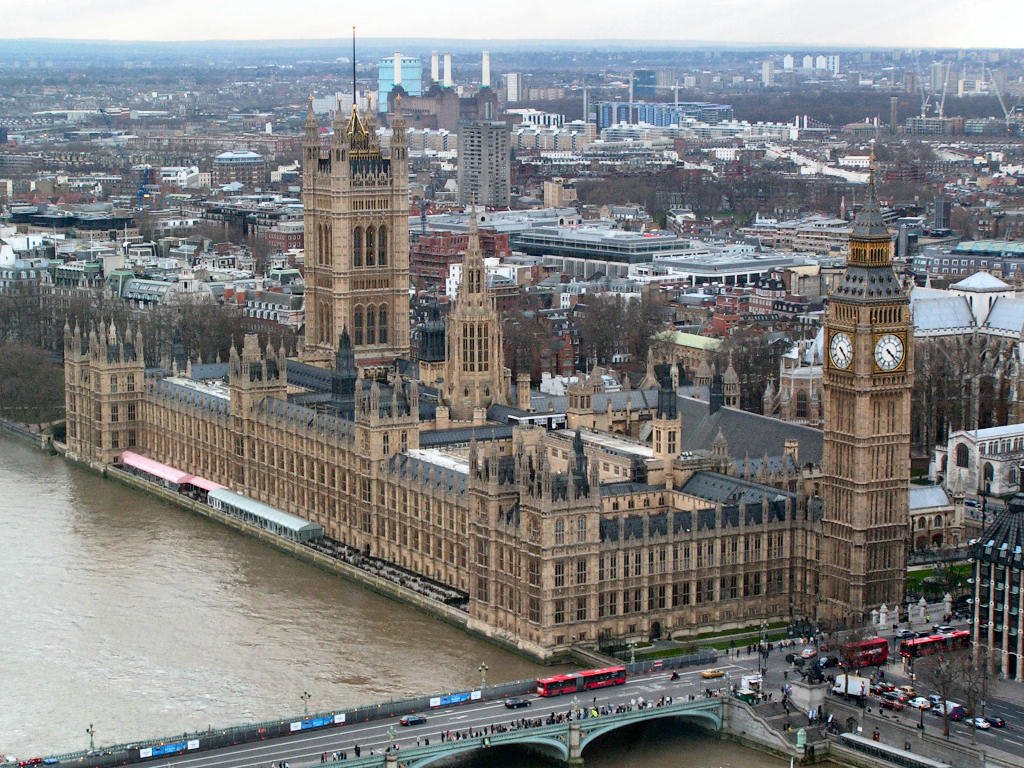
Big Ben, the Tower of London and Buckingham Palace.
Free museums
The British Museum, National Gallery and more.
Paris icons
The Eiffel Tower, Louvre and Notre-Dame.
Eurostar
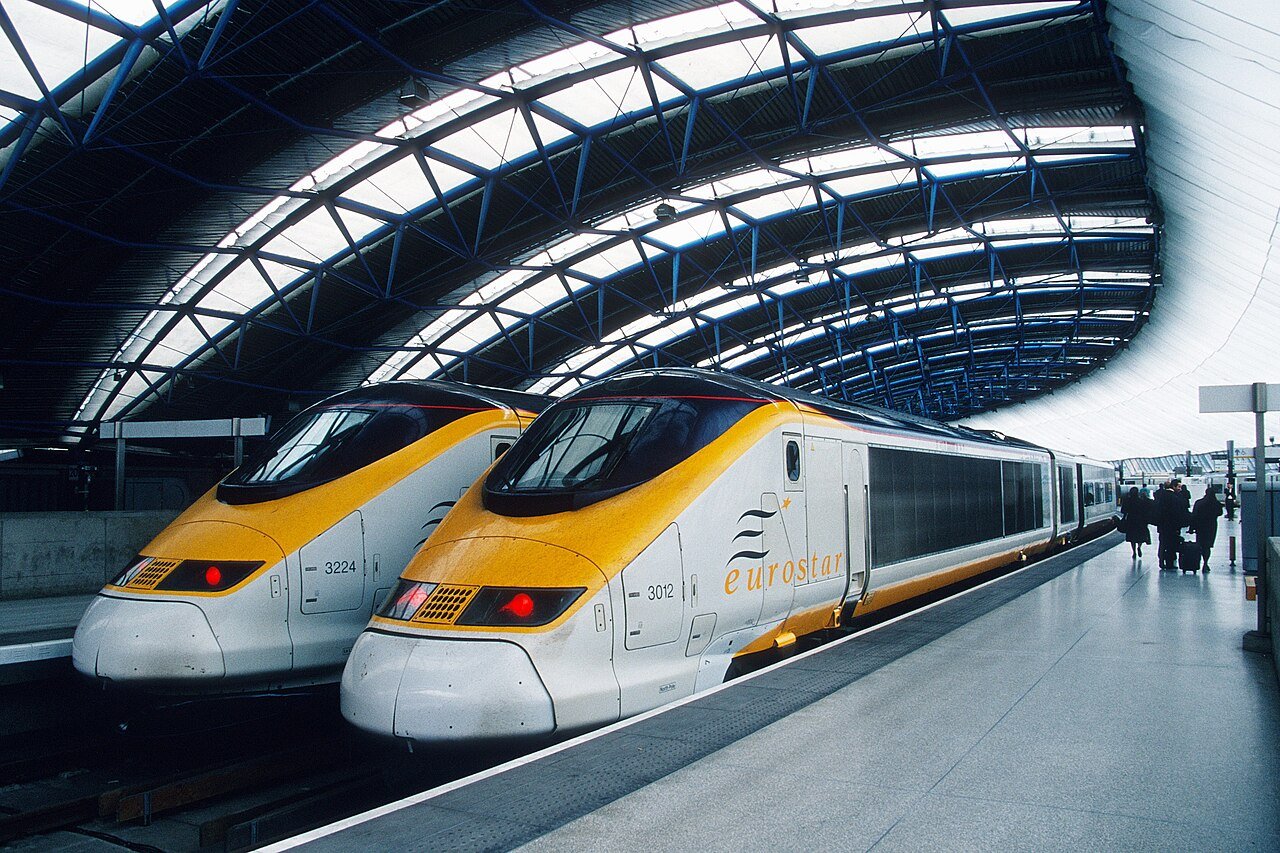
City-centre to city-centre in ~2.5 hours.
Culture
West End shows, art and café culture.
Romance
Thames and Seine cruises and skyline views.
Whether you love history, art, museums or romance, combining London and Paris delivers two of the world’s great cities in one seamless, unforgettable trip — ideal for first-timers and couples alike.
London and Paris in one trip is the dream double — royal London and romantic Paris, linked by a swift glide under the Channel.
Part 2 of 8
Visas, flights and the Eurostar
This trip needs two visas and a little planning, but the Eurostar makes the link effortless.
Visas: Indian travellers need a UK Standard Visitor visa AND a separate Schengen visa for France — the UK is not part of Schengen. Apply for both well in advance with your itinerary, flights, hotels, insurance and financial documents. Plan the order and timing of applications carefully.
Flights: Fly into London and out of Paris (or vice versa) — an “open-jaw” ticket avoids backtracking. Direct and one-stop flights connect Indian metros to both.
Eurostar: The high-speed Eurostar links London St Pancras and Paris Gare du Nord in about 2.5 hours. Book early for the cheapest fares, and arrive ahead for check-in and border control.
Pro tip
Apply for both the UK and Schengen visas early, allowing time for two separate processes. Book the Eurostar well in advance for the best fares, and fly open-jaw (into London, out of Paris) to save backtracking.
Within cities: Use London’s Tube (Oyster/contactless) and Paris’s metro to get around cheaply, and explore the walkable centres on foot.
Part 3 of 8
Best time to do this itinerary
Both cities are year-round, but spring and autumn offer the best balance.
| Season | Months | What to expect |
|---|---|---|
| Spring | Apr–Jun | Mild, blooming and pleasant — among the best times for both cities. |
| Summer | Jul–Aug | Warm and lively but busiest and priciest; book well ahead. |
| Autumn | Sep–Oct | Crisp, atmospheric and less crowded — another excellent window. |
| Winter | Nov–Mar | Cold but festive and magical, with fewer crowds and lower prices. |
For the best mix of pleasant weather and manageable crowds, travel in spring (April–June) or autumn (September–October). Summer is warm and lively but the busiest and most expensive, while winter is cold yet magical around the festive season, with thinner crowds and better deals. Pack layers and an umbrella for both cities’ changeable weather.
Part 4 of 8
Costs and budgeting for Indians
London and Paris are both pricey, so budget generously. Here is a realistic per-person, per-day guide for 2026, excluding international flights and the Eurostar.
| Style | Daily budget | What it covers |
|---|---|---|
| Budget | £/€80–130 | Hostels or budget hotels, casual meals, public transport, key sights. |
| Mid-range | £/€200–320 | Good hotels, restaurant dining, attractions and a show or cruise. |
| Luxury | £/€500+ | Upscale hotels, fine dining, private tours and premium experiences. |
Accommodation and dining are the main costs in both cities, but London’s superb museums are largely free, and many landmarks, parks and neighbourhoods cost nothing. Budget separately for the Eurostar and major attractions. Save with casual meals, free sights and city transport passes. Carry cards (widely accepted) plus some pounds and euros.
Good to know
Both cities are generally safe but watch for pickpockets in tourist areas, on the Tube and the Paris metro, and beware common scams (especially around Paris landmarks). Keep valuables secure, use official transport, and keep copies of your passport and both visas separate from the originals.

Part 5 of 8
The London–Paris itinerary, day by day
This route gives each city its due before the easy Eurostar hop.
Days 1–2 — London (royal & historic): Big Ben, Westminster Abbey, Buckingham Palace (Changing of the Guard), the London Eye, the Tower of London and Tower Bridge, plus a Thames cruise.
Day 3 — London (museums & markets): The British Museum or South Kensington museums, Covent Garden, Soho and a West End show.
Day 4 — Eurostar to Paris: Morning Eurostar to Paris; afternoon at the Eiffel Tower and a Seine stroll, ending with the evening tower sparkle.
Days 5–6 — Paris (art & icons): The Louvre, Notre-Dame, Montmartre and Sacré-Cœur, the Champs-Élysées and Arc de Triomphe, and a Seine cruise.
Day 7 — Paris (day trip or leisure): The Palace of Versailles, or Disneyland Paris, or more of the city before flying home.
Pro tip
Book the Eurostar and major attractions (the Tower of London, Eiffel Tower, Louvre, Versailles) online in advance to save and skip queues. A morning Eurostar gives you a full afternoon to start exploring Paris.
Part 6 of 8
Where to stay in each city
Choosing central, well-connected bases makes this two-city trip smooth.
London: Stay near a Tube station — Westminster, South Kensington, Covent Garden or the South Bank for sights, or King’s Cross/St Pancras for the Eurostar and value.
Paris: Central areas like the Marais, Saint-Germain, the Latin Quarter or near the Louvre put you within walking distance of the sights; near Gare du Nord is handy for arrival.
Staying near the Eurostar stations on the relevant days eases the transfer between cities.
London: near Tube
Westminster, Kensington or the South Bank.
London: King’s Cross
Handy for the Eurostar and value.
Paris: central
Marais, Latin Quarter or near the Louvre.
Paris: Gare du Nord
Handy on Eurostar arrival day.
Book accommodation early in peak season, when central, well-located places fill fast and prices rise in both cities.
Part 7 of 8
Practical tips for this London–Paris trip
A few habits make this two-city, two-visa trip run smoothly.
Get both visas
UK and Schengen are separate — apply early for both.
Book the Eurostar early
For the cheapest fares and a smooth hop.
Book sights online
Skip queues at major attractions in both cities.
Guard valuables
Pickpockets target tourist spots and transit.
This itinerary is designed to be seamless, but the two visas need attention. Apply for the UK Standard Visitor visa and the Schengen visa for France well in advance, allowing time for two separate processes, and carry copies of both. Fly open-jaw (into London, out of Paris), book the Eurostar early, and reserve major attractions online to skip queues.
Use London’s Tube and Paris’s metro with travel passes or contactless cards, and take advantage of London’s many free museums to balance the high costs. Stay alert to pickpockets and scams around tourist hotspots and on transit in both cities, pack layers and an umbrella, and keep document copies separate from the originals. With these basics covered, London and Paris combine into one unforgettable European trip.
Part 8 of 8
Frequently asked questions
Do I need one visa or two for a London–Paris trip?
Two. The UK is not part of the Schengen area, so Indian travellers need a UK Standard Visitor visa for London and a separate Schengen visa (via France) for Paris. Apply for both well in advance, allowing time for two distinct processes, and carry copies of each.
How do I travel between London and Paris?
The high-speed Eurostar train links London St Pancras and Paris Gare du Nord in about 2.5 hours, city-centre to city-centre. Book early for the cheapest fares, and arrive ahead of departure for check-in and border control. Budget flights also connect the two, but the Eurostar is faster and more convenient.
How many days do I need for London and Paris?
About a week works well — three to four days in each city. That covers London’s royal sights, museums and a show, and Paris’s icons, art and a Versailles day trip, with the Eurostar hop in between. Add days for more museums, neighbourhoods or day trips if you have time.
When is the best time for a London–Paris trip?
Spring (April–June) and autumn (September–October) offer the best balance of pleasant weather and manageable crowds. Summer is warm and lively but busiest and priciest, while winter is cold yet festive and magical around Christmas, with fewer crowds and lower prices. Pack layers for both.
How much does a London–Paris trip cost?
Both cities are pricey. Excluding international flights and the Eurostar, budget travellers manage on around £/€80–130 a day, mid-range £/€200–320, and luxury £/€500 plus. Accommodation and dining are the main costs, but free museums, landmarks and city passes help keep budgets in check.
Should I fly into London and out of Paris?
Yes — an “open-jaw” ticket (into London, out of Paris, or vice versa) avoids backtracking and saves time, letting you use the Eurostar one-way between the cities. Direct and one-stop flights connect both London and Paris to Indian metros, so open-jaw routing is usually easy to arrange.
Is the Eurostar worth it over flying?
For London–Paris, usually yes. The Eurostar takes about 2.5 hours city-centre to city-centre, with no airport transfers or long security lines, often making it faster door-to-door than flying. Book early for the best fares and enjoy a comfortable, scenic journey under the Channel.
Are London and Paris safe for Indian travellers?
Both are generally very safe, but pickpocketing is common in tourist areas, on the London Tube and the Paris metro, and scams occur around major Paris landmarks. Keep valuables secure, stay alert in crowds, use official transport, and keep copies of your passport and both visas separate from the originals.
Which city should I visit first, London or Paris?
Either works, but many travellers start in London and finish in Paris, flying open-jaw (into London, out of Paris) and taking the Eurostar one-way between them. The order often depends on your flight deals and visa timing. Just plan the Eurostar leg in the middle of your trip so you give each city a solid three to four days.
Can I add other European cities to this trip?
Yes. From Paris, fast trains and budget flights reach Amsterdam, Brussels, Switzerland and beyond, all on the same Schengen visa, so you could extend the trip. However, the UK portion requires its own visa and is separate from Schengen. For a first trip, London and Paris alone make a rich, well-paced week without rushing.
The bottom line
Combining London and Paris is the dream European double — royal London with its free museums and West End buzz, and romantic Paris with its art and iconic landmarks, linked by a swift 2.5-hour Eurostar glide under the Channel. Sort both your UK and Schengen visas early, fly open-jaw, book the Eurostar and major sights online, and travel in spring or autumn for the best balance of weather and crowds. Guard against pickpockets, use the cities’ excellent metros, and this itinerary will reward Indian travellers with two of the world’s greatest capitals in one unforgettable trip.
Related reading
 South Africa Travel Guide for Indians (2026)
 Greece Travel Guide for Indians: Visa, Islands & Itinerary
 Spain Travel Guide for Indians: Visa, Costs & Itinerary
Photos sourced from Wikimedia Commons under their respective Creative Commons licences. Visa, rail and travel details are indicative for 2026; confirm current visa rules, Eurostar pricing and timings before you travel.