Shillong Cherrapunji Itinerary: 5-Day Meghalaya Trip (2026)
Last updated: July 8, 2026
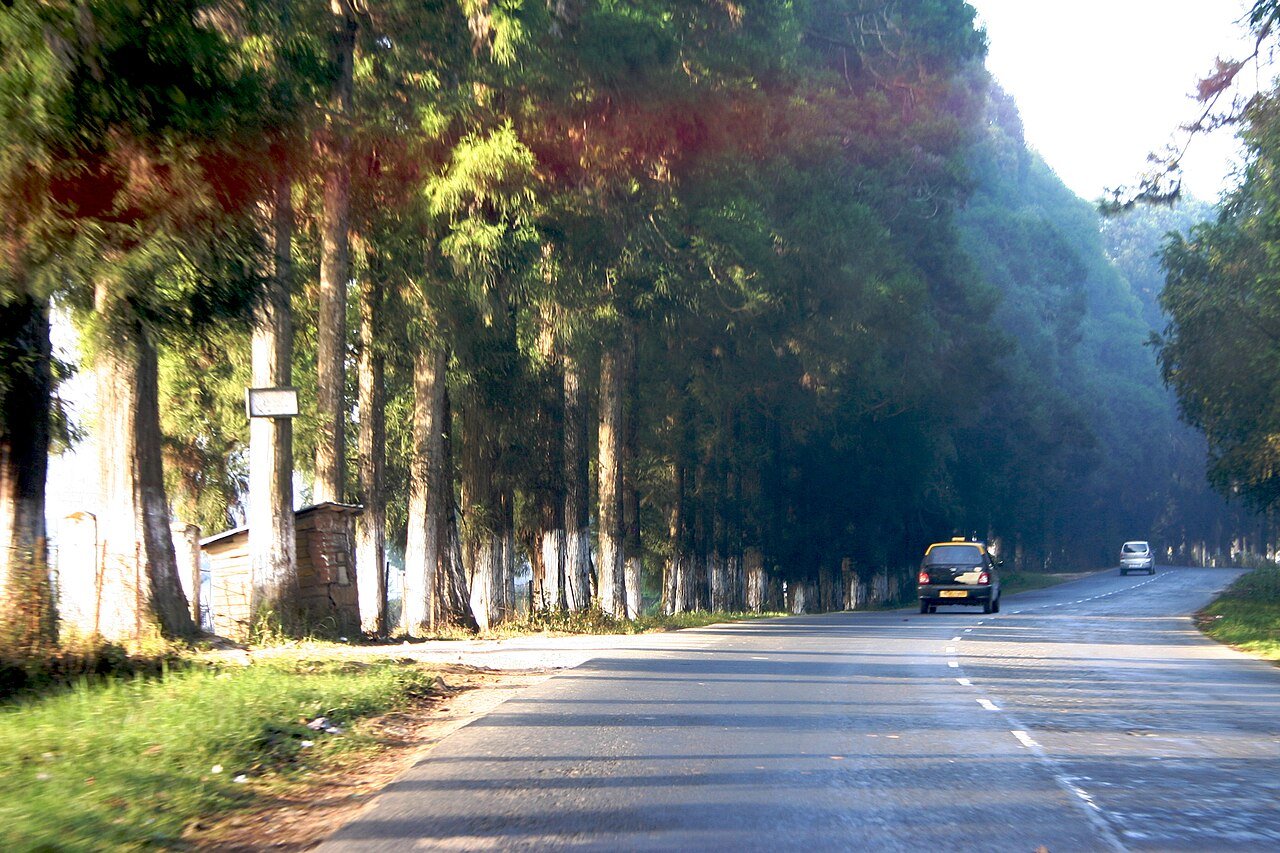
Shillong and Cherrapunji are the heart of Meghalaya, the “abode of clouds” — a lush, hilly corner of Northeast India where waterfalls plunge off green plateaus, rivers run crystal-clear, and the local Khasi people grow living bridges from the roots of rubber trees. Shillong, the easygoing “Scotland of the East”, makes a comfortable base, while nearby Sohra (Cherrapunji), one of the wettest places on earth, delivers the region’s most dramatic falls, caves and root-bridge treks. Best of all, no special permit is needed, making it one of the most accessible adventures in the Northeast.
This 2026 itinerary guide for Indian travellers covers how to get there, the best time to visit, what it costs, a day-by-day plan, where to stay and eat, and the practical tips for a smooth week in Meghalaya.
- Getting there: Fly or train to Guwahati, then a scenic 3-hour drive up to Shillong; no special permit is required for Indians.
- Best time: October to April for the driest, clearest weather; the monsoon is spectacular but extremely wet.
- Budget: ₹2,500–6,000 per day for a comfortable trip, including a vehicle for sightseeing.
- Don’t miss: Nohkalikai Falls, a living root bridge trek, Dawki’s clear river and the village of Mawlynnong.
Part 1 of 8
Why this Meghalaya trip works so well
Few parts of India feel as green, clean and otherworldly as Meghalaya. Within a couple of days you can stand atop India’s tallest plunge waterfall, trek down to a centuries-old double-decker root bridge, boat on a river so clear the boats seem to float on air, and visit a village famed as Asia’s cleanest. Shillong adds a relaxed hill-town culture of cafés, music and markets, and the whole region is refreshingly permit-free for Indian travellers.
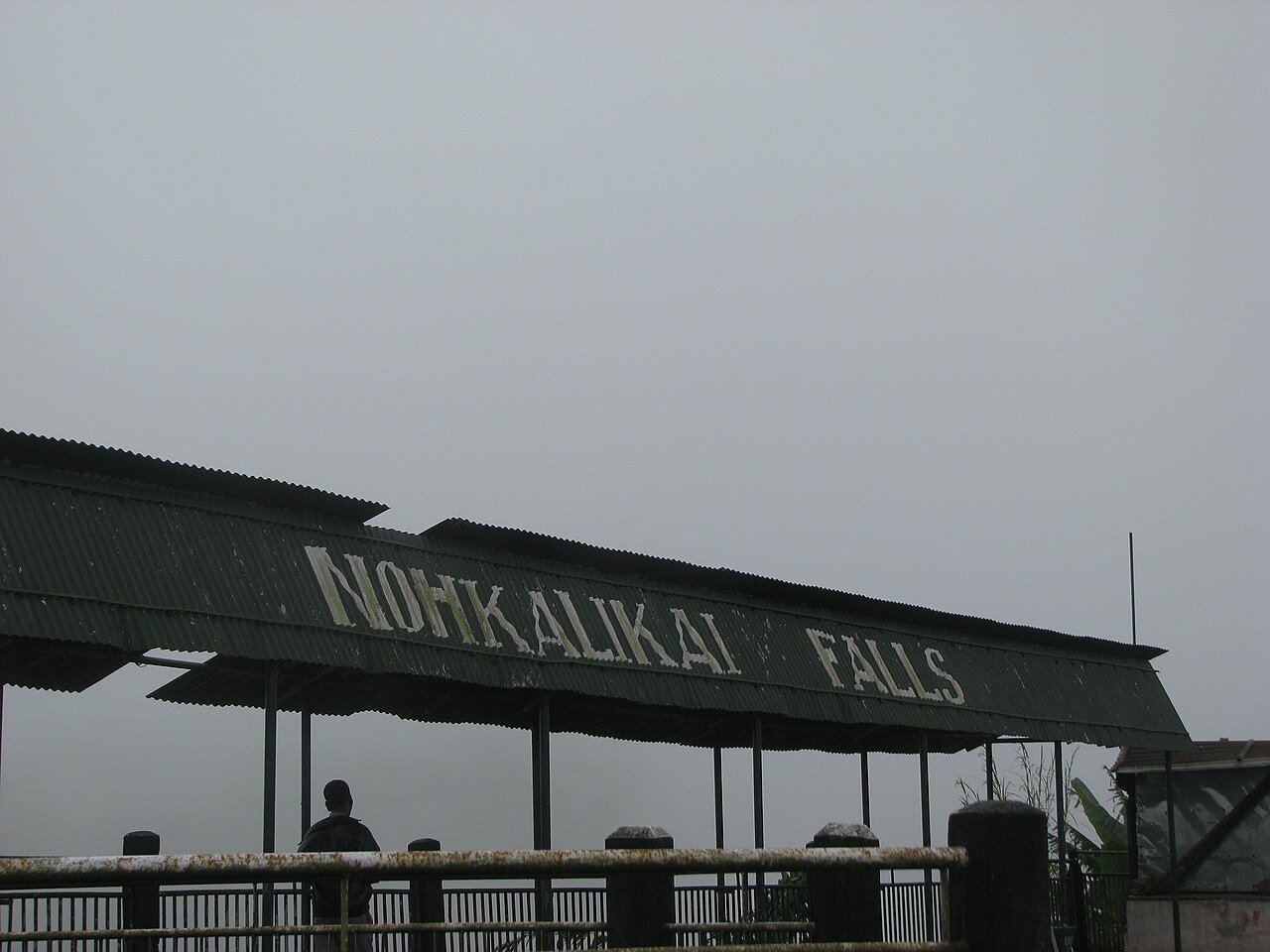
Nohkalikai Falls
India’s tallest plunge waterfall, dropping into a turquoise pool near Cherrapunji.
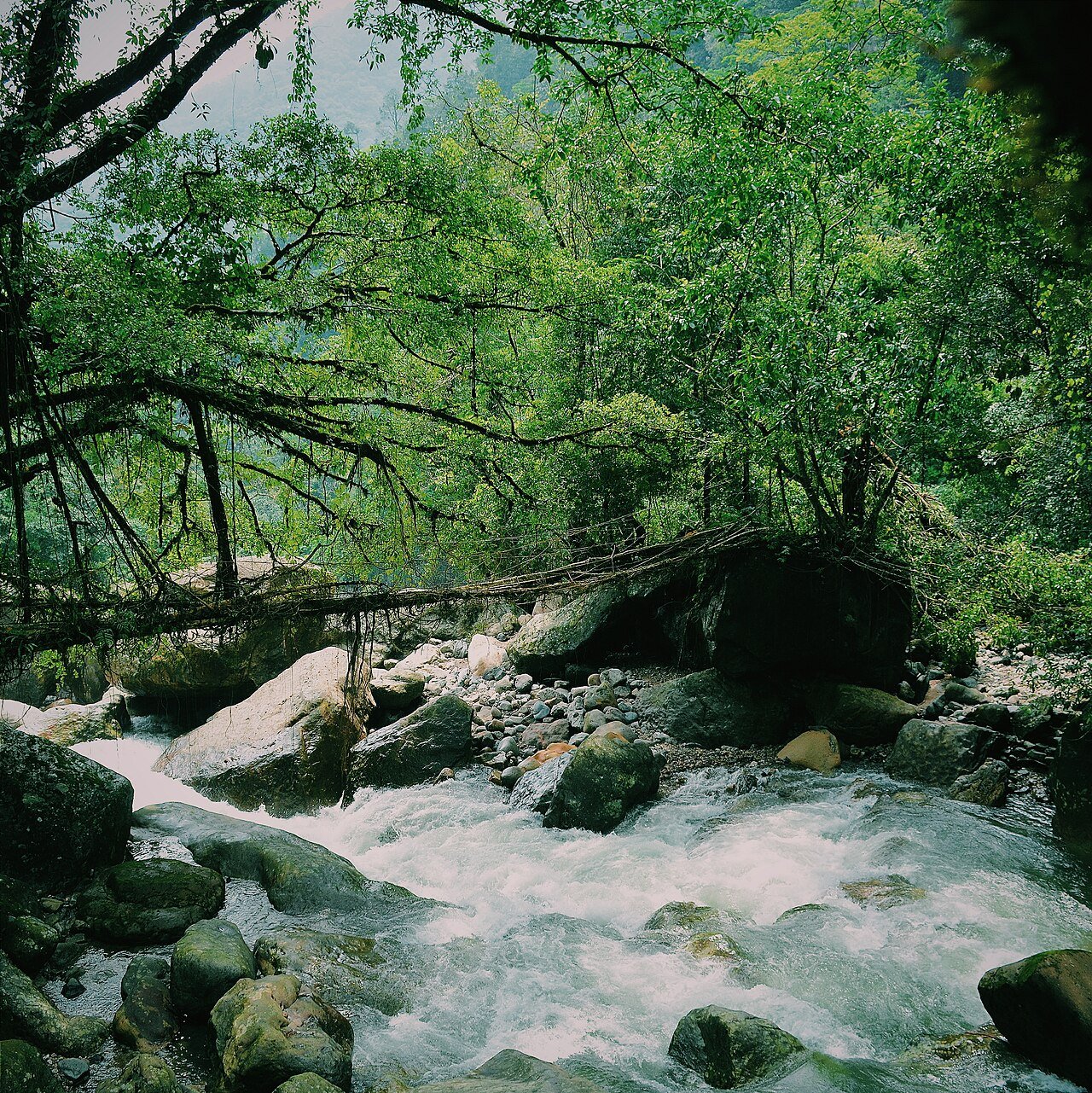
Living root bridges
Hand-grown bridges of rubber-tree roots, including the famous double-decker.
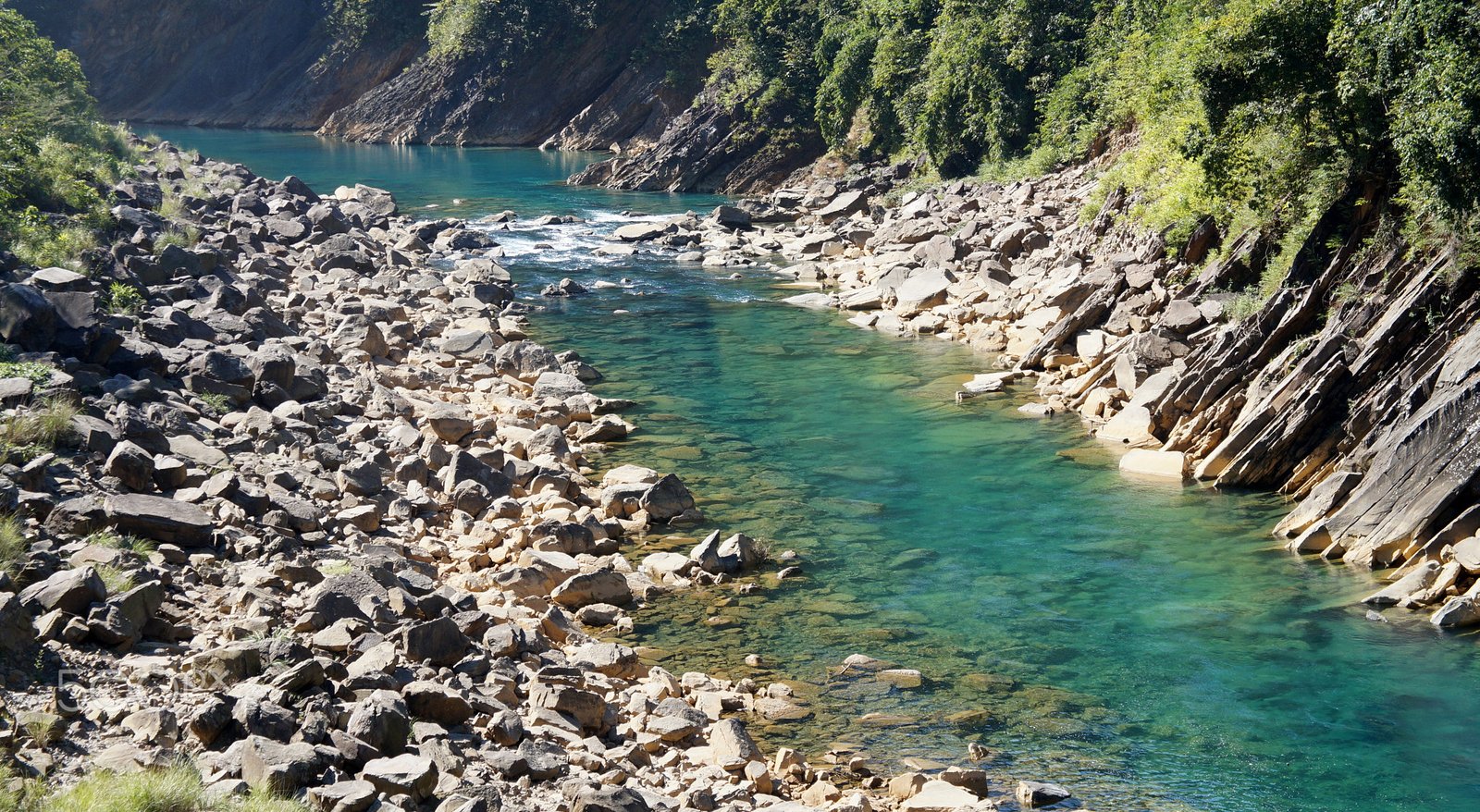
Dawki river
The astonishingly clear Umngot river near the Bangladesh border.
Mawlynnong
A spotless Khasi village billed as the cleanest in Asia.
Caves
Explore Mawsmai and Arwah limestone caves around Sohra.
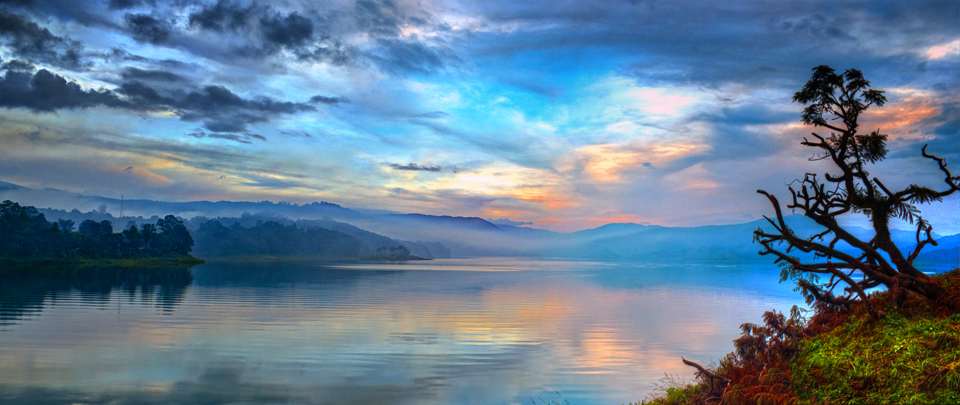
Umiam Lake
A serene reservoir of blue water and pine-clad hills near Shillong.
Whether you want waterfalls, treks, clean rivers or laid-back hill-town culture, this Shillong–Cherrapunji loop offers one of the most rewarding and scenic trips in Northeast India.
Meghalaya is the abode of clouds made real — root bridges, glass-clear rivers and India’s tallest falls, all in one impossibly green corner.
Part 2 of 8
Getting there and getting around
Meghalaya is reached via neighbouring Assam, with Guwahati serving as the main gateway by air and rail before a beautiful drive into the hills.
By air: Guwahati’s Lokpriya Gopinath Bordoloi Airport (GAU) is the main hub, about 120 km and a 3-hour drive from Shillong. Shillong’s own Umroi Airport has limited flights.
By train: Guwahati is the nearest major railway station, well connected across India, from where you continue to Shillong by shared or private taxi.
Permits: Indian travellers do not need an Inner Line Permit for Meghalaya, which makes trip planning simpler than for some other Northeast states. Carry valid ID as always.
Pro tip
Hire a car with a local driver for the whole trip. The sights are spread across winding hill roads between Shillong, Sohra, Dawki and Mawlynnong, and a good driver makes the long, scenic days far easier.
Getting around: Shared and private taxis are the main way to travel. Within Shillong, taxis and walking work for the markets and lakes, while the waterfalls, caves and villages need a hired vehicle.
Part 3 of 8
Best time to visit Meghalaya
Meghalaya is famously one of the rainiest regions on earth, so timing your trip around the drier months makes a huge difference to what you can see and do.
| Season | Months | What to expect |
|---|---|---|
| Post-monsoon | Oct–Nov | Lush green hills, full waterfalls and clearing skies — a wonderful time to visit. |
| Winter | Dec–Feb | Cool, dry and clear, ideal for sightseeing and treks. Peak season. |
| Spring | Mar–Apr | Pleasant and green, with comfortable weather before the rains return. |
| Monsoon | May–Sep | Extremely heavy rain, especially around Cherrapunji; dramatic but disruptive. |
For the best balance of greenery, full waterfalls and manageable weather, aim for October to April. The monsoon shows Meghalaya at its most powerful, with thundering falls, but the relentless rain can wash out viewpoints, make trails slippery and disrupt travel, so most visitors prefer the drier window.
Part 4 of 8
Costs and budgeting for Indians
Meghalaya is affordable, with transport being the main planned expense given the distances between sights. Here is a realistic per-person, per-day guide for 2026.
| Style | Daily budget | What it covers |
|---|---|---|
| Backpacker | ₹1,500–2,500 | Guesthouse or homestay, shared taxis, local eateries and entry fees. |
| Mid-range | ₹3,000–6,000 | Comfortable hotel or homestay, a shared hired car for sightseeing, good meals. |
| Premium | ₹8,000+ | Boutique resort or lakeside stay, private vehicle throughout, guided treks and dining. |
Entry fees for the falls, caves and the Dawki boat rides are individually modest. The biggest cost is the hired vehicle, which is essential for covering Shillong, Cherrapunji, Dawki and Mawlynnong, so sharing a car with your group keeps it economical. Carry cash, as digital payments are unreliable outside Shillong.
Good to know
Meghalaya is safe and friendly, but distances and winding roads make days long. ATMs cluster in Shillong, so withdraw enough cash before heading out to Sohra, Dawki and the villages.
Part 5 of 8
The 5-6 day Meghalaya itinerary
This loop pairs Shillong’s comfort with Cherrapunji’s drama and the clean rivers and villages of the south.
Day 1 — Shillong: Arrive from Guwahati, stopping at Umiam Lake en route, then explore Shillong’s Ward’s Lake, Don Bosco Museum and the lively Police Bazaar.
Day 2 — Around Shillong: Visit Elephant Falls, Shillong Peak and the dramatic Laitlum Canyons, or the sacred forest of Mawphlang, before a relaxed café evening.
Day 3 — Cherrapunji (Sohra): Drive to Sohra for Nohkalikai Falls, the Seven Sisters Falls, and the Mawsmai and Arwah caves, soaking up the plateau’s epic viewpoints.
Day 4 — Root bridge trek: Hike down to the famous double-decker living root bridge at Nongriat, a strenuous but unforgettable day among waterfalls and natural pools.
Days 5–6 — Dawki & Mawlynnong: Head south to boat on the crystal-clear Umngot river at Dawki and visit Mawlynnong, Asia’s cleanest village, before returning to Shillong or Guwahati.
Pro tip
The double-decker root bridge trek at Nongriat involves thousands of steep steps down and back up. Start early, carry water and good shoes, and consider staying overnight at Nongriat to enjoy it without rushing.
Part 6 of 8
Where to stay, what to eat and experiences
Where to stay: Shillong has the widest choice of hotels and homestays and makes a convenient base, while a night in Cherrapunji or at Nongriat near the root bridges lets you explore the south without long daily drives. Lakeside resorts at Umiam are a scenic alternative.
What to eat: Try Khasi specialities like jadoh (rice cooked with meat), dohneiiong (pork with black sesame) and tungrymbai, alongside momos, noodle soups and Shillong’s thriving café fare. Vegetarians can find rice, dal, vegetable dishes and momos, though it helps to ask, especially in smaller villages.
Root bridge trek
Descend to the double-decker bridge at Nongriat through lush forest.
Dawki boating
Float on the glass-clear Umngot river near the Bangladesh border.
Waterfall circuit
See Nohkalikai and the Seven Sisters falls around Cherrapunji.
Cleanest village
Wander spotless Mawlynnong and its sky-view bamboo platform.
For more, add the turquoise Krang Suri Falls in the Jaintia Hills, the caves and limestone landscapes around Sohra, or simply a relaxed evening soaking up Shillong’s famous live-music scene.
Part 7 of 8
Practical tips for Indian travellers
A little preparation makes a Meghalaya trip smoother, particularly around the rain, the treks and the long driving days.
Pack for rain
Carry a rain jacket and quick-dry clothes any time of year — this is cloud country.
Trek-ready
Sturdy shoes and basic fitness help for the steep root-bridge descents.
Carry cash
Withdraw enough in Shillong; ATMs and UPI are scarce in the interior.
Travel responsibly
Meghalaya prides itself on cleanliness — carry out your waste and respect villages.
Meghalaya is safe and welcoming, suiting families, couples and solo travellers, with the main challenges being practical rather than about security. Days are long because the sights are far apart on winding hill roads, so build in realistic drive times and avoid over-packing your itinerary. The root-bridge treks are genuinely demanding, so know your limits, go with a local guide where helpful, and start early. Respect the strong local culture of cleanliness and the sanctity of the sacred forests, and always ask before photographing villagers.
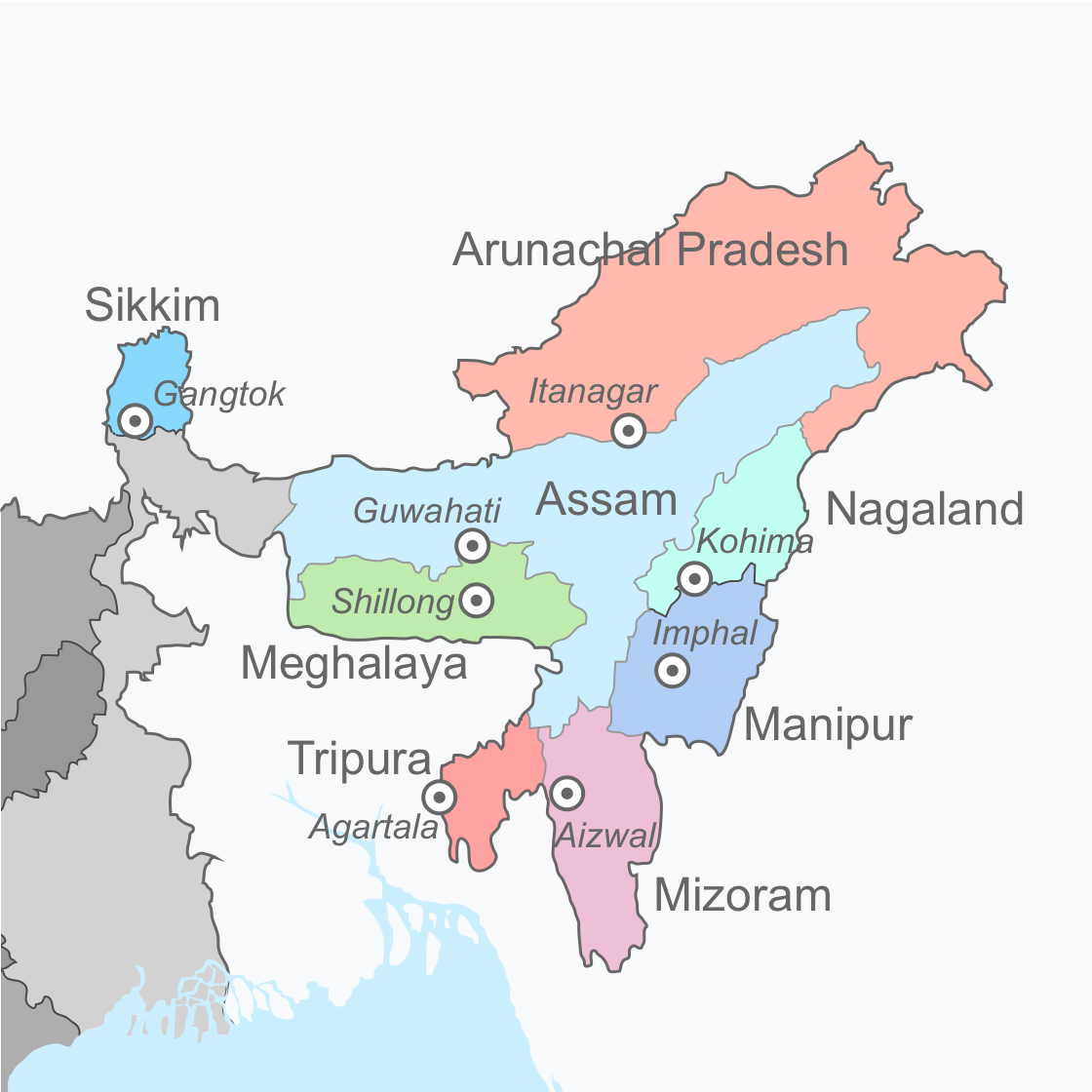
The region also combines naturally with the rest of the Northeast and Assam. Many travellers pair Shillong and Cherrapunji with the one-horned rhinos of Kaziranga National Park, the temples and river cruises of Guwahati, or onward journeys into Arunachal Pradesh and beyond. Building one of these in turns a Meghalaya loop into a fuller Northeast India adventure.
Part 8 of 8
Frequently asked questions
Do I need a permit to visit Meghalaya?
No. Indian travellers do not need an Inner Line Permit for Meghalaya, which makes it simpler to plan than some other Northeast states. Just carry valid photo ID as you would anywhere.
How do I reach Shillong and Cherrapunji?
Fly or take a train to Guwahati in Assam, then drive about three hours up to Shillong. Cherrapunji (Sohra) is a further 1.5–2 hours from Shillong. Shillong’s own Umroi airport has limited flights.
When is the best time to visit Meghalaya?
October to April offers the driest, clearest weather for waterfalls, treks and sightseeing, with winter being peak season. The May–September monsoon is dramatic but extremely wet, especially around Cherrapunji.
How difficult is the living root bridge trek?
The double-decker root bridge trek at Nongriat is strenuous, involving thousands of steep steps down and back up. Reasonably fit travellers manage it, but start early, carry water and good shoes, and consider staying overnight to enjoy it without rushing.
How many days do I need in Meghalaya?
Five to six days are ideal for Shillong, Cherrapunji, a root-bridge trek, and the Dawki river and Mawlynnong village. A shorter three-to-four day trip can cover Shillong and Cherrapunji’s highlights.
Is Meghalaya safe for families and solo travellers?
Yes. Meghalaya is safe and welcoming for families, couples and solo travellers. The main considerations are practical — long drive times, rain and demanding treks — rather than safety concerns.
Will my phone and UPI work in Meghalaya?
Connectivity is reliable in Shillong but patchy in the interior around Cherrapunji, Dawki and the villages. Carry cash, as ATMs and digital payments are limited once you leave the city.
What can I combine with a Meghalaya trip?
Meghalaya pairs well with Assam — Kaziranga National Park for rhinos and Guwahati for temples and river cruises — and with onward travel into the wider Northeast, making for a richer regional itinerary.
The bottom line
Shillong and Cherrapunji deliver Meghalaya at its most magical — India’s tallest falls, hand-grown root bridges, glass-clear rivers and the cleanest villages you will ever see, all without a permit. Come in the drier months, base yourself in Shillong with nights near the root bridges, hire a car for the long scenic drives, and carry rain gear and cash. Do that, and the abode of clouds will reward you with one of the most beautiful and distinctive journeys in all of India.
Related reading
 Offbeat & Hidden Destinations in India to Explore (2026)
 Meghalaya 5-Day Itinerary 2026 — Shillong, Cherrapunji, Root Bridge & Dawki
 Northeast India 12-Day Itinerary 2026 – Meghalaya, Assam, Arunachal Pradesh
Photos sourced from Wikimedia Commons under their respective Creative Commons licences. Travel details are indicative for 2026; confirm timings, road conditions and trek logistics locally before you travel.