Egypt Travel Guide for Indians 2026 — Visa, Cost, Best Time & Tips
Last updated: July 8, 2026
Egypt is the trip of a lifetime — a land where 4,500-year-old pyramids rise from the desert, temples line the Nile, and pharaohs’ tombs glow with painted hieroglyphs. From the Pyramids of Giza and the treasures of the Egyptian Museum to the temples of Luxor and Karnak, a cruise down the Nile and the coral reefs of the Red Sea, it delivers history and wonder on an epic scale. For Indian travellers it is surprisingly accessible, great value, and unforgettable.
This 2026 guide for Indian travellers covers visas and flights, the best time to go, what it costs, where to stay and eat, and how to plan a route through Egypt’s ancient highlights.
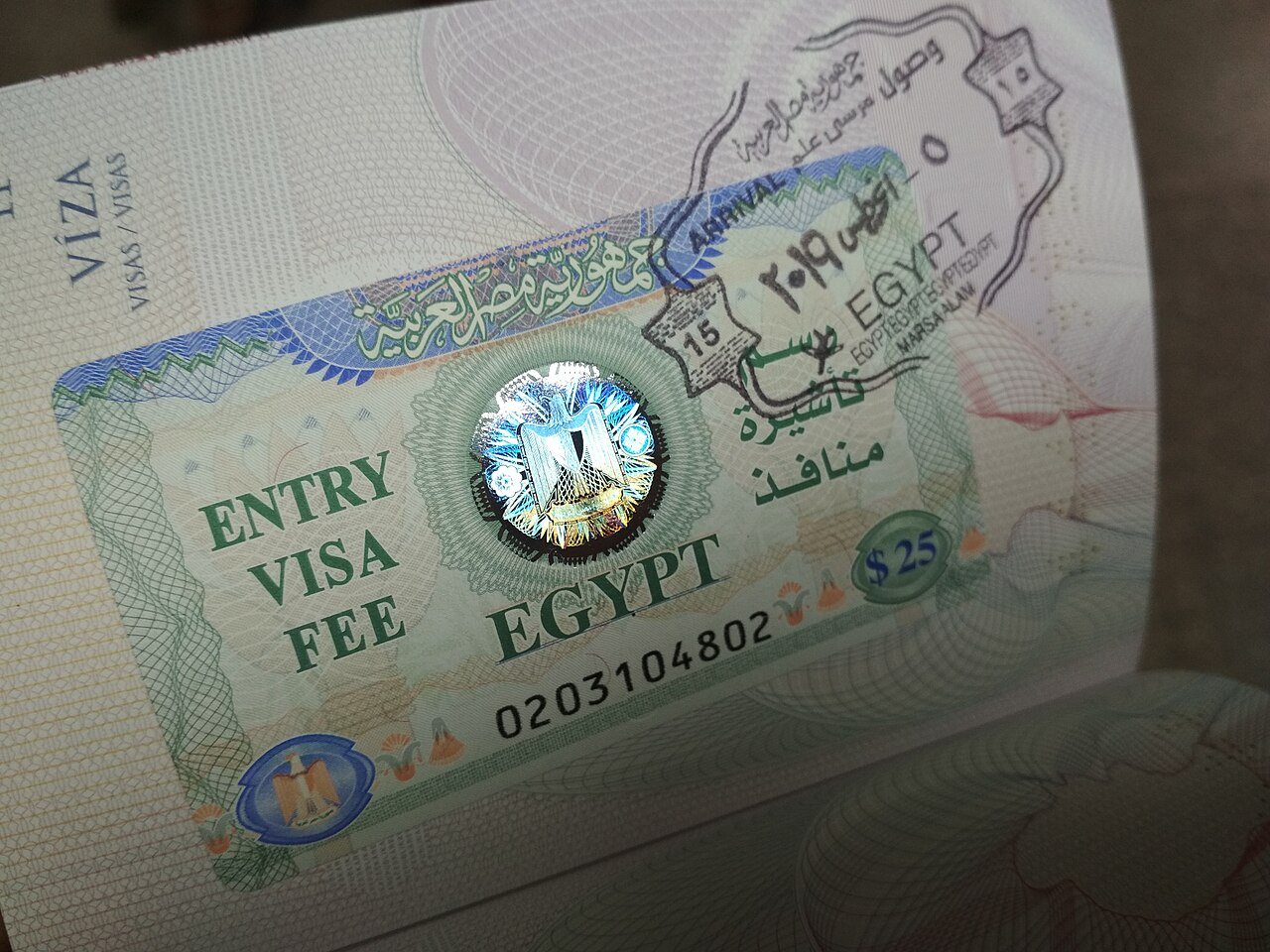
- Visa: Indians need a visa for Egypt — an e-Visa is available online, or you may qualify for visa-on-arrival if you hold a valid visa from certain countries.
- Getting there: Direct and one-stop flights from major Indian cities to Cairo via the Gulf and EgyptAir.
- Best time: October to April, when the desert heat eases and sightseeing is comfortable.
- Don’t miss: The Pyramids of Giza, Luxor’s temples and tombs, a Nile cruise and the Red Sea.
Part 1 of 8
Why Egypt belongs on your list
Nowhere else lets you stand before structures built 4,500 years ago that still astonish. Egypt is an open-air museum of human achievement — the last of the ancient Seven Wonders at Giza, the vast temple complexes of Karnak and Luxor, the painted tombs of the Valley of the Kings, and the timeless River Nile that ties it all together. Add the coral reefs of the Red Sea, vibrant bazaars and warm hospitality, and Egypt becomes a bucket-list destination with extraordinary depth.
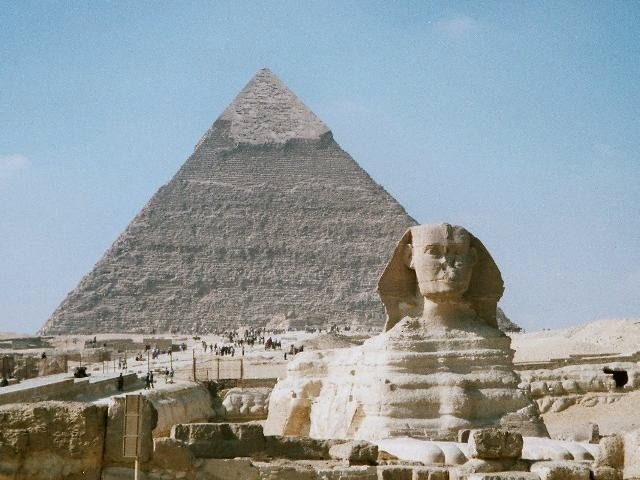
Pyramids & Sphinx
The Giza plateau — the only surviving ancient wonder.
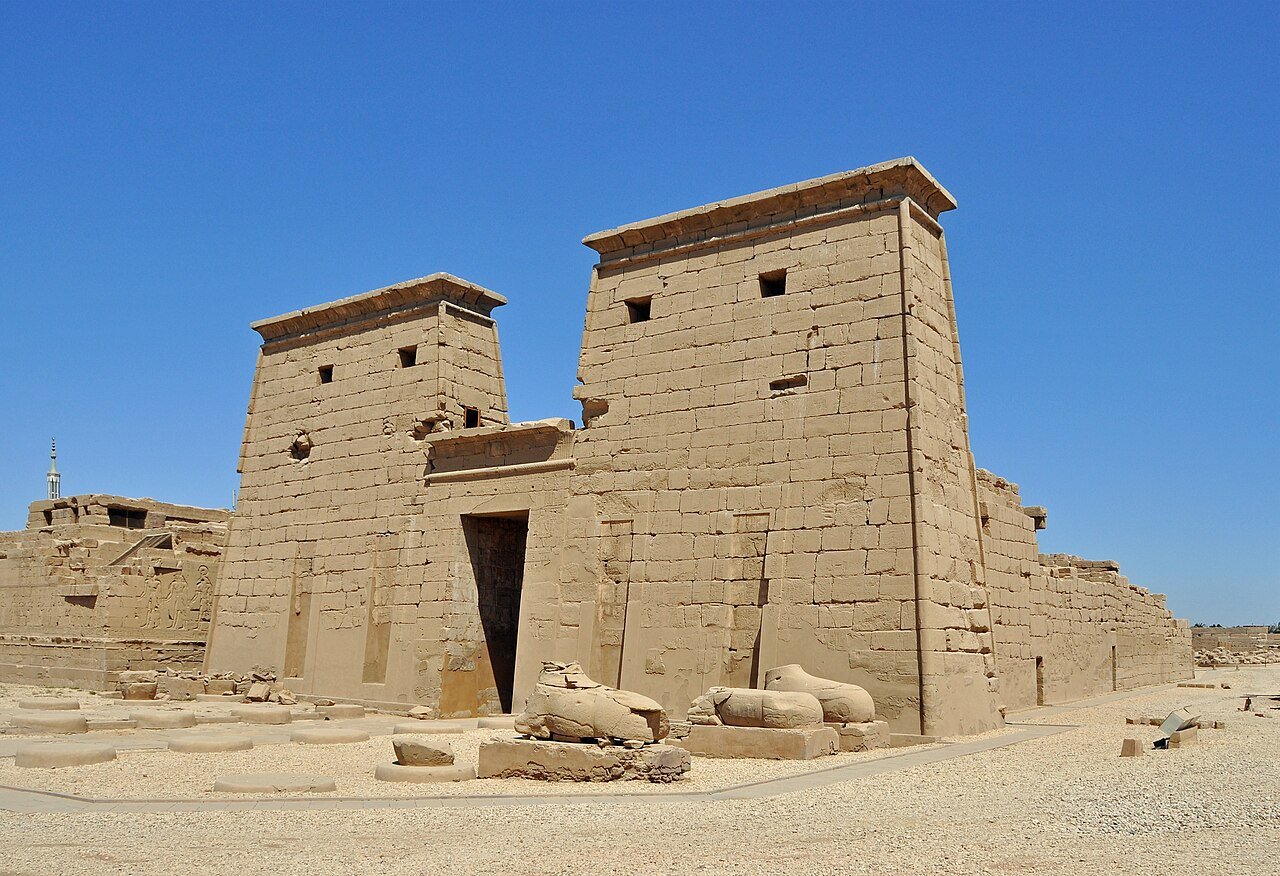
Luxor
Karnak, Luxor Temple and the Valley of the Kings.
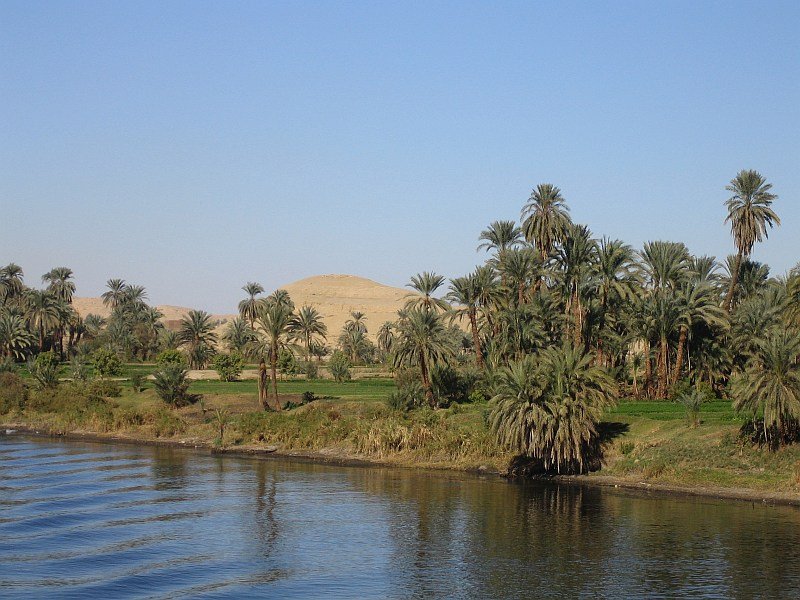
Nile cruise
Sail between Luxor and Aswan past temples and villages.
Egyptian Museum
Mummies, treasures and the new Grand Egyptian Museum.
Red Sea
World-class diving and beaches at Hurghada and Sharm.
Cairo & bazaars
Islamic Cairo, Khan el-Khalili and a buzzing megacity.
Whether you are drawn by ancient history, the Nile, diving or culture, Egypt offers a journey through time unlike anywhere on earth.
Egypt is where history feels alive — pyramids, temples and tombs that have stood for millennia beside the eternal Nile.
Part 2 of 8
Visas and getting to Egypt
Egypt is well connected to India and the visa process is straightforward for most travellers.
Visa: Indian passport holders need a visa. The easiest route is the Egypt e-Visa, applied for online before travel. Indians holding a valid (used) visa from the US, UK, Schengen states, Japan or similar may also qualify for a visa-on-arrival, but the e-Visa is the safest bet. Always confirm the latest rules before booking.
By air: EgyptAir and Gulf carriers connect Indian cities to Cairo, mostly via the Gulf, with some seasonal direct services. Cairo is the main gateway; you can then fly internally to Luxor or Aswan to begin a Nile trip.
Pro tip
Apply for the e-Visa online a few days before travel to skip airport queues. Consider flying Cairo–Luxor or Cairo–Aswan internally to save the long road or train journey south.
Getting around: Domestic flights link Cairo, Luxor and Aswan quickly; sleeper trains run between Cairo and Luxor/Aswan; and most travellers combine these with a Nile cruise and guided day tours. In Cairo, use ride-hailing apps for convenience.
Part 3 of 8
Best time to visit Egypt
Egypt’s desert climate makes timing important, as summer heat in the south can be extreme.
| Season | Months | What to expect |
|---|---|---|
| Peak/cool | Oct–Apr | The best time — warm days, cool nights, ideal for sightseeing and cruising. Busiest Dec–Feb. |
| Shoulder | Apr & Oct | Pleasant edges of the season with fewer crowds and good weather. |
| Summer | May–Sep | Very hot, especially in Luxor and Aswan (often 40°C+); Red Sea resorts stay popular. |
| Festive | Dec–Jan | Peak crowds and prices around the Pyramids and Nile cruises — book ahead. |
For comfortable temple-hopping and Nile cruising, travel between October and April. Summer is punishingly hot inland, though the Red Sea coast remains pleasant, while the cool winter months are peak season, so book key sites and cruises in advance.
Part 4 of 8
Costs and budgeting for Indians
Egypt is excellent value for Indian travellers, with affordable food, transport and even Nile cruises. Here is a realistic per-person, per-day guide for 2026, excluding international flights.
| Style | Daily budget | What it covers |
|---|---|---|
| Backpacker | $30–50 | Hostels and budget hotels, trains and shared tours, local food. |
| Mid-range | $80–150 | Good hotels, a Nile cruise, internal flights, guides and nice meals. |
| Premium | $220+ | Luxury hotels and cruises, private Egyptologist guides and transfers. |
A multi-day Nile cruise is the signature experience and often surprisingly affordable. Entry tickets to major sites and tombs add up, so budget for them, and a knowledgeable guide greatly enriches the temples. Carry Egyptian pounds for tips (baksheesh is customary), small purchases and bazaars; cards work in hotels and bigger shops.
Good to know
Egypt’s tourist areas are well policed and generally safe. Expect persistent vendors and tipping culture — be polite but firm. Use reputable guides and operators, agree prices in advance, and check current travel advisories for remote desert regions.
Part 5 of 8
Where to stay, what to eat and top experiences
Where to stay: In Cairo, Giza offers pyramid-view hotels while downtown and Zamalek are central and lively. In Luxor and Aswan, riverside hotels are lovely, but many travellers sleep aboard a Nile cruise between the two. Red Sea resorts cluster at Hurghada and Sharm el-Sheikh.
What to eat: Egyptian food is hearty and vegetarian-friendly — koshari (rice, pasta, lentils and crispy onions), ful medames, ta’ameya (Egyptian falafel), grilled meats, fresh bread and plenty of dips. Finish with sweet mint tea or strong Arabic coffee. Halal food is the norm, which suits many Indian travellers.
Enter a pyramid
Go inside a Giza pyramid and meet the Sphinx.
Valley of the Kings
Descend into painted royal tombs near Luxor.
Nile cruise
Sail past Edfu and Kom Ombo between Luxor and Aswan.
Grand Egyptian Museum
See Tutankhamun’s treasures in Cairo’s vast new museum.
For more, ride a felucca at sunset in Aswan, visit Abu Simbel’s colossal temples, explore Islamic Cairo and Khan el-Khalili, or dive the Red Sea’s reefs.
Part 6 of 8
A 7-10 day Egypt itinerary
This classic route covers Cairo, Luxor, a Nile cruise and Aswan — the heart of ancient Egypt.
Days 1–2 — Cairo & Giza: The Pyramids and Sphinx, the Grand Egyptian Museum, and Islamic Cairo with Khan el-Khalili bazaar.
Days 3–4 — Luxor: Fly south for Karnak and Luxor Temples, the Valley of the Kings and Hatshepsut’s temple.
Days 5–6 — Nile cruise: Sail from Luxor to Aswan, stopping at Edfu and Kom Ombo temples along the way.
Days 7 — Aswan: A felucca ride, the High Dam and Philae Temple, with an optional trip to Abu Simbel.
Days 8–10 — Red Sea or extend: Add diving and beaches at Hurghada, more time in Cairo, or the desert oases.
Pro tip
Book your Nile cruise and a good guide in advance, and start temple visits early to beat the heat and crowds. Carry small Egyptian pound notes for tips throughout the trip.
Part 7 of 8
Practical tips for Indian travellers
A few practical pointers make an Egypt trip smoother.
Get the e-Visa
Apply online before travel for the easiest entry.
Carry pounds
Keep small notes for baksheesh (tips), bazaars and taxis.
Beat the heat
Start early, hydrate, and pack sunscreen, a hat and light clothing.
Hire a guide
A good Egyptologist brings the temples and tombs to life.
Egypt is welcoming and well set up for tourists, with familiar halal food and good value, but the constant vendor attention and tipping culture can surprise first-timers — stay polite but firm, and agree prices before any service. English is widely spoken in tourist areas, and dressing modestly (covering shoulders and knees) is appreciated, especially at religious sites.
Drink bottled water, protect yourself from the strong sun, and use reputable operators for tours, cruises and diving. Tourist sites are well policed and generally safe; check current advisories for remote desert and border areas, which standard itineraries avoid. With a little planning, Egypt rewards Indian travellers with one of the world’s most awe-inspiring journeys at remarkable value.
Part 8 of 8
Frequently asked questions
Do Indians need a visa for Egypt?
Yes. The easiest option is the Egypt e-Visa, applied for online before travel. Indians holding a valid visa from the US, UK, Schengen states or similar may also qualify for visa-on-arrival, but the e-Visa is the safest route. Confirm the latest rules before booking.
How do I reach Egypt from India?
EgyptAir and Gulf carriers connect Indian cities to Cairo, mostly via the Gulf, with some seasonal direct flights. Cairo is the main gateway, from where you can fly internally to Luxor or Aswan to begin a Nile trip.
When is the best time to visit Egypt?
October to April, when the desert heat eases and sightseeing and Nile cruising are comfortable. December–February is peak season with the best weather but the biggest crowds, while summer is extremely hot inland though fine on the Red Sea coast.
Is a Nile cruise worth it?
Very much so. A multi-day cruise between Luxor and Aswan is a highlight, taking in temples like Edfu and Kom Ombo while you relax on board. It is often surprisingly affordable and a wonderful way to experience the heart of ancient Egypt.
How much does an Egypt trip cost?
Egypt is great value. Backpackers manage on $30–50 a day, mid-range travellers on $80–150 including a Nile cruise, and premium trips from $220. Budget separately for site entry tickets, guides and tips, which add up across a busy itinerary.
Is Egypt safe for tourists?
Tourist areas are well policed and generally safe. The main things to manage are persistent vendors and tipping culture — stay polite but firm and agree prices in advance. Use reputable operators and check current advisories for remote desert and border regions, which standard itineraries avoid.
Is Egypt good for vegetarians?
Yes. Staples like koshari, ful medames, ta’ameya (falafel), salads, breads and dips make Egypt very vegetarian-friendly, and halal meat is the norm. Indian travellers generally find plenty to eat, and Indian restaurants exist in Cairo and major resorts.
How many days do I need for Egypt?
Seven days covers Cairo, Luxor, a Nile cruise and Aswan at a good pace. Ten days to two weeks lets you add Abu Simbel, the Red Sea or the desert oases. Internal flights help you fit the highlights into a shorter trip.
What should I pack for Egypt?
Pack light, breathable clothing that covers shoulders and knees for sites and mosques, plus a hat, sunglasses and strong sunscreen for the desert sun. Bring comfortable walking shoes, a scarf, a refillable water bottle, and a light layer for cool desert evenings and air-conditioned cruise cabins.
Is Abu Simbel worth the extra trip?
For many travellers, yes. The colossal rock-cut temples of Ramses II at Abu Simbel are among Egypt’s most spectacular sights. They are reached by a short flight or a long drive from Aswan, so factor in the time and cost, but the scale and setting make it a memorable addition to a southern itinerary.
The bottom line
Egypt is a once-in-a-lifetime journey through 4,500 years of history — the Pyramids of Giza, the temples of Luxor and Karnak, the tombs of the pharaohs and the timeless Nile, all at superb value for Indian travellers. Get your e-Visa, travel between October and April, build your trip around a Nile cruise with a good guide, and carry small notes for tips. Do that, and Egypt will reward you with wonder at every turn — an adventure into the ancient world unlike any other.
Related reading
 Egypt 8-Day Itinerary 2026 — Cairo, Nile Cruise, Luxor, Aswan & Abu Simbel
 Middle Eastern Food Guide for Indians 2026 — What to Eat & Veg Tips
 Best Street Food Cities in the World 2026 — Where & What to Eat
Photos sourced from Wikimedia Commons under their respective Creative Commons licences. Visa, flight and travel details are indicative for 2026; confirm current visa rules and advisories before you travel.