South Korea for Indians — Visa, K-ETA, Budget & First-Timer Planning
Last updated: July 8, 2026
Planning your first trip to South Korea from India? The sightseeing is the fun part — but it’s the practical planning that makes or breaks a smooth trip. This guide focuses squarely on the essentials Indian travellers ask about most: the visa and K-ETA process, realistic budgets and daily costs, the best time to go, money and connectivity, and the first-timer tips that help you avoid common mistakes in a country where the language barrier and unfamiliar systems can trip you up.
For the full sightseeing itinerary across Seoul, Busan and Jeju, see our main South Korea travel guide for Indians; here, we get you trip-ready.
- Visa: Indians need a visa; check the latest K-ETA rules before booking.
- Budget: Mid-range trips run roughly ₩160,000–280,000 a day per person.
- Best time: Spring (Apr–May) and autumn (Sep–Nov) are ideal.
- First-timer must-do: Get a T-money card and a Korean maps app on arrival.
Part 1 of 8
Visa and K-ETA for Indian travellers
Sorting your entry paperwork early is the most important planning step.
Visa: Indian passport holders need a visa to visit South Korea. Apply through the Korean visa application centre with your itinerary, flights, hotels and financial documents. Processing takes time, so start well before your trip.
K-ETA: Korea also operates a K-ETA (electronic travel authorisation) system, and rules for who needs it have changed periodically. Always verify the current K-ETA and visa requirements for Indian citizens before booking, as policies are updated from time to time.
Plan first
Confirm the latest visa and K-ETA requirements on official sources before you book flights, and apply for your visa early with complete documents. Getting this right up front removes the biggest source of trip stress.
Keep digital and printed copies of your visa, K-ETA approval (if applicable), hotel bookings and return tickets handy for immigration.
Part 2 of 8
Realistic budgets and daily costs
South Korea sits between expensive Japan and cheaper Southeast Asia. Here is an indicative per-person, per-day guide for 2026, excluding international flights.
| Style | Daily budget | What it covers |
|---|---|---|
| Budget | ₩70,000–110,000 | Guesthouses or hostels, street food, transport, key sights. |
| Mid-range | ₩160,000–280,000 | Good hotels, restaurant dining, attractions and tours. |
| Luxury | ₩500,000+ | Upscale hotels, fine dining and private experiences. |
Your biggest costs are accommodation and dining; public transport is cheap and excellent, street food and convenience stores offer great value, and many palaces, parks and neighbourhoods cost little to explore. Domestic flights or trains to Busan or Jeju add to the budget. Plan a realistic daily figure, then add a buffer for shopping and experiences.
Save smart
Eat at local eateries and convenience stores, use the cheap metro and buses, and rent a hanbok to enter Seoul’s palaces free. These small choices add up to meaningful savings over a week-long trip.
Part 3 of 8
Best time to plan your trip
The season strongly affects both the experience and what you should pack.
| Season | Months | What to expect |
|---|---|---|
| Spring | Apr–May | Mild with famous cherry blossoms — beautiful and popular. |
| Summer | Jun–Aug | Hot, humid and rainy (monsoon); pack light and waterproof. |
| Autumn | Sep–Nov | Clear, crisp and stunning foliage — arguably the best time. |
| Winter | Dec–Feb | Cold and dry with snow; pack heavy layers for sightseeing. |
Spring (April–May) and autumn (September–November) are the best times to plan a first trip, offering comfortable weather and gorgeous scenery for sightseeing. Summer brings heat, humidity and monsoon rain, while winter is cold but good for snow and festive lights. Book flights and hotels early for the blossom and foliage peaks, as these are the busiest periods.
Part 4 of 8
Money, payments and connectivity
Getting set up on arrival makes everything easier.
Money: The currency is the Korean won. Cards are widely accepted, but carry some cash for small vendors and markets. Withdraw won from ATMs that accept foreign cards (look for “Global” ATMs), and consider a zero-markup forex or travel card to save on fees.
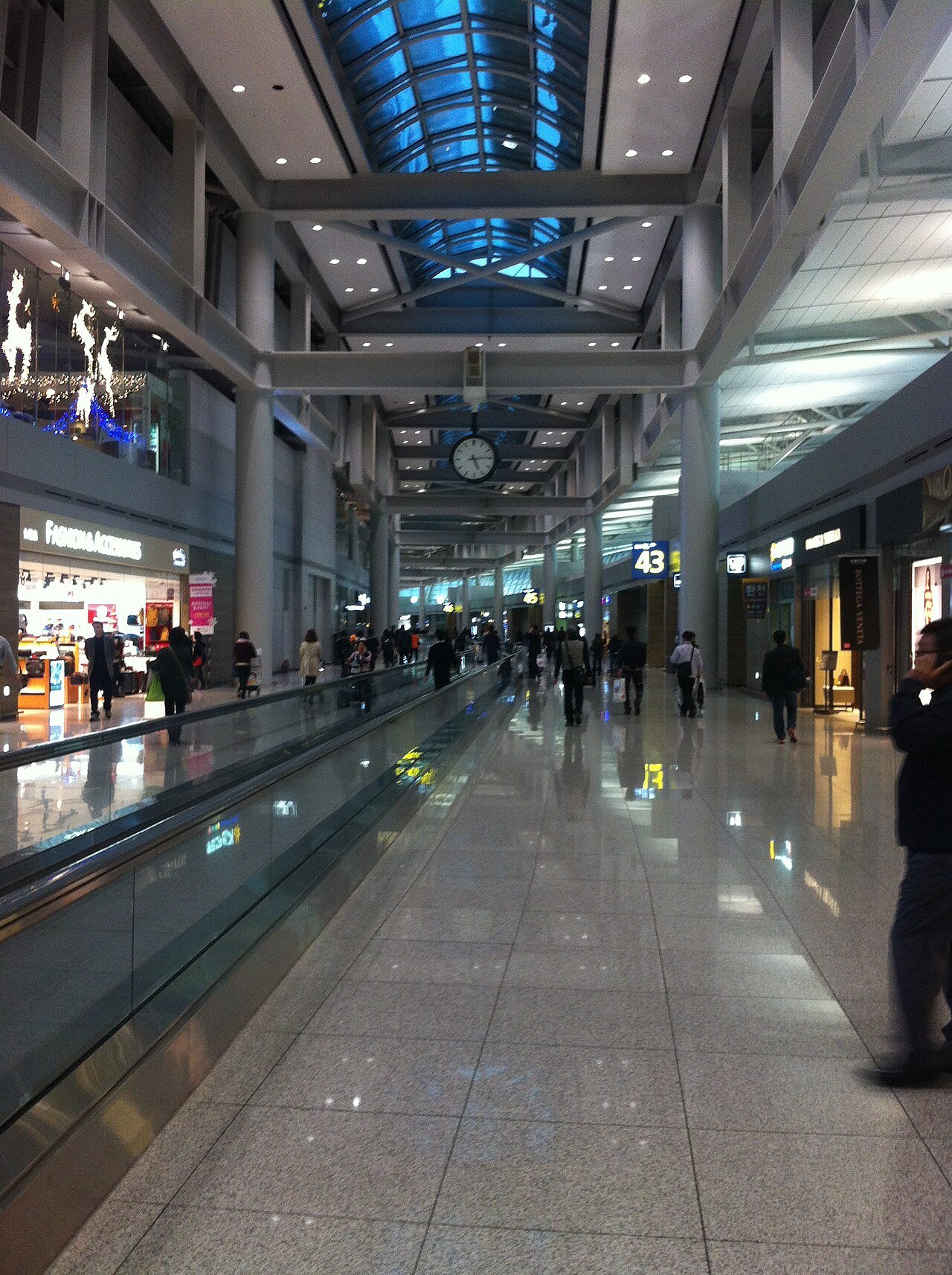
Transport card: Buy a rechargeable T-money card at the airport or any convenience store and load it with cash — it works on Seoul’s metro, buses and even taxis, and saves fumbling for tickets.
Connectivity: Pick up a tourist SIM or rent a portable Wi-Fi egg at the airport for reliable data, which you’ll need for maps, translation and transport apps.
Carry a travel card
Zero-markup card plus some cash in won.
T-money card
Tap-and-go for metro, bus and taxi.
SIM or Wi-Fi egg
Reliable data from the airport.
Use Global ATMs
They accept foreign cards for won.
A few minutes setting these up at the airport saves hours of hassle later.

Part 5 of 8
First-timer tips and common mistakes
Korea is easy and ultra-safe once you know a few things first-time visitors often miss.
Use Korean map apps
Naver Map or KakaoMap — Google Maps is limited.
Check food ingredients
Many dishes contain meat or seafood.
Bridge the language gap
Use a translation app outside tourist areas.
Book DMZ tours ahead
Popular tours sell out in advance.
The most common first-timer mistakes are relying on Google Maps (which barely works for directions in Korea — use Naver Map or KakaoMap instead), underestimating the language barrier outside tourist zones (a translation app is essential), and assuming vegetarian food is easy (many dishes contain meat or seafood stock, so check). Korea is one of the world’s safest countries with superb, punctual transport, so you can confidently explore even late at night.
Other tips: carry your passport for tax-free shopping refunds, respect local etiquette (remove shoes where required, be quiet on public transport), and download transport and translation apps before you arrive.
Part 6 of 8
A sample first-timer planning checklist
Use this simple sequence to plan a smooth first trip.
2–3 months out: Decide your dates (aim for spring or autumn), check visa and K-ETA rules, and apply for your visa. Book flights into Seoul’s Incheon airport.
1–2 months out: Book hotels in central, metro-connected areas, reserve a DMZ tour, and plan any domestic travel to Busan or Jeju.
2–3 weeks out: Arrange travel insurance, a travel/forex card and a SIM or Wi-Fi plan; download Naver Map, KakaoMap, Papago (translation) and Subway apps.
On arrival: Buy a T-money card, pick up your SIM or Wi-Fi egg, withdraw some won, and you’re ready to explore.
Keep it simple
For a first week, base yourself in Seoul (Myeongdong, Hongdae or Insadong) with a DMZ day tour, then add Busan or Jeju only if you have 7+ days. Don’t over-pack the itinerary — Korea rewards a relaxed pace.
Part 7 of 8
Packing and final preparations
Pack for the season and Korea’s walkable, tech-friendly cities.
Season-right layers
Heavy for winter, light and waterproof for summer.
Comfortable shoes
You’ll walk a lot and climb metro stairs.
Plug adapter
Korea uses 220V Type C/F sockets.
Personal medicines
Carry essentials with prescriptions.
Final preparations come down to packing right and having your digital life sorted. Bring season-appropriate clothing — heavy layers and warm accessories for winter, light, breathable and waterproof items for the humid, rainy summer, and a mix for spring and autumn. Comfortable walking shoes are essential, as you’ll cover a lot of ground on foot and in the metro.
Carry a universal plug adapter (Korea uses 220V Type C/F outlets), any personal medication with prescriptions, and a power bank for long sightseeing days. Keep copies of your passport, visa and bookings, both printed and digital. With your visa sorted, budget planned, apps downloaded and bags packed for the season, you’ll arrive in Korea ready to enjoy the sightseeing rather than scrambling with logistics.
Part 8 of 8
Frequently asked questions
Do Indians need a visa and K-ETA for South Korea?
Indian passport holders need a visa to visit South Korea, applied for through the Korean visa application centre with your itinerary, flights, hotels and financial documents. Korea also runs a K-ETA system whose rules have changed over time, so always verify the current visa and K-ETA requirements for Indian citizens on official sources before booking.
How much should I budget per day for South Korea?
Korea sits between Japan and Southeast Asia in cost. Excluding flights, budget travellers manage on ₩70,000–110,000 a day, mid-range trips ₩160,000–280,000, and luxury stays ₩500,000 plus. Accommodation and dining are the main costs; cheap transport, street food and many low-cost sights help keep daily spending reasonable.
When is the best time to plan a first trip to Korea?
Spring (April–May) for cherry blossoms and autumn (September–November) for crisp weather and brilliant foliage are the best times, with comfortable sightseeing weather. Summer is hot, humid and rainy, while winter is cold but good for snow and lights. Book early for the blossom and foliage peaks, as they are the busiest.
What should I do as soon as I land in Korea?
At the airport, buy a rechargeable T-money card for transport, pick up a tourist SIM or portable Wi-Fi egg for data, and withdraw some Korean won from a Global ATM. Download Naver Map or KakaoMap, plus a translation app like Papago. These few steps get you set up for smooth, stress-free travel.
Is Google Maps useful in South Korea?
Not for directions — due to local data restrictions, Google Maps gives poor walking and transit routing in Korea. Use Naver Map or KakaoMap instead for navigation, and a Subway app for the metro. This is one of the most common first-timer mistakes, so download the Korean apps before you arrive.
How do I manage money and payments in Korea?
The currency is the Korean won. Cards are widely accepted, but carry some cash for small vendors and markets. Use Global ATMs that accept foreign cards to withdraw won, and consider a zero-markup forex or travel card to reduce fees. Keep your passport for tax-free shopping refunds at participating stores.
Is South Korea safe and easy for first-time Indian visitors?
Yes. Korea is one of the world’s safest countries with very low crime and superb, punctual public transport, so first-timers can explore confidently, even late at night. The main challenges are the language barrier outside tourist areas (use a translation app) and unfamiliar systems, both easily managed with a little preparation.
How many days do I need for a first Korea trip?
A first trip of five to seven days can focus on Seoul with a DMZ day tour and a day trip, which suits most first-timers. With seven to ten days, add Busan or Jeju via a short flight or fast train. Avoid over-packing the itinerary — Korea’s efficient transport still rewards a relaxed, unhurried pace.
Should I get travel insurance for South Korea?
Yes. Travel insurance covering medical care, trip cancellation and lost baggage is strongly recommended and often required for the visa application. Korea has excellent but private healthcare that can be costly for visitors, so adequate cover gives peace of mind. Arrange it a few weeks before travel along with your forex card and connectivity.
What apps should I download before travelling to Korea?
Download Naver Map and KakaoMap for navigation (Google Maps is limited), a Subway app for the metro, Papago for translation, and your airline and accommodation apps. Having these installed before you arrive means you can navigate, translate menus and signs, and plan routes from the moment you land, smoothing out the language and system barriers.
The bottom line
A smooth first trip to South Korea comes down to planning the essentials: confirm the latest visa and K-ETA rules and apply early, set a realistic daily budget, travel in spring or autumn for the best weather, and get set up on arrival with a T-money card, a SIM or Wi-Fi egg and Korean map apps. Avoid the classic first-timer mistakes — relying on Google Maps, underestimating the language barrier and assuming veg food is easy — and you’ll spend your trip enjoying Korea’s sights and food rather than wrestling with logistics. For the full sightseeing route, see our main South Korea travel guide for Indians.
Related reading
 South Africa Travel Guide for Indians (2026)
 South Korea Travel Guide for Indians (2026)
 Italy Travel Guide for Indians: Visa, Costs & Itinerary
Photos sourced from Wikimedia Commons under their respective Creative Commons licences. Visa, K-ETA, budget and travel details are indicative for 2026; confirm current rules and prices before you travel.