Thailand 7-Day Itinerary 2026 — Bangkok, Phuket & Krabi for First-Timers
Last updated: July 8, 2026
Thailand is Southeast Asia’s perfect introduction — a country of glittering temples, buzzing cities, idyllic islands, lush mountains, incredible food and famously warm hospitality, all at brilliant value. Seven days lets you experience its best: the electric energy of Bangkok, the beaches and islands of the south, and the culture and nature of the north. With visa-free entry currently on offer and cheap, easy transport, this Thailand itinerary is ideal for Indian travellers wanting variety in one trip.
This 2026 7-day itinerary lays out a practical day-by-day route through Thailand, with tips on visas, transport, costs, where to stay and what not to miss.
- Visa: Thailand currently offers visa-free entry for Indian tourists for short stays — confirm the latest rules before travel.
- Getting around: Cheap domestic flights link Bangkok, the islands and Chiang Mai; trains and buses for shorter hops.
- This route: Bangkok → Krabi/Phuket islands → Chiang Mai (or more beach), over 7 days.
- Don’t miss: Bangkok’s temples, island-hopping in the south, and Chiang Mai’s culture and nature.
Part 1 of 8
Why 7 days in Thailand works so well
Seven days lets you sample Thailand’s three distinct sides without rushing. Start with Bangkok’s temples, markets and street food, fly south for island-hopping and beaches around Krabi or Phuket, then head north to Chiang Mai for temples, night markets, ethical elephant experiences and mountain scenery. Cheap domestic flights bridge the distances, and the food, value and hospitality are exceptional throughout, making this a brilliant first Thailand trip.
Bangkok
Temples, markets, street food and nightlife.
Islands
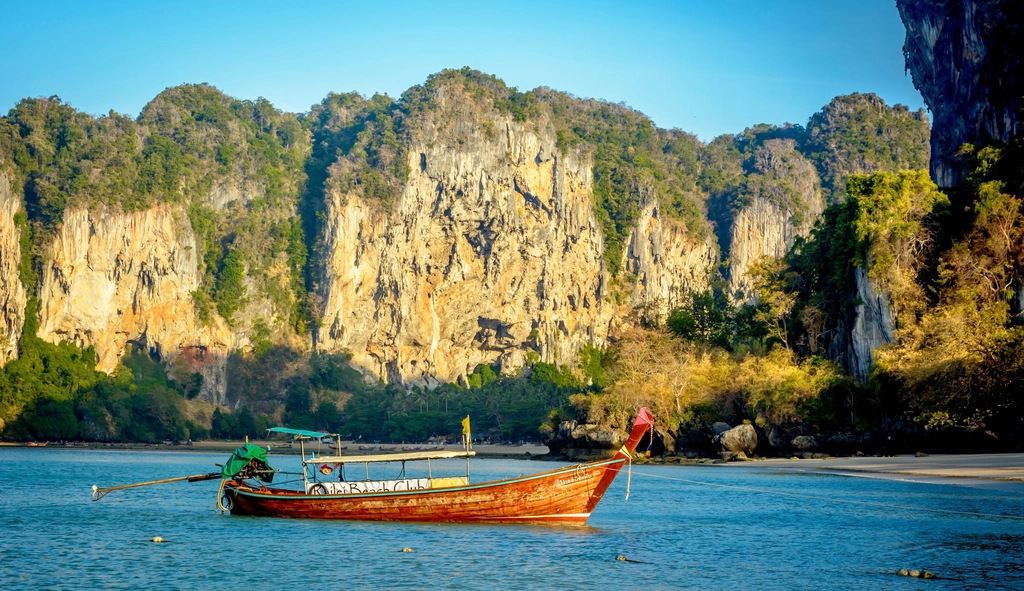
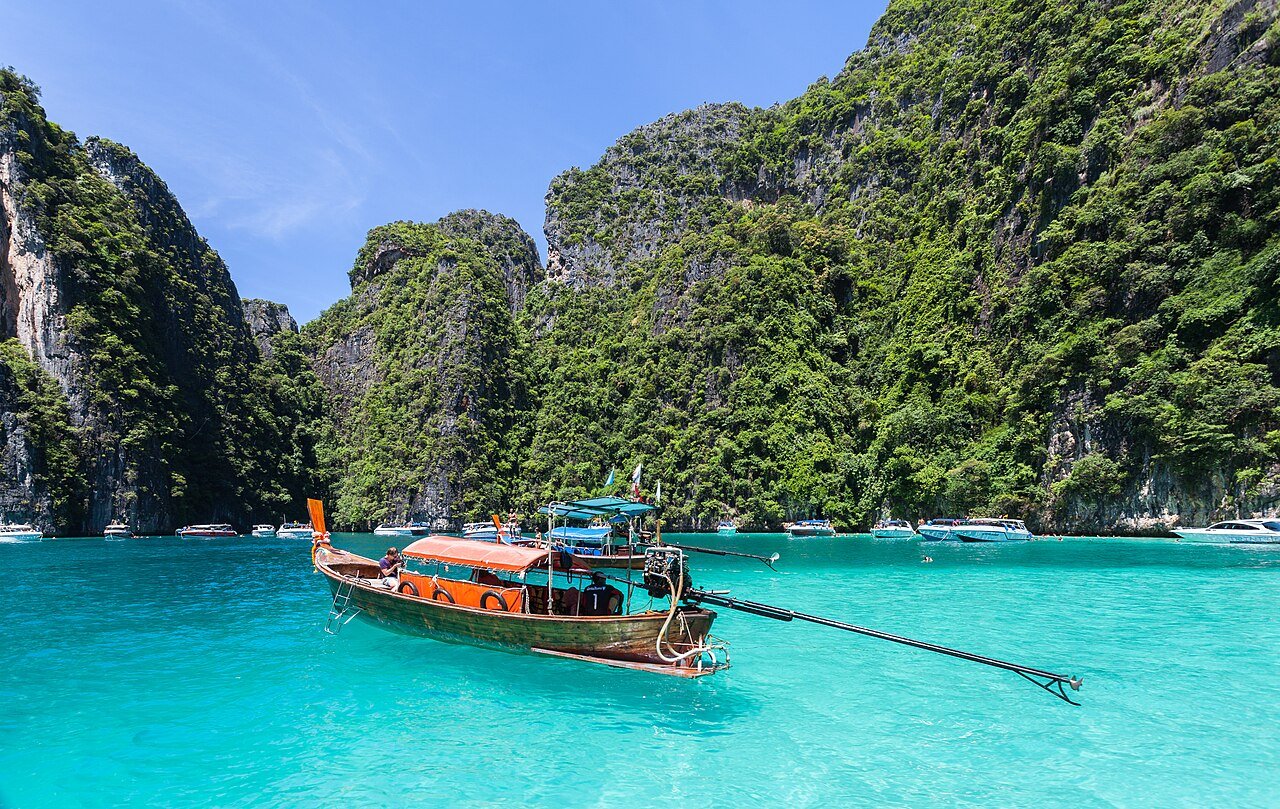
Phi Phi, Krabi and Phuket beaches.
Island hopping
Boat tours to lagoons and snorkel spots.
Chiang Mai
Culture, temples and mountain nature.
Ethical elephants
Visit a reputable sanctuary near Chiang Mai.
Thai food
World-famous cuisine at every turn.
This itinerary suits first-timers wanting variety — city, beaches and mountains — combining culture, relaxation and adventure in one week, with the option to focus more on the islands if beaches are your priority.
Seven days in Thailand is the perfect sampler — Bangkok’s buzz, the islands’ turquoise beaches and Chiang Mai’s calm, all at unbeatable value.
Part 2 of 8
Visa, flights and getting around
A simple entry and cheap domestic flights make this multi-region route easy.
Visa: Thailand currently offers visa-free entry for Indian tourists for short stays, making this trip especially easy. Rules and the permitted duration can change, so always confirm the latest entry requirements before booking.
Flights: Fly into Bangkok from many Indian cities, with low-cost options. Within Thailand, cheap domestic flights link Bangkok with the islands (Krabi/Phuket) and Chiang Mai quickly.
Getting around: Use domestic flights for the long hops, ferries for island-hopping, and the BTS/MRT, Grab, songthaews and tuk-tuks within cities. Book island tours and key transfers a day or two ahead.
Pro tip
Use cheap domestic flights to cover the long distances between Bangkok, the south and the north, and book them early for the best fares. Pick either the Andaman (Krabi/Phuket) or Gulf (Koh Samui) coast rather than both to save time.
Tip: Carry Thai baht in cash for street food, markets and the islands, where cards are less accepted, and use Grab to avoid taxi overcharging in cities.
Part 3 of 8
Best time to do this itinerary
Thailand has three broad seasons, and timing affects both weather and prices.
| Season | Months | What to expect |
|---|---|---|
| Cool/dry | Nov–Feb | The best weather — pleasant and dry nationwide; peak season with higher prices. |
| Hot | Mar–May | Very hot, especially inland; good beach weather, with Songkran in April. |
| Green/wet | Jun–Oct | Monsoon rains (often short) and the lowest prices and fewest crowds. |
| Regional note | varies | The Gulf islands have a slightly different rain pattern, so check by coast. |
For the best overall weather across Bangkok, the islands and Chiang Mai, the cool, dry season (November–February) is ideal but busiest and priciest. The green/wet season (June–October) offers great value with often-short showers, while the hot months suit the beaches. Check the coast you choose, as the Gulf and Andaman sides differ.
Part 4 of 8
Costs and budgeting for Indians
Thailand is famously affordable. Here is a realistic per-person, per-day guide for 2026, excluding international and domestic flights.
| Style | Daily budget | What it covers |
|---|---|---|
| Backpacker | $25–45 | Hostels and guesthouses, street food, local transport, shared tours. |
| Mid-range | $60–120 | Good hotels, island tours, dining out and some private transport. |
| Comfort | $160+ | Nicer hotels and resorts, more activities, spas and private tours. |
Street food and local eateries make eating incredibly cheap, and accommodation is great value. The main planned costs are domestic flights and island-hopping tours. Carry Thai baht in cash for stalls, markets and the islands, though cards work in cities and bigger hotels. Booking island tours locally is often cheaper than online.
Good to know
Thailand is generally safe and tourist-friendly. Watch for common scams (tuk-tuk “closed temple” tricks, jet-ski damage claims, overpriced gems), agree prices upfront, and use reputable operators for tours and island trips. Heed sea-safety flags, dress modestly at temples, and respect local customs.
Part 5 of 8
The 7-day Thailand itinerary, day by day
This route combines city, beaches and mountains in one week.
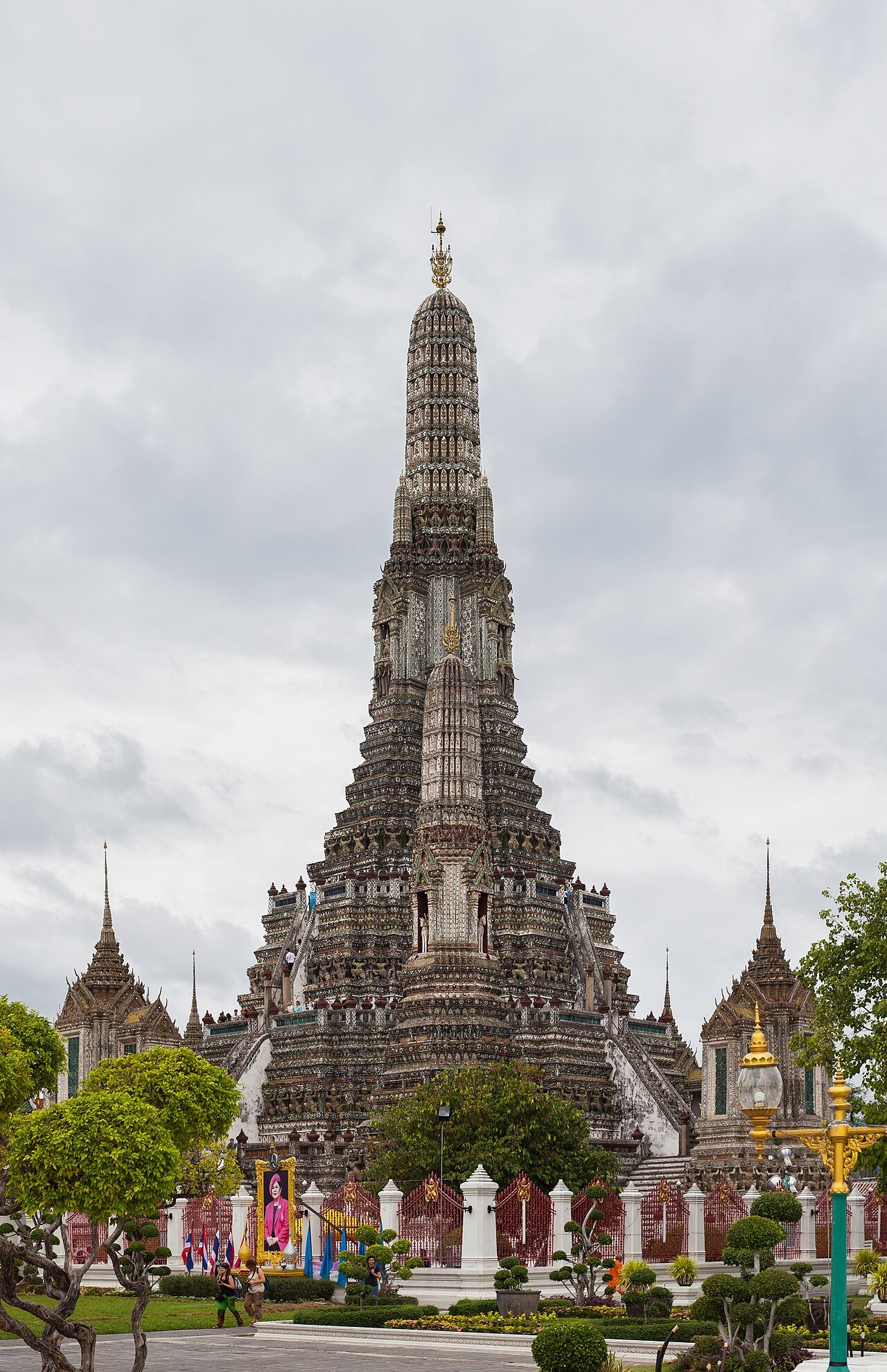
Days 1–2 — Bangkok: The Grand Palace, Wat Pho and Wat Arun, a river and canal tour, Chinatown street food and the markets.
Days 3–4 — Islands (Krabi/Phuket): Fly south for beaches and a cheap island-hopping tour (Phi Phi, Railay or the Four Islands), with snorkelling and sunsets.
Days 5–6 — Chiang Mai: Fly north for temples, the night markets, an ethical elephant sanctuary, and mountain or Doi Suthep views — or stay on the islands for more beach time.
Day 7 — Return & depart: Back to Bangkok for last-minute shopping, a Thai massage and food before flying home.
Alternative: Skip the north and split the week between Bangkok and the islands if beaches are your focus.
Pro tip
Use overnight or early flights between regions to maximise daylight, and don’t try to do both coasts and the north in seven days. Choosing two regions keeps the pace relaxed and the costs down.
Part 6 of 8
Where to stay along the route
Choosing the right bases keeps this multi-region route efficient.
Bangkok: Stay near a BTS Skytrain station (Sukhumvit or Silom) or by the river for easy access to temples and transport.
Islands: Base in Ao Nang (Krabi) or a Phuket beach like Kata/Karon for tours and beaches; Railay for scenery.
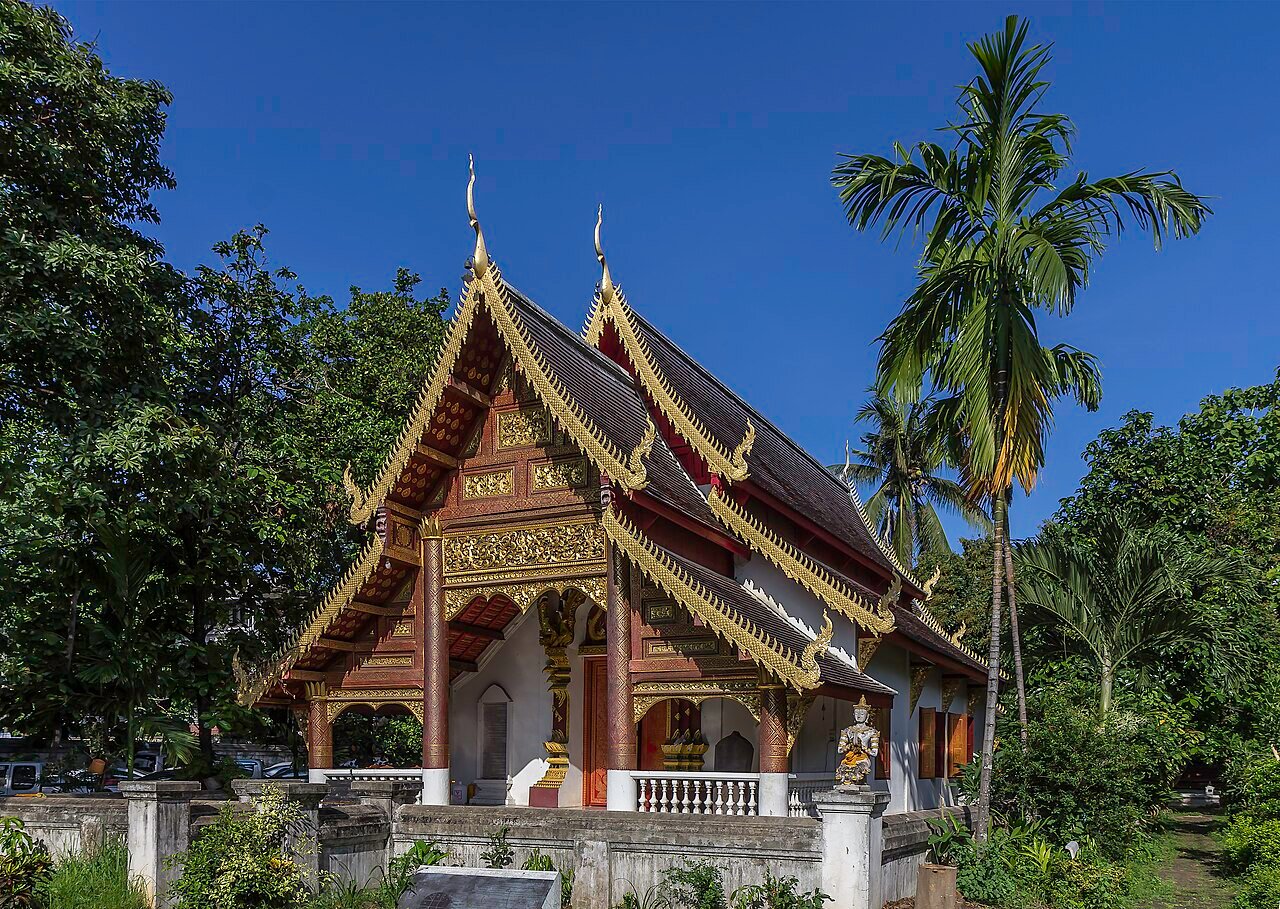
Chiang Mai: Stay in or near the Old City for temples, night markets and easy sightseeing.
Bangkok: near BTS
Sukhumvit, Silom or the riverside.
Islands: Ao Nang/Kata
For beaches and island tours.
Chiang Mai: Old City
Temples and night markets on foot.
Fly between regions
Cheap domestic flights save time.
Book domestic flights, island tours and peak-season stays early, especially over the cool season and Thai holidays, when prices rise and availability tightens.
Part 7 of 8
Practical tips for this Thailand trip
A few habits make this 7-day route run smoothly.
Check visa rules
Confirm Thailand’s current visa-free terms for Indians.
Fly domestically
Cheap flights bridge the long distances.
Pick two regions
Avoid criss-crossing the country in a week.
Carry baht
Cash rules at markets, stalls and on the islands.
This itinerary is designed to be varied yet relaxed. Confirm Thailand’s current visa-free rules, fly into Bangkok, and use cheap domestic flights to bridge the long distances — but pick two regions rather than cramming in both coasts and the north. Book flights, island tours and peak-season stays ahead.
Carry Thai baht in cash for street food, markets and the islands, use Grab to avoid taxi overcharging, and watch for the well-known scams (closed-temple tricks, jet-ski claims, overpriced gems). Heed sea-safety flags on island trips, dress modestly at temples, and choose ethical, reputable operators for elephant and boat experiences. With vegetarian and Indian food widely available and unbeatable value, this Thailand week rewards Indian travellers with city, beaches and mountains in one trip.
Part 8 of 8
Frequently asked questions
Do Indians need a visa for Thailand?
Thailand currently offers visa-free entry for Indian tourists for short stays, making this itinerary especially easy. However, the rules and permitted duration can change, so always confirm the latest entry requirements, conditions and stay length before you travel.
Is 7 days enough for Thailand?
Yes — seven days is ideal for a first trip, enough to combine Bangkok with one beach region and Chiang Mai (or more island time) using cheap domestic flights. It captures Thailand’s variety — city, beaches and mountains — at a comfortable pace, as long as you don’t try to do everything.
How do I get around Thailand in a week?
Use cheap domestic flights for the long hops between Bangkok, the islands and Chiang Mai, ferries for island-hopping, and the BTS/MRT, Grab, songthaews and tuk-tuks within cities. Book flights and island tours a day or two ahead, and pick two regions to avoid wasting time in transit.
When is the best time to visit Thailand?
The cool, dry season (November–February) offers the best overall weather across Bangkok, the islands and Chiang Mai, but is busiest and priciest. The green/wet season (June–October) brings short showers, lower prices and fewer crowds, while the hot months suit the beaches. Check the coast you choose.
How much does a 7-day Thailand trip cost?
Thailand is very affordable. Excluding international and domestic flights, backpackers manage on $25–45 a day, mid-range trips $60–120 including island tours, and comfort trips from $160. Street food, local transport and guesthouses are cheap; domestic flights and tours are the main extras.
Should I visit the islands or Chiang Mai?
It depends on your priorities. For beaches and island-hopping, focus on Bangkok plus Krabi or Phuket. For culture, temples and nature, pair Bangkok with Chiang Mai. In seven days, choosing two regions (not all three) keeps the pace relaxed; you can always return for the rest.
Is Thai food good for vegetarians and Indians?
Yes. Many Thai dishes can be made vegetarian, “jay” (vegan) food is widely available, and tropical fruit is everywhere. Indian and halal restaurants exist in Bangkok, the islands and Chiang Mai, so Indian travellers, including vegetarians, eat very well and cheaply throughout the trip.
What scams should I watch for in Thailand?
Common ones include tuk-tuk drivers claiming a temple is “closed” to take you to commission shops, overpriced gem and tailor shops, and jet-ski or motorbike damage claims. Agree prices upfront, use Grab or metered taxis, choose reputable tour operators, and politely decline unsolicited “deals.”
Can I add more time at the beaches instead of Chiang Mai?
Absolutely. If beaches are your priority, skip Chiang Mai and split the week between Bangkok and the south — for example, two days in Bangkok and four or five island-hopping around Krabi, Phuket and Phi Phi, or on a quieter island like Koh Lanta. This makes for a more relaxed, beach-focused trip without the extra flights north.
How far in advance should I book this Thailand trip?
Book international and domestic flights as early as possible for the best fares, especially over the November–February peak and Thai holidays like Songkran. Hotels and reputable island tours are best reserved a few weeks ahead in peak season, though in the quieter wet season you can often book closer to your dates and still find good deals.
The bottom line
This 7-day Thailand itinerary delivers the perfect sampler of Southeast Asia’s favourite country — Bangkok’s temples and street food, the turquoise beaches and island-hopping of the south, and the culture and mountain calm of Chiang Mai, all at brilliant value. Confirm Thailand’s current visa-free rules, fly into Bangkok, use cheap domestic flights, and pick two regions rather than rushing across all three. Carry baht, watch for the usual scams, choose ethical operators, and Thailand will reward Indian travellers with a varied, fun and unforgettable week.
Related reading
 Bangkok Pattaya Itinerary: 5-Day Thailand Plan (2026)
 Singapore Malaysia Itinerary: 7 Days from India (2026)
 Thailand + Cambodia 10-Day Itinerary for Indians (2026)
Photos sourced from Wikimedia Commons under their respective Creative Commons licences. Visa, flight and travel details are indicative for 2026; confirm current visa rules and prices before you travel.