Greece Travel Guide for Indians: Visa, Islands & Itinerary
Last updated: July 15, 2026
Greece is a bucket-list destination — the cradle of Western civilization, where ancient ruins meet whitewashed island villages, turquoise seas, golden sunsets and warm Mediterranean hospitality. From the Acropolis of Athens and the romantic cliffs of Santorini to the beaches of Mykonos, the monasteries of Meteora and countless idyllic islands, Greece blends history, beauty and relaxation like nowhere else. For Indian travellers, it is a dreamy and increasingly popular European escape.
This 2026 guide for Indian travellers covers visas and flights, the best time to go, costs, getting around, where to stay and eat, and what not to miss.
- Visa: Indians need a Schengen visa for Greece — apply in advance.
- Getting there: One-stop flights from Indian cities to Athens.
- Best time: May–June and September–October for ideal weather and fewer crowds.
- Don’t miss: Athens, Santorini, Mykonos, the islands and Greek food.
Planning your trip? Indians need a Schengen visa for Greece — see our complete Schengen visa guide for Indians.
Part 1 of 8
Why Greece belongs on your list
Greece enchants with history and beauty. Stand before the Acropolis and Parthenon in Athens, watch the world-famous sunset over Santorini’s caldera, island-hop across the Aegean to Mykonos and beyond, marvel at the cliff-top monasteries of Meteora, and relax on beaches lapped by impossibly blue water. Add fresh Mediterranean food, friendly locals and that unhurried island pace, and Greece delivers history, romance and relaxation in one trip.
Athens
The Acropolis, Parthenon and ancient sites.
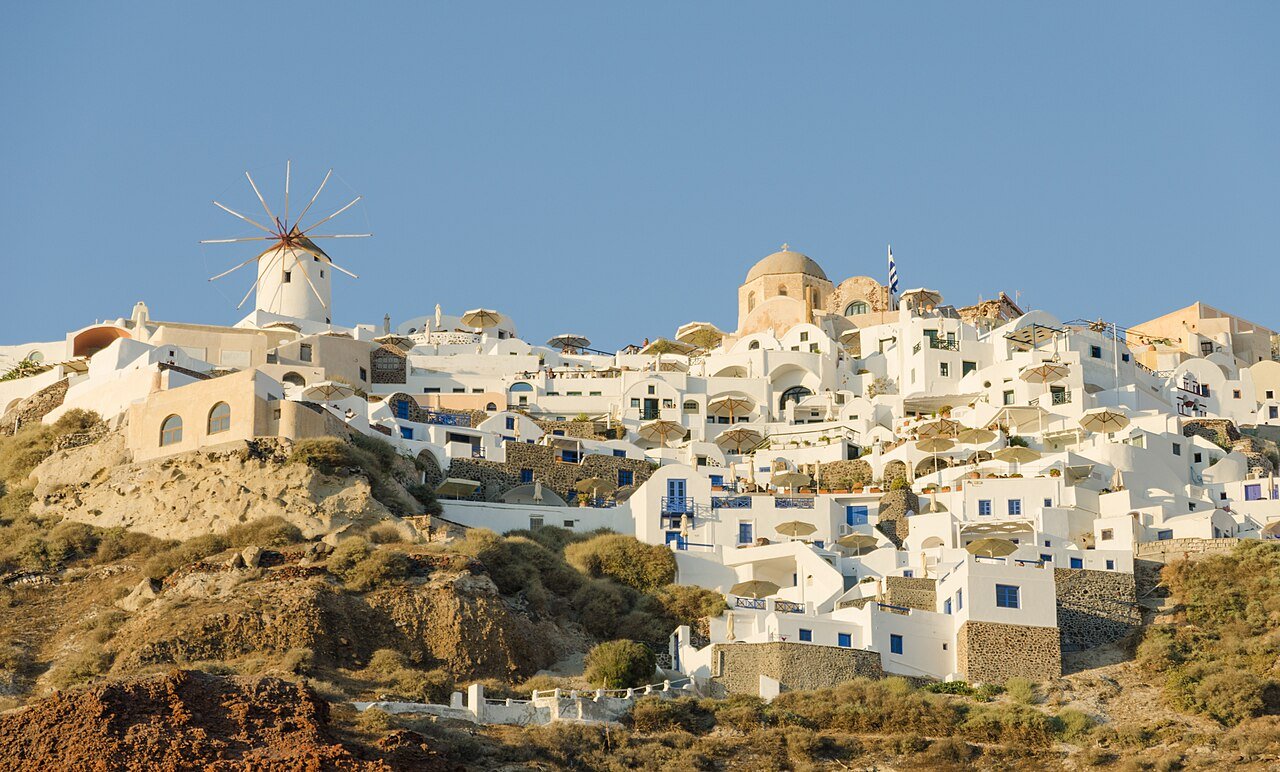
Santorini
Caldera views, white villages and sunsets.
Mykonos
Beaches, windmills and nightlife.
Meteora
Monasteries atop dramatic rock pillars.
Island-hopping
Ferries across the beautiful Aegean.
Greek food
Souvlaki, moussaka, salads and seafood.
Whether you love history, beaches, romance or relaxation, Greece offers a dreamy and unforgettable Mediterranean experience.
Greece is myth and Mediterranean magic — the Acropolis, Santorini’s sunsets, blue-domed villages and endless island-hopping.
Part 2 of 8
Visas and getting to Greece
A Schengen visa and good connections make Greece straightforward to plan.
Visa: Indian passport holders need a Schengen visa to visit Greece. Apply in advance through the Greek consulate or visa centre with your itinerary, flights, hotels, travel insurance and financial documents. The Schengen visa also allows travel to other Schengen countries.
By air: One-stop flights connect Indian metros to Athens via Gulf and European hubs. From Athens, domestic flights and ferries reach the islands. Booking early lands the best fares, and combining a flight to an island with the return from Athens can be efficient.
Pro tip
Apply for your Schengen visa early, and book island ferries and Santorini accommodation well in advance for summer. Fly between distant islands to save time, and use ferries for nearby island clusters.
Getting around: Ferries are the classic way to island-hop, while domestic flights link Athens with the bigger islands quickly. In Athens, use the efficient metro; on islands, buses, taxis, ATVs and rental cars get you around. Plan ferry schedules carefully.
Part 3 of 8
Best time to visit Greece
Greece shines in the warmer months, but timing shapes crowds and prices.
| Season | Months | What to expect |
|---|---|---|
| Spring | Apr–Jun | Warm, blooming and pleasant; late spring is ideal with fewer crowds. |
| Summer | Jul–Aug | Hot, sunny and very busy; peak prices, lively islands and beaches. |
| Autumn | Sep–Oct | Warm seas, settled weather and thinner crowds — excellent. |
| Winter | Nov–Mar | Cool and quiet; many island businesses close, Athens stays open. |
For the best balance of warm weather and manageable crowds, visit in late spring (May–June) or early autumn (September–October). Summer is hot, sunny and the busiest and priciest, ideal for beaches and nightlife, while winter is quiet with many island services closed, though Athens and the mainland remain rewarding. Pack for sun and sea.
Part 4 of 8
Costs and budgeting for Indians
Greece offers good value, though popular islands in peak season cost more. Here is a realistic per-person, per-day guide for 2026, excluding international flights.
| Style | Daily budget | What it covers |
|---|---|---|
| Budget | €60–110 | Guesthouses or budget hotels, casual meals, ferries, key sights. |
| Mid-range | €150–260 | Good hotels, restaurant dining, ferries and tours. |
| Luxury | €450+ | Caldera-view hotels, fine dining and private experiences. |
Athens and lesser-known islands are cheaper, while Santorini and Mykonos in summer are pricey, especially for caldera-view hotels. Greek tavernas offer great-value, delicious meals, and many sights and beaches are free or cheap. Ferries and domestic flights are the main transport costs. Carry a card (widely accepted) plus some euros.
Good to know
Greece is generally very safe and welcoming. Take normal precautions against pickpockets in busy Athens areas, be careful on island roads and ATVs, mind the strong summer sun, and book ferries and accommodation ahead in peak season. Carry copies of your passport and Schengen visa.
Part 5 of 8
Where to stay, what to eat and top experiences
Where to stay: In Athens, stay near Plaka or Syntagma for the Acropolis and metro; in Santorini, Oia or Fira for caldera views; and in Mykonos, the town or a beach area. Booking caldera-view rooms early is essential in summer, as they sell out and command premiums.
What to eat: Greek cuisine is fresh and delicious — souvlaki, gyros, moussaka, Greek salad, tzatziki, feta, seafood and baklava, with plenty for vegetarians. Indian restaurants exist in Athens, and many tavernas offer vegetarian dishes, so Indian travellers eat well across Greece.
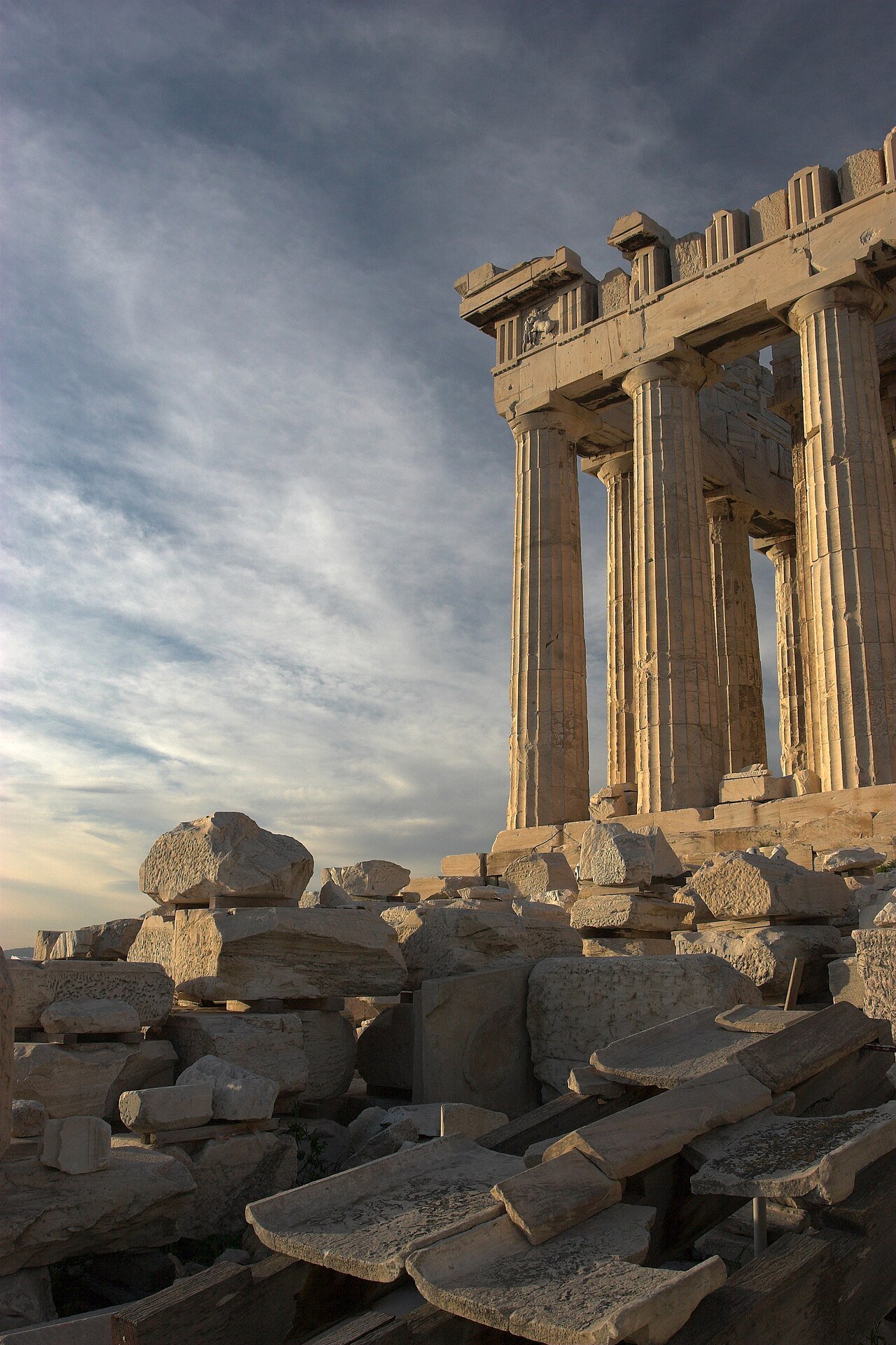
The Acropolis
Athens’ iconic Parthenon and ancient ruins.
Santorini sunset
The famous caldera sunset from Oia.
Island-hopping
Ferry between the Cyclades islands.
Meteora
Monasteries perched on towering rocks.
For more, explore Delphi and ancient Olympia on the mainland, the medieval old town of Rhodes, the beaches of Crete and Naxos, and the quieter, authentic smaller islands.
Part 6 of 8
A 7-10 day Greece itinerary
This classic route pairs Athens with the iconic islands.
Days 1–2 — Athens: The Acropolis, Parthenon, Plaka, the Acropolis Museum and ancient sites.
Days 3–5 — Santorini: Caldera views, Oia’s sunset, Fira, volcanic beaches and wineries.
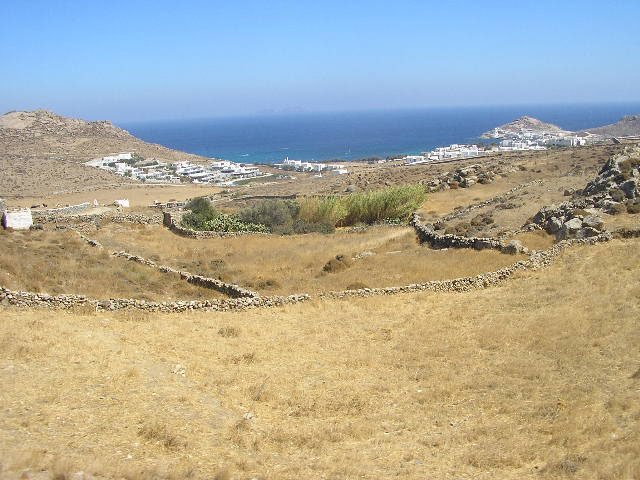
Days 6–8 — Mykonos: Beaches, the windmills, Little Venice, Delos day trip and nightlife.
Days 9–10 — Return via Athens: Any missed Athens sights, shopping and a mainland day trip to Delphi before flying home.
Pro tip
Book Santorini and Mykonos accommodation and ferries early for summer, and fly between Athens and the islands to save time. Catch Santorini’s sunset from a quieter spot than crowded Oia, and allow buffer time for ferry schedules.
Part 7 of 8
Practical tips for Indian travellers
A few pointers make a Greece trip smoother.
Apply early for the visa
Schengen appointments and processing take time.
Book ferries ahead
Routes fill fast in summer; plan schedules.
Reserve caldera rooms
Santorini’s best views sell out early.
Mind the sun
Carry sunscreen, water and a hat.
Greece rewards a little preparation. Apply for your Schengen visa well in advance with complete documents, and book island accommodation and ferries early for summer, when Santorini and Mykonos fill up and prices peak. Fly between Athens and distant islands to save time, and use ferries for nearby island clusters.
Take normal precautions against pickpockets in busy Athens, be careful on island roads and ATVs, and protect against the strong summer sun. Greek tavernas offer great-value, delicious food with plenty of vegetarian options, and Indian restaurants exist in Athens, so Indian travellers eat well. English is widely understood in tourist areas, and Greece pairs easily with other European countries on the same Schengen visa. With its ancient wonders, stunning islands and warm hospitality, Greece offers Indian travellers a dreamy Mediterranean escape.
Part 8 of 8
Frequently asked questions
Do Indians need a visa for Greece?
Yes. Indian passport holders need a Schengen visa to visit Greece. Apply in advance through the Greek consulate or visa centre with your itinerary, flights, hotels, travel insurance and financial documents. The Schengen visa also allows travel to other Schengen countries on the same trip.
How do I reach Greece from India?
One-stop flights connect Indian metros to Athens via Gulf and European hubs. From Athens, domestic flights and ferries reach the islands. Booking early lands the best fares, and flying into one island with the return from Athens, or vice versa, can make an island-hopping trip efficient.
When is the best time to visit Greece?
Late spring (May–June) and early autumn (September–October) offer the best balance of warm weather and manageable crowds, with pleasant seas. Summer is hot, sunny and the busiest and priciest, ideal for beaches and nightlife, while winter is quiet with many island services closed, though Athens stays rewarding.
How much does a Greece trip cost?
Greece offers good value, though Santorini and Mykonos in summer cost more. Excluding flights, budget travellers manage on €60–110 a day, mid-range trips €150–260, and luxury caldera stays €450 plus. Athens and lesser-known islands are cheaper, and tavernas offer great-value meals throughout.
How do I get around Greece and the islands?
Ferries are the classic way to island-hop, while domestic flights link Athens with the bigger islands quickly. In Athens, use the efficient metro; on islands, buses, taxis, ATVs and rental cars get you around. Plan ferry schedules carefully and book ahead in peak summer season.
Is Greece good for vegetarians and Indian travellers?
Yes. Greek cuisine offers plenty of vegetarian dishes — Greek salad, tzatziki, feta, stuffed vegetables, fava and more — and Indian restaurants exist in Athens. Tavernas are welcoming and affordable, so Indian travellers, including vegetarians, eat very well across Greece.
How many days do I need for Greece?
Seven to ten days covers Athens plus two iconic islands such as Santorini and Mykonos at a comfortable pace. Add more time for additional islands like Crete, Naxos or Rhodes, mainland sites like Delphi and Meteora, or pair Greece with other European countries on the same Schengen visa.
Which Greek islands should I visit?
Santorini (romantic caldera views and sunsets) and Mykonos (beaches and nightlife) are the famous choices for a first trip. For variety, add Naxos or Paros for authentic charm, Crete for history and beaches, or Rhodes for its medieval old town. Choosing two or three islands rather than rushing keeps the trip relaxed.
Can I combine Greece with other European countries?
Yes. The Schengen visa for Greece allows travel to other Schengen countries, so Greece pairs well with Italy or other European destinations on the same trip. Flights link Athens to major European hubs, making it easy to combine Greece’s islands and ancient sites with neighbouring countries on one visa.
Is Greece safe for tourists?
Greece is generally very safe and welcoming. Take normal precautions against pickpockets in busy Athens areas, be careful on island roads and when riding ATVs, and protect against the strong summer sun with sunscreen and water. Book ferries and accommodation ahead in peak season, and carry copies of your passport and Schengen visa.
What should I not miss in Greece?
Beyond Athens, Santorini and Mykonos, don’t miss the cliff-top monasteries of Meteora, the ancient oracle site of Delphi, the medieval old town of Rhodes, and the beaches and history of Crete. A Santorini sunset, a Greek-island ferry journey and a long taverna meal by the sea are experiences in themselves.
The bottom line
Greece is a dream Mediterranean trip — the ancient grandeur of the Acropolis, the romantic sunsets of Santorini, the beaches and buzz of Mykonos, the monasteries of Meteora and endless island-hopping across the blue Aegean. Apply for your Schengen visa early, travel in late spring or early autumn for the best weather and fewer crowds, book islands and ferries ahead for summer, and savour the fresh Greek food and warm hospitality. Greece will reward Indian travellers with history, beauty and relaxation in equal measure.
Related reading
 South Africa Travel Guide for Indians (2026)
 Spain Travel Guide for Indians: Visa, Costs & Itinerary
 Italy Travel Guide for Indians: Visa, Costs & Itinerary
Photos sourced from Wikimedia Commons under their respective Creative Commons licences. Visa, flight and travel details are indicative for 2026; confirm current visa rules and prices before you travel.