Turkey Travel Guide for Indians 2026 — Istanbul, Cappadocia, Visa & Cost
Last updated: July 8, 2026
Turkey is where Europe meets Asia — a country of soaring mosques and ancient ruins, fairy-tale landscapes and turquoise coasts, bustling bazaars and warm hospitality. From the minarets and palaces of Istanbul to the otherworldly valleys of Cappadocia, the cotton-white terraces of Pamukkale and the Roman grandeur of Ephesus, it packs an astonishing variety into one trip. For Indian travellers it offers history, culture, dramatic scenery and famously generous food, all at excellent value.
This 2026 guide for Indian travellers covers visas and flights, the best time to go, what it costs, where to stay and eat, and how to plan a route across Turkey’s unmissable highlights.
- Visa: Indians need a visa for Turkey — an e-Visa is available for those holding a valid Schengen, US, UK or Ireland visa; others apply for a sticker visa.
- Getting there: Direct and one-stop flights from major Indian cities to Istanbul, a major global hub.
- Best time: April to June and September to November for pleasant weather and fewer crowds.
- Don’t miss: Istanbul’s monuments, Cappadocia’s balloons and valleys, Pamukkale and the ancient city of Ephesus.
Part 1 of 8
Why Turkey belongs on your list
Few countries blend so many experiences as Turkey. In one trip you can stand inside the 1,500-year-old Hagia Sophia, drift over Cappadocia’s fairy chimneys in a hot-air balloon at dawn, bathe in the thermal pools of Pamukkale, walk the marble streets of ancient Ephesus and unwind on the Mediterranean coast. Add legendary food, vibrant bazaars and some of the warmest hospitality anywhere, and Turkey becomes a destination of remarkable depth.
Istanbul
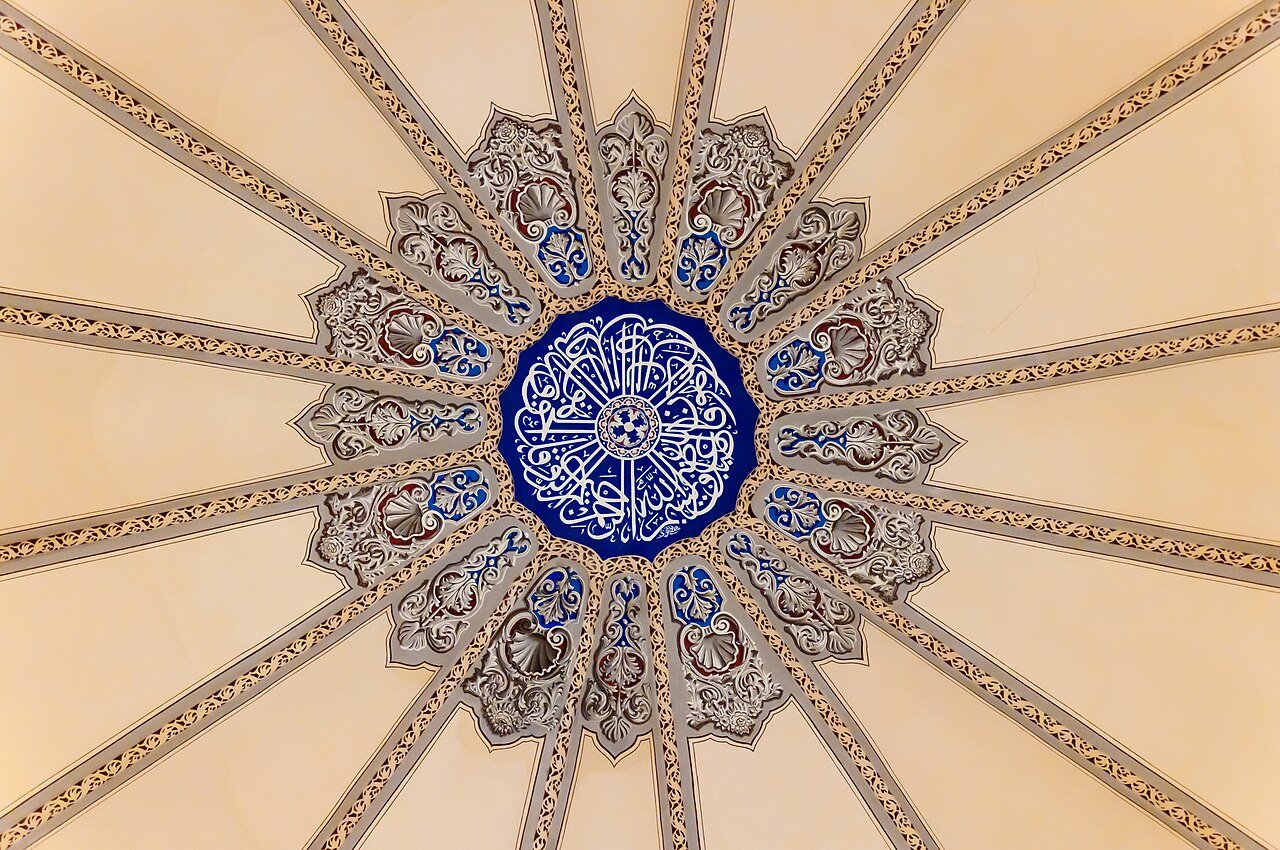
Hagia Sophia, the Blue Mosque, palaces and the Grand Bazaar.
Cappadocia
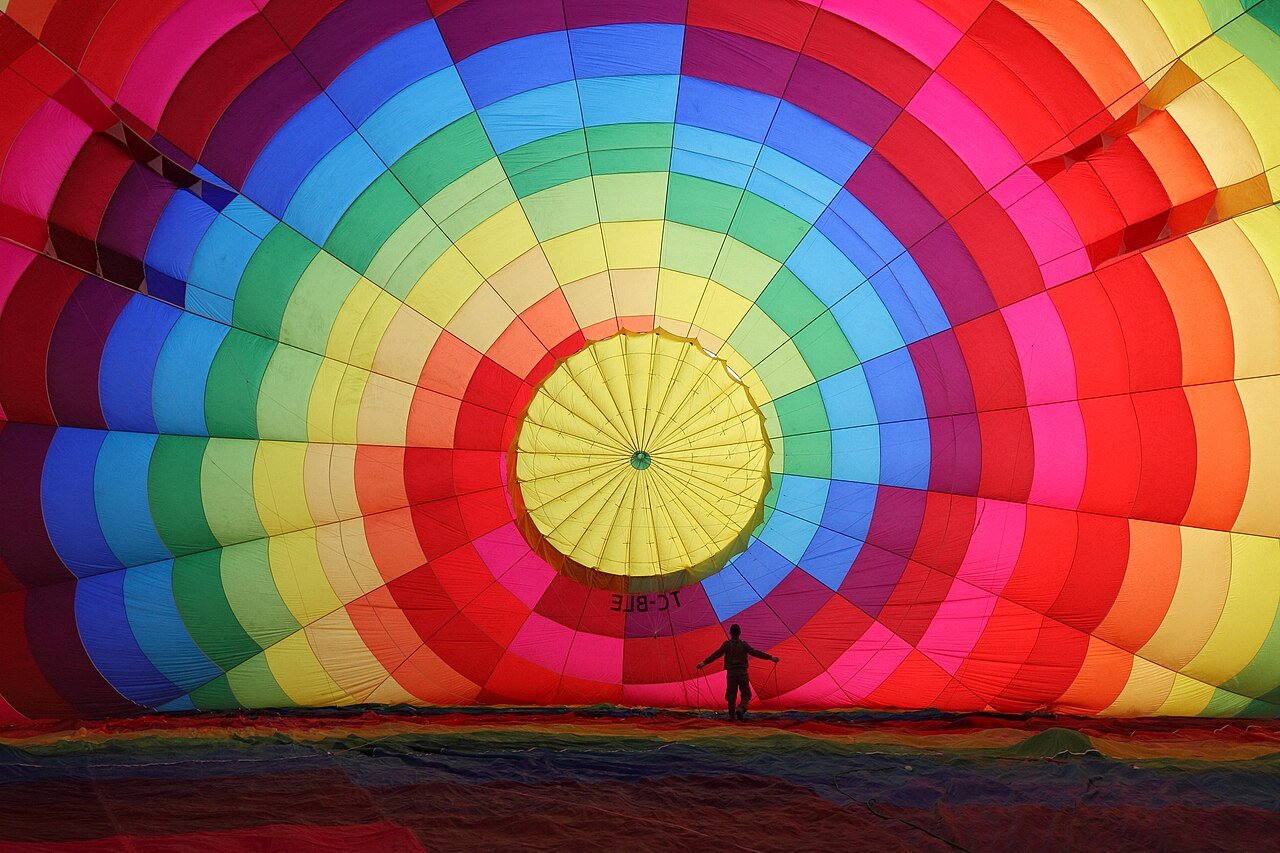
Balloon rides, fairy chimneys, cave hotels and underground cities.
Pamukkale
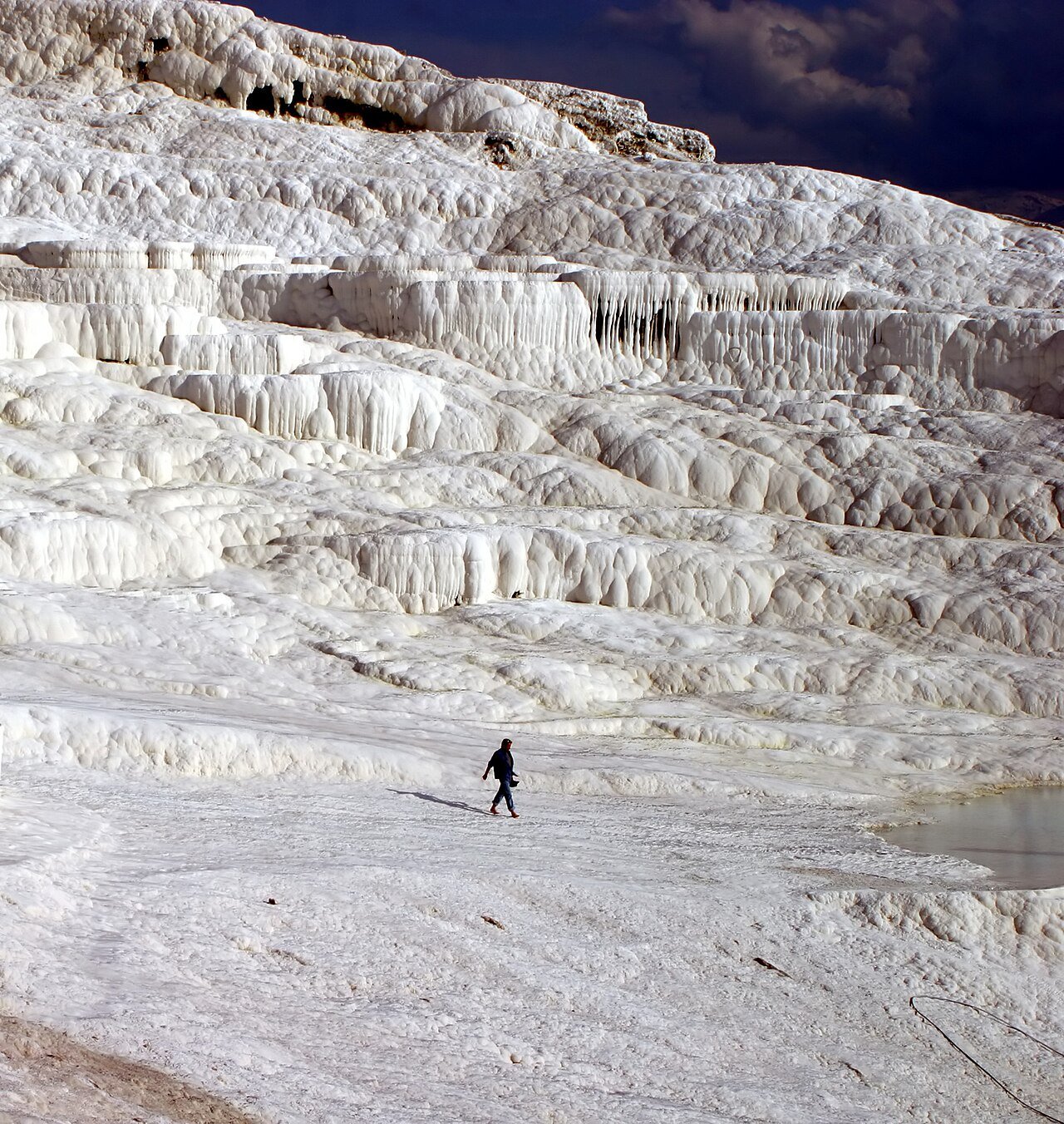
Surreal white travertine terraces and Roman Hierapolis.
Ephesus
One of the best-preserved ancient cities in the world.
Turquoise Coast
Beaches, gulet cruises and resort towns like Antalya and Fethiye.
Turkish food
Kebabs, mezes, baklava and endless cups of çay.
Whether you are drawn by history, landscapes, beaches or food, Turkey delivers a rich, varied and welcoming journey that few destinations can match.
Turkey is two continents in one country — ancient and modern, East and West, all wrapped in extraordinary landscapes and warmth.
Part 2 of 8
Visas and getting to Turkey
Turkey is well connected to India and the visa process is straightforward for many travellers.
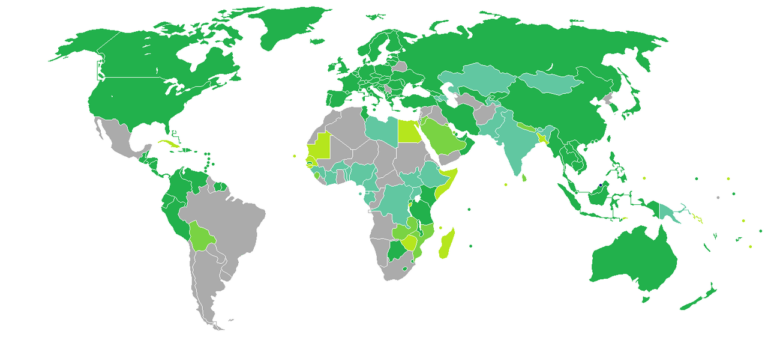
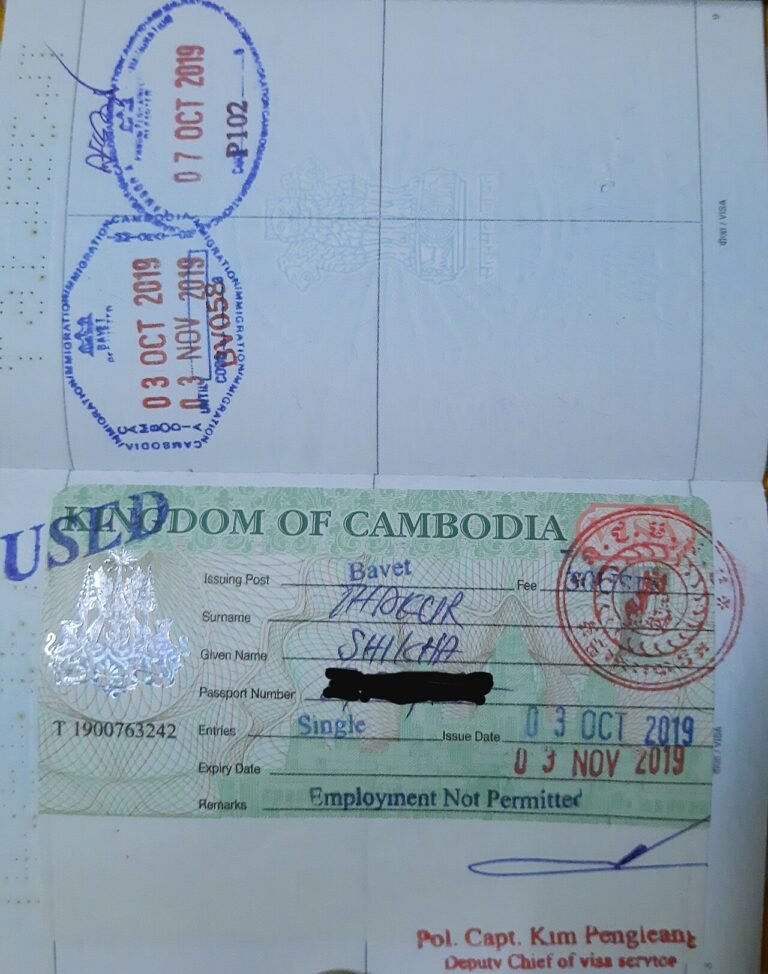
Visa: Indian passport holders need a visa. Those holding a valid (used) Schengen, US, UK or Ireland visa or residence permit can apply for a Turkish e-Visa online quickly and cheaply. Indians without one of those visas must apply for a sticker visa through the Turkish consulate. Always confirm the latest rules before booking.
By air: Turkish Airlines and IndiGo offer direct flights from cities like Delhi and Mumbai to Istanbul, and many one-stop options exist via the Gulf. Istanbul is a major global hub, so connections are easy and fares often competitive.
Pro tip
If you hold a valid Schengen, US or UK visa, the e-Visa is the easiest route — apply online a few days before travel. Fly into Istanbul, then use cheap domestic flights to reach Cappadocia (Kayseri/Nevşehir) and the coast.
Getting around: Domestic flights are cheap and quick for long hops, intercity buses are comfortable and extensive, and Istanbul has excellent trams, metros and ferries. For Cappadocia and the coast, local tours or a rental car add flexibility.
Part 3 of 8
Best time to visit Turkey
Turkey has a varied climate, so the ideal time depends on your route, but spring and autumn suit most trips best.
| Season | Months | What to expect |
|---|---|---|
| Spring | Apr–Jun | Mild, green and pleasant — ideal for sightseeing and balloons, with fewer crowds. |
| Summer | Jul–Aug | Hot, especially inland; peak season on the coast and busiest at the sights. |
| Autumn | Sep–Nov | Warm, settled weather and thinner crowds — another excellent window. |
| Winter | Dec–Mar | Cold inland, with snow in Cappadocia (atmospheric but some balloon cancellations); mild on the south coast. |
For the best mix of comfortable weather, reliable balloon flights and manageable crowds, aim for April–June or September–November. Summer is great for the beaches but hot and busy inland, while winter offers a magical snowy Cappadocia and lower prices, with a higher chance of weather disruptions.
Part 4 of 8
Costs and budgeting for Indians
Turkey offers strong value for Indian travellers, with affordable food, transport and accommodation. Here is a realistic per-person, per-day guide for 2026, excluding international flights.
| Style | Daily budget | What it covers |
|---|---|---|
| Backpacker | $35–55 | Hostels and guesthouses, buses, street food and local eateries. |
| Mid-range | $80–140 | Good hotels and cave stays, domestic flights, a balloon ride and nice meals. |
| Premium | $200+ | Boutique and luxury hotels, private guides, gulet cruises and fine dining. |
The standout splurge is the Cappadocia balloon ride (typically $200–300), worth budgeting for. Food and transport are cheap, museums and sites are reasonable, and the Turkish lira’s value means your money goes far. Carry some cash, though cards are widely accepted in cities.
Good to know
Turkey is generally safe for tourists. Use licensed taxis or apps, agree fares where meters are not used, and be alert to common bazaar overcharging. Book balloon rides with reputable, properly insured operators.
Part 5 of 8
Where to stay, what to eat and top experiences
Where to stay: In Istanbul, Sultanahmet puts you beside the major sights, while Beyoğlu/Taksim is livelier and more modern. In Cappadocia, stay in a cave hotel in Göreme or Uçhisar for the views and balloon launches. On the coast, Antalya, Fethiye and Kaş make great bases.
What to eat: Turkish cuisine is a highlight — kebabs and köfte, mezes, fresh bread, gözleme, pide, simit and seafood on the coast, finished with baklava and Turkish delight. Vegetarians do well with abundant meze, salads and vegetable dishes. Don’t miss Turkish breakfast, çay and Turkish coffee.
Balloon at dawn
Float over Cappadocia’s valleys at sunrise — unforgettable.
Bosphorus cruise
See Istanbul’s palaces and skyline from the water.
Turkish hammam
Experience a traditional bath and scrub.
Walk Ephesus
Explore one of antiquity’s great cities near Selçuk.
For more, shop the Grand and Spice Bazaars, hike Cappadocia’s valleys, see Pamukkale’s terraces and Hierapolis, and sail the Turquoise Coast on a gulet.
Part 6 of 8
A 7-10 day Turkey itinerary
This classic route links Istanbul, Cappadocia and the southwest in one rewarding loop.
Days 1–3 — Istanbul: Hagia Sophia, the Blue Mosque, Topkapı Palace, the Grand and Spice Bazaars, and a Bosphorus cruise.
Days 4–5 — Cappadocia: Fly to Kayseri or Nevşehir for a dawn balloon ride, valley hikes, cave churches, underground cities and a cave-hotel stay.
Days 6–7 — Pamukkale & Ephesus: Travel west to the travertine terraces of Pamukkale and the ancient city of Ephesus near Selçuk.
Days 8–10 — Coast or back to Istanbul: Relax on the Turquoise Coast at Antalya or Fethiye, or return to Istanbul for more time before flying home.
Pro tip
Use cheap domestic flights to save time between Istanbul, Cappadocia and the coast. Book your Cappadocia stay and balloon ride early, as the best cave hotels and dawn slots sell out.
Part 7 of 8
Practical tips for Indian travellers
A few practical pointers make a Turkey trip smoother.
Sort your visa
Use the e-Visa if you hold a Schengen/US/UK visa; else apply for a sticker.
Fly domestically
Cheap internal flights link Istanbul, Cappadocia and the coast.
Cards plus cash
Cards work in cities; carry lira for bazaars and small towns.
Dress for mosques
Cover shoulders and knees; women carry a scarf for the head.
Turkey is welcoming and easy for Indian travellers, with familiar flavours, plenty of halal and vegetarian food, and a large tourism infrastructure. English is widely spoken in tourist areas, though learning a few Turkish words is appreciated. Dress modestly when visiting mosques, removing shoes and covering up, and respect prayer times.
Take normal precautions in crowded areas and bazaars, where gentle haggling is expected and overcharging can occur. Use reputable operators for balloon rides and tours, drink bottled water, and check current advisories, particularly for regions near the southeastern borders, which most tourist itineraries avoid anyway. With its mix of history, landscapes and warmth, Turkey rewards a well-planned trip handsomely.
Part 8 of 8
Frequently asked questions
Do Indians need a visa for Turkey?
Yes. Indians holding a valid Schengen, US, UK or Ireland visa or residence permit can apply for a Turkish e-Visa online. Those without one of these must apply for a sticker visa through the Turkish consulate. Confirm the latest rules before booking.
Are there direct flights from India to Turkey?
Yes. Turkish Airlines and IndiGo operate direct flights from cities like Delhi and Mumbai to Istanbul, and many one-stop options run via the Gulf. Istanbul is a major hub, so connections and fares are generally good.
When is the best time to visit Turkey?
April–June and September–November offer the best balance of pleasant weather, reliable balloon flights and manageable crowds. Summer suits the coast but is hot and busy inland, while winter brings a snowy Cappadocia, lower prices and a higher chance of weather disruption.
How much does a Turkey trip cost?
Turkey is good value. Backpackers manage on $35–55 a day, mid-range travellers on $80–140, and premium trips from $200. The Cappadocia balloon ride (around $200–300) is the main splurge to budget for separately.
Is the Cappadocia balloon ride worth it?
For most travellers, yes — drifting over the fairy chimneys at sunrise is a highlight of any Turkey trip. Book early with a reputable, insured operator, and note that flights can be cancelled in poor weather, so allow a buffer day.
Is Turkey safe for tourists?
Turkey is generally safe and very welcoming. Take normal precautions in crowded areas and bazaars, use licensed taxis or apps, and choose reputable tour and balloon operators. Check current advisories, especially for the southeastern border regions, which most itineraries avoid.
Is Turkey good for vegetarians?
Yes. Turkish cuisine has abundant vegetable mezes, salads, lentil dishes, breads, pastries and dairy, so vegetarians eat very well. Halal meat is the norm, which suits many Indian travellers, and English menus are common in tourist areas.
How many days do I need for Turkey?
Seven days covers Istanbul, Cappadocia and Pamukkale/Ephesus at a brisk pace. Ten days to two weeks lets you add the Turquoise Coast or more time in each place. Use domestic flights to make the most of a shorter trip.
What should I pack for Turkey?
Pack layers, as inland areas like Cappadocia can be cold at dawn even in warmer months, plus comfortable walking shoes for ancient sites and valleys. Bring modest clothing and a scarf for mosque visits, sunscreen and a hat for summer, and swimwear if you are heading to the coast.
Can I use Indian cards and get local currency easily?
Yes. Cards are widely accepted in cities and larger hotels and restaurants, and ATMs are plentiful. Carry some Turkish lira in cash for bazaars, taxis, small towns and tips. Notify your bank before travelling, and prefer ATMs of major banks to avoid high fees.
The bottom line
Turkey is one of the world’s most rewarding destinations — a bridge between continents where ancient monuments, surreal landscapes, turquoise coasts and legendary food come together with warm hospitality. Sort your e-Visa or sticker visa, travel in spring or autumn, base yourself in Istanbul and Cappadocia, and budget for that dawn balloon ride. Do that, and Turkey will give Indian travellers an unforgettable journey across history, culture and breathtaking scenery, all at superb value.
Related reading
 Greece Travel Guide for Indians: Visa, Islands & Itinerary
 Italy Travel Guide for Indians: Visa, Costs & Itinerary
 Greek Food Guide for Indians 2026 — What to Eat & Vegetarian Tips
Photos sourced from Wikimedia Commons under their respective Creative Commons licences. Visa, flight and travel details are indicative for 2026; confirm current visa rules and advisories before you travel.