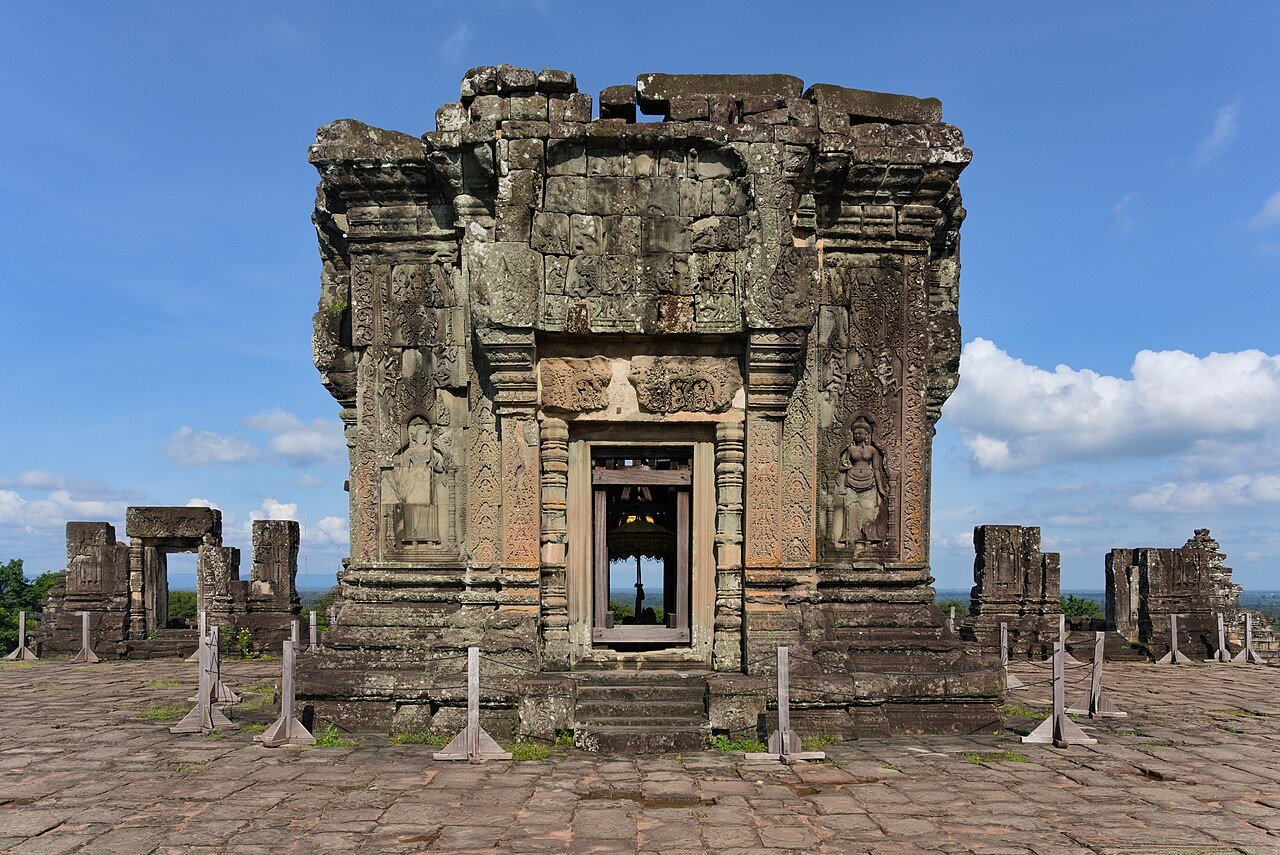
Cambodia Travel Guide for Indians 2026 — Angkor Wat, Visa, Cost & Itinerary
Last updated: July 8, 2026
Cambodia is one of Southeast Asia’s most soulful destinations — home to the awe-inspiring temples of Angkor, a warm and resilient people, and a landscape of rice paddies, rivers and tropical islands. The vast temple-city of Angkor near Siem Reap is the headline act, but the country also offers the riverside capital of Phnom Penh, the floating villages of Tonle Sap and the laid-back beaches of its south. Affordable, welcoming and easy to enter on an e-visa, Cambodia rewards Indian travellers with history, culture and genuine adventure.
This 2026 guide for Indian travellers covers visas and flights, the best time to visit, what it costs, where to stay and eat, and how to plan a rewarding trip across the temples, capital and coast.
- Visa: Indians can get a Cambodia e-visa online or a visa on arrival, valid around 30 days.
- Getting there: No direct flights from India — connect via Bangkok, Kuala Lumpur or Singapore to Siem Reap or Phnom Penh.
- Best time: November to February for cool, dry and comfortable weather.
- Don’t miss: Angkor Wat at sunrise, the Bayon and Ta Prohm temples, Phnom Penh and Tonle Sap lake.
Part 1 of 8
Why Cambodia belongs on your list
Cambodia centres on one of the world’s greatest archaeological wonders, but there is far more to it than Angkor. You can watch sunrise over the temples, wander ruins wrapped in jungle roots, learn the country’s moving modern history in Phnom Penh, drift through stilted floating villages, and unwind on near-empty tropical islands. It is inexpensive, deeply hospitable and refreshingly uncrowded beyond the headline sights.
Angkor Wat
The largest religious monument on earth, magical at sunrise.
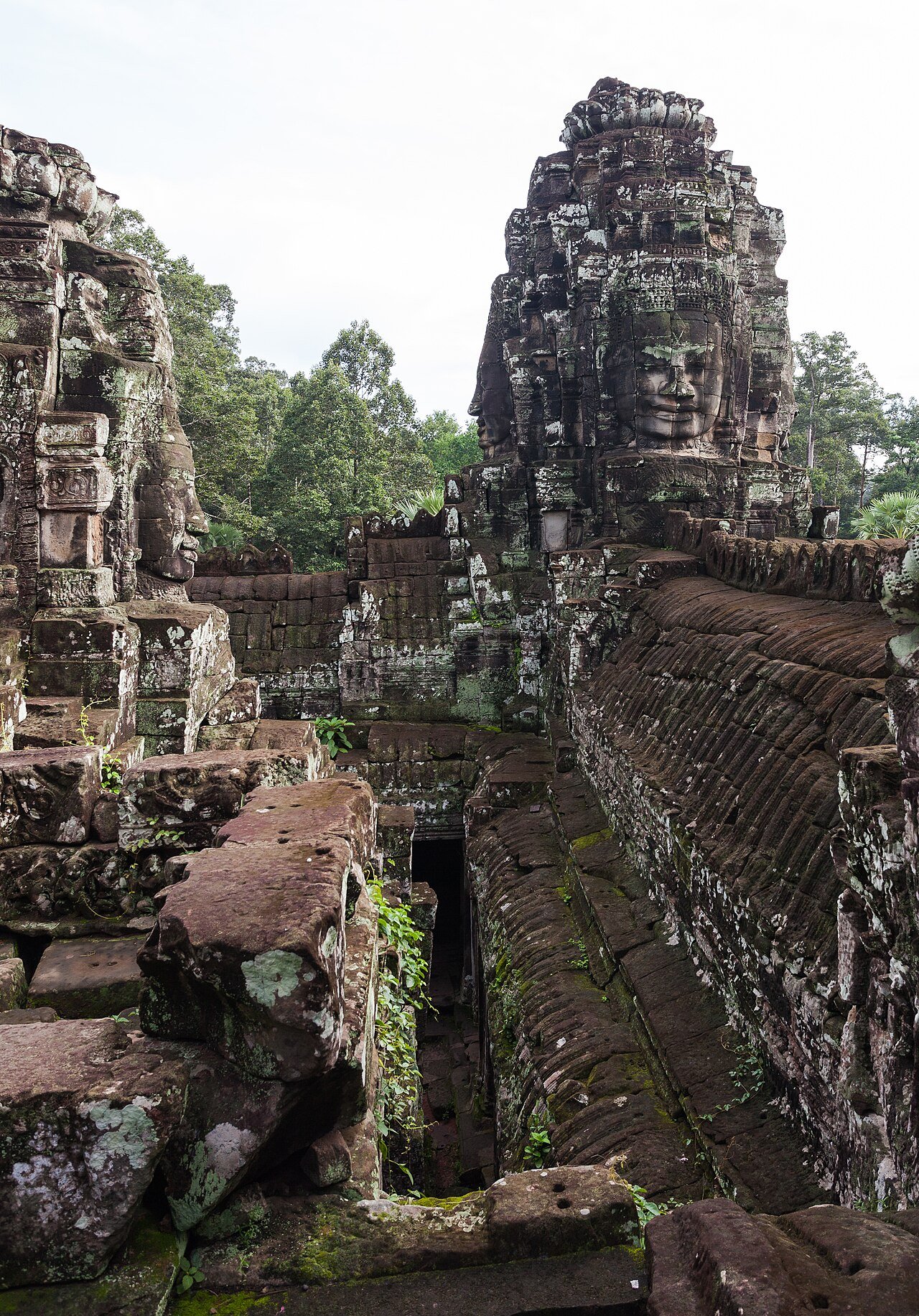
Bayon & Ta Prohm
The serene stone faces of the Bayon and the root-wrapped ruins of Ta Prohm.
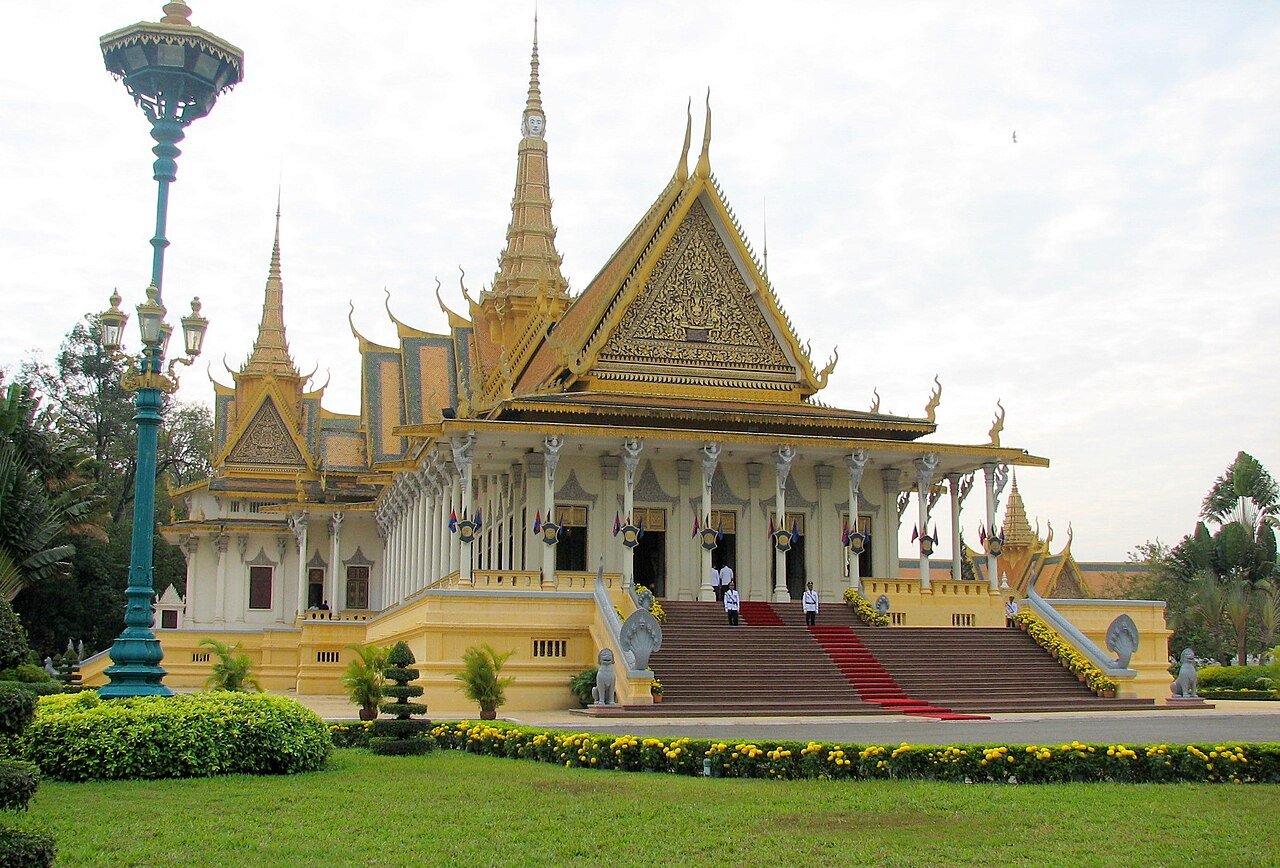
Phnom Penh
The Royal Palace, Silver Pagoda and sobering history of the capital.
Tonle Sap
Floating and stilted villages on Southeast Asia’s great lake.
Islands
The laid-back beaches of Koh Rong and the southern coast.
Khmer cuisine
Fragrant fish amok, lok lak and aromatic Cambodian curries.
Whether you come for the temples, the history, the islands or the warmth of its people, Cambodia delivers a rich and rewarding Southeast Asian journey that is easy on the budget.
Cambodia is Angkor and so much more — sunrise over a thousand-year-old temple, jungle-wrapped ruins, and a welcome as warm as the tropical sun.
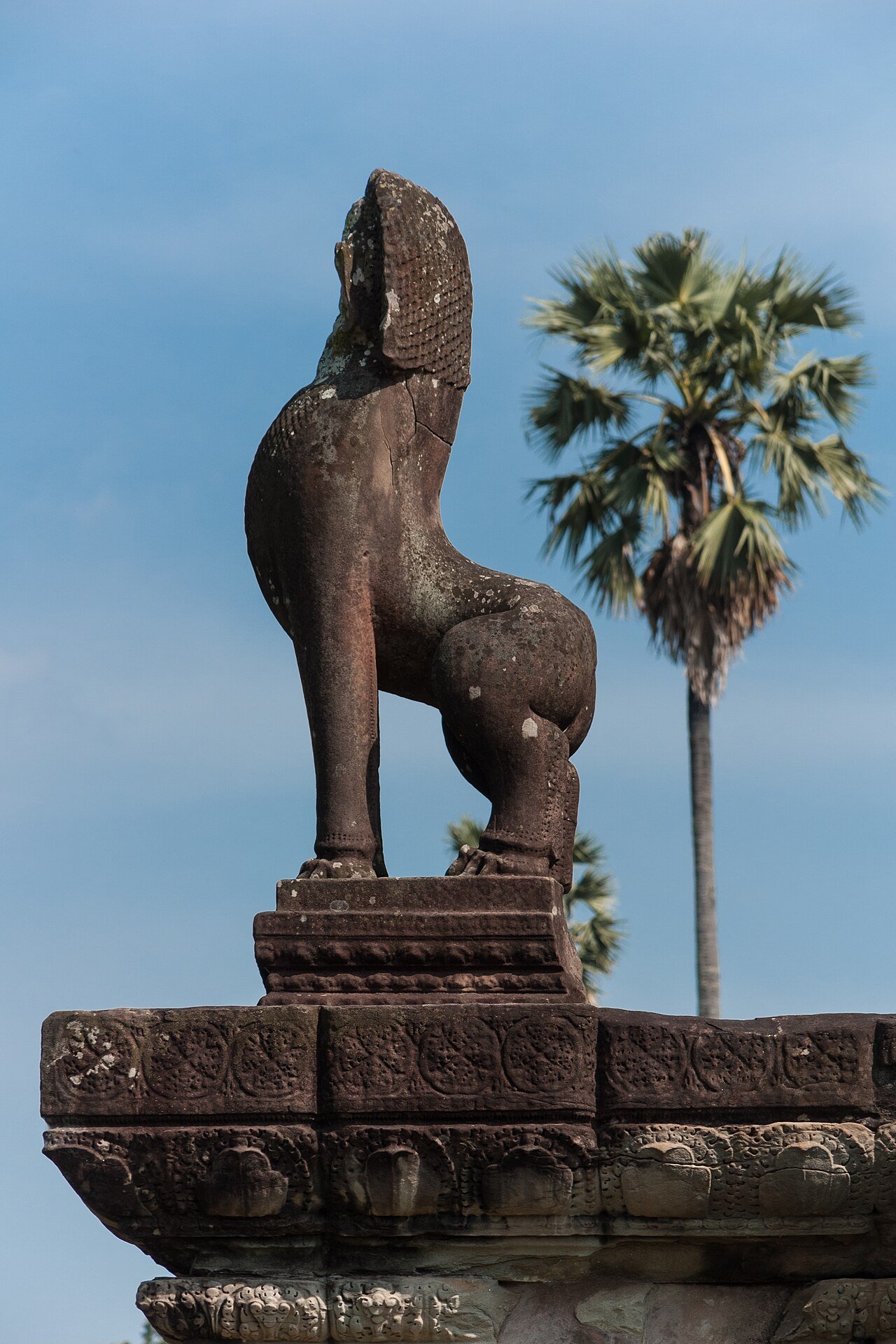
Part 2 of 8
Visas and getting to Cambodia
Cambodia is easy for Indians to enter, though it usually takes a connecting flight to reach from India.
Visa: Indian passport holders can apply for a Cambodia e-visa online before travel, or obtain a visa on arrival at the main international airports, typically valid for around 30 days. You will need a passport valid at least six months, a photo and the fee in US dollars. Always confirm the latest rules and accepted entry points before booking.
By air: There are no direct flights from India, so most travellers connect via Bangkok, Kuala Lumpur or Singapore to Siem Reap (for Angkor) or Phnom Penh (the capital). Siem Reap’s newer airport handles most temple-bound visitors.
Pro tip
Fly into Siem Reap and out of Phnom Penh (or vice versa) to avoid backtracking. The two are linked by a short flight or a scenic bus and boat journey via Tonle Sap.
Getting around: Tuk-tuks are the classic way to tour the Angkor temples and get around towns, easily hired for the day. Buses and domestic flights connect the main cities, and apps like Grab/PassApp operate in the bigger centres.
Part 3 of 8
Best time to visit Cambodia
Cambodia has a tropical monsoon climate, so the cool, dry season is by far the most comfortable for temple-touring.
| Season | Months | What to expect |
|---|---|---|
| Cool & dry | Nov–Feb | The best window — pleasant days, low humidity and ideal for Angkor. Peak season. |
| Hot | Mar–May | Very hot and humid; sightseeing is tiring, so start early and rest at midday. |
| Rainy | Jun–Oct | Warm with afternoon downpours; lush, green and quiet, with fuller Tonle Sap. |
| Shoulder | Oct & Nov | The rains ease and the countryside is at its greenest — a lovely transition. |
For the most comfortable trip, aim for November to February, when the weather is cool and dry and perfect for exploring the vast Angkor complex. The rainy season has its own lush appeal and fewer crowds, while the hot months call for early starts and midday breaks.
Part 4 of 8
Costs and budgeting for Indians
Cambodia is very affordable, offering excellent value across the board. Here is a realistic per-person, per-day guide for 2026, excluding flights.
| Style | Daily budget | What it covers |
|---|---|---|
| Backpacker | $25–40 | Hostel or guesthouse, tuk-tuks and buses, local meals and a temple pass share. |
| Mid-range | $50–90 | Comfortable hotel, private tuk-tuk or guide for Angkor, good restaurant meals. |
| Premium | $140+ | Boutique or luxury hotel, private guide and car, curated experiences and dining. |
The main planned cost is the Angkor Archaeological Park pass, sold as one, three or seven-day tickets — the three-day pass is great value for seeing the temples without rushing. Food, transport and guesthouses are cheap. Carry US dollars, which are used alongside the local riel for everyday payments.
Good to know
Buy your Angkor pass only at official ticket counters or the official website, and carry it at all times as it is checked at each temple. US dollars are widely used; keep small notes for tuk-tuks and markets.
Part 5 of 8
Where to stay, what to eat and top experiences
Where to stay: Siem Reap is the base for Angkor, with everything from backpacker hostels to boutique hotels near the lively Pub Street and night markets. Phnom Penh suits riverfront stays near the Royal Palace, and the southern coast and islands offer beach bungalows and resorts.
What to eat: Khmer cuisine is mild and aromatic — try fish amok (a coconut curry steamed in banana leaf), lok lak (stir-fried beef), Khmer red curry and fresh river fish, with plenty of rice and noodles. Vegetarians can find vegetable amok, stir-fries and noodle dishes, especially in tourist areas.
Angkor sunrise
Watch dawn break over the towers of Angkor Wat.
Temple tour
Circuit the Bayon, Ta Prohm and Angkor Thom by tuk-tuk.
Floating village
Visit a Tonle Sap stilted or floating community by boat.
Phnom Penh history
Reflect at the Royal Palace and the country’s memorial sites.
For more, explore the bamboo train and countryside of Battambang, the riverside charm of Kampot and Kep, or unwind on the islands of Koh Rong and Koh Rong Samloem.
Part 6 of 8
A 7-day Cambodia itinerary
This route pairs the temples with the capital and a taste of the coast or countryside.
Days 1–3 — Siem Reap & Angkor: Spend three days on the temples — sunrise at Angkor Wat, the Bayon and Angkor Thom, Ta Prohm and the outer temples — with evenings at Pub Street and the night markets.
Day 4 — Tonle Sap & transfer: Visit a Tonle Sap floating village, then travel to Phnom Penh by short flight or bus.
Days 5–6 — Phnom Penh: Explore the Royal Palace, Silver Pagoda, riverside and the country’s sobering historical sites, with time for markets and Khmer dining.
Day 7 — Coast or departure: Add a night in Kampot or on the southern islands for a relaxed finish, or fly out from Phnom Penh.
Extend your trip: Cambodia combines easily with Vietnam, Thailand or Laos for a fuller Southeast Asia journey via convenient overland and air links.
Pro tip
Buy the three-day Angkor pass and pace yourself — the complex is huge and the heat intense. Start at sunrise, rest through the hottest hours, and return for golden-hour temples in the late afternoon.
Part 7 of 8
Practical tips for Indian travellers
A few practical notes will help your Cambodia trip run smoothly and respectfully.
Official Angkor pass
Buy only at official counters or online, and carry it at all times.
Carry US dollars
Dollars are used everywhere alongside riel; keep small notes for tuk-tuks.
Dress for temples
Cover shoulders and knees at Angkor and the Royal Palace.
Beat the heat
Carry water, a hat and sunscreen for long, hot days among the temples.
Cambodia is generally safe and very welcoming, suiting families, couples and solo travellers, with the usual precautions in nightlife areas and against petty theft like bag-snatching in busy spots. Treat the temples and the country’s difficult modern history with respect, dress modestly at religious and royal sites, and be wary of scams around ticketing and overpriced tuk-tuk deals by agreeing fares in advance. Drink bottled water and ease into the tropical pace.
Cambodia also slots neatly into a wider Southeast Asia trip. It shares borders and easy connections with Vietnam, Thailand and Laos, so you can combine Angkor with Ho Chi Minh City, Bangkok or the temples of Laos for a richer regional adventure. Building one of these in turns a Cambodia visit into a sweeping multi-country journey.
Part 8 of 8
Frequently asked questions
Do Indians need a visa for Cambodia?
Yes, but it is easy. Indian passport holders can apply for a Cambodia e-visa online before travel or get a visa on arrival at the main airports, usually valid for around 30 days. Carry a passport valid six months, a photo and the fee in US dollars.
How do I reach Cambodia from India?
There are no direct flights, so you connect via Bangkok, Kuala Lumpur or Singapore to Siem Reap (for Angkor) or Phnom Penh. Flying into one city and out of the other avoids backtracking.
When is the best time to visit Cambodia?
November to February is ideal, with cool, dry weather perfect for exploring Angkor. March to May is very hot, while the June–October rainy season is green and quiet with afternoon downpours.
How many days do I need for Angkor?
Two to three days lets you see Angkor properly without rushing, which is why the three-day pass is popular. One day covers the highlights, but the complex is vast and rewards a slower pace, especially at sunrise and sunset.
Is Cambodia cheap for Indian travellers?
Very. Accommodation, food, tuk-tuks and buses are all inexpensive, with the main planned cost being the Angkor pass. It is one of the best-value destinations in Southeast Asia.
Is Cambodia safe for families and solo travellers?
Yes, it is generally safe and welcoming. Take normal precautions against petty theft in busy areas, agree tuk-tuk fares in advance, buy the Angkor pass officially, and drink bottled water. It suits families, couples and solo travellers alike.
What currency is used in Cambodia?
The official currency is the Cambodian riel, but US dollars are used everywhere for everyday payments. Carry small dollar notes for tuk-tuks, markets and tips, and you will often receive change in riel.
What can I combine with a Cambodia trip?
Cambodia pairs well with Vietnam, Thailand and Laos via easy overland and air links, so you can combine Angkor with Ho Chi Minh City, Bangkok or Luang Prabang for a fuller Southeast Asia itinerary.
The bottom line
Cambodia is a destination that moves you — the sheer scale of Angkor at sunrise, jungle-wrapped temples, a capital steeped in history, and beaches and floating villages beyond. Sort your e-visa, come in the cool dry season, buy the three-day Angkor pass and pace yourself in the heat, and pair the temples with Phnom Penh and the coast. Do that, and this warm, affordable country will reward you with one of the most memorable journeys in Southeast Asia.
Related reading
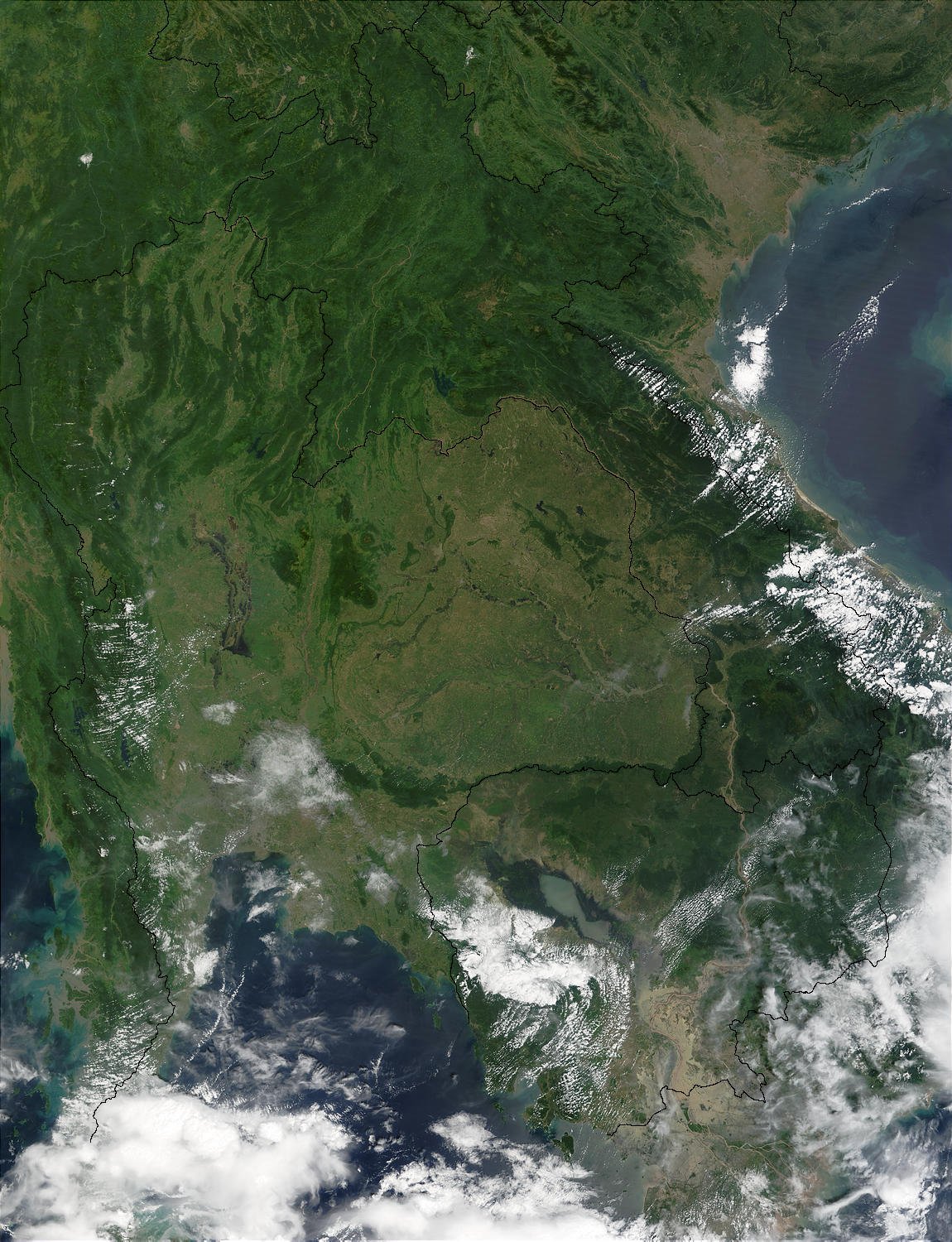 Thailand + Cambodia 10-Day Itinerary for Indians (2026)
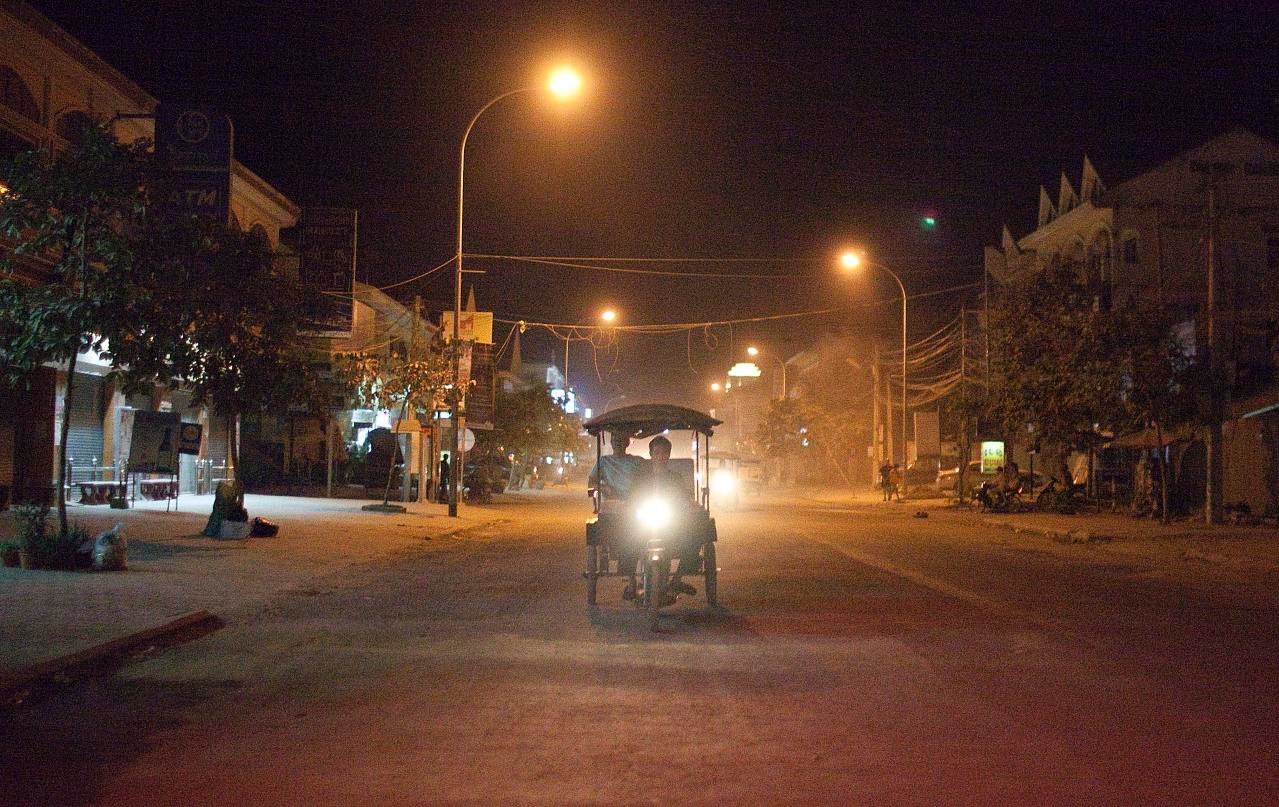 Vietnam + Cambodia 10-Day Itinerary 2026 — Hanoi, Ha Long, Hoi An & Angkor Wat
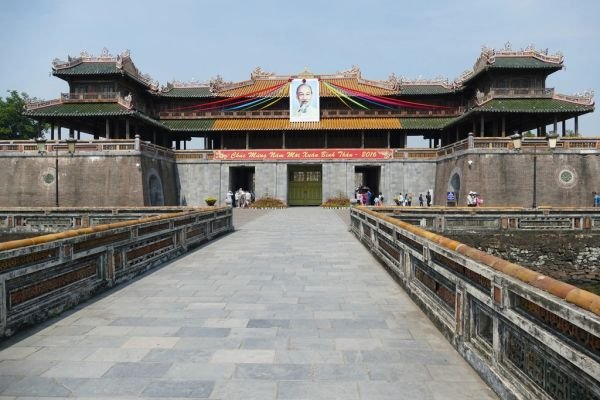 Vietnam 10-Day Itinerary 2026 — Hanoi, Ha Long, Hoi An & Ho Chi Minh City
Photos sourced from Wikimedia Commons under their respective Creative Commons licences. Visa, flight and travel details are indicative for 2026; confirm current visa rules and ticketing before you travel.