Kasol & Parvati Valley Travel Guide 2026 — Treks, Best Time & 3-Day Plan
Last updated: July 8, 2026
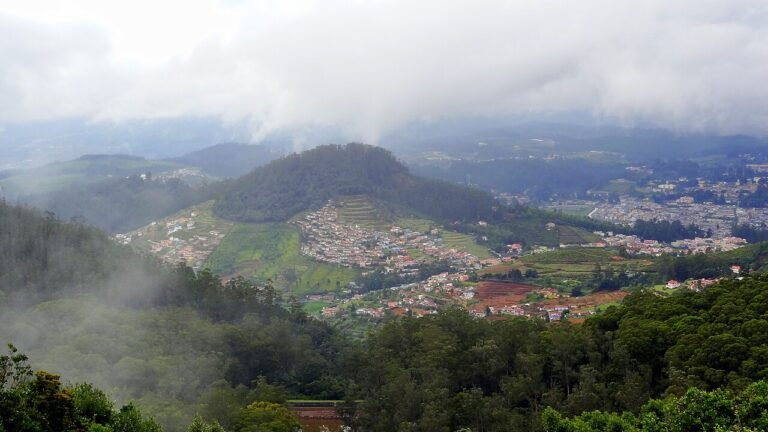
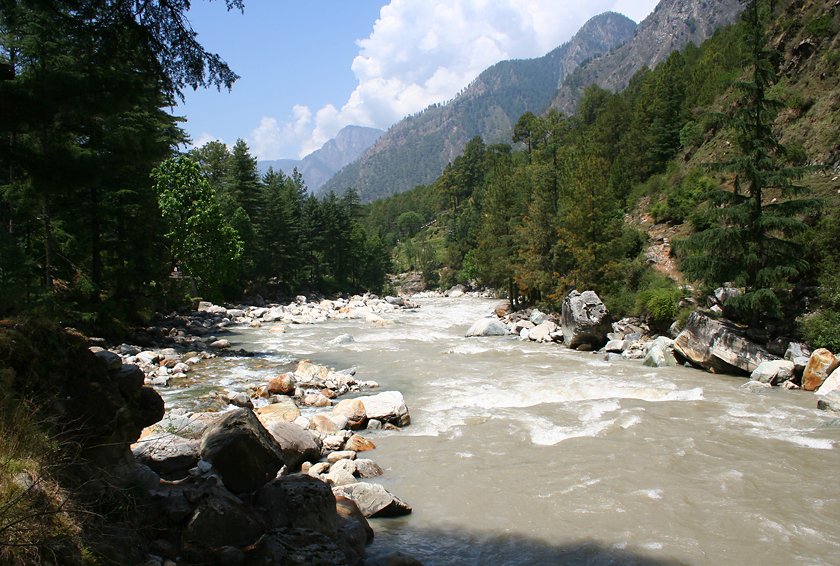
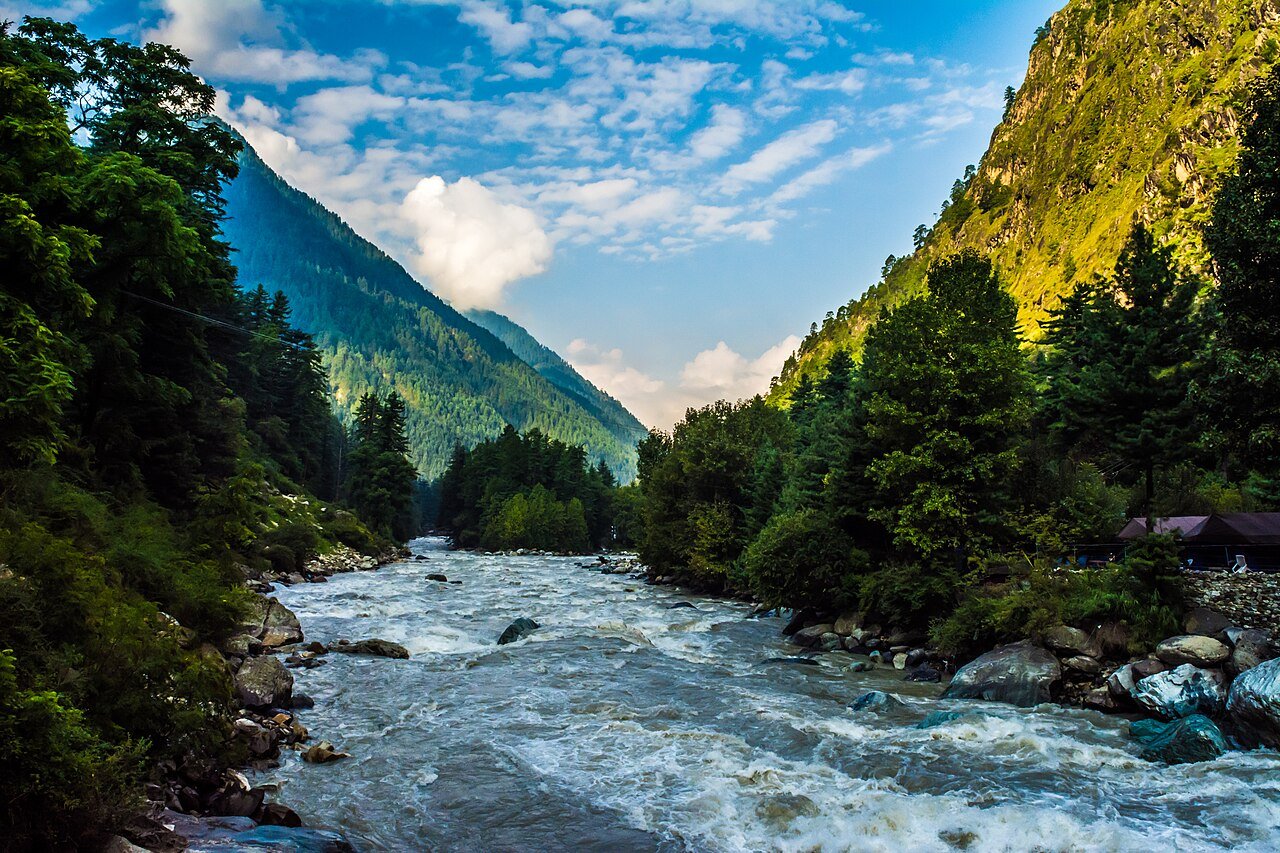
Kasol is the laid-back heart of Himachal’s Parvati Valley — a small riverside village that has grown from a quiet hamlet into one of North India’s favourite backpacker hubs. Pine forests climb the slopes on either side of the rushing Parvati river, cafés serve everything from Himachali trout to Israeli shakshuka, and a web of trails leads up to mountain villages and hot-spring meadows. It is a place to slow down, trek a little, eat well and simply breathe the cool valley air.
This 2026 guide for Indian travellers covers how to reach Kasol, the best time to go, what it costs, where to stay and eat, the best treks and day trips, and the practical things worth knowing before you set off into the Parvati Valley.
- Getting there: Fly to Bhuntar (about 30 km), or take an overnight Volvo from Delhi to Bhuntar/Kasol (12–14 hours); the nearest big railhead is Chandigarh.
- Best time: March–June and September–November for pleasant weather; winters are cold and snowy, the monsoon brings landslide risk.
- Budget: ₹1,500–4,000 per day — Kasol is one of the most affordable mountain bases in India.
- Don’t miss: The Kheerganga trek, Tosh village, a riverside café afternoon and the hot springs at Manikaran.
Part 1 of 8
Why Kasol belongs on your list
Kasol’s appeal is its blend of easy comfort and real mountain adventure. You can spend a lazy morning at a riverside café, then walk an hour to a sleepy village or set off on an overnight trek to a hot-spring meadow. The valley is beautiful, the vibe is relaxed and international, and almost everything is refreshingly cheap, which is why it draws backpackers, trekkers and weekenders alike.
Parvati river
Cafés, camps and walking trails strung along a fast, glacier-fed mountain river.
Kheerganga trek
The valley’s signature hike to a high meadow with natural hot springs.
Tosh & Kalga
Higher villages with knockout views, a short drive and walk from Kasol.
Manikaran
A revered gurudwara and temple town famous for its steaming hot springs.
Chalal walk
An easy riverside stroll to a chilled-out café village across the water.
Village culture
Ancient hamlets like Malana with their own distinct customs and traditions.
Whether you are after gentle riverside relaxation or a proper Himalayan trek, Kasol works as a comfortable, affordable base for exploring one of Himachal’s most scenic valleys.
Kasol is where the mountains feel easy — café breakfasts, river afternoons and a trail to a hot spring whenever you are ready for it.
Part 2 of 8
Getting to Kasol and getting around
Kasol sits deep in the Parvati Valley, so most journeys end with a scenic drive along the river from Bhuntar near Kullu.
By air: Bhuntar Airport (Kullu-Manali, KUU) is the nearest at around 30 km, but it has limited, weather-dependent flights. Many travellers instead fly to Chandigarh and continue by road.
By bus: The most popular option is an overnight Volvo or HRTC bus from Delhi to Bhuntar or directly to Kasol, taking around 12–14 hours. From Bhuntar, local buses and taxis run up the valley via Jari to Kasol.
By train: There is no convenient railway near Kasol; Chandigarh and Kiratpur are the practical railheads, from where you continue by bus or taxi.
Pro tip
Withdraw cash in Bhuntar or Kasol itself. ATMs are scarce and unreliable further up the valley in Tosh, Kalga and on the treks, where card and UPI acceptance is minimal.
Getting around: Kasol village is small and walkable. Shared taxis and local buses connect it with Manikaran, Barshaini, Tosh and the trek trailheads, and trails link many of the villages on foot.
Part 3 of 8
Best time to visit Kasol
Kasol is a seasonal mountain destination, and what you can do — especially the higher treks — depends heavily on the time of year.
| Season | Months | What to expect |
|---|---|---|
| Spring/early summer | Mar–Jun | Pleasant days, blooming valley and ideal trekking weather. A great all-round window. |
| Monsoon | Jul–Aug | Lush and green but with real landslide and flash-flood risk; travel cautiously. |
| Autumn | Sep–Nov | Clear skies, golden light and crisp air — arguably the best time for treks and views. |
| Winter | Dec–Feb | Cold with snow in the upper valley; atmospheric but the high treks become tough or inaccessible. |
For the best balance of good weather and open trails, aim for spring through early summer or the post-monsoon autumn. Avoid the peak monsoon if you can, as the Parvati Valley is prone to landslides, and check conditions before attempting higher routes like Kheerganga in winter.
Part 4 of 8
Costs and budgeting for Indians
Kasol is famously easy on the wallet, which is a big part of its backpacker appeal. Here is a realistic per-person, per-day guide for 2026.
| Style | Daily budget | What it covers |
|---|---|---|
| Backpacker | ₹1,200–2,000 | Hostel dorm or basic guesthouse, local buses, café meals and a guided day hike. |
| Mid-range | ₹2,500–4,000 | Comfortable room or riverside cottage, taxis, a Kheerganga trek package and good meals. |
| Premium | ₹5,500+ | Boutique stay or luxury camp, private transport, guided treks and the best cafés. |
Trekking is the main planned expense, and even an overnight guided trek to Kheerganga is inexpensive. Accommodation ranges from rock-bottom hostels to riverside boutique stays, and the café food — while not always the cheapest in town — is a genuine highlight of the Kasol experience.
Good to know
Carry enough cash for your whole valley trip. Beyond Kasol, in Tosh, Kalga and on the trails, ATMs are rare and digital payments often will not work.
Part 5 of 8
Where to stay, what to eat and top experiences
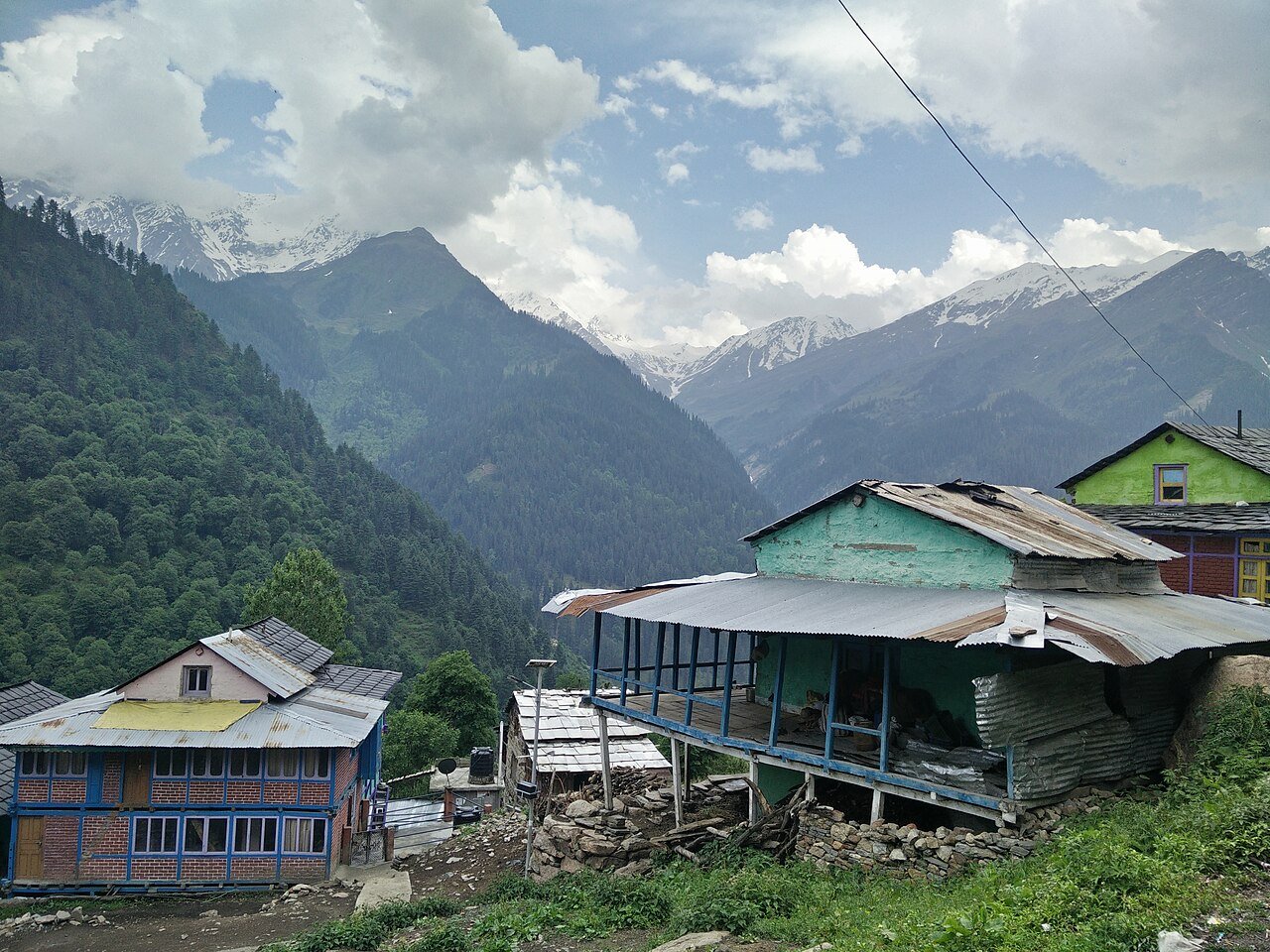
Where to stay: Kasol itself has the widest choice of hostels, guesthouses and riverside cafés-with-rooms. For a quieter, more scenic base, head up to Tosh or Kalga, where simple guesthouses come with spectacular valley views. Camps along the river offer a popular middle option.
What to eat: Kasol’s café scene is legendary, with Israeli staples like hummus, falafel and shakshuka sitting alongside wood-fired pizzas, momos, Himachali trout and strong mountain coffee. Riverside seating turns even a simple breakfast into an experience.
Trek to Kheerganga
Hike up to the famous hot-spring meadow and camp overnight under the stars.
Café-hop in Kasol
Spend a slow afternoon sampling the village’s riverside cafés.
Stay in Tosh
Base up high for sunrise views over the snow-streaked Parvati range.
Manikaran springs
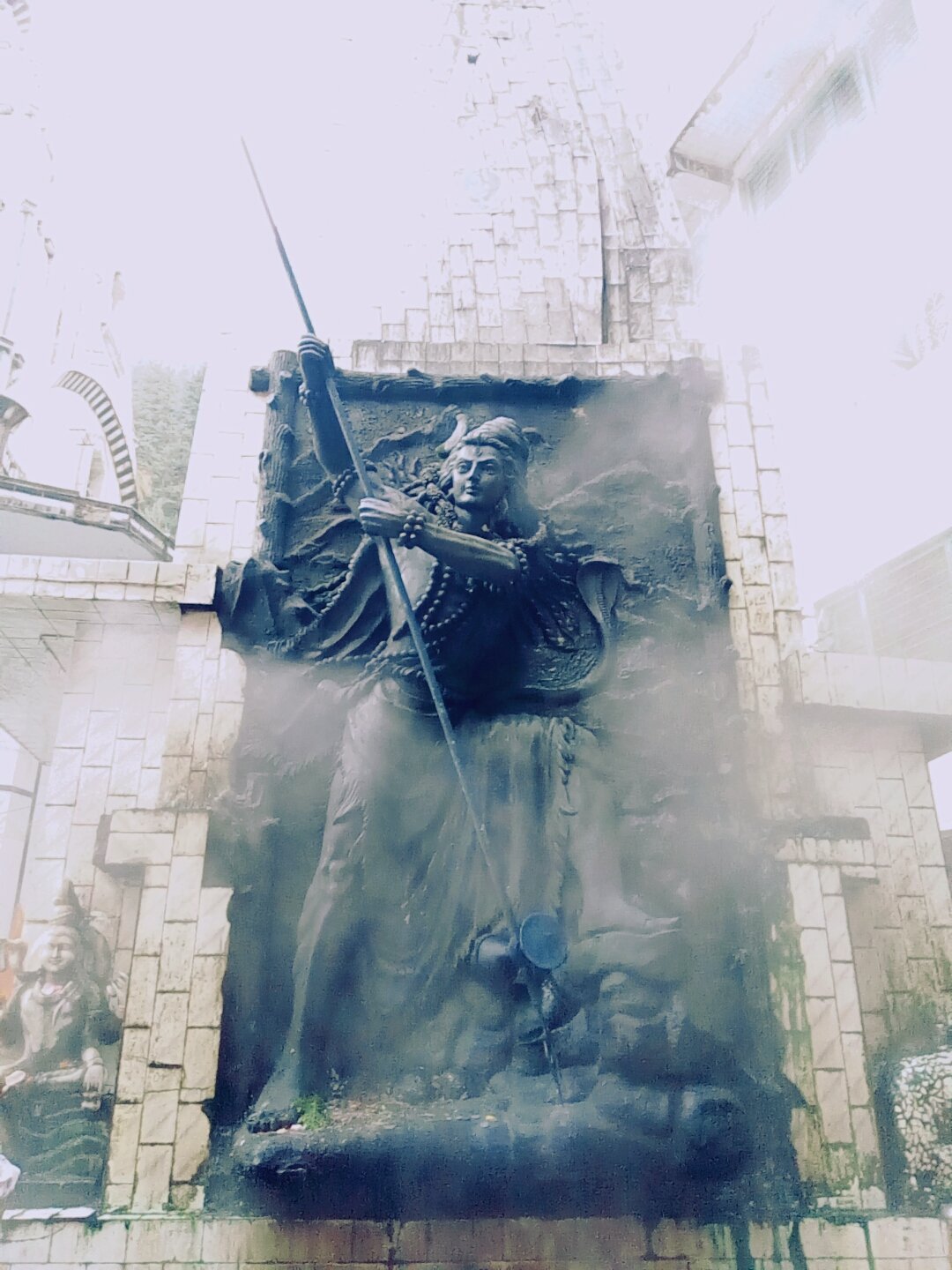
Visit the gurudwara and bathe in or cook over the natural hot springs.
Add an easy walk to Chalal, a day trip to Barshaini and Pulga, or — with respect for its strict customs — a guided visit to the ancient village of Malana.
Part 6 of 8
A 4-day Parvati Valley itinerary
This plan eases you into the valley before the main trek, then winds down with its gentler pleasures.
Day 1 — Arrive and settle: Reach Kasol from Bhuntar, check in, and spend the afternoon by the river and café-hopping. In the evening, walk across to Chalal for dinner.
Day 2 — Kheerganga trek (up): Drive to Barshaini and trek up to Kheerganga, soaking in the hot springs and camping overnight in the high meadow.
Day 3 — Trek down and Tosh: Descend in the morning, then head up to Tosh for a relaxed evening and big mountain views.
Day 4 — Manikaran and onward: Visit the Manikaran gurudwara and hot springs, enjoy a final valley meal, and begin your journey home or onward to Manali.
Pro tip
Don’t rush straight to Kheerganga on arrival. Spend a night at Kasol’s lower altitude first to acclimatise, carry warm layers for the meadow even in summer, and start the climb early to reach the top before afternoon weather sets in.
Part 7 of 8
Practical tips for Indian travellers
The Parvati Valley is wonderfully relaxed, but a few practical and legal points are worth keeping in mind for a safe, trouble-free trip.
Acclimatise
Spend a night lower before high treks like Kheerganga, and ascend gradually.
Know the law
Narcotics are illegal in India; possession carries serious penalties despite the local reputation.
Mind the monsoon
The valley is landslide-prone in heavy rain — check conditions and keep buffer days.
Cash is king
Carry enough for the whole trip; ATMs and UPI thin out beyond Kasol.
It is worth being clear-eyed about the valley’s reputation: while Kasol and Malana are known in some circles for charas, narcotics are illegal across India and penalties are severe, so steer well clear. Trek safely too — go with a guide on unfamiliar routes, tell someone your plan, carry a basic first-aid kit and warm layers, and never attempt high trails alone in bad weather. When visiting Malana, respect its unique customs, including rules about not touching certain structures and people, and always ask before photographing locals.
Kasol also pairs naturally with the wider Himachal circuit. It links easily with Manali and the Kullu Valley just to the north, and can be combined with onward trips to the Spiti Valley in the right season. Building one of these into your route turns a Parvati Valley break into a fuller Himalayan journey through some of India’s most spectacular mountain country.
Part 8 of 8
Frequently asked questions
How many days do I need for Kasol and the Parvati Valley?
Three to four days are ideal — enough to settle into Kasol, complete the overnight Kheerganga trek, visit Tosh and see Manikaran. Add more days if you want to explore further villages or simply relax by the river.
How do I reach Kasol from Delhi?
The most popular route is an overnight Volvo or state bus from Delhi to Bhuntar or directly to Kasol, taking around 12–14 hours. You can also fly to Bhuntar (limited flights) or to Chandigarh and continue by road.
Is the Kheerganga trek difficult?
It is a moderate trek of around 12 km one way, gaining significant altitude to a hot-spring meadow. Reasonably fit travellers manage it comfortably; acclimatise first, start early, and carry warm layers as it gets cold at the top.
When is the best time to visit Kasol?
March to June and September to November offer the best weather and trekking conditions. Winters are cold with snow in the upper valley, and the monsoon brings landslide risk, so plan around those if possible.
Is Kasol safe, and what about its drug reputation?
Kasol is generally safe and very traveller-friendly. However, narcotics are illegal everywhere in India and carry severe penalties, so avoid them entirely regardless of the local reputation. Stick to trekking, cafés and the valley’s natural beauty.
Will my phone and UPI work in the valley?
Connectivity is patchy and weakens sharply beyond Kasol, in Tosh, Kalga and on the treks. Postpaid connections tend to work better, and you should carry cash, as ATMs and digital payments are unreliable up the valley.
Is Kasol suitable for families or only backpackers?
While it is best known as a backpacker hub, Kasol and nearby villages also suit families and couples who enjoy nature, easy walks and café culture. Just match the activities to your group, skipping the tougher high treks if needed.
What can I combine with a Kasol trip?
Kasol pairs well with Manali and the Kullu Valley nearby, and in the right season with a longer journey onward to the Spiti Valley, making for a varied Himachal Himalayan itinerary.
The bottom line
Kasol is the easygoing gateway to the Parvati Valley — affordable, scenic and perfectly balanced between relaxation and adventure. Come in spring or autumn for the best trails, acclimatise before heading up to Kheerganga, carry cash for the upper villages, and travel responsibly and legally. Do that, and this riverside village will give you a slice of the Himalaya that is as restful or as adventurous as you want it to be.
Related reading
 Adventure Travel in India: Activities & How to Plan Safely
 Self-Drive Car Rentals in India: A Complete Guide (2026)
 Gangtok Lachung Itinerary: 6-Day North Sikkim Trip (2026)
Photos sourced from Wikimedia Commons under their respective Creative Commons licences. Travel details and trek conditions are indicative for 2026; confirm weather, road and trail status locally before you travel.