Vegetarian & Jain Food in Thailand — A Survival Guide for Indian Travellers
Last updated: July 8, 2026
Eating vegetarian or Jain in Thailand is far more doable than many Indian travellers fear — but it does take a little know-how. Thai cuisine leans on fish sauce, shrimp paste and meat stocks even in dishes that look vegetable-based, so the trick is knowing what to watch for, what to ask, and where to find genuinely veg food. The good news: Thailand has a strong vegetarian tradition of its own (the “jay” food movement), abundant fresh produce, and plenty of dishes that are easy to adapt.
This guide for Indian vegetarian and Jain travellers covers the hidden non-veg ingredients, the magic of the jay sign, safe dishes and street-stall picks, useful Thai phrases, and how to eat well across Thailand.
- Watch for: Fish sauce, shrimp paste and oyster sauce hide in many “veg” dishes.
- Look for: The yellow-and-red “jay” (เจ) sign — strictly vegetarian/vegan food.
- Safe bets: Tofu stir-fries, veg fried rice and pad Thai ordered “jay”.
- Jain travellers: Carry phrase cards; specify no onion, garlic, root veg.
Part 1 of 8
The vegetarian challenge in Thailand
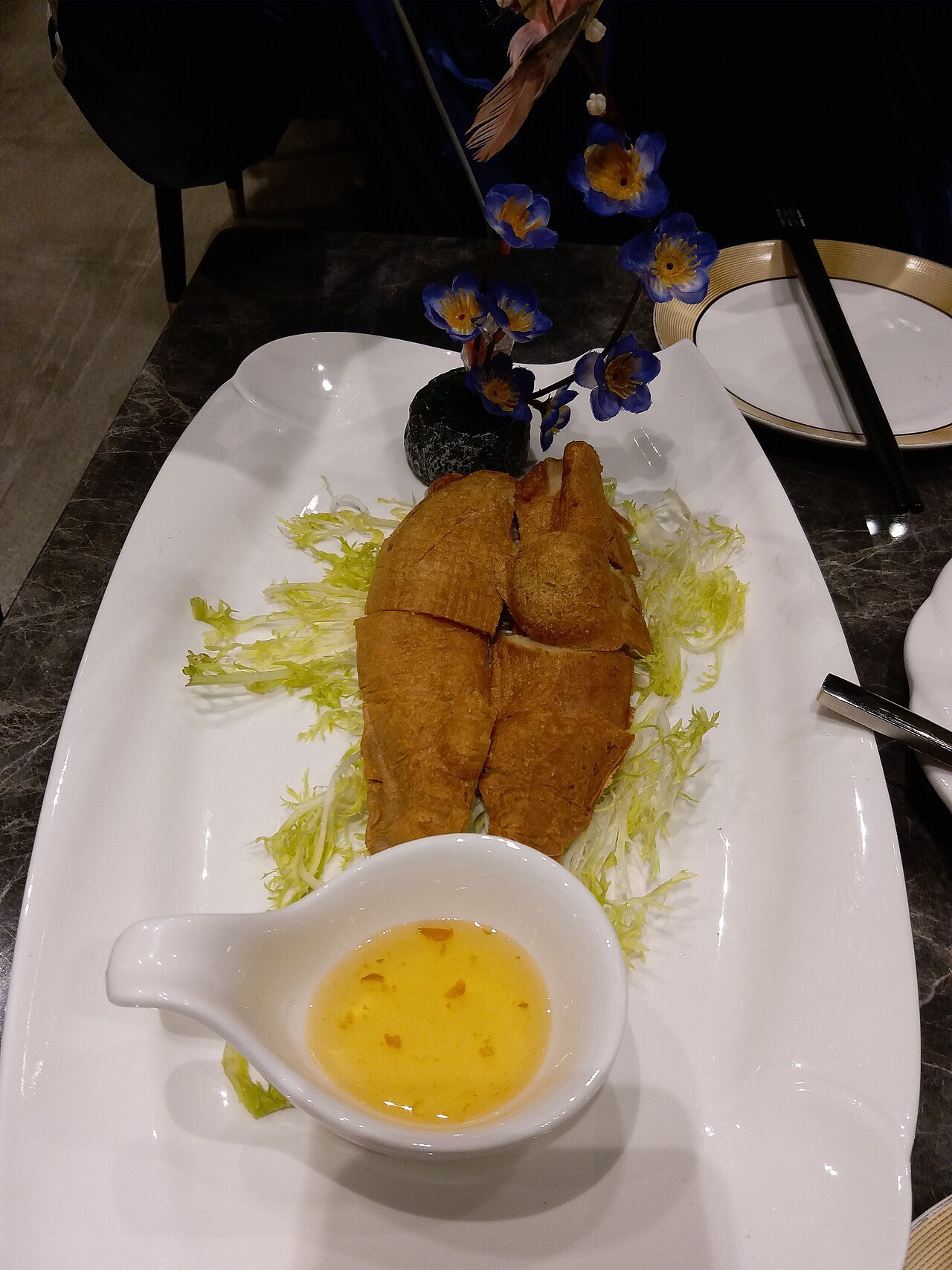
Thai food is wonderfully fresh and vegetable-rich, but strict vegetarians and Jains face a real challenge: many savoury dishes are seasoned with fish sauce (nam pla), shrimp paste (kapi) or oyster sauce, and broths are often meat- or seafood-based — even when the dish appears vegetarian. A plate of vegetables or a “veg” curry may still contain these. Understanding this is the first step; the second is learning how to order around it, which is very achievable with a few phrases and the jay system.
Fish sauce
Nam pla — in countless savoury dishes.
Shrimp paste
Kapi — common in curry pastes.
Oyster sauce
In many stir-fries labelled “veg”.
Meat broths
Soups and noodle bases often use them.
Egg
Common in pad Thai and fried rice.
Onion & garlic
Everywhere — a concern for Jains.
Once you know these hidden ingredients, you can navigate menus confidently rather than avoiding Thai food altogether.
The secret to veg eating in Thailand: spot the hidden fish sauce and shrimp paste, then order “jay” — and a world of fresh, flavourful food opens up.
Part 2 of 8
The magic of “jay” vegetarian food
Thailand has its own established vegetarian-vegan tradition called jay (เจ), rooted in Buddhist practice. Jay food excludes all meat, seafood, fish sauce, eggs, dairy — and even pungent vegetables like onion and garlic, which makes it remarkably close to Jain requirements.
Spot the sign: Look for the distinctive yellow flag or sign with a red “เจ” symbol. Stalls and restaurants displaying it serve strictly vegetarian (vegan) food — a safe haven for veg and Jain travellers.
Say the word: Telling vendors “jay” (pronounced “jay”) signals you want strictly vegetarian food with no meat, fish sauce or egg. It is widely understood, especially in cities and tourist areas.
Jain-friendly bonus
Because jay food traditionally excludes onion and garlic too, it aligns unusually well with Jain diets. Still, confirm with the vendor, as practices vary — carrying a written Thai phrase card listing your restrictions helps enormously.
During the annual Vegetarian Festival (usually October), jay food appears everywhere, with whole streets turning vegetarian.
Part 3 of 8
Safe dishes and what to order
Plenty of Thai dishes are vegetarian or easily made so — just specify “jay” or “mang-sa-wirat” (vegetarian) and no fish sauce/egg.
| Dish | What it is | Veg note |
|---|---|---|
| Pad Thai (jay) | Stir-fried rice noodles | Ask for jay — no egg, no fish sauce; tofu instead. |
| Pad pak | Stir-fried mixed vegetables | Specify no oyster/fish sauce; soy instead. |
| Veg fried rice | Rice with vegetables | Order jay; skip egg and meat. |
| Tofu dishes | Fried or stir-fried tofu | Great protein; confirm sauces. |
| Som tum (adapt) | Papaya salad | Ask without fish sauce and dried shrimp. |
| Fresh spring rolls | Veg-filled rolls | Check the dipping sauce. |
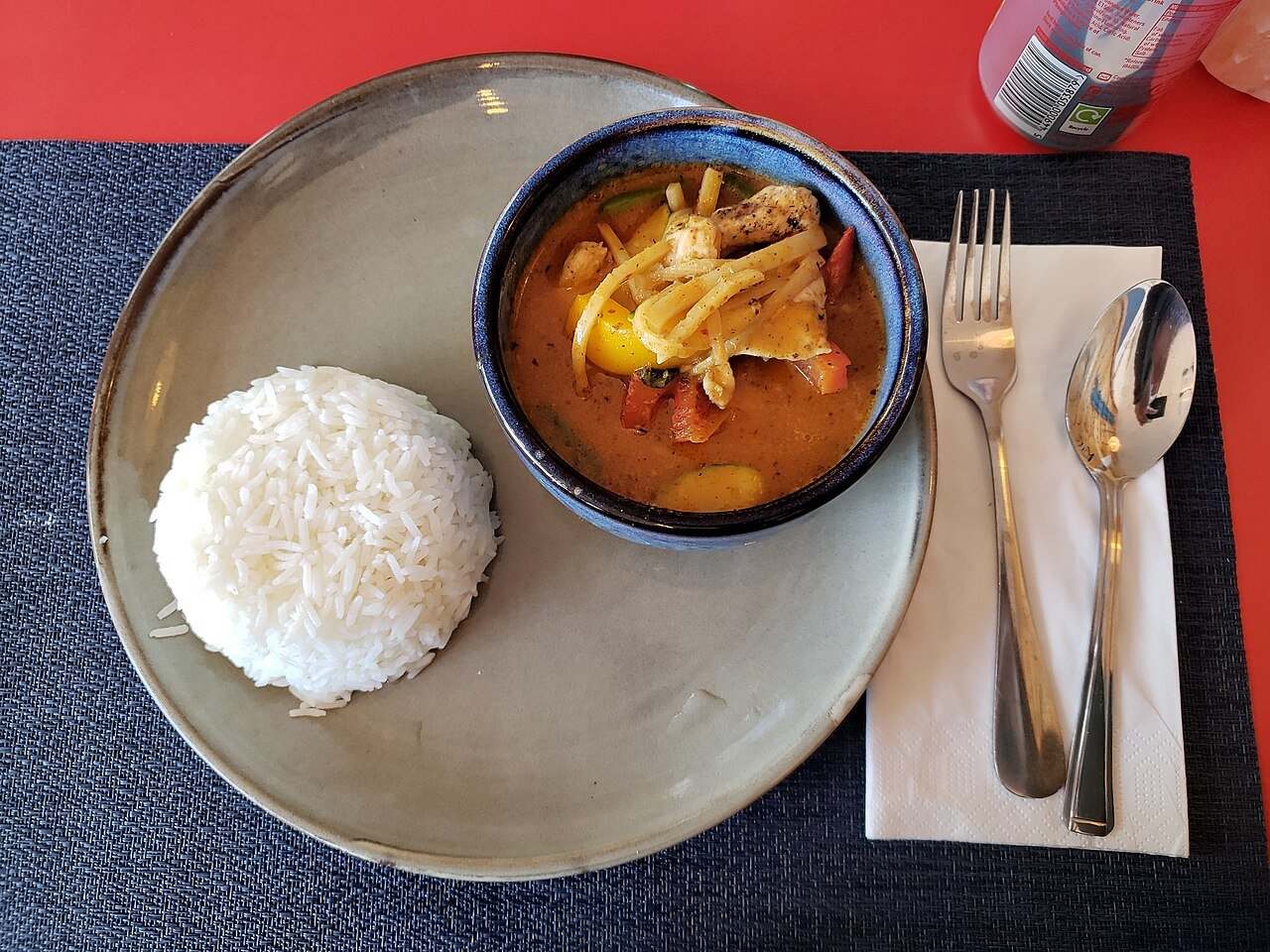
Coconut-based curries can be ordered with vegetables and tofu, but ask about shrimp paste in the curry paste. Sticky rice with mango, fresh fruit, and roti are safe sweet treats. In cities, you’ll also find Indian restaurants and international vegetarian cafés as reliable fallbacks.
Part 4 of 8
Navigating street stalls and markets
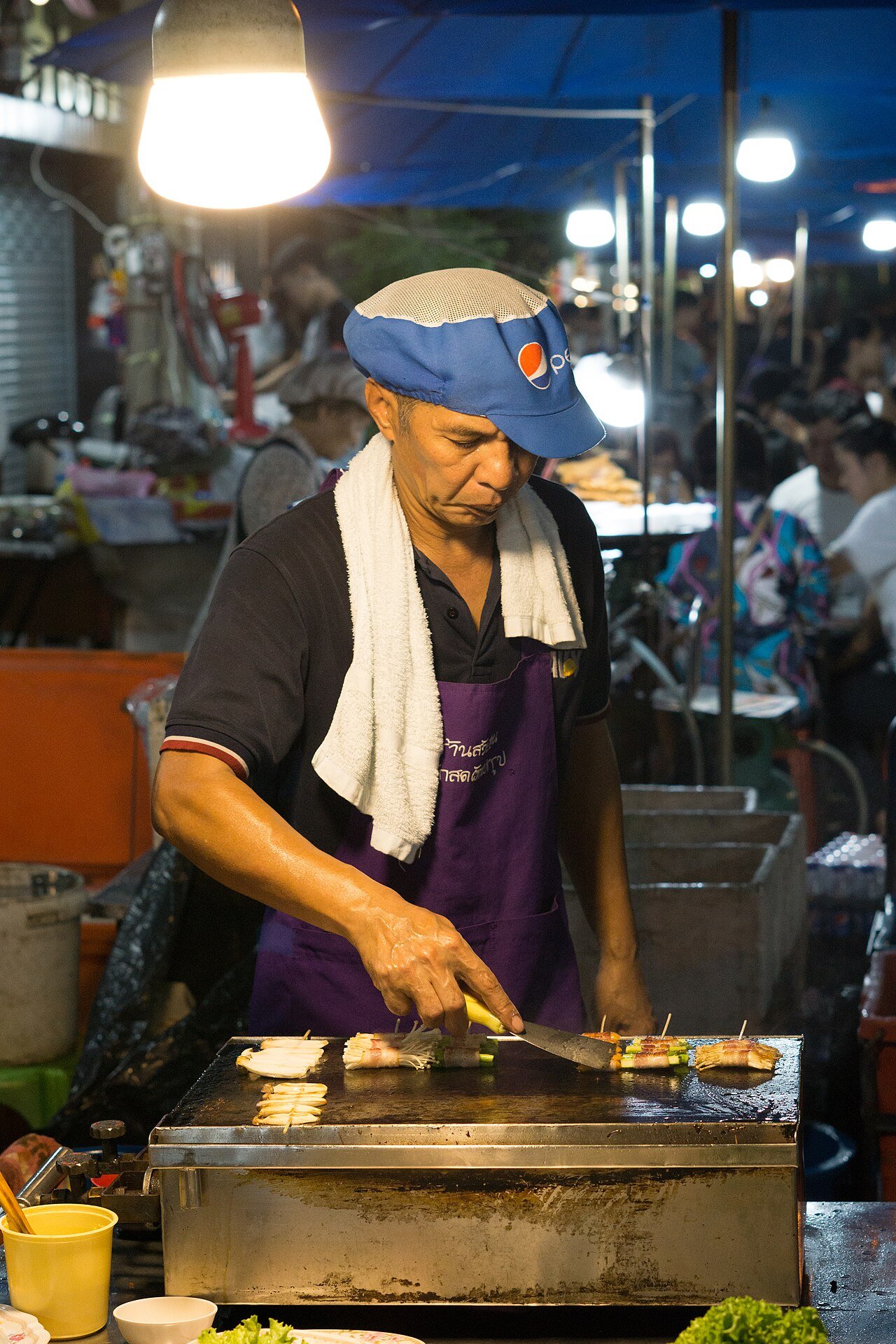
Street food is the heart of Thai eating, and veg travellers can enjoy it with care.
Choose visual dishes: Stalls where you can see the ingredients — stir-fried vegetables, tofu, fresh fruit, sticky rice — let you order what you can verify.
Fruit stalls are gold: Thailand’s fresh fruit (mango, pineapple, watermelon, rambutan) is abundant, cheap and naturally veg and Jain-friendly.
Watch the wok: Ask vendors to use a clean wok if cross-contamination concerns you, and to skip fish/oyster sauce and egg.
Order what you see
Visible veg dishes are easier to verify.
Fresh fruit stalls
Always safe, cheap and delicious.
Sticky rice
A filling, reliable staple.
Seek jay stalls
The yellow เจ sign means strictly veg.
With a little vigilance, markets become a delight rather than a minefield for vegetarian travellers.
Part 5 of 8
Useful Thai phrases for veg & Jain travellers
A few phrases dramatically improve your eating experience. Pronounce them simply and pair with a smile.
| Phrase | Meaning | When to use |
|---|---|---|
| “Jay” (เจ) | Strictly vegetarian/vegan | To request fully veg food, no egg/fish sauce. |
| “Mang-sa-wirat” | Vegetarian | General “I am vegetarian”. |
| “Mai ao nam pla” | No fish sauce | Crucial for any savoury dish. |
| “Mai ao kapi” | No shrimp paste | For curries and pastes. |
| “Mai ao kai” | No egg | For noodles and fried rice. |
| “Mai ao nuea sat” | No meat | To stress no meat at all. |
Carrying a written card in Thai listing your restrictions (including, for Jains, no onion, garlic or root vegetables) is the single most effective tool — show it at any stall or restaurant. Translation apps with Thai also help bridge gaps.
Pro tip
Save a Thai-language note on your phone listing exactly what you don’t eat. Showing it removes all ambiguity and is far more reliable than spoken phrases at busy stalls.
Part 6 of 8
Special tips for Jain travellers
Jain diets add restrictions — no onion, garlic, potatoes or root vegetables — that need extra care in Thailand, where onion and garlic are common.
Lean on jay food: Since jay traditionally excludes onion and garlic, jay stalls and restaurants are your best starting point, but always confirm, as not every kitchen is strict.
Self-cater partly: Fresh fruit, plain sticky rice, nuts, and packaged Jain snacks brought from India help fill gaps, especially for stricter travellers.
Indian restaurants: Major cities and tourist hubs have Indian restaurants, many understanding Jain requirements and able to cook accordingly on request.
Start with jay
No onion/garlic by tradition — confirm anyway.
Carry Jain snacks
Packaged food from home for backup.
Find Indian eateries
Many cater to Jain diets on request.
Use a Thai phrase card
List no onion, garlic, root veg.
With preparation, even strict Jain travellers can eat safely and enjoyably across Thailand.
Part 7 of 8
Where to eat well, city by city
Vegetarian options vary by destination, but all the major spots have you covered.
Bangkok
Abundant jay stalls, veg cafés and Indian restaurants.
Chiang Mai
A veg-friendly hub with many vegetarian eateries.
Phuket & islands
Tourist areas have veg menus and Indian food.
Temple areas
Often near jay and Buddhist veg food.
Bangkok offers the widest choice, from dedicated jay stalls and modern vegetarian cafés to numerous Indian restaurants, making it the easiest city for veg and Jain travellers. Chiang Mai is famously vegetarian-friendly thanks to its temples and wellness scene, with plenty of dedicated veg eateries. In Phuket, the islands and other tourist areas, restaurants are used to dietary requests and many offer clear vegetarian menus, while Indian restaurants provide a reliable fallback anywhere with tourism.
Wherever you go, combining jay stalls, fruit markets, adaptable Thai dishes and Indian restaurants means vegetarian and Jain travellers never go hungry. Thailand’s fresh produce, strong jay tradition and welcoming food culture turn what sounds difficult into a genuinely delicious experience — once you know the tricks in this guide.
Part 8 of 8
Frequently asked questions
Is it hard to eat vegetarian in Thailand as an Indian?
It is manageable with know-how. The challenge is hidden fish sauce, shrimp paste, oyster sauce and meat broths in dishes that look vegetarian. But Thailand has its own “jay” vegetarian tradition, abundant fresh produce and many adaptable dishes, so once you learn to spot non-veg ingredients and order “jay”, eating vegetarian becomes easy and enjoyable.
What does “jay” mean in Thailand?
Jay (เจ) is Thailand’s Buddhist vegetarian-vegan tradition. Jay food excludes all meat, seafood, fish sauce, eggs and dairy — and even onion and garlic — making it ideal for strict vegetarians and close to Jain requirements. Look for the yellow flag with a red “เจ” symbol, and say “jay” to request strictly vegetarian food.
What are the hidden non-vegetarian ingredients in Thai food?
The main ones are fish sauce (nam pla), shrimp paste (kapi) and oyster sauce, which season many savoury dishes, plus meat or seafood broths in soups and noodles, and egg in pad Thai and fried rice. Even vegetable dishes and curries can contain them, so always specify no fish sauce, shrimp paste and egg.
Which Thai dishes are safe for vegetarians?
Order pad Thai “jay” (no egg or fish sauce, with tofu), stir-fried vegetables without oyster/fish sauce, vegetable fried rice ordered jay, tofu dishes, fresh spring rolls (check the sauce), and papaya salad without fish sauce or dried shrimp. Coconut curries with veg and tofu work if the paste has no shrimp paste. Fresh fruit and sticky rice are always safe.
What Thai phrases help vegetarian travellers?
Key phrases are “jay” (strictly vegetarian/vegan), “mang-sa-wirat” (vegetarian), “mai ao nam pla” (no fish sauce), “mai ao kapi” (no shrimp paste), “mai ao kai” (no egg) and “mai ao nuea sat” (no meat). Best of all, carry a written Thai card listing your restrictions to show vendors — it is the most reliable approach.
Can Jain travellers eat in Thailand?
Yes, with preparation. Jay food traditionally excludes onion and garlic, so jay stalls are the best starting point, though you should confirm as practices vary. Carry a Thai phrase card specifying no onion, garlic or root vegetables, lean on fresh fruit, sticky rice and Indian restaurants, and bring some packaged Jain snacks as backup for stricter needs.
When is the Thai Vegetarian Festival?
The annual Vegetarian Festival usually takes place in October (dates follow the lunar calendar), most famously in Phuket but celebrated nationwide. During it, jay food appears everywhere and whole streets turn vegetarian, making it a wonderful time for veg and Jain travellers to visit and eat with abundant, easy choices.
Which Thai cities are best for vegetarian food?
Bangkok offers the widest choice, with many jay stalls, modern vegetarian cafés and Indian restaurants. Chiang Mai is famously vegetarian-friendly thanks to its temples and wellness culture. Phuket, the islands and other tourist areas are used to dietary requests and offer veg menus, with Indian restaurants as a reliable fallback across tourist destinations.
The bottom line
Eating vegetarian or Jain in Thailand is genuinely doable once you know the tricks: watch for hidden fish sauce, shrimp paste, oyster sauce and egg; seek out the yellow “jay” sign for strictly vegetarian food; order adaptable dishes with no fish sauce or egg; and carry a Thai phrase card listing your restrictions. Lean on jay stalls, fresh fruit markets, tofu dishes and Indian restaurants, and you’ll eat well everywhere from Bangkok to the islands. With a little preparation, Thailand’s fresh, flavourful cuisine becomes a delight rather than a worry for vegetarian and Jain travellers.
Related reading
 South Korea Travel Guide for Indians (2026)
 Bangkok Pattaya Itinerary: 5-Day Thailand Plan (2026)
 Singapore Malaysia Itinerary: 7 Days from India (2026)
Photos sourced from Wikimedia Commons under their respective Creative Commons licences. Dietary and travel details are indicative for 2026; always confirm ingredients with vendors before eating.