South Africa Travel Guide for Indians (2026)
Last updated: July 8, 2026
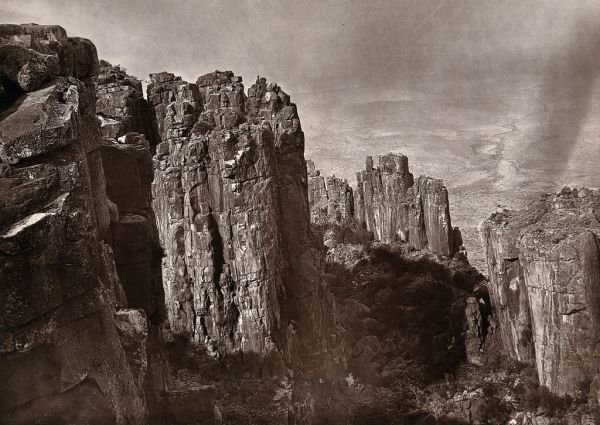
South Africa is one of the world’s most spectacular destinations — a “world in one country” of dramatic coastlines, Big Five safaris, soaring mountains, award-winning vineyards, vibrant cities and rich, layered cultures. From the iconic Table Mountain and beaches of Cape Town to the wildlife of Kruger National Park, the scenic Garden Route and the Cape Winelands, South Africa offers an extraordinary mix of adventure, nature, luxury and value. For Indian travellers, it is a bucket-list trip combining once-in-a-lifetime safaris with stunning scenery and great food and wine.
This 2026 guide for Indian travellers covers visas and flights, the best time to go, costs, getting around, where to stay and eat, and what not to miss.
- Visa: Indians need a visa for South Africa — apply via the visa centre.
- Getting there: One-stop flights from Indian cities to Johannesburg or Cape Town.
- Best time: May–September for safari; Nov–Mar for Cape Town beaches.
- Don’t miss: Cape Town, a Big Five safari, the Garden Route and the Winelands.
Part 1 of 8
Why South Africa belongs on your list
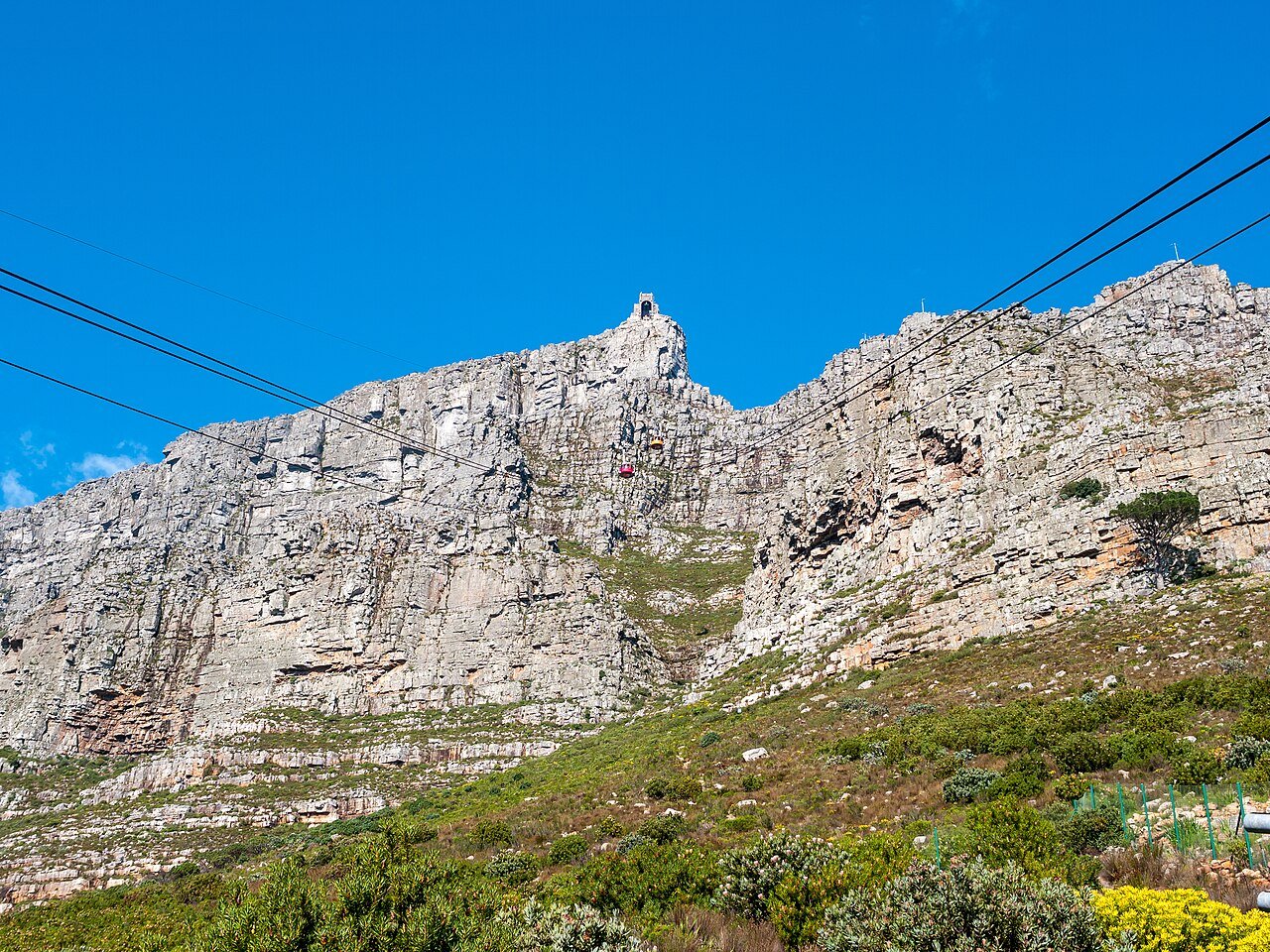
South Africa packs astonishing variety into one trip. Ride a cable car up Table Mountain and explore Cape Town’s beaches and Cape Point; track lions, elephants, rhinos, buffalo and leopards on a Big Five safari in Kruger; drive the breathtaking Garden Route; taste world-class wines in the Cape Winelands; and engage with the country’s moving history and diverse cultures. Add whale watching, penguins and dramatic landscapes, and it truly is a world in one country.
Cape Town
Table Mountain, beaches and Cape Point.
Big Five safari
Kruger and private game reserves.
Garden Route
A stunning coastal road trip.
Cape Winelands
Stellenbosch and Franschhoek vineyards.
Wildlife & coast
Penguins, whales and dramatic shores.
Culture & history
Robben Island, townships and museums.
Whether you crave safari adventure, scenic drives, fine wine or vibrant culture, South Africa delivers a bucket-list experience with remarkable value.
South Africa is a world in one country — Table Mountain and Big Five safaris, the Garden Route and the Winelands, all at great value.
Part 2 of 8
Visas and getting to South Africa
A visa and good connections set up this long-haul adventure.
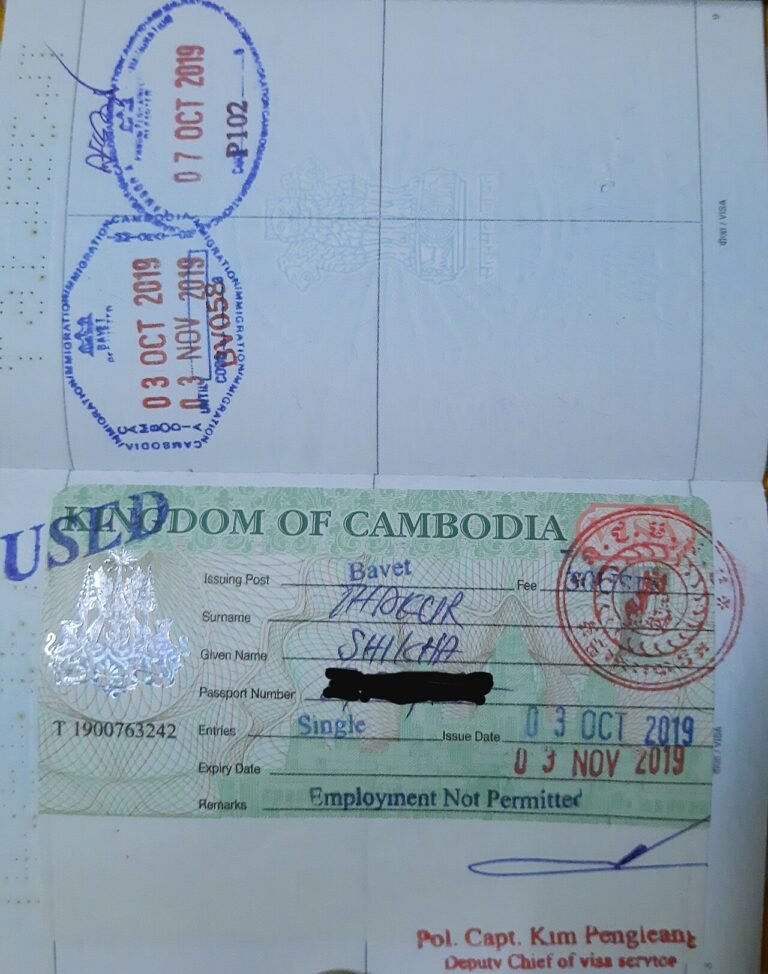
Visa: Indian passport holders need a visa to visit South Africa. Apply in advance through the South African visa application centre with your itinerary, flights, hotels, travel insurance and financial documents. Check the latest requirements and processing times, and apply early, as these can change.
By air: One-stop flights connect Indian metros to Johannesburg (O.R. Tambo) and Cape Town via Gulf, African and other hubs, with occasional direct options. Johannesburg is the main gateway for Kruger, while Cape Town suits the Cape and Garden Route. Booking early lands the best fares.
Pro tip
Apply for your visa early with complete documents. Fly into Johannesburg for Kruger and out of Cape Town (or vice versa) to save backtracking, and book safari lodges and the Garden Route well in advance for peak season.
Getting around: Domestic flights efficiently link Johannesburg, Cape Town and other cities. A self-drive car is ideal for the Garden Route and Winelands, with good roads (driving is on the left). For safaris, use guided game drives from lodges or organised tours rather than driving yourself in reserves.
Part 3 of 8
Best time to visit South Africa
South Africa is a year-round destination, but timing depends on your priorities — safari or the Cape.
| Season | Months | What to expect |
|---|---|---|
| Winter (dry) | May–Sep | Best for safari — sparse bush, animals at waterholes; cool, dry. |
| Spring | Sep–Nov | Pleasant; wildflowers, whales off the coast, good all-round. |
| Summer | Dec–Feb | Hot; ideal for Cape Town beaches and the Winelands; lush bush. |
| Autumn | Mar–Apr | Mild, settled and quieter — a lovely all-round time. |
For safaris, the dry winter months (May–September) are best, as thinner vegetation and animals gathering at waterholes make wildlife easier to spot. For Cape Town, the Garden Route and beaches, the warm summer (November–March) is ideal. Many visitors combine both, accepting cooler weather in one region. Spring also brings whale watching off the Cape coast.
Part 4 of 8
Costs and budgeting for Indians
South Africa offers excellent value, especially for dining, wine and mid-range travel, with safaris ranging widely in price. Here is a realistic per-person, per-day guide for 2026, excluding international flights.
| Style | Daily budget | What it covers |
|---|---|---|
| Budget | R900–1,600 | Guesthouses or hostels, self-drive, casual meals, self-catering parks. |
| Mid-range | R2,200–4,000 | Good hotels, restaurant dining, tours and mid-range safaris. |
| Luxury | R8,000+ | Private game lodges, fine dining and premium experiences. |
Safaris drive the biggest cost differences — self-drive in national parks like Kruger is affordable, while private luxury lodges are expensive but all-inclusive. Dining and wine are superb value, and the Garden Route can be done economically. Cards are widely accepted; carry some cash. Tipping is customary in restaurants and on safaris.
Good to know
South Africa has higher crime in some areas, so take sensible precautions: avoid displaying valuables, don’t walk alone at night in cities, use trusted transport, and follow local and guide advice. Tourist areas, safari lodges and the Garden Route are generally safe. Consult a doctor about malaria precautions for Kruger and low-risk areas.
Part 5 of 8
Where to stay, what to eat and top experiences
Where to stay: In Cape Town, base near the V&A Waterfront, City Bowl or the beaches of Camps Bay; for safari, choose a Kruger camp or a private reserve lodge; and along the Garden Route, stay in towns like Knysna and Plettenberg Bay. Winelands stays in Stellenbosch or Franschhoek are a treat.
What to eat: South Africa offers braai (barbecue), seafood, biltong, bobotie, Cape Malay curries and superb wines. The Cape Malay and Indian-influenced cuisine (especially in Durban, home to a large Indian community) means good vegetarian and Indian options, so Indian travellers eat very well, particularly in the cities.
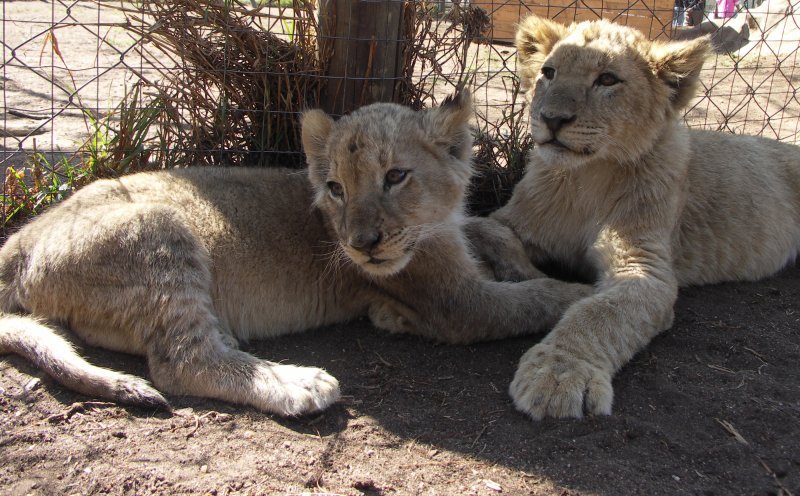
Big Five safari
Game drives in Kruger or a private reserve.
Table Mountain
Cable car and Cape Town panoramas.
Garden Route
Coastal drive through forests and beaches.
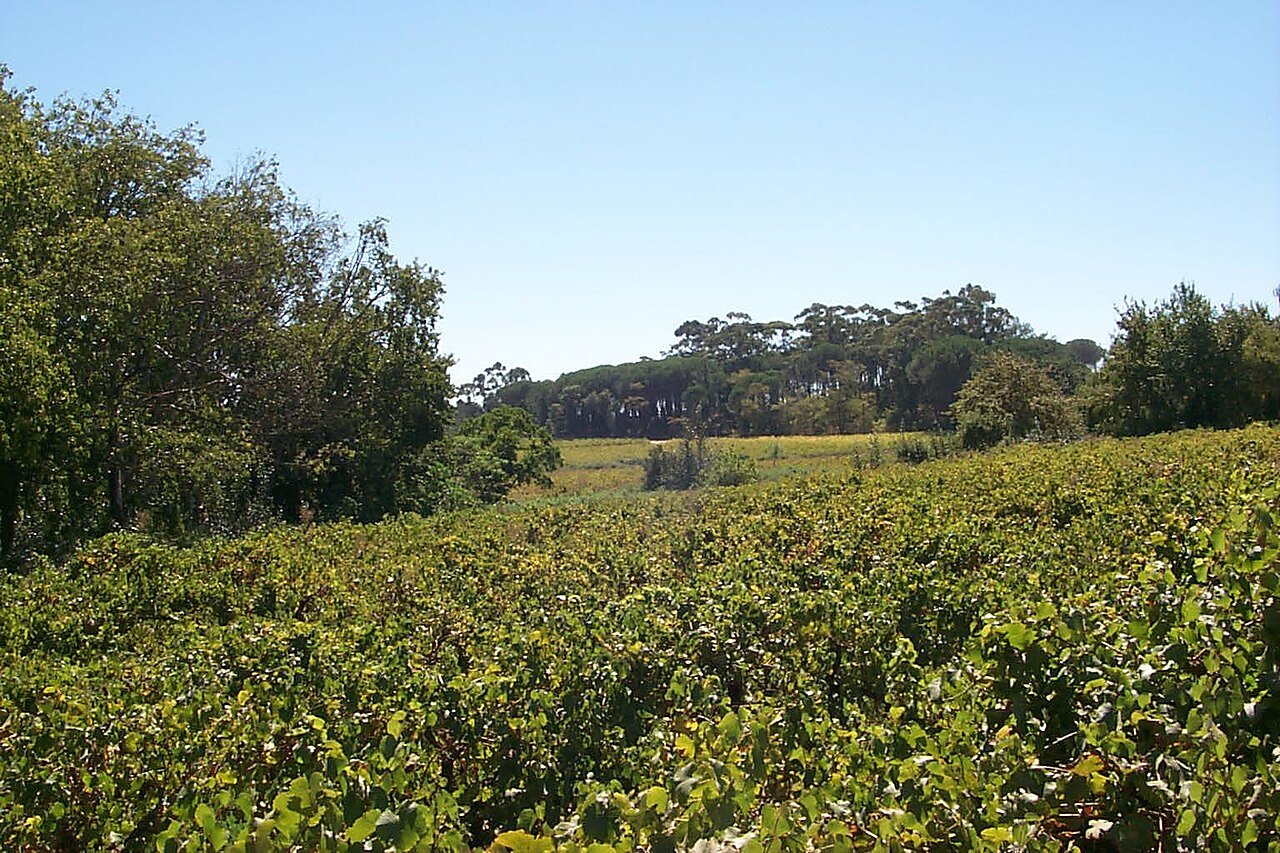
Winelands tasting
Stellenbosch and Franschhoek vineyards.
For more, visit Cape Point and the Cape of Good Hope, the penguins at Boulders Beach, Robben Island, whale watching at Hermanus, and the Panorama Route near Kruger.
Part 6 of 8
A 10-12 day South Africa itinerary
This route combines the Cape, the Garden Route and a Kruger safari.
Days 1–4 — Cape Town: Table Mountain, V&A Waterfront, Cape Point, Boulders Beach penguins and Robben Island.
Days 5–6 — Cape Winelands: Stellenbosch and Franschhoek wine tasting and scenery.
Days 7–9 — Garden Route: Drive via Hermanus to Knysna and Plettenberg Bay, with forests, beaches and adventure.
Days 10–12 — Kruger safari: Fly to a Kruger camp or private reserve for Big Five game drives before flying home via Johannesburg.
Pro tip
Fly between the Cape and Kruger to save long drives, and self-drive the Garden Route and Winelands. Book safari lodges early, do game drives at dawn and dusk when animals are active, and check malaria precautions for the Kruger region with a doctor.
Part 7 of 8
Practical tips for Indian travellers
A few pointers make a South Africa trip smoother.
Apply early for the visa
Processing can take time; submit full documents.
Check malaria advice
Consult a doctor for the Kruger region.
Self-drive the Cape
Great roads; driving is on the left.
Take safety precautions
Avoid valuables on show; follow local advice.
South Africa rewards a little preparation. Apply for your visa well in advance with complete documents, and plan an open-jaw route — into Johannesburg for Kruger and out of Cape Town, or vice versa — to avoid backtracking. Book safari lodges and Garden Route stays early for peak season, and fly between distant regions to save long drives.
Take sensible safety precautions in cities, avoid displaying valuables, and follow local and guide advice; tourist areas, lodges and the Garden Route are generally safe. Consult a doctor about malaria precautions for the Kruger region. South Africa offers superb value for dining and wine, and with Cape Malay and Indian-influenced cuisine (especially in Durban), vegetarians and Indian travellers eat very well. English is widely spoken. With its safaris, scenery, wine and culture, South Africa offers Indian travellers an unforgettable bucket-list adventure.
Part 8 of 8
Frequently asked questions
Do Indians need a visa for South Africa?
Yes. Indian passport holders need a visa to visit South Africa. Apply in advance through the South African visa application centre with your itinerary, flights, hotels, travel insurance and financial documents. Check the latest requirements and processing times and apply early, as rules can change.
How do I reach South Africa from India?
One-stop flights connect Indian metros to Johannesburg (O.R. Tambo) and Cape Town via Gulf, African and other hubs, with occasional direct options. Johannesburg is the main gateway for Kruger safaris, while Cape Town suits the Cape and Garden Route. Booking early lands the best fares.
When is the best time to visit South Africa?
For safaris, the dry winter months (May–September) are best, as thinner bush and animals at waterholes make wildlife easier to spot. For Cape Town, the Garden Route and beaches, warm summer (November–March) is ideal. Many combine both regions, and spring brings whale watching off the Cape coast.
How much does a South Africa trip cost?
South Africa offers excellent value. Excluding flights, budget travellers manage on R900–1,600 a day, mid-range trips R2,200–4,000, and luxury safari lodges R8,000 plus. Self-drive park safaris are affordable while private lodges are pricey but all-inclusive; dining and wine are superb value throughout.
How do I get around South Africa?
Domestic flights efficiently link Johannesburg, Cape Town and other cities. A self-drive car is ideal for the Garden Route and Winelands, with good roads and driving on the left. For safaris, use guided game drives from lodges or organised tours rather than driving yourself inside the reserves.
Is South Africa good for vegetarians and Indian travellers?
Yes. South Africa has Cape Malay and Indian-influenced cuisine, and Durban has a large Indian community with excellent Indian food. Cities and tourist areas offer good vegetarian and Indian options, and English is widely spoken, so Indian travellers, including vegetarians, eat and travel comfortably.
Is South Africa safe for tourists?
South Africa has higher crime in some areas, so take sensible precautions: avoid displaying valuables, don’t walk alone at night in cities, use trusted transport, and follow local and guide advice. Tourist areas, safari lodges and the Garden Route are generally safe, and millions of visitors enjoy trouble-free trips each year.
How many days do I need for South Africa?
Ten to twelve days lets you combine Cape Town, the Winelands, the Garden Route and a Kruger safari at a comfortable pace. A shorter trip can focus on either the Cape region or a safari. Longer stays allow more of the coast, additional reserves, or neighbouring countries like Victoria Falls.
Do I need malaria precautions for a South Africa safari?
Parts of the Kruger region are malaria-risk areas, particularly in the wetter summer months, so consult a doctor about antimalarial medication and precautions before you travel. Some private reserves are malaria-free. Use insect repellent, cover up at dawn and dusk, and follow your doctor’s and lodge’s advice for a safe safari.
The bottom line
South Africa is the ultimate “world in one country” trip — Cape Town and Table Mountain, Big Five safaris in Kruger, the scenic Garden Route, the Cape Winelands, and rich culture and history, all at remarkable value. Apply for your visa early, plan an open-jaw route to combine the Cape with a safari, travel in the dry winter for game viewing or summer for the coast, and take sensible safety and malaria precautions. South Africa will reward Indian travellers with a bucket-list adventure of wildlife, scenery, wine and warmth.
Related reading
 Qatar Travel Guide for Indians (2026)
 Dubai 4-Day Itinerary 2026 — Burj Khalifa, Desert Safari & Old Dubai
 South Korea Travel Guide for Indians (2026)
Photos sourced from Wikimedia Commons under their respective Creative Commons licences. Visa, flight and travel details are indicative for 2026; confirm current visa rules, health advice and prices before you travel.