Italy Travel Guide for Indians: Visa, Costs & Itinerary
Last updated: July 15, 2026
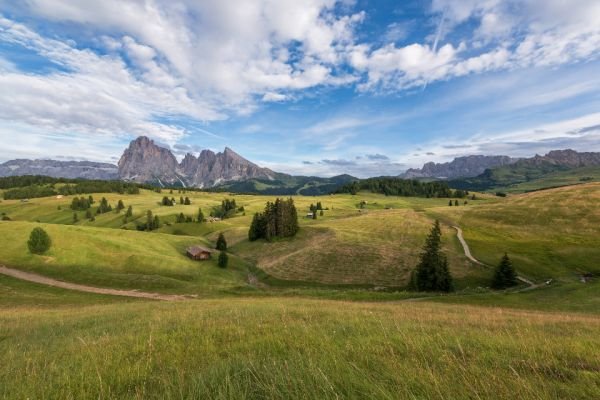
Italy is one of the world’s most beloved destinations — a country of ancient ruins, Renaissance art, romantic canals, rolling vineyards, dramatic coastlines and the planet’s most loved cuisine. From the Colosseum and Vatican of Rome to the canals of Venice, the art of Florence, the Amalfi Coast and the food of Naples, Italy overflows with beauty, history and flavour. For Indian travellers, it is a dream European trip combining culture, romance, scenery and unforgettable food.
This 2026 guide for Indian travellers covers visas and flights, the best time to go, costs, getting around, where to stay and eat, and what not to miss.
- Visa: Indians need a Schengen visa for Italy — apply well in advance.
- Getting there: Direct and one-stop flights from Indian cities to Rome or Milan.
- Best time: April to June and September to October for pleasant weather and fewer crowds.
- Don’t miss: Rome, Venice, Florence, the Amalfi Coast and Italian food.
Planning your trip? Indians need a Schengen visa for Italy — see our Italy visa guide and the full Schengen visa guide for Indians.
Part 1 of 8
Why Italy belongs on your list
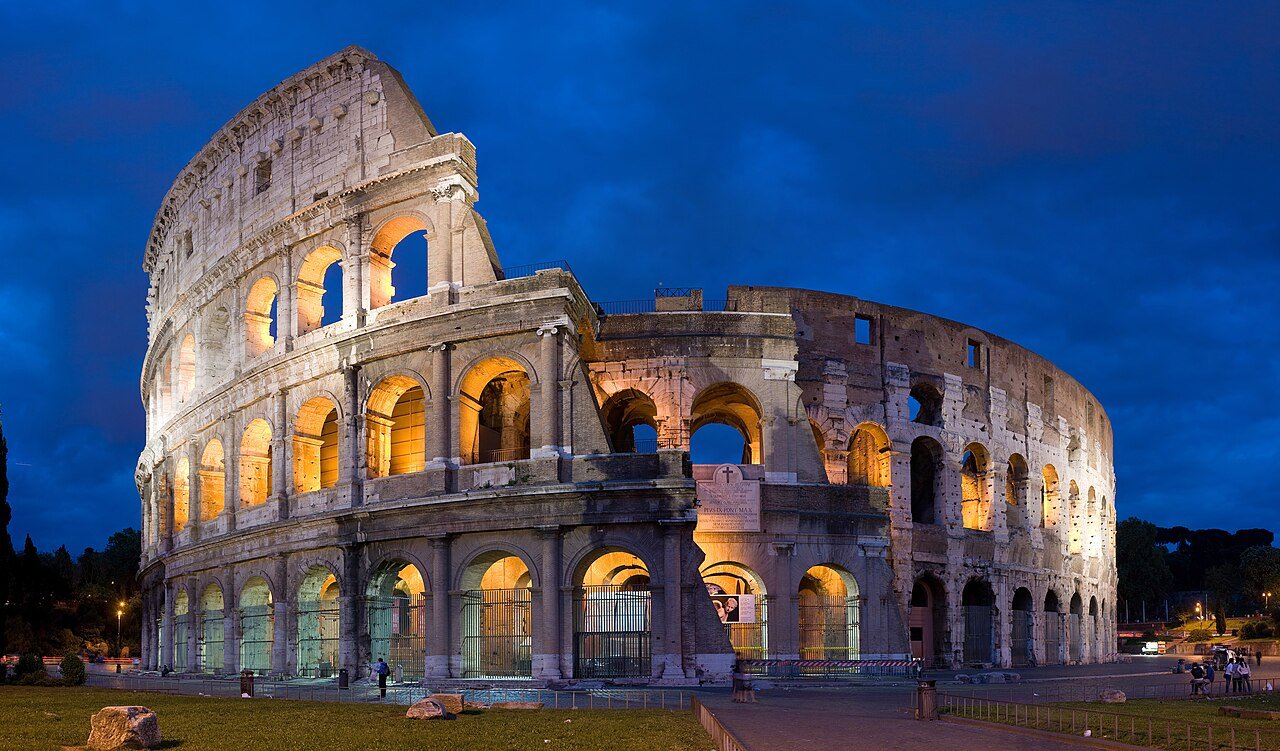
Italy enchants at every turn. Walk through 2,000 years of history at the Colosseum and Roman Forum, marvel at the art of the Vatican and Florence, glide along Venice’s canals, drive the stunning Amalfi Coast, explore the vineyards of Tuscany, and feast on the world’s best pizza, pasta and gelato. Add charming villages, dramatic coastlines and warm hospitality, and Italy delivers an unmatched blend of culture, romance, scenery and cuisine.
Rome
The Colosseum, Roman Forum and Vatican.
Venice
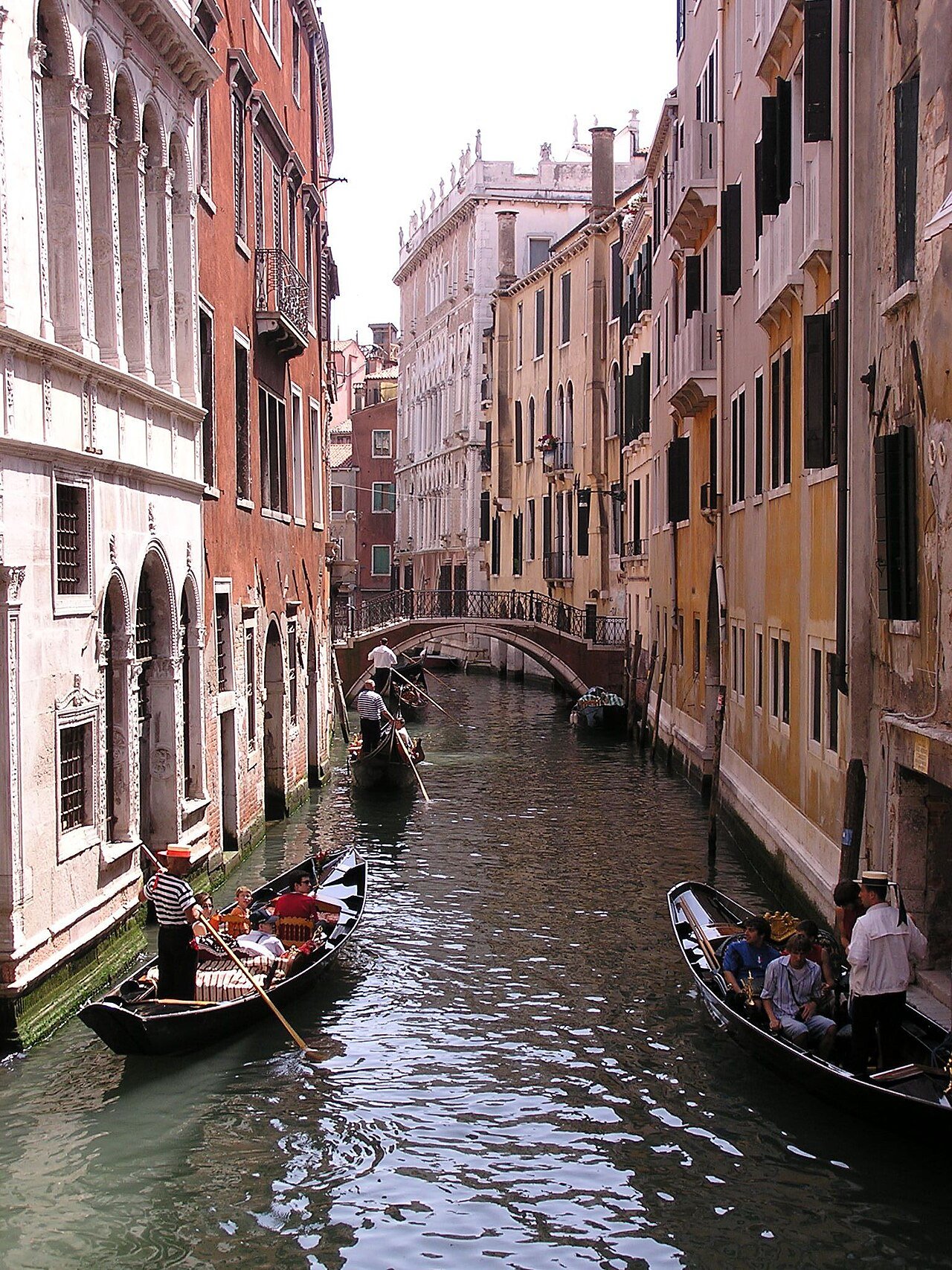
Canals, gondolas and St Mark’s.
Florence
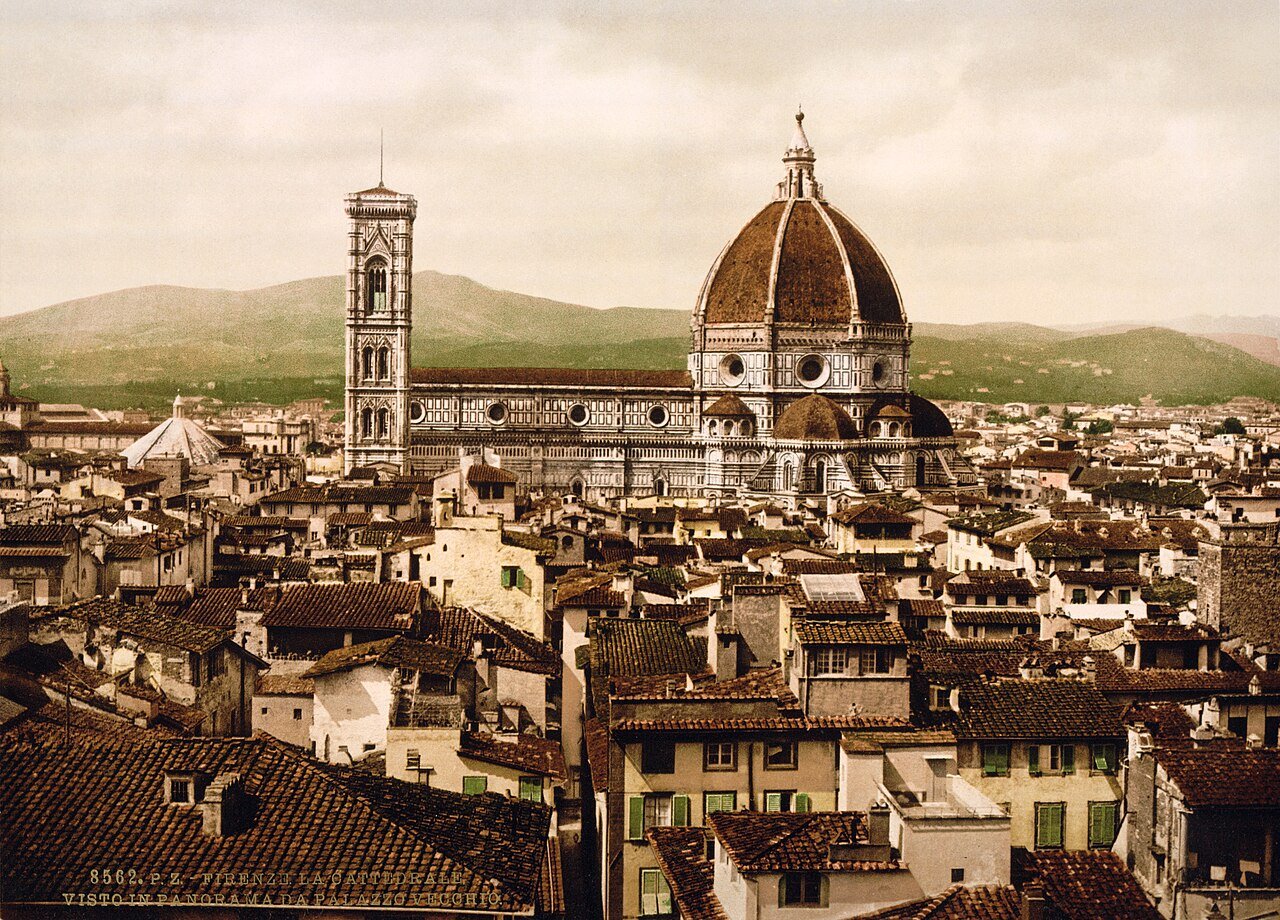
Renaissance art and the Duomo.
Amalfi Coast
Dramatic cliffs and seaside villages.
Italian food
Pizza, pasta, gelato and wine.
Tuscany
Vineyards, hill towns and countryside.
Whether you love history, art, romance, scenery or food, Italy offers a quintessential and unforgettable European experience for every kind of traveller.
Italy is la dolce vita — ancient Rome and Renaissance art, Venice’s canals and Amalfi’s cliffs, all served with the world’s best food.
Part 2 of 8
Visas and getting to Italy
A Schengen visa and good flight links make Italy straightforward to reach, with planning.
Visa: Indian passport holders need a Schengen visa to visit Italy. Apply well in advance through the Italian consulate or visa centre, with your itinerary, flights, hotels, travel insurance and financial documents. The Schengen visa also allows travel to other Schengen countries.
By air: Direct and one-stop flights connect Indian metros to Rome (Fiumicino) and Milan (Malpensa), with Italian, Indian and Gulf carriers. Booking early lands the best fares. Flying into one city and out of another suits a multi-city trip.
Pro tip
Apply for your Schengen visa early, and use Italy’s excellent high-speed trains (Frecciarossa, Italo) to travel between cities quickly and scenically. Book major sights like the Vatican and Colosseum online in advance to skip queues.
Getting around: Italy’s high-speed trains link the major cities comfortably and quickly. Within cities, use metros, trams, buses and walking; the historic centres are very walkable. A car helps for Tuscany and the Amalfi Coast, but not in city centres.
Part 3 of 8
Best time to visit Italy
Italy is a year-round destination, but the season shapes the weather and crowds.
| Season | Months | What to expect |
|---|---|---|
| Spring | Apr–Jun | Mild, pleasant and blooming — among the best times, with fewer crowds. |
| Summer | Jul–Aug | Hot and very busy, especially at the sights and coast; priciest. |
| Autumn | Sep–Oct | Warm, settled weather, harvest season and thinner crowds — excellent. |
| Winter | Nov–Mar | Cooler and quieter (cold in the north), with festive charm and lower prices. |
For the best balance of pleasant weather and manageable crowds, visit in spring (April–June) or autumn (September–October). Summer is hot and the busiest and most expensive, especially at the major sights and the coast, while winter is quieter and cheaper, with a cold north and milder south. Pack for the season.
Part 4 of 8
Costs and budgeting for Indians
Italy spans budget to luxury, and is more moderate than Switzerland. Here is a realistic per-person, per-day guide for 2026, excluding international flights.
| Style | Daily budget | What it covers |
|---|---|---|
| Budget | €70–120 | Hostels or budget hotels, casual meals, trains, key sights. |
| Mid-range | €160–280 | Good hotels, restaurant dining, attractions and tours. |
| Luxury | €450+ | Upscale hotels, fine dining, private tours and experiences. |
Accommodation and dining are the main costs, but you can save with casual trattorias, pizza and gelato, and many sights — piazzas, churches, coastal views — are free or cheap. High-speed trains are efficient; book sights online to skip queues. Carry a card (widely accepted) plus some euros, and note vegetarian and Indian food is increasingly available.
Good to know
Italy is generally safe but watch for pickpockets in crowded tourist areas, on public transport and at major stations, and beware common scams around the big sights. Validate train tickets where required, keep valuables secure, and carry copies of your passport and Schengen visa.
Part 5 of 8
Where to stay, what to eat and top experiences
Where to stay: In Rome, stay near the historic centre or Termini for sights and trains; in Venice, on the main island for the canals; in Florence, the central old town; and consider Sorrento or Positano for the Amalfi Coast. Central, well-connected areas make the most of each city.
What to eat: Italy is a food paradise — regional pizza and pasta, risotto, fresh seafood, cheeses, gelato and espresso, with each region’s specialities. Vegetarians do well with pasta, pizza, salads and antipasti, and Indian restaurants exist in the big cities, so Indian travellers eat very well.
Rome’s ancient sites
Colosseum, Forum and the Vatican.
Venice canals
A gondola ride and St Mark’s Square.
Florence art
The Uffizi, Duomo and Michelangelo’s David.
Amalfi Coast
Positano, Amalfi and a coastal drive.
For more, explore Pisa’s Leaning Tower, the ruins of Pompeii, the canals of the Cinque Terre, Tuscany’s hill towns and vineyards, and Lake Como’s scenery.
Part 6 of 8
A 7-10 day Italy itinerary
This classic route covers Italy’s headline cities and coast.
Days 1–3 — Rome: The Colosseum, Roman Forum, Vatican, Trevi Fountain, Pantheon and Italian dining.
Days 4–5 — Florence (& Tuscany): Renaissance art, the Duomo, Ponte Vecchio and an optional Tuscan day trip to Pisa or Siena.
Days 6–7 — Venice: The canals, St Mark’s, a gondola ride and the islands of Murano and Burano.
Days 8–10 — Amalfi Coast or Cinque Terre: The dramatic coast at Positano and Amalfi (via Naples and Pompeii), or the colourful Cinque Terre villages, before flying home.
Pro tip
Use high-speed trains between Rome, Florence and Venice to save time, and book the Vatican, Colosseum and Uffizi online in advance. Base on the Amalfi/Sorrento side for the coast, and don’t try to cram in too many cities.
Part 7 of 8
Practical tips for Indian travellers
A few pointers make an Italy trip smoother.
Apply early for the visa
Schengen appointments and processing take time.
Use high-speed trains
Fast, scenic links between cities.
Book sights online
Skip queues at the Vatican, Colosseum and Uffizi.
Guard valuables
Pickpockets target tourist spots and transport.
Italy rewards a little preparation. Apply for your Schengen visa well in advance with complete documents, fly open-jaw if doing multiple cities, and use the excellent high-speed trains to travel between Rome, Florence and Venice. Book major sights like the Vatican, Colosseum and Uffizi online to skip the long queues.
Stay alert to pickpockets and scams around tourist hotspots, on public transport and at stations, and keep valuables secure. Save money with casual trattorias, pizza and gelato, and enjoy the many free piazzas, churches and coastal views. Vegetarian and Indian food is available, especially in big cities, English is understood in tourist areas, and Italy pairs easily with other European countries on the same Schengen visa. With its art, history, romance and food, Italy offers Indian travellers a dream European trip.
Part 8 of 8
Frequently asked questions
Do Indians need a visa for Italy?
Yes. Indian passport holders need a Schengen visa to visit Italy. Apply well in advance through the Italian consulate or visa centre with your itinerary, flights, hotels, travel insurance and financial documents. The Schengen visa also allows travel to other Schengen countries.
How do I reach Italy from India?
Direct and one-stop flights connect Indian metros to Rome (Fiumicino) and Milan (Malpensa) on Italian, Indian and Gulf carriers. Booking early lands the best fares, and flying into one city and out of another suits a multi-city Italy trip.
When is the best time to visit Italy?
Spring (April–June) and autumn (September–October) offer the best balance of pleasant weather and manageable crowds. Summer is hot and the busiest and priciest, especially at the sights and coast, while winter is quieter and cheaper, cold in the north and milder in the south.
How much does an Italy trip cost?
Italy is more moderate than Switzerland. Excluding flights, budget travellers manage on €70–120 a day, mid-range trips €160–280, and luxury stays €450 plus. Accommodation and dining are the main costs, but casual trattorias, pizza and many free sights help keep budgets in check.
How do I get around Italy?
Italy’s high-speed trains (Frecciarossa, Italo) link the major cities quickly and comfortably — the best way to travel between Rome, Florence and Venice. Within cities, use metros, trams, buses and walking, as historic centres are very walkable. A car helps for Tuscany and the Amalfi Coast.
Is Italy good for vegetarians and Indian travellers?
Yes. Italian cuisine offers plenty of vegetarian pasta, pizza, salads and antipasti, and Indian restaurants exist in the big cities, so Indian travellers, including vegetarians, eat very well. English is understood in tourist areas, making Italy comfortable and easy to navigate.
How many days do I need for Italy?
Seven to ten days covers the headline cities — Rome, Florence and Venice — plus the Amalfi Coast or Cinque Terre at a comfortable pace using high-speed trains. Add more time for Tuscany, the lakes or the south, or pair Italy with other European countries on the same Schengen visa.
Which Italian cities should I prioritise?
For a first trip, focus on Rome (ancient history and the Vatican), Florence (Renaissance art and Tuscany), and Venice (canals), the classic trio. Add the Amalfi Coast or Cinque Terre for coastal beauty. Picking three or four places rather than rushing across many keeps the trip enjoyable.
Can I combine Italy with other European countries?
Yes. The Schengen visa for Italy allows travel to other Schengen countries, so Italy pairs easily with France, Switzerland, Austria or Greece on the same trip. High-speed trains and short flights make multi-country European itineraries convenient, letting you combine Italy’s art and food with neighbouring destinations.
What should I not miss in Italy?
Beyond Rome, Florence and Venice, don’t miss the Amalfi Coast, the ruins of Pompeii, Pisa’s Leaning Tower, the colourful Cinque Terre villages, Tuscany’s vineyards and hill towns, and Lake Como’s scenery. Italian food — regional pizza, pasta, gelato and espresso — is itself an unmissable highlight of any trip.
The bottom line
Italy is the dream European trip — the ancient grandeur of Rome, the Renaissance art of Florence, the romantic canals of Venice, the dramatic Amalfi Coast, and the world’s most loved food. Apply for your Schengen visa early, travel in spring or autumn for the best balance of weather and crowds, use high-speed trains between cities, and book major sights online to skip queues. Guard against pickpockets, savour the regional cuisine, and Italy will reward Indian travellers with an unforgettable journey through history, art, romance and la dolce vita.
Related reading
 South Africa Travel Guide for Indians (2026)
 South Korea Travel Guide for Indians (2026)
 Greece Travel Guide for Indians: Visa, Islands & Itinerary
Photos sourced from Wikimedia Commons under their respective Creative Commons licences. Visa, flight and travel details are indicative for 2026; confirm current visa rules and prices before you travel.