Spiritual & Pilgrimage Tourism in India: A Complete Guide
Last updated: July 8, 2026
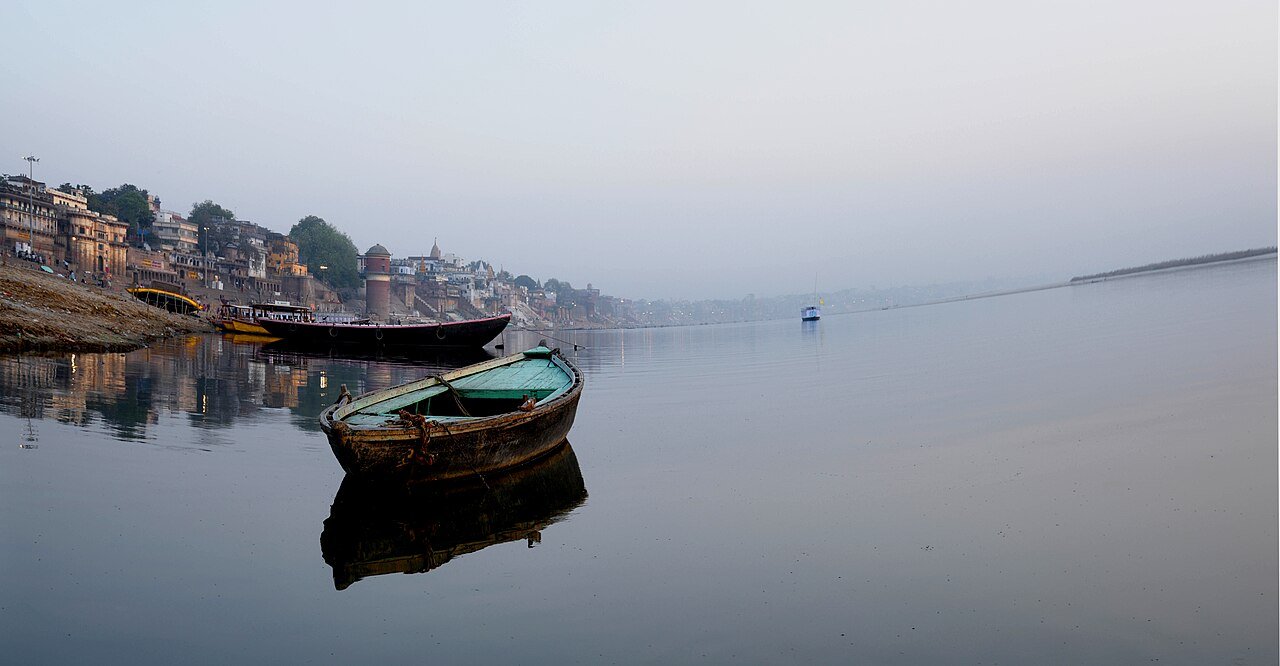
India is the spiritual heart of the world — a land where faith is woven into daily life, and where temples, dargahs, gurudwaras, monasteries and sacred rivers draw pilgrims and seekers from across the globe. From the eternal ghats of Varanasi and the Char Dham of the Himalayas to the Golden Temple, Tirupati, Bodh Gaya and Ajmer Sharif, spiritual and pilgrimage tourism is one of India’s richest and fastest-growing travel experiences. This guide explores India’s great pilgrimage circuits and sacred sites, and how to plan a meaningful spiritual journey.
This guide for Indian travellers covers the major faiths and circuits, top sacred destinations, the best time to go, planning and registration, and tips for a respectful, rewarding pilgrimage.
- Many faiths: Hindu, Buddhist, Sikh, Jain, Muslim, Christian and more sacred sites across India.
- Great circuits: Char Dham, Jyotirlingas, Shakti Peethas, the Buddhist circuit and others.
- Plan ahead: Many shrines need registration or darshan booking and have seasonal access.
- Travel respectfully: Dress modestly, follow customs, and approach each site with reverence.
Part 1 of 8
Why India is the heart of spiritual tourism
India is the birthplace of major world religions and home to countless sacred sites, making it the global capital of spiritual tourism. Pilgrims come to bathe in the holy Ganga, seek darshan at ancient temples, find peace in Himalayan monasteries and ashrams, pay respects at revered dargahs and gurudwaras, and walk in the footsteps of saints and the Buddha. Beyond religion, India offers yoga, meditation and wellness rooted in its spiritual traditions, drawing seekers of every kind for transformation and inner peace.
Hindu pilgrimage
Char Dham, Jyotirlingas, Shakti Peethas and more.
Buddhist circuit
Bodh Gaya, Sarnath and the Buddha’s path.
Sikh shrines
The Golden Temple and historic gurudwaras.
Sufi dargahs
Ajmer Sharif and other revered shrines.
Jain & others
Palitana, Shravanabelagola and diverse faiths.
Yoga & wellness
Rishikesh, ashrams and meditation retreats.
Whether you travel for devotion, tradition, cultural curiosity or inner peace, India’s spiritual and pilgrimage tourism offers a depth and diversity unmatched anywhere — a journey of faith, heritage and self-discovery.
India is the world’s spiritual heart — holy rivers and ancient temples, dargahs and monasteries, where faith and travel become one journey.
Part 2 of 8
India’s great pilgrimage circuits
India’s spiritual landscape is organised into famous circuits and clusters of sacred sites.
Char Dham & Chota Char Dham: The four holy abodes (Badrinath, Dwarka, Puri, Rameswaram) and the Himalayan Char Dham (Yamunotri, Gangotri, Kedarnath, Badrinath).
Jyotirlingas & Shakti Peethas: The twelve Jyotirlinga Shiva temples and the Shakti Peetha goddess shrines across the country.
Buddhist circuit: Bodh Gaya, Sarnath, Kushinagar and Lumbini, tracing the Buddha’s life.
Sikh & Sufi circuits: The Golden Temple and historic gurudwaras, and dargahs like Ajmer Sharif.
Pro tip
Choose a circuit or theme that matches your faith and interests — a single iconic site, a regional cluster, or a multi-shrine yatra — and plan registration, season and travel accordingly for a focused, meaningful pilgrimage.
From single iconic shrines to multi-state yatras, India’s pilgrimage circuits let you tailor a spiritual journey to your devotion, time and stamina.
Part 3 of 8
Top sacred destinations across India
A handful of destinations stand out as must-visits for spiritual travellers.
| Destination | Faith/significance | What to expect |
|---|---|---|
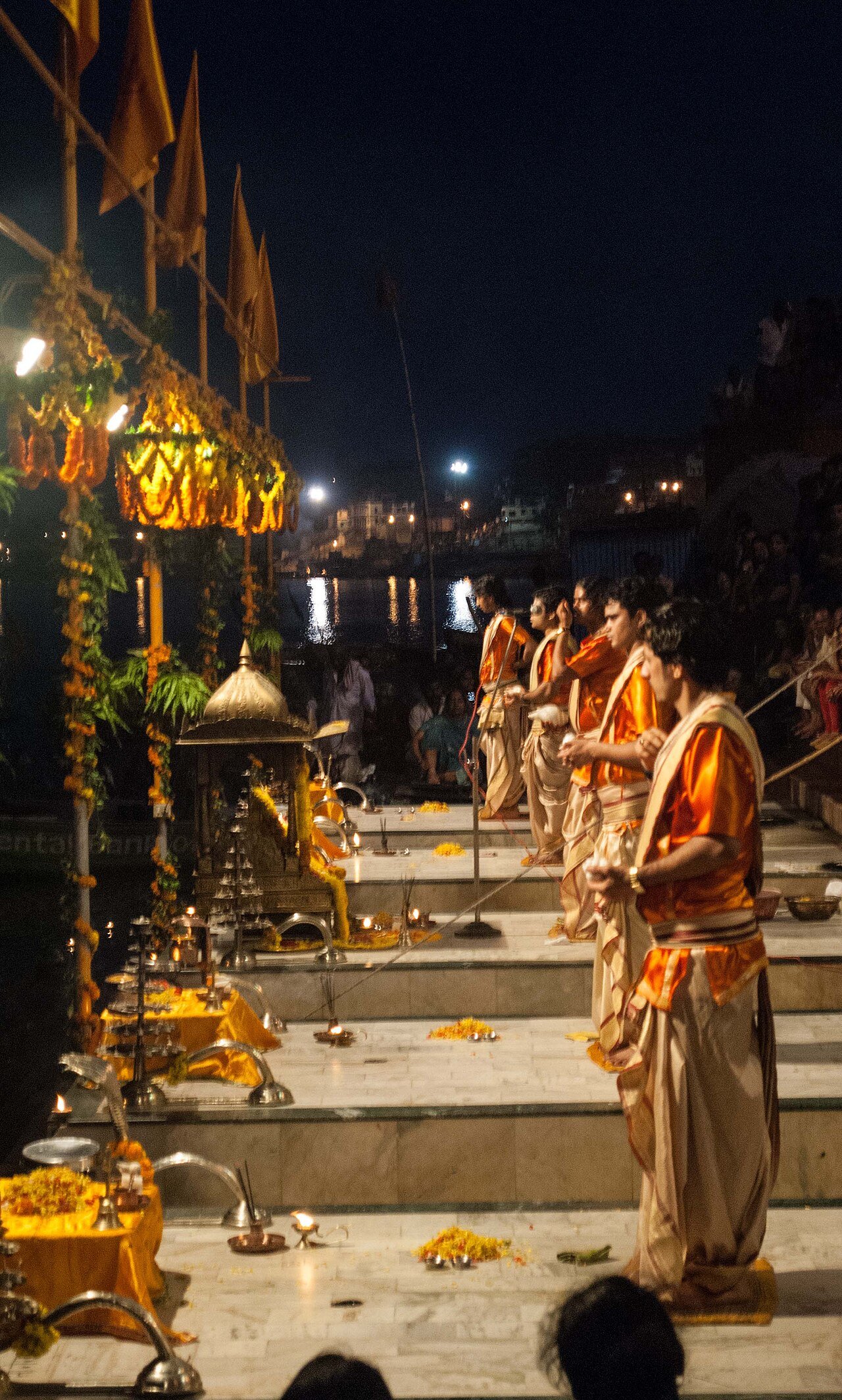
| Varanasi | Hindu | The eternal city, Ganga ghats and the famous evening aarti. |
| Tirupati | Hindu | One of the world’s busiest temples (Lord Venkateswara). |
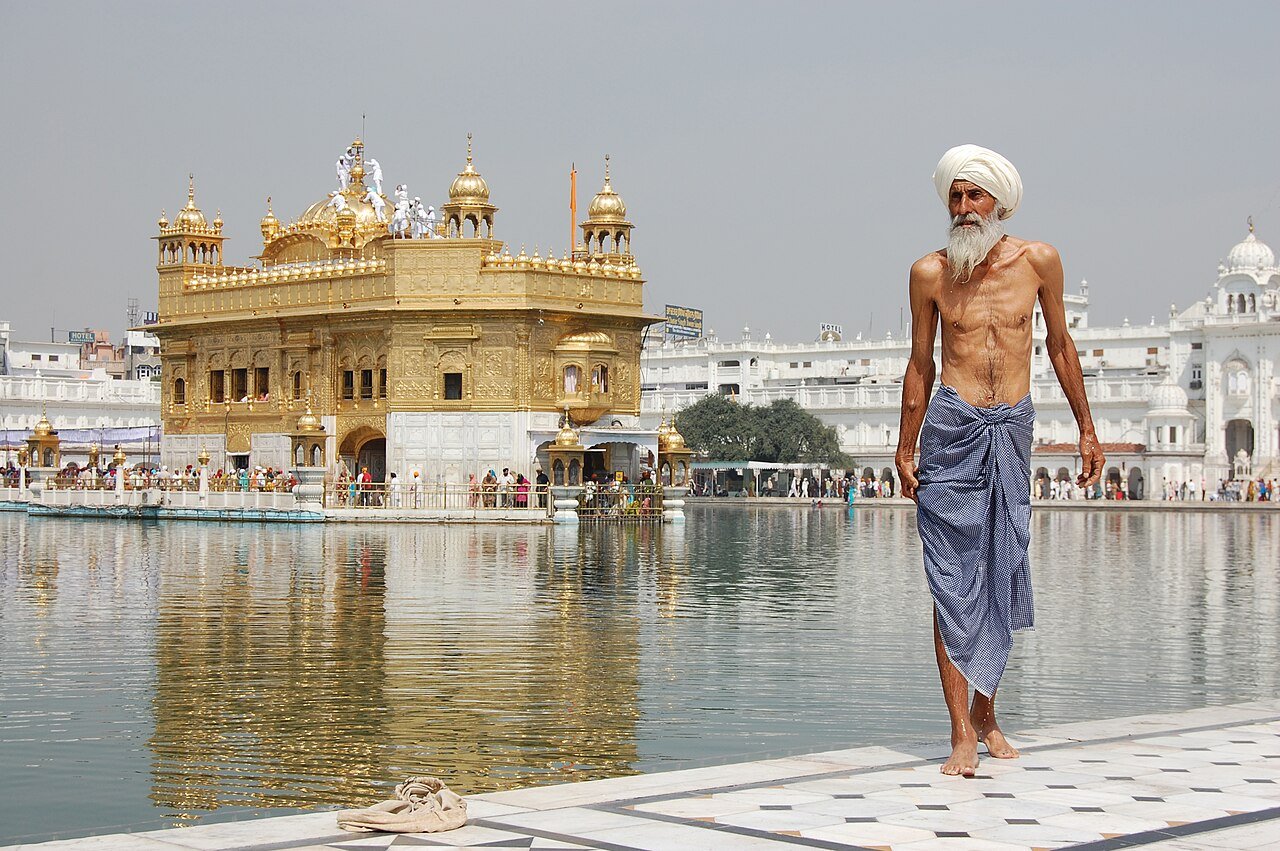
| Amritsar | Sikh | The Golden Temple (Harmandir Sahib). |
| Bodh Gaya | Buddhist | Where the Buddha attained enlightenment. |
| Ajmer | Sufi/Muslim | The revered Ajmer Sharif dargah. |
| Rishikesh/Haridwar | Hindu/yoga | The Ganga, ashrams and the yoga capital. |
These iconic destinations, alongside the Char Dham, Jyotirlingas, Shakti Peethas, Jain sites like Palitana, and Christian shrines in Goa and the south, span India’s rich religious diversity. Each offers a profound experience, from the intensity of Varanasi to the serenity of the Golden Temple.
Part 4 of 8
Planning, registration and costs
Spiritual tourism in India is generally affordable, but some sites need advance planning.
Registration & darshan booking: Major pilgrimages like the Char Dham require mandatory registration, while temples like Tirupati and shrines like Vaishno Devi use darshan/booking systems — plan and book in advance via official portals.
Costs: Most temple darshans are free, and free community kitchens (langars, annaprasadam, bhandaras) and dharamshalas keep costs very low, while paid special darshans, sevas, hotels and helicopters add comfort.
| Style | Daily budget | What it covers |
|---|---|---|
| Budget | ₹800–2,000 | Dharamshalas/ashrams, free or cheap meals, local transport. |
| Mid-range | ₹3,000–7,000 | Good hotels, private transport, paid darshans/sevas. |
| Premium | ₹12,000+ | Luxury stays, helicopters and curated spiritual tours. |
Carry cash for offerings and remote areas, register and book early for the major shrines, and factor in seasonal access (e.g. the Himalayan Char Dham is open only in summer–autumn).
Good to know
Respect each site’s customs — dress modestly, cover your head where required, remove footwear, and follow photography and entry rules (some inner sanctums restrict non-devotees). For high-altitude pilgrimages, prepare your health and acclimatise, and always use official registration and booking channels, avoiding touts.
Part 5 of 8
Travelling respectfully on a pilgrimage
Spiritual sites are places of deep devotion, so respectful travel is essential.
Dress and conduct: Wear modest, traditional clothing, cover your head where required (e.g. gurudwaras), remove footwear before entering, and maintain a calm, reverent demeanour.
Follow the rules: Observe photography bans, queue systems and entry restrictions (some shrines limit inner-sanctum access), and respect rituals and prayer times.
Be considerate: Keep noise down, do not touch idols or offerings unless permitted, give way to elderly pilgrims, and accept the simplicity of many sacred places.
Support and give back: Use local services, give to genuine causes, and avoid littering at these revered sites.
Dress modestly
Cover up; head covering where required.
Remove footwear
Before entering temples and shrines.
Be reverent
Calm conduct; follow photo rules.
Give back
Support locals; respect the site.
Approaching each sacred site with humility and respect honours the faith of fellow pilgrims and ensures a more meaningful experience for you.
Part 6 of 8
Best time and seasonal access
Timing matters, as some pilgrimages are seasonal and others tied to festivals.
Himalayan shrines: The Char Dham and Amarnath are open only in summer–autumn (roughly May–October/November); the rest of the year they are snowbound.
Plains temples and dargahs: Best visited in the cooler months (October–March) for comfort, though open year-round.
Festivals: The Kumbh Mela, temple festivals, Diwali in Ayodhya/Varanasi and Urs at dargahs are spiritually powerful but very crowded — plan accordingly.
Yoga and wellness: Rishikesh and Kerala (for Ayurveda) suit different seasons; the cooler months are generally comfortable nationwide.
Pro tip
Match your pilgrimage to the season — Himalayan shrines in summer–autumn, plains temples in winter — and decide whether to embrace or avoid major festival crowds. Register and book well ahead for seasonal and high-demand shrines.
Part 7 of 8
Practical tips for spiritual travel in India
A few pointers make a spiritual journey across India smoother and more meaningful.
Register & book
For Char Dham, Tirupati, Vaishno Devi etc.
Respect customs
Dress modestly; follow each site’s rules.
Mind the season
Himalayan shrines summer–autumn; plains in winter.
Carry cash
For offerings and remote areas.
India’s spiritual and pilgrimage tourism rewards both faith and preparation. Choose a circuit, theme or destination that matches your devotion and interests, and register or book darshan in advance for the major shrines through official portals. Match your timing to the season — Himalayan pilgrimages in summer–autumn, plains temples in the cooler months — and decide whether to embrace or avoid festival crowds.
Travel respectfully at every site: dress modestly, cover your head where required, remove footwear, follow photography and entry rules, and maintain a reverent calm. Take advantage of free community meals and affordable dharamshalas, carry cash for offerings and remote areas, prepare your health for high-altitude shrines, and use only official booking channels, avoiding touts. Approached with planning and humility, a spiritual journey through India offers profound devotion, rich heritage and genuine inner peace.
Part 8 of 8
Frequently asked questions
What is spiritual and pilgrimage tourism in India?
It is travel centred on India’s sacred sites and spiritual traditions — temples, dargahs, gurudwaras, monasteries, sacred rivers and ashrams — for devotion, ritual, cultural experience or inner peace. As the birthplace of major religions, India offers unmatched depth and diversity, from Hindu yatras and the Buddhist circuit to Sikh, Sufi, Jain and yoga-and-wellness journeys.
What are India’s major pilgrimage circuits?
Key circuits include the Char Dham and Chota Char Dham, the twelve Jyotirlinga Shiva temples, the Shakti Peetha goddess shrines, the Buddhist circuit (Bodh Gaya, Sarnath, Kushinagar), Sikh gurudwaras like the Golden Temple, Sufi dargahs like Ajmer Sharif, and Jain sites such as Palitana, spanning India’s many faiths.
Which are the top spiritual destinations in India?
Standouts include Varanasi (the Ganga ghats and aarti), Tirupati (Lord Venkateswara), Amritsar’s Golden Temple, Bodh Gaya (the Buddha’s enlightenment), Ajmer Sharif, and Rishikesh/Haridwar (the Ganga and yoga), alongside the Char Dham, Jyotirlingas, Shakti Peethas and many more across the country.
Do I need to register or book for pilgrimages?
For several, yes. The Char Dham Yatra requires mandatory registration, and major temples like Tirupati and shrines like Vaishno Devi use darshan or travel-slip systems. Book and register in advance through official portals for these, while many other temples and shrines can be visited freely without prior booking.
When is the best time for spiritual travel in India?
It depends on the destination. Himalayan shrines like the Char Dham and Amarnath are open only in summer–autumn (roughly May–October/November), while plains temples and dargahs are best in the cooler months (October–March). Festivals like the Kumbh Mela are powerful but very crowded, so plan around them.
How much does a pilgrimage in India cost?
It is generally affordable. Most temple darshans are free, and free community kitchens (langars, annaprasadam) and dharamshalas keep costs very low (₹800–2,000 a day). Mid-range trips with hotels and paid darshans run ₹3,000–7,000, and premium tours with luxury stays or helicopters ₹12,000 plus.
How should I dress and behave at sacred sites?
Dress modestly in traditional or conservative clothing, cover your head where required (such as in gurudwaras), and remove footwear before entering temples and shrines. Maintain a calm, reverent demeanour, follow photography bans and queue systems, respect entry restrictions and rituals, and be considerate of fellow pilgrims throughout.
Can non-Hindus or non-devotees visit these sites?
Many sacred sites welcome all visitors, and places like the Golden Temple are famously open to everyone, but some Hindu temples restrict inner-sanctum access to devotees or Hindus only. Always observe posted rules and local customs, dress and behave respectfully, and you will be welcomed at the vast majority of India’s spiritual sites.
Is spiritual tourism only for religious travellers?
Not at all. While many visit for devotion, India’s sacred sites also draw cultural travellers, history lovers, photographers and seekers of yoga, meditation and inner peace. You can experience the architecture, rituals, atmosphere and heritage of these places respectfully even without sharing the faith, and many travellers find them deeply moving regardless of their own beliefs.
How do I plan a multi-site spiritual journey in India?
Pick a theme or circuit (such as the Char Dham, the Buddhist trail, or a regional temple cluster), check seasonal access and any registration or darshan booking, and map a realistic route allowing for travel time and rest. Combine nearby sites to reduce backtracking, book stays and darshans ahead, and keep the pace gentle so each visit remains meaningful rather than rushed.
The bottom line
India is the spiritual heart of the world, offering pilgrimage and spiritual tourism of unmatched depth and diversity — the Ganga ghats of Varanasi, the Char Dham and Jyotirlingas, the Golden Temple, Tirupati, Bodh Gaya, Ajmer Sharif and the yoga of Rishikesh. Choose a circuit or destination that matches your devotion, register and book ahead for the major shrines, match your timing to the season, and travel respectfully at every sacred site. Approached with planning and humility, a spiritual journey through India offers profound devotion, rich heritage and genuine inner peace.
Related reading
 Adventure Travel in India: Activities & How to Plan Safely
 Char Dham Yatra Registration: Rules & Planning (2026)
 Tirupati Darshan Booking Guide: Tirumala Made Simple (2026)
Photos sourced from Wikimedia Commons under their respective Creative Commons licences. Circuit, registration and cost details are indicative for 2026; confirm current darshan, registration rules and access before you travel.