Offbeat & Hidden Destinations in India to Explore (2026)
Last updated: July 8, 2026
Beyond India’s famous tourist trail lies a world of hidden gems — remote Himalayan valleys, untouched beaches, living heritage villages, surreal landscapes and offbeat hill stations where you can escape the crowds and discover a quieter, more authentic side of the country. From Ziro and Spiti to Gokarna, Chettinad and Majuli, these lesser-known destinations reward curious travellers with raw beauty, rich culture and a sense of genuine discovery. This guide rounds up some of India’s best offbeat and hidden destinations for 2026.
This guide for Indian travellers covers standout offbeat destinations by region, with what makes each special, the best time to go, how to reach them and tips for responsible, crowd-free travel.
- Himalayas: Spiti, Ziro, Gurez, Munsiyari and Tawang for remote mountain magic.
- Coast & south: Gokarna, Chettinad, Dhanushkodi and the Konkan for offbeat shores and heritage.
- Central & west: Mandu, Kutch and lesser-known forts and landscapes.
- Travel smart: Plan transport and permits, travel responsibly and respect local communities.
Part 1 of 8
Why choose offbeat destinations
India’s offbeat destinations offer what the popular spots often cannot — solitude, authenticity and the thrill of discovery. Instead of crowded viewpoints and packed hotels, you find remote valleys, sleepy villages, empty beaches and landscapes few travellers have seen, along with deeper, more genuine encounters with local cultures. They are ideal for slow, mindful travel, often more affordable, and they help spread tourism’s benefits to lesser-visited communities.
Solitude
Escape the crowds in remote, peaceful places.
Authentic culture
Genuine encounters with local communities.
Untouched beauty
Landscapes few travellers have seen.
Often cheaper
Lower prices away from the tourist trail.
Responsible travel
Spread tourism benefits more widely.
Discovery
The thrill of going off the map.
Whether you seek mountain solitude, hidden beaches or living heritage, India’s offbeat destinations reward those willing to venture beyond the obvious with unforgettable, crowd-free experiences.
India’s hidden gems trade crowds for discovery — remote valleys, empty beaches and living villages waiting beyond the tourist trail.
Part 2 of 8
Offbeat Himalayan gems
The Himalayas hide some of India’s most magical offbeat destinations.
Spiti Valley (Himachal): A high-altitude cold desert of ancient monasteries, dramatic landscapes and remote villages like Kibber and Langza.
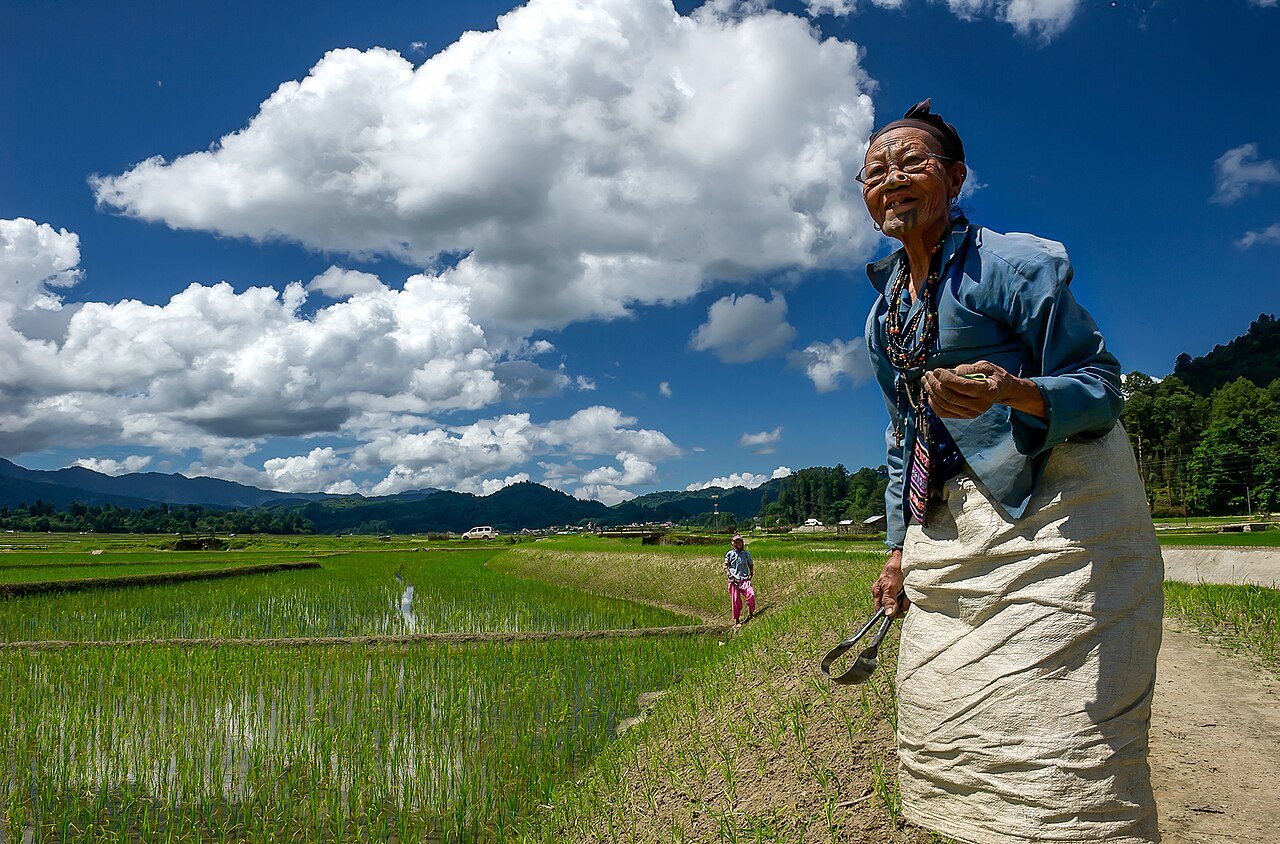
Ziro Valley (Arunachal): A serene valley of paddy fields and Apatani tribal culture, famed for its music festival (ILP needed).
Gurez Valley (Kashmir): A stunning, remote valley near the LoC with pristine scenery and Dard-Shin culture.
Munsiyari (Uttarakhand): A quiet Himalayan hamlet with Panchachuli peak views and trekking.
Tawang (Arunachal): A spectacular monastery town high in the mountains (ILP needed).
Pro tip
Check permit requirements (Inner Line Permits for Arunachal and some border areas), travel in the right season, and book limited accommodation in advance. Hire local guides and homestays to support communities and travel responsibly.
These remote areas need careful planning for transport, permits and weather, but reward you with some of the most pristine and uncrowded landscapes in India.
Part 3 of 8
Offbeat coast, south and heritage
Away from the Himalayas, India hides offbeat beaches, heritage and culture.
| Destination | Region | What makes it special |
|---|---|---|
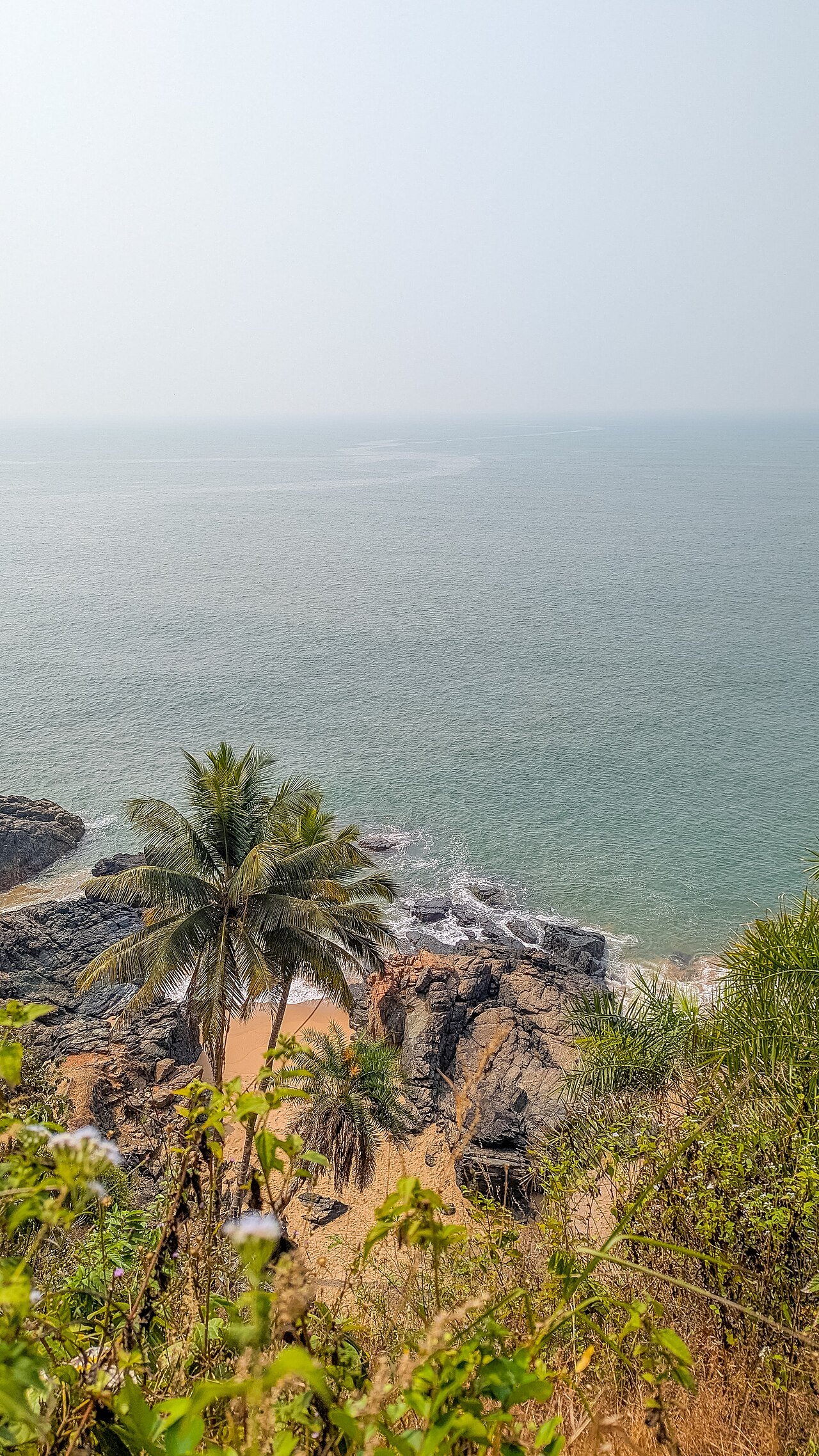
| Gokarna | Karnataka | Laid-back temple town with beautiful, quiet beaches. |
| Chettinad | Tamil Nadu | Grand mansions, unique cuisine and living heritage. |
| Dhanushkodi | Tamil Nadu | A hauntingly beautiful abandoned town at land’s end. |
| Majuli | Assam | The world’s largest river island, with satras and culture. |
| Konkan coast | Maharashtra/Goa | Quiet beaches, sea forts and seafood beyond the crowds. |
From Gokarna’s serene beaches and Chettinad’s mansions to the eerie beauty of Dhanushkodi and the river-island culture of Majuli, southern and coastal India offers offbeat gems rich in scenery and heritage. Most are best visited in the cooler, drier months, and reward slow, immersive travel.
Part 4 of 8
Offbeat central, west and more
Central and western India hide surreal landscapes and lesser-known wonders.
Mandu (Madhya Pradesh): A romantic hilltop of Afghan-era ruins, palaces and monsoon-green landscapes.
Rann of Kutch (Gujarat): A vast white salt desert, magical around the Rann Utsav and full moon.
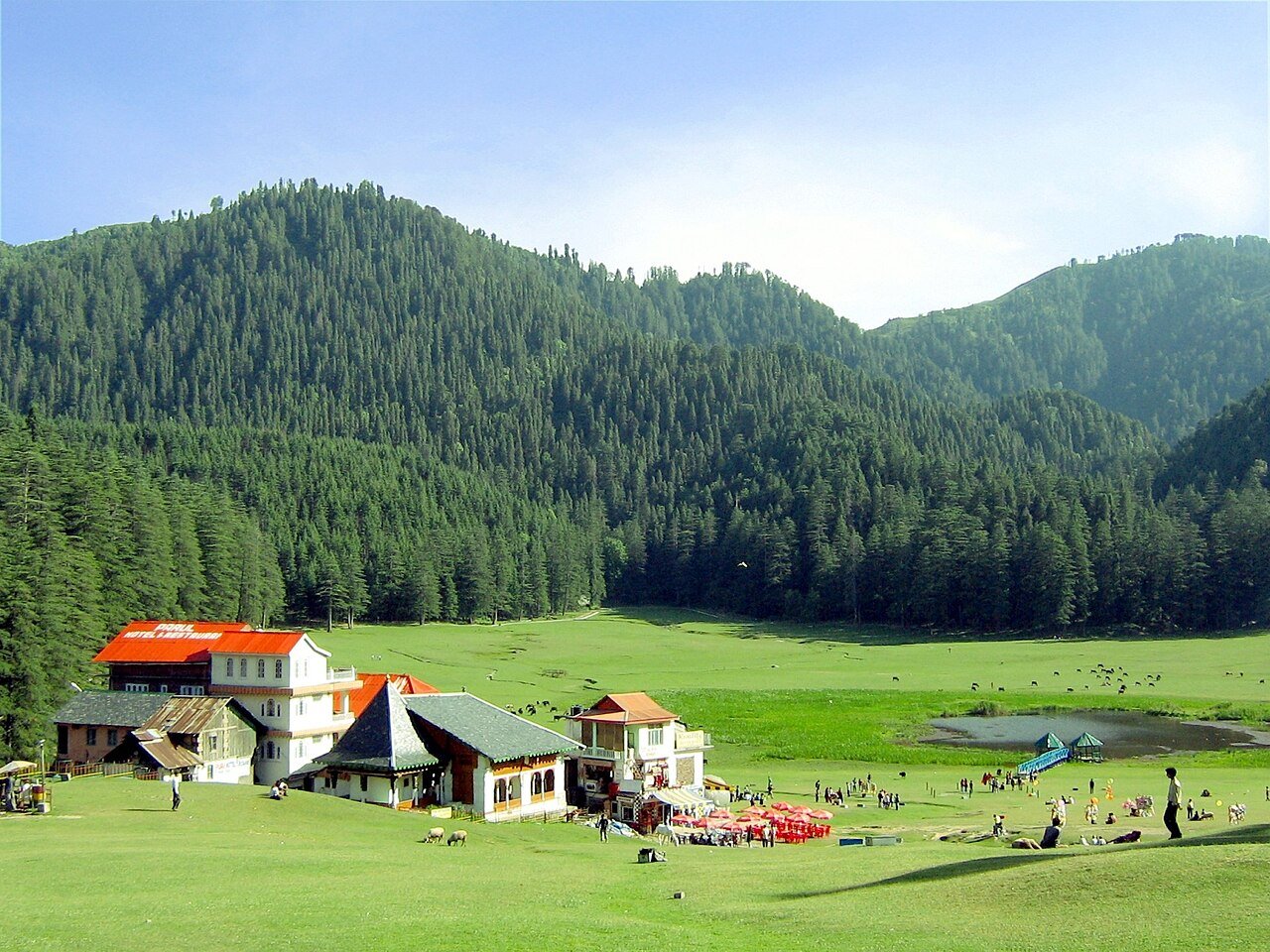
Khajjiar (Himachal): A lush meadow ringed by forest, the “Mini Switzerland of India.”
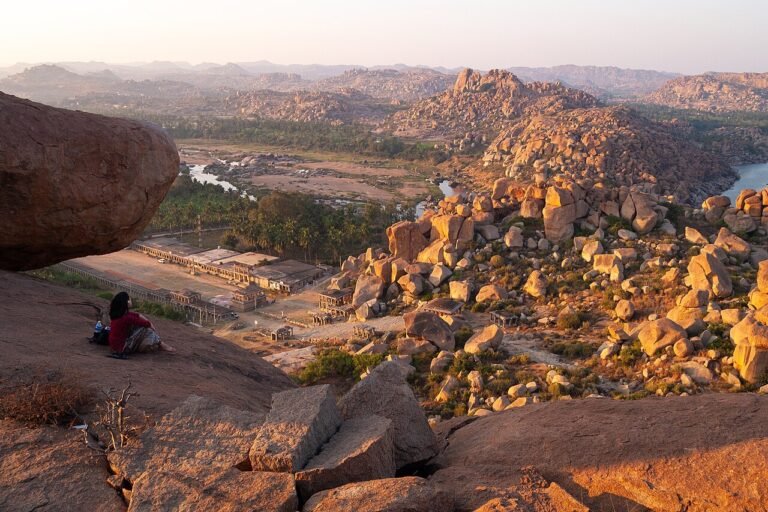
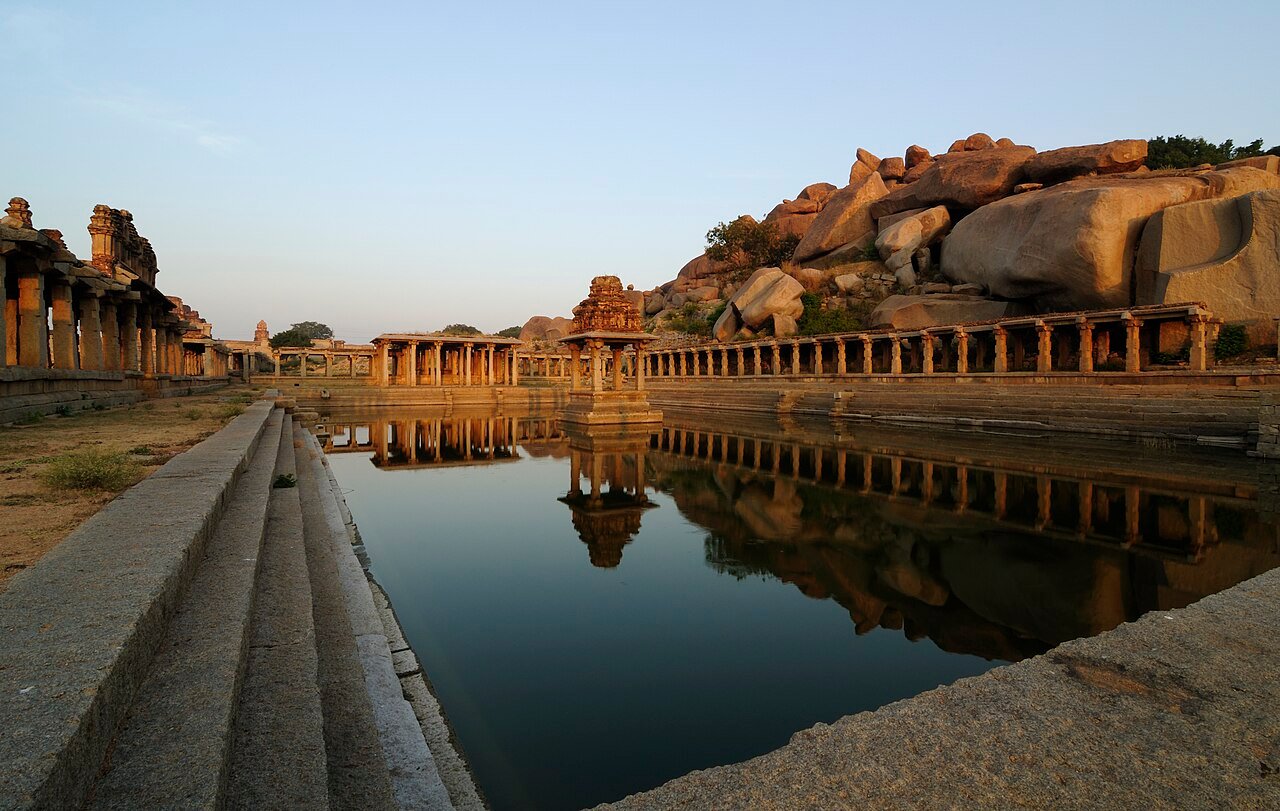
Lesser-known forts & towns: Orchha, Bundi, Hampi’s quieter corners and more reward heritage lovers.
Offbeat travel is usually affordable — homestays and guesthouses are cheaper than tourist-hub hotels, local food is inexpensive, and many of these places have few paid attractions. The main costs are reaching remote areas (private transport often needed) and any permits. Carry cash, as ATMs and connectivity can be limited.
Good to know
Remote destinations may have limited medical facilities, connectivity and transport, so plan ahead, carry essentials and cash, and check road and permit conditions. Respect local customs, dress modestly, support homestays and local guides, and travel responsibly to protect fragile environments and communities.
Part 5 of 8
When to visit and how to plan
Timing and planning are key for offbeat destinations, which often have short seasons.
Himalayan valleys (Spiti, Ziro, Gurez, Tawang): Best in summer and early autumn (roughly May–October); many are snowbound or hard to reach in winter.
Coast and south (Gokarna, Chettinad, Dhanushkodi): Best in the cooler, drier months (October–March).
Rann of Kutch: Best in winter (November–February), around the Rann Utsav.
Mandu and central India: Lovely in the monsoon and the cooler months.
Mind the season
Many gems have short, weather-limited windows.
Check permits
ILPs for Arunachal and some border valleys.
Book homestays
Limited stays fill fast; support locals.
Carry cash
ATMs and network are scarce in remote areas.
Because many offbeat places have limited infrastructure and short seasons, plan transport, permits and accommodation in advance, and keep your itinerary flexible for weather and road conditions.
Part 6 of 8
Responsible offbeat travel
Travelling off the beaten track comes with a responsibility to protect these special places.
Support local communities: Choose homestays, local guides and local food to ensure tourism benefits residents directly.
Respect culture: Dress modestly, ask before photographing people, and learn a little about local customs and traditions.
Protect the environment: Carry out your waste, avoid single-use plastic, stick to trails, and respect fragile ecosystems and wildlife.
Travel mindfully: Keep groups small, be patient with limited infrastructure, and help keep these places special by not over-promoting them irresponsibly.
Support locals
Homestays, local guides and food.
Respect culture
Dress modestly; ask before photos.
Protect nature
No plastic; carry out waste.
Travel slow
Small groups, mindful pace.
Responsible travel ensures these hidden gems stay beautiful, authentic and welcoming for the communities who call them home and the travellers who follow.
Part 7 of 8
Practical tips for offbeat travel
A few habits make offbeat travel smoother and safer.
Plan transport
Remote areas often need private or shared vehicles.
Sort permits
Arrange ILPs and any restricted-area permits early.
Pack essentials
Medicines, cash, layers and offline maps.
Mind the season
Short, weather-limited windows for many gems.
India’s offbeat destinations reward preparation. Research transport carefully, as remote valleys and villages often need private or shared vehicles and have limited public options, and arrange any Inner Line Permits or restricted-area permits well in advance. Book the limited accommodation early, especially in short summer or festival seasons.
Carry cash, medicines, warm layers and offline maps, as ATMs, pharmacies and connectivity can be scarce. Travel in the right season for each destination, keep your plans flexible for weather and roads, and above all travel responsibly — support local homestays and guides, respect customs, protect the environment, and tread lightly. Do this, and India’s hidden gems will reward you with some of the most authentic and memorable journeys you can take.
Part 8 of 8
Frequently asked questions
What are some of the best offbeat destinations in India?
Standouts include the Himalayan valleys of Spiti, Ziro, Gurez, Munsiyari and Tawang; coastal and southern gems like Gokarna, Chettinad, Dhanushkodi and Majuli; and central/western wonders such as Mandu, the Rann of Kutch and Khajjiar. Each offers solitude, authentic culture and untouched beauty away from the crowds.
Do I need permits for offbeat Himalayan destinations?
For some, yes. Arunachal Pradesh (Ziro, Tawang) requires an Inner Line Permit for Indians, and certain border valleys like Gurez have restrictions. Spiti is generally open to Indians without a permit, though areas near borders may need one. Always check and arrange permits in advance for each destination.
When is the best time to visit offbeat destinations?
It depends on the place. Himalayan valleys (Spiti, Ziro, Gurez, Tawang) are best in summer and early autumn (roughly May–October), the coast and south (Gokarna, Chettinad) in the cooler months (October–March), and the Rann of Kutch in winter. Many gems have short, weather-limited seasons, so time your visit carefully.
Are offbeat destinations cheaper than popular ones?
Often, yes. Homestays and guesthouses are usually cheaper than tourist-hub hotels, local food is inexpensive, and many offbeat places have few paid attractions. The main costs are reaching remote areas, which may need private transport, and any permits. Carry cash, as ATMs and connectivity can be limited.
How do I travel responsibly in offbeat places?
Support local communities by choosing homestays, local guides and local food; respect culture by dressing modestly and asking before photographing people; protect the environment by avoiding plastic, carrying out waste and sticking to trails; and travel mindfully in small groups, treading lightly to keep these fragile places special.
Are offbeat destinations safe and well-equipped?
They are generally safe but often have limited medical facilities, connectivity and transport. Plan ahead, carry essentials, cash and medicines, check road and permit conditions, and keep your itinerary flexible for weather. With sensible preparation, offbeat travel is safe and immensely rewarding, but it requires more self-reliance than mainstream destinations.
How do I reach remote offbeat destinations?
Most require a combination of flights or trains to the nearest hub, then road travel — often by private car, shared jeep or limited buses — into the remote area. Himalayan valleys and islands in particular need careful transport planning. Hiring local drivers or joining small-group trips can simplify the logistics.
Which offbeat destination is best for a first-timer?
Gokarna (easy beaches), Spiti (with a guided trip), Mandu and Khajjiar are relatively accessible first offbeat experiences, offering a taste of crowd-free travel without the toughest logistics. Start with one that matches your comfort level and season, then venture further afield as you grow more confident with offbeat travel.
Is offbeat travel suitable for families or first-timers?
Some offbeat destinations are very family-friendly, like Gokarna’s beaches, Khajjiar’s meadows or Mandu’s ruins, while remote Himalayan valleys suit more adventurous or experienced travellers. Start with an accessible gem that matches your comfort and season, factor in limited facilities, and build up to tougher destinations as you grow confident with offbeat travel.
How do I find offbeat places that are not over-touristed?
Look beyond the famous names to nearby lesser-known valleys, villages and beaches, travel in shoulder seasons, and ask locals for hidden spots. Choosing homestays and small operators, and avoiding heavily promoted “Instagram hotspots” at peak times, helps you find genuine solitude while spreading tourism’s benefits to communities that need it most.
The bottom line
India’s offbeat and hidden destinations — the remote valleys of Spiti, Ziro and Gurez, the quiet beaches of Gokarna, the living heritage of Chettinad and Majuli, and surreal landscapes like the Rann of Kutch and Mandu — reward curious travellers with solitude, authenticity and the thrill of genuine discovery. Plan transport and permits carefully, travel in the right season, book limited stays early, and above all travel responsibly, supporting local communities and protecting these fragile places. Venture beyond the obvious, and India’s hidden gems will give you some of your most memorable journeys.
Related reading
 Adventure Travel in India: Activities & How to Plan Safely
 Shimla Manali Itinerary: 6-Day Himachal Trip Plan (2026)
 Ladakh 7-Day Itinerary 2026 — Leh, Nubra Valley & Pangong Lake
Photos sourced from Wikimedia Commons under their respective Creative Commons licences. Destination, permit and season details are indicative for 2026; confirm current access, permits and conditions before you travel.