Jodhpur Itinerary: 2-Day Blue City Plan (2026)
Last updated: July 8, 2026
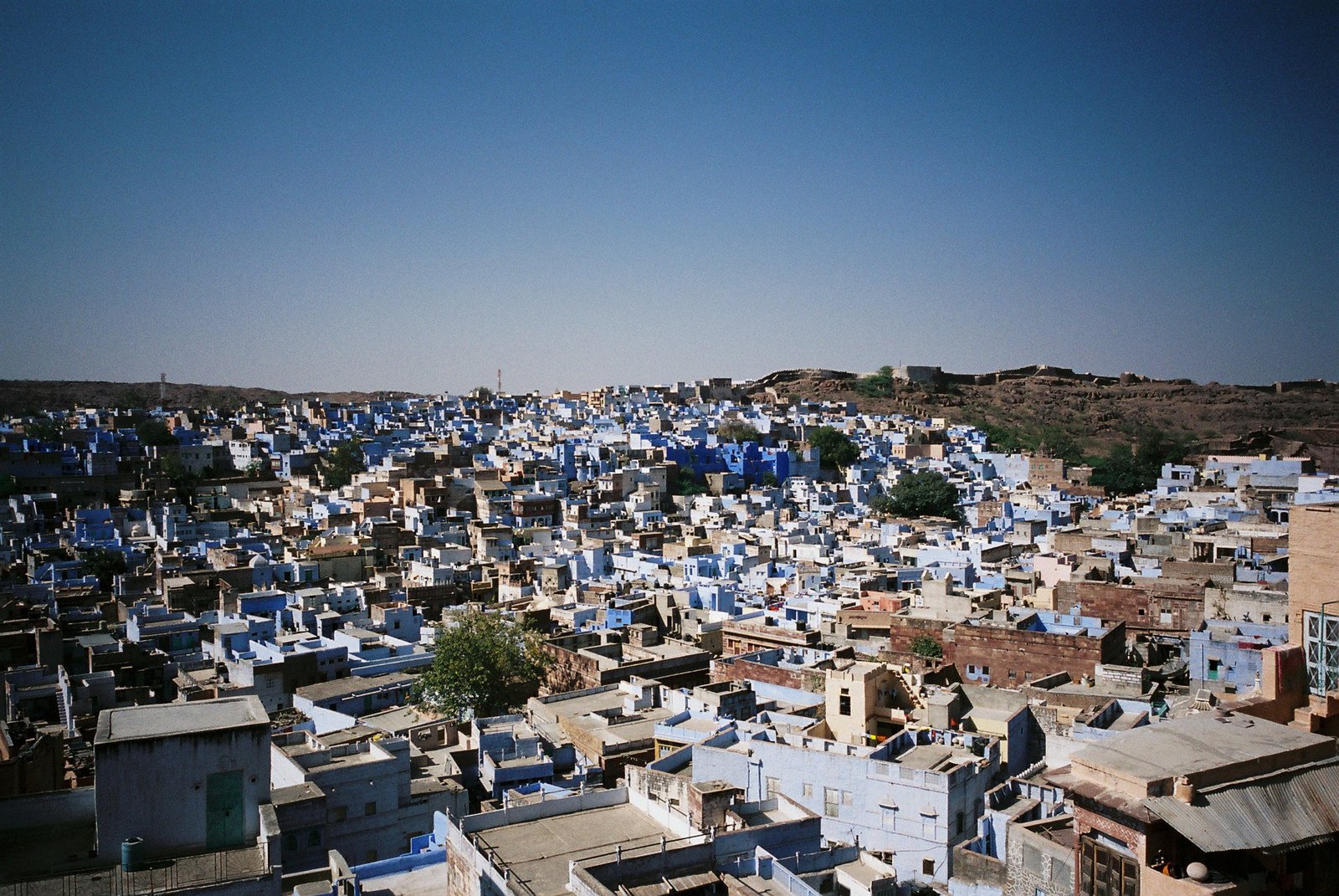
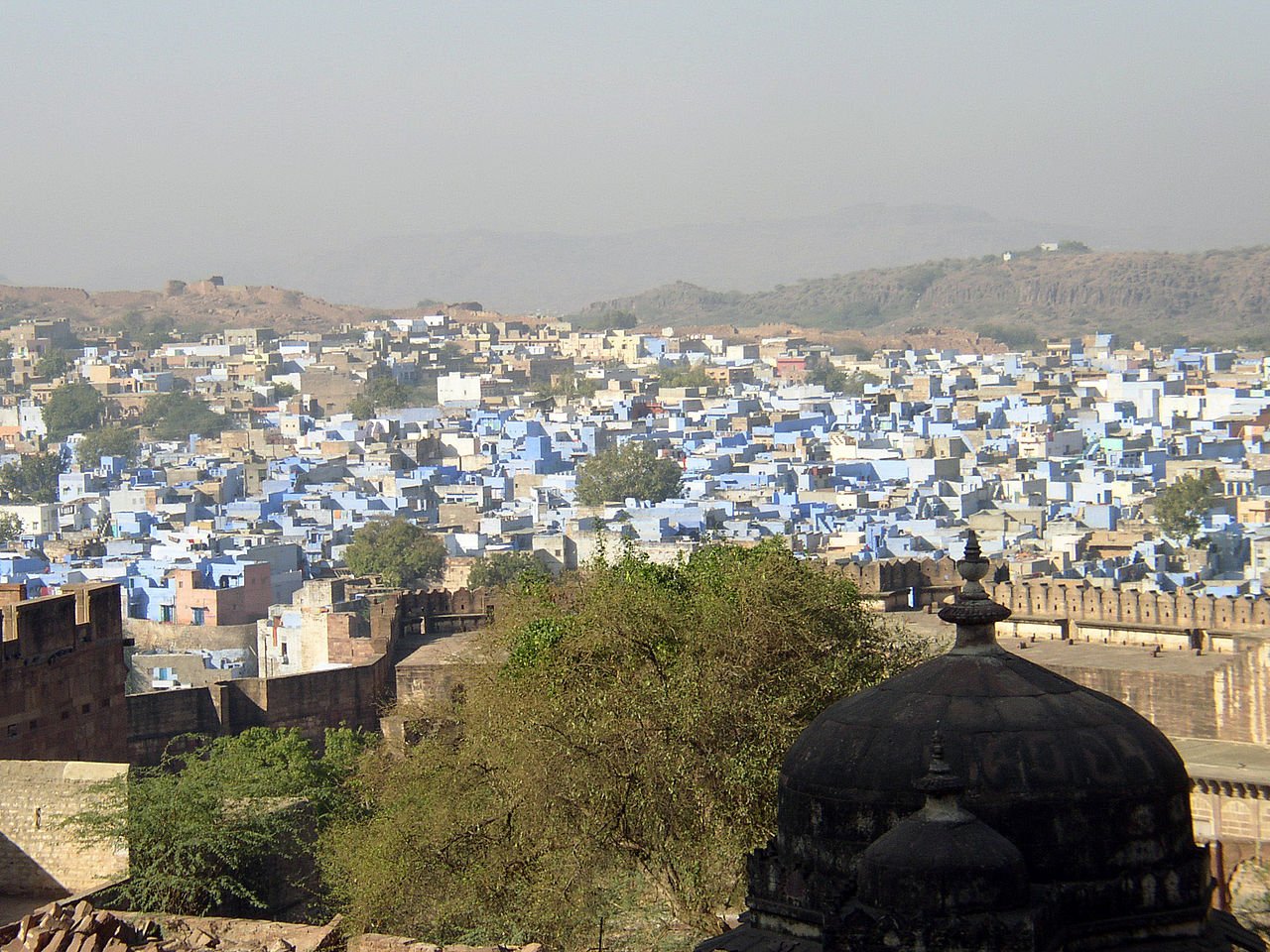
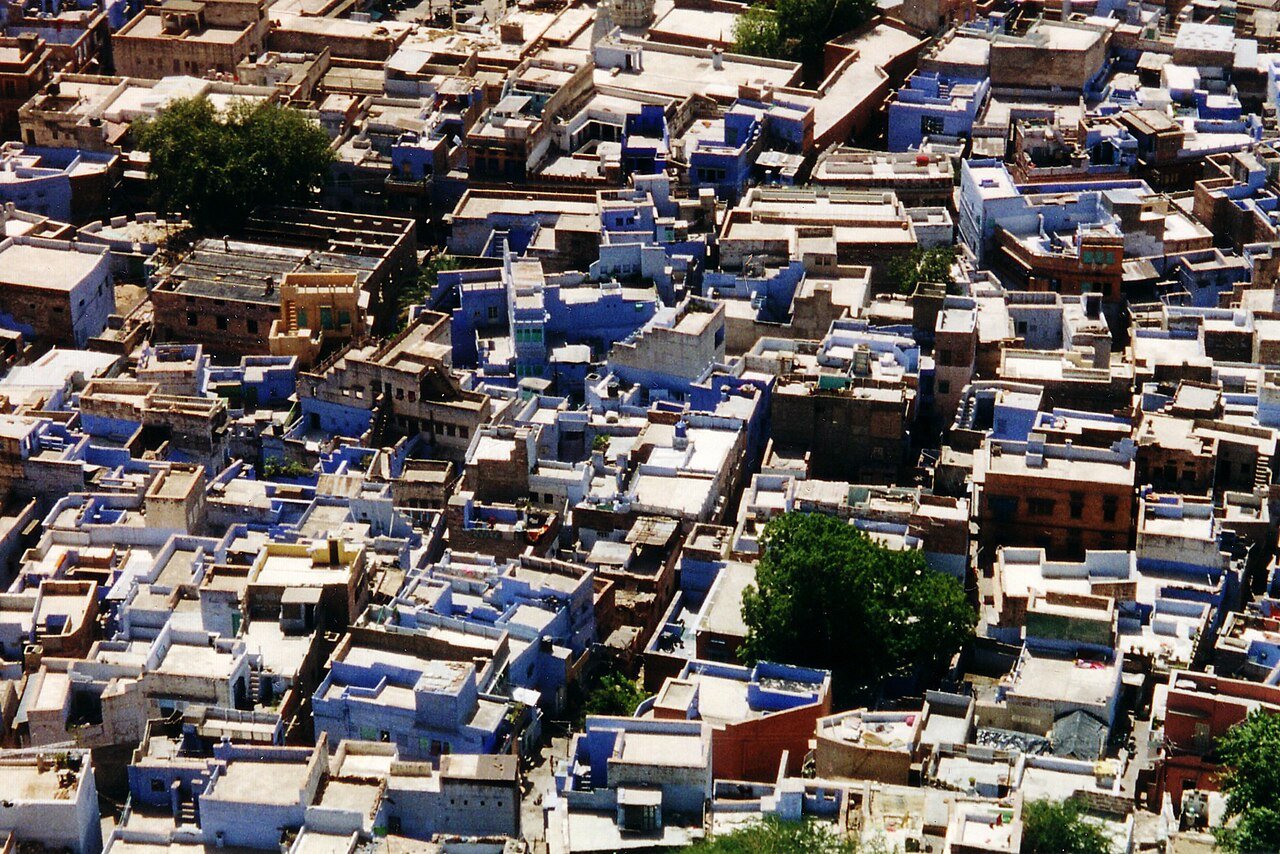
Jodhpur, the Blue City, is one of Rajasthan’s most captivating destinations — a sea of indigo houses beneath the mighty Mehrangarh Fort, with grand palaces, bustling bazaars and the gateway to the Thar Desert. A well-planned itinerary lets you experience its forts, blue lanes, palaces and desert in just two or three days. This day-by-day Jodhpur itinerary helps Indian travellers make the most of the Blue City, whether as a standalone trip or part of a Rajasthan circuit.
This 2026 Jodhpur itinerary lays out a practical day-by-day plan, with tips on getting around, the best time to go, costs, where to stay and what not to miss.
- Getting there: Jodhpur has an airport (flights from Delhi/Mumbai) and a major railway junction; good road links across Rajasthan.
- Best time: October to March, when the desert heat eases and the weather is pleasant.
- This plan: Fort & old city → palaces & bazaars → desert or day trip, over 2–3 days.
- Don’t miss: Mehrangarh Fort, the blue lanes, Jaswant Thada, Umaid Bhawan and a rooftop sunset.
Part 1 of 8
Why plan an itinerary for Jodhpur
Jodhpur packs a lot into a compact, walkable city, so a little planning helps you see its highlights without rushing. The colossal Mehrangarh Fort towers over a maze of blue-washed lanes, while the marble Jaswant Thada, the grand Umaid Bhawan Palace and the vibrant Clock Tower bazaars add palace splendour and local colour. With the Thar Desert on its doorstep, a two- or three-day plan lets you balance the fort, the blue city, palaces and a desert or village experience.
Mehrangarh Fort
One of India’s grandest forts over the city.
The Blue City
Wander the photogenic indigo lanes.
Jaswant Thada
A serene white-marble royal cenotaph.
Umaid Bhawan
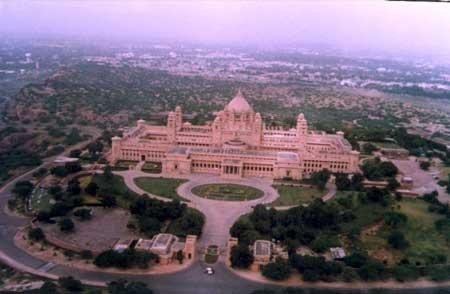
A majestic palace, museum and hotel.
Clock Tower bazaars
Spices, textiles and Sardar Market.
Thar Desert
Village safaris and dunes near Jodhpur.
Whether you have two days or three, a planned Jodhpur itinerary ensures you capture the fort, the blue lanes, the palaces and a taste of the desert, all at a relaxed and rewarding pace.
A Jodhpur itinerary is Rajasthan in miniature — a mighty fort, indigo lanes, palace grandeur and the desert, all in a few golden days.
Part 2 of 8
How to reach and get around
Jodhpur is well connected and compact, making it easy to follow an itinerary.
Getting there: Jodhpur Airport has flights from Delhi and Mumbai, while Jodhpur Junction is a major railhead with good trains from Delhi, Jaipur, Udaipur and Mumbai, including overnight services. Good highways link it to the rest of Rajasthan.
Getting around: The old city is best explored on foot, with autos, taxis and ride-hailing apps for longer hops to Umaid Bhawan, Mandore or the airport. Many hotels arrange tours and transfers, and a hired car suits day trips or a Rajasthan circuit.
Pro tip
Stay in a heritage haveli in the old city for fort views and walkable access to the blue lanes and bazaars. Arrive by overnight train to save a day, and use autos or apps for the spread-out palaces.
Tip: Jodhpur pairs perfectly with Jaisalmer (the Golden City) and Udaipur (the City of Lakes) on a Rajasthan loop if you have more time.
Part 3 of 8
Best time to visit Jodhpur
Jodhpur sits on the edge of the Thar Desert, so the cooler months are far more comfortable.
| Season | Months | What to expect |
|---|---|---|
| Winter | Oct–Mar | The best time — pleasant days, cool nights, ideal for the fort and desert. |
| Peak | Dec–Jan | Lovely weather but busiest and priciest; book ahead, especially over holidays. |
| Summer | Apr–Jun | Very hot (often 40°C+), best avoided for sightseeing. |
| Monsoon | Jul–Sep | Some relief and greener surroundings, with occasional rain and humidity. |
For comfortable sightseeing and desert excursions, visit between October and March. The winter months are glorious but peak season, so book accommodation early, particularly around Christmas, New Year and the Marwar and Rajasthan festivals. Avoid the searing summer unless unavoidable, and start fort visits early.
Part 4 of 8
Costs and budgeting
Jodhpur caters to every budget, from backpacker havelis to palace hotels. Here is a realistic per-person, per-day guide for 2026, excluding transport to the city.
| Style | Daily budget | What it covers |
|---|---|---|
| Budget | ₹1,500–2,800 | Guesthouses and havelis, local food, autos and entry tickets. |
| Mid-range | ₹4,000–8,000 | Heritage hotels, nicer dining, a desert excursion and private transport. |
| Luxury | ₹15,000+ | Palace and luxury heritage hotels, fine dining and curated experiences. |
Jodhpur offers excellent value — atmospheric heritage havelis are reasonably priced, food is delicious and cheap, and the main sights have modest entry fees. The big splurge, if you choose, is a stay or meal at Umaid Bhawan Palace. Carry some cash for the bazaars and autos, though cards and UPI are widely accepted.
Good to know
Jodhpur is generally safe and tourist-friendly. Agree auto fares or use apps, be polite but firm with persistent shop touts in the bazaars, and dress modestly at religious sites. Stay hydrated and sun-protected, especially near the desert, and start sightseeing early.
Part 5 of 8
The Jodhpur itinerary, day by day
This plan covers Jodhpur’s highlights over two to three relaxed days.
Day 1 — Fort & old city: Spend the morning at Mehrangarh Fort (its palaces, museum and ramparts), then explore the blue lanes below, ending with sunset and dinner at an old-city rooftop overlooking the floodlit fort.
Day 2 — Palaces & bazaars: Visit Jaswant Thada and Umaid Bhawan Palace, then dive into the Clock Tower and Sardar Market for street food and shopping, with Mandore Gardens if time allows.
Day 3 — Desert or day trip: Take a Bishnoi village safari or a day trip toward the Thar, or use the day to travel onward to Jaisalmer or Udaipur.
Pro tip
Start your fort visit early to beat the heat and crowds, and save the old-city wander for late afternoon when the light on the blue houses is at its best. Two days is ideal; three if adding a desert excursion.
Part 6 of 8
Where to stay and eat
Choosing the right base and food makes a Jodhpur itinerary memorable.
Where to stay: A heritage haveli in the old blue city near the fort offers atmosphere and rooftop fort views; the Clock Tower area is central and lively, while upscale options and Umaid Bhawan lie a little further out.
What to eat: Jodhpur is a foodie haven — try the famous Mirchi Bada and pyaaz kachori, makhaniya lassi, dal baati churma, laal maas (for non-vegetarians) and the city’s renowned sweets, best sampled at the Clock Tower market and old-city stalls.
Heritage haveli
Old-city stay with rooftop fort views.
Rooftop dinner
Sunset over the floodlit fort.
Street-food crawl
Mirchi Bada, kachori and lassi.
Sardar Market
Spices, textiles and bazaar buzz.
Book heritage stays ahead in peak season, and choose an old-city haveli with a rooftop restaurant for the quintessential Jodhpur experience.
Part 7 of 8
Practical tips for this Jodhpur trip
A few pointers make a Jodhpur itinerary smoother.
Visit sights early
Beat the heat and crowds at the fort.
Ask before photos
Be respectful in the residential blue lanes.
Stay hydrated
Carry water and sun protection in the dry climate.
Use apps or fix fares
Agree auto prices upfront or use ride-hailing.
Jodhpur is compact and easy to explore with a little planning. Start the fort and palaces early to beat the heat and crowds, and save the blue-lane wander for the golden late-afternoon light. The lanes are residential, so be courteous when photographing homes and ask permission for portraits.
Bargain with a smile in the bazaars, and be polite but firm with shop touts. Dress modestly at temples and the fort, carry water and sun protection given the dry desert climate, and try the famous street food from busy, popular stalls. Jodhpur combines brilliantly with the rest of Rajasthan, so consider arriving or leaving by overnight train, and don’t miss a rooftop sunset over the fort — the highlight of any Jodhpur itinerary.
Part 8 of 8
Frequently asked questions
How many days do I need for Jodhpur?
Two days cover the main highlights — Mehrangarh Fort, the blue old city, Jaswant Thada and Umaid Bhawan. Add a third day for a Bishnoi village or desert safari, or to travel onward to Jaisalmer or Udaipur. Jodhpur’s compact old city makes it easy to see a lot in a short, well-planned trip.
How do I reach Jodhpur?
Jodhpur has an airport with flights from Delhi and Mumbai, and a major railway junction with good trains from Delhi, Jaipur, Udaipur and Mumbai, including overnight services. Good highways also link it across Rajasthan, so you can arrive easily by air, rail or road.
When is the best time to visit Jodhpur?
October to March, when the desert heat eases and the weather is pleasant for the fort, old city and desert excursions. December and January are the loveliest but busiest months, while April to June is extremely hot and best avoided. Start sightseeing early whenever you go.
What is the ideal Jodhpur itinerary?
A great plan is: Day 1, Mehrangarh Fort and the blue old city with a rooftop sunset; Day 2, Jaswant Thada, Umaid Bhawan and the Clock Tower bazaars; and an optional Day 3 for a Bishnoi village or desert safari, or onward travel to Jaisalmer or Udaipur.
Where should I stay in Jodhpur?
For atmosphere, stay in a heritage haveli in the old blue city near the fort, ideally with a rooftop restaurant and fort views. The Clock Tower area is central and lively, while upscale options and the Umaid Bhawan Palace lie a little further out. Book heritage stays ahead in peak season.
Is Jodhpur safe for tourists?
Yes, Jodhpur is generally safe and tourist-friendly. Take normal precautions in crowded bazaars, agree auto fares or use apps, and be polite but firm with persistent touts. Solo and women travellers should take the usual sensible precautions, especially after dark, and dress modestly at religious sites.
What food should I try in Jodhpur?
Jodhpur is a street-food paradise — try Mirchi Bada, pyaaz kachori, makhaniya lassi, dal baati churma and laal maas (for non-vegetarians), plus famous local sweets. The Clock Tower market and old-city stalls are the best places to sample them, ideally on a guided or self-led food crawl.
Can I combine Jodhpur with other Rajasthan cities?
Yes, and you should if you have time. Jodhpur pairs perfectly with Jaisalmer (the Golden City) for the desert, Udaipur (the City of Lakes) for romance, and Jaipur and Pushkar. Overnight trains or a hired car make a classic Rajasthan loop easy to plan around your Jodhpur itinerary.
What should I shop for in Jodhpur?
Jodhpur’s bazaars around the Clock Tower and Sardar Market are great for textiles, bandhej and block-printed fabrics, spices, leather juttis, antiques, lacquer bangles and handicrafts. Bargaining is expected, so negotiate with a smile, and lightweight spices and tea make great, easy-to-carry souvenirs from the Blue City.
Is one day enough for Jodhpur, or should I stay longer?
You can see Mehrangarh Fort and a glimpse of the blue city in a single packed day, but two days is far better — allowing the fort, blue lanes, Jaswant Thada, Umaid Bhawan and the bazaars at a relaxed pace, plus a rooftop sunset. Add a third day if you want a Bishnoi village or desert safari near Jodhpur.
The bottom line
This Jodhpur itinerary helps you make the most of the Blue City — the towering Mehrangarh Fort, a maze of indigo lanes, the marble Jaswant Thada, the grand Umaid Bhawan Palace and the flavours of Marwar, with the Thar Desert on the doorstep. Visit between October and March, base yourself in a heritage haveli with fort views, start sightseeing early, and don’t miss a rooftop sunset over the floodlit fort. Whether as a standalone trip or part of a Rajasthan circuit, this plan captures the colour, history and romance of Jodhpur in a few golden days.
Related reading
 South Korea Travel Guide for Indians (2026)
 Luxury & Tourist Trains in India: A Complete Guide (2026)
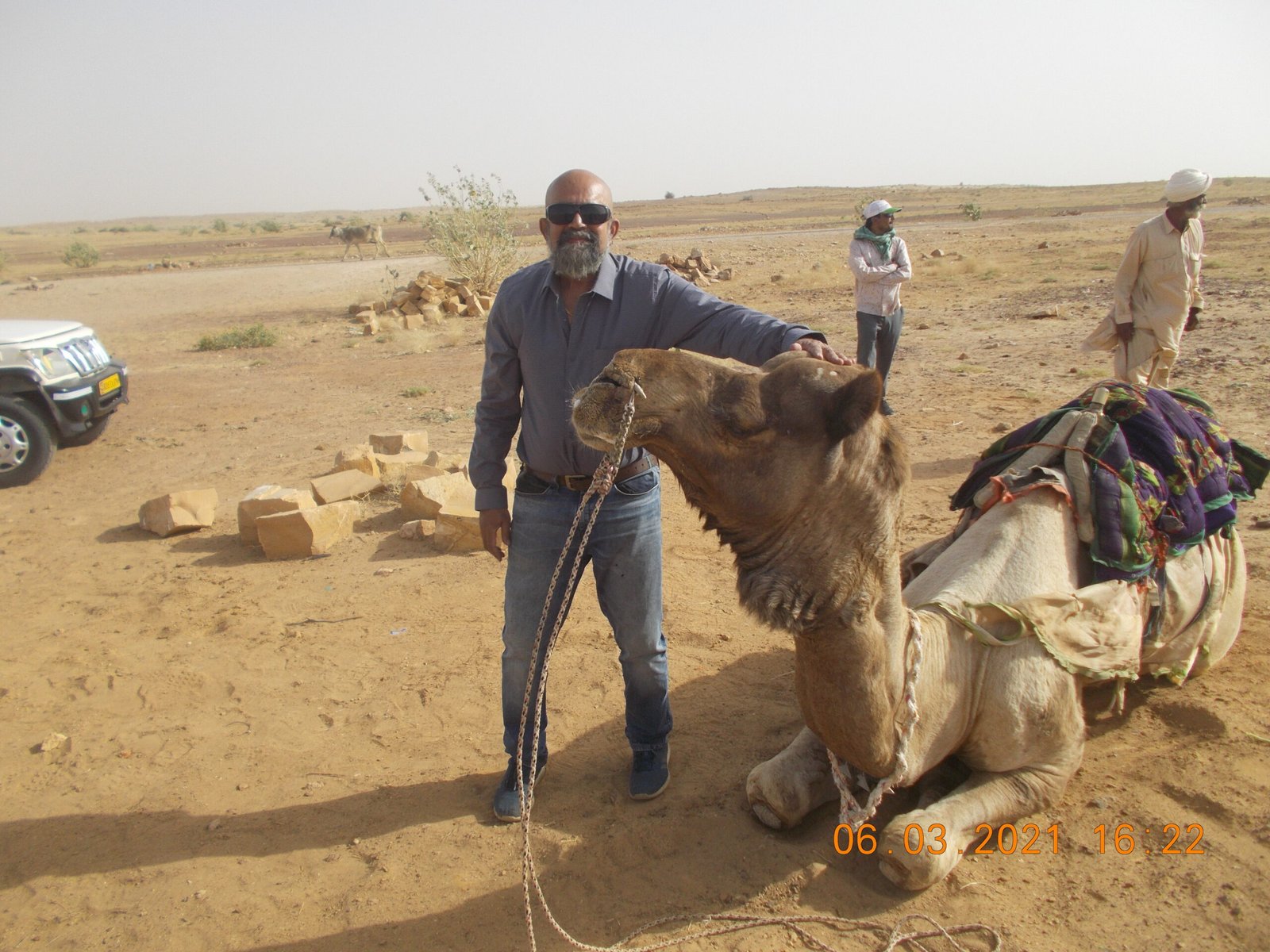 Jaisalmer Itinerary: 2-3 Day Desert Trip Plan (2026)
Photos sourced from Wikimedia Commons under their respective Creative Commons licences. Travel details are indicative for 2026; confirm timings, fares and opening hours before you travel.