Auli Travel Guide 2026 — Skiing, Nanda Devi Views, Best Time & 2-Day Plan
Last updated: July 8, 2026
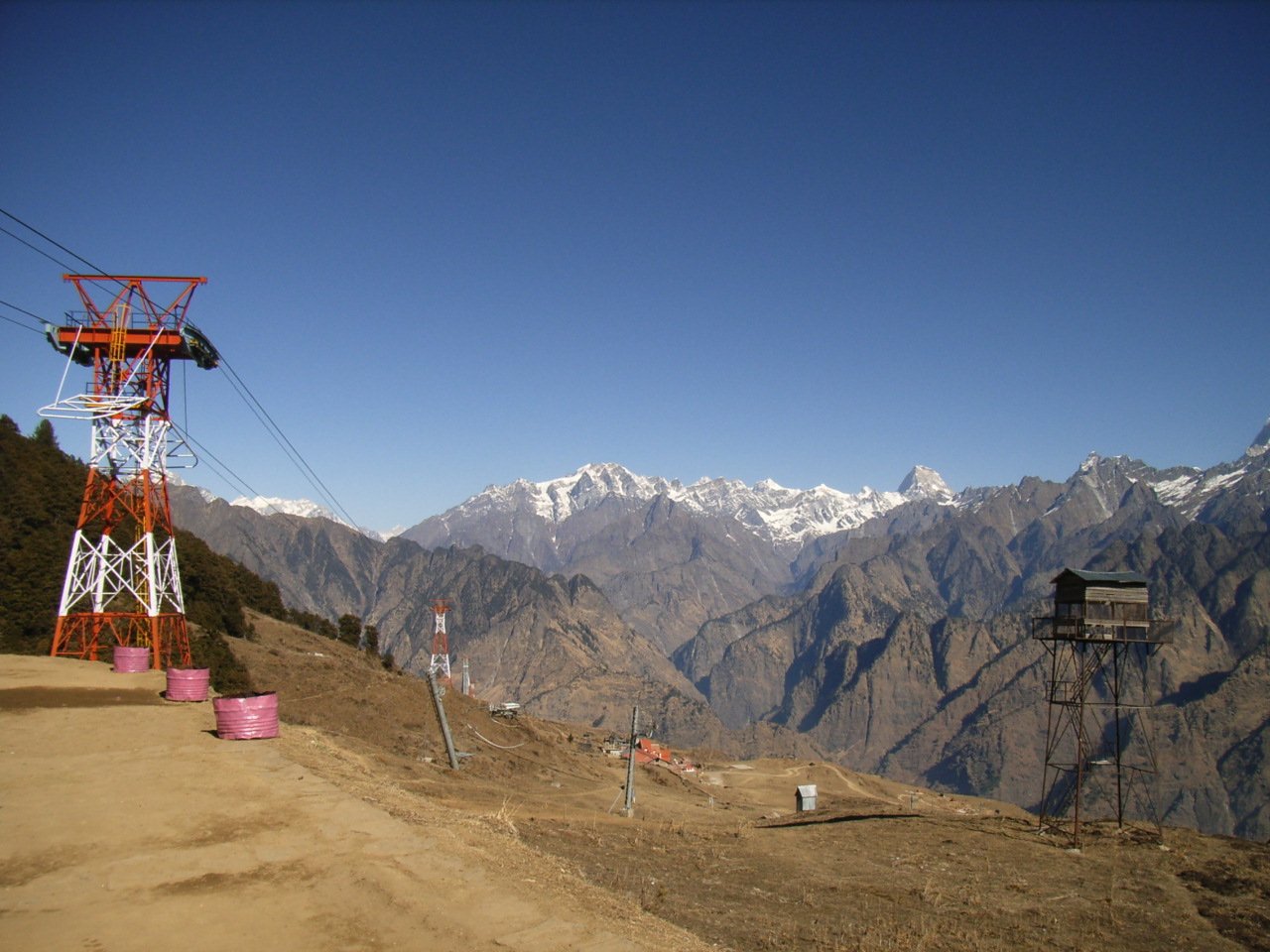
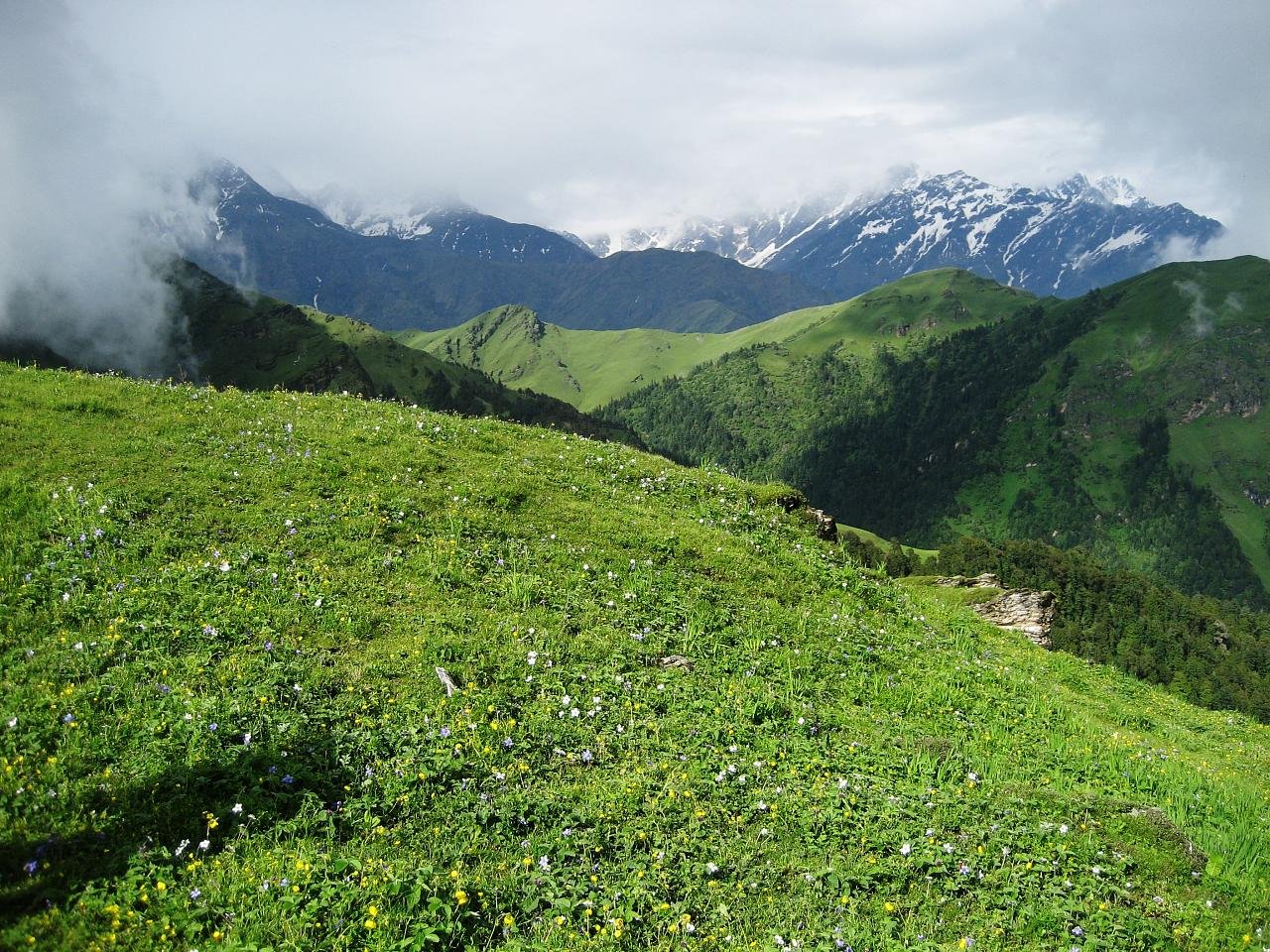
Auli is India’s most scenic ski resort and a year-round alpine escape, perched between 2,500 and 3,050 metres on a forested ridge in Uttarakhand’s Chamoli district. In winter its smooth, oak-fringed slopes draw skiers and snowboarders; in the warmer months the same meadows turn emerald green, framed by some of the grandest mountain views in the country — Nanda Devi, India’s second-highest peak, and the pyramid of Trishul rising on the horizon. Reached by a thrilling cable car from Joshimath, Auli feels remote and dramatic, yet is accessible enough for a long-weekend adventure.
This 2026 guide for Indian travellers covers how to reach Auli, the best time to go for snow or meadows, what it costs, where to stay and eat, and how to plan a memorable two-to-three day Himalayan trip.
- Getting there: Fly to Dehradun or train to Haridwar/Rishikesh, then a long, scenic 9–10 hour drive to Joshimath, and up to Auli by ropeway or road.
- Best time: January–March for skiing and snow; April–June and September–November for green meadows and clear peak views.
- Budget: ₹3,000–7,000 per day, with ski lessons and gear hire as extras.
- Don’t miss: The Auli ropeway, skiing or the Gurso Bugyal meadow trek, and Nanda Devi views at sunrise.
Part 1 of 8
Why Auli belongs on your list
Auli offers a rare combination in India: genuine ski slopes in winter, flower-strewn high meadows in summer, and front-row Himalayan views all year. The setting is the star — wide, gentle runs and rolling bugyals (alpine grasslands) open directly onto a wall of snow peaks, with the sacred Nanda Devi dominating the skyline. Add one of Asia’s longest cable-car rides to reach it, and Auli becomes as much about the journey as the destination.
Skiing
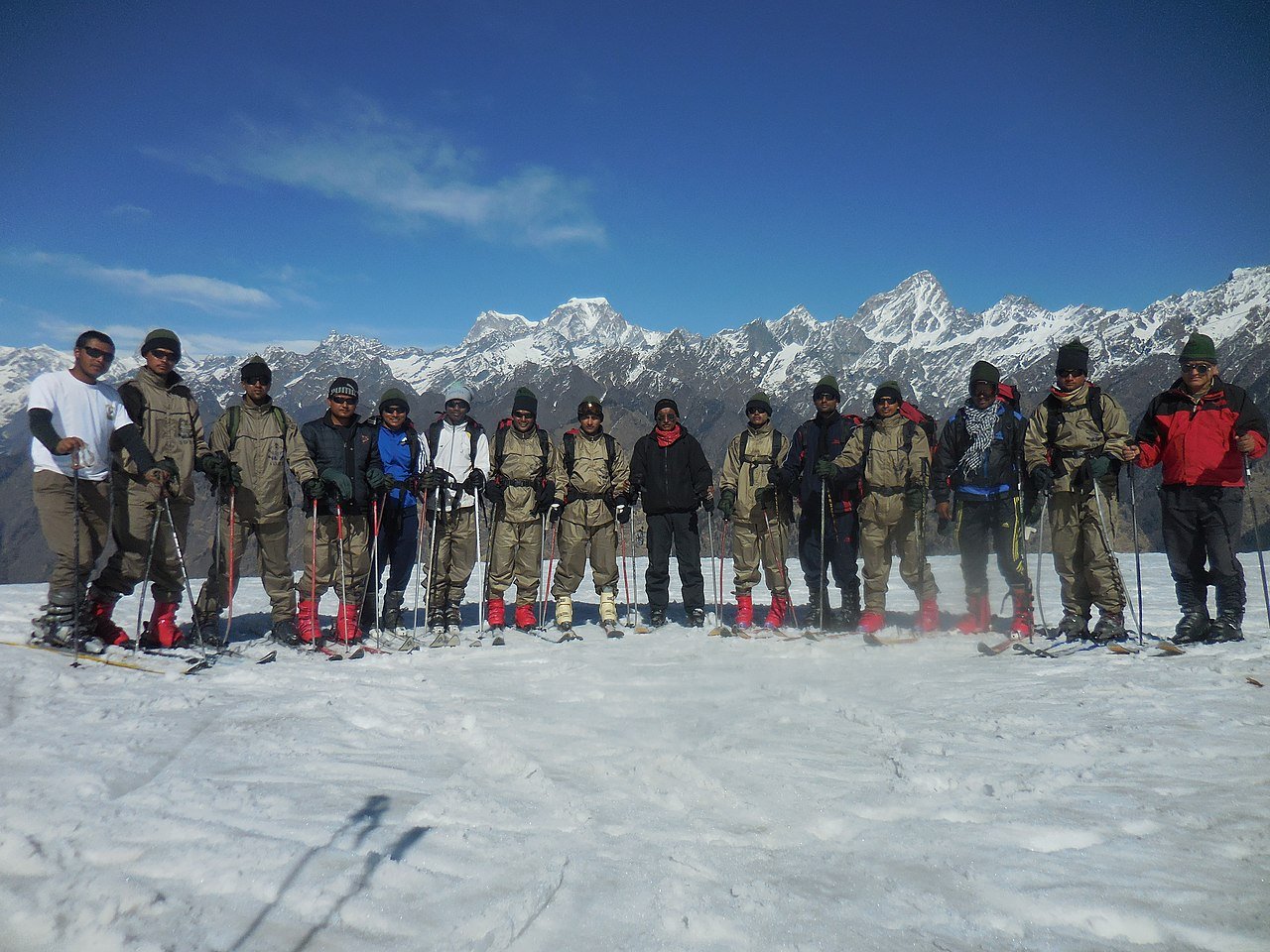
India’s premier ski slopes, with beginner-friendly runs and lessons in winter.
Auli ropeway
A spectacular cable-car climb from Joshimath, among the highest in Asia.
Nanda Devi views
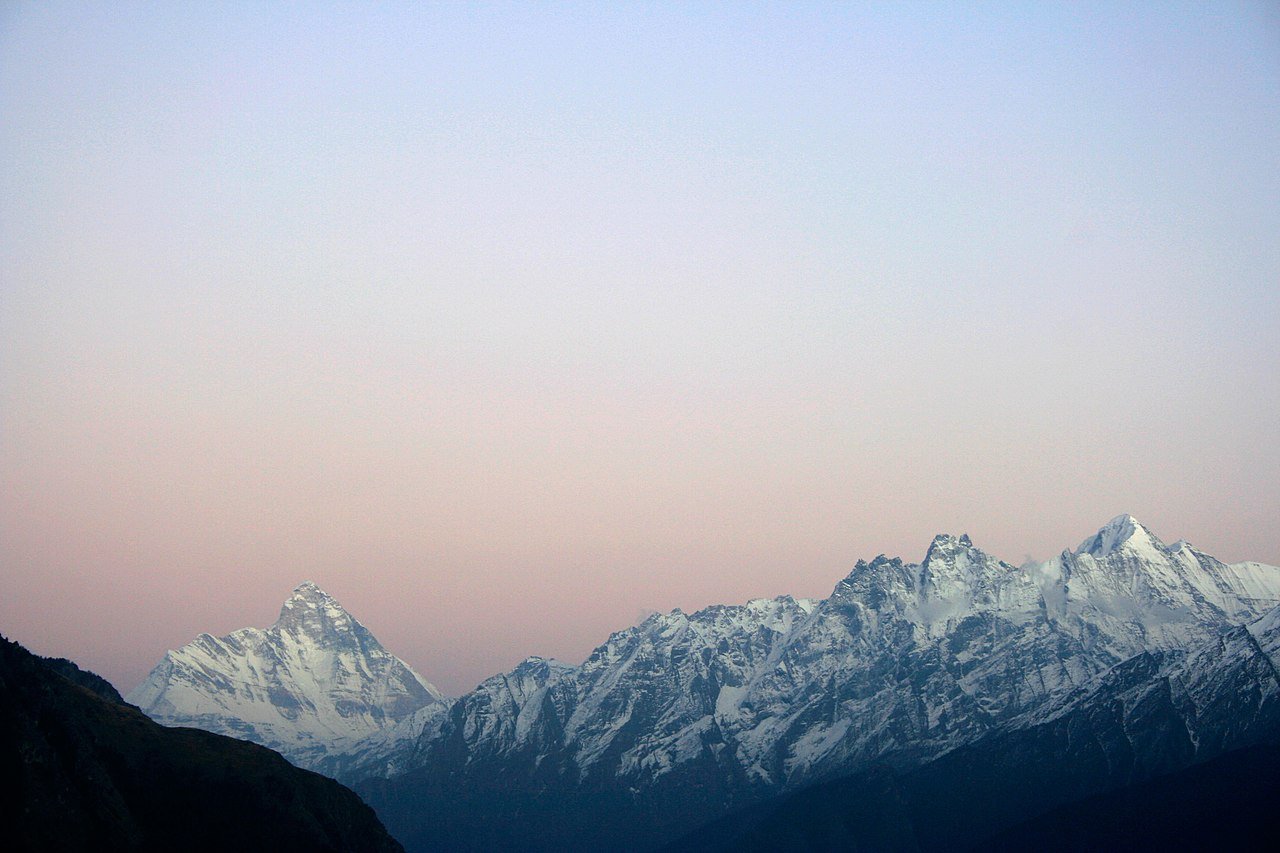
Unobstructed vistas of India’s second-highest peak and the Trishul massif.
Gurso Bugyal
A short, rewarding trek to high meadows above the resort.
Chenab Lake
A serene high-altitude lake reached on a longer trek from Auli.
Joshimath gateway
A base town that also opens routes to Badrinath and the Valley of Flowers.
Whether you come to learn to ski, trek the meadows or simply soak up the views, Auli delivers a big-mountain experience that is hard to match elsewhere in India.
Auli is where India learns to ski — wide white slopes by day, a sky full of snow peaks at dawn, and a cable car to carry you between them.
Part 2 of 8
Getting to Auli and getting around
Auli is deep in the Garhwal Himalaya, so reaching it involves a long but stunning mountain drive followed by the final ascent from Joshimath.
By air: Dehradun’s Jolly Grant Airport is the nearest, around 280–290 km away, followed by a 9–10 hour drive via Rishikesh, Devprayag and Joshimath.
By train: Haridwar and Rishikesh are the nearest major railheads, roughly 270 km away and well connected to Delhi, from where you continue by road.
By road: The classic route runs along the Alaknanda river through Devprayag and Chamoli to Joshimath. From Joshimath, you reach Auli either by the ropeway or by a winding 14 km mountain road.
Pro tip
Break the long journey from the plains with an overnight stop, such as at Rudraprayag or Chamoli. Arriving fresh and acclimatising gradually makes the high altitude of Auli far more comfortable.
Getting around: The ropeway and a chairlift connect the main levels of the resort, while taxis run the Joshimath–Auli road. Within Auli, most movement is on foot or by the lift system.
Part 3 of 8
Best time to visit Auli
Auli is genuinely a two-season destination, offering completely different experiences in winter and summer, so time your trip to match what you want to do.
| Season | Months | What to expect |
|---|---|---|
| Winter | Jan–Mar | Snow-covered slopes for skiing and snowboarding. Cold and magical; the prime ski window. |
| Spring/summer | Apr–Jun | Green meadows, wildflowers and pleasant days — ideal for trekking and views. |
| Monsoon | Jul–Aug | Heavy rain and landslide risk on the approach roads; generally best avoided. |
| Autumn | Sep–Nov | Crisp, clear air and superb peak visibility, with fewer crowds. |
Come in January to March if skiing is your goal, though note that snowfall varies year to year. For meadows, treks and the clearest Nanda Devi views without the cold, the spring and autumn windows are ideal. Avoid the peak monsoon, when the mountain roads are at their most hazardous.
Part 4 of 8
Costs and budgeting for Indians
Auli sits a little higher on the cost scale than many Indian hill stations, partly because of its remoteness and the ski activities. Here is a realistic per-person, per-day guide for 2026.
| Style | Daily budget | What it covers |
|---|---|---|
| Backpacker | ₹2,000–3,000 | Budget stay in Joshimath, shared transport, ropeway and a meadow trek. |
| Mid-range | ₹3,500–7,000 | Resort or homestay in Auli, ski lessons and gear hire, meals and the ropeway. |
| Premium | ₹10,000+ | Premium resort with peak views, private transport, guided skiing or trekking and fine dining. |
The biggest variables are accommodation and skiing. Ski packages with equipment hire and instruction are sold locally, and the ropeway has its own fare. Staying up in Auli costs more than basing yourself in Joshimath, but the sunrise views over Nanda Devi are worth it for many travellers.
Good to know
Carry cash. ATMs are limited to Joshimath and connectivity is patchy up in Auli, so digital payments cannot be relied on for gear hire, lessons or smaller stays.
Part 5 of 8
Where to stay, what to eat and top experiences
Where to stay: For the full mountain experience, stay in one of Auli’s resorts or homestays with direct views of the snow peaks. For more choice and lower prices, base yourself in Joshimath and ride up to Auli each day. Book ahead in the winter ski season, when good rooms fill quickly.
What to eat: Expect simple, warming Garhwali and North Indian food — dal, rajma, local mountain vegetables, parathas and plenty of hot chai and Maggi at the slope-side stalls. Resorts offer fuller menus, but the homely local fare suits the cold mountain air best.
Learn to ski
Take a beginner lesson on Auli’s gentle, well-suited slopes in winter.
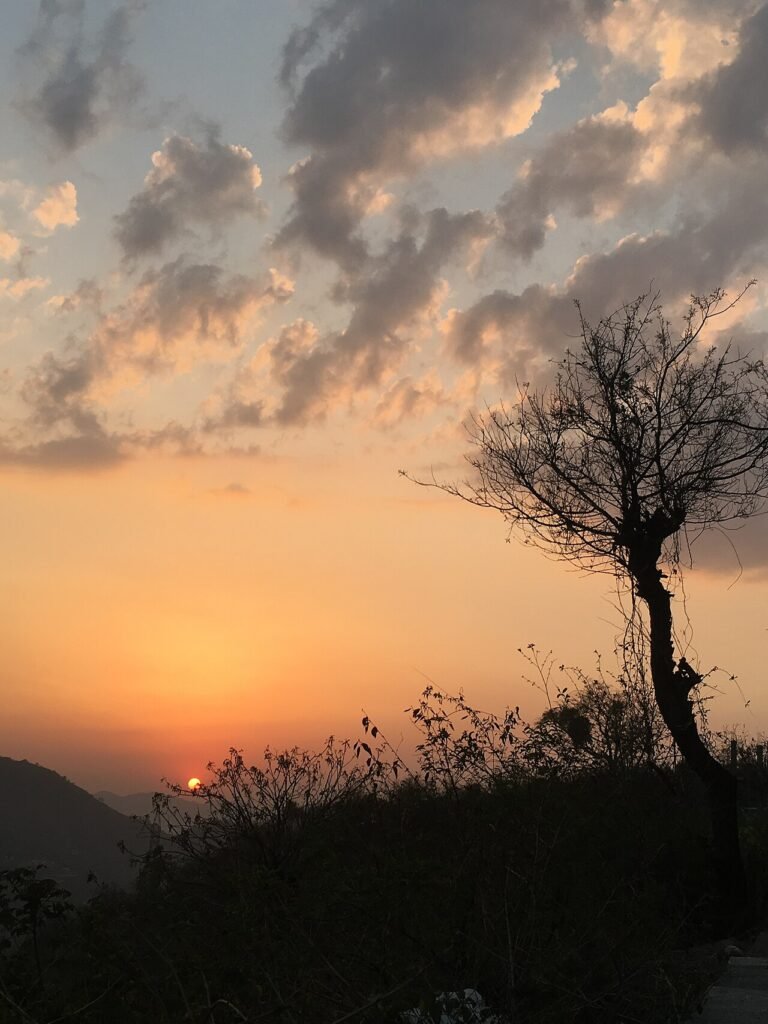
Sunrise on Nanda Devi
Catch first light striking India’s second-highest peak from the resort.
Trek Gurso Bugyal
Hike up through oak and conifer to flower-filled high meadows.
Ride the ropeway
Take the cable car between Joshimath and Auli for sweeping valley views.
With more time, trek further to Chenab Lake, or use Joshimath as a base to explore Badrinath and, in season, the famous Valley of Flowers and Hemkund Sahib.
Part 6 of 8
A 3-day Auli itinerary
This plan eases you up to altitude and balances activity with the area’s grand scenery.
Day 1 — Arrive and acclimatise: After the long drive, settle into Joshimath or Auli, take the ropeway up if you arrive in time, and enjoy an easy evening to adjust to the altitude.
Day 2 — Slopes or meadows: In winter, spend the day skiing with a lesson; in the warmer months, trek up to Gurso Bugyal for meadows and peak views. Return for a relaxed evening and a Nanda Devi sunset.
Day 3 — Lake or onward gateway: Take a longer trek towards Chenab Lake, or use the day to visit Joshimath’s temples and, in season, head towards Badrinath before beginning your journey back.
Pro tip
Snow conditions vary from year to year, so if skiing is your main goal, check recent snowfall reports before booking and keep your plans flexible. Even in low-snow winters, the ropeway and the views remain spectacular.
Part 7 of 8
Practical tips for Indian travellers
A few mountain-specific considerations will make your Auli trip safer and more enjoyable, especially given the altitude and the long approach.
Acclimatise
Ascend gradually, rest on arrival and stay hydrated to avoid altitude sickness.
Warm gear
Pack serious winter layers, gloves and sunglasses; snow glare is strong.
Check the roads
Confirm current road and weather conditions before travelling, especially after rain.
Carry cash
ATMs are limited to Joshimath and connectivity is weak higher up.
Altitude is the main health consideration: Auli is high, so build in an acclimatisation day, avoid overexertion on arrival, and descend if you develop severe headaches or breathlessness. For skiing, always use rented gear that fits, take at least a basic lesson if you are new, and follow your instructor’s guidance on the slopes. It is also worth checking the latest local advisories for the Joshimath area before you travel, as mountain road and ground conditions can change.
Auli pairs naturally with the wider Garhwal Himalaya. Joshimath is the gateway to Badrinath, one of the Char Dham shrines, and, in the summer season, to the spectacular Valley of Flowers and Hemkund Sahib treks. Building one of these into your route turns an Auli getaway into a fuller Uttarakhand mountain pilgrimage and adventure.
Part 8 of 8
Frequently asked questions
How many days do I need for Auli?
Two to three days are ideal — one to travel up and acclimatise, one for skiing or a meadow trek, and an optional third for Chenab Lake or a Joshimath and Badrinath excursion. Factor in the long drive from the plains at each end.
How do I reach Auli?
Fly to Dehradun or take a train to Haridwar or Rishikesh, then drive 9–10 hours to Joshimath via Devprayag and Chamoli. From Joshimath you reach Auli by the ropeway or a 14 km mountain road.
Is there always snow for skiing in Auli?
Skiing is best from January to March, but snowfall varies from year to year. Check recent snow reports before booking if skiing is your priority, and keep plans flexible — the ropeway and views remain superb even in lean snow years.
Can beginners ski in Auli?
Yes. Auli’s slopes are well suited to beginners, with lessons and equipment hire available locally. Take at least a basic lesson, use properly fitted gear, and follow your instructor on the runs.
Is Auli suitable for non-skiers and families?
Absolutely. The ropeway, the meadows, the Nanda Devi views and gentle treks make Auli rewarding even without skiing, and families enjoy the cable car and snow play in winter.
What should I know about altitude in Auli?
Auli is high, between roughly 2,500 and 3,050 metres, so acclimatise gradually, rest on arrival, stay hydrated and watch for altitude sickness. Descend and seek help if symptoms become severe.
When can I see the Valley of Flowers from here?
The Valley of Flowers and Hemkund Sahib treks, accessed via Joshimath and Govindghat, are typically open in the summer-monsoon season from around June to September, making them a possible add-on to a warm-weather Auli trip.
What can I combine with an Auli trip?
Auli pairs well with Joshimath’s temples, the Badrinath shrine, and, in season, the Valley of Flowers and Hemkund Sahib, allowing you to build a richer Garhwal Himalaya itinerary.
The bottom line
Auli is the closest India comes to a true alpine ski resort, and it doubles as a magnificent meadow-and-mountain escape the rest of the year. Plan around snow for skiing or around clear skies for trekking and views, allow time for the long drive and the altitude, pack proper warm gear, and check conditions before you set off. Do that, and this high Garhwal ridge will reward you with skiing, meadows and Nanda Devi sunrises that rank among the finest mountain experiences in the country.
Related reading
 Kedarnath Badrinath Itinerary: 6-Day Do Dham Yatra (2026)
 Char Dham Yatra Itinerary 2026 — Yamunotri, Gangotri, Kedarnath & Badrinath
 Adventure Travel in India: Activities & How to Plan Safely
Photos sourced from Wikimedia Commons under their respective Creative Commons licences. Travel details, snow conditions and road status are indicative for 2026; check current local advisories before you travel.