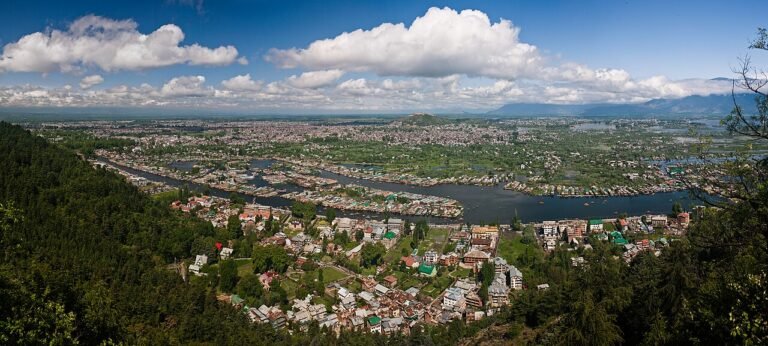
Kerala 6-Day Itinerary 2026 — Munnar, Alleppey Backwaters & Kochi
Last updated: July 8, 2026
Kerala, “God’s Own Country”, strings together some of India’s most beautiful and varied experiences — and six days is the perfect length to sample them. This classic route takes you from the colonial port of Kochi up into the misty tea hills of Munnar, across to the spice plantations and wildlife of Thekkady, and down to the serene backwaters of Alleppey for a night on a houseboat, with an optional finish on the southern beaches. It is relaxed, scenic and richly cultural, and a wonderfully easy trip to plan.
This 2026 itinerary guide for Indian travellers covers how to get there, the best time to go, what it costs, a day-by-day plan, where to stay and eat, and the practical tips for a smooth Kerala journey.
- Getting there: Fly into Kochi (COK) and out of Kochi or Trivandrum; trains and cars link the stops along the route.
- Best time: September to March for the greenest, most comfortable weather.
- Budget: ₹3,000–7,000 per day, including a houseboat night and a car for the route.
- Don’t miss: Fort Kochi, Munnar’s tea hills, a Thekkady spice-and-wildlife day and an Alleppey houseboat.
Part 1 of 8
Why this Kerala route works so well
The beauty of this itinerary is its variety — port-town heritage, hill-station tea country, jungle wildlife and tranquil backwaters, all within a few hours of each other and on a logical loop. You get culture, nature and pure relaxation in one trip, capped by the unforgettable experience of drifting through the backwaters on a houseboat. It suits couples, families and first-timers alike.
Backwaters
An overnight houseboat through the palm-fringed canals of Alleppey.
Munnar tea hills
Rolling tea gardens, misty viewpoints and cool mountain air.
Thekkady
Spice plantations and a Periyar wildlife boat safari.
Fort Kochi
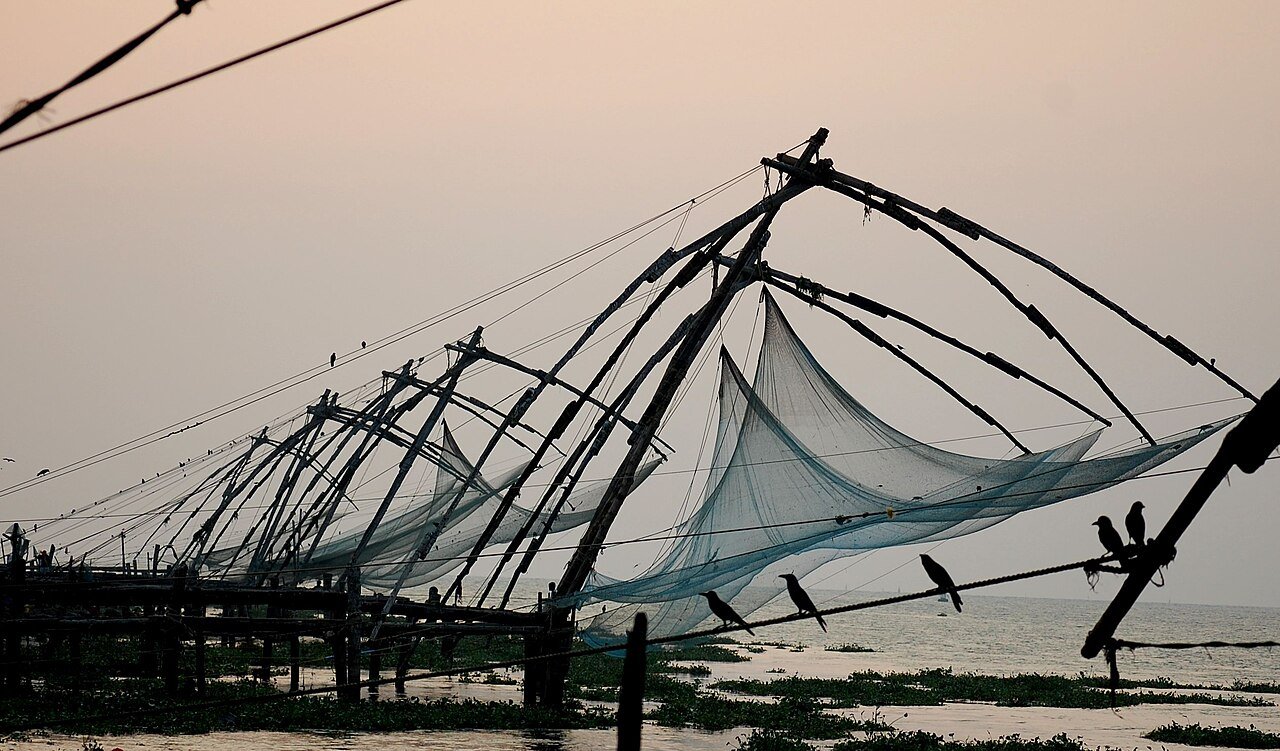
Chinese fishing nets, colonial streets and a Kathakali show.
Spices & Ayurveda
Plantation tours and rejuvenating Ayurvedic treatments.
Beaches
An optional southern finish at Kovalam or clifftop Varkala.
Whether you want heritage, hills, wildlife or backwater calm, this six-day Kerala route delivers the state’s greatest hits in one smooth, scenic journey.
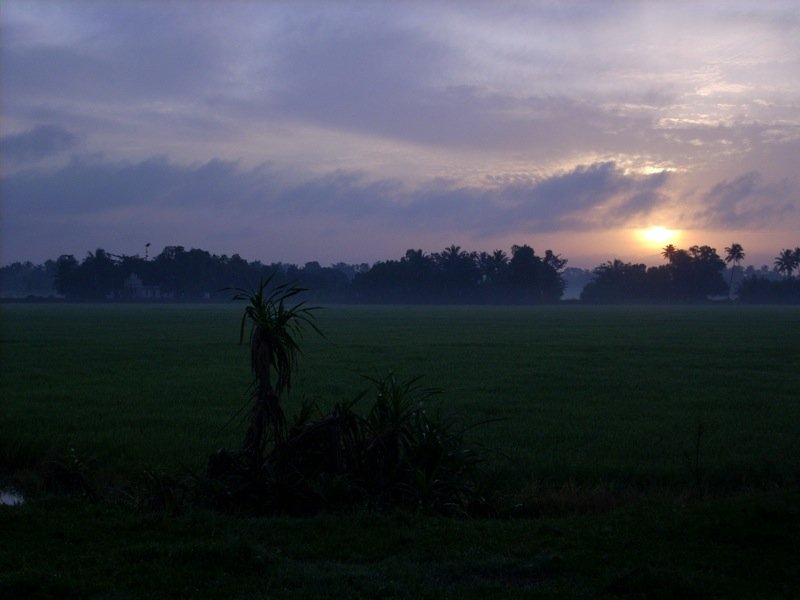
Kerala in six days — tea hills, spice jungles and a houseboat sunset on the backwaters, with Fort Kochi’s charm to begin it all.
Part 2 of 8
Getting there and the route
Kerala is easy to reach and navigate, with this route running south from Kochi through the hills and back to the backwaters.
By air: Cochin International Airport (COK) is the main gateway, well connected across India and the Gulf. You can fly out of Kochi or, if you add the southern beaches, Trivandrum (TRV).
By train and road: Kerala has excellent rail links along the coast, but this hill-and-backwater loop is best done by a hired car with a driver, which handles the ghat roads to Munnar and the transfers between stops comfortably.
Pro tip
Hire a car with a driver for the whole route — it is affordable and saves juggling buses and trains on the winding hill roads, leaving you free to enjoy the scenery between Kochi, Munnar, Thekkady and Alleppey.
Getting around: A private car links the main stops, while within each place autos and walking suffice. The backwater leg is by houseboat, and Periyar is explored by boat and on foot.
Part 3 of 8
Best time for this trip
Kerala is tropical and lush, so the cooler, drier post-monsoon and winter months are the most comfortable for this route.
| Season | Months | What to expect |
|---|---|---|
| Post-monsoon | Sep–Nov | Lush, green and fresh after the rains — a beautiful time across the route. |
| Winter | Dec–Feb | Cool, dry and ideal for hills, backwaters and beaches. Peak season. |
| Spring | Mar | Warm but still pleasant, with fewer crowds before the heat builds. |
| Monsoon | Jun–Aug | Heavy rain and dramatic greenery; atmospheric but wet, and good for Ayurveda. |
For the best mix of greenery and comfortable weather, come between September and March. The monsoon turns Kerala wonderfully lush and is traditionally the season for Ayurvedic treatments, but heavy rain can disrupt hill and backwater plans, so most travellers prefer the drier months.
Part 4 of 8
Costs and budgeting for Indians
Kerala suits a range of budgets, with the houseboat and hill stays being the signature spends. Here is a realistic per-person, per-day guide for 2026, excluding flights.
| Style | Daily budget | What it covers |
|---|---|---|
| Backpacker | ₹1,800–3,000 | Homestays and guesthouses, buses and shared transport, a shared houseboat or day cruise. |
| Mid-range | ₹3,500–7,000 | Comfortable hotels and a private houseboat night, a car with driver, good meals. |
| Premium | ₹10,000+ | Boutique resorts, a deluxe houseboat, private guide and Ayurvedic experiences. |
The biggest variables are the houseboat (private boats cost more than shared cruises), the hired car, and your accommodation. Plantation homestays and home-cooked Kerala meals offer great value. Cards and UPI work in towns and resorts, but carry some cash for smaller eateries and the backwater villages.
Good to know
Book your Alleppey houseboat and the Periyar boat safari in advance during peak season. Choose a reputable, well-reviewed houseboat operator, as quality and cleanliness vary widely.

Part 5 of 8
The 6-day Kerala itinerary
This loop flows from Kochi up to the hills and back down to the backwaters.
Day 1 — Fort Kochi: Arrive and explore the Chinese fishing nets, colonial streets, Mattancherry and Jew Town, ending with an evening Kathakali performance.
Days 2–3 — Munnar: Drive up to the tea hills for tea gardens, Eravikulam National Park, Mattupetty and viewpoints, with a tea-estate stay.
Day 4 — Thekkady: Continue to Thekkady for a spice-plantation tour and a Periyar wildlife boat safari.
Day 5 — Alleppey backwaters: Drive to Alleppey and board an overnight houseboat through the palm-lined canals and lagoons.
Day 6 — Return or beaches: Disembark and return to Kochi for departure, or continue south to Kovalam or Varkala for a beach finish.
Extend your trip: Add the southern beaches, the Kumarakom bird sanctuary, or Wayanad’s wildlife and waterfalls for a longer Kerala journey.
Pro tip
Schedule the houseboat for the second half of the trip as a relaxing finale, and aim to board by early afternoon so you can enjoy the cruising and sunset before the boat moors for the night.
Part 6 of 8
Where to stay, what to eat and experiences
Where to stay: Choose a heritage homestay in Fort Kochi, a tea-estate stay or resort in Munnar, a spice-plantation or jungle lodge in Thekkady, and an overnight houseboat (plus an optional resort) in Alleppey. This mix captures the character of each stop.
What to eat: Kerala’s cuisine is a highlight — appam with stew, Malabar biryani, fresh seafood, the traditional sadya banana-leaf feast, and plenty of coconut and spice. Don’t miss filter coffee in the hills and fresh fish on the backwaters and coast.
Houseboat night
Cruise and overnight on the Alleppey backwaters.
Tea estate walk
Stroll Munnar’s gardens and tour a tea factory.
Periyar safari
Spot wildlife on a Thekkady lake boat ride.
Kathakali show
Watch Kerala’s vivid classical dance-drama in Kochi.
For more, add an Ayurvedic massage, a spice-plantation lunch, a Kumarakom bird-sanctuary visit, or a sunset on a southern beach to round out the trip.
Part 7 of 8
Practical tips for Indian travellers
A few practical notes help this Kerala route run smoothly and comfortably.
Hire a driver
A car with driver handles the ghat roads and transfers with ease.
Book ahead
Reserve the houseboat and Periyar safari in peak season.
Pack for humidity
Light, breathable clothes plus a layer for cool Munnar evenings.
Carry some cash
UPI works in towns; backwater villages and small eateries prefer notes.
Kerala is one of India’s most relaxed and traveller-friendly states, well suited to families, couples and solo travellers, including women, with the usual sensible precautions. Choose a reputable houseboat operator and confirm what is included, pack for both tropical humidity and cooler hill evenings, and respect the calm of the backwater communities you pass through. The pace is gentle by design, so resist over-packing the days.
This route also extends naturally. You can add the southern beaches of Kovalam and Varkala, the bird sanctuary and backwaters of Kumarakom, or the wildlife and tea of Wayanad to the north. Building one of these into your itinerary turns the classic six-day loop into a fuller exploration of God’s Own Country.
Part 8 of 8
Frequently asked questions
Is 6 days enough for Kerala?
Yes, six days comfortably covers the classic loop — Fort Kochi, Munnar, Thekkady and an Alleppey houseboat — at a relaxed pace. Add a day or two if you want to include the southern beaches, Kumarakom or Wayanad.
How do I get around on this Kerala route?
The easiest way is a hired car with a driver, which handles the ghat roads to Munnar and the transfers between stops affordably. Trains serve the coast well, but the hill-and-backwater loop is smoothest by private car.
When is the best time to visit Kerala?
September to March offers the greenest, most comfortable weather for the hills, backwaters and beaches, with winter the peak season. The monsoon is lush and good for Ayurveda but wet, and can disrupt hill and backwater plans.
How do I choose a good Alleppey houseboat?
Book in advance during peak season and choose a reputable, well-reviewed operator, as quality and cleanliness vary widely. Decide between a shared day cruise and a private overnight boat, and confirm exactly what meals and inclusions you get.
Is this Kerala trip good for families and couples?
Very much so. Couples love the tea-estate stays and romantic houseboat, while families enjoy the wildlife safari, tea gardens and backwater cruising. The gentle pace and short distances suit all ages.
What food should I try in Kerala?
Don’t miss appam with stew, Malabar biryani, the traditional sadya banana-leaf feast, fresh seafood and plenty of coconut-rich curries, all rounded off with strong filter coffee in the hills.
Should I add the beaches to this itinerary?
If you have an extra day or two, yes. Ending at Kovalam or clifftop Varkala in the south adds a relaxing beach finish, and you can conveniently fly out of Trivandrum rather than returning to Kochi.
What can I combine with this Kerala route?
You can extend to the southern beaches, the Kumarakom bird sanctuary and backwaters, or Wayanad’s wildlife and waterfalls to the north, turning the six-day loop into a fuller Kerala journey.
Can I do this Kerala trip without a houseboat overnight?
Yes. If you prefer, you can take a shorter day cruise on the Alleppey or Kumarakom backwaters instead of an overnight houseboat, and stay in a lakeside resort. The overnight boat is the iconic experience, but a day cruise still captures the magic of the backwaters at lower cost.
Is Munnar or Wayanad better to include in a Kerala trip?
Both are lovely hill regions. Munnar fits this classic Kochi–Thekkady–Alleppey loop most naturally and is famous for its tea gardens, while Wayanad lies further north and suits a different route focused on wildlife and waterfalls. For this six-day itinerary, Munnar is the easier and more logical choice.
Is Kerala a good destination for first-time travellers?
Excellent. Kerala is safe, well-organised and tourist-friendly, with English widely spoken, good roads and a relaxed pace. The variety of hills, wildlife, backwaters and beaches in a compact area makes it one of the easiest and most rewarding introductions to India.
The bottom line
This six-day Kerala itinerary captures the very best of God’s Own Country — Fort Kochi’s heritage, Munnar’s tea hills, Thekkady’s spices and wildlife, and a magical houseboat night on the Alleppey backwaters. Come in the cooler, greener months, hire a driver for the route, book your houseboat and safari ahead, and leave room to simply slow down. Do that, and Kerala will reward you with one of the most relaxing and rewarding journeys in all of India. Let the route slow you down — a misty tea morning, a spice-scented jungle, a sunset from the deck of a houseboat — and you will see exactly why Kerala earns its “God’s Own Country” name.
Related reading
 Gokarna Itinerary: 2-3 Day Beach Trip Plan (2026)
 Jaisalmer Itinerary: 2-3 Day Desert Trip Plan (2026)
 Pondicherry Itinerary: 2-3 Day French Riviera Plan (2026)
Photos sourced from Wikimedia Commons under their respective Creative Commons licences. Travel details are indicative for 2026; confirm timings, houseboat operators and prices locally before you travel.