Andaman Islands Travel Guide 2026 — Beaches, Best Time, Permits & Itinerary
Last updated: July 8, 2026
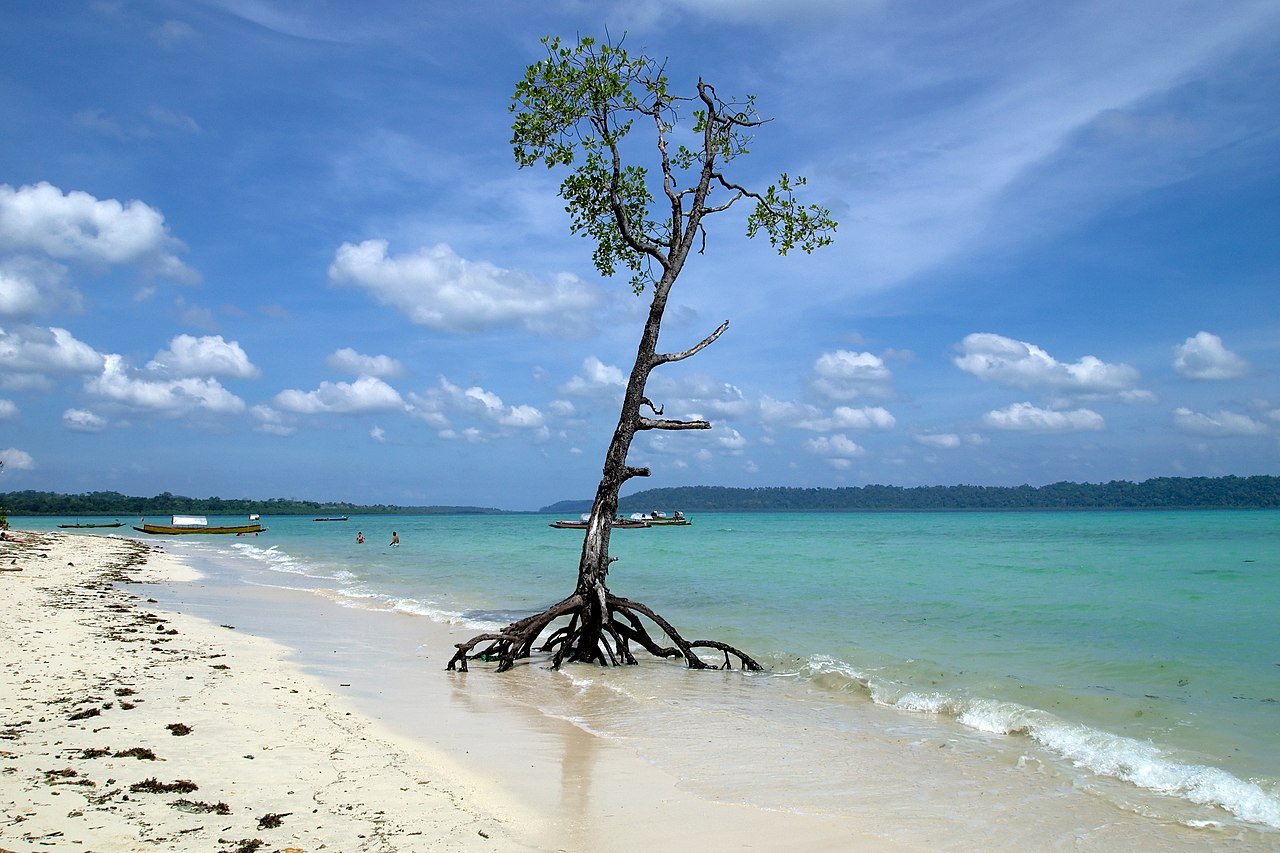
The Andaman Islands are India’s tropical paradise — a remote archipelago in the Bay of Bengal where powder-white beaches meet turquoise water, coral reefs teem with life, and emerald rainforest rolls down to the sea. Radhanagar Beach on Havelock is regularly rated among Asia’s finest, the diving and snorkelling are world-class, and the poignant colonial history of the Cellular Jail adds depth to the sun and sand. Best of all for Indian travellers, no visa or special permit is needed, making the Andamans one of the country’s most rewarding island escapes.
This 2026 guide for Indian travellers covers how to reach the Andamans, the best time to go, what it costs, where to stay and eat, and how to plan an island-hopping trip across Port Blair, Havelock and Neil.
- Getting there: Fly to Port Blair (IXZ) from Chennai, Kolkata, Delhi or Bengaluru; ferries link the islands.
- Best time: October to May, with November to April the prime dry season; the monsoon brings rough seas.
- Budget: ₹3,000–8,000 per day, with diving and ferries as add-ons.
- Don’t miss: Radhanagar Beach, scuba or snorkelling at Havelock, the Cellular Jail and Neil Island.
Part 1 of 8
Why the Andamans belong on your list
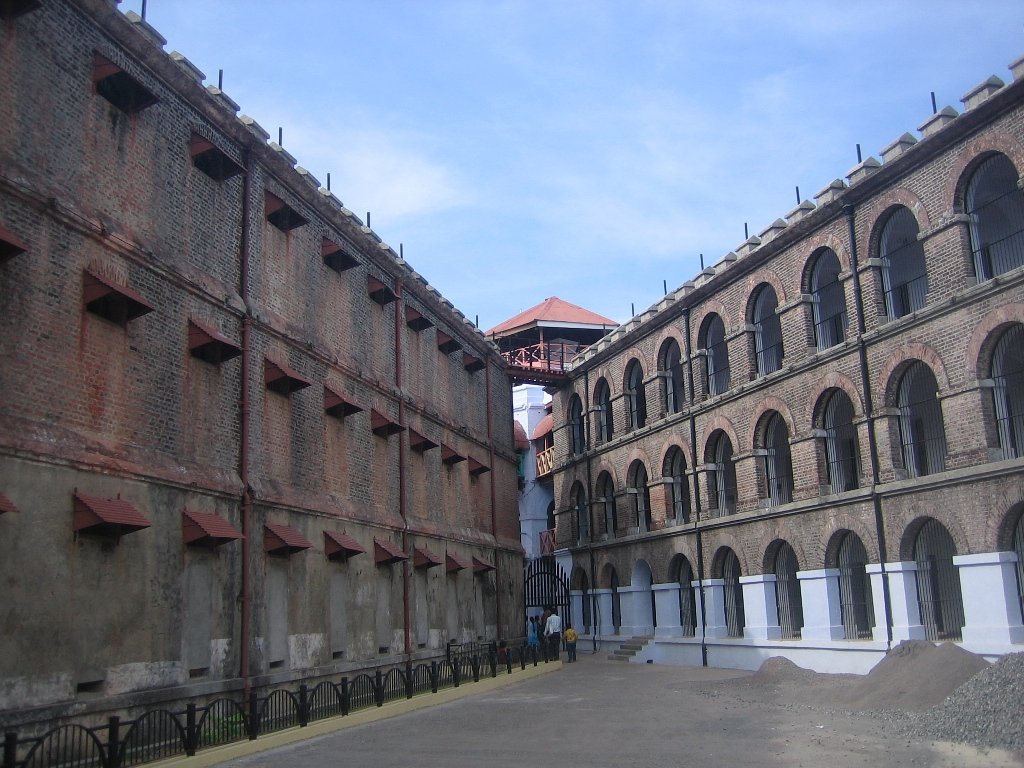
The Andamans deliver the kind of beaches Indians usually fly abroad for — without leaving the country or needing a visa. Beyond the headline sands, you can dive or snorkel over vivid coral, kayak through mangroves, watch a moving light-and-sound show at the Cellular Jail, and slow right down on quiet Neil Island. It is remote, beautiful and refreshingly uncrowded compared with mainland beach destinations.
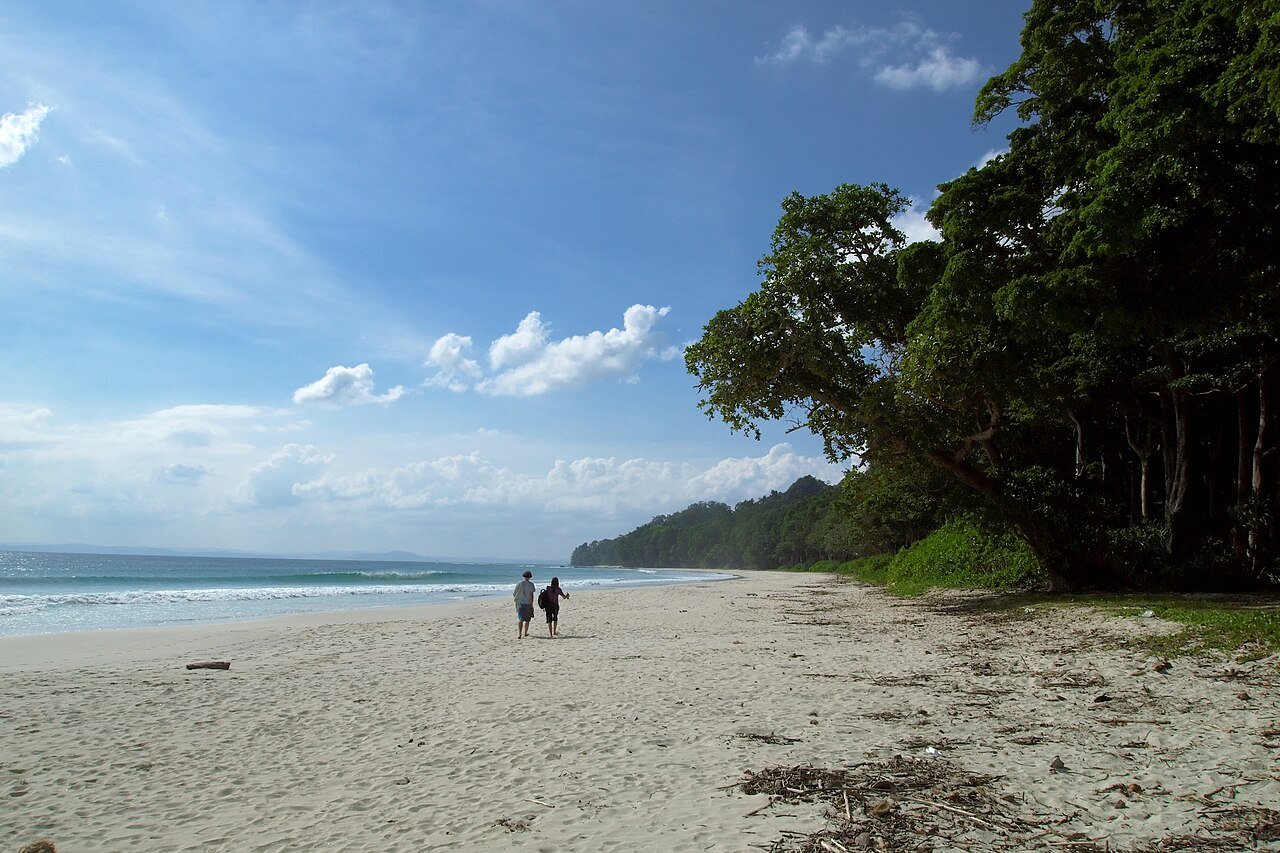
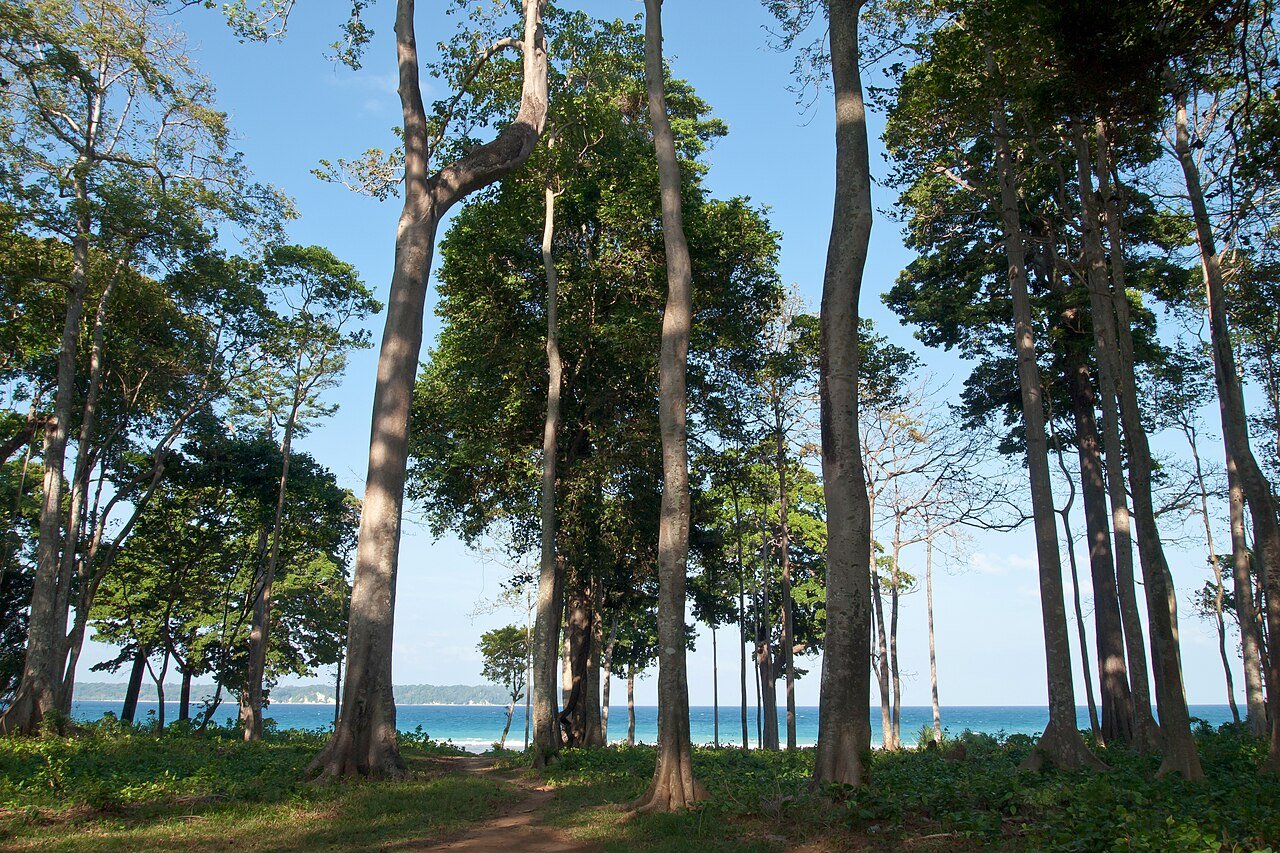
Radhanagar Beach
Havelock’s famous white-sand beach, among Asia’s most beautiful.
Diving & snorkelling
World-class coral reefs and beginner-friendly dive sites.
Cellular Jail
The poignant colonial-era prison and its evening light-and-sound show.
Neil Island
Quiet beaches, a natural bridge and laid-back island calm.
Baratang
Limestone caves and a mud volcano reached through mangrove creeks.
Water sports
Glass-bottom boats, sea-walking and jet-skis at North Bay.
Whether you want beaches, diving, history or quiet island time, the Andamans offer a genuine tropical getaway that suits couples, families and adventure-seekers alike.
The Andamans are the beaches you thought needed a passport — white sand, coral seas and rainforest, all visa-free and unmistakably India.
Part 2 of 8
Getting to the Andamans and getting around
The islands are reached by air via Port Blair, with ferries handling the island-hopping once you arrive.
By air: Veer Savarkar International Airport (IXZ) in Port Blair has flights from Chennai, Kolkata, Delhi, Bengaluru and other cities. Indian nationals do not need a visa or a special permit for the main tourist islands, though some areas have their own access rules.
By ferry: Government and private ferries (such as Makruzz and Green Ocean) link Port Blair with Havelock (Swaraj Dweep) and Neil (Shaheed Dweep). Book the faster private ferries in advance, especially in peak season, as they sell out.
By sea (from the mainland): Passenger ships also sail from Chennai, Kolkata and Visakhapuram, but they are slow (3–4 days) and infrequent, so most travellers fly.
Pro tip
Book your inter-island ferries before you arrive, and align them with your flight times. Ferry schedules are limited and popular sailings fill up, so they often dictate the shape of your itinerary.
Getting around: On the islands, autos, scooters and hired cars cover the sights, while dive shops and tour operators arrange beach and reef trips. Distances are short once you are on each island.
Part 3 of 8
Best time to visit the Andamans
The Andamans have a tropical climate, so the dry season is by far the best time for beaches, diving and ferries.
| Season | Months | What to expect |
|---|---|---|
| Peak | Nov–Apr | The best window — sunny, calm seas, clear water for diving. Book well ahead. |
| Shoulder | Oct & May | Warm and mostly good, with the season starting or winding down and fewer crowds. |
| Monsoon | Jun–Sep | Heavy rain and rough seas; ferries and water sports are often disrupted. |
| Year-round | — | Hot and humid always — pack light, breathable clothing and sun protection. |
For the calmest seas, clearest underwater visibility and the most reliable ferries, come between November and April. The monsoon brings rough water that disrupts sailings and diving, so it is best avoided unless you want low prices and don’t mind the weather.
Part 4 of 8
Costs and budgeting for Indians
The Andamans sit a little higher on the cost scale than mainland beaches, mainly because of flights, ferries and the remote location. Here is a realistic per-person, per-day guide for 2026, excluding flights.
| Style | Daily budget | What it covers |
|---|---|---|
| Backpacker | ₹2,000–3,500 | Guesthouse, government ferries, local food and a snorkelling trip. |
| Mid-range | ₹4,000–8,000 | Comfortable resort or beach hotel, private ferries, a dive or two and good meals. |
| Premium | ₹12,000+ | Luxury beach resort, private transfers, premium diving and curated experiences. |
Your main planned costs are flights, the private ferries and diving. Scuba dives — including beginner discover-dives — are sold as packages by reputable centres on Havelock and Neil. Carry cash, as ATMs are limited on the smaller islands and connectivity is patchy, so digital payments are not always reliable.
Good to know
Connectivity and ATMs are limited beyond Port Blair, so carry enough cash. Always dive and snorkel with certified, reputable operators, and heed beach safety flags and currents.
Part 5 of 8
Where to stay, what to eat and top experiences
Where to stay: Most travellers split their stay — a night or two in Port Blair for the history and arrival logistics, then the bulk of the trip on Havelock for its beaches and diving, with an optional couple of nights on quieter Neil. Havelock has the widest range from beach huts to upscale resorts.
What to eat: Seafood is the star — fresh fish, prawns and crab, often cooked South Indian or Bengali style, alongside coconut-rich curries and tropical fruit. Vegetarians are catered for, though choice is wider in Port Blair and the bigger resorts than on the smaller islands.
Learn to dive
Take a beginner scuba course or fun dive off Havelock or Neil.
Beach time
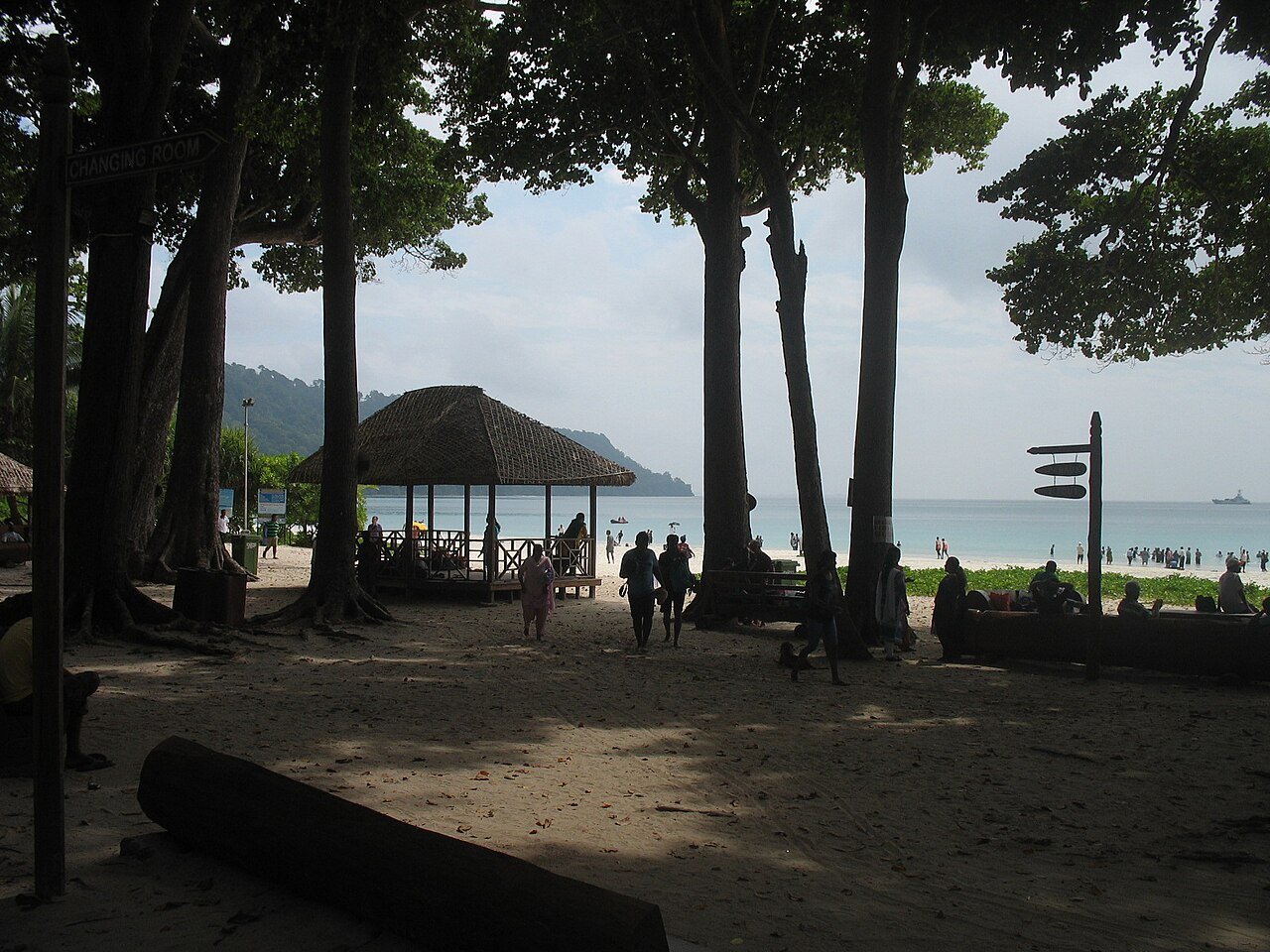
Sunset at Radhanagar and snorkelling at Elephant Beach.
Cellular Jail show
Visit the jail and its moving evening light-and-sound show.
Baratang day trip
Cruise mangrove creeks to limestone caves and a mud volcano.
For more, kayak the Havelock mangroves at dusk, try sea-walking or a glass-bottom boat at North Bay, and catch sunset at Chidiya Tapu near Port Blair.
Part 6 of 8
A 5-6 day Andaman itinerary
This plan island-hops from Port Blair to the beaches of Havelock and the calm of Neil.
Day 1 — Port Blair: Arrive, visit the Cellular Jail and Corbyn’s Cove, and stay for the evening light-and-sound show.
Days 2–3 — Havelock (Swaraj Dweep): Ferry across, relax at Radhanagar Beach, snorkel or dive at Elephant Beach, and enjoy island sunsets and seafood.
Day 4 — Neil Island (Shaheed Dweep): Ferry to Neil for Bharatpur and Laxmanpur beaches, the natural bridge and a slower pace.
Day 5 — North Bay or Baratang: Return towards Port Blair for North Bay water sports and coral, or take a Baratang caves day trip.
Day 6 — Departure: Last-minute beach time or souvenirs before flying out.
Extend your trip: Add more diving days, a trip to remote Long Island or Rangat, or simply slow down with extra beach time on Havelock.
Pro tip
Plan your itinerary around the ferry timetable, not the other way round. Confirm sailings, build in buffer time, and avoid scheduling your return ferry to Port Blair on the same day as your flight home in case of delays.
Part 7 of 8
Practical tips for Indian travellers
A few practical notes make an Andaman trip smoother, given the remote, island setting.
Pre-book ferries
Reserve private ferries between islands well ahead — they sell out.
Carry cash
ATMs and digital payments are unreliable beyond Port Blair.
Dive responsibly
Use certified operators and never touch or stand on coral.
Sun & sea safety
Pack reef-safe sunscreen and heed beach flags and currents.
The Andamans are safe and relaxed, suiting families, couples and solo travellers, with the main considerations being logistical and environmental rather than about security. Build buffer time around ferries and flights, carry cash and any regular medication as island supplies are limited, and protect the fragile reefs by not touching coral or littering. Respect the strict rules protecting indigenous tribal areas — these are off-limits, and travel to or photography of protected tribes is prohibited.
Because the islands are a destination in themselves, most travellers focus their whole trip here, but the Andamans pair well conceptually with India’s other beach and island escapes like Goa, Gokarna and Lakshadweep for a wider coastal theme. Within the islands, adding more diving or a remoter island like Long Island turns a beach break into a fuller marine adventure.
Part 8 of 8
Frequently asked questions
Do Indians need a permit or visa for the Andamans?
No. Indian nationals do not need a visa or a special permit for the main tourist islands like Havelock and Neil. Some areas have their own access rules, and protected tribal regions are strictly off-limits, but the popular destinations are freely accessible.
How do I reach the Andaman Islands?
Fly to Veer Savarkar International Airport (IXZ) in Port Blair from Chennai, Kolkata, Delhi, Bengaluru and other cities. Slow passenger ships also sail from the mainland, but most travellers fly, then use ferries to island-hop.
When is the best time to visit the Andamans?
November to April is the prime dry season with calm seas and clear water for diving, with October and May good shoulder months. The June–September monsoon brings rough seas that disrupt ferries and water sports.
How do I get between the islands?
Government and private ferries (such as Makruzz and Green Ocean) link Port Blair with Havelock and Neil. Book the faster private ferries in advance, as they sell out, and plan your itinerary around the limited sailing times.
Can beginners scuba dive in the Andamans?
Yes. Havelock and Neil have reputable dive centres offering beginner discover-dives and certification courses over beautiful, beginner-friendly reefs. Always choose certified operators and follow their safety briefings.
Are the Andamans expensive?
They are a bit pricier than mainland beaches due to flights, ferries and the remote location, but options range from backpacker guesthouses to luxury resorts. Diving and private ferries are the main extra costs to budget for.
Is there good connectivity in the Andamans?
Connectivity is reasonable in Port Blair but patchy on Havelock and Neil, and ATMs are limited beyond the capital. Carry enough cash and download offline maps, and do not rely solely on digital payments on the smaller islands.
How many days do I need for the Andamans?
Five to six days is ideal — a night or two in Port Blair, two to three on Havelock and a couple on Neil. Add more days for extra diving or a remoter island like Long Island.
Havelock or Neil — which island should I prioritise?
Havelock (Swaraj Dweep) is the headline island, with Radhanagar Beach, the best diving and the widest choice of stays and restaurants, so most travellers spend the bulk of their trip there. Neil (Shaheed Dweep) is smaller, quieter and more laid-back, perfect for a relaxed couple of nights. With time, do both.
Is it safe to swim and snorkel in the Andamans?
Generally yes, at designated beaches and with reputable operators, but always heed safety flags and lifeguard advice, as currents can be strong at some spots. Snorkel and dive only with certified centres, wear provided safety gear, and avoid touching coral or marine life.
The bottom line
The Andaman Islands are India’s answer to a far-flung tropical holiday — world-class beaches, vivid coral, poignant history and quiet island calm, all without a visa or permit. Come in the November–April dry season, pre-book your ferries, split your time between Port Blair, Havelock and Neil, and carry cash for the smaller islands. Do that, and the Andamans will reward you with one of the most beautiful and rewarding beach escapes in the country. Slow down, dive in, and let the islands remind you that some of India’s finest beaches are closer than you think.
Related reading
 Adventure Travel in India: Activities & How to Plan Safely
 Andaman Honeymoon Itinerary: 6 Romantic Days (2026)
 Himachal Honeymoon Itinerary: 6 Romantic Days (2026)
Photos sourced from Wikimedia Commons under their respective Creative Commons licences. Travel details are indicative for 2026; confirm flights, ferry schedules and access rules locally before you travel.