Packing for High Altitude: Leh, Spiti & Himalayan Trips
Packing for a high-altitude destination like Leh-Ladakh, Spiti or a Himalayan trek is very different from a regular trip. The cold, thin air, intense sun and remote conditions demand specific clothing and gear. Packing right keeps you warm, safe and comfortable. This guide explains what to pack for high-altitude travel, for Indian travellers. Conditions vary and altitude carries health risks — prepare well and consult a doctor about altitude before travelling.
Layered clothing for the cold
The golden rule at altitude is layering. Pack a base layer (thermals) to retain warmth, an insulating mid-layer (fleece or down), and a windproof, waterproof outer jacket. Temperatures swing dramatically between day and night, so layers let you adjust. Add a warm hat, gloves, and warm socks, as extremities lose heat fast. Even in summer, high-altitude nights are cold. Packing a proper layering system — base, insulation and shell — rather than a single heavy coat, is the key to staying comfortable across the big temperature swings of high-altitude travel.
Protection from sun and wind
At altitude, the sun is intense and the air dry and windy. Pack strong sunscreen, lip balm with SPF, sunglasses (UV-protective), and a hat or cap for sun protection, plus a scarf or buff against wind and dust. The thinner atmosphere means more UV exposure, so sun protection is essential even when it’s cold. Moisturiser helps with the dry air. Protecting yourself from the strong high-altitude sun and harsh wind — often underestimated because of the cold — prevents sunburn, windburn and discomfort, and is a vital part of high-altitude packing.
Footwear and essentials
Bring sturdy, comfortable footwear — broken-in trekking or walking shoes with grip — suited to rough terrain, plus warm socks. Carry a daypack for daily essentials, a reusable water bottle (hydration is vital at altitude), basic medicines and any prescriptions, a torch/headlamp, power bank (cold drains batteries), and cash (ATMs are scarce). Discuss altitude-sickness precautions with your doctor and carry any advised medication. Packing the right footwear and these high-altitude essentials — hydration, medicines, power and light — ensures you’re equipped for the remote, demanding conditions you’ll encounter.
Frequently asked questions
How should I dress at high altitude? In layers — thermal base, insulating mid-layer, and windproof/waterproof outer — plus a warm hat, gloves and socks, to handle big day-night temperature swings.
Why is sun protection so important? The thin air means intense UV, so strong sunscreen, SPF lip balm, UV sunglasses and a hat are essential even when it’s cold.
What essentials should I carry? Sturdy footwear, a water bottle, basic medicines and prescriptions, a torch, power bank, cash, and any doctor-advised altitude-sickness precautions.
Acclimatisation and health at altitude
Packing right is only part of high-altitude travel — acclimatisation and health matter just as much. Plan a gradual ascent, build in rest days, stay hydrated, and avoid alcohol and overexertion early on. Watch for signs of altitude sickness (headache, nausea, breathlessness) and don’t ignore them. Carry any doctor-advised medication, and consult a doctor before travelling if you have health conditions. No amount of gear substitutes for proper acclimatisation, so pairing the right packing with sensible altitude-health habits is essential for a safe, enjoyable high-altitude trip.
Choosing the right backpack and luggage
For high-altitude and trekking trips, choose practical luggage: a sturdy backpack or duffel that’s easy to carry over rough terrain, plus a comfortable daypack for daily essentials. Hard wheeled cases are impractical on unpaved ground. Pack so frequently needed items (water, layers, sunscreen, medicines) are accessible. Keep weight manageable, especially if you’ll carry it yourself or on treks. Selecting luggage suited to rugged, remote conditions — rather than standard travel cases — makes moving around high-altitude destinations far easier and is an often-overlooked part of packing well for the mountains.
Electronics and power at altitude
Cold drains batteries quickly, so at altitude carry a good power bank, keep devices and spare batteries warm (inside layers or your sleeping bag at night), and bring charging cables and adapters. Remote areas may have limited or unreliable electricity, so charge whenever you can. A headlamp/torch with spare batteries is essential. Photographers should carry extra camera batteries. Planning for power in cold, remote conditions — with a power bank, warmth for batteries, and charging whenever possible — ensures your essential electronics keep working when you need them in the mountains.
Staying warm at night
High-altitude nights are very cold, even after warm days. Pack warm sleepwear, extra layers, and a warm hat for sleeping, and if camping or in basic accommodation, a suitable sleeping bag rated for the temperatures. Hot water bottles and warm drinks help. Don’t underestimate the night-time cold, which can disrupt sleep and affect how you feel at altitude. Packing specifically for warm nights — not just cold days — ensures you rest well, which is important for acclimatisation and enjoying your high-altitude trip rather than enduring it.
A high-altitude packing checklist
A quick checklist: layered clothing (thermals, fleece/down, windproof-waterproof shell), warm hat, gloves, warm socks; sun protection (sunscreen, SPF lip balm, UV sunglasses, hat); sturdy footwear and a daypack; water bottle, medicines and prescriptions, altitude precautions; torch, power bank, adapters, cash; and warm sleepwear or a sleeping bag. Adjust for your specific trip and season. Running through such a checklist before you pack — covering warmth, sun, footwear, hydration, power and health — ensures you’re fully equipped for the demanding, remote conditions of high-altitude travel.
A quick recap
To recap: high-altitude packing centres on layered clothing for big temperature swings, strong sun and wind protection, sturdy footwear, and essentials like water, medicines, a torch, power bank and cash. Choose rugged luggage, plan for power in the cold, and pack specifically for cold nights. Crucially, pair good gear with proper acclimatisation and altitude-health precautions, consulting a doctor if needed. Use a checklist to ensure nothing essential is missed.
The bottom line
Packing for high-altitude destinations like Leh, Spiti or Himalayan treks is about preparing for cold, sun, thin air and remoteness. Build a proper layering system, protect against the intense sun and wind, bring sturdy footwear and the right essentials, and plan for cold nights and limited power. Choose rugged luggage and run through a checklist so nothing’s forgotten. Above all, combine good gear with sensible acclimatisation and altitude-health habits. Prepared this way, you can safely enjoy some of the most spectacular landscapes on earth. Consult a doctor about altitude before travelling.
Seasonal packing differences
High-altitude packing varies by season. Summer brings warm days but still-cold nights, so layers remain essential, with sun protection vital. Winter demands far heavier insulation, with extreme cold requiring serious cold-weather gear. Shoulder seasons can be unpredictable. Always check the expected conditions for your destination and dates, and pack accordingly — even summer trips need warm layers at altitude. Adjusting your packing to the season — lighter layers and strong sun protection in summer, heavy insulation in winter — ensures you’re neither caught cold nor overburdened for the conditions you’ll actually face.
Hydration and snacks
At altitude, your body needs more hydration, so carry a good reusable water bottle (and consider a way to purify water in remote areas) and drink regularly — dehydration worsens altitude sickness. Pack energy-dense snacks (nuts, dried fruit, energy bars) for treks and long drives where food may be scarce. Eating and drinking well supports acclimatisation and energy. Remembering that hydration and nutrition are genuinely important at altitude — not just comfort items — and packing to support them, is an often-underestimated part of preparing for high-altitude travel.
Respecting remote conditions
High-altitude destinations are often remote, with limited shops, ATMs, connectivity and medical facilities. Pack enough cash, any essentials you can’t buy there, a basic first-aid kit, and means to charge devices. Don’t rely on finding things locally. Also pack out your waste to protect fragile environments. Being self-sufficient — carrying what you need because you can’t count on buying it — is key in these remote areas. Respecting both the practical limits and the fragile ecology of high-altitude regions ensures a safe trip and helps preserve these beautiful places.
Footwear for rough terrain
Good footwear is one of the most important items for high-altitude travel. Bring sturdy, broken-in trekking or hiking shoes with good grip and ankle support for rough, uneven terrain, plus warm, moisture-wicking socks. Avoid brand-new shoes that could cause blisters. For treks, footwear can make or break the experience. Investing in and breaking in proper footwear before your trip — suited to the rocky, sometimes snowy terrain — protects your feet, prevents painful blisters, and keeps you comfortable and sure-footed throughout your high-altitude journey.
Final preparation tips
Before a high-altitude trip: check the weather and conditions, run through a packing checklist, test your gear, and ensure your fitness and health are up to it (consult a doctor about altitude if needed). Confirm any permits required, plan your acclimatisation, and inform someone of your itinerary. Pack light but complete. These final preparations — gear, health, permits and planning — combined with the right packing, set you up for a safe and rewarding trip. Thorough preparation is what lets you focus on the breathtaking scenery rather than dealing with avoidable problems at altitude.
Final thoughts
Packing well for high-altitude destinations like Leh, Spiti or Himalayan treks is about preparing for cold, intense sun, thin air and remoteness. Build a layering system, protect against sun and wind, bring sturdy footwear, plan for cold nights, hydration, power and self-sufficiency, and adjust for the season. Choose rugged luggage and run a checklist. Above all, pair good gear with proper acclimatisation and health precautions, consulting a doctor about altitude. Prepared this way, you can safely enjoy some of the most spectacular landscapes on earth, focused on the experience rather than the discomfort. Confirm conditions and altitude health advice before travelling.
A note on altitude and fitness
High-altitude travel is physically demanding, so a degree of fitness helps — especially for treks. Prepare with some cardio and walking in the weeks before, and be honest about your capability when choosing activities. Those with health conditions should consult a doctor before high-altitude travel, as altitude stresses the heart and lungs. Pacing yourself, acclimatising, and not overexerting early are as important as any gear. Combining sensible fitness preparation and honest self-assessment with the right packing ensures you can enjoy high-altitude destinations safely and comfortably, rather than struggling with the demands of the terrain and thin air.
Photography and gear at altitude
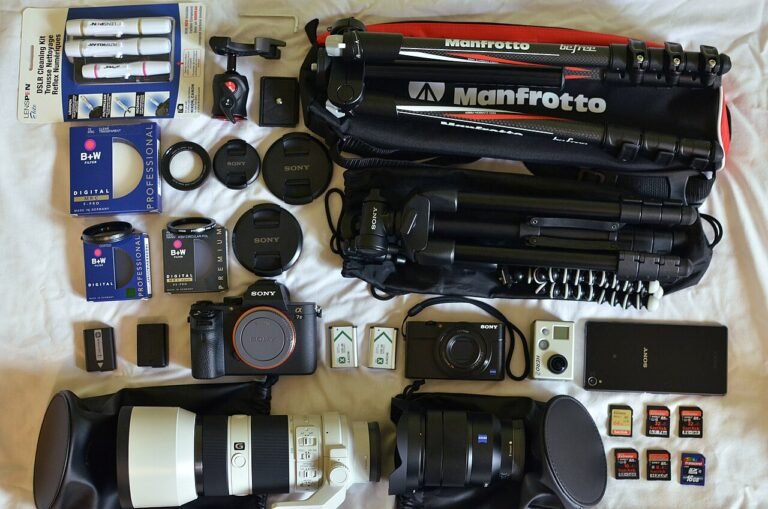
High-altitude landscapes are stunning, so many travellers bring cameras. Protect gear from cold (which drains batteries fast) and dust, carry spare batteries kept warm, and use a comfortable bag for the terrain. A lightweight tripod helps with low light. Don’t let heavy gear overburden you on treks. Balancing the desire to capture the scenery with practical limits on weight and the effects of cold and dust — by protecting batteries, packing light, and choosing rugged carry — lets photographers make the most of high-altitude beauty without their gear becoming a liability.
Final thoughts
Packing well for high-altitude destinations like Leh, Spiti or Himalayan treks means preparing for cold, intense sun, thin air and remoteness. Build a layering system, protect against sun and wind, bring sturdy footwear, and plan for cold nights, hydration, power and self-sufficiency, adjusting for the season. Choose rugged luggage, prepare your fitness, and run a checklist so nothing’s forgotten. Above all, pair good gear with proper acclimatisation and health precautions, consulting a doctor about altitude. Prepared this way, you can safely enjoy some of the most spectacular landscapes on earth. Confirm conditions and altitude health advice before travelling.
Related reading: The Ultimate Packing Checklist for 7-15 Day Trips · Travel Essentials & Accessories Every Traveler Needs 2026 — Packing Checklist · Monsoon Travel Essentials & Packing Guide 2026 — Gear for the Rains
Plan smarter: browse more travel gear and travel tips guides, and use our Trip Planner.
Last updated: June 2026. Airline rules, security regulations and conditions change — always confirm current details with the airline and security authority before flying.