Best Travel Backpacks 2026 — How to Choose the Right One
Last updated: June 29, 2026
A good travel backpack can transform your journey, giving you the freedom to move easily through airports, train stations, cobbled streets and trails with everything you need on your back. For many travellers, especially backpackers, budget travellers and those visiting multiple destinations, a well-chosen backpack is more practical than a wheeled suitcase, leaving your hands free and letting you navigate stairs, uneven terrain and crowded transport with ease. But with countless options on the market, choosing the right one can be confusing.
This guide helps you choose the best travel backpack for your needs, explaining the different types and sizes, the features that matter most, how to weigh a backpack against a suitcase, and practical tips for buying and packing. Rather than recommending specific brands (which change constantly), it focuses on the timeless principles of what makes a great travel backpack, so you can confidently select one that fits your body, your trip style and your budget, and that will serve you well for years of adventures.
Backpack vs Suitcase: Which Is Right for You?
The first decision is whether a backpack or a wheeled suitcase suits your travel style. Backpacks excel for trips involving lots of movement — multiple destinations, public transport, stairs, uneven streets, cobblestones, or any terrain where wheels struggle — and they keep your hands free and your belongings mobile. They are favoured by backpackers, budget travellers and those on active or multi-city trips where flexibility and ease of movement matter most.
Wheeled suitcases, by contrast, are easier on your back, better for smooth surfaces like airports and hotels, and suit business trips, single-destination holidays and travellers carrying heavier loads or fragile items. Many travellers own both and choose based on the trip. There are also hybrid wheeled backpacks that offer the best of both. Honestly assessing how much walking, public transport and rough terrain your trips involve is the best way to decide which is right for you.
Types of Travel Backpacks
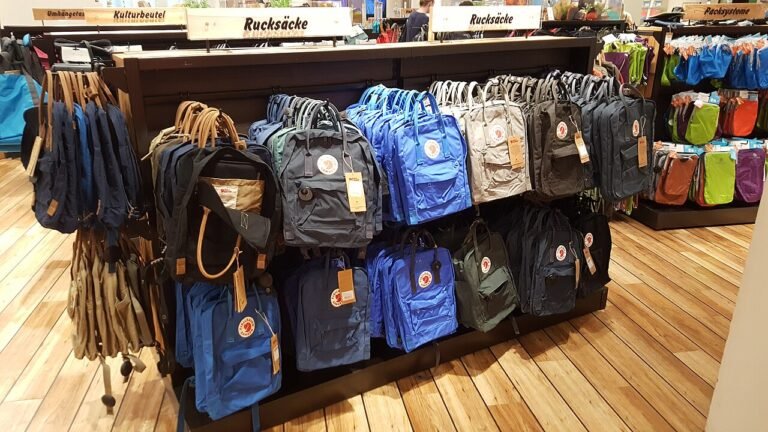
Travel backpacks come in several types suited to different needs. Daypacks (around 15–30 litres) are small packs for day trips, sightseeing and carrying essentials, often used alongside a larger bag. Carry-on travel backpacks (around 35–45 litres) are sized to fit airline cabin limits and are ideal for short trips and minimalist packing, opening like a suitcase for easy access.
Larger travel and backpacking packs (50–70 litres or more) are designed for longer trips or carrying camping and trekking gear, with hiking-style suspension systems for carrying heavier loads comfortably over distance. There are also specialised packs for trekking versus urban travel, the former prioritising load-carrying comfort and the latter ease of access and security features. Choosing the right type starts with matching the pack’s purpose and capacity to the kind of trips you take most often.
Choosing the Right Size
Size, measured in litres of capacity, is one of the most important choices, and the golden rule is to buy the smallest pack that meets your needs, as a bigger bag simply tempts you to overpack and carry more weight. For weekend or short trips and minimalist travel, a 35–45 litre carry-on-sized pack is often ample and avoids checked-baggage fees. For longer trips or those needing more gear, 50–65 litres provides more room.
Consider the length of your typical trips, whether you tend to pack light or heavy, and whether you need space for specialised gear like camping or cold-weather clothing. Remember that you can do laundry on longer trips rather than carrying more clothes. Your body size and frame also matter, as the pack must fit your torso length comfortably. Resisting the urge to oversize is one of the smartest decisions for comfortable, mobile travel.
Key Features to Look For
Several features distinguish a great travel backpack. A comfortable, well-padded and adjustable suspension system — shoulder straps, a supportive hip belt that transfers weight to your hips, and a back panel suited to your torso — is essential for carrying loads comfortably. Look for a design that fits your body, as comfort depends heavily on the right fit rather than the brand alone.
Other valuable features include a suitcase-style front or clamshell opening for easy access to your whole bag (versus top-loading), lockable zippers and security features, multiple well-organised compartments, a separate laptop sleeve if needed, external attachment points, water-resistant materials, and a stowaway harness for protecting straps when checked in. Comfortable handles, a rain cover, and durable, quality construction round out the features that make a backpack genuinely travel-friendly and long-lasting.
Carry-On Backpacks and Airline Rules
A carry-on-sized travel backpack is one of the most practical choices, letting you travel without checking luggage, avoiding baggage fees and waiting at carousels, and reducing the risk of lost bags. To qualify, the pack must fit within your airline’s cabin baggage dimensions and weight limits, which vary by airline and especially by budget carriers, so always check the specific rules for your flights before buying or packing.
Look for backpacks marketed as carry-on compatible, typically around 40 litres, with a structured, suitcase-like shape, but verify the exact dimensions against your airline’s allowance, as some are slightly oversized. Be mindful of weight limits too, which budget airlines enforce strictly. A well-chosen carry-on backpack, packed efficiently, can comfortably hold enough for trips of a week or more, making it a favourite of seasoned light-packing travellers.
Comfort and Fit
No matter how many features a backpack has, comfort and fit are paramount, since you will be carrying it on your body, sometimes for extended periods. The pack’s frame should match your torso length, the shoulder straps should sit comfortably without digging in, and a padded hip belt should transfer most of the weight to your hips rather than your shoulders, which is the key to comfortable load-carrying over distance.
If possible, try a backpack on with some weight in it before buying, adjusting all the straps to achieve a proper fit, or buy from a retailer with a good return policy so you can test it. Women-specific packs are designed for different body proportions and may fit better. A pack that fits well feels dramatically lighter and more comfortable than one that does not, regardless of price, so prioritise fit above almost everything else.
Packing Your Backpack Efficiently
How you pack your backpack greatly affects comfort and accessibility. Distribute weight sensibly, placing heavier items close to your back and centred, with lighter items towards the outside and top, which keeps the load balanced and stable on your body. Use packing cubes to organise and compress your clothing, keep frequently needed items accessible, and pack a small daypack inside for use at your destination.
Keep essentials like documents, electronics, medication and valuables in easily reachable, secure pockets or in your daypack, never buried deep or in checked sections. Roll clothes to save space, fill gaps efficiently, and resist overpacking — a backpack’s capacity is a limit to respect, not a target to fill. Good packing technique not only fits more in but also makes the pack more comfortable to carry and your belongings far easier to find on the move.
Security and Anti-Theft Features
Security is an important consideration for travel backpacks, especially in crowded places and on public transport where opportunistic theft can occur. Lockable zippers, allowing you to secure the main compartments with a small padlock, are a valuable feature, as are hidden or back-panel pockets for valuables that sit against your body and are hard for others to access. Some packs use slash-resistant materials and lockable designs specifically for anti-theft protection.
Beyond the pack’s features, sensible habits matter: keep valuables in inner or front-facing pockets in crowds, never leave your bag unattended, and consider a separate, secure pouch or money belt for passports and cash. Wearing your daypack on your front in busy areas deters pickpockets. While no backpack is theft-proof, choosing one with good security features and combining it with careful habits significantly reduces the risk of losing your belongings while travelling.
Backpacks for Different Travel Styles
The best backpack depends on your travel style. Urban and multi-city travellers benefit from a carry-on-sized travel backpack with a suitcase-style opening, good organisation, security features and a professional look. Backpackers and long-term travellers may prefer a larger, comfortable pack with a good suspension system for carrying more over extended trips, ideally paired with a detachable or packable daypack.
Trekkers and adventure travellers need hiking-specific packs with robust suspension, load-carrying comfort and attachment points for gear, while those mixing city and outdoor travel might choose a versatile hybrid. Business and short-trip travellers often favour a sleek carry-on backpack with a dedicated laptop compartment. Identifying your dominant travel style — and being honest about the trips you actually take rather than aspire to — helps you choose a backpack that genuinely fits your needs.
Tips for Buying the Right Backpack
When buying, prioritise fit and comfort above brand or looks, ideally trying the pack on with weight or buying from a retailer with a good return policy. Choose the smallest size that meets your needs to avoid overpacking, and select features that match your travel style — carry-on dimensions if you want to avoid checking bags, a suitcase-style opening for easy access, and security features for peace of mind. Invest in quality, as a good backpack lasts for years of travel.
Read reviews focusing on durability, comfort and real-world use, check the warranty, and consider the materials and construction quality, as zippers and straps are common failure points. Don’t be swayed purely by price — a mid-range, well-fitting, durable pack often beats both cheap bags that fail and overpriced ones you do not need. With these principles in mind, you can confidently choose a travel backpack that serves you reliably for many journeys to come.
Frequently Asked Questions
What size travel backpack is best? It depends on your trips, but the rule is to buy the smallest that meets your needs. A 35–45 litre carry-on pack suits short trips and light packers; 50–65 litres suits longer trips or more gear.
Is a backpack or suitcase better for travel? Backpacks suit multi-destination trips, public transport and rough terrain, keeping hands free. Suitcases are easier on your back for smooth surfaces and single-destination or business trips.
What features matter most in a travel backpack? A comfortable, well-fitting suspension system is most important, followed by a suitcase-style opening, good organisation, lockable zippers, durability and carry-on-friendly dimensions if needed.
Can I use a backpack as carry-on luggage? Yes, if it fits your airline’s cabin size and weight limits. Look for carry-on-compatible packs (around 40 litres) and always verify the exact rules for your specific airline.
How do I pack a travel backpack properly? Place heavier items close to your back and centred, use packing cubes, keep essentials accessible, distribute weight evenly, and avoid overpacking to keep the pack comfortable and balanced.
Choosing the right travel backpack comes down to matching the type, size and features to your travel style, and above all prioritising comfort and fit, since the best pack is the one that carries comfortably on your body. Buy the smallest size that meets your needs, invest in quality, and pack it efficiently — and a great travel backpack will become a trusted companion that makes every journey easier and more enjoyable for years to come.
Caring for and Maintaining Your Backpack
A quality travel backpack is an investment that, with proper care, will last for many years and countless trips. Clean it periodically according to the manufacturer’s instructions, usually by spot-cleaning with mild soap and water and air-drying away from direct heat, and avoid machine washing unless explicitly recommended, as it can damage the fabric and structure. Keep zippers clean and occasionally lubricated, as they are the most common point of failure on any bag.
Store your backpack in a dry, well-ventilated place when not in use, ideally loosely packed or empty rather than crammed, to preserve its shape and prevent mould or odours. Repair small issues like loose stitching or a sticky zipper promptly before they worsen, and make use of the warranty for manufacturing defects. Treating your backpack well, avoiding overloading it beyond its design, and addressing wear early will reward you with a reliable companion for years of travel adventures.
Backpack features, airline baggage rules and product availability change over time. This guide offers general, brand-neutral advice; always check current carry-on dimensions and weight limits with your airline and try a pack for fit before buying.
Related reading: Best Travel Daypacks & Backpacks 2026 — Sizes, Features & How to Choose · Best Travel Backpacks for Indian Travelers 2026 – 5 Reviewed Across Budgets · Travel Adapters in 2026 – Which One to Buy for Multi-Country Trips