Budget Philippines Trip from India (2026)
Last updated: July 8, 2026
The Philippines — over 7,000 islands of turquoise lagoons, white-sand beaches and world-class diving — is a tropical paradise that is surprisingly affordable for Indian travellers. With cheap local food, budget guesthouses, inexpensive island-hopping and low-cost domestic flights, you can experience the surreal beauty of El Nido, the beaches of Boracay and the surf of Siargao without spending a fortune. For a different, less-crowded Southeast Asian escape on a budget, the Philippines is hard to beat.
This 2026 budget guide for Indian travellers shows how to do the Philippines affordably — entry rules, cheap flights, island transport, food, where to stay and a sample budget itinerary.
- Visa: Indians generally need a visa, with visa-free entry if holding a valid US, UK, Schengen, Japan, Australia or similar visa — confirm current rules.
- Budget hack: Eat local “carinderia” food, take ferries and shared island tours, and stay in guesthouses.
- Getting there: One-stop flights via Singapore, KL, Bangkok or Hong Kong to Manila or Cebu.
- Don’t miss: El Nido and Coron, Bohol, Siargao surf, and cheap island-hopping and snorkelling.
Part 1 of 8
Why the Philippines is great on a budget
The Philippines delivers jaw-dropping beauty for relatively little. Island-hopping tours to hidden lagoons and snorkel spots are inexpensive and shared, local food at carinderias (eateries) is dirt cheap, guesthouses and hostels are affordable, and domestic flights and ferries connect the islands without breaking the bank. You get the same dazzling waters as luxury resorts at backpacker prices, plus warm, English-speaking locals and far fewer crowds than mainland Southeast Asia.
El Nido & Coron
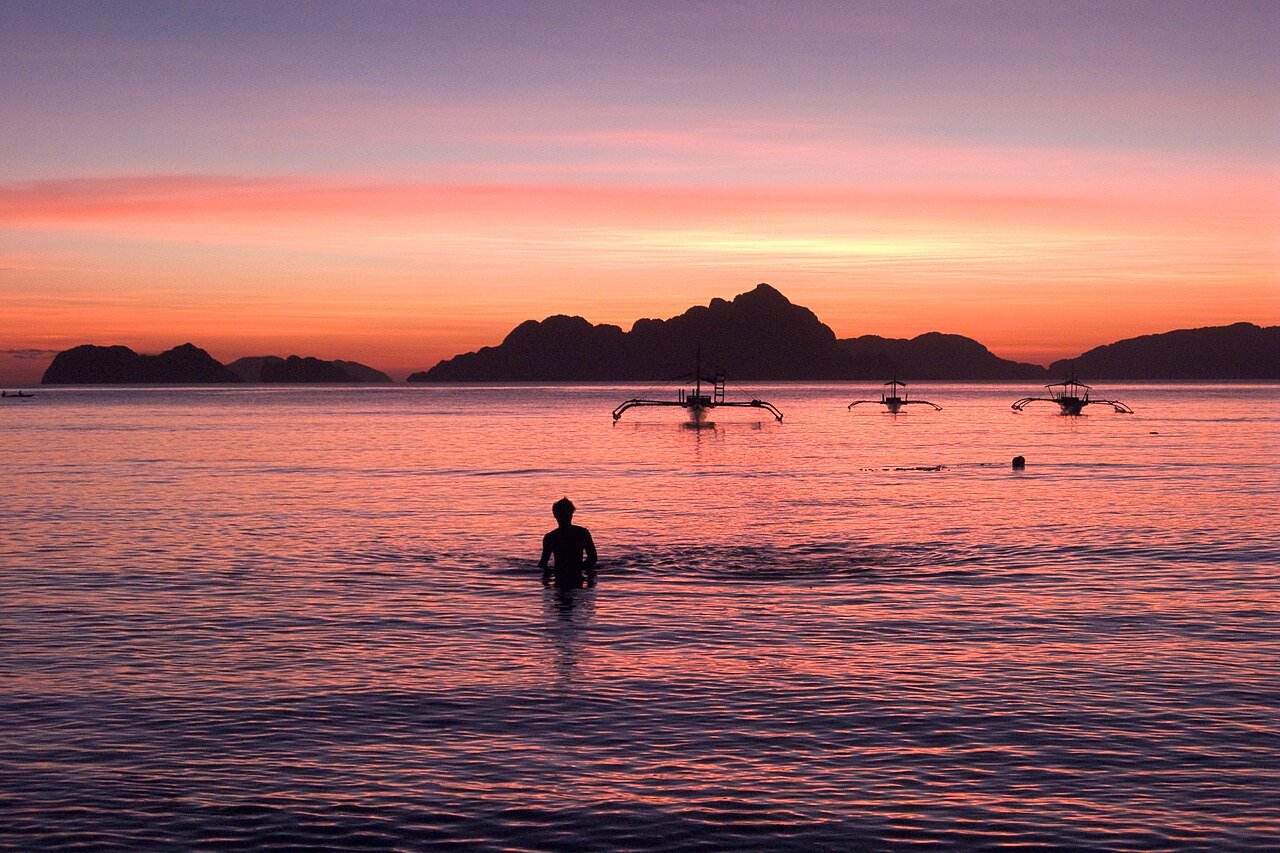
Palawan’s spectacular lagoons on cheap shared tours.
Snorkel & dive
Affordable reefs, wrecks and marine life.
Beaches
Boracay, Siargao and countless free white-sand shores.
Island hopping
Cheap boat tours to hidden coves and sandbars.
Cheap local food
Carinderia meals for a dollar or two.
Siargao surf
Budget surf town and laid-back island life.
Whether you want beaches, diving, island-hopping or surf, the Philippines offers an incredible, off-the-beaten-path tropical adventure at prices that suit budget travellers, backpackers and couples alike.
The Philippines on a budget is a steal — the same turquoise lagoons the luxury crowd enjoy, for backpacker prices.
Part 2 of 8
Visa, flights and getting around cheaply
A little planning on entry and island transport keeps a Philippines trip affordable.
Visa: Indian passport holders generally need a visa for the Philippines, applied for in advance (an e-visa is being rolled out). However, Indians holding a valid visa or residence from the US, UK, Schengen states, Japan or Australia can usually enter visa-free for a short stay under certain conditions. Rules change, so always confirm before booking.
Flights: There are no direct flights from India, so connect via Singapore, Kuala Lumpur, Bangkok or Hong Kong to Manila or Cebu. Booking early or in sales lands cheaper fares; Cebu is a handy budget gateway to the central and southern islands.
Getting around: Cheap domestic flights (Cebu Pacific and others) link the islands, supplemented by inexpensive ferries and boats. Shared island-hopping tours, tricycles, jeepneys and vans keep local transport costs very low.
Pro tip
Book domestic flights early for the cheapest island hops, and take shared (not private) island-hopping tours arranged locally — they’re far cheaper than online and a great way to meet other travellers.
Money saver: Carry Philippine pesos in cash, as ATMs are scarce and card acceptance limited on smaller islands. Booking tours and stays locally often beats online prices.
Part 3 of 8
Best time for a budget Philippines trip
The Philippines has a tropical climate with a dry season and a typhoon-prone wet season, so timing matters for both weather and price.
| Season | Months | What to expect |
|---|---|---|
| Dry/peak | Dec–Feb | The best weather — sunny, calm seas; busiest and priciest. |
| Dry shoulder | Mar–May | Hot but great for islands, with calm early seas and easing crowds. |
| Wet/low | Jun–Oct | Rain and typhoon risk, but the cheapest prices and fewest crowds. |
| Shoulder | Nov | Improving weather with better value before the peak. |
For guaranteed sun, the November–April dry season is best, with December–February the priciest peak. Budget travellers can find cheaper flights and rooms in the wet season (June–October), though typhoons can disrupt boats and flights, so build in flexibility. The south is generally less typhoon-affected.
Part 4 of 8
What a budget Philippines trip costs
The Philippines offers great value, though island flights and tours add up. Here is a realistic per-person, per-day guide for 2026, excluding international flights.
| Style | Daily budget | What it covers |
|---|---|---|
| Backpacker | $30–50 | Hostels and guesthouses, local food, ferries and shared tours. |
| Comfortable budget | $60–110 | Budget hotels, domestic flights, island-hopping tours and good meals. |
| Mid-range | $150+ | Nicer resorts, more tours, diving packages and private transfers. |
Local food at carinderias is very cheap, and guesthouses keep accommodation low. The main costs are domestic flights, island-hopping tours and any diving. Shared tours and local eateries are the budget keys. Carry pesos in cash for the islands, where ATMs are scarce and cards are often not accepted.
Good to know
The main tourist islands are safe and welcoming, with English widely spoken. Take normal precautions with belongings, use reputable boat and dive operators with proper safety gear, and check travel advisories, as some far-southern regions are best avoided. Respect the sea and weather warnings.
Part 5 of 8
Where to stay, what to eat and what to do
Where to stay: Guesthouses and hostels are plentiful and cheap in El Nido and Coron (Palawan), Bohol’s Panglao, Boracay and Siargao. Choose well-reviewed budget stays near the beach or town, ideally offering island-tour bookings. Booking ahead in peak season secures the cheapest rooms.
What to eat: Eat local to save big — carinderias serve cheap Filipino dishes like adobo, sinigang and grilled fish with rice, while markets and street food are inexpensive. Vegetarian options are more limited, so it helps to ask; tropical fruit and fresh juices are abundant and cheap.
Lagoon tours
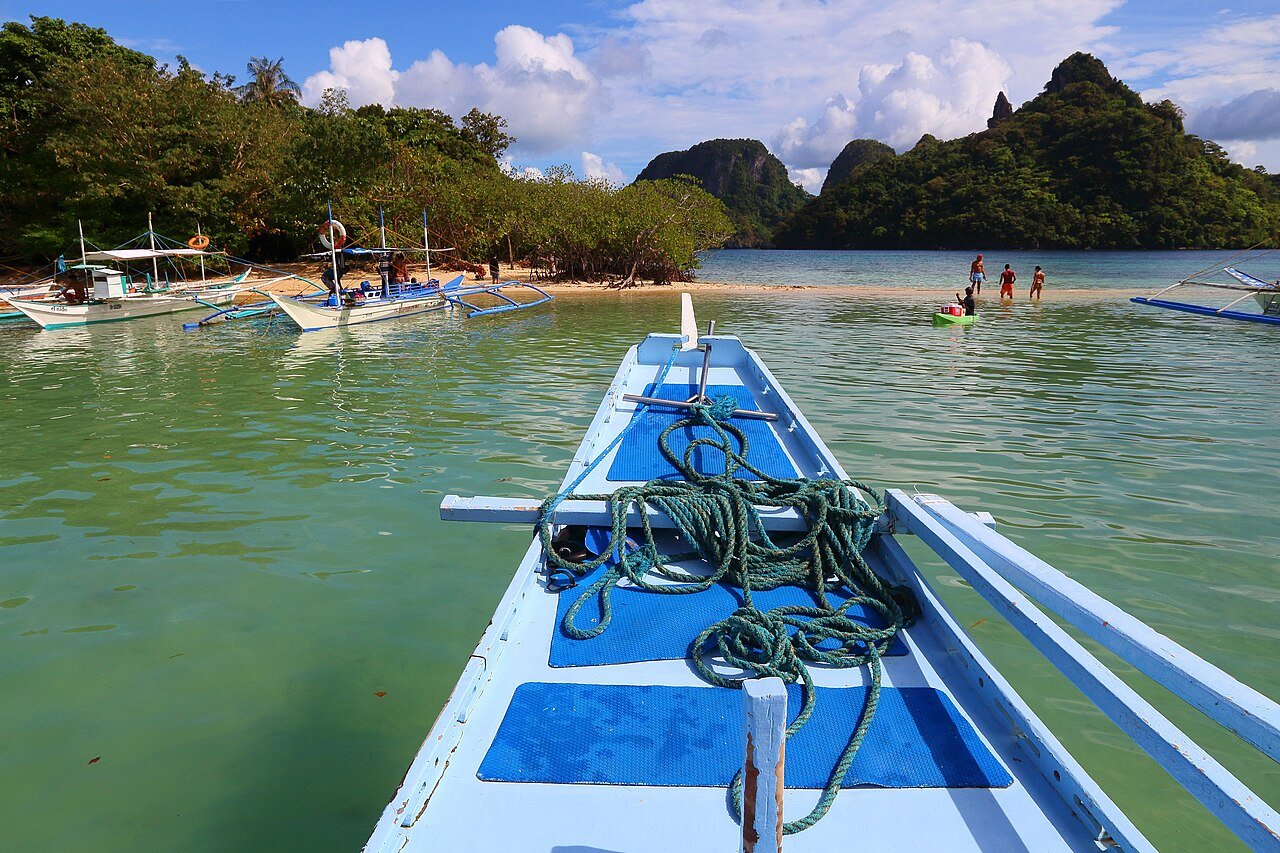
Cheap shared boat tours of El Nido’s lagoons.
Snorkel & dive
Affordable reefs and wrecks across the islands.
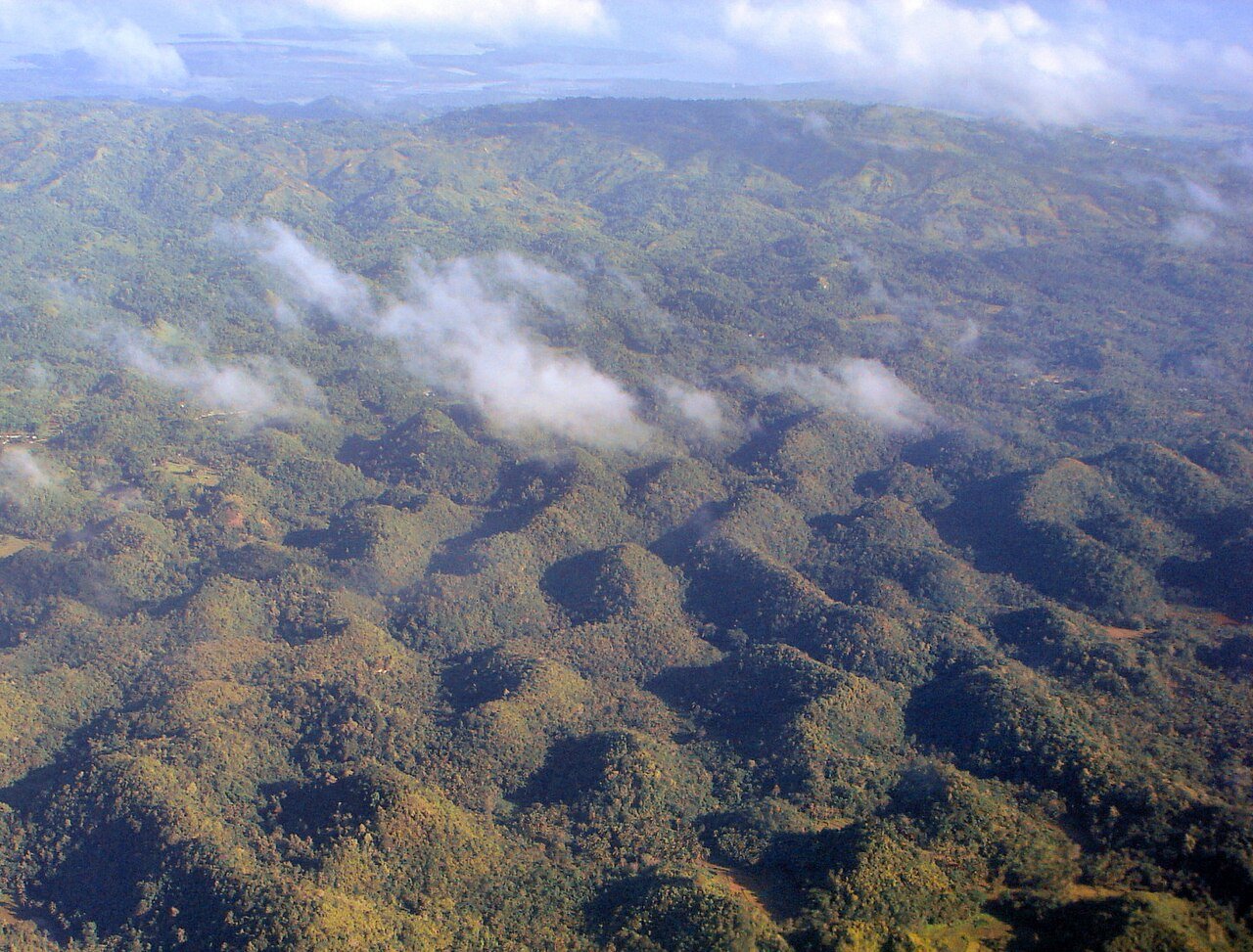
Chocolate Hills
Bohol’s hills and tarsiers on a budget day trip.
Siargao surf
Cheap surf lessons and island vibes.
For more on a budget, chase the Kawasan Falls in Cebu, visit sandbars and uninhabited islands, swim with sardines, or simply enjoy the many free white-sand beaches. Shared tours make the highlights affordable.
Part 6 of 8
A sample 7-day budget Philippines itinerary
This route focuses on Palawan plus one other island to balance beauty and budget.
Days 1–4 — Palawan (El Nido/Coron): Fly via Cebu or Manila, then enjoy several days of cheap shared island-hopping tours, lagoons, snorkelling and beaches — the highlight of any trip.
Days 5–6 — Bohol or Siargao: A cheap domestic flight to Bohol for the Chocolate Hills, tarsiers and Panglao’s beaches and diving, or to Siargao for budget surf and island life.
Day 7 — Relax & depart: A final beach day or a Cebu stopover (Kawasan Falls) before flying home via your connection.
Budget tip: Don’t pack in too many islands — going deeper on two saves money on flights and gives a more relaxed, rewarding trip.
Pro tip
Build buffer time around domestic flights and boat trips, which weather can disrupt, and book shared island-hopping tours locally for the best prices. Focusing on fewer islands keeps both costs and stress down.
Part 7 of 8
Budget tips for the Philippines
A few smart habits keep a Philippines trip genuinely affordable.
Eat at carinderias
Cheap local eateries are the top money saver.
Share island tours
Group boat tours cost far less than private ones.
Carry pesos
ATMs are scarce on islands — bring cash.
Travel off-peak
Wet/shoulder season means cheaper flights and rooms.
The Philippines is a budget traveller’s dream if you embrace local life. Eat at carinderias and markets, stay in guesthouses, take ferries and shared island-hopping tours, and book domestic flights early. Focusing on Palawan plus one other island keeps flight costs and stress down while still delivering the country’s best scenery.
Carry plenty of Philippine pesos in cash, as ATMs are scarce and cards often not accepted on smaller islands. Confirm your visa or visa-free eligibility before booking, build flexibility around weather-dependent boats and flights, and choose reputable operators with proper safety gear. Respect the sea, check advisories for the far south, and you’ll enjoy the Philippines’ turquoise paradise — the same one the luxury crowd pays a fortune for — at backpacker prices.
Part 8 of 8
Frequently asked questions
Is the Philippines affordable for Indian travellers?
Yes. By eating at local carinderias, staying in guesthouses, taking ferries and shared island-hopping tours, and booking domestic flights early, the Philippines is very budget-friendly. You get the same stunning lagoons and beaches as luxury resorts at backpacker prices, with fewer crowds than mainland Southeast Asia.
Do Indians need a visa for the Philippines?
Generally yes, applied for in advance, though an e-visa is being rolled out. Indians holding a valid visa or residence from the US, UK, Schengen states, Japan or Australia can usually enter visa-free for a short stay under certain conditions. Confirm the current rules before booking.
How do I reach the Philippines cheaply from India?
There are no direct flights, so connect via Singapore, Kuala Lumpur, Bangkok or Hong Kong to Manila or Cebu, booking early or in sales for the best fares. Cebu is a handy budget gateway to the central and southern islands like Palawan, Bohol and Siargao.
How much does a budget Philippines trip cost per day?
Excluding international flights, backpackers manage on roughly $30–50 a day, a comfortable budget on $60–110 including domestic flights and tours, and mid-range on $150 plus. Local food and guesthouses are cheap; domestic flights, island-hopping tours and diving are the main extras.
When is the cheapest time to visit the Philippines?
The wet/low season (June to October) brings the lowest flight and accommodation prices and fewest crowds, though typhoons can disrupt boats and flights, so build in flexibility. The December–February dry peak has the best weather but the highest prices; the south is generally less typhoon-affected.
Why do I need to carry cash in the Philippines?
On smaller islands, ATMs are scarce and card acceptance is limited, so cash is essential for guesthouses, food, tours and transport. Carry enough Philippine pesos before heading to the islands, and note that booking tours and stays locally with cash is often cheaper than online.
Which islands should I prioritise on a budget?
Palawan (El Nido and Coron) is the headline for lagoons and island-hopping, with Bohol for the Chocolate Hills and diving, or Siargao for budget surf. On a single trip, focus on two islands rather than many to save on flights and enjoy a more relaxed pace.
Is the Philippines safe and easy for budget travellers?
The main tourist islands are safe and welcoming, and English is widely spoken, making it easy for Indian travellers. Take normal precautions, use reputable boat and dive operators with proper safety gear, carry cash, and check advisories, as some far-southern regions are best avoided.
How do I save money on island-hopping tours?
Book shared group tours locally through your guesthouse or operators in town rather than online, where prices are marked up. Standard tour packages (often labelled Tour A, B, C and so on in places like El Nido) bundle several stops with lunch for a set price, making them far cheaper than private boats. Travelling with others naturally splits costs too.
Is the Philippines good for solo budget travellers?
Very much so. English is widely spoken, locals are famously friendly, hostels and shared tours make it easy to meet other travellers, and the backpacker scene on islands like Palawan and Siargao is well established. Take normal safety precautions, carry cash, and use reputable boat operators, and it makes a rewarding solo budget destination.
The bottom line
The Philippines proves that a tropical paradise need not cost a fortune. Eat at local carinderias, stay in guesthouses, take shared island-hopping tours and cheap domestic flights, and focus on Palawan plus one other island, and you’ll snorkel the same turquoise lagoons and laze on the same white beaches as the luxury crowd — for backpacker prices. Confirm your visa, carry pesos for the islands, travel with flexibility around the weather, and the Philippines will reward Indian travellers with one of the most beautiful, affordable and adventurous beach trips going.
Related reading
 South Korea Travel Guide for Indians (2026)
 Bangkok Pattaya Itinerary: 5-Day Thailand Plan (2026)
 Singapore Malaysia Itinerary: 7 Days from India (2026)
Photos sourced from Wikimedia Commons under their respective Creative Commons licences. Visa, flight and cost details are indicative for 2026; confirm current visa rules, fares and prices before you travel.