Mauritius Visa for Indians 2026 — Free 60-Day Entry, Requirements & Tips
Mauritius — the Indian Ocean island of turquoise lagoons, volcanic peaks and a large Indian-origin population — is one of the easiest international destinations for Indian travellers, because there’s no advance visa to arrange at all. Indians are granted entry on arrival, making a Mauritius holiday refreshingly low-stress. This guide explains exactly what Indian passport holders need to know about Mauritius entry: the visa-free arrangement, the requirements you must meet, the airport process, documents to carry, extensions, and practical tips.
| Item | Detail |
|---|---|
| Entry on arrival | Free, up to 60 days |
Do Indians need a visa for Mauritius?
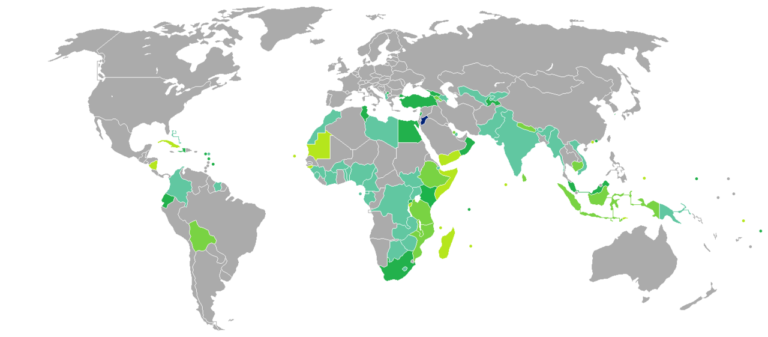
No advance visa is required. Indian passport holders are granted a free entry permit on arrival for tourism, commonly for stays of up to 60 days. There’s no fee for the tourist entry and no need to apply beforehand — you simply arrive and are admitted, provided you meet the standard entry conditions. This makes Mauritius one of the most hassle-free overseas trips available to Indians. Always reconfirm the current allowance before you fly, as rules can change.
The entry conditions you must meet
Although there’s no visa to apply for, the entry permit is granted only if you satisfy a few requirements at immigration: a passport valid for the duration of your stay (ideally six months), a confirmed return or onward ticket, proof of accommodation (hotel booking or host details), and evidence of sufficient funds for your trip. You may also be asked the purpose and length of your visit. Meeting these conditions is what secures the free entry, so carry the documentation.
The arrival process
On landing at Sir Seewoosagur Ramgoolam International Airport, you’ll complete any required arrival/health declaration (sometimes online before travel), proceed to immigration, present your passport and supporting documents, and receive your entry stamp/permit. The process is generally smooth and quick for tourists who have their paperwork in order. Have your return ticket, accommodation proof and funds evidence ready to show if asked.
Documents to carry
Even for visa-free entry, travel with: a valid passport, your return/onward flight ticket, accommodation confirmation for your stay, proof of sufficient funds (cards/cash/bank statement), travel insurance (recommended), and any required arrival or health declaration (check whether it must be completed online in advance). Keep digital and printed copies. Having these ready prevents any delay at immigration and ensures your entry permit is granted without fuss.
Extensions and longer stays
The initial tourist entry (commonly up to 60 days) can, in some cases, be extended by applying to the immigration authorities in Mauritius, up to a maximum total period, subject to conditions and fees. For longer stays, work, or other purposes, you’d need the appropriate permit arranged through the proper channels. For a standard holiday, the free entry on arrival is more than enough; if you wish to stay longer, enquire with the local immigration office during your visit.
Why visit Mauritius
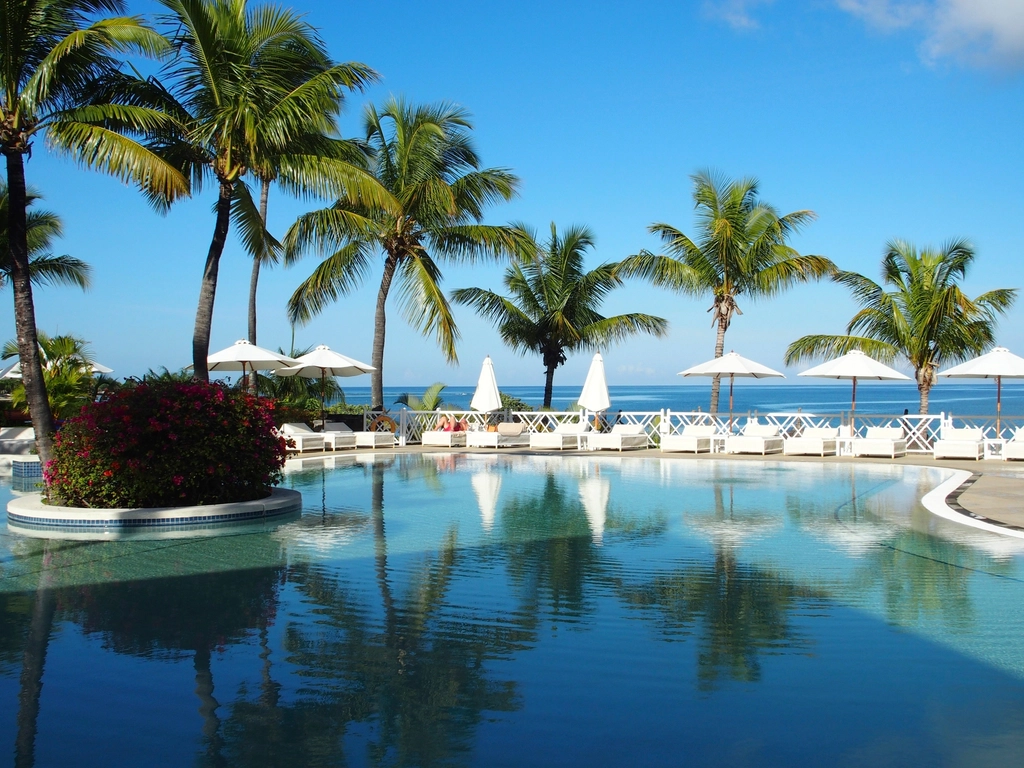
Mauritius rewards the easy entry with a near-perfect tropical holiday. Expect powder-white beaches and lagoons, water sports and diving, the dramatic scenery of Chamarel’s coloured earths and Black River Gorges, the sacred crater lake of Grand Bassin (Ganga Talao), and a warm Indo-Mauritian culture where Hindi is widely understood and the food (dholl puri, curries, plenty of vegetarian options) feels like home. It’s a top choice for honeymoons and families. The cooler, drier months of May to December are the best time to visit; see our full Mauritius travel guide for more.
Frequently asked questions
Do Indians need a visa for Mauritius? No — a free entry permit (commonly up to 60 days) is granted on arrival for tourism.
What do I need at immigration? A valid passport, a return ticket, accommodation proof and sufficient funds; insurance is recommended.
Is there an arrival form to fill? Often an arrival/health declaration is required (sometimes online beforehand) — check the current requirement before you fly.
Can I extend my stay? In some cases, by applying to local immigration up to a maximum period; for a normal holiday, 60 days is ample.
Best time to visit Mauritius
Mauritius is a year-round destination, but the sweet spot is May to December, when the weather is cooler, drier and ideal for the beach. January to March is hot, humid and the cyclone-prone period, with occasional heavy rain. Diving and snorkelling visibility is excellent in the drier months, and whale and dolphin watching off the west coast is popular in the cooler season. For the best beach weather, aim for the May–December window, with the European/Indian holiday peaks around mid-year and December.
Getting around Mauritius
Getting around is easy. Public buses are very cheap and cover much of the island (if slow), taxis are convenient (agree fares in advance), and car rental gives the most freedom — just remember driving is on the left, as in India. Many resorts arrange transfers and tours. The island is compact, so day trips to beaches, the south-west sights and Port Louis are all manageable from a single base. A mix of the odd taxi and a day or two of car hire works well.
A suggested 5–6 day itinerary
Day 1: arrive, settle (the north around Grand Baie is lively and central), relax on the beach. Day 2: north beaches and a catamaran cruise to Île aux Cerfs. Day 3: south-west tour — Chamarel coloured earths and waterfall, Black River Gorges, and the sacred Grand Bassin. Day 4: west coast — dolphin watching at Tamarin and Le Morne views. Day 5: Blue Bay snorkelling and Port Louis market. Day 6: a final beach day before departure.
Costs, money and practical notes
Mauritius can flex from mid-range to luxury. The local currency is the Mauritian rupee; carry some cash for buses and markets, though cards are widely accepted in resorts. English and French are widely spoken, and many locals understand Hindi/Bhojpuri, which is reassuring for Indian travellers. Tap water is generally considered safe in main areas, though many prefer bottled. Pack reef-safe sunscreen and light cottons, and book popular catamaran cruises and the south tour a day ahead in peak season.
More frequently asked questions
When is the best time to visit Mauritius? May to December for cooler, drier beach weather; avoid the January–March cyclone season for the calmest conditions.
Is Mauritius good for honeymoons and families? Excellent for both — romantic resorts and lagoons for couples, and safe, shallow beaches and activities for families.
Is an arrival/health form needed? Often yes (sometimes completed online before travel) — check the current requirement before you fly.
Can Indians pay in or use Hindi in Mauritius? Hindi/Bhojpuri is widely understood; carry Mauritian rupees for small purchases and use cards in resorts.
Why Mauritius feels like home for Indian travellers
Part of Mauritius’s huge appeal for Indians is how familiar it feels. A large share of the population is of Indian origin, Hindi and Bhojpuri are widely understood, Hindu temples and festivals are part of daily life (the Grand Bassin crater lake is a major pilgrimage site), and the food — dholl puri, curries, biryani and abundant vegetarian and even Jain-friendly options — is reassuringly close to home. This cultural warmth, combined with the easy visa-free entry, English and French being widely spoken, and direct flights from India, makes Mauritius one of the smoothest, most welcoming overseas holidays an Indian family or couple can take.
The bottom line
Mauritius is about as easy as international travel gets for Indians: no advance visa, free entry on arrival for up to 60 days, and a destination that blends postcard beaches with a culture that feels like home. Just carry your passport, return ticket, accommodation proof and funds, complete any required arrival declaration, and travel in the cooler May–December window for the best weather. Sort those basics and a dreamy Indian Ocean holiday is yours with minimal fuss.
Disclaimer: This guide is general information, not legal or immigration advice. Visa policies change without notice — verify the current requirements, fees and process with the official embassy/consulate or government portal before applying.
Plan your trip: use the visa checker, read the destination travel guide, and browse more visa guides.
Last updated: June 2026. Visa rules, fees and processing times change frequently — always confirm on the official embassy/government portal before applying or booking.
Related reading: Thailand Visa for Indians 2026 — 60-Day Visa-Free Entry, TDAC & e-Visa Explained · Malaysia Visa for Indians 2026 — Visa-Free Entry, MDAC Arrival Card & Requirements · Sri Lanka Visa for Indians 2026 — Free ETA, 30-Day Double Entry & How to Apply