Passport Renewal & Tatkal: A Complete Guide for Indians
Your passport is your gateway to the world, and keeping it valid is essential — an expired or soon-to-expire passport can derail travel plans, since many countries require validity well beyond your trip. Whether you’re renewing a passport nearing expiry or need one urgently, understanding the renewal process, including the faster Tatkal option, helps you avoid last-minute stress. This guide explains how to renew an Indian passport, normal versus Tatkal, and practical tips. Always confirm current rules and fees with the official passport authority.
When to renew your passport
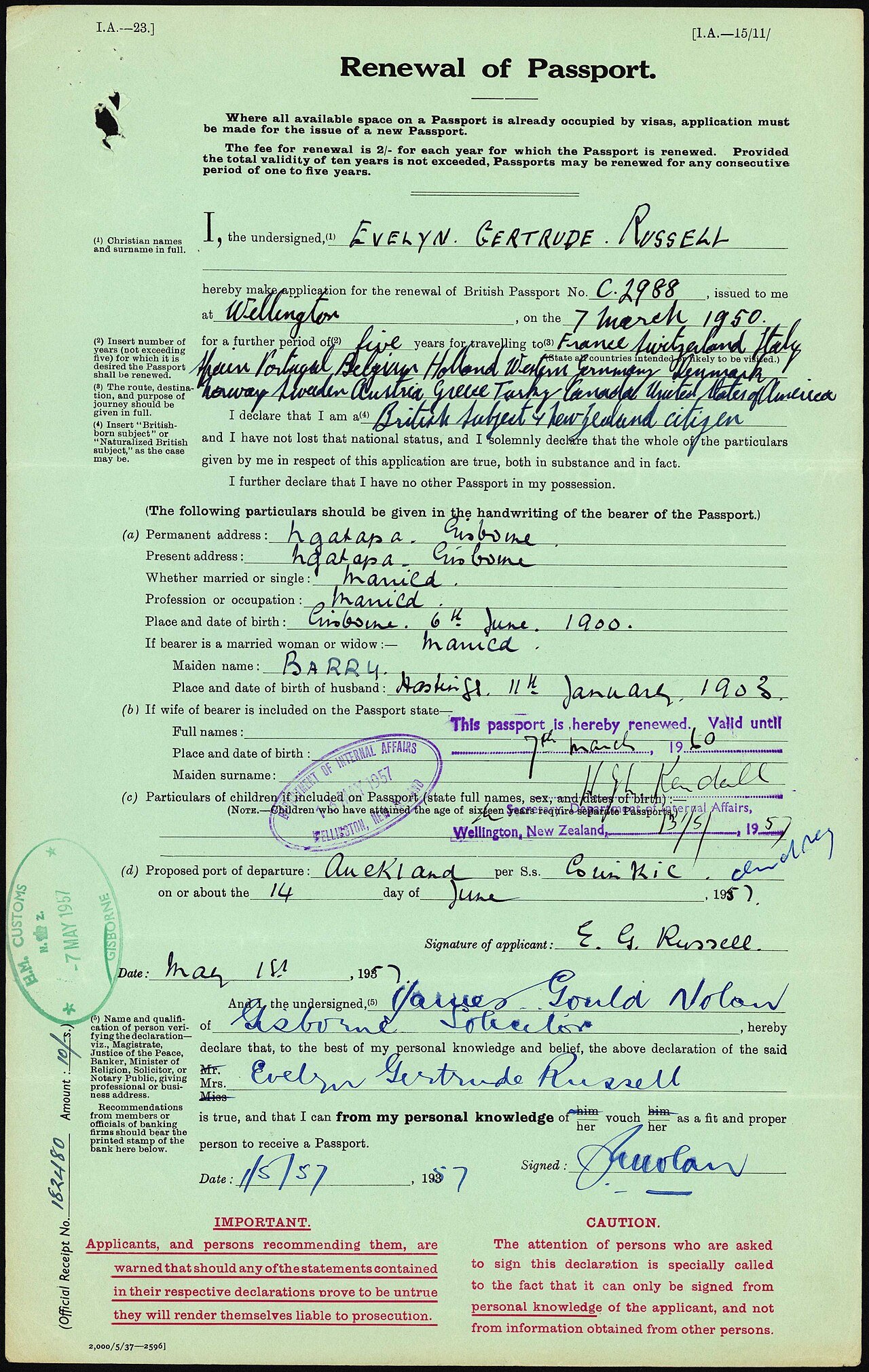
You should renew your passport before it expires, and ideally well in advance of travel, because many countries require your passport to be valid for at least six months beyond your intended stay. Don’t wait until the last minute — renew when your passport is nearing expiry (commonly within a year of expiry) or if its pages are full or it’s damaged. Renewing early avoids the risk of being unable to travel or apply for visas. Keeping track of your passport’s expiry date and renewing proactively is a simple habit that prevents major travel disruptions.
Normal vs Tatkal renewal
Passport services typically offer two schemes: Normal and Tatkal. Under the normal scheme, processing follows standard timelines after document verification and police verification (which may occur before or after issue). The Tatkal scheme is for those who need the passport urgently — it offers faster processing for a higher fee, with certain conditions and documentation. Tatkal can significantly speed up issuance, making it valuable for urgent travel. Choosing between them depends on your timeline and budget: normal for routine renewal planned ahead, Tatkal when you genuinely need the passport quickly.
How to apply for renewal
The renewal process generally involves applying online through the official passport portal, filling the application, paying the fee, and booking an appointment at a Passport Seva Kendra or Post Office Passport Seva Kendra. You then visit with your original documents (existing passport, proof of address and other required documents) for verification and biometrics. Police verification may apply depending on the case. After processing, the new passport is dispatched to you. Booking your appointment promptly (slots can be limited), carrying the correct documents, and applying through the official portal ensures a smooth renewal.
Frequently asked questions
When should I renew my passport? Before it expires and well ahead of travel, since many countries require at least six months’ validity beyond your stay.
What is Tatkal passport renewal? A faster, higher-fee scheme for urgent cases, offering quicker processing than the normal scheme, subject to conditions and documents.
How do I apply? Apply online via the official passport portal, pay the fee, book an appointment, and visit with original documents for verification and biometrics.
Documents you’ll need
For passport renewal, keep your documents ready: your existing passport (original plus self-attested copies of relevant pages), proof of present address, and any other documents specified for your case (such as for changes in personal details). Requirements can differ based on circumstances — for example, damaged passports, changes of name or address, or minors may need additional documents. Check the official document list for your specific situation before your appointment. Bringing the correct, complete original documents ensures verification goes smoothly and avoids a wasted appointment or delays in issuing your renewed passport.
Police verification explained
Police verification is part of the passport process, confirming your identity and address. Depending on your case and scheme, it may occur before the passport is issued (pre-verification) or after issue (post-verification), or in some renewal cases be streamlined. For Tatkal, the arrangements may differ to enable faster issuance. Cooperating promptly with the verifying officer and having your address proof ready helps it go smoothly. Understanding when and how police verification applies to your renewal helps you anticipate the timeline and avoid surprises, since it’s a key factor in how quickly your passport is finalised.
Tracking your application
After applying, you can track your passport application status online using the reference number provided, which shows the progress through verification, printing and dispatch. This lets you plan around the timeline and know when to expect delivery. If anything seems stuck or a document is queried, tracking alerts you so you can respond. Keep your acknowledgement and reference details safe. Monitoring your application gives peace of mind and helps you coordinate any travel or visa plans that depend on receiving the renewed passport, especially if you’re working to a tight schedule.
Tips to avoid delays
To renew smoothly and avoid delays: apply early (don’t wait until just before travel), book your appointment promptly as slots can fill, carry the correct original documents, ensure your application details are accurate and consistent with your documents, and respond quickly to any police-verification or document queries. Choose Tatkal if you genuinely need speed and qualify. Double-check the official requirements for your specific case beforehand. These simple steps — early action, correct documents, accurate details, and prompt responses — are the surest way to get your renewed passport without stressful last-minute delays.
A quick recap
To recap: renew your passport before it expires and well ahead of travel (many countries need six months’ validity), choosing the normal scheme for routine renewal or Tatkal for urgent cases at a higher fee. Apply online via the official portal, pay, book an appointment, and visit with correct original documents for verification and biometrics. Understand police verification, track your application, and avoid delays by applying early with accurate details and the right documents.
The bottom line
Keeping your passport valid is fundamental to stress-free travel, and renewing it is straightforward when you plan ahead. Renew before expiry and well before any trip, choose the normal or Tatkal scheme based on your timeline and budget, apply through the official portal with the correct documents, and cooperate with police verification. Track your application and act early to avoid delays. With a little foresight — rather than a last-minute scramble — passport renewal is simple, ensuring your gateway to the world is always ready. Always confirm current rules, fees and documents with the official passport authority.
Renewing a passport from abroad
If your passport is nearing expiry while you’re living or travelling abroad, you generally apply for renewal through the Indian Embassy or Consulate in that country, which handles passport services for citizens overseas. The process and documents may differ from renewing in India, and timelines vary. Plan well ahead, as renewing abroad can take time, and check the specific mission’s procedures. If you’re an NRI or on a long trip, monitor your passport’s validity closely and start renewal early. Knowing that overseas renewal goes through the embassy — not the in-India portal — helps you plan correctly when abroad.
Renewing for minors and family
Renewing passports for minors involves additional requirements, such as documents relating to parents and consent, and minors’ passports often have shorter validity, meaning more frequent renewal. When renewing for the whole family, check each member’s requirements and validity, and book appointments accordingly. Keeping track of each family member’s passport expiry — especially children’s, which expire sooner — prevents a forgotten renewal derailing a family trip. Preparing the specific documents needed for minors in advance ensures their renewals go as smoothly as adults’, so the whole family is travel-ready together.
Common renewal mistakes to avoid
Avoid the frequent renewal pitfalls: leaving it too late (risking travel and visa plans), carrying wrong or incomplete documents to the appointment, inconsistent details between the application and documents, missing the appointment, or not accounting for police verification time. Also, don’t overlook the six-month validity rule many countries enforce — a passport that’s still valid but expiring soon may not be accepted. Being aware of these common mistakes — and simply applying early with correct, consistent documents — keeps your renewal trouble-free and ensures your passport is ready well before you need it.
Keeping your passport in good condition
Extend your passport’s usable life by looking after it: keep it dry and undamaged, avoid bending or marking it, and store it safely (a passport cover helps). A damaged passport may need replacement and can cause travel problems, so protect it as the valuable document it is. Also keep an eye on your remaining blank pages, as a full passport requires renewal even if not expired. Treating your passport with care — protecting it physically and monitoring its validity and pages — means fewer unexpected renewals and a smoother travel life overall.
Final thoughts
A valid, well-maintained passport is the foundation of hassle-free travel. Renew before expiry and well ahead of trips, mindful of the six-month validity rule, and choose the normal or Tatkal scheme to suit your timeline. Apply through the official portal (or your embassy if abroad) with correct documents, understand police verification, and track your application. Watch out for common mistakes, plan for minors’ shorter validity, and protect your passport from damage. With early action and good care, your passport will always be ready to take you wherever you wish to go. Always confirm current rules and fees with the official authority.
Costs and fees to expect
Passport renewal involves fees that vary by scheme and booklet type — the Tatkal scheme costs more than the normal scheme for its faster processing, and larger booklets or certain cases may cost more. Fees are paid online during the application. Knowing the fee structure for your chosen scheme and booklet helps you budget and decide between normal and Tatkal. Since fees are periodically revised, always check the current fee on the official portal before applying. Factoring the correct fee into your planning — especially the premium for Tatkal — avoids surprises and helps you choose the option that fits your timeline and budget.
What changes you can make during renewal
Renewal is also an opportunity to update details — such as a change of address, name, or other personal information — though these may require additional supporting documents and could affect processing. If you need to make such changes, check the specific documents required for each type of change and prepare them in advance. Combining a needed update with your renewal is efficient, but be aware it can add verification steps. Knowing in advance what changes you want and what they require ensures your renewed passport reflects your correct, current details without unnecessary delays or repeat visits.
Final thoughts
Renewing your passport is a routine but important task that’s easy when approached early and methodically. Renew before expiry and well ahead of travel, mindful of the six-month validity rule, and pick the normal or Tatkal scheme to match your timeline and budget. Apply through the official portal (or your embassy if abroad) with the correct documents, understand the fees, police verification and any detail changes, and track your application to delivery. Avoid common mistakes and care for your passport to reduce surprises. With a little foresight, your gateway to the world stays ready whenever you need it. Always confirm current rules and fees officially.
Linking passport renewal with visa plans
If you have upcoming visa applications, sequence them with your passport renewal carefully. Many visas are stamped in or linked to your passport, so renewing before applying for visas (when your passport is near expiry) avoids the hassle of transferring or re-applying. Ensure your renewed passport has enough validity and blank pages for the visas you need. Coordinating the timing — renew first, then apply for visas on the new passport — prevents complications and wasted effort. Thinking about how your passport and visa plans fit together is a smart part of planning any international trip.
Related reading: Indian Passport Renewal & Tatkal Process Explained (2026) · Visa-Free Countries for Indians 2026 — Complete List & Travel Guide · Indian Passport Ranking & Global Mobility Explained (2026)
Plan smarter: browse more visa guides and international travel guides, and use our visa checker.
Last updated: June 2026. Visa and passport rules change frequently — always confirm current requirements with the official embassy, consulate or passport authority before you travel.