Thailand Visa for Indians 2026 — 60-Day Visa-Free Entry, TDAC & e-Visa Explained
Thailand is the single most popular international destination for Indian travellers — and the good news is that entry has become easier than ever. This in-depth guide explains exactly what Indian passport holders need to know to visit Thailand in 2026: whether you need a visa, the current visa-free arrangement and its conditions, the mandatory digital arrival card, fees and stay limits, the documents to carry, the step-by-step process, entry procedures, extensions, and tips for a smooth, hassle-free trip.
| Item | Cost |
|---|---|
| 60-day visa exemption (tourism) | Free |
| Thailand Digital Arrival Card (TDAC) | Free (mandatory online) |
| e-Visa (for longer/other stays) | As per visa type |
Do Indians need a visa for Thailand?
Thailand has significantly relaxed its rules, and Indian passport holders currently enjoy visa-free entry for tourism for stays of up to a generous limit (recently extended to 60 days), subject to conditions. This is a major change from the earlier visa-on-arrival regime and makes Thailand exceptionally easy for Indians. Because such arrangements are periodically reviewed, always confirm the current visa-free status, the exact permitted stay, and any conditions on the official Thai government or embassy site before you travel.
The visa-free arrangement and its conditions
Under the visa-free scheme, Indian tourists can enter without applying for a visa in advance, provided they meet standard entry conditions: a passport valid at least six months, proof of onward/return travel, confirmed accommodation, and evidence of sufficient funds for the stay (immigration may ask to see these). The visa-free entry is for tourism (and certain short business purposes); other purposes or longer stays require the appropriate visa. There may be limits on how often you can use visa-free entry within a period, so check if you travel frequently.
The Thailand Digital Arrival Card (TDAC)
Thailand has introduced a mandatory digital arrival card (TDAC) that travellers must complete online before arrival (replacing the old paper TM6 card). Fill it in on the official portal within the required window before your trip, and keep the confirmation. This is separate from the visa-free entry and applies to arriving travellers — completing it in advance speeds up immigration. Confirm the current TDAC requirement and the official link before you fly, as digital-entry systems are new and evolving.
If you need a visa (longer stays or other purposes)
For stays beyond the visa-free limit, or for non-tourism purposes, Indians can apply for the appropriate visa — Thailand offers an e-Visa applied for online through the official e-visa system, as well as embassy options. Tourist visas allow longer or multiple-entry stays. Apply in advance with the required documents (photo, passport scan, financials, travel details). Use only the official Thai e-visa portal, and check the correct category for your purpose and duration.
Fees and length of stay
The visa-free entry carries no visa fee — a big saving versus the old visa-on-arrival charge. The permitted stay under the current scheme is up to 60 days (confirm the latest figure). If you apply for a tourist e-visa instead, a fee applies depending on the visa type and entries. Overstaying carries fines and penalties, so plan to leave within your permitted period or extend properly.
Documents to carry
Even for visa-free entry, travel with: a passport valid 6+ months with blank pages, your TDAC confirmation, a return/onward ticket, accommodation proof for your stay, and evidence of sufficient funds (cash/card/statement). Immigration officers can request any of these. Carry printed and digital copies. Having everything ready ensures smooth, quick entry and avoids secondary questioning.
The arrival process
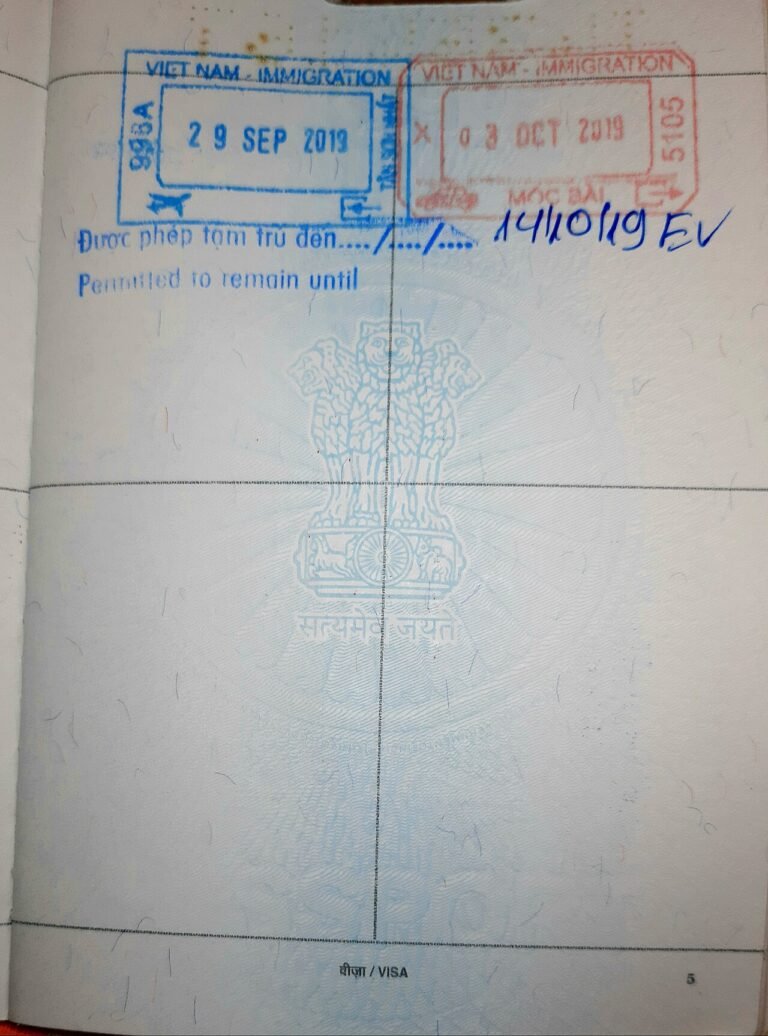
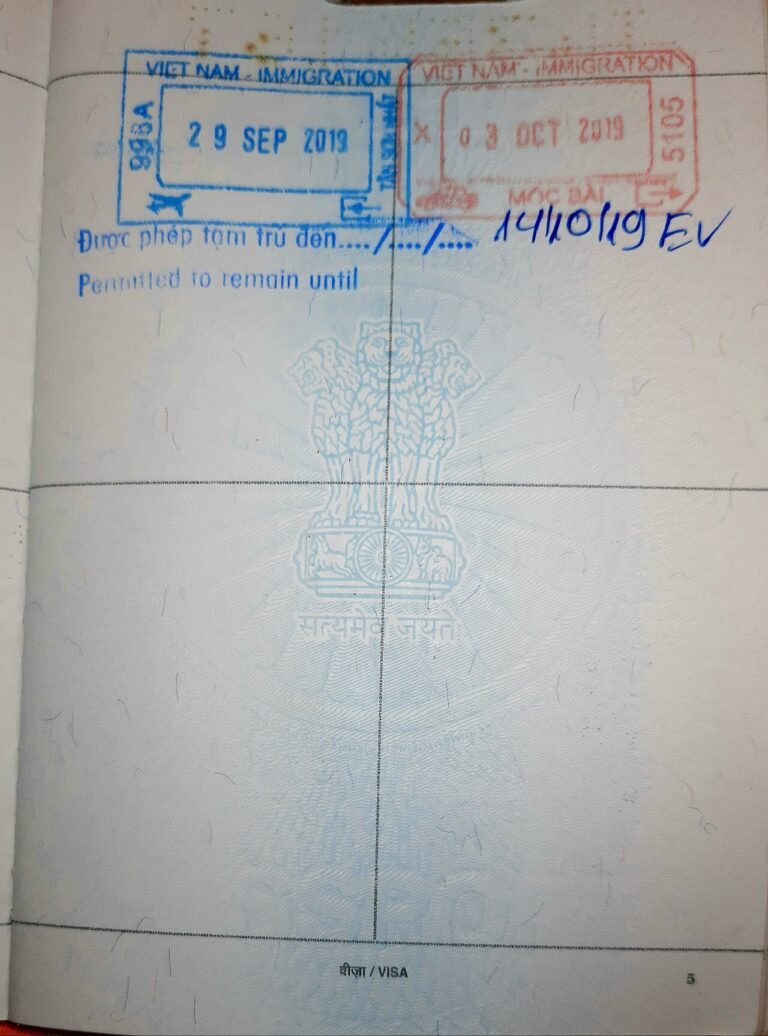
On landing, you’ll proceed to immigration with your passport and TDAC confirmation; officers may ask about your stay, accommodation and funds, and you receive your entry stamp with the permitted stay. The process is generally fast for tourists with documents in order. Keep your departure card/stamp details, and note the date you must leave by. Airports like Bangkok (Suvarnabhumi and Don Mueang), Phuket and Chiang Mai handle huge tourist volumes efficiently.
Extending your stay
If you wish to stay longer, short extensions are typically possible by applying at a Thai immigration office within the country for a fee, subject to conditions. For substantially longer stays, the correct route is the appropriate visa obtained in advance rather than relying on extensions. Don’t overstay — fines accrue daily and can affect future entry.
Tips for smooth entry
Complete the TDAC online before you fly and save the confirmation; carry proof of funds, accommodation and return travel; ensure six-plus months’ passport validity; and confirm the current visa-free days and rules shortly before travel, as they have changed recently. Use only official portals for the TDAC and any e-visa. Keep digital and printed copies of everything, and note your permitted departure date to avoid an accidental overstay.
Why visit Thailand
The easy entry opens up one of the world’s great destinations: Bangkok’s temples, markets and street food; the islands and beaches of Phuket, Krabi, Koh Samui and Koh Phi Phi; the culture and mountains of Chiang Mai; and superb, affordable food everywhere. It’s close to India, excellent value, and welcoming to first-time international travellers — see our Bangkok guide and Thailand itinerary to plan the trip.
Frequently asked questions
Do Indians need a visa for Thailand in 2026? Currently Indians enjoy visa-free tourist entry (recently up to 60 days), subject to conditions — confirm the latest rule before travelling.
What is the TDAC? Thailand’s mandatory digital arrival card, completed online before arrival; keep the confirmation.
How long can I stay? Up to the current visa-free limit (recently 60 days); extensions or a tourist e-visa allow longer.
What do I need at immigration? Passport (6+ months), TDAC, return ticket, accommodation proof and sufficient funds.
Is there a visa fee? No fee for visa-free entry; a tourist e-visa (for longer stays) carries a fee.
Recent rule changes and what they mean
Thailand’s entry policy for Indians has shifted notably in recent years — from a paid visa-on-arrival to the current, much friendlier visa-free tourist entry with a longer permitted stay, alongside the rollout of the digital arrival card (TDAC) replacing paper forms. The practical upshot for Indian travellers is no advance visa fee, a longer stay window, and a faster, paperless arrival — but also a new pre-arrival online step to remember. Because these are recent and evolving changes, the single most important habit is to re-check the official rules within a few weeks of travel, since the visa-free duration, conditions and arrival-card requirements can be adjusted.
Visa options compared
For most Indian tourists, the choice is simple: use visa-free entry for a standard holiday within the permitted stay. If you need longer (beyond the visa-free limit), want multiple entries, or are travelling for non-tourism reasons, apply for the relevant tourist e-Visa or other visa in advance through the official e-visa portal. There are also long-stay and special visas (for retirees, remote workers and so on) outside the scope of a normal holiday. Pick visa-free for simplicity; choose a visa only when your trip exceeds what visa-free allows.
Getting to Thailand from India
Thailand is one of the cheapest and most frequent international routes from India, with direct flights from many cities to Bangkok (Suvarnabhumi and Don Mueang), plus direct and one-stop options to Phuket, Krabi and Chiang Mai. Flight times are short (roughly 4 hours to Bangkok from much of India), and budget fares are common if booked ahead. This accessibility, combined with visa-free entry, is why Thailand is the default first international trip for so many Indians.
What a Thailand trip costs
Thailand suits every budget. Backpackers manage on a modest daily spend (hostels, street food, public transport), while mid-range travellers enjoy comfortable hotels, islands and tours for a reasonable sum; flights from India are often inexpensive. With no visa fee under visa-free entry, the main costs are flights, accommodation, island transfers and activities. See our budget Thailand guide and the Trip Cost Calculator to estimate your trip.
More frequently asked questions
Has Thailand really made entry visa-free for Indians? Yes, currently — tourist entry is visa-free for a set stay (recently up to 60 days); confirm the latest rule before booking.
Is the TDAC the same as a visa? No — it’s a mandatory digital arrival card completed online before arrival, separate from visa-free entry.
Can I extend a visa-free stay? Short extensions are typically possible at a Thai immigration office for a fee; longer stays need a proper visa.
What proof might immigration ask for? Return ticket, accommodation and sufficient funds — carry these even though entry is visa-free.
Disclaimer: This is general information, not immigration advice. Entry rules change without notice — verify the current requirements, fees and process on the official government portal or embassy before you apply or fly.
Plan your trip: use the visa checker, read the destination travel guide, estimate spend with the Trip Cost Calculator, and see more visa guides.
Last updated: June 2026. Visa rules, fees and arrival requirements change frequently — always confirm on the official government portal or embassy before booking or travelling.
Related reading: Sri Lanka Visa for Indians 2026 — Free ETA, 30-Day Double Entry & How to Apply · Mauritius Visa for Indians 2026 — Free 60-Day Entry, Requirements & Tips · Malaysia Visa for Indians 2026 — Visa-Free Entry, MDAC Arrival Card & Requirements