Oman Travel Guide for Indians (2026)
Last updated: July 8, 2026
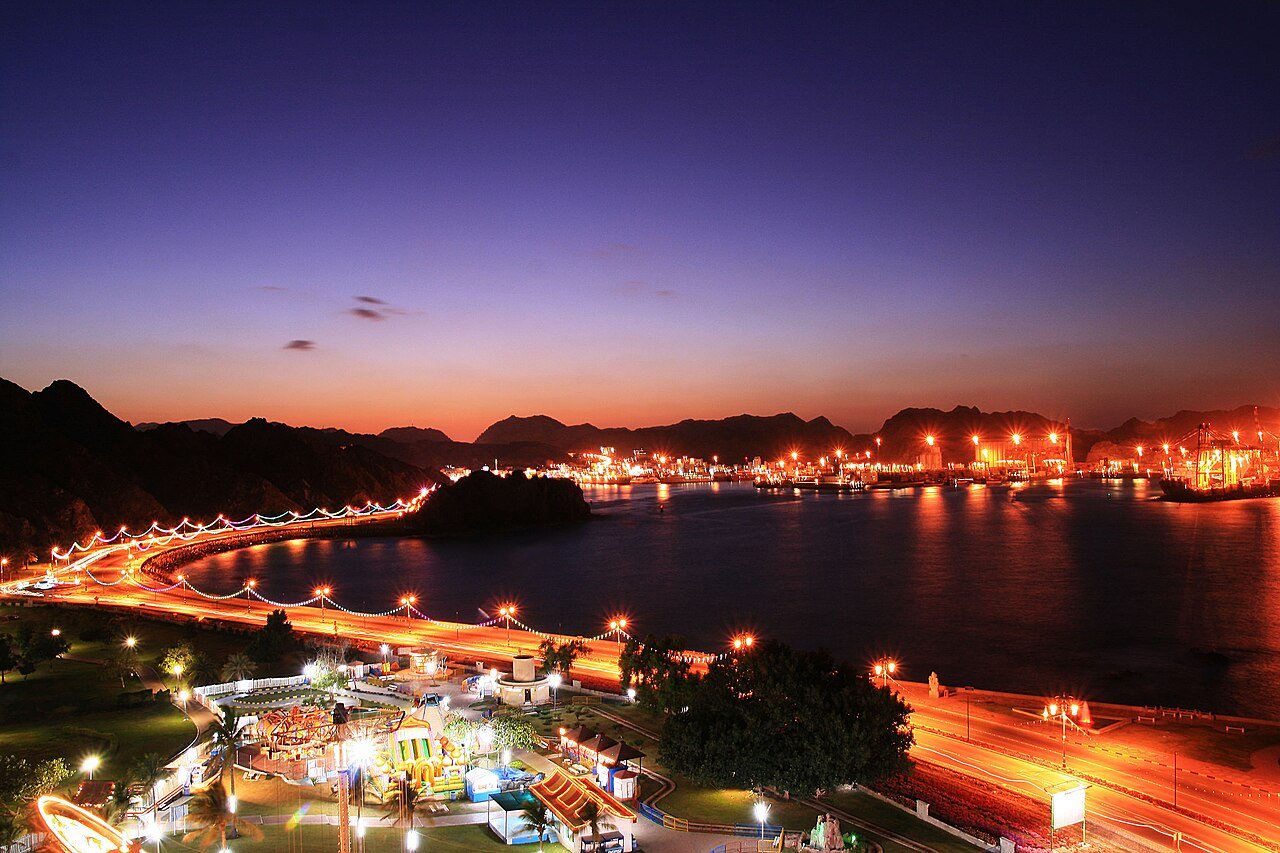
Oman is the Arabian Peninsula at its most authentic — a country of dramatic fjords, golden deserts, palm-filled wadis and a graceful, easygoing culture that feels worlds away from the glitz of its neighbours. Its capital, Muscat, blends a stunning grand mosque, a lively waterfront souq and whitewashed forts against a backdrop of rugged mountains and the Arabian Sea. For Indian travellers, it offers a short flight, deep historical ties, excellent safety and a genuine sense of Arabia without the crowds, making it one of the Gulf’s most rewarding and underrated destinations.
This 2026 guide for Indian travellers covers visas and flights, the best time to visit, what it costs, where to stay and eat, and how to plan a five-to-six day trip across Muscat, the mountains, the desert and the wadis.
- Visa: Indians need a visa; a tourist e-visa is available online, with visa-waiver provisions for some holders of valid US, UK, Schengen and similar visas — check current rules.
- Getting there: Direct flights from many Indian cities reach Muscat in around 3–4 hours.
- Best time: October to March for cool, pleasant weather; Salalah is special during the khareef monsoon from June to September.
- Don’t miss: The Grand Mosque, Mutrah Souq, the Wahiba Sands desert and a swim in Wadi Shab.
Part 1 of 8
Why Oman belongs on your list
Oman rewards travellers who want nature, history and culture rather than malls and skyscrapers. In a single trip you can wander an old harbour souq, drive into a desert of towering dunes, swim through emerald wadi pools beneath date palms, and cruise the cliff-lined fjords of Musandam. It is also remarkably safe, clean and welcoming, with a calm, dignified hospitality that leaves a lasting impression.
Grand Mosque
Muscat’s serene Sultan Qaboos Grand Mosque, open to respectful visitors in the mornings.
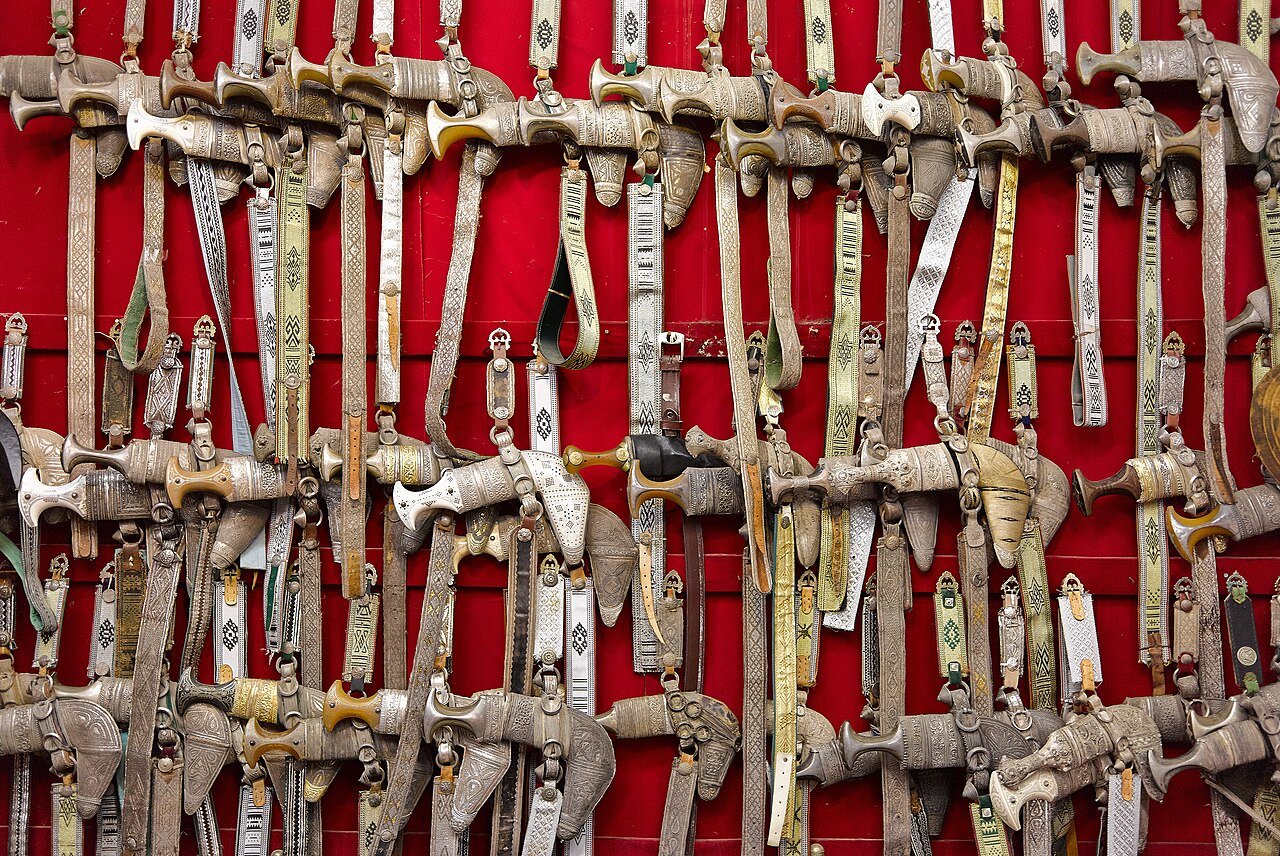
Mutrah Souq
A labyrinth of frankincense, silver and textiles beside the Muscat Corniche.
Wahiba Sands
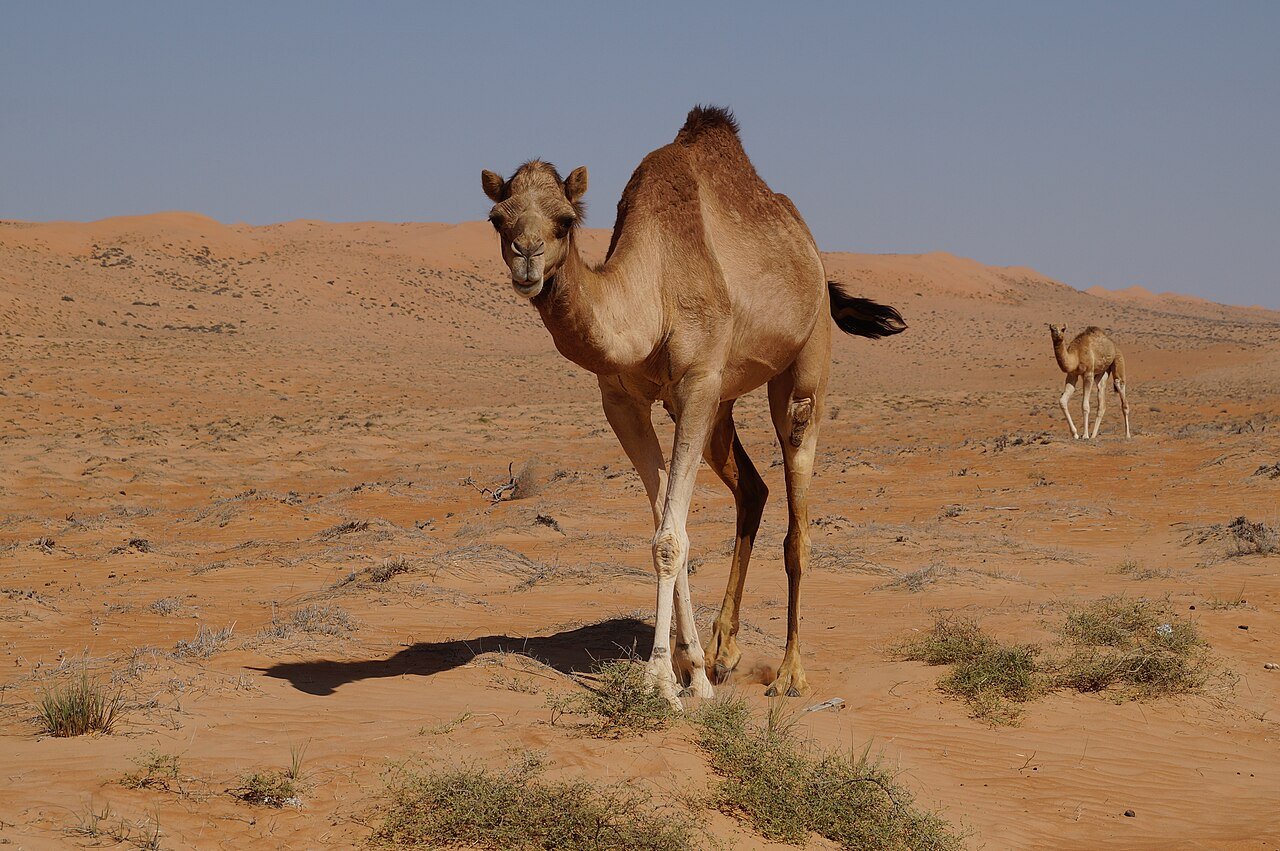
Classic Arabian dunes for dune-bashing, camel rides and desert-camp nights.
Wadis
Swim in the turquoise pools of Wadi Shab and Wadi Bani Khalid.
Mountains
Jebel Akhdar and Jebel Shams, the “Grand Canyon of Arabia”, for cool air and big views.
Musandam fjords
A dhow cruise among dramatic cliffs and dolphins in Oman’s northern exclave.
Whether you want a relaxed Muscat city break or a full road-trip adventure, Oman packs an extraordinary variety of landscapes into one safe, friendly and family-suited country.
Oman is old Arabia kept beautifully intact — forts and frankincense, dunes and wadis, all wrapped in some of the warmest hospitality in the Gulf.

Part 2 of 8
Visas and getting to Oman
Oman is straightforward to reach from India, and the visa process has become much simpler in recent years.
Visa: Indian passport holders need a visa to visit Oman. A tourist e-visa can be applied for online through the official Royal Oman Police portal, typically for a short or month-long stay. In addition, Oman has offered visa-free entry to Indians who hold a valid visa or residence permit from countries such as the US, UK, Schengen states, Canada and Australia, subject to conditions. Visa rules change, so always confirm the latest requirements before booking.
By air: Muscat International Airport is well connected to Indian cities including Mumbai, Delhi, Bengaluru, Hyderabad, Kochi and Chennai, with flying times of around 3–4 hours. Salalah also receives some international flights, useful if you are focusing on the south.
Pro tip
Apply for your e-visa a few days in advance and carry a printed copy along with confirmed accommodation and return-flight details, which can be requested on arrival.
Getting around: Oman is best explored by car. Roads are excellent and well signposted, and a hired vehicle (a 4×4 for the desert and some wadis) gives you the freedom to road-trip. Taxis and tours work well within Muscat.
Part 3 of 8
Best time to visit Oman
Oman’s climate is the main thing to plan around, as summers in most of the country are intensely hot while the south has its own unique green season.
| Season | Months | What to expect |
|---|---|---|
| Cool season | Oct–Mar | The best window — warm, sunny days and pleasant evenings, ideal for everything from cities to deserts. |
| Shoulder | Apr & May | Heating up but still manageable early in the day; fewer tourists and better deals. |
| Summer | Jun–Sep | Very hot across most of Oman; sightseeing is best limited to mornings and air-conditioned indoors. |
| Khareef (Salalah) | Jun–Sep | The southern Dhofar region turns lush and misty during its monsoon — a magical, cooler escape. |
For a classic Oman trip taking in Muscat, the mountains and the desert, come between October and March. If you specifically want to see the green, waterfall-filled landscapes of Salalah during the khareef, plan for the June-to-September window and focus your trip on the south.
Part 4 of 8
Costs and budgeting for Indians
Oman is mid-to-high in price for the Gulf, with the strong Omani rial making it feel pricier than India, though good value is available with planning. Here is a realistic per-person, per-day guide for 2026.
| Style | Daily budget | What it covers |
|---|---|---|
| Budget | OMR 25–40 | Guesthouse or budget hotel, shared transport or local tours, simple meals. |
| Mid-range | OMR 50–90 | Comfortable hotel, a shared hire car, a desert camp night and good restaurant meals. |
| Premium | OMR 130+ | Resort or boutique stays, private 4×4 with driver, guided experiences and fine dining. |
Car hire and fuel are reasonable, and fuel in particular is cheap, which makes self-drive road trips good value. Your biggest costs will be accommodation and any guided desert or Musandam excursions. Many travellers save by self-driving and mixing a couple of special stays, such as a desert camp, with simpler city hotels.
Good to know
Oman is very safe, but it is a conservative country. Dress modestly in public, especially at religious sites, and be mindful of customs during Ramadan, when eating in public during daylight is discouraged.
Part 5 of 8
Where to stay, what to eat and top experiences
Where to stay: Base yourself in Muscat for the city sights, choosing the Mutrah or Qurum areas for convenience. For the full experience, add a night at a Wahiba Sands desert camp and, if you head south, a stay in Salalah or up north near the Musandam fjords.
What to eat: Omani cuisine is mild and hearty — try shuwa (slow-cooked spiced meat), majboos (spiced rice with meat), fresh seafood on the coast, and dates with kahwa (cardamom coffee). Halal food is universal, and Indian restaurants are everywhere, so vegetarians and those wanting familiar flavours are well catered for.
Desert camp night
Watch sunset over the dunes and dine under the stars in the Wahiba Sands.
Wadi swim
Hike and swim through the palm-fringed pools of Wadi Shab.
Dhow cruise
Sail the Musandam fjords or a Muscat sunset cruise on a traditional dhow.
Nizwa fort & souq
Explore Oman’s old interior capital, its great fort and Friday goat market.
For something special, time a visit to the turtle-nesting beaches near Ras al Jinz, or drive up to Jebel Akhdar for cool mountain air, terraced rose gardens and dramatic canyon views.
Part 6 of 8
A 5–6 day Oman itinerary
This road-trip-style plan captures Oman’s big three — city, desert and wadis — with the mountains as a bonus.
Days 1–2 — Muscat: Explore the Sultan Qaboos Grand Mosque, the Mutrah Souq and Corniche, the Royal Opera House and Al Alam Palace, with a sunset dhow cruise to round off your first evening.
Day 3 — Nizwa and the interior: Drive inland to Nizwa for its fort and souq, then continue towards Jebel Akhdar for mountain views and a cool night at altitude.
Day 4 — Wahiba Sands: Head to the desert for dune-bashing, a camel ride and an unforgettable night at a desert camp under the stars.
Days 5–6 — Wadis and the coast: Swim at Wadi Bani Khalid or Wadi Shab, visit the coastal town of Sur, and return to Muscat, or extend south to Salalah if time allows.
Pro tip
Hire a 4×4 if you plan to enter the desert or rougher wadis, and download offline maps. Some of Oman’s best spots lie off the main highways, where signage and mobile signal can be limited.
Part 7 of 8
Practical tips for Indian travellers
A little cultural awareness and planning go a long way in Oman, which combines easy travel with conservative customs.
Dress modestly
Cover shoulders and knees in public; carry a scarf for mosque visits.
Self-drive ready
Roads are excellent; carry an international permit and choose a 4×4 for the desert.
Currency & cards
The Omani rial is strong; cards are widely accepted, but carry cash for souqs and rural areas.
Mind Ramadan
During the holy month, avoid eating, drinking or smoking in public in daylight.
Oman is one of the safest countries in the region, with low crime and famously courteous locals, so solo travellers, couples and families can all explore with confidence. The main things to respect are cultural: dress conservatively, ask before photographing people, behave decorously at religious sites, and remember that alcohol is restricted to licensed hotels and venues. A local SIM is cheap and useful for navigation, though signal thins out in the deep desert and mountains.
Oman also combines well with the wider Gulf. It is an easy add-on to a Dubai or Abu Dhabi trip, with short flights or a scenic border drive linking them, and the Musandam peninsula is especially close to the UAE. Building Oman into a broader Gulf itinerary lets you balance the region’s modern cities with Oman’s nature, heritage and calm.
Part 8 of 8
Frequently asked questions
Do Indians need a visa for Oman?
Yes. Indian passport holders need a visa, and a tourist e-visa can be applied for online through the official Royal Oman Police portal. Oman has also offered visa-free entry to Indians holding valid visas or residence from countries like the US, UK and Schengen states, subject to conditions, so confirm the latest rules before you travel.
How long is the flight from India to Oman?
Direct flights from major Indian cities to Muscat take around 3–4 hours, making Oman an easy short-haul destination with frequent connections.
When is the best time to visit Oman?
October to March offers the most pleasant weather for Muscat, the mountains and the desert. If you want the green, misty landscapes of Salalah during the khareef monsoon, visit the south between June and September.
Is Oman expensive compared to India?
It is mid-to-high priced for the region, and the strong Omani rial makes it feel pricier than India. However, cheap fuel, reasonable car hire and a mix of simple and special stays can keep a self-drive trip good value.
Is Oman safe for families and solo travellers?
Very. Oman is one of the safest countries in the Middle East, with low crime and courteous locals. Families, couples and solo travellers, including women, generally find it relaxed and welcoming.
What should I wear in Oman?
Dress modestly in public, covering shoulders and knees, and carry a scarf for mosque visits, where women cover their hair. Beachwear is fine at hotel pools and beaches but not in towns or religious sites.
Do I need a 4×4 to explore Oman?
A regular car is fine for cities and main highways, but a 4×4 is recommended if you plan to enter the Wahiba Sands or tackle rougher wadi tracks. Roads are otherwise excellent and easy to drive.
Can I combine Oman with Dubai?
Yes. Oman pairs well with Dubai and Abu Dhabi via short flights or a scenic drive, and the Musandam fjords are especially close to the UAE, making a combined Gulf itinerary straightforward.
The bottom line
Oman is the Gulf’s quiet masterpiece — a safe, scenic and culturally rich country where deserts, fjords, wadis and old souqs sit within easy reach of one another. Sort your e-visa, come in the cool season (or head to Salalah for the khareef), hire a car to road-trip between the highlights, and travel with respect for local customs. Do that, and Oman will reward you with an authentic slice of Arabia that few of its flashier neighbours can match.
Related reading
 Qatar Travel Guide for Indians (2026)
 Heritage Walks & Cultural Experiences: Travel Deeper
 International Driving Permit (IDP): Driving Abroad Guide
Photos sourced from Wikimedia Commons under their respective Creative Commons licences. Visa, flight and travel details are indicative for 2026; confirm current visa rules and conditions before you travel.