India’s Best Festivals to Travel For 2026 — Holi, Diwali, Durga Puja & More
Last updated: June 30, 2026
India’s festivals are among the most spectacular reasons to travel anywhere in the world — and “festival tourism” is one of the fastest-growing trends among Indian travelers. Timing a trip to a great celebration turns a holiday into a once-in-a-lifetime memory of colour, music, devotion, and food. This detailed guide rounds up the festivals worth planning a trip around, when and where they happen, and how to do it smoothly.
Festivals worth travelling for
Holi (March) — Mathura, Vrindavan & Barsana: The most iconic colour celebrations on earth; Barsana’s playful Lathmar Holi is unique, and the temple towns go all out for a week.
Diwali (Oct–Nov) — Varanasi & Jaipur: Dev Deepawali on the Ganga ghats (lakhs of lamps) is breathtaking, and Jaipur’s markets and palaces glitter with lights.
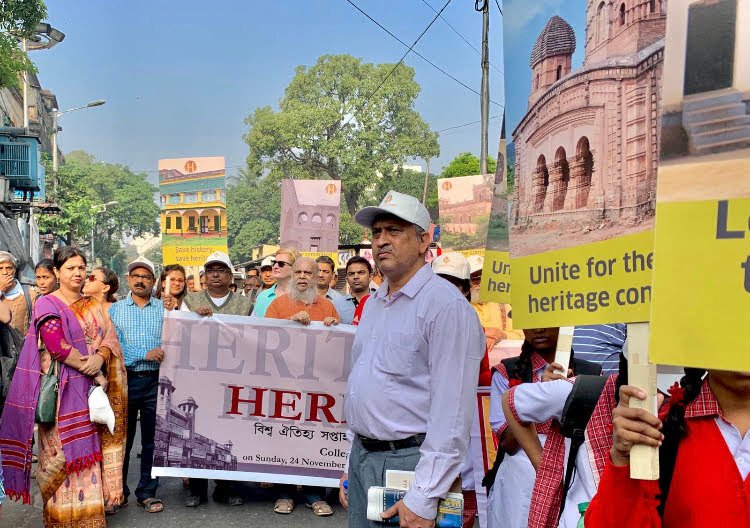
Durga Puja (Sep–Oct) — Kolkata: A UNESCO-listed extravaganza where the whole city becomes an open-air art gallery of themed pandals, late into the night.
Pushkar Camel Fair (November) — Rajasthan: Desert culture at its most vivid — camels, folk performances, hot-air balloons, and a sea of turbans.
Rann Utsav (Nov–Feb) — Kutch, Gujarat: The white salt desert under a full moon, with tent cities, crafts, and music — one of India’s most surreal experiences.
Hornbill Festival (December) — Nagaland: The Northeast’s biggest cultural showcase of tribes, dance, food, and music — a bucket-list event as the region’s tourism booms.
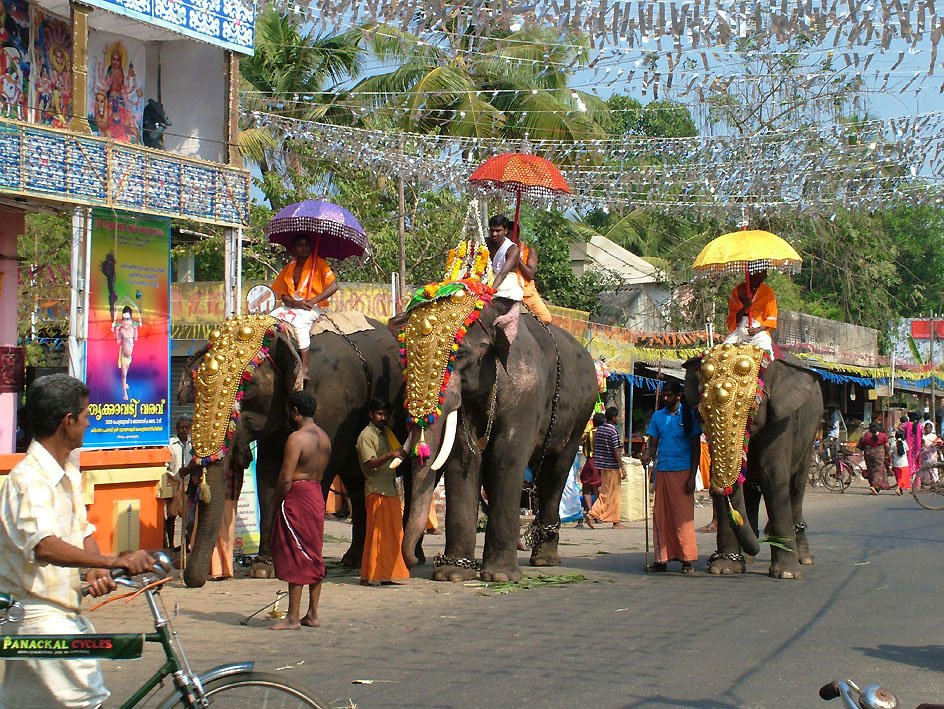
Onam (Aug–Sep) — Kerala: Snake-boat races, intricate flower carpets (pookalam), and the grand sadhya feast. Goa Carnival (Feb) adds Portuguese-flavoured parades and street parties, and Ladakh’s Hemis Festival (summer) brings masked monastery dances.
How to plan a festival trip
- Book early: Hotels, trains, and flights sell out months ahead for major festivals — plan well in advance.
- Confirm dates each year: Many festivals follow the lunar calendar and shift annually, so verify the exact dates.
- Dress respectfully and always ask before photographing people, rituals, or inside temples.
- Mind the crowds: Keep valuables secure, plan transport in advance, and build buffer time.
- Stay central to the festivities, and be prepared for higher prices during peak dates.
A rough festival calendar
- Feb–Mar: Goa Carnival, Holi, Rann Utsav (until Feb).
- Aug–Oct: Onam, Durga Puja, Dussehra.
- Oct–Nov: Diwali/Dev Deepawali, Pushkar Fair.
- December: Hornbill Festival, Christmas in Goa/Kerala.
FAQs
Which is India’s best festival for tourists? Holi (Mathura/Vrindavan), Diwali (Varanasi), and Durga Puja (Kolkata) are the most spectacular; Hornbill and Rann Utsav for offbeat culture.
How far ahead should I book? Two to three months for major festivals, as accommodation and transport fill quickly.
India’s best festivals to travel for
India’s festivals are reason enough to plan a trip. Holi (spring) drenches the north in colour, with Mathura, Vrindavan and Jaipur among the most vibrant spots. Diwali (autumn) lights up the whole country, with Varanasi, Jaipur and Amritsar especially magical. Durga Puja transforms Kolkata into a vast open-air art festival, while Navratri brings nine nights of dance to Gujarat. Beyond these, Pushkar’s camel fair, Goa’s Carnival, Kerala’s Onam and Ladakh’s Hemis festival each offer an unforgettable cultural spectacle worth timing a trip around.
Where to experience the big ones
For Holi, head to the Braj region (Mathura, Vrindavan, Barsana) for its famous celebrations, or Jaipur and Udaipur for royal flavour. For Diwali, Varanasi’s ghats with Dev Deepawali, Jaipur’s illuminated bazaars, and Amritsar’s Golden Temple are stunning. Kolkata is unmissable for Durga Puja’s elaborate pandals, and Ahmedabad and Vadodara for Navratri’s garba. Each festival has its heartland where the energy, decorations and traditions are at their peak — going to the right place transforms the experience.
Tips for festival travel
Book transport and accommodation well in advance, as festivals draw huge crowds and prices spike. Expect packed trains and busy roads around major festivals. Dress respectfully, especially at religious events, and for Holi wear old clothes and protect your phone and eyes. Stay aware in crowds and keep valuables secure. Embrace the chaos — festivals are loud, colourful and joyful. Timing your visit to a festival, in its traditional heartland, gives you a window into India’s culture that ordinary travel simply cannot match.
Frequently asked questions
Which Indian festivals are best to travel for?
Holi (Mathura, Jaipur), Diwali (Varanasi, Jaipur, Amritsar), Durga Puja (Kolkata) and Navratri (Gujarat) are the headline ones, along with Pushkar Fair, Goa Carnival, Onam and Hemis.
What should I know about travelling during festivals?
Book transport and stays well ahead as prices spike and crowds swell, dress respectfully, protect valuables and (for Holi) your phone and eyes, and embrace the lively atmosphere.
Related reading: Bangkok 5-Day Guide for Indian First-Timers – Food, Temples, Markets, Nightlife · Northeast India 12-Day Itinerary 2026 – Meghalaya, Assam, Arunachal Pradesh · Indian Passport in 2026 – How to Apply, Renew, and Track Online