Multi-Park Wildlife Safari in India: Planning Guide
Last updated: July 8, 2026
India is one of the world’s great wildlife destinations, home to tigers, one-horned rhinos, Asiatic lions, elephants, leopards and a dazzling variety of birds across dozens of national parks and reserves. For serious wildlife lovers, a multi-park safari — combining several reserves in one trip — offers the best chance to see this incredible diversity, from the tiger forests of central India to Kaziranga’s rhinos and the lions of Gir. This guide helps plan a multi-park wildlife safari across India’s top reserves.
This guide covers India’s star wildlife parks, how to combine them, the best time and seasons, safari booking, costs and tips for an ethical, rewarding safari trip.
- Star species: Tigers, one-horned rhinos, Asiatic lions, elephants and leopards across different parks.
- Combine parks: Pair complementary reserves (e.g. tiger parks of MP, or Kaziranga + the Northeast).
- Best time: Generally the dry season (roughly Oct/Nov–Jun); parks have seasonal closures (often the monsoon).
- Book ahead: Reserve safaris and lodges early; choose ethical operators.
Part 1 of 8
Why a multi-park wildlife safari
No single park can show you all of India’s wildlife — the tigers are concentrated in central and northern reserves, the one-horned rhinos in Assam, the Asiatic lions only in Gujarat’s Gir, and elephants and unique species in the south and Northeast. A multi-park safari lets serious wildlife enthusiasts experience this remarkable diversity in one trip, maximising sightings and habitats. From dawn jeep safaris in tiger forests to grassland rhino spotting and birding in wetlands, it is the ultimate Indian wildlife adventure.
Tigers
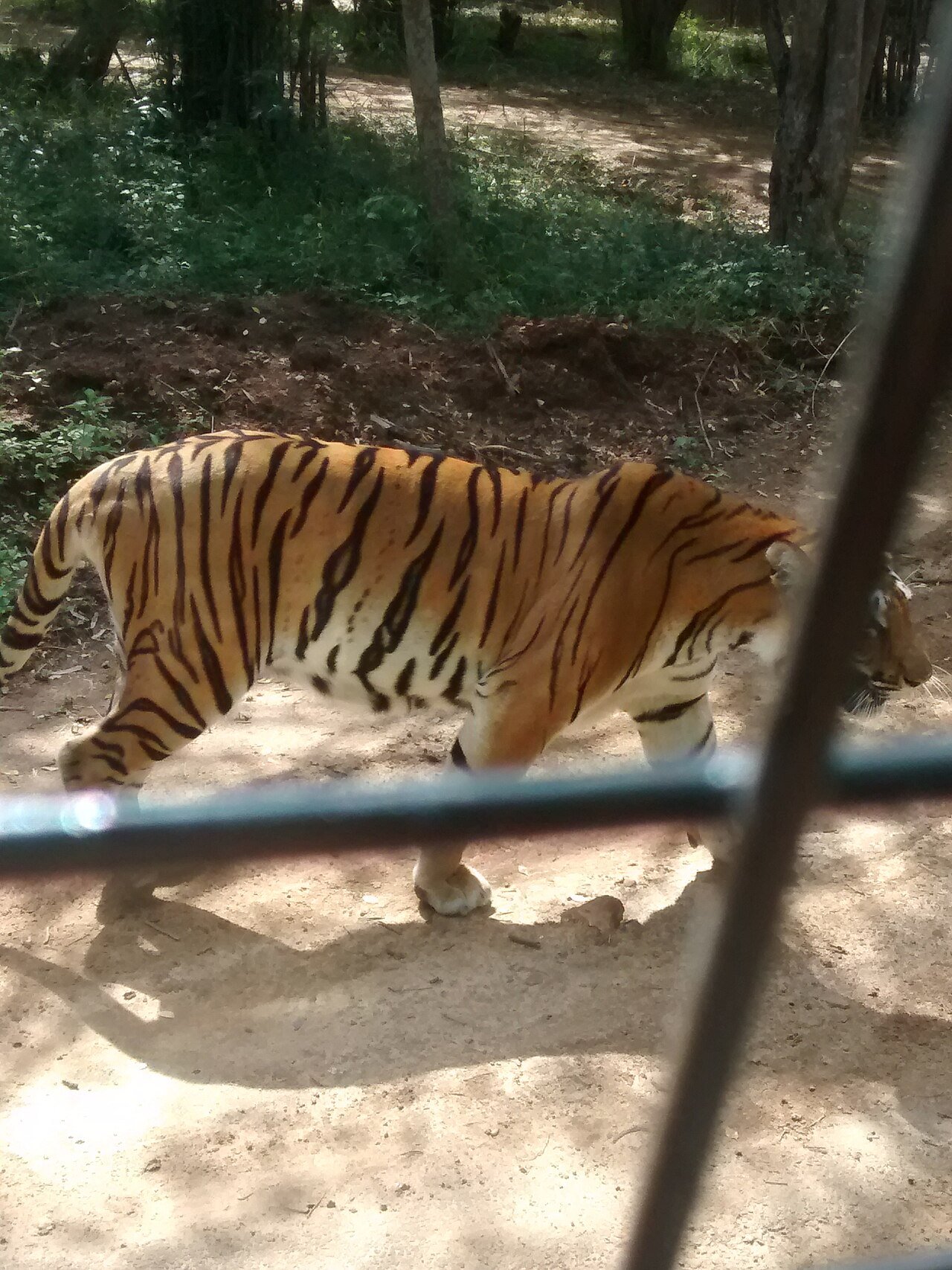
Central & northern reserves like Ranthambore, Bandhavgarh, Kanha.
One-horned rhino
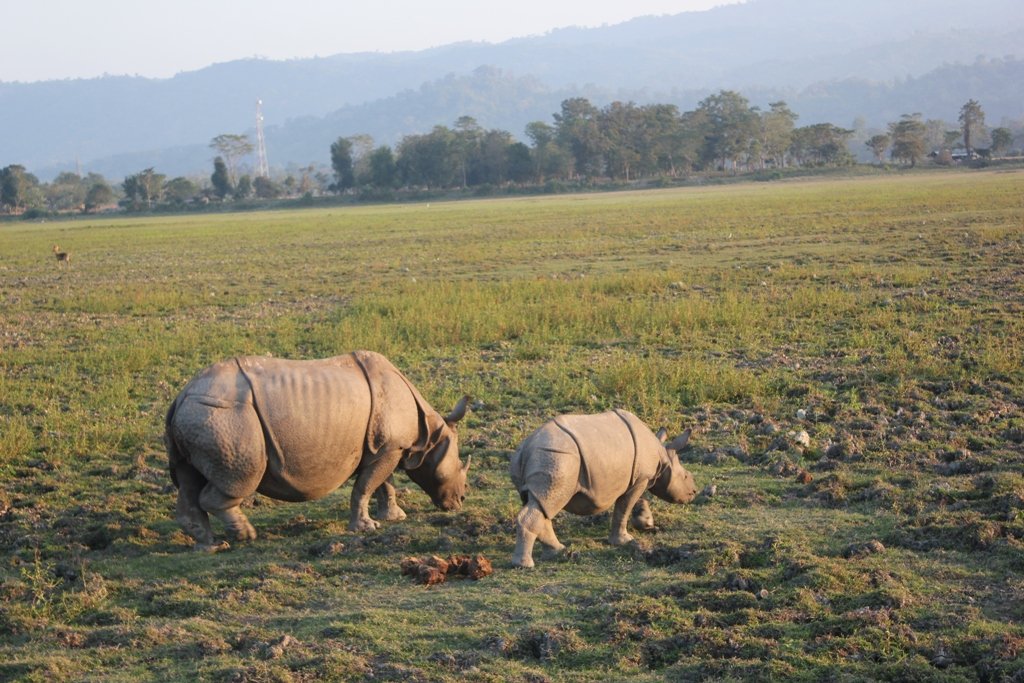
Kaziranga in Assam.
Asiatic lions
Gir National Park, Gujarat.
Elephants
Southern and Northeastern parks.
Leopards & more
Across many reserves.
Birdlife
Wetlands and forests teeming with birds.
Whether you are a dedicated wildlife photographer or a nature lover after big sightings, combining India’s complementary reserves into a multi-park safari delivers the richest possible wildlife experience the country offers.
A multi-park safari is India’s wildlife at its fullest — tigers, rhinos and lions across complementary reserves in one unforgettable trip.
Part 2 of 8
India’s star wildlife parks
India’s top reserves each offer distinct species and habitats.
Tiger parks (central & north): Ranthambore (Rajasthan), Bandhavgarh, Kanha, Pench and Tadoba (Madhya Pradesh/Maharashtra), and Jim Corbett (Uttarakhand) are the best for tigers.
Kaziranga (Assam): Famous for the one-horned rhino, plus elephants, wild buffalo and birdlife.
Gir (Gujarat): The only home of the wild Asiatic lion.
Southern parks: Bandipur, Nagarhole, Kabini and Periyar for elephants, big cats and rich forests.
Pro tip
Group parks by region to minimise travel — for example, two or three Madhya Pradesh tiger reserves together, or Kaziranga with the wider Northeast — and base each leg near the park gates for early-morning safaris.
Each park has its own star species, landscape and best season, so choosing complementary reserves lets you build a multi-park trip rich in variety and sightings.
Part 3 of 8
How to combine parks and the best time
Smart combinations and timing maximise your sightings on a multi-park safari.
| Circuit idea | Parks | Highlights |
|---|---|---|
| MP tiger circuit | Bandhavgarh + Kanha + Pench | Top tiger reserves close together. |
| Rajasthan + more | Ranthambore (+ heritage) | Tigers with Rajasthan’s forts and culture. |
| Northeast wildlife | Kaziranga (+ Manas) | Rhinos, elephants and Northeast nature. |
| South India | Bandipur + Nagarhole + Periyar | Elephants, big cats and lush forests. |
| Gir add-on | Gir (Gujarat) | The unique Asiatic lion. |
For timing, the dry season (roughly October/November to June) is generally best, as animals gather at water sources and visibility improves toward summer, though heat rises. Many parks close during the monsoon (often July–September/October), and core zones have specific dates, so check each park’s season and plan your circuit accordingly.
Part 4 of 8
Safari booking and costs
Safaris require advance booking, and costs vary by park and style.
Booking: Safari permits are limited and often booked online in advance (via state forest department portals) or through lodges and operators. Core-zone safaris, in particular, sell out, so book early, and carry ID matching your booking.
| Item | Approx. cost | Notes |
|---|---|---|
| Shared jeep safari | ₹1,500–4,000 | Per person per safari, varies by park/zone. |
| Private jeep safari | ₹6,000–15,000+ | Per jeep per safari, for a private experience. |
| Park stays | ₹2,000–20,000+ | Per night, from forest lodges to luxury resorts. |
| Multi-park trip | Varies widely | Driven by parks, safaris, stays and transport. |
The main costs are safari permits/jeeps, accommodation near the parks, and transport between reserves. A multi-park trip adds up but can be tailored from budget forest lodges and shared safaris to luxury wildlife resorts and private jeeps. Book safaris and stays well ahead, especially in peak season.
Good to know
Choose ethical operators and follow all park rules — no getting out of vehicles, no feeding or disturbing animals, no off-track driving, and keeping a respectful distance and quiet. Respect the wilderness, follow your guide and the forest department’s instructions, and prioritise the animals’ welfare over a closer photo.
Part 5 of 8
Ethical safaris and conservation
Responsible behaviour is essential to protect India’s wildlife and habitats.
Follow park rules: Stay in your vehicle, never feed or chase animals, avoid off-track driving, keep noise down, and maintain a respectful distance.
Choose ethical operators: Pick guides, lodges and operators with genuine conservation ethics and trained naturalists, not those who harass wildlife for sightings.
Support conservation: Many lodges fund habitat protection and employ local communities; choosing them helps conservation directly.
Be patient: Wildlife sightings are never guaranteed; enjoy the whole ecosystem — birds, deer, landscapes — not just the big cats.
Stay in the vehicle
No getting out; no off-track driving.
Keep distance & quiet
Don’t disturb or feed animals.
Ethical operators
Conservation-minded lodges and guides.
Enjoy it all
Birds, deer and landscapes, not just tigers.
Ethical, patient and respectful safaris protect the wildlife you have come to see and support the conservation that keeps India’s parks thriving.
Part 6 of 8
Best season and planning your trip
Timing your multi-park trip to each park’s season is key.
General best time: The dry season (October/November to June) is best for most parks, with sightings often peaking in the hotter months (March–June) as animals gather at waterholes.
Park closures: Many reserves close core zones during the monsoon (often July–September/October), so check each park’s dates when planning a circuit.
Northeast (Kaziranga): Best roughly November–April, after the monsoon floods recede.
Plan logistics: Group nearby parks, allow travel time between reserves, base near park gates for dawn safaris, and book permits and lodges early.
Pro tip
Build your circuit around each park’s open season, and aim for the hotter pre-monsoon months for the best big-cat sightings if you can handle the heat. Always allow buffer time between parks for the long transfers.
Part 7 of 8
Practical tips for a multi-park safari
A few pointers make a multi-park safari smoother and more rewarding.
Book safaris early
Permits are limited and sell out.
Group by region
Minimise long transfers between parks.
Mind the seasons
Parks close in the monsoon; check dates.
Be ethical
Follow park rules; choose responsible operators.
A multi-park wildlife safari is the ultimate way to experience India’s incredible biodiversity. Group complementary parks by region to minimise transfers — central India’s tiger reserves, the Northeast’s Kaziranga, or the southern parks — and build your circuit around each park’s open season, as many close during the monsoon. Book safari permits and lodges well in advance, as they are limited and sell out, and carry ID matching your booking.
Base yourself near the park gates for early-morning safaris, allow buffer time for the long transfers between reserves, and pack neutral clothing, binoculars, a good camera and sun protection. Above all, travel ethically — follow all park rules, keep a respectful distance, choose conservation-minded operators and lodges, and be patient, savouring the whole ecosystem. Do this, and a multi-park safari will reward you with unforgettable encounters with India’s tigers, rhinos, lions and more.
Part 8 of 8
Frequently asked questions
What is a multi-park wildlife safari in India?
It is a trip combining several of India’s national parks and reserves to experience its full wildlife diversity, since different species live in different regions — tigers in central and northern parks, one-horned rhinos in Assam, Asiatic lions in Gujarat’s Gir, and elephants in the south and Northeast. Combining complementary parks maximises sightings and habitats.
Which are the best wildlife parks to combine?
Popular circuits include the Madhya Pradesh tiger reserves (Bandhavgarh, Kanha, Pench) together, Ranthambore with Rajasthan’s heritage, Kaziranga with the wider Northeast, and the southern parks (Bandipur, Nagarhole, Periyar). Gir in Gujarat is a special add-on for the Asiatic lion. Group parks by region to reduce travel.
When is the best time for an Indian wildlife safari?
The dry season (roughly October/November to June) is generally best, with sightings often peaking in the hotter pre-monsoon months (March–June) as animals gather at waterholes. Many parks close core zones during the monsoon (often July–September/October), and Kaziranga is best from November to April, so check each park’s dates.
How do I book safaris in India’s national parks?
Safari permits are limited and usually booked online in advance through state forest department portals, or via lodges and operators. Core-zone safaris sell out fast, so book as early as possible, and carry ID matching your booking. Reputable lodges can often arrange permits and naturalist-guided safaris for you.
How much does a multi-park safari cost?
Costs vary widely. Shared jeep safaris run roughly ₹1,500–4,000 per person, private jeeps ₹6,000–15,000 plus per safari, and park stays from ₹2,000 to ₹20,000 plus a night. A multi-park trip’s total depends on the number of parks, safaris, accommodation level and transport between reserves; book early for the best options.
How can I maximise my chances of seeing a tiger?
Visit top tiger reserves like Bandhavgarh, Ranthambore, Kanha or Tadoba in the dry season, ideally the hotter pre-monsoon months when tigers gather at waterholes, book multiple safaris (especially in core zones), go with experienced naturalists, and be patient. Even so, sightings are never guaranteed — enjoy the whole experience.
What does an ethical safari involve?
Ethical safaris mean following all park rules — staying in your vehicle, never feeding or chasing animals, avoiding off-track driving, keeping noise down, and maintaining a respectful distance — and choosing operators and lodges with genuine conservation ethics. Prioritise the animals’ welfare over a closer photo, and support lodges that fund conservation and employ locals.
What should I pack for a wildlife safari?
Pack neutral-coloured clothing (avoid bright colours and white), layers for chilly early mornings, a hat, sunglasses and sunscreen, binoculars and a good camera with a zoom lens, insect repellent, and a refillable water bottle. Closed shoes, a small daypack and any personal medicines are useful, along with patience for the early starts.
Are tiger sightings guaranteed on safari?
No — tigers are wild and elusive, so sightings are never guaranteed even in top reserves. You can improve your odds by visiting the best tiger parks in the dry, pre-monsoon months, booking multiple safaris including core zones, and going with experienced naturalists. Approach each safari for the whole experience — the forest, birds, deer and landscapes — rather than fixating only on a tiger.
How many days do I need for a multi-park safari?
It depends on how many parks you combine. Allow at least two to three nights per park for multiple safaris and good sighting chances, plus travel time between reserves. A focused two-park trip might take 6–8 days, while a fuller circuit of three or more parks across regions can run 10–14 days or more, so plan realistically around transfers and park seasons.
The bottom line
A multi-park wildlife safari is the ultimate way to experience India’s extraordinary biodiversity — the tigers of central India, the one-horned rhinos of Kaziranga, the Asiatic lions of Gir, and the elephants and forests of the south and Northeast, all in one trip. Group complementary parks by region, build your circuit around each park’s open season, book safari permits and lodges early, and base near the gates for dawn drives. Travel ethically, follow all park rules, choose conservation-minded operators, and be patient, and a multi-park safari will reward you with unforgettable encounters with India’s magnificent wildlife.
Related reading
 Qatar Travel Guide for Indians (2026)
 Adventure Travel in India: Activities & How to Plan Safely
 Sustainable & Eco-Tourism: How to Travel Responsibly
Photos sourced from Wikimedia Commons under their respective Creative Commons licences. Park, season and cost details are indicative for 2026; confirm current park timings, safari bookings and rules before you travel.