Jaipur 2 Days Itinerary: Perfect Weekend Plan (2026)
Last updated: July 8, 2026
Two days is enough to fall for Jaipur — and with a tight, well-ordered plan you can cover the Pink City’s blockbuster forts, palaces and bazaars without feeling rushed. This itinerary devotes one day to the magnificent hill forts and another to the old-city palaces, observatory and markets, with sunset viewpoints and Rajasthani feasts woven in. As the most accessible point of the Golden Triangle, Jaipur makes a brilliant weekend break or a perfect two-day stop on a wider Rajasthan trip.
This 2026 itinerary guide for Indian travellers covers how to get there, the best time to go, what it costs, a day-by-day plan, where to stay and eat, and the practical tips for a smooth Jaipur weekend.
- Getting there: Fly into Jaipur (JAI, about 13 km), take a train to Jaipur Junction, or drive roughly 5 hours from Delhi.
- Best time: October to March, when the weather is cool and ideal for forts and bazaars.
- Budget: ₹2,000–6,000 per day, more for a heritage or palace stay.
- Don’t miss: Amber Fort, the Hawa Mahal, the City Palace and Jantar Mantar, plus a Nahargarh sunset.
Part 1 of 8
Why a 2-day Jaipur trip works so well
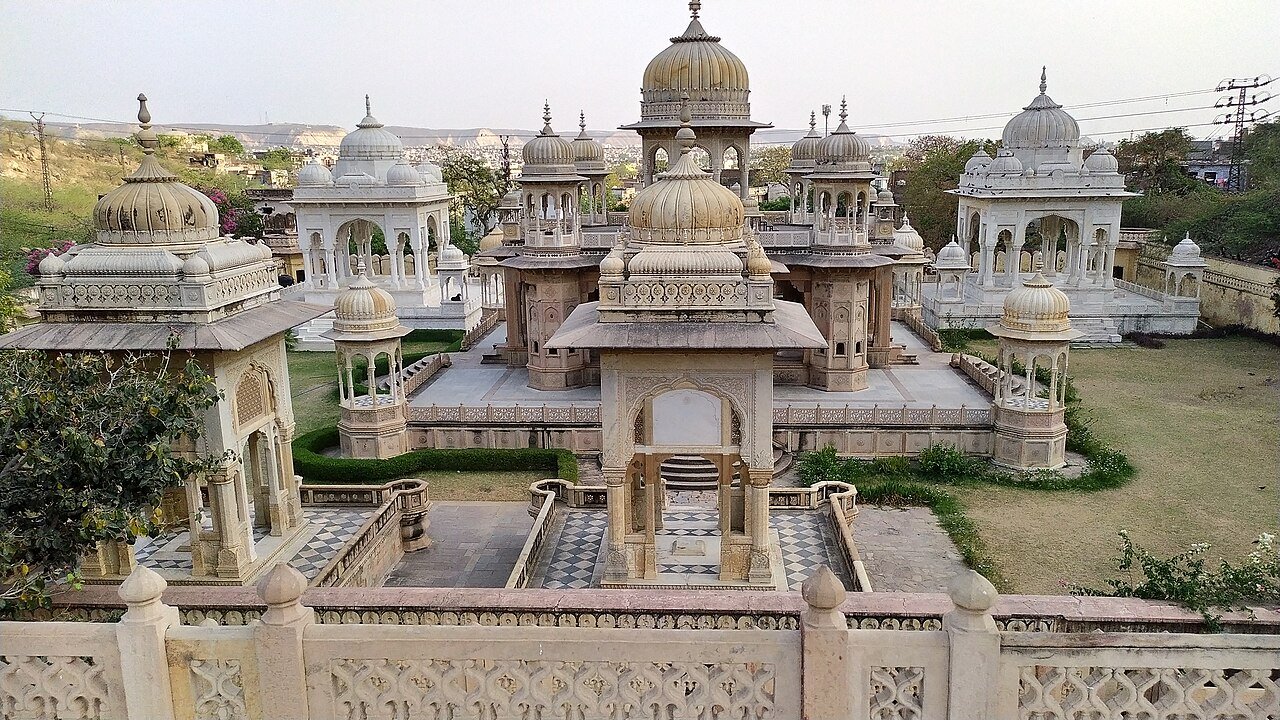
Jaipur’s sights cluster into two neat halves — the hill forts on the city’s edge and the walled old city at its heart — which makes a two-day split natural and efficient. You get grand forts, a honeycomb palace, a giant stone observatory and irresistible bazaars, plus sunset viewpoints and superb food, all in a compact, well-connected city. It is the ideal royal-Rajasthan weekend.
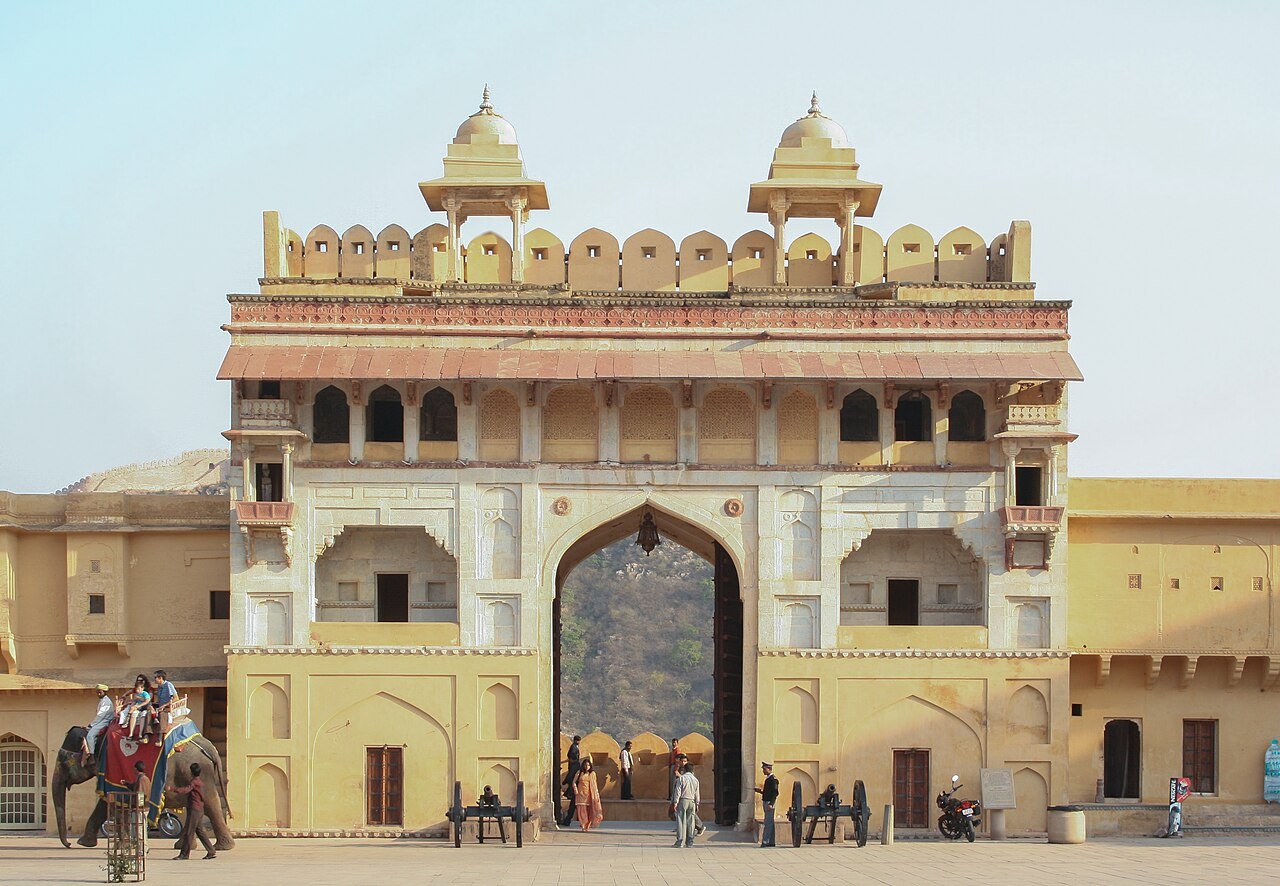
Amber Fort
A magnificent hilltop fort-palace with the dazzling Sheesh Mahal.
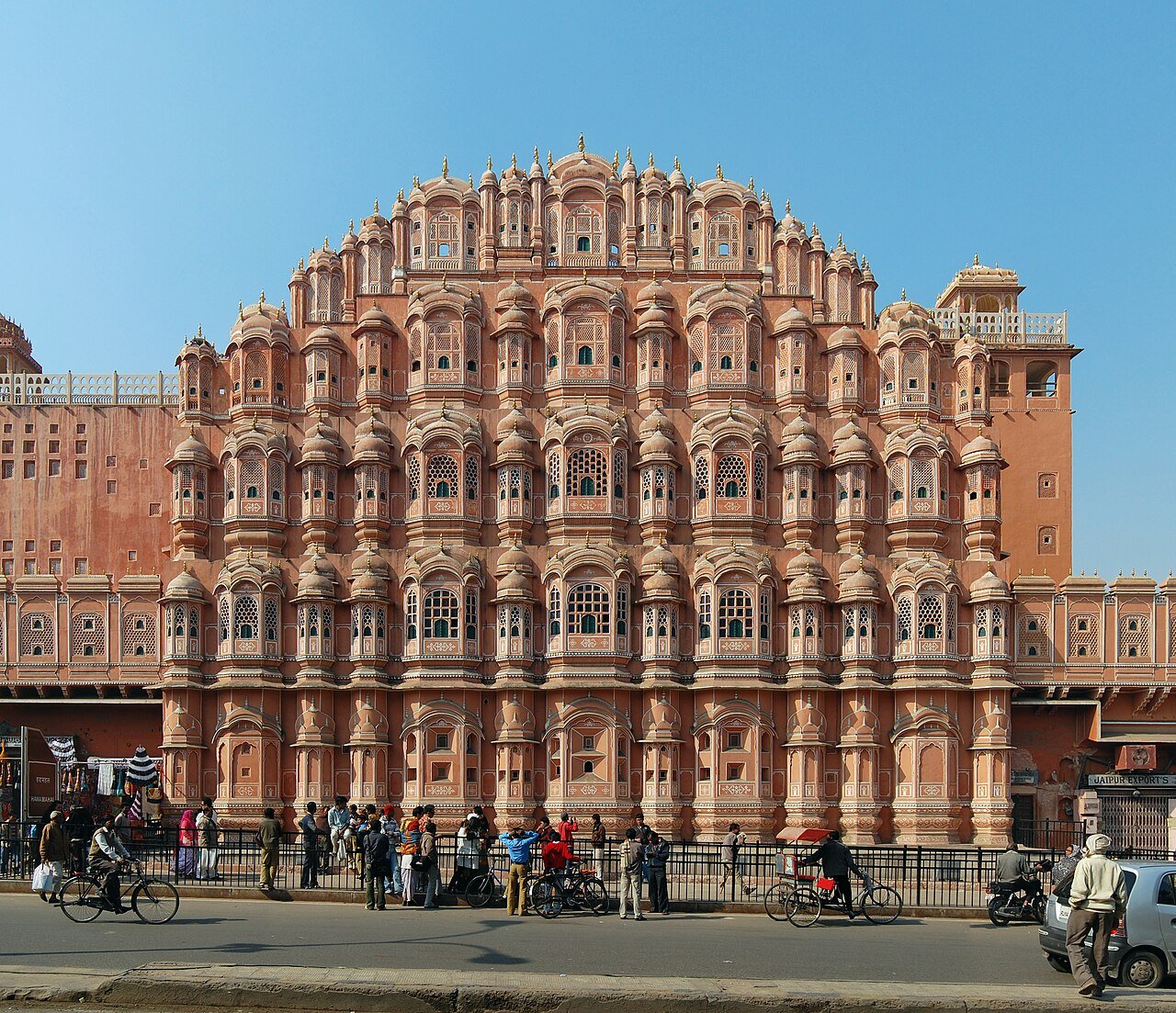
Hawa Mahal
The iconic honeycomb “Palace of Winds” in the old city.
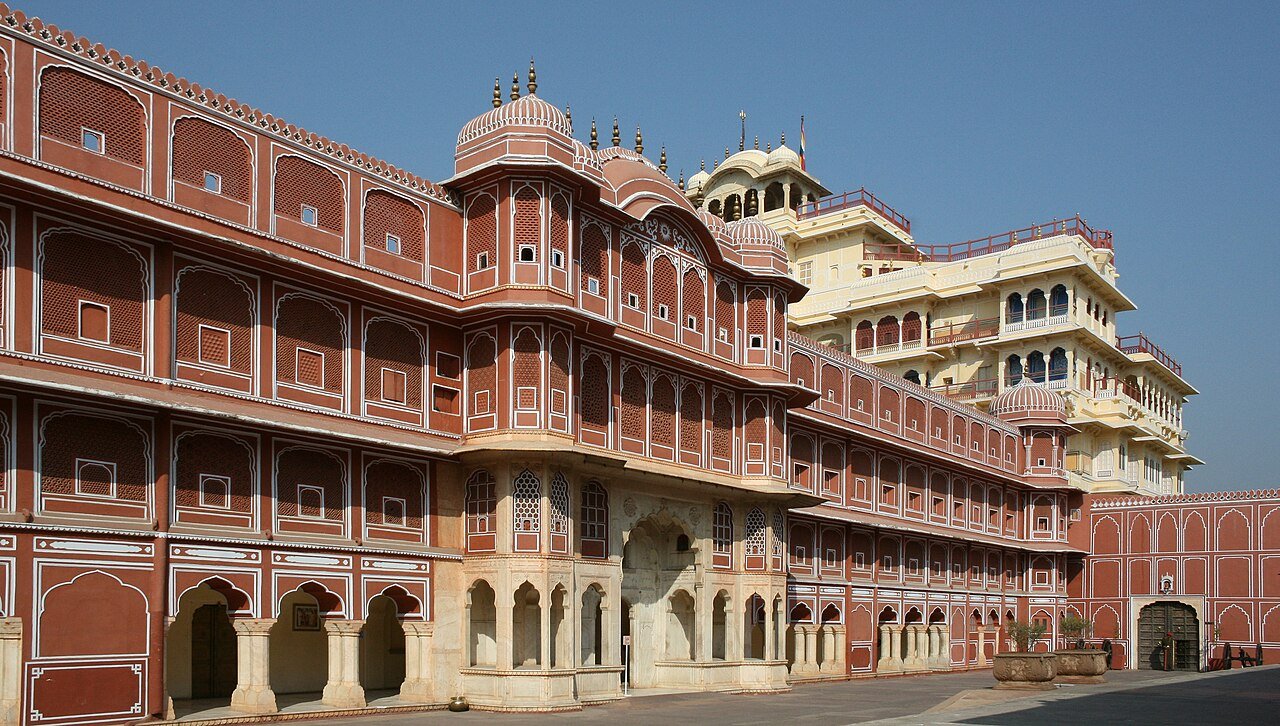
City Palace
A living royal residence of courtyards, museums and grand gates.
Jantar Mantar
A UNESCO observatory of giant astronomical instruments.
Nahargarh sunset
A hill fort with sweeping views over the city at dusk.
Pink City bazaars
Johari and Bapu bazaars for textiles, jewellery and crafts.
Whether it is a standalone weekend or a stop on the Golden Triangle, two well-planned days let you experience the best of Jaipur’s heritage, shopping and cuisine.
Two days, two halves — hill forts and the Pink City’s palaces — with a sunset view and a Rajasthani thali to finish each one.
Part 2 of 8
Getting there and getting around
As Rajasthan’s capital and a Golden Triangle anchor, Jaipur is one of the easiest heritage cities to reach for a short trip.
By air: Jaipur International Airport (JAI) is about 13 km from the centre, with wide domestic and some international flights. Taxis reach the old city in around 30 minutes.
By train: Jaipur Junction is very well connected to Delhi, Agra and other cities, including fast and overnight services, and sits centrally.
By road: Delhi to Jaipur takes around 5 hours on a good expressway, and Agra is similar, making a weekend or Golden Triangle stop simple.
Pro tip
On a two-day trip, stay centrally near the old city and hire a car or use app cabs for the hill forts. Doing Amber Fort first thing in the morning beats both the heat and the crowds.
Getting around: Autos, app cabs and the walkable old-city circuit cover most sights, with a hired car best for a packed fort day. Agree auto fares in advance or use ride-hailing apps.
Part 3 of 8
Best time to visit Jaipur
Jaipur sits in the hot Rajasthan plains, so the cool winter months are by far the most comfortable for its forts and open-air sights.
| Season | Months | What to expect |
|---|---|---|
| Winter | Oct–Mar | The best window — cool, clear and ideal for forts, palaces and bazaars. Peak season. |
| Summer | Apr–Jun | Very hot, often above 40°C; sightsee early and late, and rest at midday. |
| Monsoon | Jul–Sep | Warm with showers; the surrounding hills green up and crowds thin. |
| Festivals | Jan & others | The Jaipur Literature Festival and Teej add culture and colour. |
Aim for October to March for the most comfortable weekend. If you enjoy events, the Jaipur Literature Festival in January and the colourful Teej festival add a cultural dimension — just expect more crowds and book accommodation early.
Part 4 of 8
Costs and budgeting for Indians
Jaipur suits every budget, from hostels to palace hotels. Here is a realistic per-person, per-day guide for 2026.
| Style | Daily budget | What it covers |
|---|---|---|
| Backpacker | ₹1,500–2,500 | Hostel or budget hotel, autos, monument entry and local thalis. |
| Mid-range | ₹3,000–6,000 | Heritage-style hotel, a hired car for the forts, guide and good meals. |
| Premium | ₹9,000+ | Luxury palace hotel, private car and guide, fine dining and experiences. |
A composite ticket covers several monuments including Amber, Hawa Mahal and Jantar Mantar — good value over two days. Your biggest variable is accommodation, with Jaipur’s heritage hotels worth a splurge for one night. Carry some cash for autos, bazaars and street food.
Good to know
Buy the composite monument ticket if seeing several sights, bargain politely in the bazaars, and use app cabs or agree auto fares in advance to avoid overcharging.
Part 5 of 8
The 2-day Jaipur itinerary
This plan splits cleanly into a hill-fort day and an old-city day.
Day 1 — Hill forts: Start early at Amber Fort and its Sheesh Mahal, then Jaigarh Fort’s giant cannon, with a Jal Mahal photo stop. In the afternoon, rest through the heat, then head up to Nahargarh Fort for a sweeping sunset over the city, followed by dinner with a view.
Day 2 — Old city: Explore the City Palace, Jantar Mantar and the Hawa Mahal in the morning, then dive into the Johari and Bapu bazaars for textiles, jewellery and crafts. End with a Rajasthani thali or a Chokhi Dhani cultural evening before departure.
Extend your trip: Add a third day for the Albert Hall Museum, a cooking class or a day trip, or continue the Golden Triangle to Agra and Delhi, or deeper into Rajasthan towards Udaipur and Jodhpur.
Pro tip
Reach Amber Fort right at opening to enjoy it before the tour buses arrive and the heat builds. If you want the elephant-or-jeep ascent, factor in extra time for the queue.
Part 6 of 8
Where to stay, what to eat and experiences
Where to stay: The old “Pink City” area keeps you near the palaces and bazaars, while the Civil Lines and C-Scheme districts offer modern comfort and dining. For a memorable night, Jaipur’s heritage havelis and palace hotels are among India’s finest.
What to eat: Feast on Rajasthani classics — dal baati churma, gatte ki sabzi, laal maas and pyaaz kachori — and sweets like ghewar, plus the famous lassi at old-city institutions. Rooftop restaurants with fort views and lively street-food lanes are both worth seeking out.
Amber Fort
Explore the hilltop fort and its mirrored Sheesh Mahal.
Jantar Mantar
Marvel at the giant astronomical instruments.
Nahargarh sunset
Watch the city light up from the hill fort.
Bazaar shopping
Hunt for block prints, jewellery and juttis.
For more, add the Jal Mahal water palace, the Albert Hall Museum, or a Rajasthani cultural evening with folk dance and food at Chokhi Dhani.
Part 7 of 8
Practical tips for Indian travellers
A few practical notes help you make the most of a short Jaipur trip.
Composite ticket
Buy the multi-monument ticket if seeing several sights — it saves money.
Sun protection
Forts and the observatory are exposed; carry water, a hat and sunscreen.
Use app cabs
Ride-hailing avoids auto overcharging; agree fares in advance otherwise.
Bargain politely
Haggling is expected in the bazaars, so negotiate with a smile.
Jaipur is a well-trodden, tourist-friendly city and generally safe, including for solo and women travellers, with the usual care in crowded bazaars and after dark. Be wary of commission-driven touts and drivers steering you to specific shops, and decline politely. Dress modestly at temples, protect yourself from the strong sun at the open forts, and start your fort visits early to enjoy them at their best and keep a two-day trip on schedule.
Jaipur is also the perfect launchpad for more of North and West India. It completes the Golden Triangle with Delhi and Agra’s Taj Mahal and opens the door to a fuller Rajasthan journey through Udaipur’s lakes, Jodhpur’s blue city and Jaisalmer’s desert. Building one of these into your route turns a two-day Jaipur stop into a grand royal-India adventure.
Part 8 of 8
Frequently asked questions
Is 2 days enough for Jaipur?
Yes, two days covers the highlights well — one day for the hill forts of Amber, Jaigarh and Nahargarh, and one for the old-city palaces, Jantar Mantar and bazaars. A third day lets you add museums, a cooking class or a day trip.
How do I reach Jaipur?
Fly into Jaipur International Airport (about 13 km), take a train to Jaipur Junction, or drive roughly 5 hours from Delhi on the expressway. Agra is a similar distance, completing the Golden Triangle.
What is the best 2-day split for Jaipur?
The most efficient split is one day for the hill forts (Amber, Jaigarh and a Nahargarh sunset) and one day for the walled old city (City Palace, Jantar Mantar, Hawa Mahal and the bazaars), since the sights cluster into those two areas.
When is the best time to visit Jaipur?
October to March, when the weather is cool and comfortable for the forts and bazaars. Summers are very hot, so sightsee early and late, while the monsoon greens the surrounding hills.
Is there a combined ticket for Jaipur’s monuments?
Yes. A composite ticket covers several major sights including Amber Fort, the Hawa Mahal and Jantar Mantar, offering good value over a two-day visit if you plan to see them all.
Is Jaipur safe for solo and women travellers?
Yes, it is a popular and generally safe city. Take normal precautions in crowded bazaars and after dark, use app cabs or agree auto fares in advance, and be wary of commission-driven touts steering you to particular shops.
Can I do Jaipur as a weekend trip from Delhi?
Absolutely. With a roughly 5-hour expressway drive or a quick flight or train, Jaipur is an ideal two-day weekend break from Delhi, and a natural stop on the wider Golden Triangle circuit.
What can I add to a 2-day Jaipur trip?
You can extend the Golden Triangle to Agra and Delhi, or head deeper into Rajasthan towards Udaipur, Jodhpur and Jaisalmer, turning a Jaipur weekend into a fuller royal-India itinerary.
Should I do the elephant ride at Amber Fort?
Elephant rides up to Amber Fort are offered but are increasingly discouraged on animal-welfare grounds. Many travellers prefer the jeep ride or the short walk up, which are quicker, cooler and avoid the ethical concerns while still letting you enjoy the magnificent fort and its courtyards.
Is two days too short if I also want to shop?
Not at all, if you plan it in. Build the bazaars into the afternoon and evening of your old-city day, when Johari and Bapu bazaars are liveliest, and save a little energy after the monuments. For serious shopping, a half-day extension or a dedicated third morning works well.
The bottom line
Two days in Jaipur is the perfect royal-Rajasthan weekend — a hill-fort day and an old-city day, bookended by sunset views and Rajasthani feasts. Come in the cooler months, start your fort visits early, buy the composite ticket, and leave time to shop the bazaars. Whether as a standalone break or a Golden Triangle stop, the Pink City delivers one of the most colourful and rewarding short trips in the country. Move efficiently between its two clusters of sights, and you will be amazed how much royal Rajasthan you can soak up in just forty-eight hours.
Related reading
 Resort vs Hotel for Family Trips: Which Is Better? (2026)
 Self-Drive Car Rentals in India: A Complete Guide (2026)
 Luxury & Tourist Trains in India: A Complete Guide (2026)
Photos sourced from Wikimedia Commons under their respective Creative Commons licences. Travel details are indicative for 2026; confirm timings, fees and ticket options locally before you travel.