Thailand + Cambodia 10-Day Itinerary for Indians (2026)
Last updated: July 8, 2026
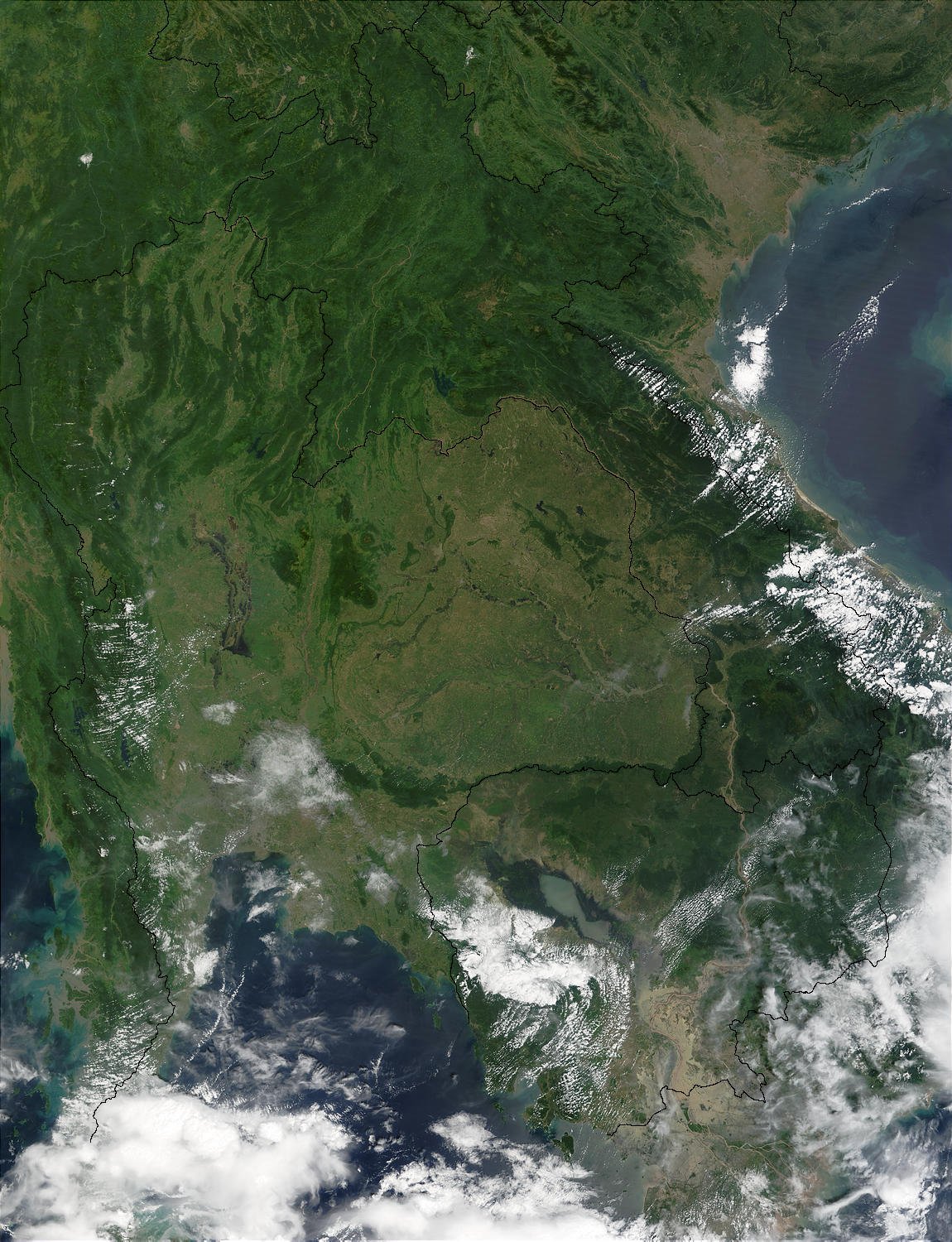
Thailand and Cambodia make a brilliant two-country pairing — the buzz, beaches and temples of Thailand alongside the timeless grandeur of Cambodia’s Angkor. Over ten days you can soak up Bangkok’s street food, palaces and markets, watch sunrise over the largest religious monument on earth at Angkor Wat, and explore the Cambodian capital of Phnom Penh, all on a well-paced, affordable and easy-to-enter route. It is a classic Southeast Asia adventure that blends city energy, ancient wonder and warm hospitality.
This 2026 itinerary guide for Indian travellers covers visas and flights, the best time to go, what it costs, a day-by-day plan, where to stay and eat, and the practical tips for a smooth two-country trip.
- Visas: Thailand currently allows visa-free entry for Indians; Cambodia offers an easy e-visa or visa on arrival — confirm both before travel.
- Getting there: Direct flights from many Indian cities reach Bangkok in around 4 hours; a short flight links Bangkok and Siem Reap.
- Best time: November to February for cool, dry and comfortable weather.
- Don’t miss: Bangkok’s Grand Palace and street food, Angkor Wat at sunrise, and Phnom Penh.
Part 1 of 8
Why this two-country trip works so well
Combining Thailand and Cambodia gives you the best of two very different worlds: Thailand’s modern energy, glittering temples, markets and food, and Cambodia’s profound history and the awe of Angkor. The two are linked by a short flight, both are affordable and welcoming, and the route flows logically — making it an ideal introduction to Southeast Asia or a rewarding return trip with real variety.
Grand Palace
Bangkok’s dazzling royal complex and the Emerald Buddha.
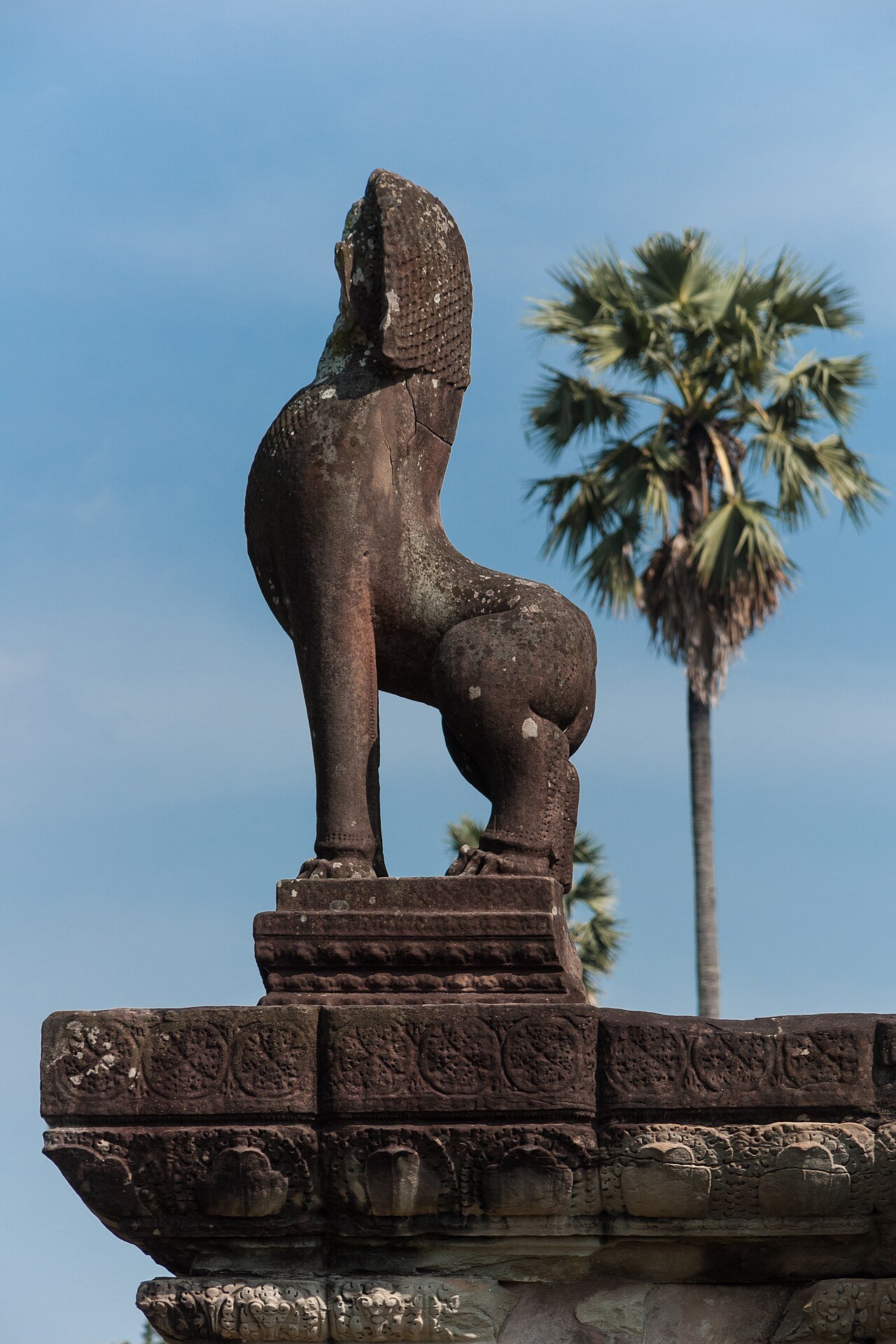
Angkor Wat
Sunrise over the vast temple-city near Siem Reap.
Bayon & Ta Prohm
The stone faces of the Bayon and root-wrapped ruins of Ta Prohm.
Street food
Pad thai, mango sticky rice and Khmer amok across two cuisines.
Bangkok & Phnom Penh
Markets, rooftop bars and the riverside Cambodian capital.
Tonle Sap
Floating villages on Southeast Asia’s great lake.
Whether you want cities, beaches, temples or history, this ten-day Thailand–Cambodia route packs in an extraordinary range across two of the region’s most loved countries.
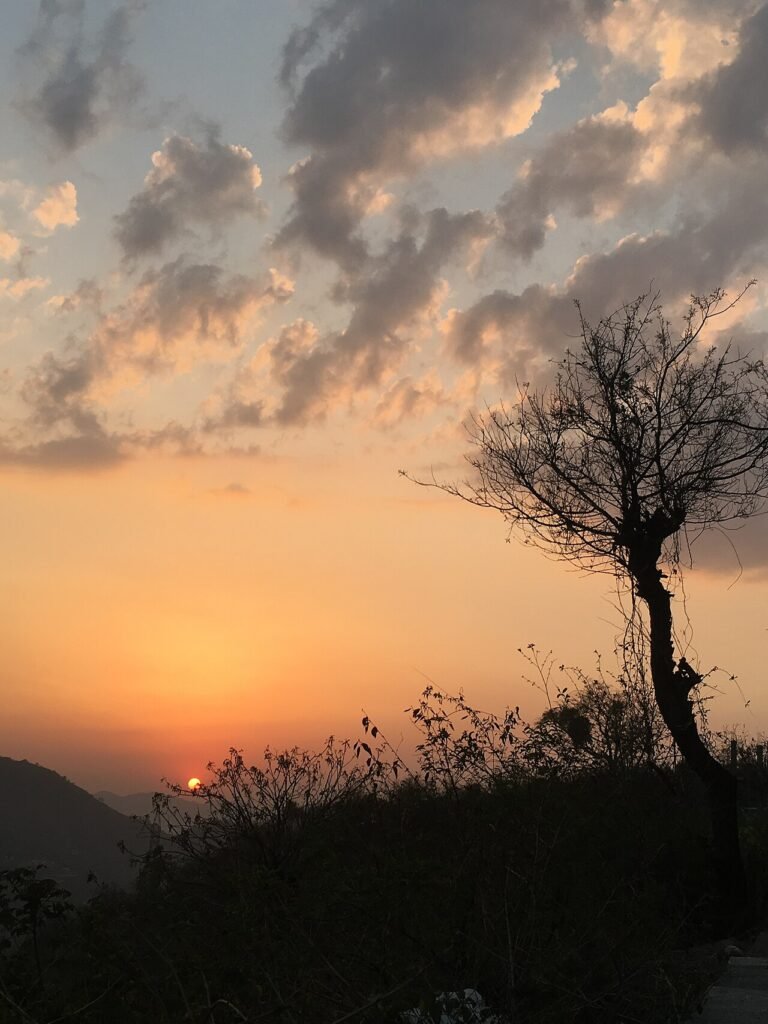
Thailand and Cambodia in ten days — Bangkok’s buzz and street food, then sunrise over Angkor: two worlds, one unforgettable trip.
Part 2 of 8
Visas and getting there
Both countries are easy for Indians to enter, and an open-jaw flight makes the route efficient.
Visas: Thailand currently offers visa-free entry to Indian tourists for short stays, a recent change from the visa-on-arrival system. Cambodia requires a visa, easily obtained as an e-visa online or on arrival. Confirm both countries’ current rules before booking, and carry onward-travel and accommodation proof.
By air: Direct flights from Delhi, Mumbai, Bengaluru, Kolkata and other cities reach Bangkok in around 4 hours. A short flight (about an hour) connects Bangkok with Siem Reap for Angkor, and Phnom Penh is a short hop or scenic bus away.
Pro tip
Fly into Bangkok and out of Siem Reap or Phnom Penh (or vice versa), using a short internal flight between the countries. This open-jaw routing avoids long overland border crossings and saves a full day.
Getting around: In Bangkok, use the BTS Skytrain, MRT and Grab; in Cambodia, tuk-tuks tour the Angkor temples and ride-hailing apps work in the cities. Short flights link the main stops.
Part 3 of 8
Best time for this trip
Both countries share a tropical monsoon climate, so the cool, dry months are the most comfortable.
| Season | Months | What to expect |
|---|---|---|
| Cool & dry | Nov–Feb | The best window — pleasant days, low humidity and ideal for Angkor. Peak season. |
| Hot | Mar–May | Very hot and humid; start early and rest at midday, especially at the temples. |
| Rainy | Jun–Oct | Warm with afternoon downpours; lush, green and quiet, with fuller Tonle Sap. |
| Shoulder | Oct & Nov | The rains ease and the countryside is at its greenest — a lovely transition. |
For the smoothest trip, aim for November to February, when the weather is cool and dry and perfect for both Bangkok sightseeing and exploring the vast Angkor complex. The rainy season has its own lush appeal and fewer crowds, while the hot months call for early starts.
Part 4 of 8
Costs and budgeting for Indians
Both countries offer excellent value. Here is a realistic per-person, per-day guide for 2026, excluding international flights.
| Style | Daily budget | What it covers |
|---|---|---|
| Backpacker | $30–50 | Hostels and guesthouses, public transport and tuk-tuks, street food and shared tours. |
| Mid-range | $70–130 | Comfortable hotels, internal flights, guided temple tours and good meals. |
| Premium | $200+ | Boutique and luxury stays, private guides and transfers, premium experiences. |
Food and local transport are cheap, with the main planned costs being internal flights and the Angkor pass in Cambodia (the three-day pass is great value). Carry Thai baht and US dollars (used widely in Cambodia alongside the riel), and use Grab for fair-priced city rides.
Good to know
Buy your Angkor pass only from official counters or the official website, and beware Bangkok’s classic “temple is closed” gem-shop scam. Use Grab or metered transport and agree tuk-tuk fares in advance.
Part 5 of 8
The 10-day Thailand & Cambodia itinerary
This route starts in Bangkok and crosses to Cambodia for the temple finale.
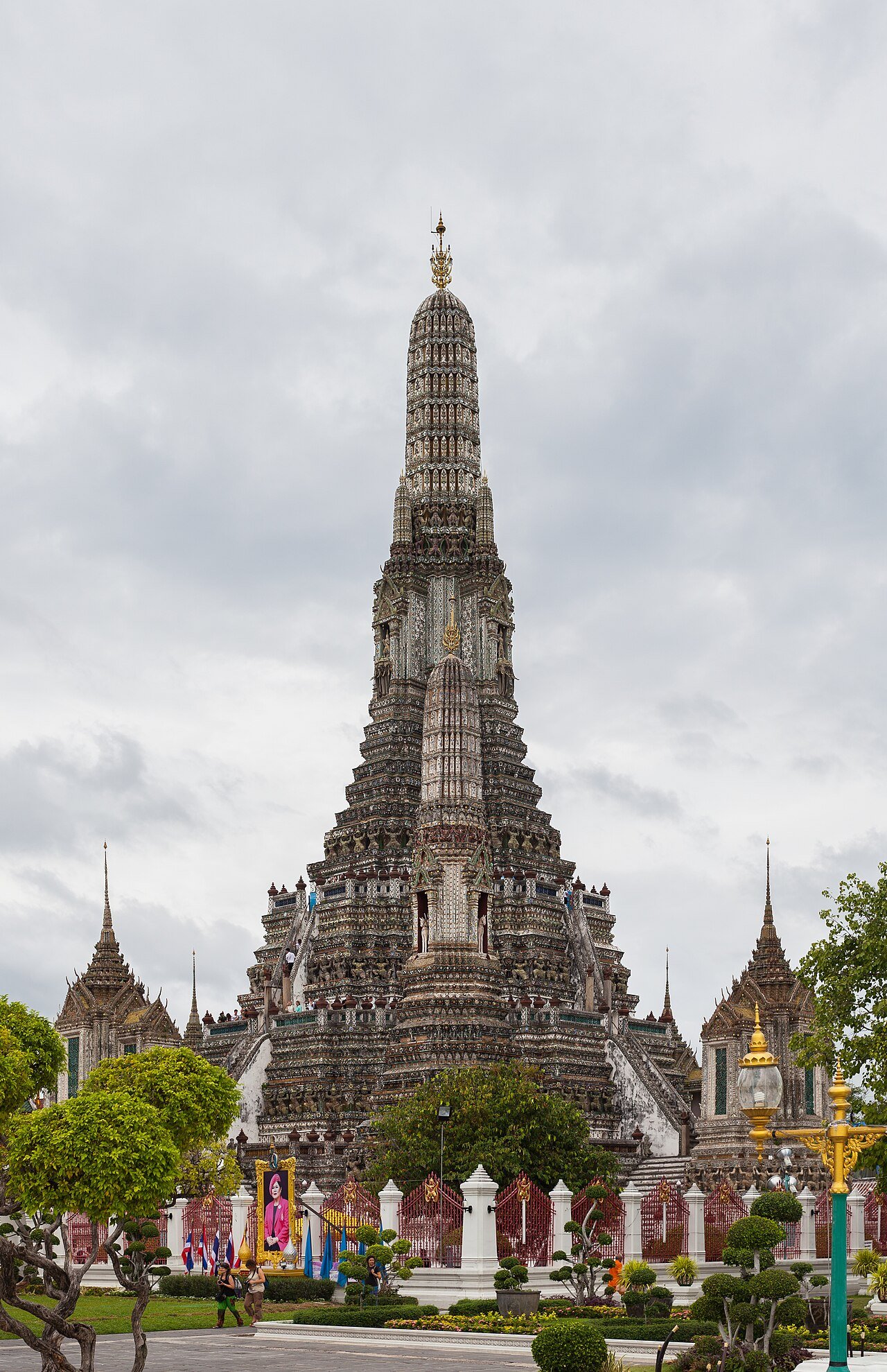
Days 1–3 — Bangkok: See the Grand Palace, Wat Arun and Wat Pho, the markets and a Chao Phraya dinner cruise, with an optional day trip to Ayutthaya or the floating markets.
Day 4 — Travel to Siem Reap: Take a short flight to Cambodia and settle in near Pub Street and the night markets.
Days 5–7 — Siem Reap & Angkor: Spend three days on the temples — sunrise at Angkor Wat, the Bayon, Ta Prohm and Angkor Thom — plus a Tonle Sap floating village.
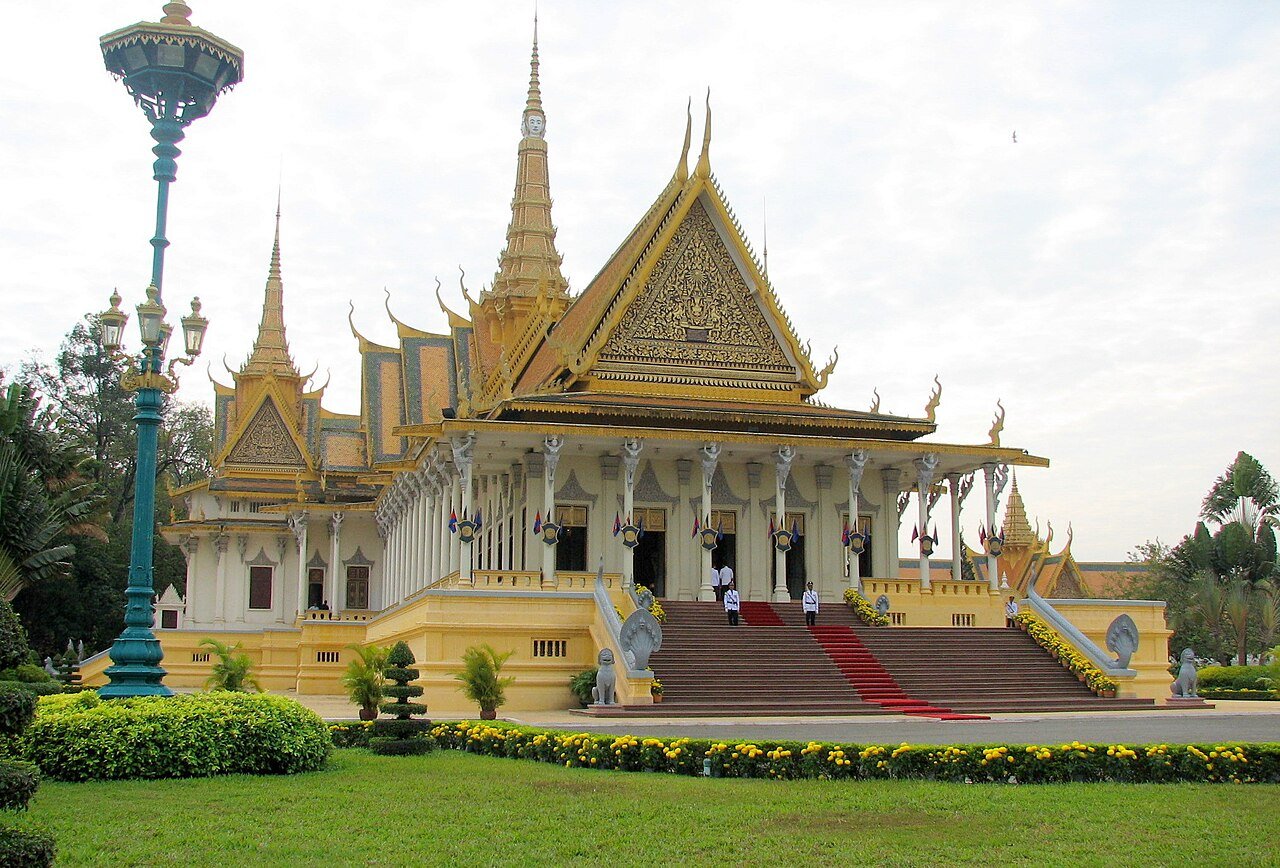
Days 8–9 — Phnom Penh: Travel to the capital for the Royal Palace, Silver Pagoda, riverside and the country’s sobering historical sites.
Day 10 — Depart: A final morning of markets or relaxation before flying home.
Extend your trip: Add Thailand’s beaches (Phuket, Krabi or Pattaya) or Cambodia’s southern coast and islands for a longer Southeast Asia adventure.
Pro tip
Give Angkor the full three days with a three-day pass and pace yourself in the heat — start at sunrise, rest through midday, and return for golden-hour temples for the best light and fewest crowds.
Part 6 of 8
Where to stay, what to eat and experiences
Where to stay: In Bangkok, the Sukhumvit or riverside areas are great for transport and dining. In Siem Reap, stay near Pub Street and the night markets for the Angkor base. In Phnom Penh, the riverfront near the Royal Palace is central. All offer everything from hostels to boutique hotels.
What to eat: Thai favourites — pad thai, tom yum, green curry and mango sticky rice — give way to Khmer dishes like fish amok and lok lak in Cambodia. Both cuisines are cheap, fresh and vegetarian-friendly, and Indian and halal food is available in the bigger cities.
Bangkok river cruise
Glide past floodlit temples over dinner.
Angkor sunrise
Watch dawn break over Angkor Wat.
Temple tour
Circuit the Bayon, Ta Prohm and Angkor Thom by tuk-tuk.
Phnom Penh history
Reflect at the Royal Palace and memorial sites.
For more, add an Ayutthaya day trip from Bangkok, a Tonle Sap boat ride, a Khmer cooking class, or a beach extension in either country.
Part 7 of 8
Practical tips for Indian travellers
A few practical notes keep this two-country trip smooth and good value.
Two entry rules
Confirm Thailand’s visa-free terms and arrange the Cambodia e-visa.
Open-jaw route
Fly into Bangkok, out of Siem Reap or Phnom Penh, with a short hop between.
Baht & US dollars
Baht in Thailand; US dollars (with riel) in Cambodia; cards in cities.
Temple dress code
Cover shoulders and knees at the Grand Palace and Angkor.
Both countries are generally safe and very used to tourists, suiting families, couples and solo travellers, with the usual care against petty theft, bag-snatching from passing scooters and common scams — ignore the Bangkok “temple closed” gem trick, use Grab or metered transport, and buy the Angkor pass officially. Treat images of the Buddha and the Thai monarchy with respect, and the temples and Cambodia’s difficult history with solemnity. Drink bottled water and pace yourself in the heat.
This itinerary also extends easily. Add Thailand’s beaches, Cambodia’s southern coast and islands, or fold in neighbouring Vietnam or Laos for a broader Southeast Asia journey. Building one of these in turns a ten-day trip into a fuller regional adventure.
Part 8 of 8
Frequently asked questions
Do Indians need visas for Thailand and Cambodia?
Thailand currently allows visa-free entry for Indian tourists for short stays, while Cambodia requires a visa, easily obtained as an e-visa online or on arrival. Confirm both countries’ current rules before booking and carry onward-travel proof.
How do I travel between Thailand and Cambodia?
The easiest way is a short flight, typically Bangkok to Siem Reap (about an hour). Overland buses and border crossings exist but are slower, so most travellers on a ten-day trip fly to save time.
How many days do I need for both countries?
Around ten days works well — about three days in Bangkok, three for Angkor in Siem Reap, and two in Phnom Penh, with travel days between. Two weeks lets you add beaches in either country.
When is the best time for this trip?
November to February offers the best cool, dry weather for both Bangkok and Angkor. March to May is very hot, while the June–October rainy season is green and quiet with afternoon downpours.
How many days do I need at Angkor?
Two to three days lets you see Angkor properly without rushing, which is why the three-day pass is popular. One day covers the highlights, but the complex is vast and rewards a slower pace, especially at sunrise.
Is this trip safe for families and solo travellers?
Yes, both countries are generally safe and tourist-friendly. Take normal precautions against petty theft and scooter bag-snatching, use Grab or metered transport, avoid common scams, and drink bottled water. It suits families, couples and solo travellers alike.
What currency should I carry?
Carry Thai baht for Thailand and US dollars for Cambodia, where dollars are used everywhere alongside the local riel. Cards work in cities and larger establishments, but keep cash for street food, tuk-tuks and markets.
What can I add to this itinerary?
You can extend with Thailand’s beaches (Phuket, Krabi or Pattaya), Cambodia’s southern coast and islands, or neighbouring Vietnam or Laos for a broader Southeast Asia trip.
Is it better to start in Thailand or Cambodia?
Most travellers start in Thailand, as Bangkok has the widest flight connections from India and makes an easy, lively first stop, before crossing to Cambodia for the Angkor finale. You can reverse it to suit flight deals, but Bangkok-first keeps the route and logistics simplest.
Can I add beaches to this Thailand-Cambodia trip?
Yes. With extra days you can add Thai beaches like Phuket, Krabi or Pattaya, or Cambodia’s southern coast and islands such as Koh Rong. These pair naturally with the cultural core for a longer trip mixing temples, cities and beach time.
The bottom line
A Thailand and Cambodia trip is Southeast Asia’s perfect contrast — Bangkok’s buzz, temples and street food alongside the timeless wonder of Angkor and the history of Phnom Penh. Confirm the visa rules, fly an open-jaw route, come in the cool dry season, and give Angkor the time it deserves. Do that, and these ten days will deliver one of the most varied and rewarding overseas adventures an Indian traveller can take. From a Bangkok street-food crawl to a silent sunrise over Angkor, it is a trip that swings between buzz and wonder almost by the day.
Related reading
 South Korea Travel Guide for Indians (2026)
 Bangkok Pattaya Itinerary: 5-Day Thailand Plan (2026)
 Singapore Malaysia Itinerary: 7 Days from India (2026)
Photos sourced from Wikimedia Commons under their respective Creative Commons licences. Visa, flight and travel details are indicative for 2026; confirm current entry rules and bookings before you travel.