Uzbekistan Travel Guide for Indians 2026 — Samarkand, Bukhara, E-Visa, Cost & Itinerary
Last updated: July 8, 2026
Uzbekistan is the jewel of the Silk Road — a Central Asian crossroads where turquoise-domed madrasas, soaring minarets and tiled mausoleums recall the golden age of Samarkand, Bukhara and Khiva. For Indian travellers it is one of the most rewarding new destinations going: visa-easy, remarkably affordable, genuinely safe, and famously warm towards visitors from India, where Bollywood is beloved. Add a slick high-speed train linking the great Silk Road cities and a cuisine built around hearty plov and fresh-baked bread, and you have a trip that feels exotic yet wonderfully easy.
This 2026 guide for Indian travellers covers visas and flights, the best time to visit, what it costs, where to stay and eat, and how to plan a six-to-seven day journey through Uzbekistan’s legendary cities.
- Visa: Indians can apply for a straightforward Uzbekistan e-visa online before travel.
- Getting there: Direct flights from Delhi reach Tashkent in around 2.5–3 hours, with onward high-speed trains between cities.
- Best time: April–June and September–October for mild, comfortable weather; summers are hot and winters cold.
- Don’t miss: Samarkand’s Registan, Bukhara’s old town, the walled city of Khiva and a plate of authentic plov.
Part 1 of 8
Why Uzbekistan belongs on your list
Uzbekistan offers history on an epic scale with the comfort of modern, well-organised travel. The Silk Road cities are astonishingly photogenic — vast public squares ringed by madrasas, bazaars unchanged for centuries, and craftsmen still working silk, ceramics and miniature painting. Beyond the monuments, it is the easygoing safety, low prices and the genuine fondness for Indian visitors that make travellers fall for the country.
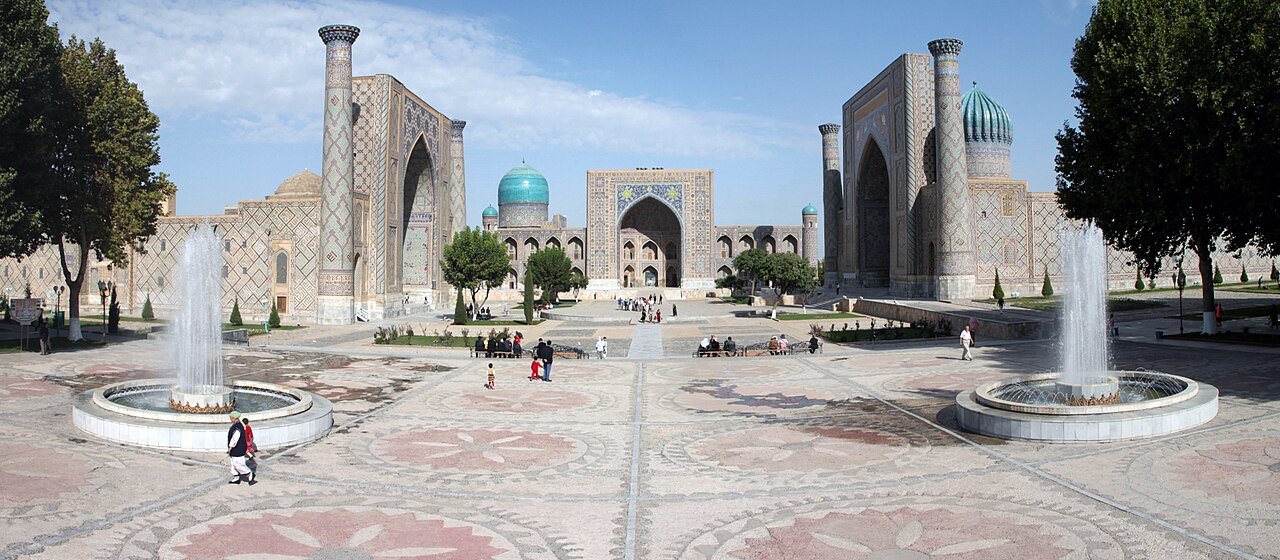
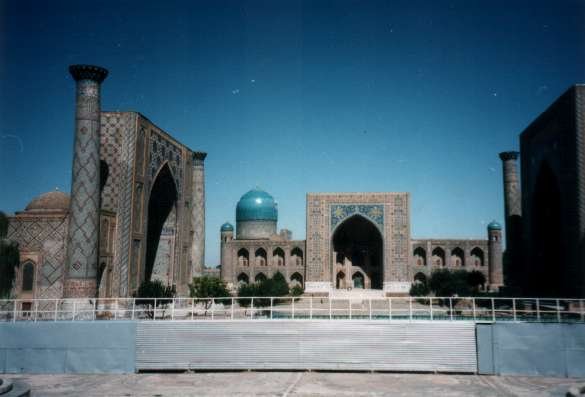
The Registan
Samarkand’s breathtaking square of three grand tiled madrasas — the icon of Uzbekistan.
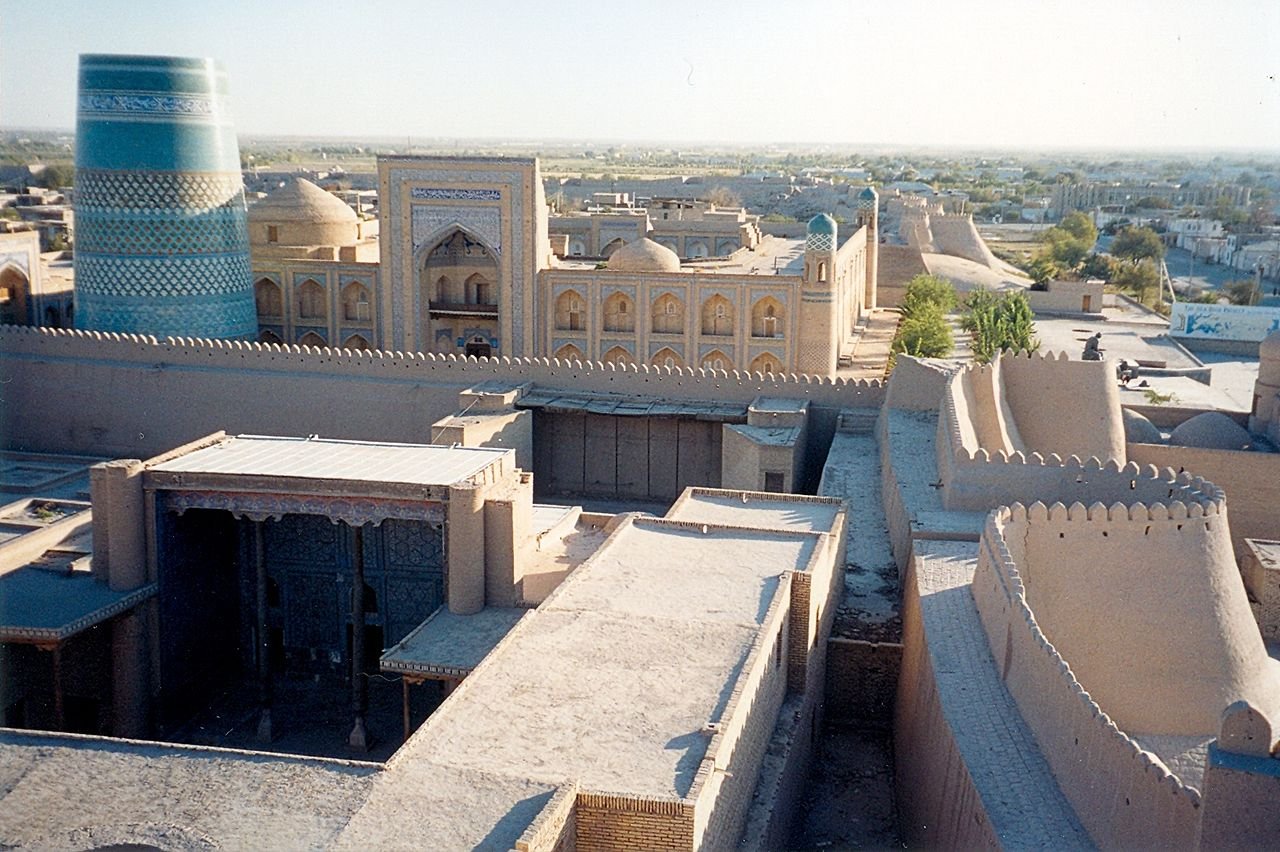
Bukhara
A living museum of mosques, madrasas and trading domes around the Lyab-i-Hauz pool.
Khiva
The perfectly preserved walled old city of Itchan Kala, like stepping into a storybook.
Tashkent
A green modern capital with the bustling Chorsu Bazaar and an ornate Soviet-era metro.
Silk Road history
Walk in the footsteps of Timur, traders and scholars across centuries of legend.
Legendary food
Plov, shashlik, samsa and fresh non bread, washed down with endless green tea.
Whether you are a history lover, a photographer or simply after an affordable and welcoming overseas adventure, Uzbekistan delivers a Silk Road experience that is hard to forget.
Uzbekistan is the Silk Road made real — turquoise domes, ancient bazaars and a welcome for Indian travellers that feels like coming home.
Part 2 of 8
Visas and getting to Uzbekistan
Uzbekistan has made itself easy to reach and easy to enter, which is a big part of its rising popularity with Indian travellers.
Visa: Indian passport holders can apply for an Uzbekistan e-visa online ahead of travel, typically valid for around 30 days. The process is simple — fill in the form, upload a photo and passport scan, pay the fee, and receive the e-visa by email to print and carry. Always check the latest requirements and processing times before booking.
By air: Tashkent is the main gateway, with direct flights from Delhi taking around 2.5–3 hours, plus connecting options from other Indian cities. Some travellers also fly into Samarkand directly.
Pro tip
Book the Afrosiyob high-speed train between Tashkent, Samarkand and Bukhara in advance. Seats sell out in peak season, and the fast, comfortable service is the best way to travel between the Silk Road cities.
Getting around: The high-speed and regular trains link the main cities efficiently. Within cities, taxis and ride-hailing apps are cheap, and the old towns of Bukhara and Khiva are best explored on foot.
Part 3 of 8
Best time to visit Uzbekistan
Uzbekistan has a continental climate with big seasonal swings, so spring and autumn are by far the most pleasant times to explore its cities.
| Season | Months | What to expect |
|---|---|---|
| Spring | Apr–Jun | Mild, green and blossoming — the best window, with comfortable sightseeing weather. |
| Summer | Jul–Aug | Very hot, often 40°C; manageable with early starts and afternoon breaks, but tiring. |
| Autumn | Sep–Oct | Warm days, cool evenings and harvest markets — another excellent time to visit. |
| Winter | Nov–Mar | Cold and quiet, with the monuments looking striking under crisp skies or light snow. |
For the best balance of weather and atmosphere, plan your trip for April to June or September to October. These shoulder seasons offer comfortable temperatures for walking the open squares and bazaars, along with vibrant markets and clear light for photography.
Part 4 of 8
Costs and budgeting for Indians
Uzbekistan is one of the most affordable overseas destinations for Indians, with excellent value across accommodation, food and transport. Here is a realistic per-person, per-day guide for 2026.
| Style | Daily budget | What it covers |
|---|---|---|
| Backpacker | $25–40 | Guesthouse or hostel, train second class, street food and bazaar meals. |
| Mid-range | $50–90 | Boutique or heritage hotel, high-speed trains, guided city tours and restaurant meals. |
| Premium | $150+ | Top hotels, private guide and car, premium train class and fine dining. |
Trains, taxis and meals are inexpensive, and even atmospheric heritage stays in restored madrasas and merchant houses are affordable. Carry US dollars to exchange, as they are widely accepted for changing into local som, and budget a little extra for entry tickets at the major monuments, which are modest.
Good to know
Uzbekistan is very safe and welcoming, but carry cash. Card acceptance is improving in cities yet still patchy, and you will often pay in local som obtained by exchanging US dollars.
Part 5 of 8
Where to stay, what to eat and top experiences
Where to stay: The most atmospheric option is to stay in the old towns of Bukhara and Khiva, often in restored heritage houses or converted madrasas within walking distance of the monuments. Samarkand and Tashkent offer a wider range from boutique to international hotels.
What to eat: Uzbek cuisine is hearty and meat-rich — try the national dish plov (rice with meat, carrots and spices), grilled shashlik, flaky samsa pastries, lagman noodles and fresh-baked non bread. Vegetarians can manage with salads, breads, dairy and vegetable dishes, and green tea accompanies every meal.
Registan by day & night
See Samarkand’s great square in daylight and again under evening illumination.
Silk Road crafts
Watch silk-weaving, ceramics and miniature painting in Bukhara and Margilan.
Plov experience
Visit a plov centre to see the national dish cooked in giant cauldrons.
High-speed train
Glide between cities on the comfortable Afrosiyob express.
For deeper immersion, explore Shah-i-Zinda’s avenue of tombs in Samarkand, climb a minaret for old-city views in Bukhara or Khiva, and lose an afternoon in Tashkent’s vast Chorsu Bazaar.
Part 6 of 8
A 7-day Uzbekistan itinerary
This classic Silk Road route links the four great cities by train, moving from the capital to the desert oasis of Khiva.
Days 1–2 — Tashkent: Settle into the capital, visit the Khast Imam complex and Chorsu Bazaar, ride the ornate metro, then take the high-speed train onward.
Days 3–4 — Samarkand: Spend two full days on the Registan, Gur-e-Amir, Bibi-Khanym Mosque and the Shah-i-Zinda necropolis, with time for the bazaar and an evening at the floodlit Registan.
Day 5 — Bukhara: Train to Bukhara and explore its compact old town — the Po-i-Kalyan complex, the Ark fortress and the trading domes around Lyab-i-Hauz.
Days 6–7 — Khiva and return: Continue to Khiva to wander the walled Itchan Kala, then fly or train back to Tashkent for your departure.
Pro tip
Give Samarkand and Bukhara two nights each if you can. The cities reward slow exploration, especially in the soft morning and evening light when the tiled monuments are at their most magical and least crowded.
Part 7 of 8
Practical tips for Indian travellers
A little preparation makes Uzbekistan smooth and stress-free, especially around money, trains and local customs.
Carry cash
Bring US dollars to exchange into som; card acceptance is still patchy outside cities.
Pre-book trains
Reserve the Afrosiyob express early, as popular routes sell out in season.
Dress smart-casual
Everyday dress is relaxed; cover shoulders and knees when entering mosques.
Local SIM
Cheap local SIMs keep you online for maps and translation between cities.
Uzbekistan is one of Central Asia’s safest countries, and Indian travellers are met with particular warmth thanks to a shared love of Bollywood, so solo travellers, couples and families can all explore with confidence. Russian and Uzbek are the main languages and English is limited outside tourism, so a translation app is handy. Tap water is best avoided in favour of bottled water, and a basic respect for religious sites — modest dress and quiet behaviour — is always appreciated.
Uzbekistan also pairs naturally with the wider region. It combines well with neighbouring Kazakhstan and the Caucasus countries of Azerbaijan and Georgia for a broader Central Asia and Silk Road adventure, all increasingly accessible from India. Building one of these into your route turns a single-country trip into a sweeping journey across some of the world’s most storied trading lands.
Part 8 of 8
Frequently asked questions
Do Indians need a visa for Uzbekistan?
Yes, but it is easy. Indian passport holders can apply for an Uzbekistan e-visa online before travel, usually valid for around 30 days. The application is simple and the e-visa arrives by email to print and carry.
How long is the flight from India to Uzbekistan?
Direct flights from Delhi to Tashkent take around 2.5–3 hours, with connecting options from other Indian cities. Some routes also serve Samarkand directly.
Is Uzbekistan cheap for Indian travellers?
Very. Accommodation, food, trains and taxis are all affordable, and even heritage stays in restored madrasas are reasonably priced, making it one of the best-value overseas destinations from India.
When is the best time to visit Uzbekistan?
April to June and September to October offer the most comfortable weather for exploring the cities. Summers are very hot and winters are cold, though the monuments look striking year-round.
How do I travel between the Silk Road cities?
The high-speed Afrosiyob train links Tashkent, Samarkand and Bukhara quickly and comfortably, while regular trains and flights reach Khiva. Book the popular express services in advance, especially in peak season.
Is Uzbekistan safe and friendly for Indians?
Yes. It is one of Central Asia’s safest countries, and Indian visitors are welcomed warmly, partly due to the popularity of Bollywood. Solo travellers, couples and families all travel comfortably.
What food can vegetarians eat in Uzbekistan?
The cuisine is meat-heavy, but vegetarians can rely on salads, fresh non bread, dairy, vegetable dishes and samsa with vegetable fillings where available. Carrying some snacks helps on long travel days.
What can I combine with an Uzbekistan trip?
Uzbekistan pairs well with Kazakhstan and the Caucasus nations of Azerbaijan and Georgia, all increasingly accessible from India, making for a broader Central Asia and Silk Road itinerary.
What currency should I carry to Uzbekistan?
The local currency is the Uzbek som, but it is best to carry clean, newer US dollar notes to exchange on arrival, as dollars are widely accepted for changing money. Card acceptance is improving in cities but remains patchy, so keep enough cash for bazaars, taxis and smaller towns.
Is English widely spoken in Uzbekistan?
English is limited outside hotels and tourist sites; Uzbek and Russian are the main languages. A translation app and a few basic phrases go a long way, and younger people in the cities increasingly speak some English, so communication is rarely a serious problem.
The bottom line
Uzbekistan is the rare destination that feels genuinely exotic yet is easy, safe and affordable to travel — a Silk Road dream of tiled domes and ancient bazaars connected by fast modern trains. Sort your e-visa, come in spring or autumn, give Samarkand and Bukhara the time they deserve, and carry cash for the bazaars. Do that, and Uzbekistan will reward you with one of the most memorable and welcoming journeys an Indian traveller can make. Few places combine such grand history with such ease, value and warmth — which is exactly why Uzbekistan is fast becoming a favourite for Indians seeking somewhere new.
Related reading
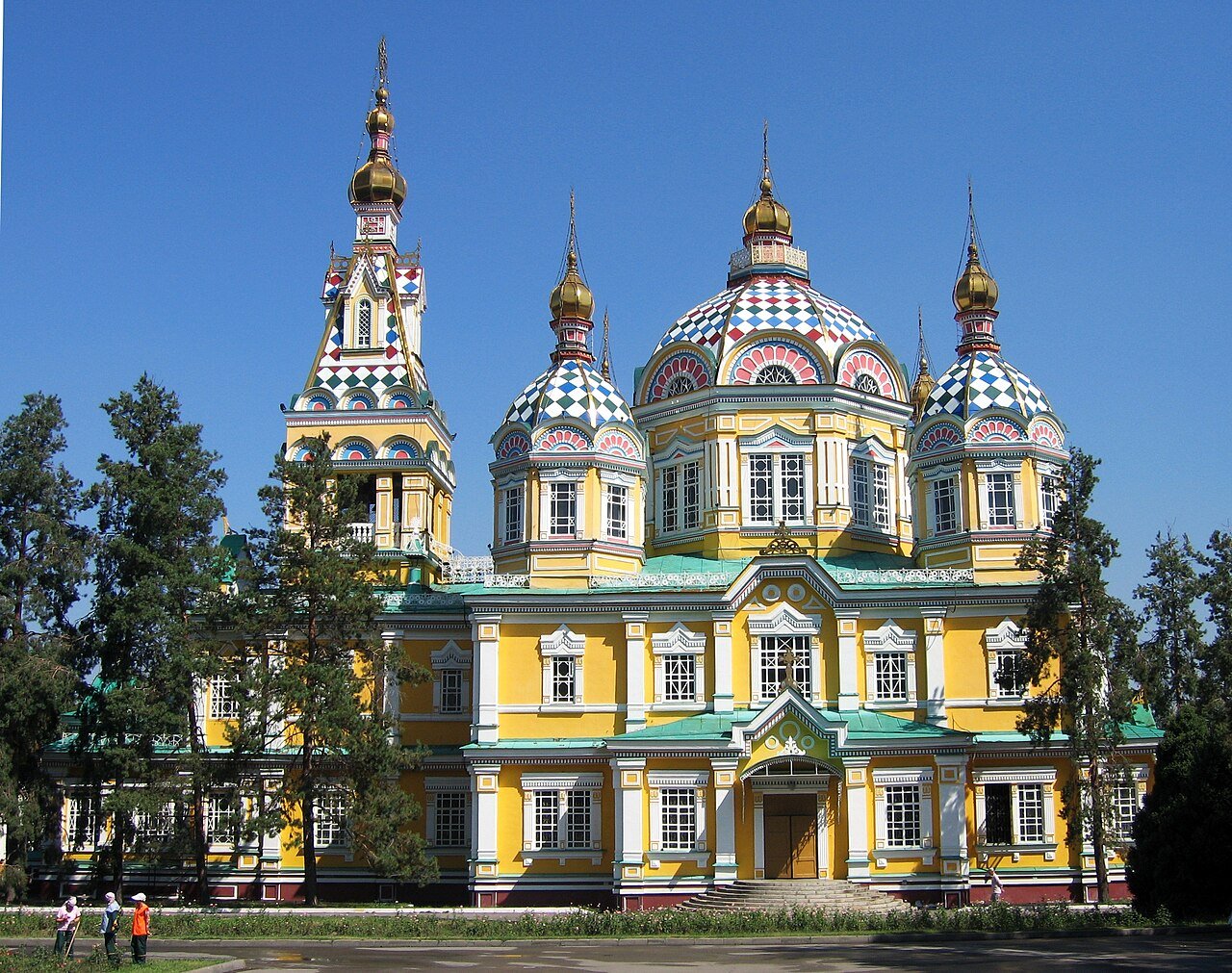 Almaty Kazakhstan Itinerary: 5 Days from India (2026)
 Baku Azerbaijan Itinerary: 5 Days from India (2026)
 Georgia Itinerary from India: 7 Days in the Caucasus (2026)
Photos sourced from Wikimedia Commons under their respective Creative Commons licences. Visa, flight and travel details are indicative for 2026; confirm current e-visa rules and train schedules before you travel.