Brunei Travel Guide for Indians 2026 — Visa, Mosques, Rainforest & Cost
Last updated: July 8, 2026
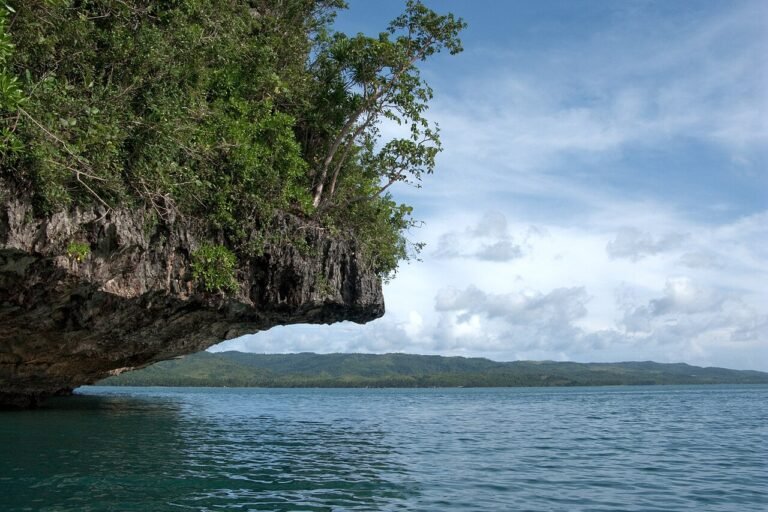
Brunei Darussalam is one of Southeast Asia’s smallest and least-visited nations — a serene, oil-rich sultanate on the island of Borneo where golden mosques, a vast stilt-village on the water and some of the world’s most pristine rainforest sit side by side. Its tidy capital, Bandar Seri Begawan, feels calm and gracious, while just upriver lies the untouched jungle of Ulu Temburong. For Indian travellers seeking a quiet, safe and genuinely different destination — devout, immaculate and refreshingly crowd-free — Brunei makes a fascinating short break, often paired with Malaysian Borneo.
This 2026 guide for Indian travellers covers visas and how to get there, the best time to visit, what it costs, where to stay and eat, and how to plan a rewarding three-day trip across the sultanate.
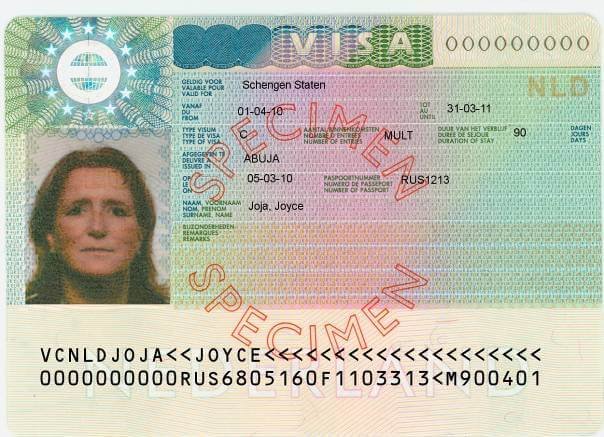
- Visa: Indians need a visa for Brunei; a visa on arrival has been available for short tourist stays, but confirm current eligibility or apply in advance.
- Getting there: Connect via Singapore or Kuala Lumpur to Bandar Seri Begawan (BWN) with Royal Brunei and others.
- Best time: January to May tends to be drier; expect tropical showers year-round.
- Don’t miss: The grand mosques, the Kampong Ayer water village and a rainforest day trip to Ulu Temburong.
Part 1 of 8
Why Brunei belongs on your list
Brunei offers a rare combination of opulence, devotion and wild nature. You can admire gilded, marble mosques, glide by water taxi through a centuries-old village built entirely on stilts, then within hours stand on a canopy walkway high above ancient rainforest teeming with wildlife. It is spotlessly clean, exceptionally safe, and so uncrowded that major sights often feel like they are yours alone.
Grand mosques
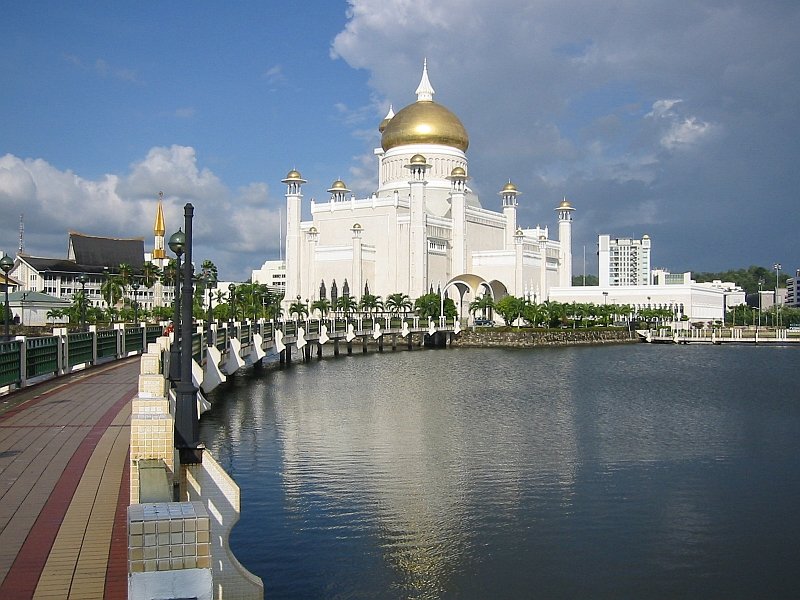
The elegant Sultan Omar Ali Saifuddien and the vast Jame’Asr Hassanil Bolkiah mosques.
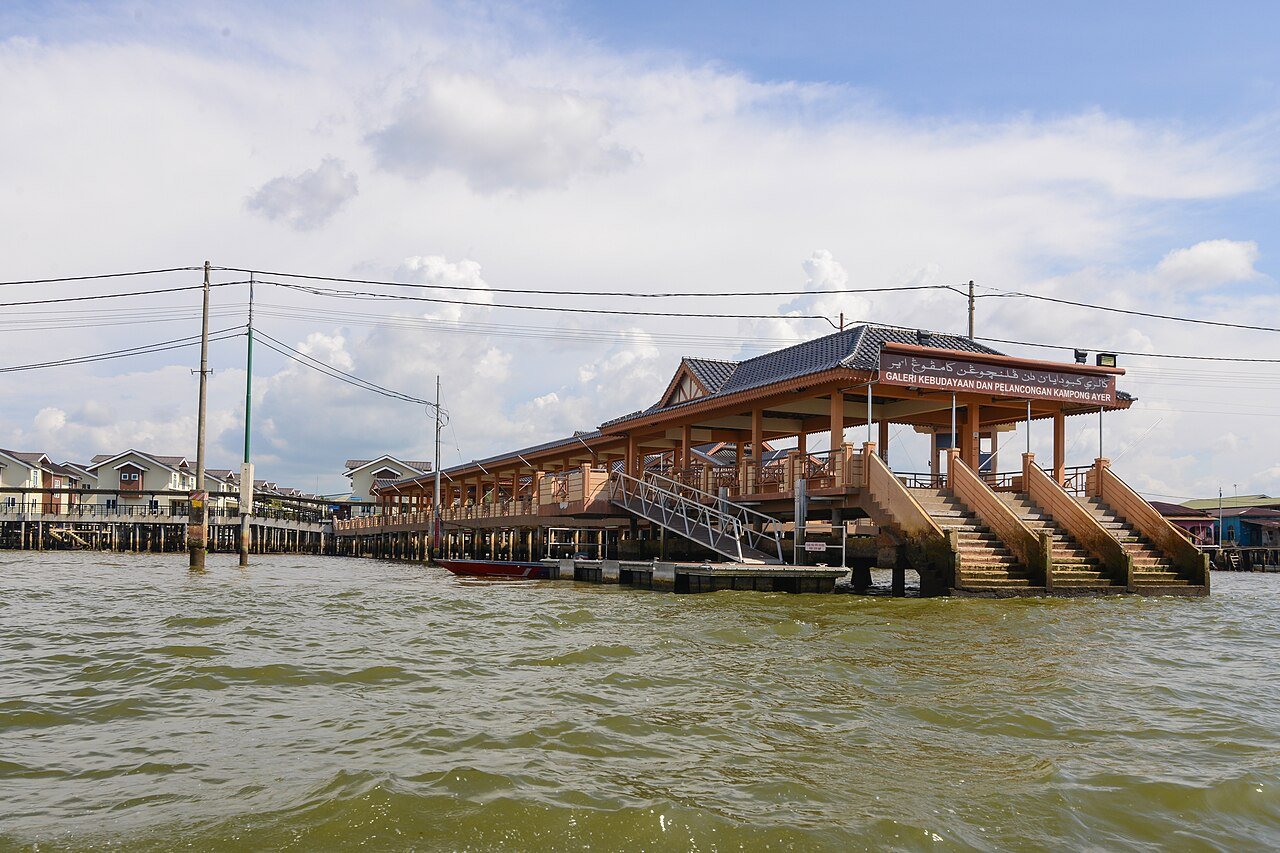
Kampong Ayer
The world’s largest stilt village, a living water-city explored by speedy water taxi.
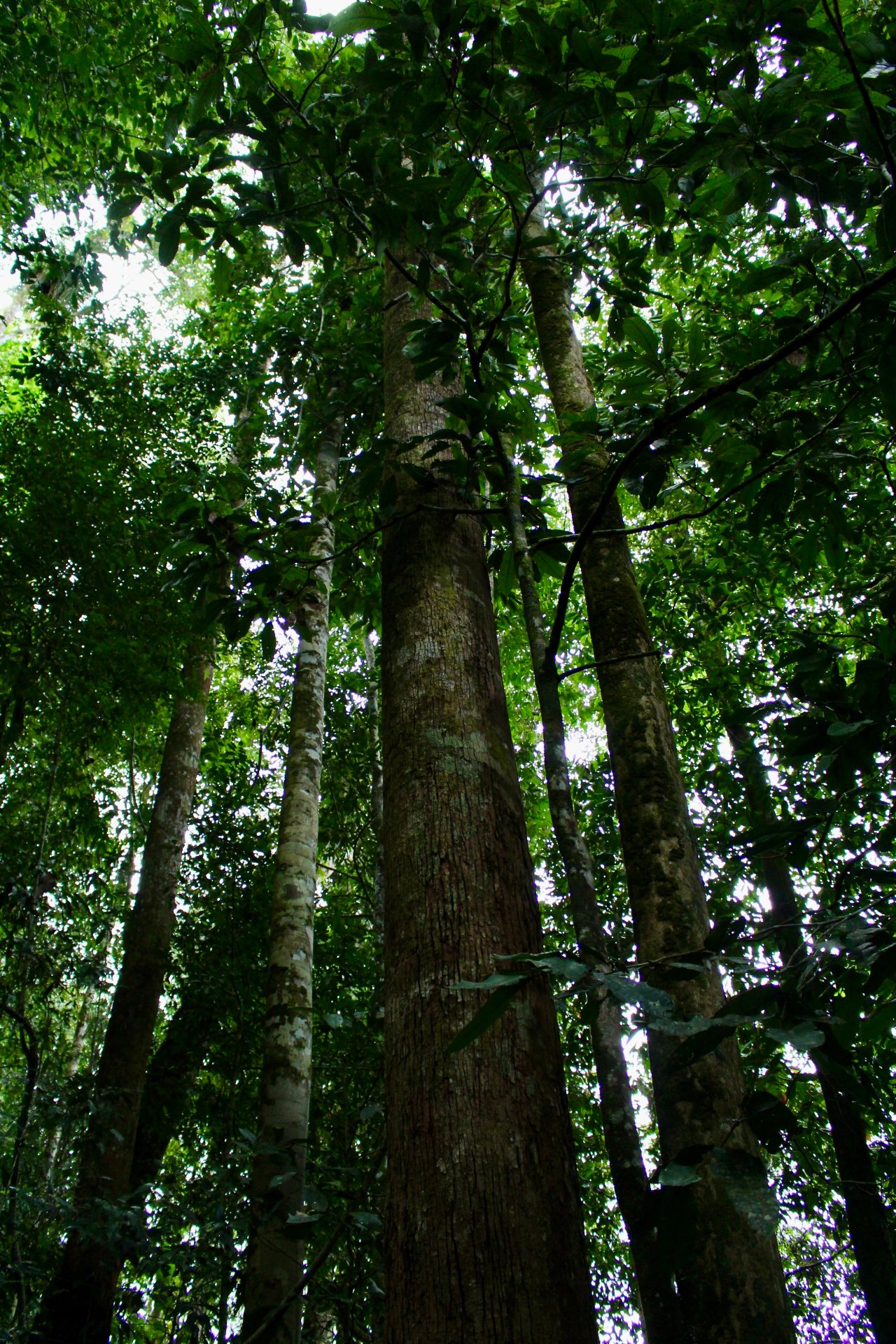
Ulu Temburong
Pristine Bornean rainforest with a thrilling canopy walk and jungle rivers.
River safari
Spot proboscis monkeys and crocodiles on a mangrove boat cruise.
Royal Regalia
A glittering museum of the Sultan’s ceremonial treasures and history.
Night markets
The Gadong night market, a feast of satay, grilled seafood and local snacks.
Whether you come for the architecture, the rainforest or simply the calm, Brunei rewards curious travellers with an unusual, peaceful and very safe Borneo experience.
Brunei is the quiet sultanate — golden domes, a city on stilts and untouched jungle, all without a crowd in sight.
Part 2 of 8
Visas and getting to Brunei
Brunei is compact and easy to navigate once you arrive, though it usually takes a connection to reach from India.
Visa: Indian passport holders require a visa for Brunei. A visa on arrival has been available to Indian nationals for short tourist stays at Brunei International Airport, but eligibility and conditions can change, so it is wise to confirm the latest rules with the Brunei authorities or apply for a visa in advance. Carry a passport valid at least six months, onward-travel proof and accommodation details.
By air: Bandar Seri Begawan’s airport (BWN) is served by Royal Brunei Airlines and other carriers. Most travellers from India connect via Singapore or Kuala Lumpur, both of which have frequent links to Brunei and onward to Indian cities.
Pro tip
Brunei pairs perfectly with Malaysian Borneo. Many travellers combine it with Kota Kinabalu (Sabah) or Miri (Sarawak), which are short hops away, to make the journey from India more worthwhile.
Getting around: The capital is small and walkable, with taxis and ride-hailing available but limited, so many visitors hire a car or join tours. Water taxis are the fun, essential way to explore Kampong Ayer and the river.
Part 3 of 8
Best time to visit Brunei
Brunei sits close to the equator, so it is warm, humid and prone to rain throughout the year, but some months are noticeably drier.
| Season | Months | What to expect |
|---|---|---|
| Drier season | Jan–May | Generally the most comfortable window, with sunnier spells ideal for sightseeing and the rainforest. |
| Mid-year | Jun–Sep | Warm and humid with intermittent showers; still very travel-worthy. |
| Wetter season | Oct–Dec | Higher rainfall and the chance of heavy downpours, though rarely all-day rain. |
| Year-round | — | Hot and humid always — pack light, breathable clothing and a compact rain jacket. |
For the best balance of weather, aim for the drier months of January to May, particularly if a clear-weather rainforest trip to Ulu Temburong is a priority. That said, Brunei is an equatorial country where showers can occur any time, so a light rain layer is useful whenever you visit.
Part 4 of 8
Costs and budgeting for Indians
Brunei’s currency is pegged one-to-one with the Singapore dollar, so prices feel similar to Singapore, though the country is compact enough to see affordably. Here is a realistic per-person, per-day guide for 2026.
| Style | Daily budget | What it covers |
|---|---|---|
| Budget | BND 60–90 | Guesthouse or budget hotel, local food and night markets, water-taxi rides and city sights. |
| Mid-range | BND 120–200 | Comfortable hotel, a car or tours, the Temburong day trip and good restaurant meals. |
| Premium | BND 300+ | Luxury resort such as the Empire, private guide and transport, and premium experiences. |
The mosques, Kampong Ayer and museums are inexpensive or free, and the night-market food is excellent value. The biggest single cost is usually the guided Ulu Temburong day trip, which involves longboats and a national-park fee. Cards are accepted in hotels and malls, but carry Brunei dollars for water taxis, markets and smaller vendors.
Good to know
Brunei is a strict, dry country — the sale and public consumption of alcohol is prohibited. It is also very safe and conservative, so dress modestly and behave respectfully, especially around mosques and during prayer times.
Part 5 of 8
Where to stay, what to eat and top experiences
Where to stay: Most visitors base themselves in central Bandar Seri Begawan, close to the mosques, waterfront and Kampong Ayer. For a splurge, the opulent Empire hotel and resort just outside the city is a destination in itself, with grand architecture and a beachfront setting.
What to eat: Try ambuyat, the gluey sago national dish eaten with tangy dips, alongside nasi katok, satay, grilled seafood and Malay curries. The country is Muslim and dry, so all food is halal and meals are alcohol-free; the Gadong night market is the best place to graze. Vegetarians can find rice, noodle and vegetable dishes, though it helps to ask.
Mosque visits
Admire the Sultan Omar Ali Saifuddien and Jame’Asr mosques (outside prayer times).
Water-village tour
Take a water taxi through Kampong Ayer and visit a stilt home and museum.
Temburong day trip
Longboat into the rainforest for a canopy walk and jungle immersion.
Proboscis safari
Cruise the mangroves at dusk to spot Borneo’s unusual long-nosed monkeys.
Round out your trip with the Royal Regalia Museum, the waterfront promenade at sunset, and an evening grazing through the satay stalls of the Gadong night market.
Part 6 of 8
A 3-day Brunei itinerary
Three days are enough to experience the capital, the water village and the rainforest at a relaxed pace.
Day 1 — The capital: Explore Bandar Seri Begawan — the Sultan Omar Ali Saifuddien Mosque, the Royal Regalia Museum and the waterfront — then take a water-taxi tour of Kampong Ayer and end the day at the Gadong night market.
Day 2 — Ulu Temburong: Take a full-day guided trip by longboat into the national park for the canopy walkway, jungle trails and a refreshing river dip, returning to the city in the evening.
Day 3 — Mosques, monkeys and more: Visit the magnificent Jame’Asr Hassanil Bolkiah Mosque, take a late-afternoon proboscis-monkey river safari, and enjoy a final waterfront sunset before departing or continuing into Malaysian Borneo.
Extend your trip: Combine Brunei with Kota Kinabalu in Sabah or Miri and the caves of Gunung Mulu in Sarawak for a fuller Borneo adventure of wildlife, mountains and coast.
Pro tip
Book the Ulu Temburong day trip with a reputable operator in advance, as it requires longboat transfers and park permits. Going early in the day gives the best light, the clearest skies and the most active wildlife.
Part 7 of 8
Practical tips for Indian travellers
A little cultural awareness ensures a smooth visit to this devout, orderly and very safe little nation.
Dry country
Alcohol is not sold; non-Muslim visitors may bring a small personal allowance, declared at entry.
Dress modestly
Cover shoulders and knees, especially at mosques; non-Muslims cannot enter during prayer times.
Carry cash
Brunei dollars (Singapore dollars are also accepted) are handy for water taxis and markets.
Mind Fridays
Many sites and mosques limit access around Friday prayers; plan visits accordingly.
Brunei is one of the safest countries in the world, with very low crime, making it excellent for families, couples and solo travellers, including women. The key is respecting local norms: dress conservatively, behave decorously in public, follow mosque visiting rules (non-Muslims generally cannot enter during prayers and women receive robes to wear), and remember that this is a strict Islamic sultanate where alcohol and public displays of affection are not appropriate. A local SIM keeps you connected, and bottled water is best for drinking.
Because Brunei is small, it is most rewarding when combined with the wider region. It sits on the island of Borneo between the Malaysian states of Sabah and Sarawak, so pairing it with Kota Kinabalu, Miri or the rainforests of Mulu, or routing through Singapore or Kuala Lumpur, makes the journey from India more worthwhile and turns a short sultanate visit into a richer Borneo and Southeast Asia trip.
Part 8 of 8
Frequently asked questions
Do Indians need a visa for Brunei?
Yes. Indian passport holders require a visa, and a visa on arrival has been available for short tourist stays at Brunei International Airport. Eligibility and conditions can change, so confirm the latest rules with the Brunei authorities or apply in advance, and carry onward-travel and accommodation proof.
How do I reach Brunei from India?
Most travellers connect via Singapore or Kuala Lumpur to Bandar Seri Begawan with Royal Brunei Airlines and other carriers. Combining Brunei with nearby Kota Kinabalu or Miri in Malaysian Borneo is also popular.
When is the best time to visit Brunei?
January to May is generally the drier and most comfortable window, ideal for the rainforest. Brunei is equatorial, however, so warm, humid weather and occasional showers occur year-round — pack a light rain jacket whenever you go.
Is alcohol available in Brunei?
No. Brunei is a dry country where the sale and public consumption of alcohol are prohibited. Non-Muslim visitors may import a small personal allowance, which must be declared on arrival, but it cannot be consumed in public.
Is Brunei expensive to visit?
Prices feel similar to Singapore, since the Brunei dollar is pegged to it, but the country is compact and many sights are cheap or free. The main cost is usually the guided Ulu Temburong rainforest day trip.
Is Brunei safe for families and solo travellers?
Extremely. Brunei has very low crime and is welcoming, clean and orderly, suiting families, couples and solo travellers, including women. The key is to respect its conservative Islamic customs and dress modestly.
What should I wear in Brunei?
Dress modestly, covering shoulders and knees, particularly at mosques and religious sites. Non-Muslims generally cannot enter mosques during prayer times, and women are usually provided with robes and headscarves for permitted visits.
What can I combine with a Brunei trip?
Brunei pairs naturally with Malaysian Borneo — Kota Kinabalu in Sabah and Miri or Gunung Mulu in Sarawak — and with hub cities like Singapore and Kuala Lumpur, making for a fuller Borneo and Southeast Asia itinerary.
The bottom line
Brunei is a small, surprising and deeply peaceful destination — a place of golden mosques, a remarkable water village and untouched Bornean rainforest, all wrapped in immaculate calm and near-total safety. Sort your visa, come in the drier months, respect the sultanate’s devout customs, and combine it with Malaysian Borneo to make the most of the journey. Do that, and this quiet corner of Borneo will reward you with one of the most distinctive and serene short trips in Southeast Asia.
Related reading
 Singapore Malaysia Itinerary: 7 Days from India (2026)
 Malaysia 7-Day Itinerary 2026 — Kuala Lumpur, Penang & Langkawi
 International Driving Permit (IDP): Driving Abroad Guide
Photos sourced from Wikimedia Commons under their respective Creative Commons licences. Visa, flight and travel details are indicative for 2026; confirm current visa-on-arrival eligibility and conditions before you travel.