Budget Turkey Trip from India 2026 — Costs, Savings & Sample Budget
Last updated: July 8, 2026
Turkey is one of the best-value bucket-list destinations for Indian travellers — a country where Europe meets Asia, packed with ancient ruins, soaring mosques, fairy-tale landscapes and turquoise coasts, all at prices far below Western Europe. Thanks to cheap domestic flights, affordable food, good-value hotels and the favourable exchange rate, you can experience Istanbul, Cappadocia’s balloons and Pamukkale on a sensible budget. Turkey proves you don’t need to spend a fortune for a world-class trip.
This 2026 budget guide for Indian travellers shows how to do Turkey affordably — visa, cheap flights, transport, food, where to stay and a sample budget itinerary.
- Visa: Indians need a visa — an e-Visa is available for those holding a valid Schengen, US, UK or Ireland visa; others apply for a sticker visa.
- Budget hack: Use cheap domestic flights and night buses, eat street food, and stay in guesthouses and cave hostels.
- Getting there: Direct and one-stop flights from Indian cities to Istanbul, often cheap if booked early.
- Don’t miss: Istanbul’s monuments, Cappadocia’s balloons and valleys, Pamukkale and Ephesus.
Part 1 of 8
Why Turkey is great value
Turkey offers an extraordinary amount for the money. Many of Istanbul’s greatest sights are cheap or free to admire, street food like simit, döner and gözleme costs very little, and the weak lira means your money stretches far on food, transport and stays. Cheap domestic flights and comfortable night buses link the highlights affordably, and guesthouses and cave hostels in Cappadocia are great value. The famous dawn balloon ride is the one splurge worth saving for.
Istanbul
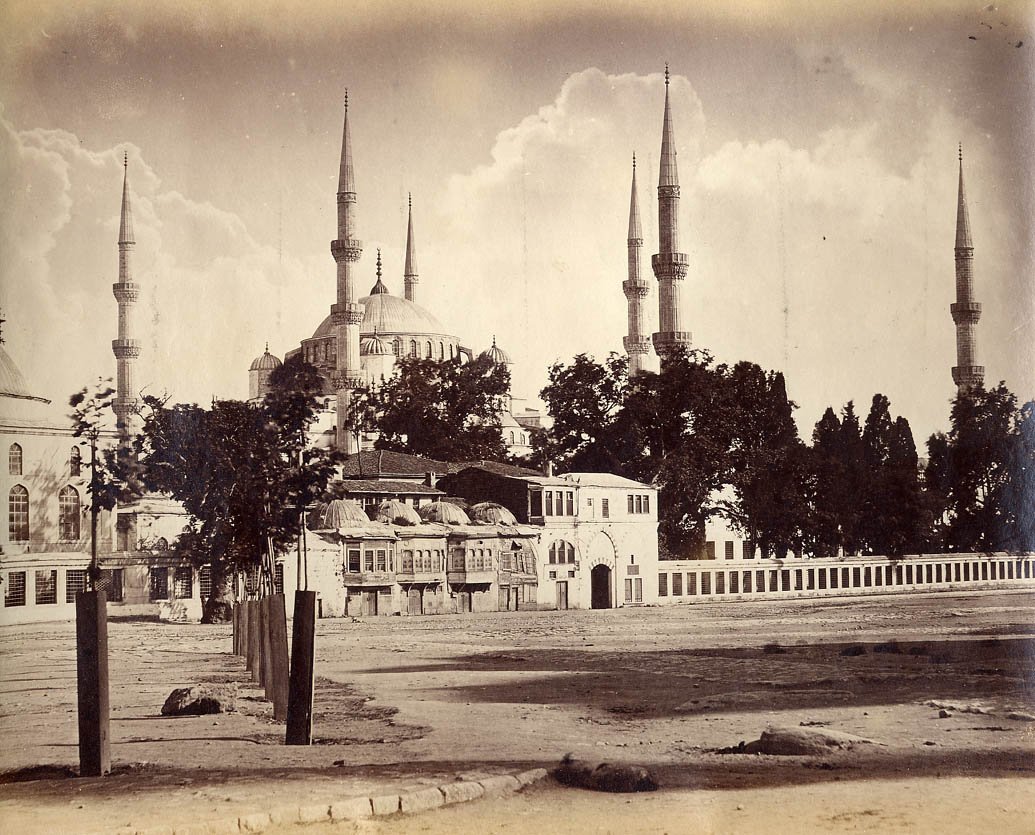
Hagia Sophia, the Blue Mosque, bazaars and the Bosphorus.
Cappadocia
Balloons, fairy chimneys and affordable cave stays.
Pamukkale
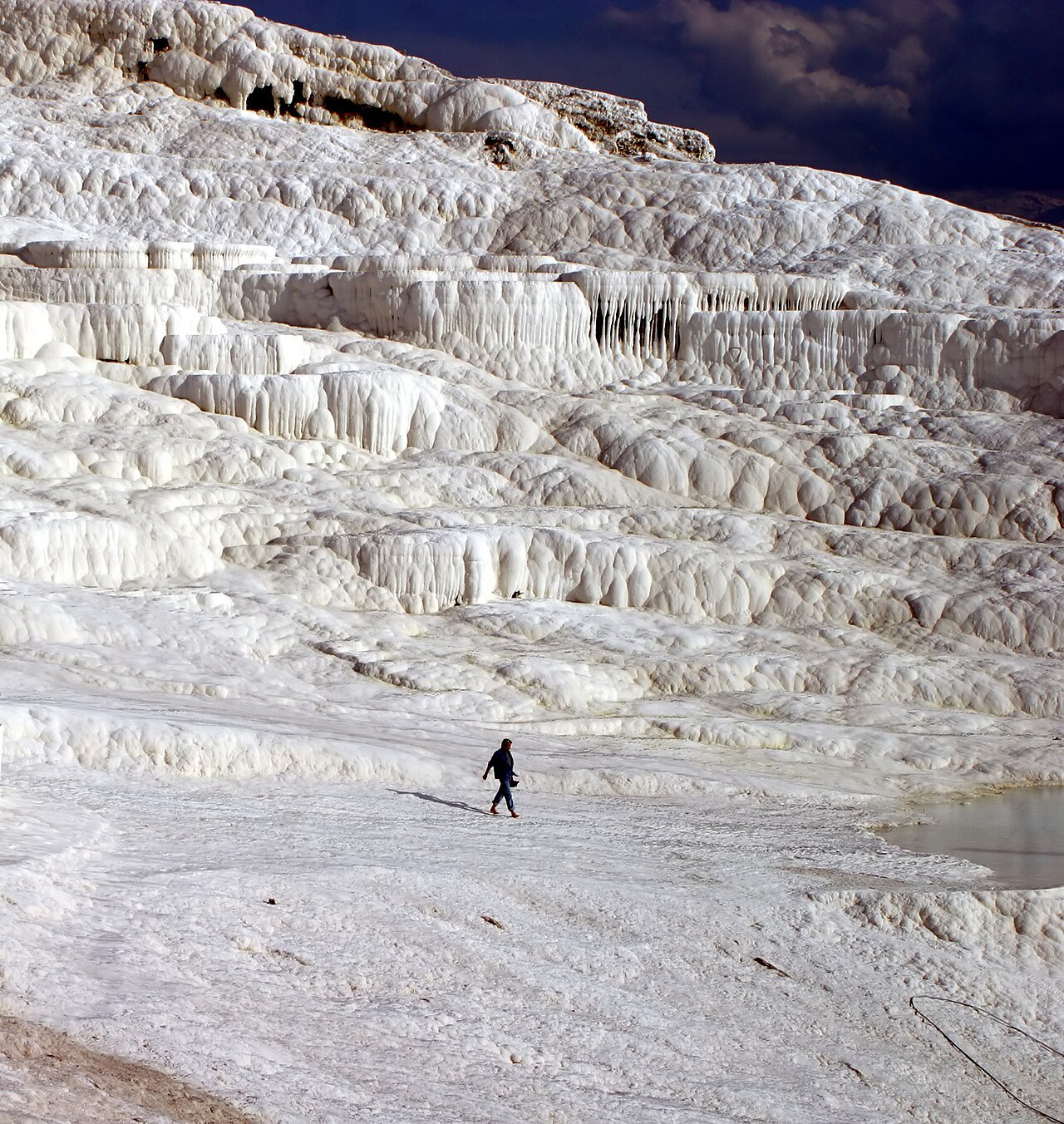
Surreal white terraces and Roman Hierapolis.
Ephesus
One of the best-preserved ancient cities.
Cheap street food
Simit, döner, gözleme and çay for very little.
Budget transport
Cheap domestic flights and comfy night buses.
Whether you love history, landscapes, food or culture, Turkey delivers a rich, varied trip at budget-friendly prices, making it one of the best-value international destinations for Indian travellers.
Turkey is a world-class trip on a budget — Istanbul, Cappadocia’s balloons and ancient wonders, all for a fraction of Europe’s cost.

Part 2 of 8
Visa, flights and budget transport
Sorting your visa and using cheap transport are the keys to an affordable Turkey trip.
Visa: Indian passport holders need a visa. Those holding a valid Schengen, US, UK or Ireland visa or residence can apply for a quick, cheap Turkish e-Visa online. Indians without one must apply for a sticker visa through the Turkish consulate. Always confirm the latest rules before booking.
Flights: Turkish Airlines and IndiGo fly direct from Delhi and Mumbai to Istanbul, with many one-stop options via the Gulf. Booking early or in sales lands cheap fares, and Istanbul is a major hub so deals are common.
Budget transport: Cheap domestic flights connect Istanbul with Cappadocia (Kayseri/Nevşehir) and the coast, while comfortable overnight buses are a great budget hack between cities, saving a hotel night. Istanbul’s trams, metro and ferries are cheap with an Istanbulkart.
Pro tip
Use cheap domestic flights or overnight buses between Istanbul, Cappadocia and Pamukkale. Get an Istanbulkart for cheap city transport, and book your Cappadocia cave stay and balloon ride early for the best prices.
Save more: Many mosques are free to enter (respect dress codes and prayer times), and walking the historic districts costs nothing. Eat where locals eat for the cheapest, tastiest meals.
Part 3 of 8
Best time for a budget Turkey trip
Season affects both weather and prices across Turkey’s varied regions.
| Season | Months | What to expect |
|---|---|---|
| Spring | Apr–Jun | Mild, green and pleasant — great for sightseeing and balloons, with fewer crowds. |
| Summer | Jul–Aug | Hot inland; peak and priciest on the coast, busiest at the sights. |
| Autumn | Sep–Nov | Warm, settled weather and thinner crowds — excellent value. |
| Winter | Dec–Mar | Cold inland with snowy Cappadocia (atmospheric, cheapest), mild south coast. |
For the best balance of good weather, reliable balloon flights and lower prices, travel in spring (April–June) or autumn (September–November). Winter is the cheapest, with a magical snowy Cappadocia, though balloon flights can be cancelled and inland areas are cold. Avoid peak summer on the coast for better value.
Part 4 of 8
What a budget Turkey trip costs
Turkey is excellent value thanks to the exchange rate and cheap local food. Here is a realistic per-person, per-day guide for 2026, excluding international flights.
| Style | Daily budget | What it covers |
|---|---|---|
| Backpacker | $30–50 | Hostels and guesthouses, street food, buses and local transport. |
| Comfortable budget | $70–120 | Good hotels and cave stays, domestic flights, more dining and sights. |
| Mid-range | $160+ | Boutique hotels, more activities, and the Cappadocia balloon ride. |
Food and transport are cheap, museums and sites are reasonable, and the weak lira stretches your budget. The standout splurge is the Cappadocia balloon ride (typically $200–300) — budget for it separately if it’s a priority. Carry some Turkish lira in cash, though cards are widely accepted in cities; gentle haggling is expected in bazaars.
Good to know
Turkey is generally safe and welcoming. Use licensed taxis or apps and agree fares, watch for common bazaar overcharging, and book balloon rides with reputable, insured operators. Dress modestly at mosques, and check advisories for the southeastern border regions, which most itineraries avoid.
Part 5 of 8
Where to stay, what to eat and budget experiences
Where to stay: In Istanbul, Sultanahmet has budget guesthouses near the sights, while Beyoğlu is livelier; both have cheap options. In Cappadocia, affordable cave hostels and guesthouses in Göreme give you the cave experience and balloon views on a budget. Book early in peak seasons.
What to eat: Eat like a local to save — simit (sesame bread), döner and dürüm wraps, pide, lahmacun, gözleme, lentil soup and street snacks are cheap and delicious, finished with çay. Vegetarians do well with abundant meze, salads and veg dishes, and halal food is the norm, suiting many Indian travellers.
Cappadocia balloon
The one splurge — dawn flight over the valleys.
Free valley hikes
Walk Cappadocia’s valleys for free.
Bosphorus ferry
Cheap public ferry with skyline views.
Bazaars
Wander the Grand and Spice Bazaars for free.
For more on a budget, visit free mosques, hike Cappadocia’s valleys instead of paid tours, see Pamukkale’s terraces and Hierapolis, and explore Ephesus. Much of Turkey’s magic — views, mosques, bazaars and walks — costs little or nothing.
Part 6 of 8
A sample 7-day budget Turkey itinerary
This route covers Turkey’s essentials affordably using cheap transport.
Days 1–3 — Istanbul: Hagia Sophia, the Blue Mosque (free), Topkapı, the Grand and Spice Bazaars, and a cheap Bosphorus public ferry — much of it free or low-cost.
Days 4–5 — Cappadocia: A cheap domestic flight or night bus to Göreme for a cave-hostel stay, free valley hikes, cave churches, and the optional dawn balloon ride (the big splurge).
Days 6–7 — Pamukkale & Ephesus: Travel west by bus or flight to the travertine terraces of Pamukkale and the ancient city of Ephesus, before returning to Istanbul to fly home.
Budget tip: Use one overnight bus to save a hotel night, and decide early whether the balloon ride fits your budget.
Pro tip
Take an overnight bus for one long leg to save on accommodation, and hike Cappadocia’s valleys yourself instead of paid tours. Book the balloon ride early if it’s a priority, as the best-value slots sell out.
Part 7 of 8
Budget tips for Turkey
A few smart habits make Turkey even better value.
Eat street food
Simit, döner and pide for very little.
Night buses
Cheap overnight travel that saves a hotel night.
Free sights
Mosques, bazaars, viewpoints and valley hikes cost little.
Lira plus cards
Cards work in cities; carry lira for bazaars and small towns.
Turkey is a budget traveller’s delight thanks to the favourable exchange rate. Eat at local street stalls and cheap eateries, stay in guesthouses and Cappadocia cave hostels, use cheap domestic flights and overnight buses, and enjoy the many free mosques, bazaars and valley hikes. Save the splurge for the Cappadocia balloon ride if it’s a priority.
Sort your e-Visa (or sticker visa) in advance, carry lira for bazaars and small towns, and dress modestly at mosques, covering shoulders and knees with a scarf for women. Haggle gently in bazaars, use licensed taxis or apps, and choose reputable, insured operators for the balloon ride. With cheap, delicious halal and vegetarian food, friendly locals and incredible sights, Turkey offers Indian travellers a world-class trip at a fraction of the usual cost.
Part 8 of 8
Frequently asked questions
Is Turkey affordable for Indian travellers?
Very much so. Thanks to the favourable exchange rate, cheap street food, good-value hotels and inexpensive domestic flights and buses, Turkey is one of the best-value bucket-list destinations. Backpackers manage on $30–50 a day, with the Cappadocia balloon ride the main optional splurge.
Do Indians need a visa for Turkey?
Yes. Indians holding a valid Schengen, US, UK or Ireland visa or residence can apply for a Turkish e-Visa online quickly and cheaply. Those without one must apply for a sticker visa through the Turkish consulate. Confirm the latest rules before booking your trip.
How do I travel cheaply within Turkey?
Use cheap domestic flights to connect Istanbul with Cappadocia and the coast, and comfortable overnight buses between cities to save on both transport and a hotel night. In Istanbul, an Istanbulkart gives cheap access to trams, metro and ferries, including the scenic Bosphorus crossing.
How much does a budget Turkey trip cost per day?
Excluding international flights, backpackers manage on roughly $30–50 a day, a comfortable budget on $70–120, and mid-range on $160 plus. Food, transport and sights are cheap; the Cappadocia balloon ride (around $200–300) is the main optional splurge to budget separately.
Is the Cappadocia balloon ride worth it on a budget?
It is the one splurge most travellers find worthwhile — drifting over the fairy chimneys at sunrise is unforgettable. If your budget is tight, you can still enjoy Cappadocia’s free valley hikes and viewpoints, watching the balloons from the ground, but book early with a reputable operator if you want to fly.
When is the cheapest time to visit Turkey?
Winter is the cheapest, with a magical snowy Cappadocia, though inland areas are cold and balloon flights can be cancelled. Spring and autumn offer the best balance of good weather, reliable balloons and lower prices, while peak summer on the coast is the most expensive.
Is Turkish food good for vegetarians and Indians?
Yes. Turkish cuisine has abundant vegetable mezes, salads, lentil dishes, breads and pastries, so vegetarians eat very well, and halal meat is the norm, which suits many Indian travellers. Cheap, tasty street food and English menus in tourist areas make eating easy and affordable.
Is Turkey safe for budget and solo travellers?
Generally yes — Turkey is welcoming with good tourist infrastructure. Take normal precautions in crowded bazaars, use licensed taxis or apps and agree fares, and choose reputable balloon and tour operators. Dress modestly at mosques, and check advisories for the southeastern border regions, which most itineraries avoid.
The bottom line
Turkey delivers a world-class trip on a budget — Istanbul’s mosques and bazaars, Cappadocia’s fairy chimneys and dawn balloons, the terraces of Pamukkale and the ruins of Ephesus, all at a fraction of Western Europe’s cost. Sort your e-Visa, fly into Istanbul, use cheap domestic flights and night buses, feast on street food, and stay in guesthouses and cave hostels. Travel in spring or autumn for the best value, save for the balloon ride if it’s a dream, and Turkey will reward Indian travellers with an unforgettable journey across two continents for remarkably little.
Related reading
 Middle Eastern Food Guide for Indians 2026 — What to Eat & Veg Tips
 Best Street Food Cities in the World 2026 — Where & What to Eat
 South Korea Travel Guide for Indians (2026)
Photos sourced from Wikimedia Commons under their respective Creative Commons licences. Visa, flight and cost details are indicative for 2026; confirm current visa rules, fares and prices before you travel.