Budget Bhutan Trip from India 2026 — SDF, Costs & Sample Budget
Last updated: July 8, 2026
Bhutan — the last Himalayan kingdom and the land of Gross National Happiness — is a dream destination of cliff-clinging monasteries, fortress-like dzongs, prayer-flag-draped passes and pristine valleys. While Bhutan is known for its Sustainable Development Fee, Indian travellers enjoy special, more affordable terms, making it more accessible than for most other nationalities. With careful planning, a budget-conscious Bhutan trip is very achievable for Indians seeking a serene, unspoilt Himalayan experience.
This 2026 budget guide for Indian travellers explains the entry rules and fee, how to reach Bhutan cheaply, the best time to go, costs, where to stay and a sample budget itinerary.
- Entry: Indians don’t need a visa but need a permit and must pay the reduced Sustainable Development Fee (SDF) — confirm the current rate.
- Budget hack: Travel overland via Phuentsholing, stay in budget hotels, eat local, and visit in shoulder season.
- Getting there: Overland from West Bengal (Phuentsholing) is cheapest; flights go to Paro from Indian cities.
- Don’t miss: The Tiger’s Nest monastery, Thimphu, Punakha Dzong and the Himalayan valleys.
Part 1 of 8
Why Bhutan is special (and doable on a budget)
Bhutan is unlike anywhere else — a deeply Buddhist kingdom that measures success in happiness, protects its environment fiercely, and has kept its culture beautifully intact. The iconic Tiger’s Nest monastery clinging to a cliff, the majestic dzongs, the prayer flags fluttering on high passes and the clean, green valleys make it magical. For Indians, the special entry terms and overland access make this serene Himalayan experience attainable on a careful budget.
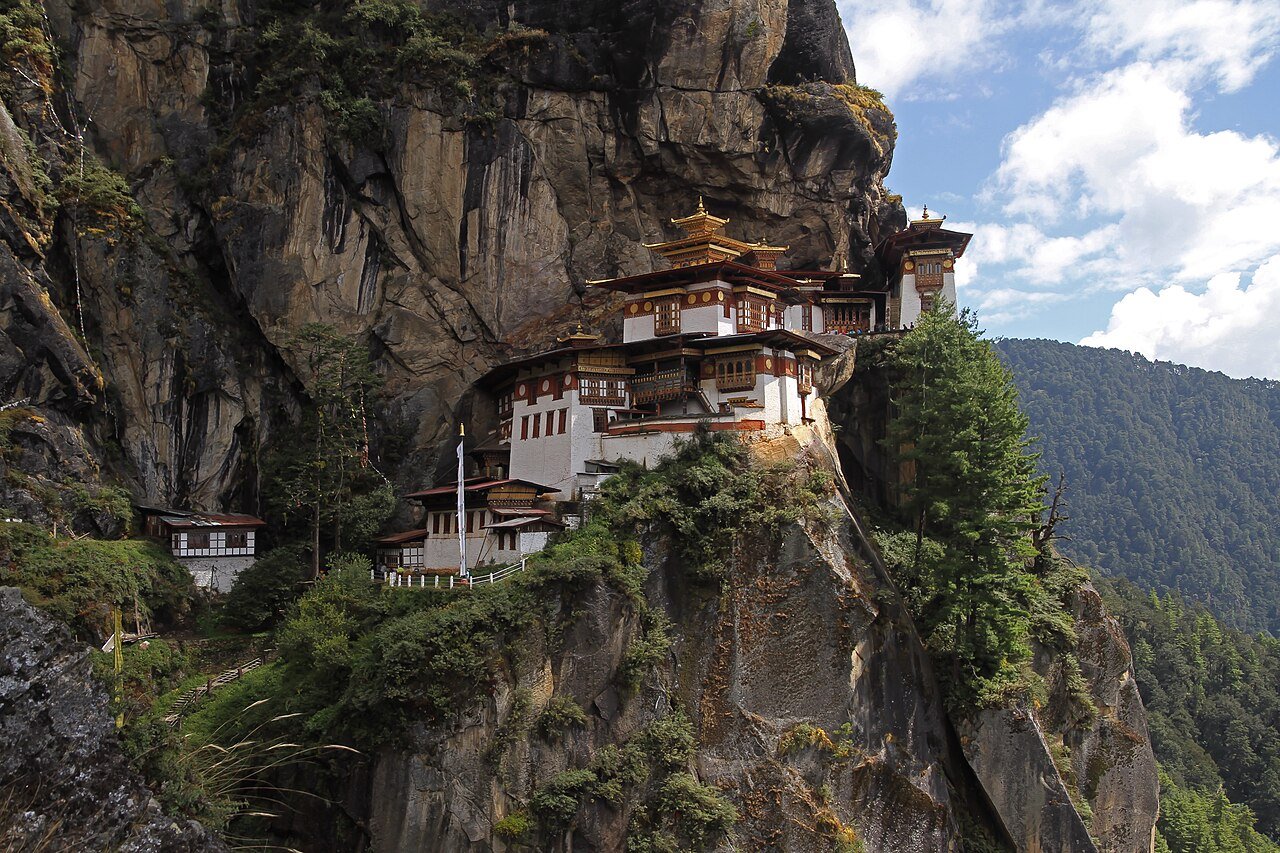
Tiger’s Nest
Bhutan’s iconic clifftop monastery near Paro.
Dzongs
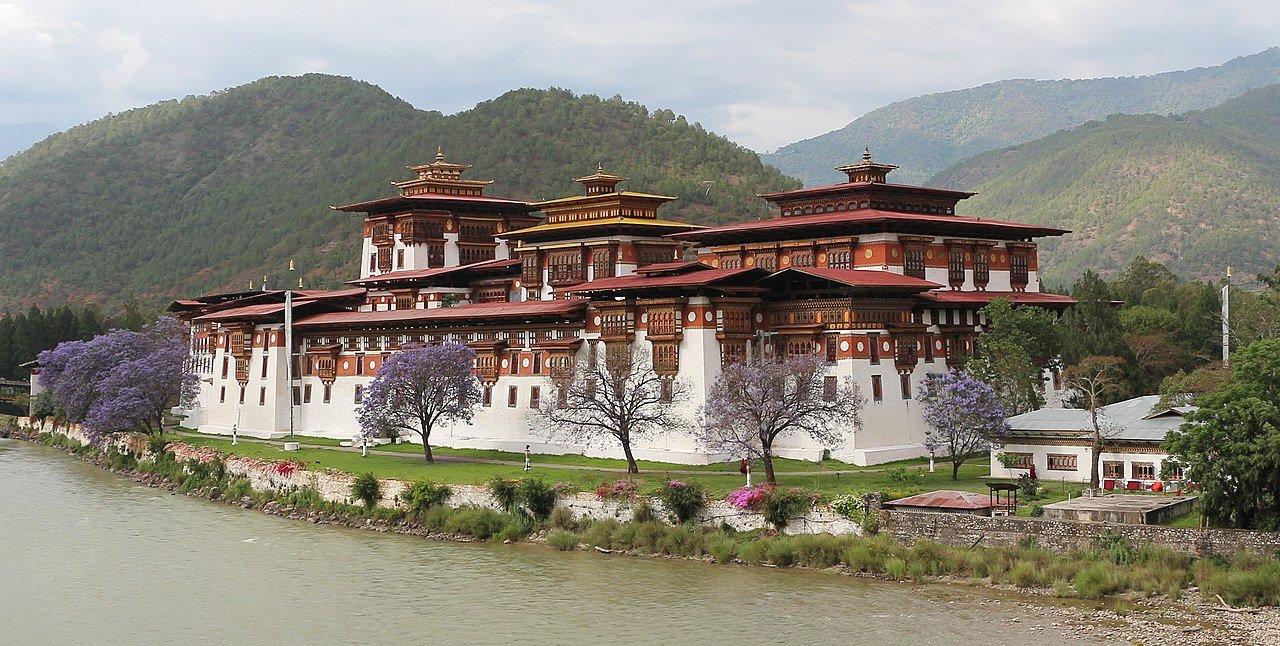
Majestic fortress-monasteries in Punakha, Thimphu and Paro.
Living culture
Buddhist traditions, festivals and warm, gentle people.
Pristine nature
Green valleys, forests and Himalayan mountain views.
Mountain passes
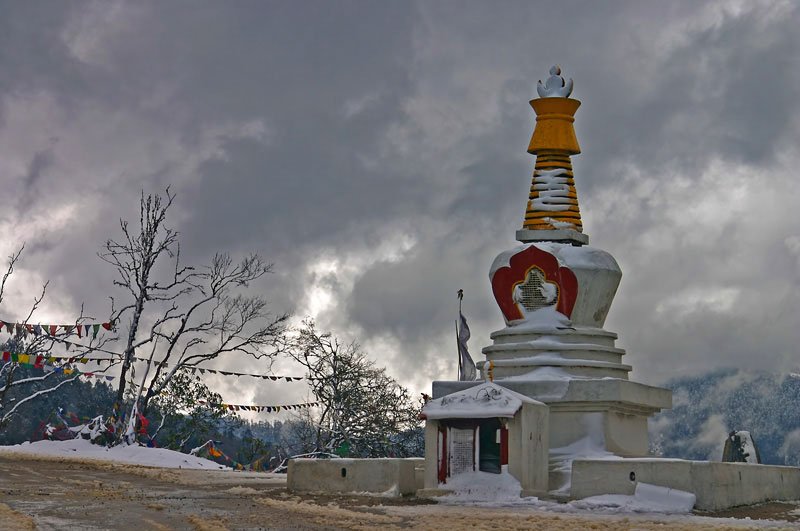
Prayer-flag-draped high passes like Dochula.
Happiness ethos
A calm, unhurried pace and clean environment.
Whether you seek spirituality, mountains, culture or simply calm, Bhutan offers a uniquely unspoilt Himalayan journey — and with smart choices, Indian travellers can experience it without overspending.
Bhutan is the last Shangri-La — clifftop monasteries, mighty dzongs and happy valleys, made attainable for Indian travellers.
Part 2 of 8
Permit, the SDF and reaching Bhutan cheaply
Understanding the entry rules and choosing overland travel are the keys to a budget Bhutan trip.
Entry & permit: Indian passport or voter-ID holders do not need a visa but must obtain an entry permit (online or at the border) and pay the Sustainable Development Fee (SDF), which is charged at a special reduced rate for Indians. The exact SDF amount and rules can change, so always confirm the current rate and process before planning.
Getting there cheaply: The most budget-friendly route is overland — travel by train to New Jalpaiguri/Siliguri in West Bengal, then by road to the border town of Phuentsholing, where you arrange permits and continue into Bhutan. This avoids pricey flights.
By air: Direct flights to Paro from Indian cities (Delhi, Kolkata, Bagdogra, etc.) save time but cost more; Druk Air and Bhutan Airlines operate them, and the Paro landing is spectacular.
Pro tip
For the lowest cost, travel overland via Phuentsholing and arrange a shared vehicle for sightseeing. Budget for the SDF as a fixed daily cost when planning, and keep your trip length efficient to manage it.
Getting around: Within Bhutan, hire a local car with driver (often required for permits beyond Thimphu/Paro) or join shared transport. Distances are short but mountain roads are slow, so plan realistic days.
Part 3 of 8
Best time for a budget Bhutan trip
Bhutan’s seasons affect both the experience and crowds, with shoulder months offering the best value.
| Season | Months | What to expect |
|---|---|---|
| Spring | Mar–May | Beautiful — rhododendrons, clear skies, festivals; popular and pricier. |
| Autumn | Sep–Nov | Crisp, clear mountain views and major festivals; peak season. |
| Winter | Dec–Feb | Cold but clear and quiet, with lower crowds; some high areas snowy. |
| Summer/monsoon | Jun–Aug | Green and lush but rainy, with the fewest crowds and best value. |
Spring and autumn offer the best weather and the famous festivals (tshechus), but are busiest. For a budget trip, the quieter winter (clear but cold) and the green monsoon months (rainy but lush and cheapest) can mean fewer crowds and better deals, though some mountain views may be limited by cloud. Since the SDF is a fixed daily cost, shorter, well-planned trips help the budget most.
Part 4 of 8
What a budget Bhutan trip costs
Beyond the SDF, Bhutan can be done affordably with budget hotels, local food and shared transport. Here is a realistic per-person, per-day guide for 2026, excluding international transport and the SDF, which is separate.
| Style | Daily budget (excl. SDF) | What it covers |
|---|---|---|
| Budget | $30–55 | Budget hotels/guesthouses, local food, shared transport. |
| Comfortable | $70–120 | Good 3-star hotels, a private car with driver, guided sightseeing. |
| Premium | $200+ | Upscale hotels and resorts, private guides and curated experiences. |
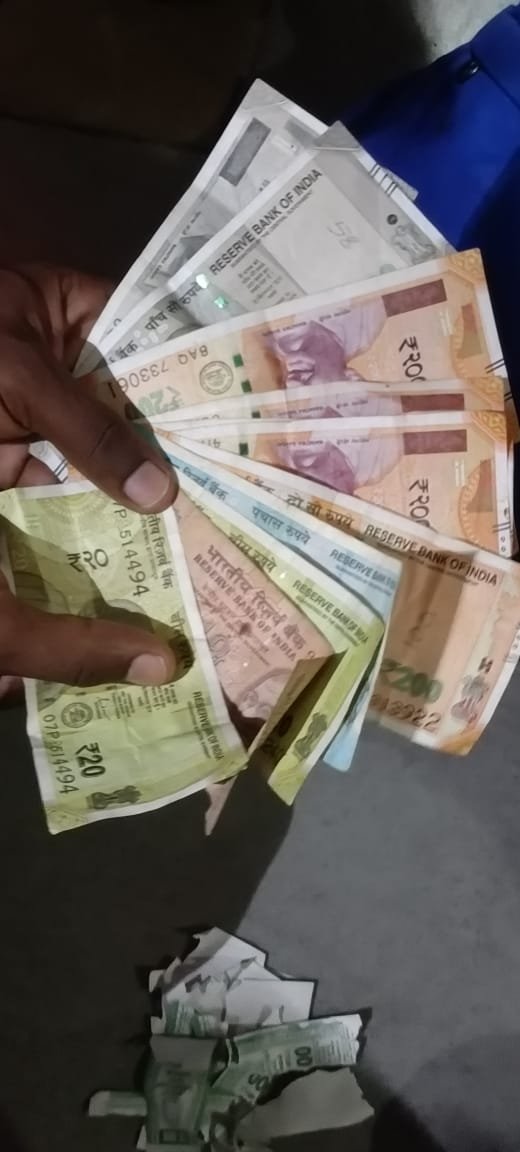
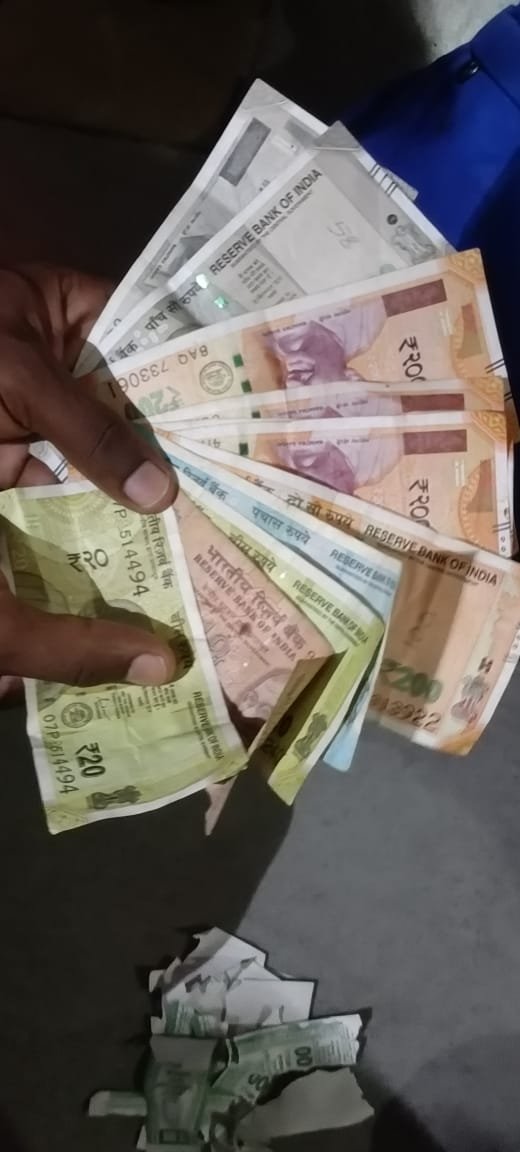
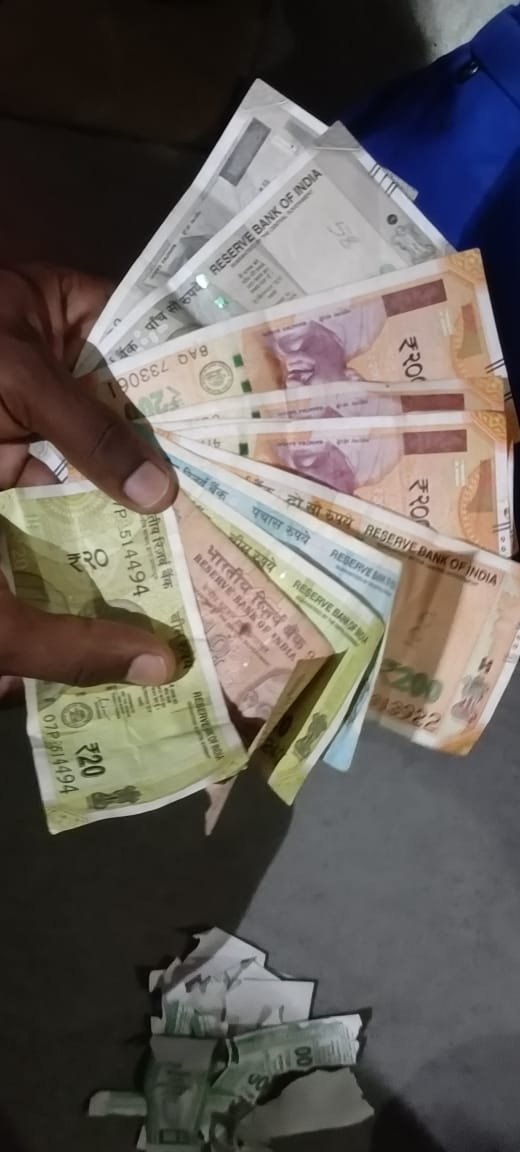
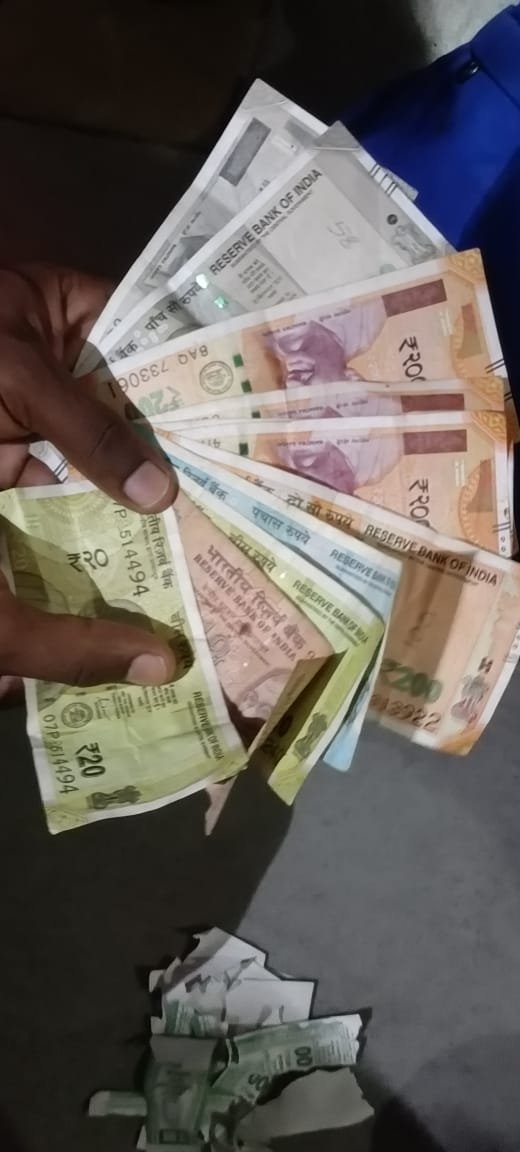
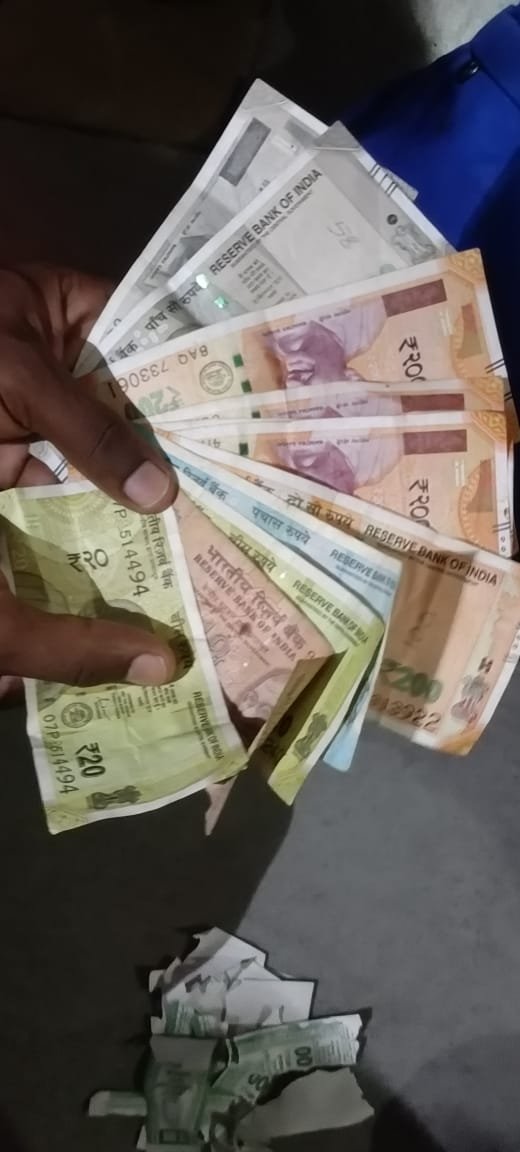
The Sustainable Development Fee is the defining cost and should be budgeted separately as a fixed daily charge at the special Indian rate — confirm the current amount. Beyond that, budget hotels, simple local restaurants and shared vehicles keep daily spending modest. Carry Indian rupees (widely accepted) and Bhutanese ngultrum; cards are accepted in larger hotels but cash is king.
Good to know
Bhutan is one of the safest, calmest countries to visit, with very low crime. Respect the deeply religious culture — dress modestly at dzongs and temples, don’t point feet at altars, and follow photography rules. Acclimatise to the altitude and pace the Tiger’s Nest hike sensibly.
Part 5 of 8
Where to stay, what to eat and top experiences
Where to stay: Most trips base in Thimphu, Paro and Punakha, where budget hotels and guesthouses are available alongside upscale options. Staying in town centres keeps you near sights and cheap eateries. Book ahead in spring and autumn festival seasons.
What to eat: Bhutanese food centres on rice and chillies — try ema datshi (chilli and cheese), red rice, momos and warming stews. Indian food is widely available and familiar, and vegetarian options are easy to find, so Indian travellers eat comfortably and cheaply at local restaurants.
Hike Tiger’s Nest
The unmissable clifftop monastery trek near Paro.
Punakha Dzong
Bhutan’s most beautiful fortress at the river confluence.
Dochula Pass
108 chortens and Himalayan views en route to Punakha.
Explore Thimphu
The capital’s dzong, market, and giant Buddha Dordenma.
For more, visit Paro’s Rinpung Dzong and national museum, stroll Thimphu’s weekend market, see the takin (Bhutan’s national animal), and time your trip with a colourful tshechu festival if you can.
Part 6 of 8
A sample 5-6 day budget Bhutan itinerary
This route covers Bhutan’s highlights efficiently to keep SDF days reasonable.
Day 1 — Arrive (Phuentsholing/Paro) to Thimphu: Enter Bhutan, complete permits, and travel to the capital Thimphu; evening at leisure.
Day 2 — Thimphu sightseeing: Buddha Dordenma, the dzong, the weekend market, the takin preserve and viewpoints.
Day 3 — Punakha via Dochula: Cross the scenic Dochula Pass to Punakha for its magnificent dzong and the valley, returning or staying overnight.
Day 4 — Paro: Travel to Paro for Rinpung Dzong, the national museum and the charming town.
Day 5 — Tiger’s Nest: Hike to the iconic Taktsang (Tiger’s Nest) monastery — the highlight of any Bhutan trip.
Day 6 — Depart: Final sightseeing or shopping before flying from Paro or driving back to the border.
Pro tip
Keep the itinerary tight to manage the daily SDF, but allow a full morning for the Tiger’s Nest hike (4–5 hours round trip). Start the hike early, carry water, and pace yourself for the altitude.
Part 7 of 8
Budget tips for Bhutan
A few smart choices keep a Bhutan trip as affordable as possible.
Go overland
Via Phuentsholing to avoid pricey flights.
Keep it efficient
A tight itinerary reduces total SDF days.
Budget hotels
Plenty of affordable stays in Thimphu, Paro, Punakha.
Carry cash
INR is widely accepted; cards are limited outside hotels.
Bhutan rewards mindful planning. The Sustainable Development Fee is a fixed daily cost, so an efficient itinerary that still covers Thimphu, Punakha, Paro and the Tiger’s Nest gives the best value. Travelling overland via Phuentsholing, staying in budget hotels, eating at local restaurants and using shared transport all bring daily costs down.
Carry Indian rupees (accepted alongside the ngultrum) and some cash for areas where cards aren’t taken. Respect Bhutan’s deeply religious culture — dress modestly at dzongs and temples, follow photography rules inside, and walk clockwise around religious sites. Acclimatise to the altitude, pace the Tiger’s Nest hike, and always confirm the current permit and SDF rules before you go. Do this, and Bhutan delivers a serene, unforgettable Himalayan journey within reach of a careful budget.
Part 8 of 8
Frequently asked questions
Do Indians need a visa for Bhutan?
No visa is required, but Indian travellers need an entry permit (arranged online or at the border) and must pay the Sustainable Development Fee (SDF), charged at a special reduced rate for Indians. You can use a passport or voter ID. Always confirm the current permit process and SDF rate before planning.
What is the Sustainable Development Fee?
The SDF is a daily fee Bhutan charges visitors to fund conservation and development. Indians pay a significantly reduced rate compared with other nationalities, but it is still the defining cost of a Bhutan trip and should be budgeted as a fixed daily charge. Confirm the current amount, as it can change.
What is the cheapest way to reach Bhutan from India?
Travelling overland is cheapest — take a train to New Jalpaiguri/Siliguri in West Bengal, then road transport to the border town of Phuentsholing to arrange permits and enter Bhutan. Direct flights to Paro save time but cost considerably more.
How much does a budget Bhutan trip cost?
Excluding international transport and the SDF (which is separate and fixed daily), budget travellers manage on roughly $30–55 a day for hotels, food and shared transport, comfortable trips on $70–120, and premium from $200. The SDF at the Indian rate is the main additional cost to plan for.
When is the best time to visit Bhutan?
Spring (March–May) and autumn (September–November) offer the best weather, clear mountain views and famous festivals, but are busiest and pricier. Winter is cold, clear and quiet, while the monsoon months are lush, rainy and cheapest, with the fewest crowds.
Is the Tiger’s Nest hike difficult?
It is a moderately challenging hike of around 4–5 hours round trip, climbing steeply to about 3,000m, so altitude and fitness matter. Start early, go at a steady pace, carry water, and take breaks. Horses are available for part of the way up, but the final stretch is on foot.
Is Bhutan suitable for vegetarians and Indian food?
Yes. Bhutanese cuisine includes plenty of vegetarian dishes like ema datshi (chilli and cheese) and red rice, and Indian food is widely available and familiar. Indian travellers, including vegetarians, eat comfortably and affordably at local restaurants throughout the country.
How many days do I need for Bhutan?
Five to six days covers the essentials — Thimphu, Punakha, Paro and the Tiger’s Nest — while keeping the daily SDF manageable. Longer trips let you add the Phobjikha or Bumthang valleys and a festival, at additional daily cost, for a deeper experience.
The bottom line
Bhutan offers one of the most serene and culturally rich journeys in the Himalayas — the clifftop Tiger’s Nest, majestic dzongs, prayer-flag passes and pristine valleys, all in a kingdom that prizes happiness and nature. Thanks to special entry terms for Indians and affordable overland access, it is attainable on a careful budget: travel via Phuentsholing, keep the itinerary efficient, stay in budget hotels and eat local. Confirm the current permit and SDF rules, respect the deeply Buddhist culture, and Bhutan will reward you with a peaceful, unforgettable Himalayan experience.
Related reading
 Darjeeling Gangtok Itinerary: 6-Day Eastern Himalaya Trip (2026)
 Karnataka Heritage Itinerary 2026 — Hampi, Badami, Pattadakal & Aihole
 Nepal 7-Day Itinerary 2026 — Kathmandu, Pokhara & Nagarkot
Photos sourced from Wikimedia Commons under their respective Creative Commons licences. Entry, fee and cost details are indicative for 2026; confirm the current permit rules and Sustainable Development Fee before you travel.