Budget Japan Trip from India 2026 — Costs, Savings & Sample Budget
Last updated: July 8, 2026
Japan has a reputation for being expensive — but with savvy planning, it can be a surprisingly affordable trip for Indian travellers. Cheap and delicious convenience-store and ramen meals, capsule and business hotels, free temples and parks, and clever use of rail passes and night buses all bring the cost right down. You can experience Tokyo’s energy, Kyoto’s temples and even Mount Fuji without overspending. Japan on a budget is very doable — and unforgettable.
This 2026 budget guide for Indian travellers shows how to do Japan affordably — visa, cheap flights, transport hacks, food, where to stay and a sample budget itinerary.
- Visa: Indians need a visa for Japan; apply in advance (an e-visa option exists for eligible applicants).
- Budget hack: Eat at convenience stores and ramen shops, stay in hostels/capsules, and use rail/bus passes wisely.
- Getting there: One-stop (and some direct) flights from Indian cities to Tokyo or Osaka, cheaper if booked early.
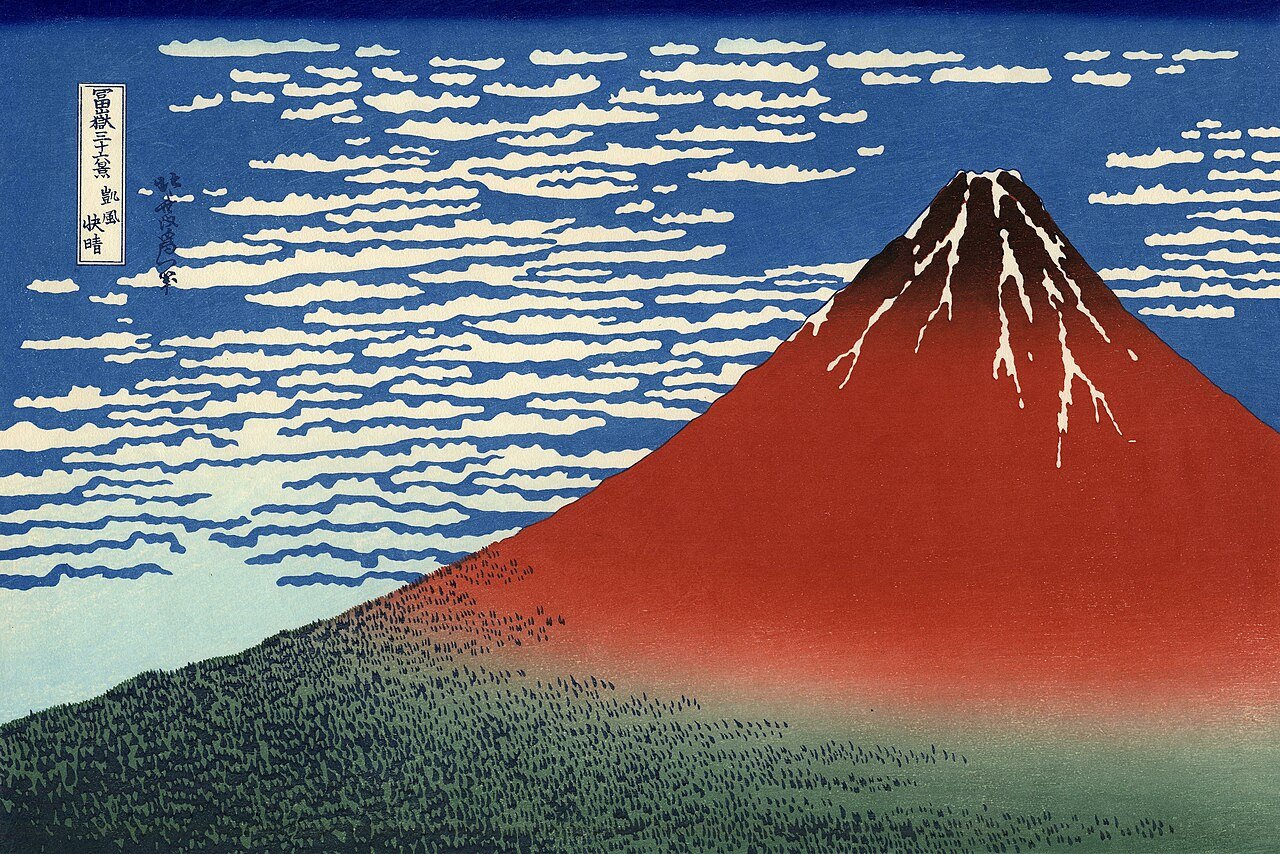
- Don’t miss: Tokyo’s free sights, Kyoto’s temples, and a Mount Fuji view — all on a budget.
Part 1 of 8
Why Japan can be done on a budget
The secret to a budget Japan trip is that many of its joys are cheap or free. Temples, shrines, parks and neighbourhoods cost little or nothing to explore; convenience stores (konbini) and ramen, gyudon and set-meal shops serve excellent food for a few dollars; and capsule hotels, hostels and business hotels offer clean, affordable stays. Smart transport choices — rail passes, IC cards and night buses — keep getting-around costs in check.
Cheap eats
Konbini meals, ramen and gyudon for a few dollars.
Free sights
Temples, shrines, parks and neighbourhoods cost little.
Capsule hotels
Clean, cheap stays alongside hostels and business hotels.
Rail passes
Regional and JR passes can cut long-distance costs.
Night buses
Cheap overnight travel that saves a hotel night.
Mount Fuji views
See Fuji affordably from viewpoints and day trips.
With these hacks, you can enjoy Japan’s incredible culture, food and scenery without the luxury price tag, making it accessible for budget-conscious Indian travellers and first-timers alike.
Budget Japan is real — konbini meals, capsule hotels and clever rail passes let you see Tokyo, Kyoto and Fuji without overspending.
Part 2 of 8
Visa, flights and budget transport
Sorting your visa and travel smartly is the foundation of an affordable Japan trip.
Visa: Indian passport holders need a tourist visa for Japan. A tourist e-visa is available through authorised channels for eligible applicants; otherwise apply via the embassy or an accredited agent, well in advance, with your itinerary and bookings.
Flights: One-stop and some direct flights connect Indian metros to Tokyo (Narita/Haneda) or Osaka (Kansai). Book early or in sales for the cheapest fares, and consider flying into one city and out of another to avoid backtracking.
Budget transport: Use an IC card (Suica/ICOCA) for cheap city travel, compare the JR Pass and regional passes for long hops, and take night buses for cheap intercity travel that also saves a hotel night. Walking and cheap subways cover most city sightseeing.
Pro tip
Compare the nationwide JR Pass against regional passes and individual tickets for your exact route — since price changes, the pass isn’t always cheapest. Night buses between Tokyo, Kyoto and Osaka are a great budget hack.
Save more: Use luggage lockers, free Wi-Fi spots or a cheap travel SIM, and tax-free shopping for tourists. Many museums and gardens have low entry fees, and the best city walks are free.
Part 3 of 8
Best time for a budget Japan trip
Season hugely affects both prices and the experience in Japan.
| Season | Months | What to expect |
|---|---|---|
| Cherry blossom | Late Mar–Apr | Beautiful but the most crowded and expensive — book far ahead. |
| Summer | Jun–Aug | Hot and humid; June is rainy. Cheaper outside holidays. |
| Autumn | Sep–Nov | Stunning foliage and good weather; popular but slightly cheaper than spring. |
| Winter | Dec–Feb | Cold, clear, great Fuji views, fewer crowds and lower prices (best value). |
For budget travel, winter (excluding New Year) offers the lowest prices, clear Mount Fuji views and fewer crowds, while early summer and late autumn shoulder periods also cut costs. Avoid the cherry-blossom peak and Japanese holiday weeks (Golden Week, New Year, Obon), when prices and crowds soar. Pack for the season and enjoy the savings off-peak.
Part 4 of 8
What a budget Japan trip costs
Japan need not break the bank with the right choices. Here is a realistic per-person, per-day guide for 2026, excluding international flights and the rail pass.
| Style | Daily budget | What it covers |
|---|---|---|
| Shoestring | $60–90 | Hostels/capsules, konbini and ramen meals, IC-card and subway travel. |
| Comfortable budget | $110–170 | Business hotels, mix of cheap and sit-down meals, attractions, some rail. |
| Mid-range | $220+ | Nicer hotels, more dining and activities, a rail pass and day trips. |
Food can be remarkably cheap via convenience stores, ramen and set-meal shops, while accommodation is the main variable — hostels, capsules and business hotels keep it affordable. Budget separately for the rail pass and long Shinkansen legs. Japan is still fairly cash-reliant, so carry yen alongside an IC card, and there is no tipping, which helps.
Good to know
Japan is extremely safe with very low crime, but it can be cash-heavy and the language a barrier — carry yen and use a translation app. Trains are punctual to the minute, so allow time. Vegetarian and Jain travellers should research restaurants, as fish stock (dashi) is common.
Part 5 of 8
Where to stay, what to eat and free things to do
Where to stay: Hostels, capsule hotels and business hotels offer clean, cheap stays. In Tokyo, look near a JR Yamanote line station (Ueno, Asakusa for value); in Kyoto, near the station or central areas; in Osaka, around Namba. Booking early secures the cheapest beds, especially in peak seasons.
What to eat: Eat like a budget local — konbini (7-Eleven, Lawson) meals and onigiri, ramen, gyudon (beef bowls), udon, curry rice and conveyor-belt sushi are tasty and cheap. Vegetarians and Jains should research veg-friendly spots and carry snacks, as options can be limited, though they exist in big cities along with Indian restaurants.
Temples & shrines
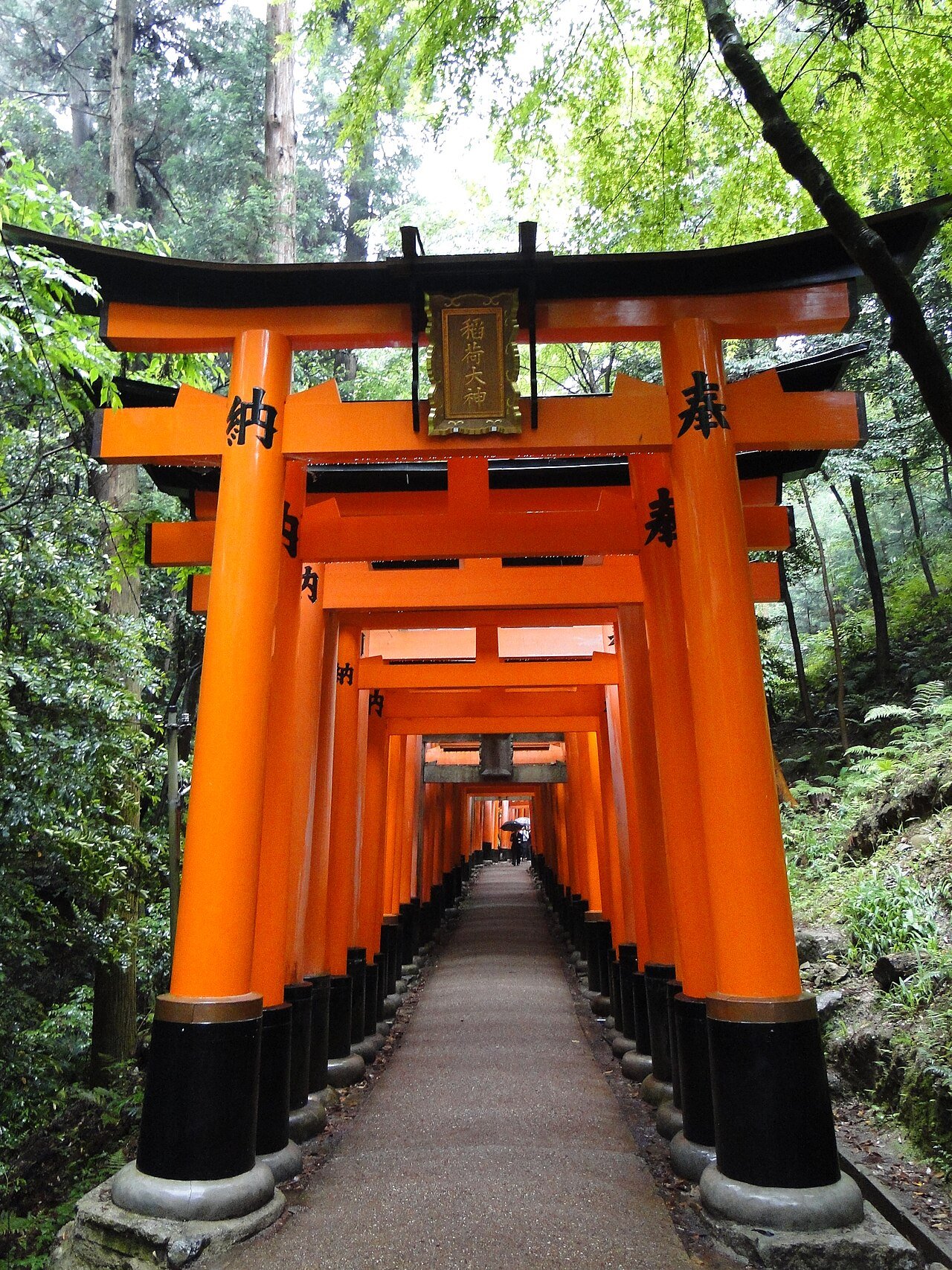
Many are free — Senso-ji, Meiji Shrine, Fushimi Inari.
Parks & gardens
Free or cheap green escapes in every city.
Free city views
Tokyo Metro Gov’t Building observatory is free.
Fuji day trip
See Mount Fuji from Hakone or the Five Lakes.
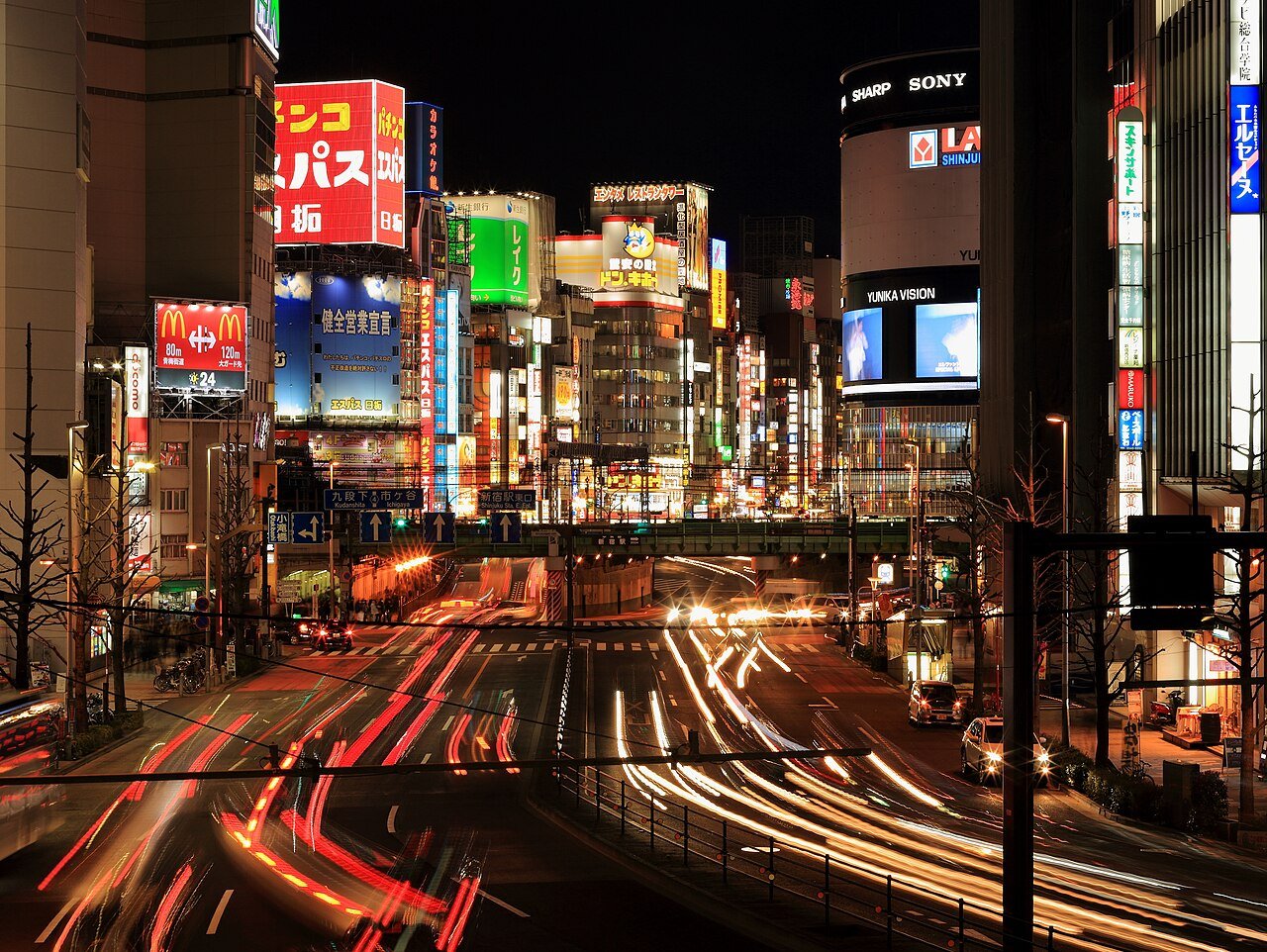
For more on a budget, wander Shibuya and Shinjuku, explore Kyoto’s temple districts and bamboo grove, browse markets, and enjoy the free observation decks and countless neighbourhoods that cost nothing to explore.
Part 6 of 8
A sample 6-7 day budget Japan itinerary
This route covers Japan’s essentials affordably, using cheap transport between cities.
Days 1–3 — Tokyo: Explore Asakusa’s Senso-ji, Meiji Shrine, Shibuya and Shinjuku, the free government-building observatory, and cheap eats — almost all low-cost or free.
Day 4 — Hakone/Fuji day trip: A day trip toward Hakone or the Fuji Five Lakes for Mount Fuji views (using a regional pass to save).
Days 5–6 — Kyoto: Travel by Shinkansen or night bus to Kyoto for Fushimi Inari, Kinkaku-ji, Arashiyama and the temple districts, mostly cheap or free.
Day 7 — Osaka or Nara: A cheap day in Osaka (Dotonbori street food) or Nara (free-roaming deer and Todai-ji), before flying home.
Pro tip
Use a night bus for one intercity leg to save both transport and accommodation costs. Base in one city per region and do free temple-and-park days, splurging only on a Fuji day trip or one paid attraction.
Part 7 of 8
Budget tips for Japan
A few smart habits keep a Japan trip affordable.
Eat at konbini
Cheap, tasty meals from convenience stores and ramen shops.
Capsules & hostels
Clean, affordable stays — book early.
Plan passes
Compare JR/regional passes vs tickets for your route.
Free sights first
Temples, shrines and parks cost little or nothing.
Japan rewards budget-savvy travellers. Eat at convenience stores, ramen and set-meal shops, stay in hostels, capsules or business hotels, and build your days around the many free temples, shrines and parks. Plan your rail pass carefully around long Shinkansen legs, use night buses to save, and tap around cities with an IC card.
Apply for your visa early, carry yen as Japan is still cash-heavy, and use translation apps to bridge the language gap. Vegetarian and Jain travellers should research restaurants and carry some snacks, as dashi (fish stock) is common, though veg-friendly and Indian options exist in big cities. Respect local etiquette — be quiet on trains, queue neatly, and don’t tip. With these habits, Japan delivers its incredible culture, food and scenery within a sensible budget.
Part 8 of 8
Frequently asked questions
Is Japan really doable on a budget?
Yes. By eating at convenience stores and ramen shops, staying in hostels or capsule hotels, enjoying the many free temples and parks, and planning transport with rail passes and night buses, Japan becomes much more affordable. Travelling off-peak and booking flights early cuts costs further.
Do Indians need a visa for Japan?
Yes. Indian passport holders need a tourist visa for Japan. An e-visa is available through authorised channels for eligible applicants; otherwise apply via the embassy or an accredited agent. Apply well in advance with your itinerary, flights and accommodation bookings.
How much does a budget Japan trip cost per day?
Excluding international flights and the rail pass, shoestring travellers manage on roughly $60–90 a day, a comfortable budget on $110–170, and mid-range on $220 plus. Accommodation is the main variable; food can be very cheap via konbini and ramen, and many sights are free.
Should I buy a Japan Rail Pass on a budget?
It depends on your route. For multiple long Shinkansen journeys, the nationwide JR Pass or regional passes can save money — but with recent price increases, compare the pass against individual tickets, regional passes and night buses for your exact itinerary before buying.
When is the cheapest time to visit Japan?
Winter (excluding New Year) offers the lowest prices, clear Mount Fuji views and fewer crowds, while shoulder periods in early summer and late autumn also cut costs. Avoid the cherry-blossom peak and Japanese holiday weeks (Golden Week, New Year, Obon), when prices and crowds spike.
What are the cheapest places to eat in Japan?
Convenience stores (konbini) like 7-Eleven and Lawson offer cheap, surprisingly good meals and onigiri, while ramen, gyudon (beef bowls), udon, curry rice and conveyor-belt sushi shops are tasty and inexpensive. These keep food costs very low across Japan.
Is Japan good for vegetarian Indian travellers on a budget?
It can be challenging, as dashi (fish stock) is common, so research veg-friendly restaurants, learn key phrases, and carry some snacks. That said, vegetarian spots, Indian restaurants and konbini options exist in major cities, making a budget vegetarian trip manageable with planning.
How do I save on transport in Japan?
Use an IC card (Suica/ICOCA) for cheap city travel, compare rail passes against individual tickets for long hops, and take night buses between cities to save on both transport and a hotel night. Walking and subways cover most sightseeing inexpensively.
Are night buses comfortable for budget travel in Japan?
Reasonably so. Japanese highway night buses are clean, safe and far cheaper than the Shinkansen, with reclining seats and, on premium services, more space and privacy. They save you a night’s accommodation too. They are slower and less restful than a hotel bed, so use them for one or two legs rather than every journey on a longer trip.
How can I shop and pay cheaply in Japan?
Take advantage of tax-free shopping for tourists by carrying your passport, and use 100-yen shops (like Daiso) for cheap souvenirs and essentials. Carry yen, as Japan is still cash-heavy, and use an IC card for transport and many small purchases. There is no tipping, which keeps everyday costs predictable.
The bottom line
Japan’s pricey image hides a destination you can absolutely do on a budget. Eat at convenience stores and ramen shops, sleep in hostels and capsule hotels, build your days around free temples and parks, and plan your rail pass and night buses wisely. Sort your visa early, travel off-peak for the best value, and carry yen for the cash-heavy economy. Do that, and you’ll experience Tokyo’s buzz, Kyoto’s temples and Mount Fuji’s majesty — the full magic of Japan — without overspending, making it one of the most rewarding budget adventures an Indian traveller can take.
Related reading
 South Korea Travel Guide for Indians (2026)
 Vietnam 10-Day Itinerary 2026 — Hanoi, Ha Long, Hoi An & Ho Chi Minh City
 Bangkok Pattaya Itinerary: 5-Day Thailand Plan (2026)
Photos sourced from Wikimedia Commons under their respective Creative Commons licences. Visa, rail and cost details are indicative for 2026; confirm current visa rules, rail-pass pricing and prices before you travel.