Switzerland Travel Guide for Indians 2026 — Visa, Best Time, Cost & Plan
Last updated: July 15, 2026
Switzerland is the dream European destination for Indian travellers — a fairy-tale land of snow-capped Alps, shimmering lakes, charming towns and the world’s most scenic train journeys, immortalised in countless Bollywood films. From the peaks of the Jungfrau and the iconic Matterhorn to lakeside Lucerne and Interlaken’s adventures, it offers breathtaking beauty, safety and effortless travel. With its Bollywood connection and bucket-list scenery, Switzerland is a hugely popular honeymoon and family trip for Indians. This guide helps you plan it.
This 2026 guide for Indian travellers covers visas and flights, the best time to go, costs, getting around with rail passes, where to stay and what not to miss.
- Visa: Indians need a Schengen visa for Switzerland — apply well in advance.
- Getting there: Direct and one-stop flights from Indian cities to Zurich or Geneva.
- Getting around: Switzerland’s trains are superb; a Swiss Travel Pass can cover trains, buses, boats and discounts.
- Best time: June to September for the Alps and lakes; December to March for snow and skiing.
Planning your trip? Switzerland is in the Schengen Area — see our Switzerland visa guide and the full Schengen visa guide for Indians.
Part 1 of 8
Why Switzerland is a dream for Indian travellers
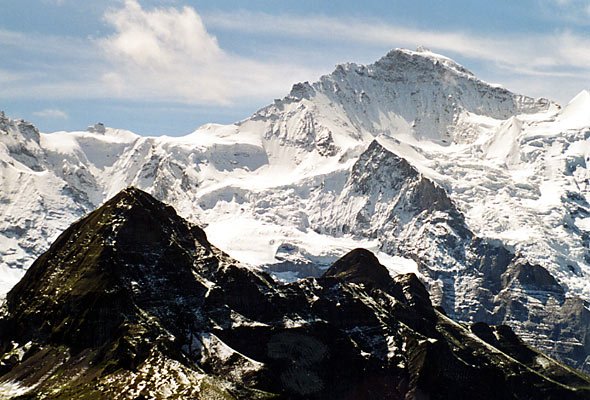
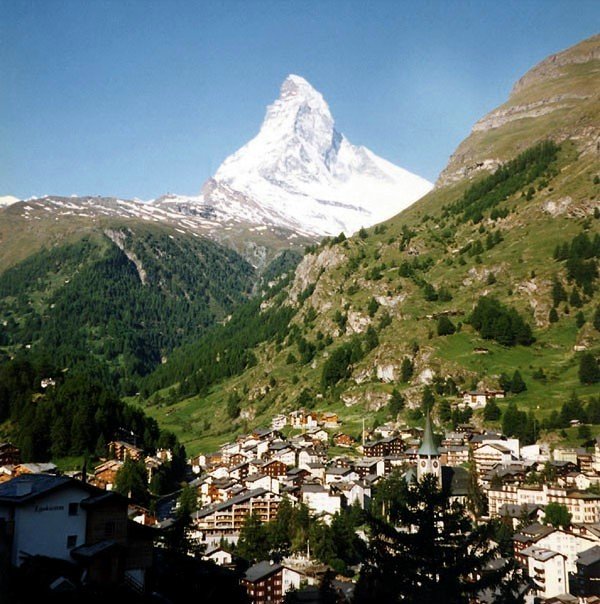
Switzerland captures the Indian imagination like few places — its snow-clad Alps, green meadows and pristine lakes have starred in Bollywood for decades, and seeing them in person lives up to every expectation. Ride a train to the “Top of Europe” at Jungfraujoch, gaze at the Matterhorn from car-free Zermatt, cruise Lake Lucerne, and enjoy thrilling adventures around Interlaken. Safe, spotless and superbly organised, with that magical Bollywood familiarity, Switzerland is a top honeymoon and family destination for Indians.
Jungfrau region
Interlaken, Lauterbrunnen and Jungfraujoch.
Lucerne
Lake, Chapel Bridge and Mount Pilatus/Rigi.
Zermatt
The iconic Matterhorn and car-free village.
Scenic trains
Glacier Express and GoldenPass routes.
Lakes
Cruises on Lucerne, Geneva and Brienz.
Chocolate & cheese
Swiss treats, fondue and mountain dairy.
Whether for a honeymoon, a family holiday or a bucket-list trip, Switzerland delivers pure alpine magic — mountains, lakes and scenic rail — in a safe, easy and unforgettable package for Indian travellers.
Switzerland is the Bollywood dream made real — snowy Alps, mirror lakes and the world’s most scenic trains, a bucket-list trip for Indians.
Part 2 of 8
Visas, flights and the Swiss Travel Pass
Planning your Schengen visa and rail pass sets up a seamless Swiss trip.
Visa: Indian passport holders need a Schengen visa for Switzerland. Apply well in advance through the consulate or visa centre, with your itinerary, flights, hotels, travel insurance and financial documents. The Schengen visa also allows travel to neighbouring countries.
Flights: Direct and one-stop flights connect Indian metros to Zurich and Geneva. Flying into Zurich and out of Geneva (or vice versa) suits a scenic route and avoids backtracking.
Swiss Travel Pass: This pass covers unlimited travel on trains, buses and boats, free entry to many museums, and discounts on mountain excursions — often great value. Compare it against point-to-point tickets and the Half Fare Card for your plan.
Pro tip
Apply for your Schengen visa early, fly open-jaw (Zurich in, Geneva out), and consider a Swiss Travel Pass for unlimited scenic train, bus and boat travel plus mountain-railway discounts. Reserve seats on premium trains like the Glacier Express.
Getting around: Switzerland’s trains are punctual, frequent and scenic — the best way to travel. Stations are central, connections seamless, and mountain railways and cable cars reach the peaks. Towns are walkable, and lake boats add a scenic option.
Part 3 of 8
Best time to visit Switzerland
Switzerland’s seasons offer very different experiences, so choose by what you want to see.
| Season | Months | What to expect |
|---|---|---|
| Summer | Jun–Sep | The best for Alps, lakes and hiking — green, sunny and lively. Peak season. |
| Autumn | Sep–Oct | Golden scenery and fewer crowds; pleasant for sightseeing. |
| Winter | Dec–Mar | Snowy wonderland for skiing and festive charm; some high passes limited. |
| Spring | Apr–May | Blossoms and waterfalls, but some peaks still snowbound; variable weather. |
For the classic Alpine-and-lakes experience with the best weather and full access to mountain excursions, visit between June and September. Winter is magical for snow and skiing (and snowy scenery many Indian travellers dream of), though some scenic routes may be limited. Spring and autumn are quieter and scenic, with autumn especially lovely.
Part 4 of 8
Costs and budgeting for Indians
Switzerland is one of the world’s most expensive countries, so budget generously. Here is a realistic per-person, per-day guide for 2026, excluding international flights and rail passes.
| Style | Daily budget | What it covers |
|---|---|---|
| Budget | CHF 130–200 | Hostels or budget hotels, supermarket and casual meals, some excursions. |
| Mid-range | CHF 280–450 | Good hotels, dining out, mountain excursions and lake cruises. |
| Luxury | CHF 700+ | Upscale hotels, fine dining, private tours and premium experiences. |
Accommodation, food and mountain excursions are the big costs, with peaks like Jungfraujoch pricey (a Swiss Travel Pass softens this). Save with supermarket meals, picnics, tap water and the right rail pass. Carry Swiss francs (cards are widely accepted), and note Switzerland uses francs, not euros. Many Indian travellers carry some ready-to-eat Indian food to save on pricey meals.
Good to know
Switzerland is extremely safe and orderly with very low crime. The main considerations are the high costs, fast-changing mountain weather (dress in layers and check forecasts), and altitude on high peaks. Trains run to the minute, so mind connection times, and keep your passport and Schengen visa handy.
Part 5 of 8
Where to stay, what to eat and top experiences
Where to stay: Interlaken or Lucerne make scenic, convenient bases for the Alps, lakes and mountain excursions; Zermatt for the Matterhorn (car-free, arrive by train via Täsch); and Montreux or Geneva for Lake Geneva. Choose central towns for easy rail access.
What to eat: Try Swiss specialities like cheese fondue, raclette and rösti, plus world-famous chocolate. Vegetarians find rösti, fondue, salads and pasta, and Indian restaurants exist in cities like Zurich, Geneva and Interlaken, so Indian travellers can find familiar food, though dining out is pricey.
Jungfraujoch
The “Top of Europe” by scenic railway.
Mount Titlis/Pilatus
Cable cars to snowy summits near Lucerne.
Zermatt & Matterhorn
Gornergrat railway and alpine views.
Lake cruises
Lucerne, Geneva and Brienz by boat.
For more, ride the Glacier Express or GoldenPass scenic trains, enjoy Interlaken’s paragliding and adventure, visit Lauterbrunnen’s waterfalls, and tour a chocolate or cheese experience.
Part 6 of 8
A 6-7 day Switzerland itinerary
This route loops through Switzerland’s scenic highlights by train.
Day 1 — Zurich: Arrive, explore the old town and lake before heading into the mountains.
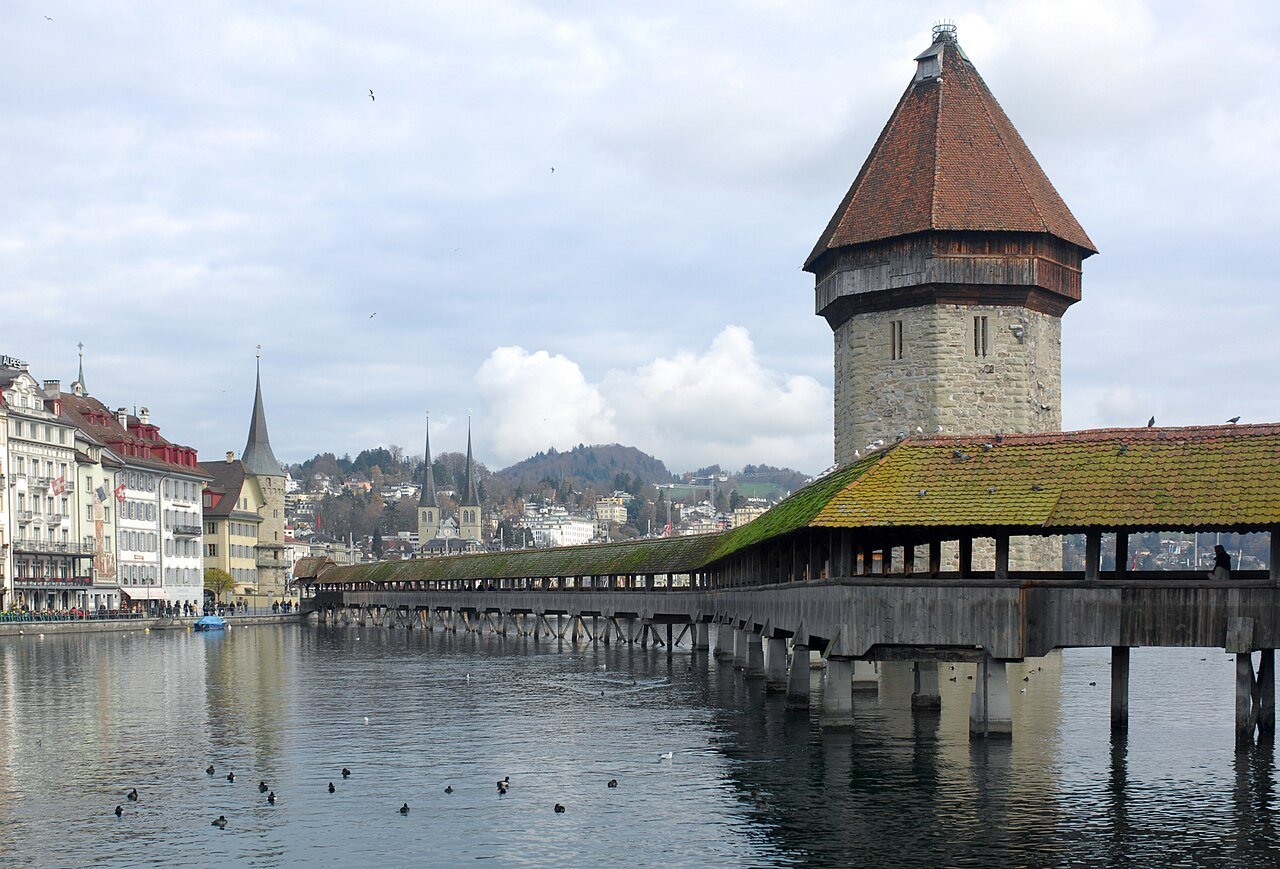
Day 2 — Lucerne: The Chapel Bridge, old town and a lake cruise, with an optional Mount Pilatus or Rigi trip.
Days 3–4 — Interlaken & Jungfrau: Base in Interlaken; visit Lauterbrunnen, Grindelwald and Jungfraujoch, with valley walks and views.
Days 5–6 — Zermatt: Train to car-free Zermatt for the Matterhorn, the Gornergrat railway and alpine scenery.
Day 7 — Geneva or Montreux: Travel west to Lake Geneva — Montreux, Chillon Castle or Geneva — before flying home.
Pro tip
Check the mountain weather before booking peak excursions like Jungfraujoch — clear days are worth waiting for. Keep one or two flexible days, and consider the Swiss Travel Pass for the many train, boat and cable-car journeys.
Part 7 of 8
Practical tips for Indian travellers
A few pointers make a Switzerland trip smoother for Indian visitors.
Apply early for the visa
Schengen appointments and processing take time.
Get the right pass
Compare the Swiss Travel Pass vs tickets and Half Fare Card.
Check mountain weather
Save peak excursions for clear days.
Budget generously
Switzerland is pricey; save with supermarket meals.
Switzerland rewards a little preparation. Apply for your Schengen visa early with complete documents, fly open-jaw (Zurich in, Geneva out), and choose the right rail pass for your route — the Swiss Travel Pass often pays off. Reserve seats on premium scenic trains, and travel light for easy connections.
Watch the mountain weather and keep flexible days, as clear skies make pricey peak excursions like Jungfraujoch worthwhile. Budget generously, as Switzerland is expensive, and save with supermarket meals, picnics and tap water; many Indian travellers carry some ready-to-eat food. Dress in layers for fast-changing alpine conditions, carry Swiss francs alongside cards, and seek out Indian restaurants in the cities for familiar food. With its mountains, lakes and Bollywood magic, Switzerland is an unforgettable, bucket-list trip for Indian travellers.
Part 8 of 8
Frequently asked questions
Do Indians need a visa for Switzerland?
Yes. Indian passport holders need a Schengen visa for Switzerland. Apply well in advance through the consulate or visa centre with your itinerary, flights, hotels, travel insurance and financial documents. The Schengen visa also allows travel to neighbouring countries, so it suits a wider European trip.
Should I buy a Swiss Travel Pass?
Often, yes. The Swiss Travel Pass covers unlimited trains, buses and boats, free entry to many museums, and discounts on mountain excursions, which suits a multi-stop scenic route. Compare it against point-to-point tickets and the Half Fare Card for your exact plan before deciding which works out cheaper.
When is the best time to visit Switzerland?
June to September is best for the Alps, lakes and hiking, with the finest weather and full access to mountain excursions, though it is peak season. Winter (December–March) is magical for snow and skiing, while spring and autumn are quieter and scenic, with autumn especially lovely.
How much does a Switzerland trip cost?
Switzerland is very expensive. Excluding flights and rail passes, budget travellers manage on roughly CHF 130–200 a day, mid-range trips CHF 280–450, and luxury stays CHF 700 plus. Accommodation, food and mountain excursions are the big costs; supermarket meals and the right rail pass help.
Is Switzerland good for Indian honeymooners and families?
Very much so. Its snowy Alps, lakes and scenic trains — familiar from countless Bollywood films — make it a dream honeymoon and family destination, and it is exceptionally safe, clean and easy to travel. Interlaken’s adventures, cable cars and lake cruises suit couples and families alike.
Is there Indian food in Switzerland?
Yes. Cities like Zurich, Geneva, Lucerne and Interlaken have Indian restaurants, and Swiss dishes like rösti, fondue and salads suit vegetarians. Dining out is pricey, so many Indian travellers also carry some ready-to-eat food and use supermarkets to keep meal costs down.
Is the Jungfraujoch excursion worth the cost?
For most travellers, yes — Jungfraujoch, the “Top of Europe”, offers glaciers, year-round snow, an ice palace and spectacular views from over 3,400m. It is expensive even with rail-pass discounts, so go on a clear day. Budget travellers can opt for cheaper viewpoints like Schilthorn or First for stunning alternatives.
How many days do I need in Switzerland?
Six to seven days is ideal for a first trip, covering the Jungfrau region, Lucerne, Zermatt and Lake Geneva at a comfortable pace using the superb trains. Add more time to explore additional valleys, scenic rail routes or neighbouring countries on the same Schengen visa.
Why is Switzerland so popular with Indian tourists?
Switzerland’s snow-clad Alps, green meadows and pristine lakes have featured in countless Bollywood films, giving the scenery a deep familiarity and romance for Indian audiences. Combined with its safety, cleanliness, easy train travel and bucket-list beauty, this Bollywood connection makes it one of the most aspirational honeymoon and family destinations for Indian travellers.
Can I combine Switzerland with other European countries?
Yes. Switzerland sits at the heart of Europe and connects by fast train to France, Italy, Germany and Austria, all on the same Schengen visa, so you can add Paris, Milan or the Black Forest. For a focused week, however, Switzerland alone offers more than enough Alpine and lake scenery to fill your time.
The bottom line
Switzerland is the bucket-list European dream for Indian travellers — snow-capped Alps, shimmering lakes, charming towns and the world’s most scenic trains, all with that magical Bollywood familiarity. Apply for your Schengen visa early, fly open-jaw, choose the right rail pass, and save peak excursions for clear days. Budget generously for this pricey but priceless country, base yourself in Interlaken, Lucerne and Zermatt, and Switzerland will reward Indian honeymooners, families and first-timers with an unforgettable week of mountains, lakes and pure alpine beauty.
Related reading
 Italy Travel Guide for Indians: Visa, Costs & Itinerary
 Offbeat & Hidden Destinations in India to Explore (2026)
 London Paris Itinerary: 7 Days from India (2026)
Photos sourced from Wikimedia Commons under their respective Creative Commons licences. Visa, rail and travel details are indicative for 2026; confirm current visa rules, pass pricing and timings before you travel.