Schengen Visa Guide for Indians 2026 — Process, Documents & Tips
Last updated: June 29, 2026
For Indian travellers dreaming of exploring Europe, the Schengen visa is the key that unlocks the continent, allowing travel across more than two dozen European countries on a single permit. From the romance of Paris and the canals of Venice to the Swiss Alps and the beaches of Greece, the Schengen visa makes a multi-country European adventure possible without separate visas for each nation. But the application process can seem daunting, with its documents, appointments, financial requirements and the ever-present worry of rejection.
This comprehensive guide demystifies the Schengen visa for Indians, explaining which countries it covers, the documents you need, the step-by-step application process, the mandatory travel insurance, fees, processing times, and crucial tips to give your application the best chance of approval. While the process requires careful preparation and advance planning, understanding exactly what is involved removes much of the stress, helping you navigate it confidently and turn your European travel dreams into reality.
What Is the Schengen Visa?
The Schengen visa is a short-stay visa that allows travel within the Schengen Area, a zone of European countries that have abolished border controls between them, permitting free movement once you are inside. For tourism, it typically allows a stay of up to 90 days within any 180-day period across all the member countries on a single visa, which is what makes it so valuable for multi-country European trips.
The Schengen Area includes most European Union countries along with some others, covering popular destinations like France, Germany, Italy, Spain, the Netherlands, Switzerland, Greece, Austria and many more. A single Schengen visa lets you move freely among all of them, so you can, for example, fly into one country, travel across several, and depart from another, all on the same visa. Understanding this is the foundation for planning an efficient European itinerary.
Which Country Should You Apply To?
A key rule determines where you apply: you should apply to the embassy or consulate of the country that is your main destination — where you will spend the most time. If you are spending equal time in multiple countries, you apply to the country of your first entry into the Schengen Area. Applying to the correct country is important, as applying to the wrong one can lead to complications or rejection.
For a single-country trip, this is straightforward. For multi-country itineraries, calculate where you will spend the most nights and apply there; if it is genuinely equal, apply where you will first land. Applications are typically submitted through the country’s designated visa application centre (often run by an outsourcing partner) rather than directly at the embassy. Determining the right country early shapes where and how you apply, so plan your itinerary enough to establish this before starting.
Documents Required
The Schengen visa requires a substantial set of documents, and assembling them carefully is crucial. You will typically need a completed and signed application form, a passport valid for at least three months beyond your planned departure with blank pages, recent passport photos meeting the specifications, your flight reservation (round-trip itinerary), proof of accommodation for your whole stay, and a detailed day-by-day travel itinerary.
Financial documents are central: recent bank statements (usually the last three to six months) demonstrating sufficient funds, income tax returns, and proof of employment or business. You will also need the mandatory travel medical insurance, a cover letter explaining your trip, and depending on your situation, documents like a leave letter from your employer, and possibly an invitation letter if staying with someone. Requirements vary slightly by country, so always check the specific consulate’s current checklist and prepare every document thoroughly.
Mandatory Travel Insurance
Travel medical insurance is a compulsory requirement for the Schengen visa, and your application will not be approved without it. The insurance must meet specific criteria: it must cover the entire duration of your trip, be valid across all Schengen countries, and provide a minimum medical coverage (commonly around the equivalent of 30,000 euros) for emergencies, hospitalisation and repatriation. This protects both you and ensures you will not be a burden on the host country’s healthcare system.
Many insurers in India offer Schengen-compliant travel insurance policies specifically designed to meet these requirements, and buying one is a straightforward part of the application. Ensure the policy covers your exact travel dates (with a small buffer) and all Schengen countries you will visit, and obtain the certificate to submit with your application. Beyond meeting the visa requirement, this insurance is genuinely valuable, protecting you against the high cost of medical emergencies during your European trip.
The Application Process Step by Step
The process begins with determining the correct country to apply to and gathering all your documents. Next, complete the application form accurately and book an appointment at the relevant visa application centre, as appointments must usually be secured in advance and can be in high demand during peak season, so book early. Pay the visa fee at the appropriate stage as instructed.
At your appointment, you submit your documents and provide biometric data (fingerprints and a photo), unless you have provided them recently. The application is then processed by the consulate, after which you collect your passport with the decision or have it returned to you. Throughout, follow the specific instructions of the country’s visa centre precisely, as procedures and document requirements can vary. Starting this process well in advance of your travel dates is essential to allow for appointments and processing time.
Fees and Processing Time
The Schengen visa has a standard visa fee (with a reduced fee for children in a certain age range and exemptions for some categories), payable during the application, and you should also budget for the service charge levied by the visa application centre, plus any optional add-on services. These fees are separate from the cost of your insurance and other documents, so factor the total into your trip budget.
Processing times vary but typically take around 15 calendar days, though it can be longer during busy periods or if additional checks are needed, and you are advised to apply well in advance — often you can apply up to six months before travel and should apply at least several weeks ahead. Never book non-refundable flights and hotels before your visa is approved. Applying early, especially for travel in the busy summer and festive seasons, is the single best way to avoid the stress of a tight timeline.
Tips to Avoid Rejection
Schengen visa rejections, while disappointing, are often avoidable with careful preparation. The most common reasons for refusal include insufficient or unclear financial documents, doubts about your intention to return to India, incomplete or inconsistent documentation, inadequate travel insurance, and an unconvincing or poorly explained itinerary. Addressing each of these proactively greatly improves your chances of approval.
To strengthen your application, demonstrate strong financial stability with clear bank statements and proof of income, show strong ties to India (such as stable employment, family, property or business) that indicate you will return, ensure every document is complete, consistent and matches your itinerary, provide comprehensive compliant insurance, and write a clear, honest cover letter explaining your trip. Be truthful throughout, present a well-organised application, and apply with enough time, and you give yourself the best possible chance of a smooth approval.
Planning Your European Itinerary
A well-planned itinerary is both a visa requirement and the foundation of a great trip. When planning your European route, decide which countries and cities you will visit, how long in each, and your entry and exit points, ensuring your accommodation and flight bookings align with this plan, as consistency across your documents matters for the visa. Remember to apply to the country where you will spend the most time.
Be realistic rather than over-ambitious, as cramming too many countries into a short trip is both exhausting and can raise questions about a rushed itinerary. A coherent, logical route — perhaps focusing on neighbouring countries or a region — is more convincing and more enjoyable. Once your visa is approved, the freedom of the Schengen Area lets you move easily between countries, so plan a route that balances your must-see destinations with a sensible, believable pace for a rewarding European journey.
After You Get Your Visa
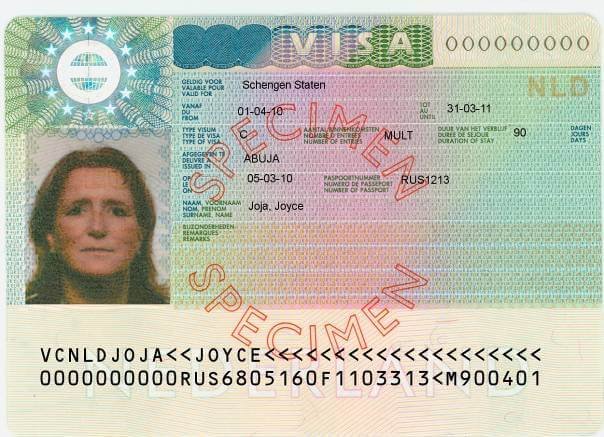
Once your Schengen visa is approved, check it carefully for accuracy — your name, the validity dates, the number of entries permitted, and the duration of stay — and ensure it matches your travel plans, raising any errors with the consulate promptly. Note the validity window and the maximum number of days you are allowed to stay, and do not exceed them, as overstaying has serious consequences for future visa applications.
Carry all your supporting documents — bookings, insurance, itinerary, financial proof and the invitation if any — with you when you travel, as border officers may ask to see them on entry to the Schengen Area, even with a valid visa. Respect the conditions of your visa, stay within your permitted time, and keep your documents accessible throughout. With your visa secured and your documents in order, you are ready to enjoy the freedom of exploring Europe.
Common Questions and Final Advice
Many applicants worry about their chances, but a genuine tourist with clear finances, strong ties to India, complete documentation and a sensible itinerary has every reason to be confident. Apply early, especially for peak-season travel when appointments and processing are in high demand, and never leave it to the last minute or book non-refundable travel before approval. If you travel to Europe frequently, you may eventually be granted longer multiple-entry visas based on your travel history.
Keep abreast of any changes to the application process and requirements, as these can be updated, and always rely on official sources and the designated visa application centres rather than unofficial agents promising guaranteed approvals, which no one can legitimately offer. With thorough preparation, honesty, early application and a well-organised, consistent set of documents, the Schengen visa process, though demanding, is very manageable, opening the door to one of travel’s greatest experiences: exploring the wonders of Europe.
Frequently Asked Questions
What is a Schengen visa? A short-stay visa allowing travel across the Schengen Area of more than two dozen European countries on a single permit, typically for up to 90 days within any 180-day period for tourism.
Which country should I apply to for a Schengen visa? Apply to the country where you will spend the most time. If time is equal across countries, apply to the country of your first entry into the Schengen Area.
Is travel insurance mandatory for a Schengen visa? Yes. You must have travel medical insurance covering the whole trip, valid across all Schengen countries, with a minimum medical coverage (commonly around 30,000 euros). The visa is not granted without it.
How long does a Schengen visa take? Processing typically takes around 15 calendar days but can be longer in busy periods. You can often apply up to six months ahead and should apply at least several weeks before travel.
How can I avoid Schengen visa rejection? Show strong finances and ties to India, provide complete and consistent documents, get compliant insurance, present a realistic itinerary, and be honest. Apply early and never book non-refundable travel before approval.
The Schengen visa, though it demands careful preparation, is your gateway to the extraordinary experience of exploring Europe across many countries on a single permit. Apply to the right country, assemble complete and consistent documents, secure compliant insurance, demonstrate strong finances and ties to India, and apply early through official channels — and you will give yourself the best chance of approval and the freedom to turn your European travel dreams into a reality.
Multiple-Entry Visas and Frequent Travellers
Frequent travellers to Europe should know that the Schengen visa is not always a single short-validity permit; based on your travel history and a track record of complying with visa conditions, consulates may grant longer-validity multiple-entry visas that allow numerous trips over months or even years, subject to the 90-days-in-180 rule. Building a clean history of using your visas correctly and returning on time strengthens your case for these more generous visas over time.
For those who travel to Europe regularly for tourism or business, such multiple-entry visas are a significant convenience, saving the effort of reapplying for each trip. The key is to always respect the conditions of each visa — never overstaying, using it for its stated purpose, and maintaining strong ties to India — so that your travel history works in your favour. Over time, a responsible record can make future European travel considerably easier and smoother.
Schengen visa rules, fees, document requirements and processing times are set by the authorities and change over time, varying by country and individual circumstances. This guide is general information, not visa or legal advice; always verify the current requirements with the official consulate or designated visa application centre before applying.
Related reading: UK Tourist Visa for Indians 2026 – Application Process, Tips, Common Issues · USA Travel Guide for Indians 2026 — First Trip, Visa, Regions & Tips · Australia Travel Guide for Indians 2026 — Visa, Cost, Best Time & Tips