Coorg Travel Guide 2026 — Coffee Estates, Waterfalls, Best Time & Itinerary
Last updated: July 8, 2026
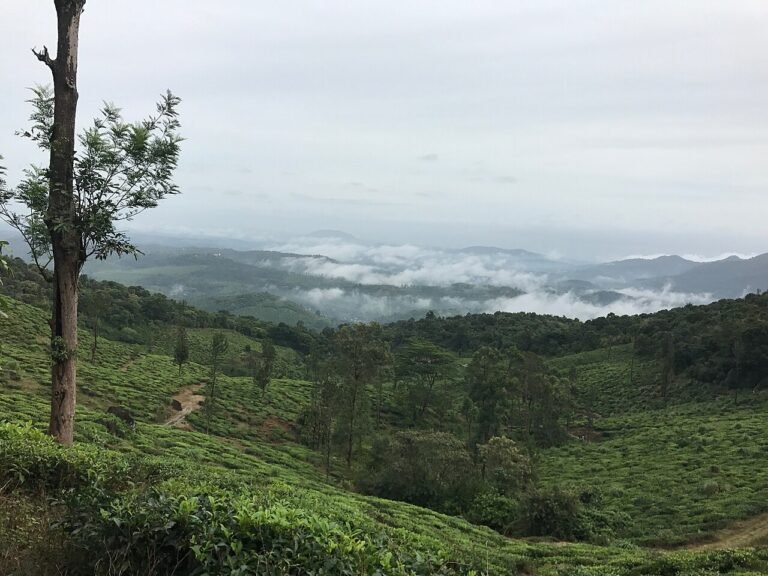
Coorg — officially Kodagu — is Karnataka’s misty coffee country, a hill district of emerald plantations, spice-scented forests and tumbling waterfalls often called the “Scotland of India”. Tucked into the Western Ghats, it pairs lazy plantation-stay mornings with elephant camps, Tibetan monasteries and viewpoints that float above a sea of cloud. Add the distinctive Kodava culture and its famous pork curry, easy access from Bengaluru and Mysuru, and a year-round cool climate, and you have one of South India’s most beloved getaways.
This 2026 guide for Indian travellers covers how to reach Coorg, the best time to go, what it costs, where to stay and eat, and how to plan a relaxed two-to-three day trip through its plantations, falls and hill towns.
- Getting there: Drive from Bengaluru (5–6 hours), Mysuru (3 hours) or Mangaluru; there is no airport or railway in Coorg itself.
- Best time: October to March for clear, pleasant weather; the monsoon is lush but very wet.
- Budget: ₹2,500–6,000 per day for a comfortable trip, including a vehicle for sightseeing.
- Don’t miss: A coffee-plantation stay, Abbey Falls, the Namdroling Golden Temple and Dubare Elephant Camp.
Part 1 of 8
Why Coorg belongs on your list
Coorg is the place to slow down among the coffee bushes. Mornings start with mist over the plantations and a cup of estate-grown coffee; days drift between waterfalls, viewpoints and elephant camps; and evenings end with rich Kodava food and birdsong. It is green, cool and unhurried, yet packed with enough variety to keep families, couples and groups happily occupied.
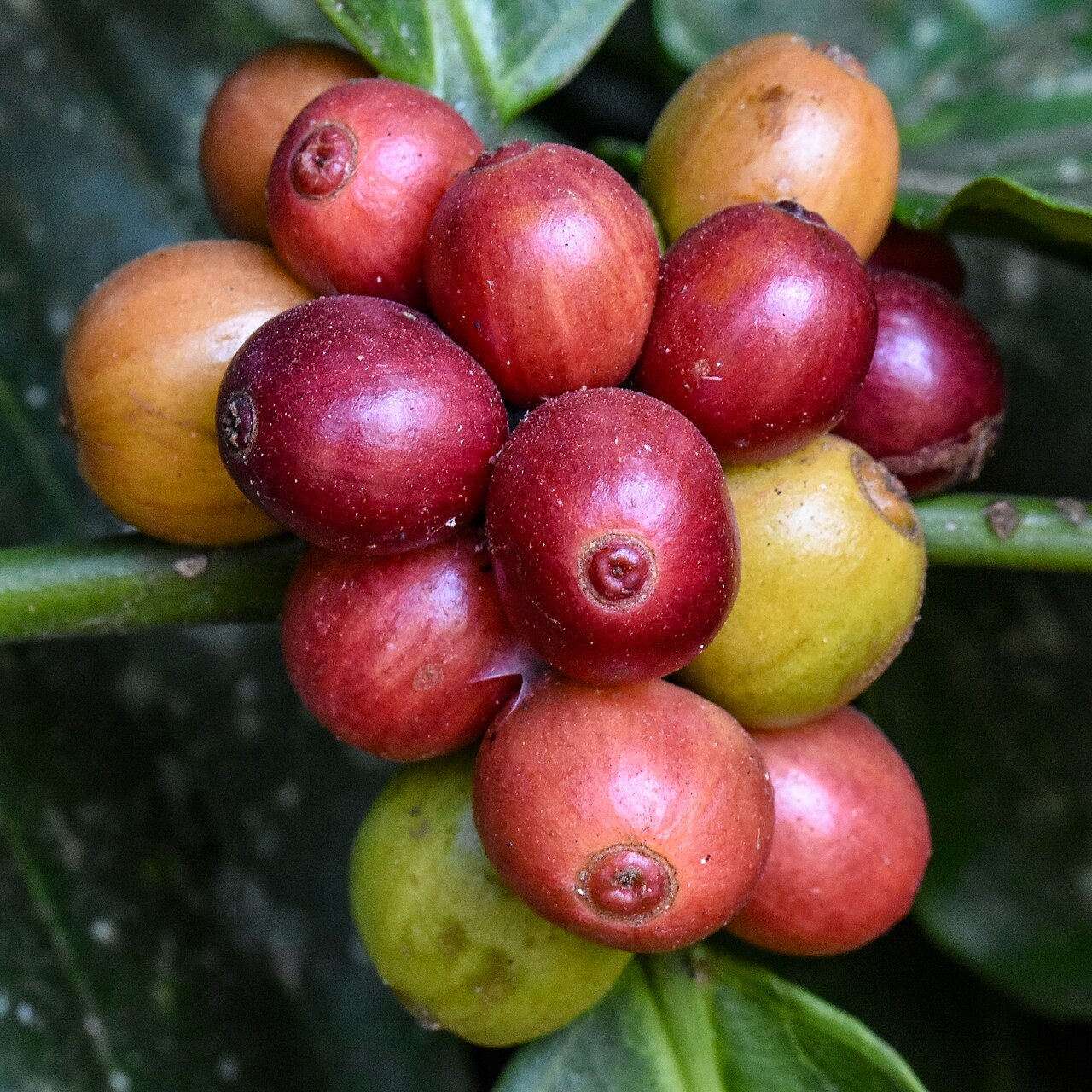
Coffee estates
Stay on a working plantation and tour the coffee, pepper and cardamom.
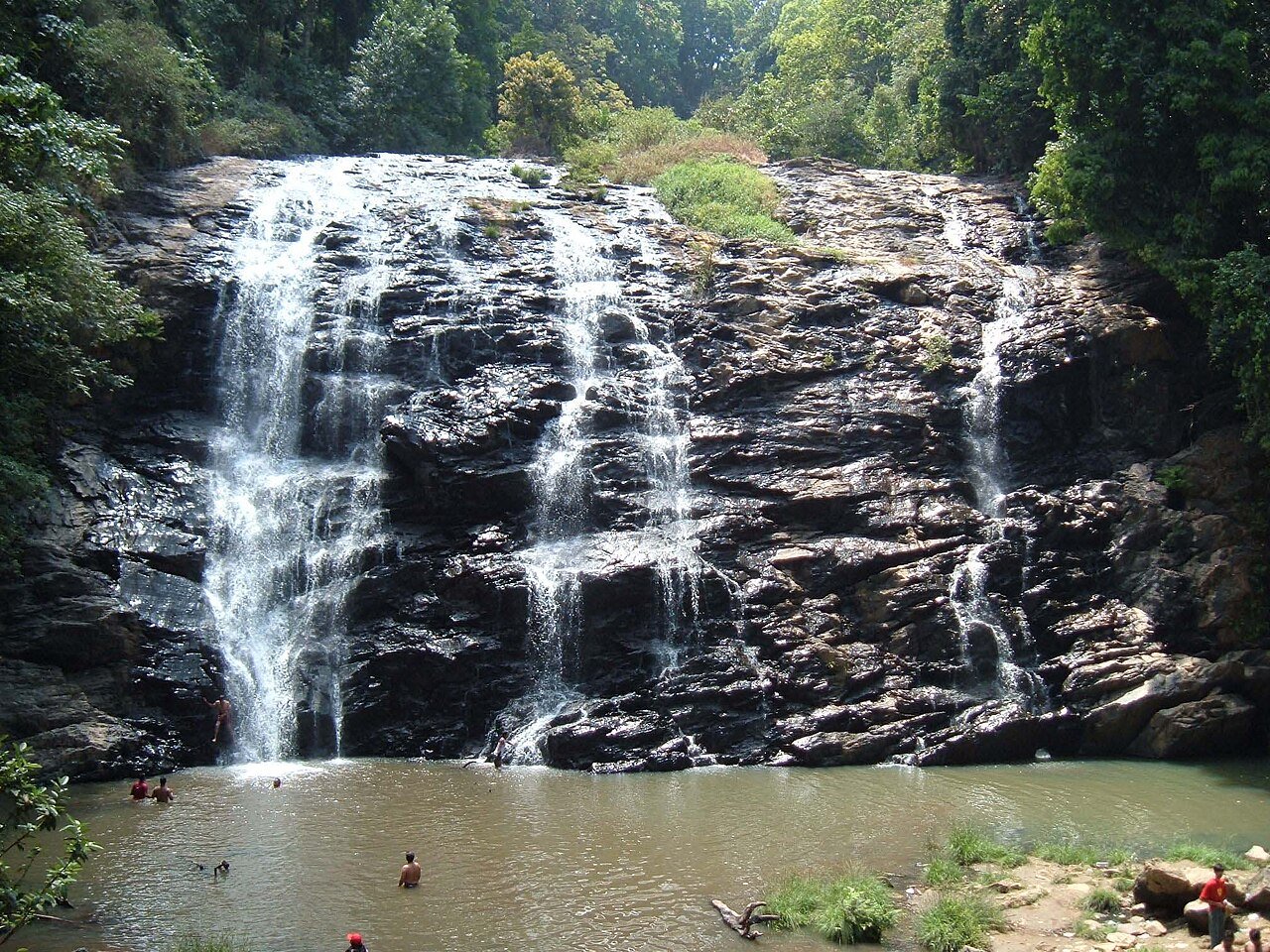
Abbey Falls
A scenic waterfall framed by coffee and spice plantations near Madikeri.
Dubare Elephant Camp
Meet and learn about elephants on the banks of the Kaveri river.
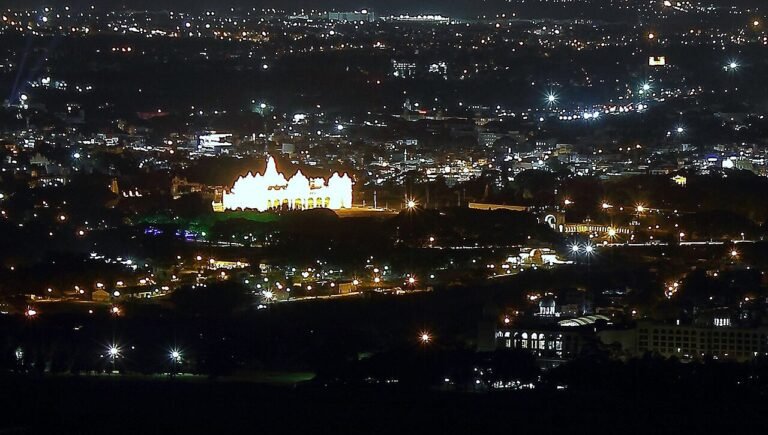
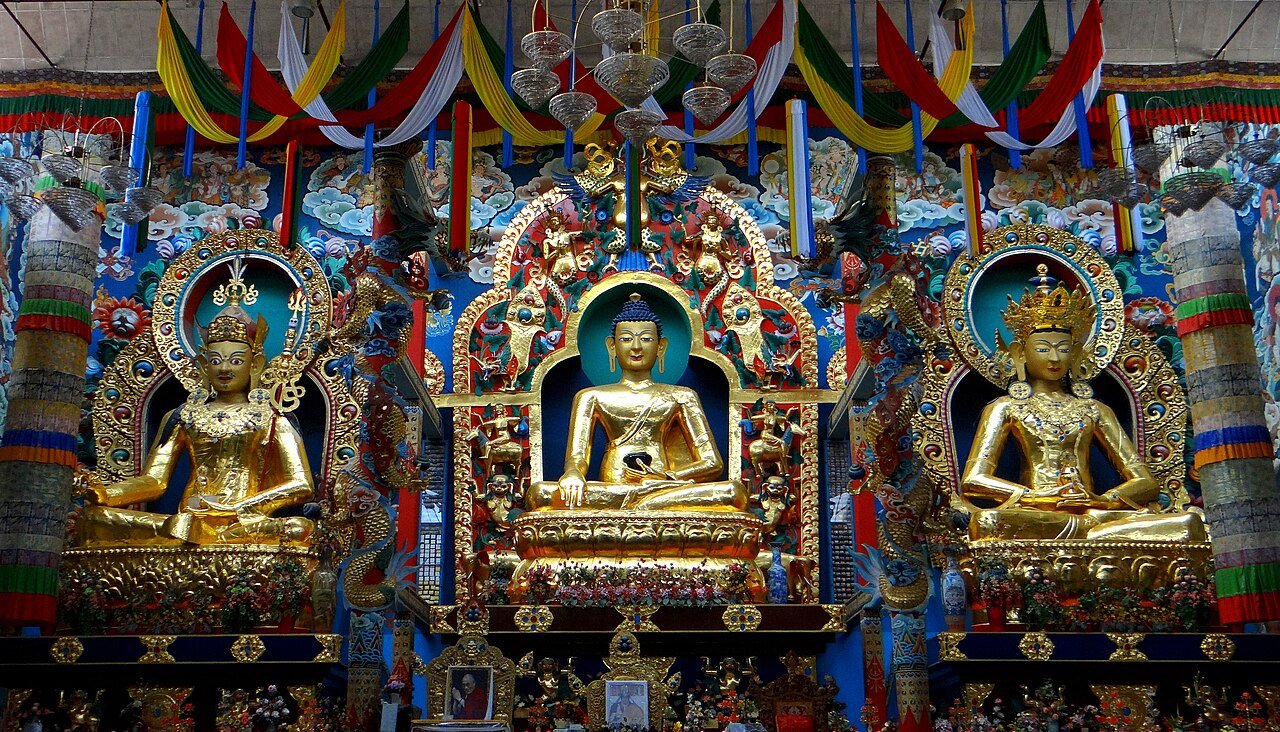
Golden Temple
The serene Namdroling Tibetan monastery at Bylakuppe.
Mandalpatti & Raja’s Seat
Cloud-sea viewpoints, best at sunrise and sunset.
Tadiandamol trek
Hike Coorg’s highest peak for sweeping Western Ghats views.
Whether you want a romantic plantation retreat or an active few days of treks and waterfalls, Coorg flexes to suit and rewards a gentle, relaxed pace.
Coorg is coffee-country calm — misty plantations, hidden waterfalls and a hot cup of estate brew waiting at the end of every trail.
Part 2 of 8
Getting to Coorg and getting around
Coorg has no airport or railway of its own, so every route ends with a scenic drive into the Kodagu hills, usually through coffee and forest.
By air: Mangaluru International Airport is the nearest at around 135 km, with Mysuru (about 120 km) and Bengaluru (around 250 km) also common entry points. From any of these you continue by road.
By train: The nearest railheads are Mysuru and Hassan, from where taxis and buses run up to Madikeri, Coorg’s main town.
By road: The drive from Bengaluru takes 5–6 hours and from Mysuru around 3 hours, both on good highways that climb into the hills. State and private buses serve Madikeri regularly.
Pro tip
Base yourself near Madikeri for central access, or out among the plantations around Pollibetta or Siddapura for total quiet. Either way, a hired vehicle makes the spread-out sights far easier to reach.
Getting around: The attractions are scattered across the district, so a hired car or taxi for the day is the most practical option. Autos work for short hops, and self-driving is fine if you are comfortable on hill roads.
Part 3 of 8
Best time to visit Coorg
Coorg’s elevation keeps it pleasant for much of the year, but the monsoon transforms the district into something wilder and wetter.
| Season | Months | What to expect |
|---|---|---|
| Post-monsoon | Oct–Nov | Lush, green and full-flowing waterfalls with comfortable weather — a lovely time. |
| Winter | Dec–Feb | Cool, dry and clear, ideal for sightseeing and treks. Peak season. |
| Summer | Mar–May | Warm but still pleasant at altitude; good for plantation stays and fewer crowds. |
| Monsoon | Jun–Sep | Heavy rain, dramatic greenery and roaring falls, but slippery trails and leeches. |
For the best mix of greenery and easy sightseeing, aim for October to February. The monsoon shows Coorg at its most lush, with thundering waterfalls, but travel can be soggy and trails slippery, so pack accordingly if you visit then.
Part 4 of 8
Costs and budgeting for Indians
Coorg suits a wide range of budgets, with the signature experience being a stay right inside a coffee plantation. Here is a realistic per-person, per-day guide for 2026.
| Style | Daily budget | What it covers |
|---|---|---|
| Backpacker | ₹1,500–2,500 | Homestay or hostel, local buses and shared transport, meals at local eateries. |
| Mid-range | ₹3,000–6,000 | Plantation homestay or resort, a hired car for sightseeing, good meals and entries. |
| Premium | ₹8,000+ | Boutique resort or estate bungalow, private vehicle throughout, guided treks and dining. |
Entry fees for the falls, elephant camp and monastery are individually modest. Your main variable is accommodation, and the plantation homestays — often including hearty home-cooked Kodava meals — offer excellent value and the most authentic experience.
Good to know
Carry some cash. Many plantation homestays, small eateries and entry counters in the interior prefer it, and connectivity can be patchy across the district.
Part 5 of 8
Where to stay, what to eat and top experiences
Where to stay: A coffee or spice plantation homestay is the quintessential Coorg experience, surrounding you with greenery and birdsong. Madikeri makes a convenient base near restaurants and transport, while resorts around Pollibetta and Kushalnagar suit those wanting more comfort.
What to eat: Don’t miss Kodava cuisine — pandi curry (Coorg pork), akki roti, kadambuttu (rice dumplings) and noolputtu — along with bamboo-shoot dishes, local honey and, of course, freshly brewed Coorg coffee. Plantation stays often serve traditional meals using home-grown produce.
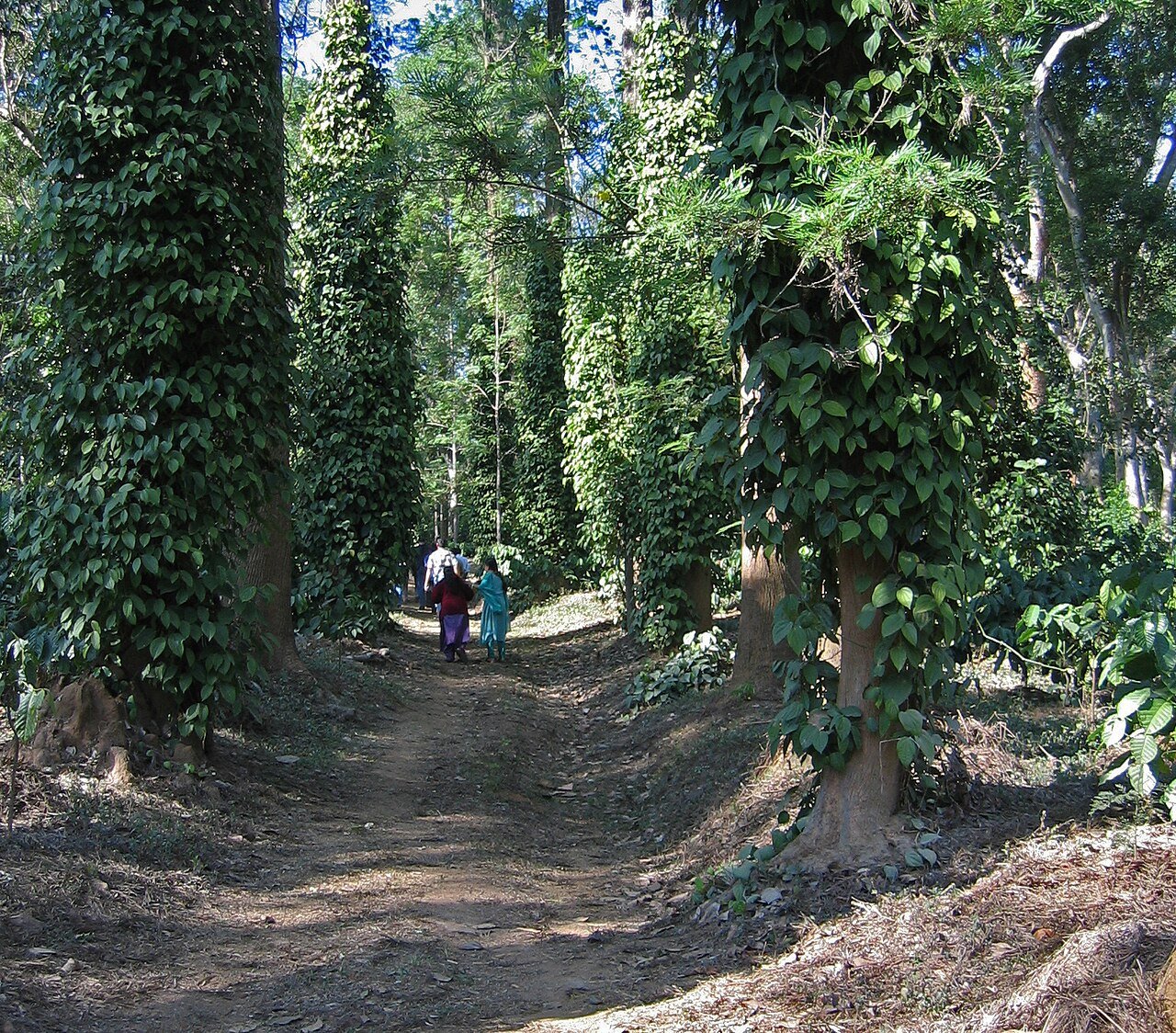
Plantation walk
Tour a working coffee and spice estate and learn how your brew is grown.
Dubare elephants
Spend a morning with elephants by the Kaveri river.
Sunrise viewpoint
Catch the cloud sea from Mandalpatti or Raja’s Seat.
Golden Temple
Soak up the calm of the Namdroling Tibetan monastery.
For more, trek Tadiandamol or to Abbey and Iruppu Falls, raft or walk at Nisargadhama river island, or visit Talacauvery, the sacred source of the Kaveri.
Part 6 of 8
A 3-day Coorg itinerary
This loop balances plantation relaxation with the district’s waterfalls, viewpoints and cultural highlights.
Day 1 — Madikeri & around: Arrive and settle into your plantation stay, then explore Madikeri — Raja’s Seat for sunset, the fort and Omkareshwara temple, and Abbey Falls.
Day 2 — Elephants & monastery: Visit Dubare Elephant Camp in the morning, then the Namdroling Golden Temple at Bylakuppe, with a stop at Nisargadhama river island on the way back.
Day 3 — Viewpoints & nature: Catch sunrise at Mandalpatti, take a coffee-plantation walk, and add Talacauvery or a short trek before the drive home. With an extra day, tackle the Tadiandamol summit trek.
Pro tip
Mandalpatti is reached by a rough track best tackled in a local jeep rather than your own car. Go at sunrise for the clearest cloud-sea views before the mist thickens later in the day.
Part 7 of 8
Practical tips for Indian travellers
A little preparation makes a Coorg trip smoother, especially around weather, distances and the plantation setting.
Pack layers
Evenings are cool year-round; bring a light jacket and a rain shell in the wetter months.
Trek-ready shoes
Trails to falls and peaks can be steep and slippery, especially after rain.
Carry cash
Homestays, small eateries and entry counters in the interior often prefer notes.
Hire a vehicle
Sights are spread out, so a car or jeep makes the most of each day.
Coorg is a relaxed and safe destination, so the main practicalities are about comfort rather than security. Drive carefully on winding hill roads, watch for leeches on monsoon trails, and respect the working plantations and the calm of the monastery. As elsewhere in the Ghats, weather can change quickly, so keep your plans a little flexible and tackle viewpoints early in the day.
Coorg also pairs beautifully with the wider region. It links naturally with Mysuru’s palaces on the way in or out, with the Nagarhole and Bandipur wildlife reserves nearby, and with Chikmagalur’s coffee hills or Wayanad across the Kerala border for a longer South India trip. Building one of these into your route turns a short Coorg break into a fuller journey through the southern Western Ghats.
Part 8 of 8
Frequently asked questions
How many days are enough for Coorg?
Two to three days are ideal — enough to enjoy a plantation stay, see Abbey Falls, Dubare Elephant Camp and the Golden Temple, and catch a viewpoint sunrise. Add a day if you want to trek Tadiandamol or simply relax.
How do I reach Coorg?
There is no airport or railway in Coorg. Most travellers drive from Bengaluru (5–6 hours), Mysuru (about 3 hours) or Mangaluru, or take a train to Mysuru or Hassan and continue by road to Madikeri.
When is the best time to visit Coorg?
October to February offers the best mix of greenery and pleasant, dry weather. The monsoon from June to September is beautifully lush with full waterfalls but very wet, with slippery trails and leeches.
Is Coorg good for families and couples?
Very much so. Couples love the quiet plantation stays and viewpoints, while families enjoy the elephant camp, waterfalls and gentle walks. The relaxed pace and cool climate suit all ages.
What food is Coorg famous for?
Coorg is known for Kodava cuisine, especially pandi curry (Coorg pork), akki roti and kadambuttu rice dumplings, along with bamboo-shoot dishes, local honey and freshly brewed Coorg coffee.
Can I stay on a coffee plantation in Coorg?
Yes, and it is the signature Coorg experience. Many working coffee and spice estates offer homestays with home-cooked Kodava meals and plantation tours, ranging from simple to boutique.
Will my phone and UPI work in Coorg?
Connectivity is reliable in Madikeri and the main towns but patchy in the interior plantations and forests. Carry cash for homestays, small eateries and entry counters where digital payments may not work.
What can I combine with a Coorg trip?
Coorg pairs well with Mysuru’s palaces, the Nagarhole and Bandipur wildlife reserves, and Chikmagalur or Wayanad for more coffee and hill country, making for a fuller southern Western Ghats itinerary.
Is Coorg or Chikmagalur better for a coffee getaway?
Both are Karnataka coffee hills with plantation stays, waterfalls and viewpoints. Coorg is more developed and family-friendly with attractions like the elephant camp and Golden Temple, while Chikmagalur feels quieter and more offbeat. Many travellers visit both on a single coffee-country loop; for a first trip, Coorg is the easier, more varied choice.
Are there entry fees for Coorg’s attractions?
Yes, but they are modest. Abbey Falls, Dubare Elephant Camp, Raja’s Seat, Nisargadhama and the viewpoints each charge small individual fees that add up across a busy day, so carry some cash and factor them into your budget.
The bottom line
Coorg is the South Indian escape to choose when you want misty mornings, coffee on the veranda and unhurried days among the hills. Come in the cooler, clearer months, base yourself on a plantation, keep a vehicle on hand for the scattered sights, and leave time simply to slow down. Do that, and Karnataka’s coffee country will reward you with one of the most restful and scenic short trips in the south. Pack for cool evenings and the odd shower, lean into the slow plantation rhythm, and you will quickly see why Coorg keeps drawing travellers back season after season.
Related reading
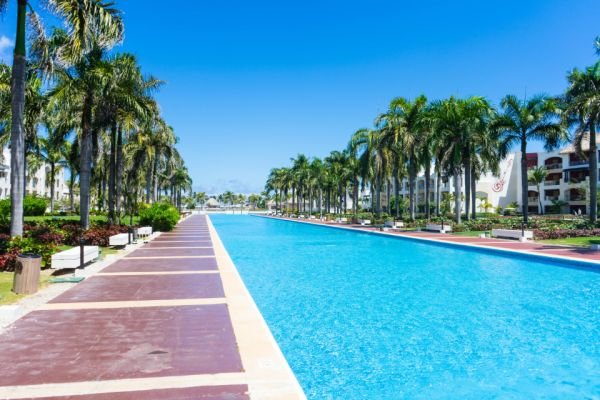 Resort vs Hotel for Family Trips: Which Is Better? (2026)
 Weekend Getaways from Bangalore: 15 Best Short Trips (2026)
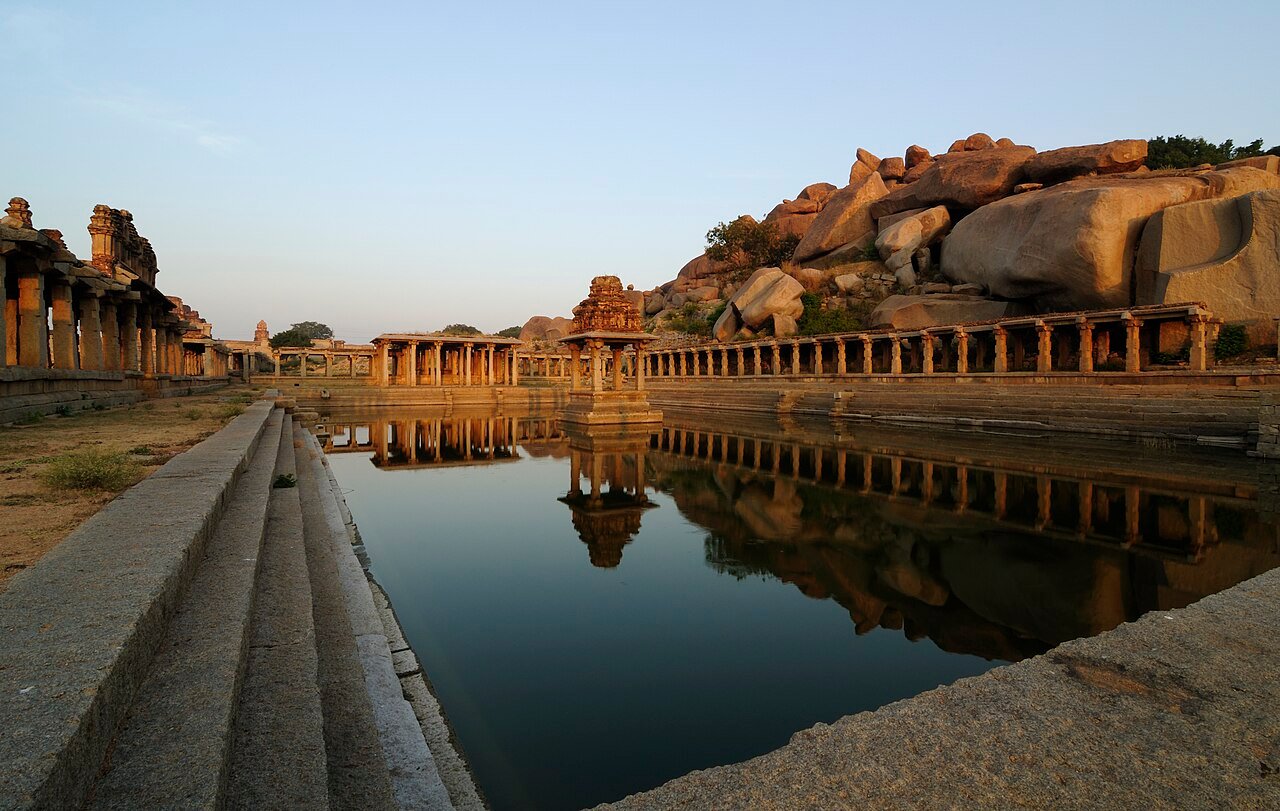 Offbeat & Hidden Destinations in India to Explore (2026)
Photos sourced from Wikimedia Commons under their respective Creative Commons licences. Travel details are indicative for 2026; confirm timings, fees and seasonal conditions locally before you travel.