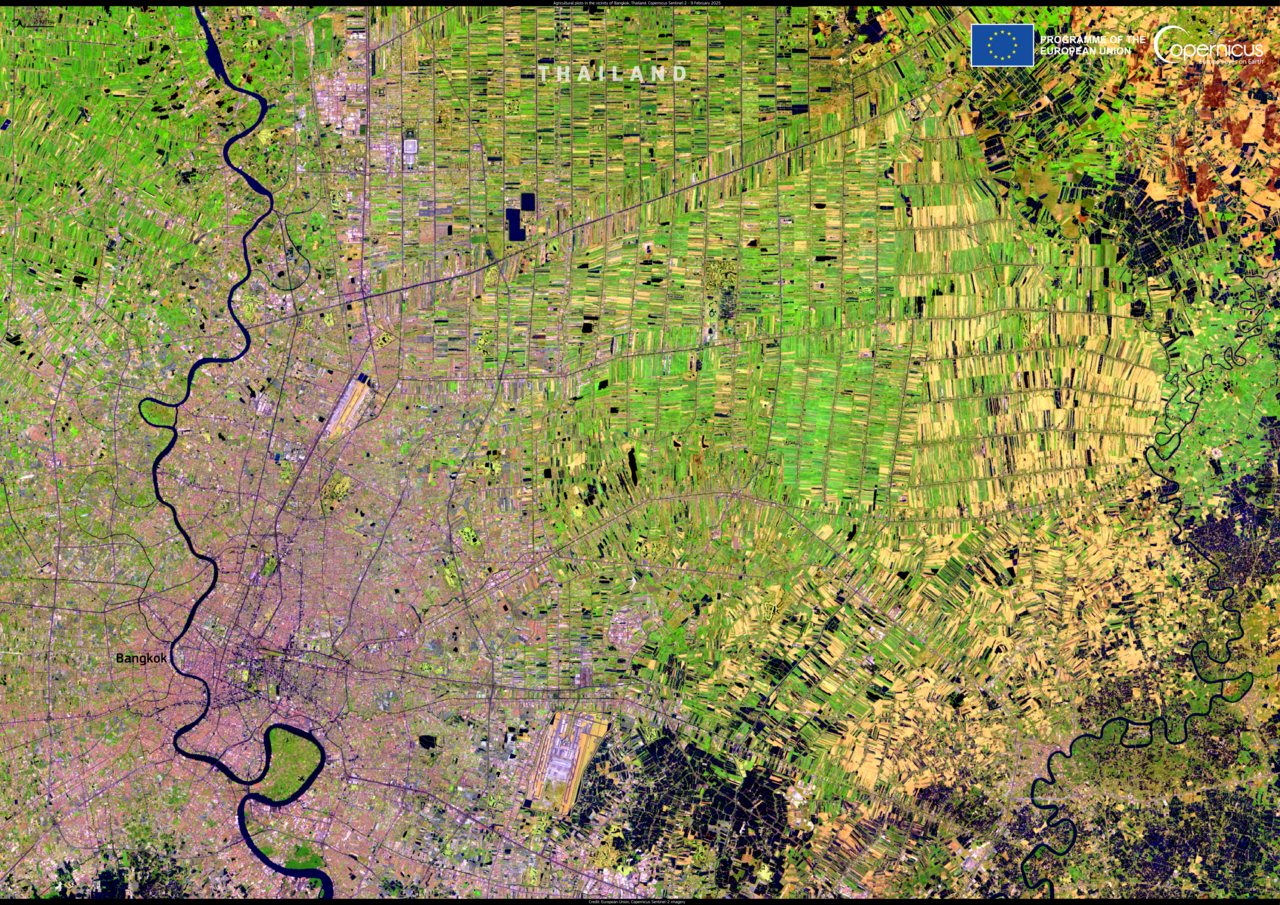
Bangkok Travel Guide for Indians 2026 — Visa, Cost, Best Time & Tips
Last updated: July 8, 2026
Bangkok, Thailand’s electric capital, is a city of dazzling contrasts — glittering temples and modern skyscrapers, chaotic markets and serene canals, world-famous street food and rooftop bars. From the Grand Palace and Wat Arun to the bustle of Chinatown, the floating markets and the buzz of Khao San Road, Bangkok overwhelms the senses in the best way. Affordable, exciting and easy to reach, with visa-free entry currently on offer, it is a favourite gateway to Asia for Indian travellers.
This 2026 guide for Indian travellers covers visas and flights, the best time to go, what it costs, where to stay and eat, and how to make the most of a few days in Bangkok.
- Visa: Thailand currently offers visa-free entry for Indian tourists for short stays — confirm the latest rules before travel.
- Getting there: Direct and one-stop flights from many Indian cities to Bangkok (Suvarnabhumi/Don Muang).
- Best time: November to February for cooler, drier weather.
- Don’t miss: The Grand Palace and Wat Arun, street food, Chinatown, markets and a river cruise.
Part 1 of 8
Why Bangkok belongs on your list
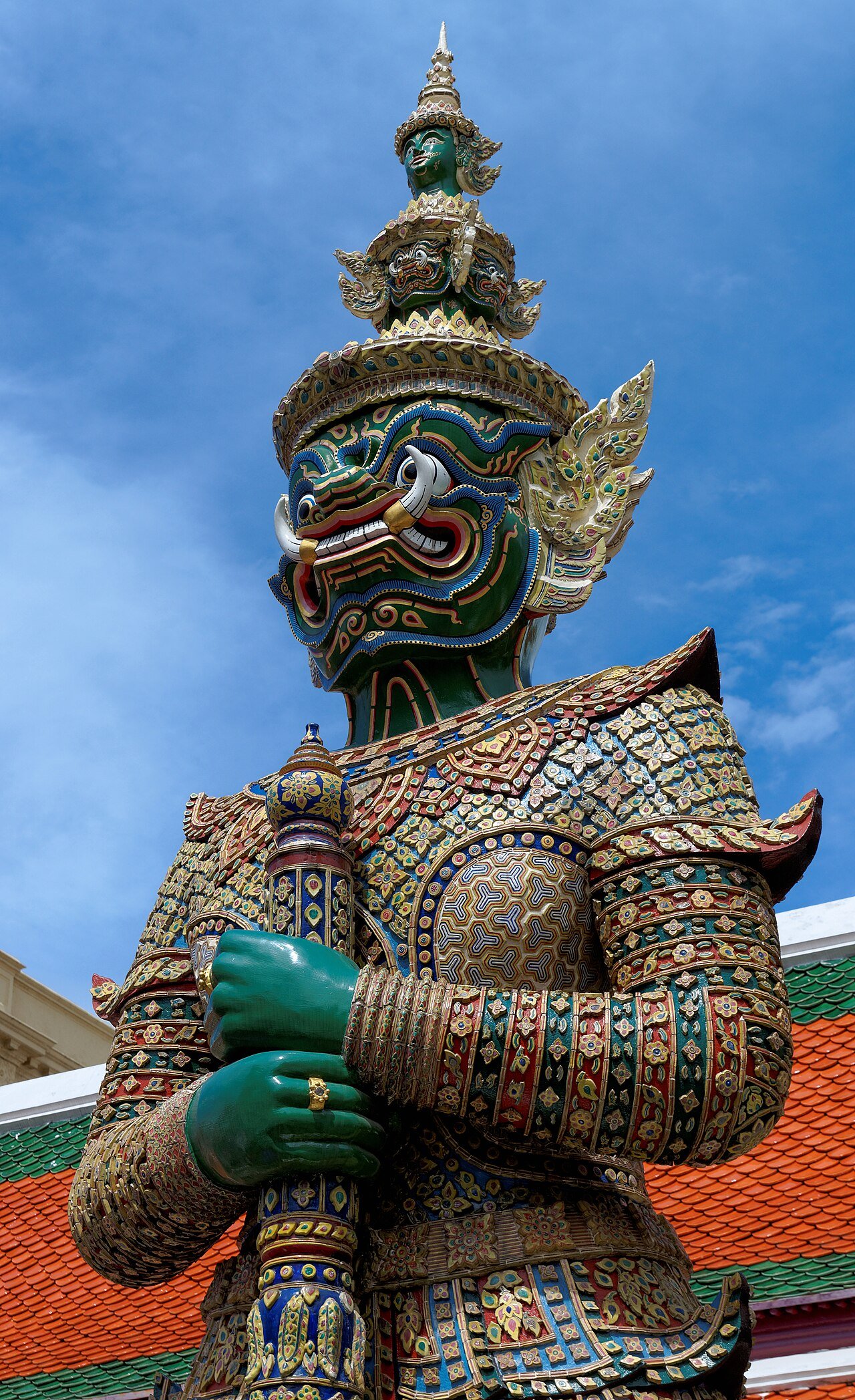
Bangkok delivers non-stop energy and incredible value. Marvel at the opulent Grand Palace and the riverside temples of Wat Arun and Wat Pho, cruise the Chao Phraya river and its canals, feast on legendary street food in Chinatown, shop the vast Chatuchak Weekend Market, and watch the city sparkle from a rooftop bar. Add floating markets, vibrant nightlife and easy day trips, and Bangkok becomes an exhilarating, affordable and unforgettable city.
Grand Palace
The dazzling palace and Wat Phra Kaew.
Riverside temples
Wat Arun and Wat Pho’s reclining Buddha.
Street food
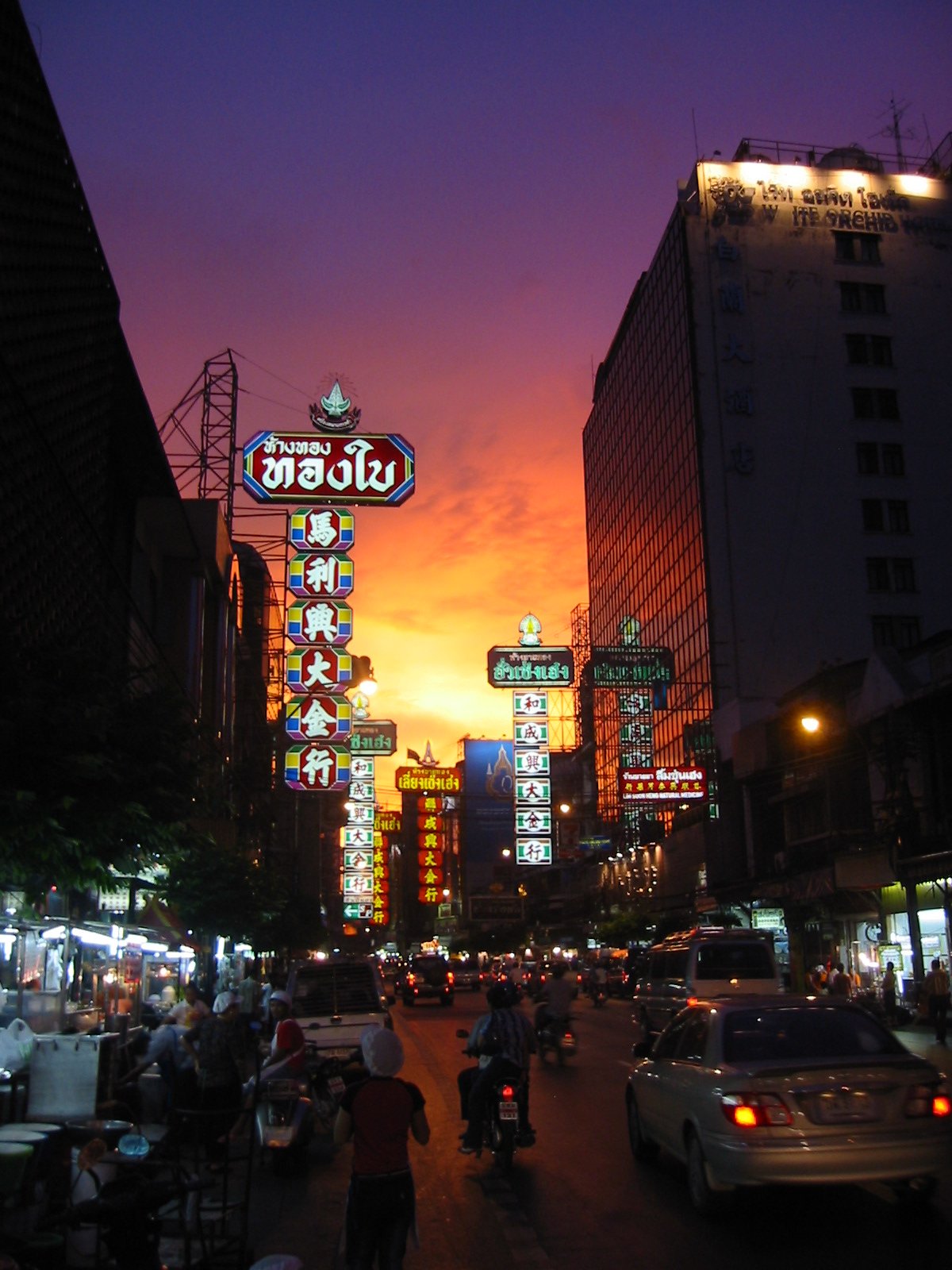
World-famous food in Chinatown and beyond.
Markets
Chatuchak and the floating markets.
Chao Phraya
River and canal boat trips.
Rooftop bars
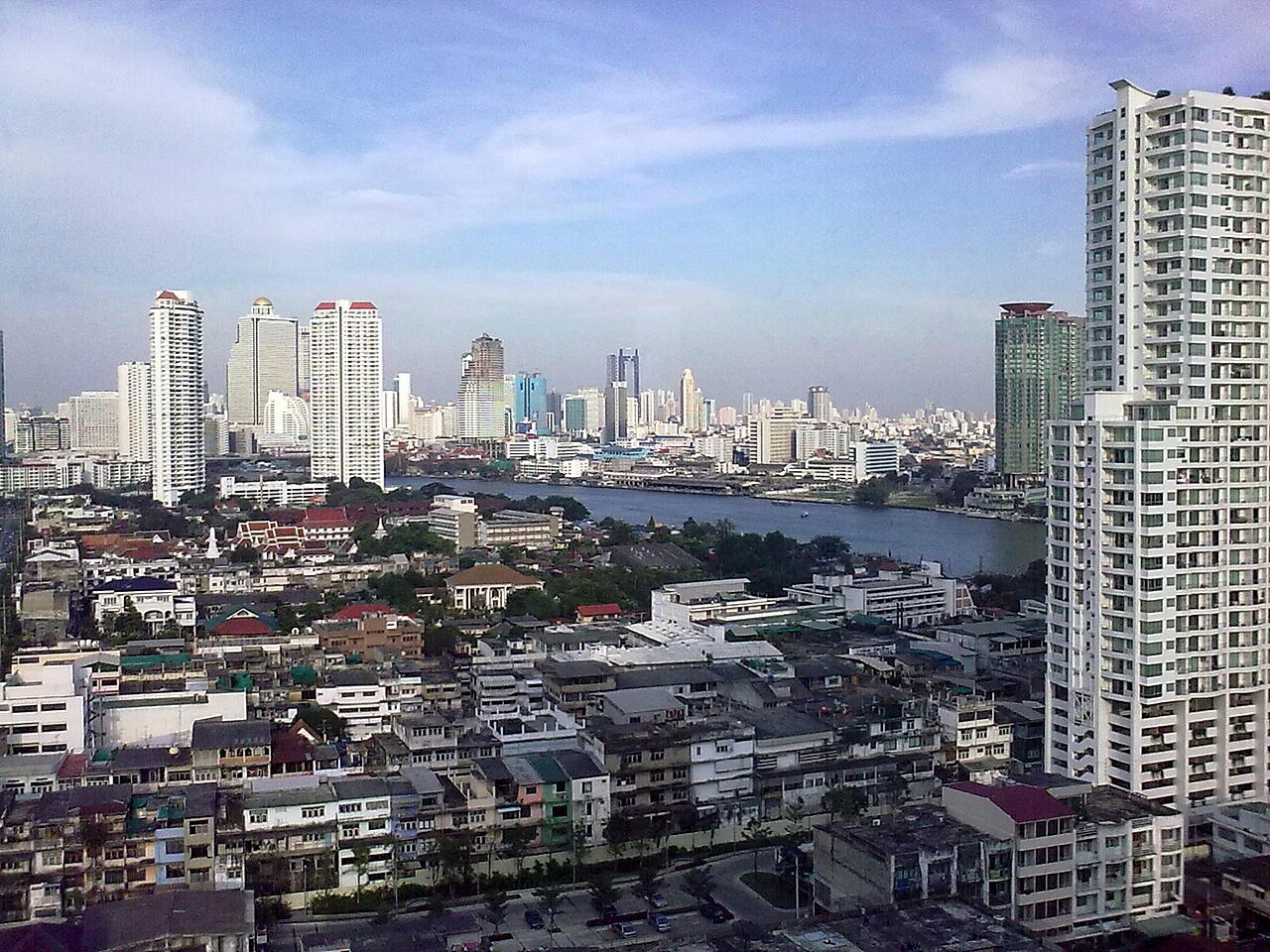
Skyline views and buzzing nightlife.
Whether you crave temples, food, shopping, nightlife or culture, Bangkok offers an electric, great-value city break, and serves as the perfect gateway to Thailand’s beaches and the rest of Southeast Asia.
Bangkok is sensory overload in the best way — golden temples and street food, river boats and rooftop bars, all at unbeatable value.
Part 2 of 8
Visas and getting to Bangkok
Bangkok is easy to reach from India and simple to get around.
Visa: Thailand currently offers visa-free entry for Indian tourists for short stays, making a Bangkok trip especially easy. Rules and the permitted duration can change, so always confirm the latest entry requirements before booking.
By air: Direct and one-stop flights connect many Indian cities to Bangkok’s Suvarnabhumi (BKK) and Don Muang (DMK) airports, with low-cost options. Booking early lands the cheapest fares. The Airport Rail Link and taxis connect the airports to the city.
Pro tip
Use the BTS Skytrain and MRT metro to beat Bangkok’s traffic, and ride-hailing apps (Grab) for door-to-door trips. Stay near a Skytrain station, and take the river boats for a cheap, scenic way to reach the temples.
Getting around: The BTS Skytrain and MRT are fast and cheap, river and canal boats reach the old city and temples, and Grab and metered taxis fill the gaps. Agree fares or insist on the meter in taxis, and avoid tuk-tuk “tour” scams.
Part 3 of 8
Best time to visit Bangkok
Bangkok is hot year-round, but the seasons affect comfort and rain.
| Season | Months | What to expect |
|---|---|---|
| Cool/peak | Nov–Feb | The best time — relatively cooler and dry; ideal for sightseeing. Busiest. |
| Hot | Mar–May | Very hot and humid, with Songkran (Thai New Year) in April. |
| Wet | Jun–Oct | Monsoon rains (often short afternoon downpours); cheaper and quieter. |
| Festive | Dec & Apr | Year-end and Songkran bring lively festivities and bigger crowds. |
For the most comfortable weather, visit between November and February, the cool, dry and peak season. The hot months (March–May) are draining but include the fun of Songkran, while the wet season brings short afternoon downpours, lower prices and fewer crowds. Carry an umbrella and stay hydrated whenever you go.
Part 4 of 8
Costs and budgeting for Indians
Bangkok is famously affordable, suiting every budget. Here is a realistic per-person, per-day guide for 2026, excluding international flights.
| Style | Daily budget | What it covers |
|---|---|---|
| Backpacker | $25–45 | Hostels and guesthouses, street food, public transport, temple entries. |
| Mid-range | $60–120 | Good hotels, dining out, tours, a river cruise and some taxis. |
| Luxury | $220+ | 5-star hotels, rooftop dining, spas and private tours. |
Street food and local eateries are incredibly cheap and delicious, while the BTS, MRT and river boats keep transport costs low. The main spends are temple entries, tours, shopping and nightlife. Carry Thai baht; cards work in malls and hotels, but cash rules at markets and stalls. Bargaining is expected in markets.
Good to know
Bangkok is generally safe but watch for common scams — tuk-tuk drivers claiming temples are “closed,” gem and tailor shop cons, and overpriced taxis. Agree fares or use the meter/Grab, dress modestly at temples (cover shoulders and knees), and keep an eye on belongings in crowds.
Part 5 of 8
Where to stay, what to eat and top experiences
Where to stay: Sukhumvit (near the BTS) is modern and convenient with great dining and nightlife; Silom is central and business-like; the riverside and Rattanakosin (old city) put you near the temples; and Khao San Road is the backpacker hub. Stay near a Skytrain or river pier for easy access.
What to eat: Bangkok is a street-food capital — pad thai, green and massaman curries, tom yum, mango sticky rice, boat noodles and more, from stalls to fine dining. Vegetarian (“jay”) food is available, and there are Indian and halal restaurants, especially around Sukhumvit, so Indian travellers eat very well and cheaply.
Grand Palace & temples
Wat Phra Kaew, Wat Pho and Wat Arun.
Chinatown food crawl
Yaowarat’s legendary street eats.
River & canal tour
See the city from the Chao Phraya.
Chatuchak Market
One of the world’s largest weekend markets.
For more, visit the floating markets, the Jim Thompson House, rooftop bars for skyline views, a Thai massage, and take a day trip to Ayutthaya’s ancient temples or the Damnoen Saduak floating market.
Part 6 of 8
A 3-4 day Bangkok itinerary
This route covers Bangkok’s highlights with room for a day trip.
Day 1 — Old city temples: The Grand Palace and Wat Phra Kaew, Wat Pho’s reclining Buddha, and Wat Arun across the river, ending with a Chinatown food crawl.
Day 2 — River & markets: A Chao Phraya river and canal tour, the Jim Thompson House, and shopping at Chatuchak (weekends) or the malls, with a rooftop bar at sunset.
Day 3 — Day trip: Ayutthaya’s ancient ruins or the Damnoen Saduak floating market.
Day 4 — Your choice: A Thai massage, more shopping, a cooking class, or relax before flying home or onward to the beaches.
Pro tip
Visit the Grand Palace early to beat heat and crowds, and dress modestly (no shorts or sleeveless tops). Use the BTS and river boats to dodge Bangkok’s notorious traffic, and save Chatuchak for the weekend.
Part 7 of 8
Practical tips for Indian travellers
A few pointers make a Bangkok trip smoother and safer.
Check visa rules
Confirm Thailand’s current visa-free terms for Indians.
Use BTS & boats
Beat the traffic with the Skytrain and river boats.
Dress for temples
Cover shoulders and knees at sacred sites.
Avoid scams
Use the meter or Grab; ignore “temple closed” tricks.
Bangkok is exciting and easy with a little street smarts. Confirm Thailand’s current visa-free rules for Indians, beat the traffic with the BTS, MRT and river boats, and use Grab or metered taxis to avoid overcharging. Stay near a Skytrain station or river pier for convenience.
Dress modestly at temples (cover shoulders and knees), visit the Grand Palace early, and watch for the well-known scams — the “temple is closed” tuk-tuk trick, gem and tailor shop cons, and overpriced rides. Carry Thai baht for markets and street food, bargain with a smile, and keep belongings secure in crowds. With great vegetarian and Indian food, friendly locals and unbeatable value, Bangkok rewards Indian travellers with an electric, affordable city break and a gateway to Thailand and beyond.
Part 8 of 8
Frequently asked questions
Do Indians need a visa for Bangkok (Thailand)?
Thailand currently offers visa-free entry for Indian tourists for short stays, which makes a Bangkok trip especially easy. However, the rules and permitted duration can change, so always confirm the latest entry requirements and any conditions before you travel.
How do I reach Bangkok from India?
Direct and one-stop flights connect many Indian cities to Bangkok’s Suvarnabhumi (BKK) and Don Muang (DMK) airports, with low-cost options. Booking early lands the cheapest fares. The Airport Rail Link and taxis connect the airports to the city centre.
When is the best time to visit Bangkok?
November to February is the cool, dry and most comfortable season, ideal for sightseeing, though it is the busiest. The hot months (March–May) are draining but include Songkran, while the June–October wet season brings short afternoon downpours, lower prices and fewer crowds.
How much does a Bangkok trip cost?
Bangkok is very affordable. Excluding flights, backpackers manage on $25–45 a day, mid-range trips $60–120, and luxury stays $220 plus. Street food and public transport are cheap, while temple entries, tours, shopping and nightlife are the main extras.
How do I get around Bangkok and avoid the traffic?
Use the BTS Skytrain and MRT metro, which are fast and cheap, plus river and canal boats to reach the old city and temples. Grab and metered taxis fill the gaps. Avoid relying on taxis or tuk-tuks in peak traffic, and agree fares or insist on the meter to avoid overcharging.
What scams should I watch for in Bangkok?
Common ones include tuk-tuk drivers claiming a temple or palace is “closed” to take you to commission shops, overpriced gem and tailor shops, and taxis refusing the meter. Use Grab or metered taxis, ignore unsolicited “deals,” and book tours through reputable operators to avoid being overcharged.
Is Bangkok good for vegetarians and Indian travellers?
Yes. Thai cuisine has many vegetarian (“jay”) options, and there are Indian and halal restaurants, especially around Sukhumvit, so Indian travellers, including vegetarians, eat very well. Combined with visa-free entry, cheap food and good transport, Bangkok is very Indian-friendly.
How many days do I need in Bangkok?
Three to four days cover the highlights — the Grand Palace and temples, a river tour, Chinatown and the markets, plus a day trip to Ayutthaya or a floating market. It also works as a two- to three-day stopover before heading to Thailand’s beaches or elsewhere in Asia.
Can I use Bangkok as a base for the rest of Thailand?
Yes. Bangkok is Thailand’s main hub, with cheap domestic flights, trains and buses to the beaches (Phuket, Krabi, Koh Samui), the north (Chiang Mai) and ancient cities like Ayutthaya. Many travellers spend two to three days in Bangkok before continuing, making it the perfect gateway for a wider Thailand trip.
Is Bangkok safe for solo and first-time travellers?
Generally yes — Bangkok is welcoming with good infrastructure and is popular with solo travellers and first-timers. Take normal precautions with belongings in crowds and nightlife areas, watch for the well-known scams, use Grab or metered taxis, and dress modestly at temples. With a little street sense, it is an easy and rewarding first taste of Asia.
The bottom line
Bangkok is an electric, great-value city that overwhelms the senses in the best way — the dazzling Grand Palace and riverside temples, legendary street food in Chinatown, the Chao Phraya river, sprawling markets and buzzing rooftop bars. Confirm Thailand’s current visa-free rules, travel between November and February, beat the traffic with the Skytrain and boats, and dress modestly at temples. Watch for the usual scams, feast on cheap street food, and Bangkok will reward Indian travellers with an exhilarating, affordable city break and a perfect gateway to Thailand and Southeast Asia.
Related reading
 South Korea Travel Guide for Indians (2026)
 Bangkok Pattaya Itinerary: 5-Day Thailand Plan (2026)
 Singapore Malaysia Itinerary: 7 Days from India (2026)
Photos sourced from Wikimedia Commons under their respective Creative Commons licences. Visa, flight and travel details are indicative for 2026; confirm current visa rules and prices before you travel.