Heritage Walks & Cultural Experiences: Travel Deeper
Last updated: July 8, 2026
Some of the most rewarding ways to experience India are on foot and up close — wandering the labyrinthine lanes of an old city, joining a guided heritage walk past centuries-old architecture, sampling street food on a culinary trail, watching artisans at work, or taking part in a local festival. These heritage walks and cultural experiences reveal the living history, traditions and everyday life that no monument visit alone can capture. This guide explores India’s best heritage walks and immersive cultural experiences for travellers.
This guide covers types of heritage and cultural experiences, top cities and trails, how to choose a good walk or experience, the best time to go and tips for respectful, immersive travel.
- Heritage walks: Guided walks through old cities like Delhi, Varanasi, Jaipur, Ahmedabad and Kochi.
- Cultural experiences: Food trails, craft and artisan visits, festivals, music and home-dining.
- Why: They reveal living history and everyday life beyond the monuments.
- Travel respectfully: Use local guides, dress appropriately and engage with humility.
Part 1 of 8
Why heritage walks and cultural experiences
Monuments tell part of India’s story, but its living heritage — the bustling bazaars, hidden courtyards, artisan workshops, street kitchens, temples and festivals — tells the rest. Heritage walks and cultural experiences immerse you in this everyday richness, led by knowledgeable local guides who share history, anecdotes and access you would never find alone. They turn sightseeing into genuine understanding and connection, making them among the most memorable and meaningful ways to experience India’s cities and traditions.
Heritage walks
Guided strolls through historic old cities.
Food trails
Street-food and culinary walks.
Crafts & artisans
Watch and learn traditional crafts.
Music & dance
Classical and folk performances.
Festivals
Join India’s vibrant celebrations.
Home dining
Meals and stories with local families.
Whether you walk an old-city trail, eat your way through a food lane, learn a craft or join a festival, these experiences reveal the soul of India and create deeper, more authentic memories than ticking off sights alone.
Heritage walks reveal India’s living soul — bazaars and courtyards, street kitchens and artisans, the everyday stories behind the monuments.
Part 2 of 8
Types of heritage and cultural experiences
India offers a rich variety of immersive heritage and cultural experiences.
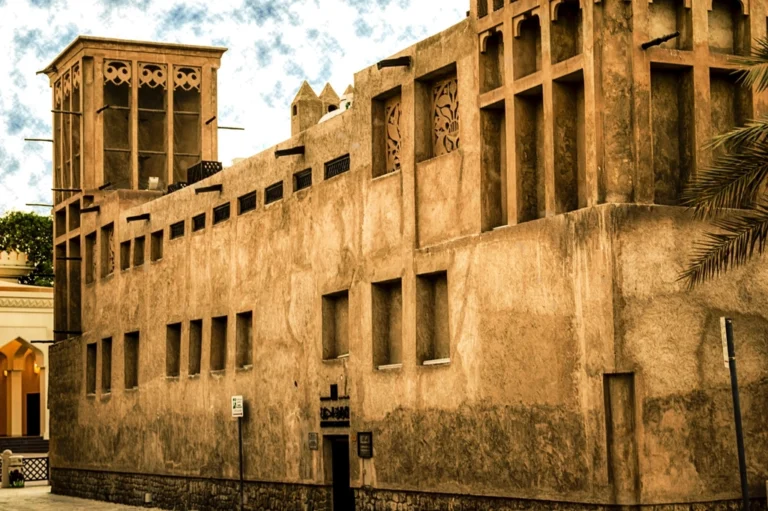
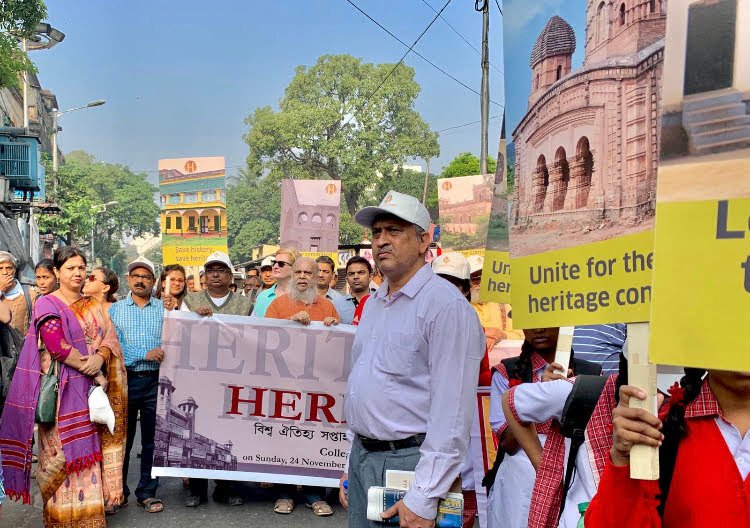
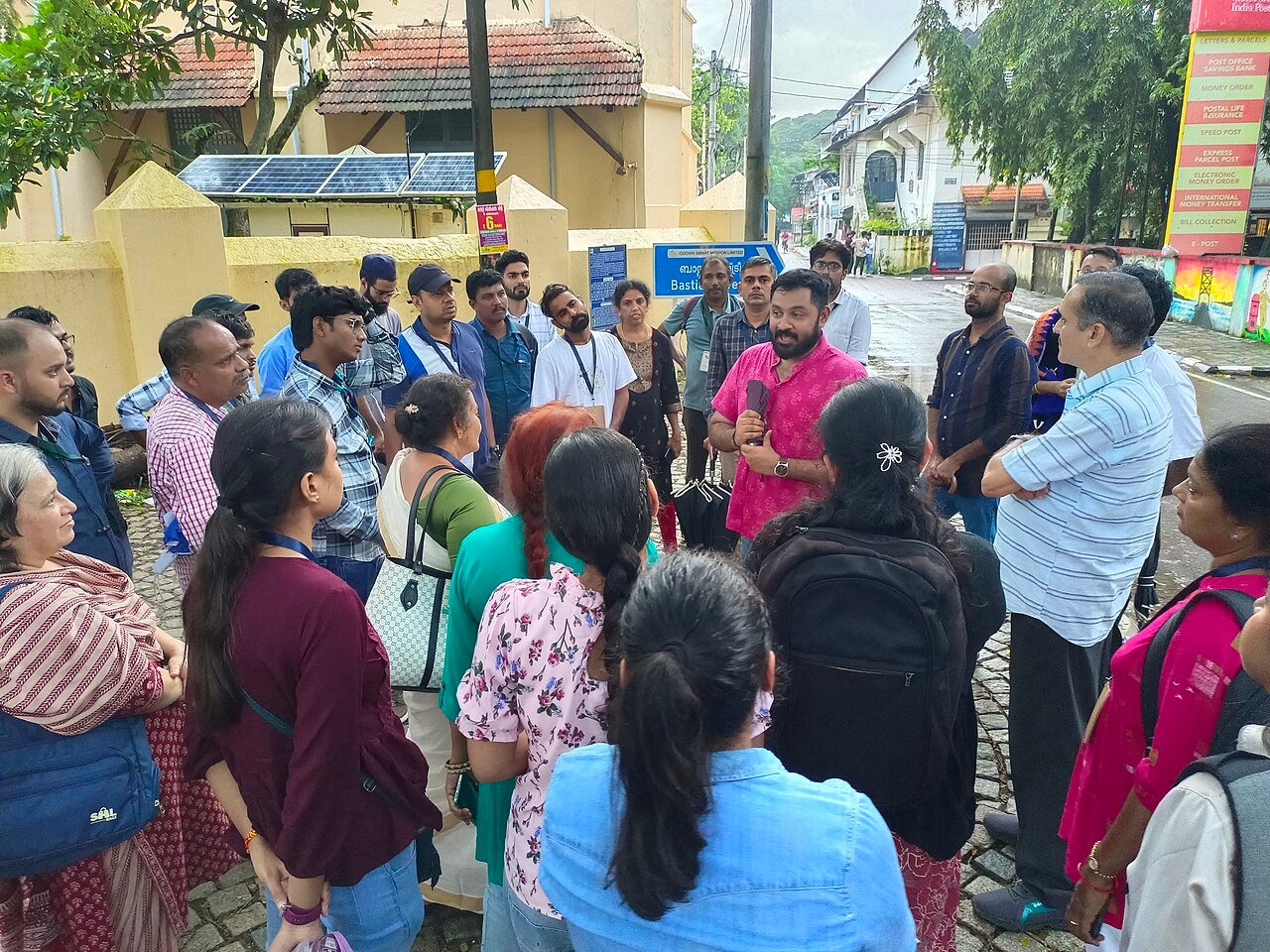
Heritage walks: Guided walks through historic old cities, exploring architecture, lanes, markets, temples and stories with expert local guides.
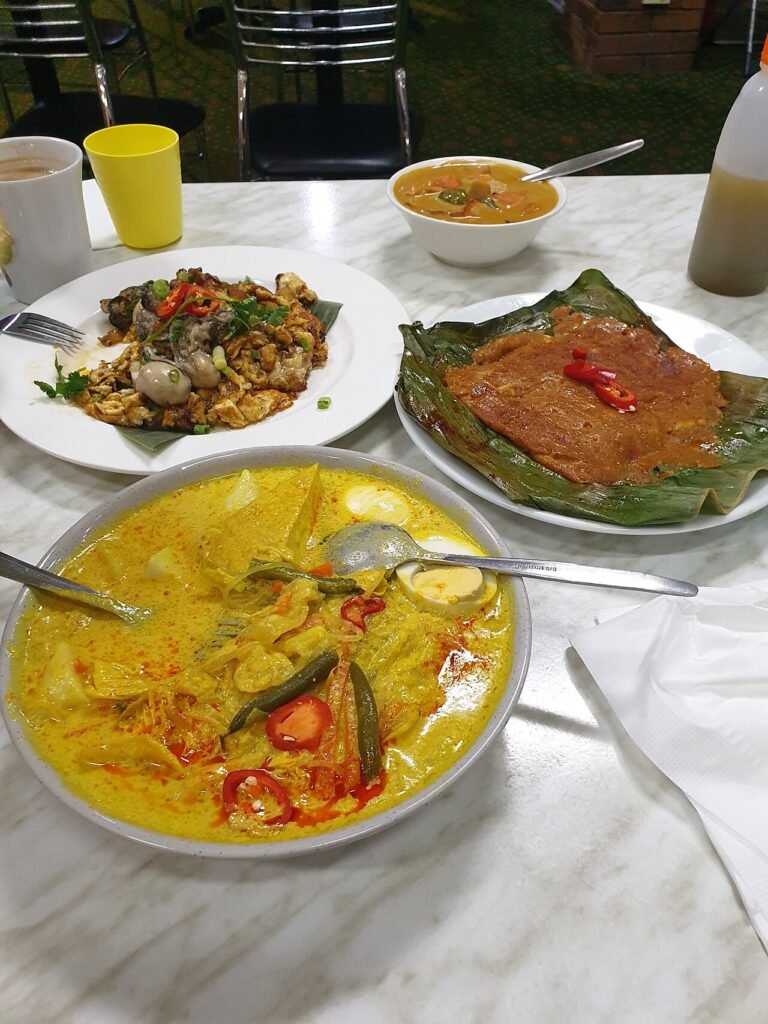
Food trails: Culinary walks sampling street food, sweets, regional specialties and the stories behind them.
Craft and artisan experiences: Visiting workshops to watch (and sometimes try) traditional crafts like block printing, pottery, weaving and metalwork.
Performances and festivals: Attending classical or folk music and dance, and joining vibrant local festivals and rituals.
Pro tip
Book heritage walks and food trails with reputable local guides or established walk operators for the best stories, access and safety, and start early to beat the heat and crowds in busy old cities.
From dawn walks through quiet old lanes to evening food crawls and festival nights, these experiences can be tailored to your interests, energy and time, deepening any India trip.
Part 3 of 8
Top cities for heritage walks
Many Indian cities offer outstanding heritage walks and cultural trails.
| City | Heritage highlight | Experiences |
|---|---|---|
| Old Delhi | Mughal & colonial heritage | Chandni Chowk walks, food trails and havelis. |
| Varanasi | Ancient spiritual city | Ghat walks, lanes, the Ganga aarti and rituals. |
| Jaipur | Royal Rajputana | Old-city walks, bazaars, forts and crafts. |
| Ahmedabad | UNESCO heritage city | The famous pol heritage walk and Gujarati food. |
| Fort Kochi | Colonial & coastal heritage | Heritage streets, spice trade history and art. |
Old Delhi, Varanasi, Jaipur, Ahmedabad (India’s first UNESCO World Heritage City) and Fort Kochi are among the best for heritage walks, alongside cities like Lucknow, Hyderabad, Kolkata and Madurai. Each offers guided walks, food trails and cultural experiences that bring their unique history and traditions vividly to life.
Part 4 of 8
How to choose and costs
Choosing the right experience and guide makes all the difference.
Use reputable guides/operators: Book established heritage-walk companies or licensed local guides with good reviews for the best stories, access and safety.
Match your interest: Pick walks focused on architecture, food, crafts, spirituality or photography as you prefer, and a length and pace that suit you.
Go small and early: Smaller groups and early-morning walks offer a better experience in busy old cities.
| Experience | Approx. cost | Notes |
|---|---|---|
| Group heritage walk | ₹500–1,500 | Per person, with a local guide. |
| Private walk/food trail | ₹2,000–6,000 | Tailored, small-group or private guiding. |
| Craft workshop | ₹500–3,000 | Watch or try a traditional craft. |
| Cultural performance | ₹300–2,000 | Music, dance or a cultural show. |
Heritage walks and cultural experiences are generally affordable, with group walks especially good value and private or specialised experiences costing more. Many of the richest experiences — wandering bazaars, watching street life, attending free festivals — cost little or nothing beyond a guide.
Good to know
In crowded old cities, watch your belongings, stay with your guide and group, and be mindful of traffic in narrow lanes. Dress modestly (especially for temples and religious areas), ask before photographing people, and respect local customs, homes and places of worship during walks and experiences.
Part 5 of 8
Best time and planning experiences
Timing and a little planning help you enjoy heritage walks comfortably.
Season: The cooler months (roughly October–March) are most comfortable for walking in most Indian cities; avoid the peak summer heat and heavy monsoon.
Time of day: Early mornings are cooler, quieter and atmospheric for old-city and ghat walks, while evenings suit food trails, aartis and performances.
Festivals: Plan around festivals like Diwali, Holi, Durga Puja, Pushkar Fair or local temple festivals for unforgettable cultural immersion (and bigger crowds).
Combine experiences: Pair a morning heritage walk with an afternoon craft visit and an evening food trail or performance for a full cultural day.
Cooler months
Oct–March is best for city walking.
Early or evening
Mornings for walks; evenings for food.
Time with festivals
For deep cultural immersion.
Combine experiences
Walk, craft and food in one day.
With the right timing and a mix of experiences, you can pack a city’s living heritage — its lanes, flavours, crafts and celebrations — into rich, memorable days.
Part 6 of 8
Travelling respectfully on cultural experiences
Heritage walks and cultural experiences take you into people’s neighbourhoods, homes and sacred spaces, so respect is key.
Dress and behave appropriately: Wear modest clothing, especially in religious areas, and be courteous in residential lanes and homes.
Ask before photographing: Always seek permission before photographing people, homes, artisans or rituals.
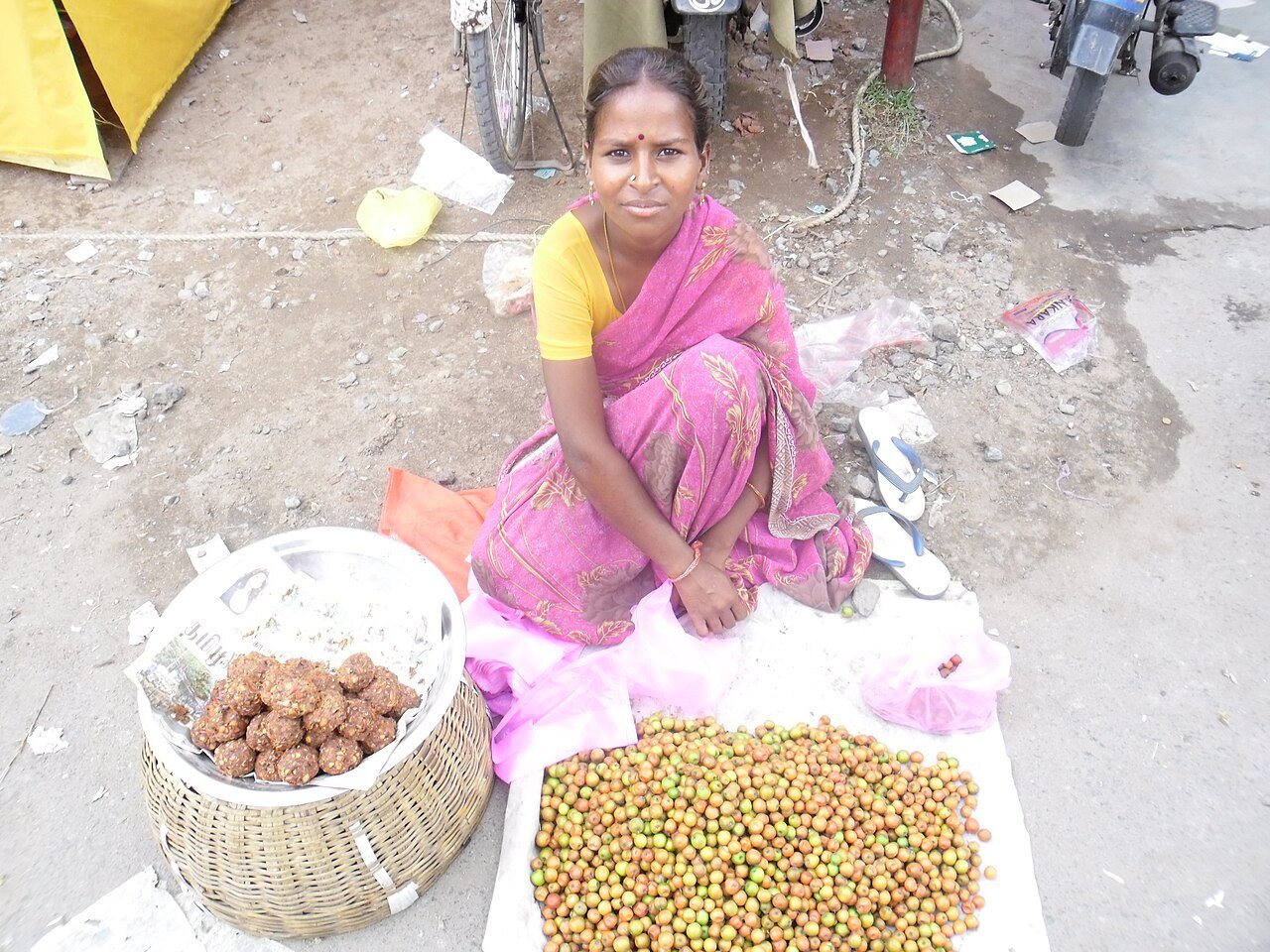
Support local communities: Tip guides fairly, buy directly from artisans, eat at local establishments, and value the knowledge shared with you.
Be mindful: Keep groups small and quiet in residential and sacred areas, follow your guide’s lead, and respect local customs and sensitivities.
Dress modestly
Especially in homes and sacred areas.
Ask before photos
Respect people and their privacy.
Support locals
Tip guides; buy from artisans.
Be considerate
Quiet, small groups; follow your guide.
Approaching cultural experiences with respect and humility honours the communities who share their heritage with you and makes the experience richer for everyone.
Part 7 of 8
Practical tips for heritage and cultural travel
A few pointers help you get the most from heritage walks and cultural experiences.
Use good guides
Reputable operators and licensed locals.
Start early
Cooler, quieter old-city walks.
Mind belongings
Stay alert in crowded lanes.
Respect customs
Dress modestly; ask before photos.
Heritage walks and cultural experiences are among the most rewarding ways to truly understand India. Book reputable local guides or established walk operators for the best stories, access and safety, and choose experiences — architecture, food, crafts, spirituality — that match your interests. Start old-city and ghat walks early for cooler, quieter, more atmospheric conditions, and save food trails and performances for the evening.
Travel in the cooler months (October–March) for comfort, plan around festivals for deeper immersion, and combine a walk, a craft visit and a food trail for a full cultural day. Watch your belongings in crowded lanes, dress modestly, ask before photographing people, and support local communities by tipping guides and buying from artisans. Approached with curiosity and respect, these experiences reveal the living soul of India.
Part 8 of 8
Frequently asked questions
What are heritage walks and cultural experiences?
They are immersive, often guided ways to experience a place beyond its monuments — walking through historic old-city lanes, sampling street food on culinary trails, visiting artisan workshops, attending music, dance and festivals, and dining with local families. Led by knowledgeable locals, they reveal living history, traditions and everyday life.
Which Indian cities are best for heritage walks?
Old Delhi, Varanasi, Jaipur, Ahmedabad (India’s first UNESCO World Heritage City) and Fort Kochi are among the best, along with Lucknow, Hyderabad, Kolkata and Madurai. Each offers guided old-city walks, food trails and cultural experiences that bring their unique history and traditions vividly to life.
How do I choose a good heritage walk or guide?
Book established heritage-walk companies or licensed local guides with good reviews for the best stories, access and safety. Choose a walk focused on your interests — architecture, food, crafts, spirituality or photography — and prefer smaller groups and early-morning timings for a better experience in busy old cities.
How much do heritage walks and cultural experiences cost?
They are generally affordable. Group heritage walks run around ₹500–1,500 per person, private walks and food trails ₹2,000–6,000, craft workshops ₹500–3,000, and cultural performances ₹300–2,000. Many of the richest experiences — wandering bazaars or attending free festivals — cost little beyond a guide.
When is the best time for heritage walks in India?
The cooler months (roughly October–March) are most comfortable for city walking, avoiding the peak summer heat and heavy monsoon. Early mornings are cooler, quieter and atmospheric for old-city and ghat walks, while evenings suit food trails, aartis and performances. Festivals add unforgettable immersion but bigger crowds.
Are food trails safe for tourists in India?
Yes, with sensible care. Join reputable guided food trails that take you to popular, busy stalls with high turnover, eat freshly cooked hot food, drink bottled or safe water, and build up gradually if you have a sensitive stomach. A good guide knows the safest and tastiest spots, making food trails a delicious highlight.
How should I behave on cultural experiences?
Dress modestly, especially in religious areas and homes, ask permission before photographing people, artisans or rituals, and be courteous and quiet in residential lanes. Follow your guide’s lead, respect local customs and sacred spaces, tip guides fairly, and buy directly from artisans to support the communities sharing their heritage.
Can I combine heritage walks with other experiences?
Absolutely. A great cultural day might pair an early-morning heritage walk with an afternoon craft or artisan visit and an evening food trail, aarti or performance. Combining experiences in one city, ideally with the same trusted guide or operator, gives a rich, layered understanding of its living heritage.
Are heritage walks suitable for families and older travellers?
Many are, especially gentler, shorter walks at an easy pace, and food trails that involve plenty of stops. Old-city lanes can be uneven and crowded, so for families with young children or older travellers, choose relaxed, well-paced walks, go early to avoid the heat and crush, and tell the operator your needs so they can tailor the route and timing.
Do I need to book heritage walks in advance?
It is best to book ahead, especially for popular operators, private walks, and during peak season or festivals when demand is high. Booking in advance secures your spot, lets the guide tailor the experience, and ensures a reputable, licensed guide. Some cities also have scheduled group walks you can join, which are worth reserving early.
The bottom line
Heritage walks and cultural experiences are among the most rewarding ways to truly understand India — wandering old-city lanes, sampling street food, watching artisans, and joining festivals reveal the living history and everyday life that monuments alone cannot. Explore the heritage trails of Old Delhi, Varanasi, Jaipur, Ahmedabad and Fort Kochi with reputable local guides, start early for cooler walks, and travel in the October–March cool season. Match experiences to your interests, plan around festivals for deeper immersion, and travel respectfully, and these walks and experiences will reveal the soul of India.
Related reading
 Cafe & Coffee Trails in India: A Coffee Lover’s Travel Guide
 Self-Drive Car Rentals in India: A Complete Guide (2026)
 Almaty Kazakhstan Itinerary: 5 Days from India (2026)
Photos sourced from Wikimedia Commons under their respective Creative Commons licences. Experience, city and cost details are indicative for 2026; confirm current tours, guides and prices before you travel.