Wellness, Ayurveda & Yoga Retreats in India: A Guide (2026)
Last updated: July 8, 2026
India is the birthplace of yoga and Ayurveda, and its wellness retreats draw seekers from around the world for rejuvenation, healing and inner peace. From the yoga ashrams of Rishikesh and the Ayurveda resorts of Kerala to Himalayan meditation centres and luxury wellness spas, the country offers every kind of restorative escape. Whether you want a digital detox, a traditional Panchakarma cleanse, a yoga immersion or simply rest in nature, India’s wellness retreats deliver deep, authentic renewal. This guide helps Indian travellers choose and plan the right wellness retreat.
This guide covers the main types of wellness retreats, top destinations, the best time to go, costs, what to expect and how to choose a retreat for your needs.
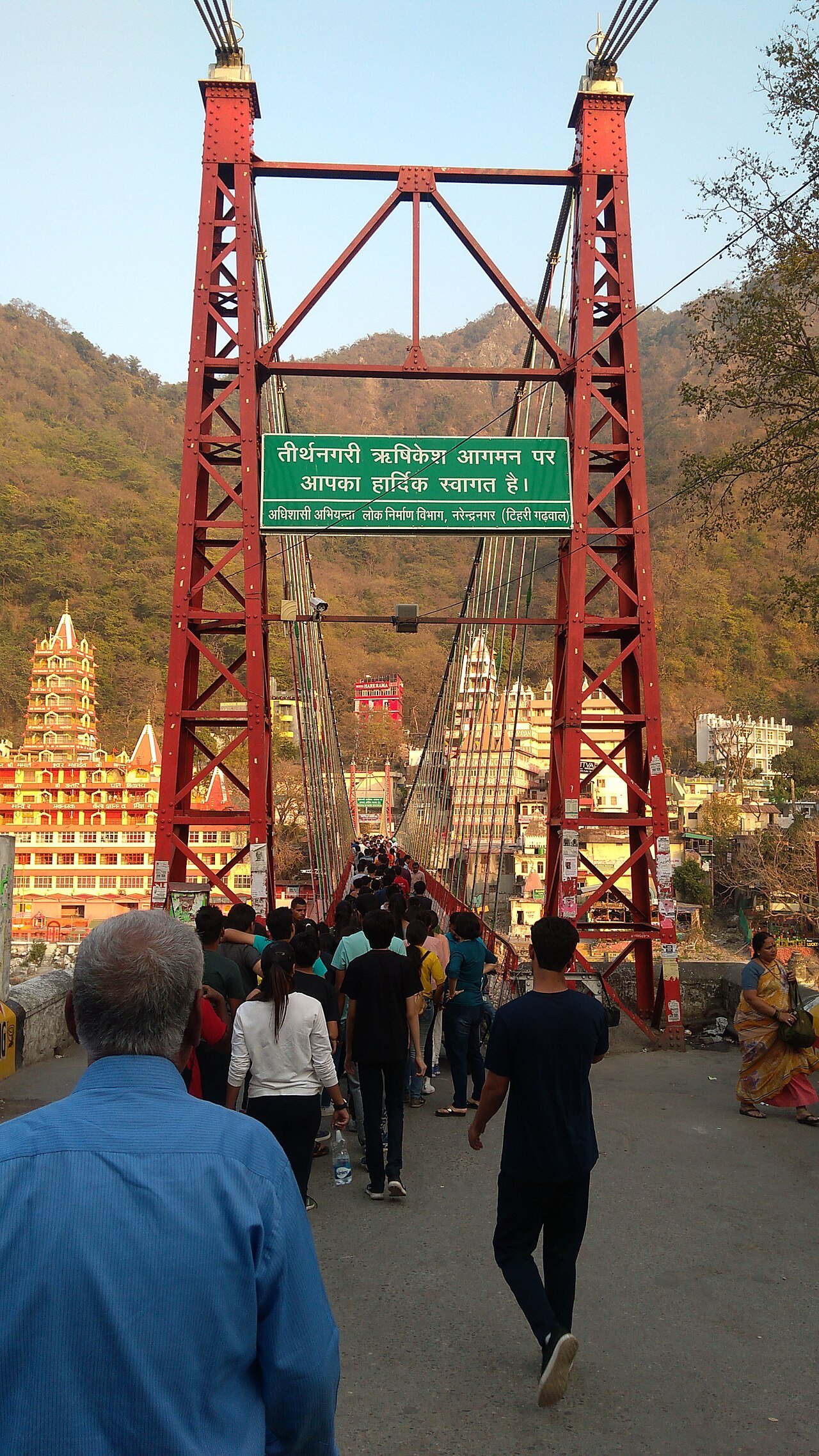
- Yoga: Rishikesh is the “yoga capital,” with ashrams and teacher-training courses.
- Ayurveda: Kerala is the home of authentic Ayurveda and Panchakarma treatments.
- Range: From affordable ashrams to luxury wellness resorts and Himalayan meditation centres.
- Best time: Kerala’s monsoon is ideal for Ayurveda; cooler months suit most retreats.
Part 1 of 8
Why choose a wellness retreat in India
India offers wellness in its most authentic form — yoga and Ayurveda were born here, and the country’s retreats range from spiritual ashrams to world-class spa resorts. A retreat lets you step away from daily stress to focus on your physical and mental health, whether through yoga, meditation, Ayurvedic healing, detox, or simply rest in beautiful natural surroundings. With deep traditions, skilled practitioners and settings from the Himalayas to the backwaters, India is one of the world’s great wellness destinations.
Yoga
Ashrams, classes and teacher training.
Ayurveda
Panchakarma and traditional healing.
Meditation
Vipassana and mindfulness retreats.
Spa & luxury
High-end wellness resorts.
Digital detox
Unplug and reset in nature.
Nature settings
Himalayas, backwaters and beaches.
Whether you seek spiritual depth, physical healing, stress relief or luxurious pampering, India’s wellness retreats offer an authentic, restorative escape tailored to every need and budget.
India is where wellness was born — yoga by the Ganga, Ayurveda in Kerala, meditation in the Himalayas, healing in its most authentic form.
Part 2 of 8
Types of wellness retreats
India’s wellness retreats come in several distinct types, so choose by what you need.
Yoga retreats: Centred on daily yoga and pranayama, from drop-in classes to intensive teacher-training courses, especially in Rishikesh.
Ayurveda retreats: Offering traditional treatments like Panchakarma (detox and rejuvenation), massages and herbal therapies under expert doctors, especially in Kerala.
Meditation retreats: Including silent Vipassana courses and mindfulness programmes for mental clarity and calm.
Luxury wellness resorts: Combining spa, yoga, healthy cuisine and nature in upscale comfort.
Pro tip
Be clear about your goal — yoga immersion, Ayurvedic healing, detox, or rest — and choose a retreat and length that match. For Ayurveda, pick a reputable, doctor-led centre, and for yoga teacher training, choose an accredited school.
Many retreats blend types — yoga plus Ayurveda, or meditation plus nature — so you can find a programme tailored to your wellness goals and experience level.
Part 3 of 8
Top wellness destinations in India
Different regions specialise in different kinds of wellness.
| Destination | Specialty | What to expect |
|---|---|---|
| Rishikesh | Yoga & meditation | The “yoga capital,” ashrams and Ganga-side serenity. |
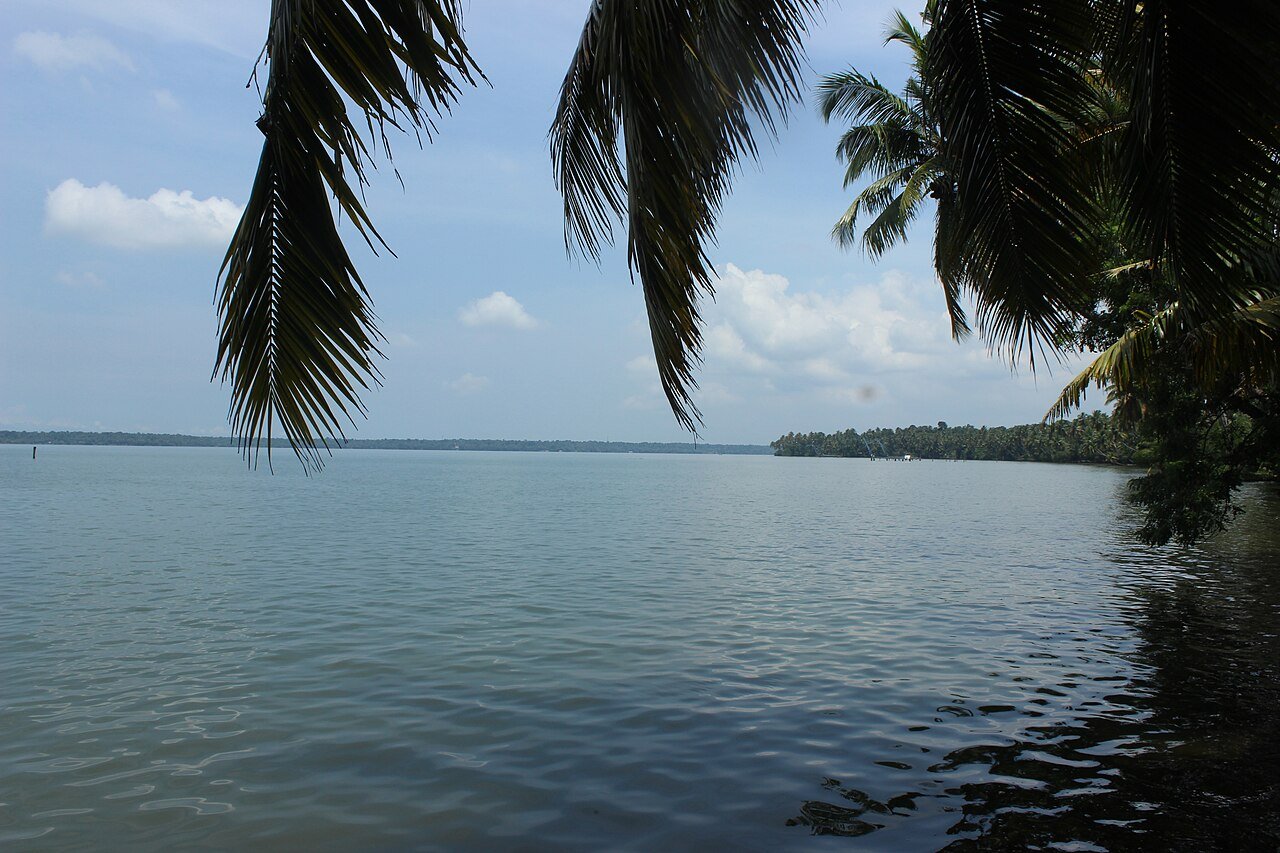
| Kerala | Ayurveda | Authentic Panchakarma and resorts amid backwaters and greenery. |
| Himalayas (Uttarakhand/Himachal) | Meditation & nature | Mountain retreats, silence and yoga in pristine settings. |
| Goa | Yoga & beach wellness | Beachside yoga shalas and holistic retreats. |
| Luxury resorts (various) | Spa & holistic | High-end wellness in beautiful locations nationwide. |
Rishikesh leads for yoga and spirituality, Kerala for authentic Ayurveda, the Himalayas for meditation and nature, and Goa for relaxed beach-and-yoga wellness, while luxury wellness resorts across the country offer pampering in stunning settings. Choose your destination to match your wellness focus.
Part 4 of 8
Costs and what to expect
India’s wellness retreats span a huge range, from affordable ashrams to luxury resorts. Here is a rough per-person, per-day guide for 2026.
| Style | Daily budget | What it covers |
|---|---|---|
| Budget/ashram | ₹1,000–3,000 | Ashram stay, yoga, simple sattvic meals, basic rooms. |
| Mid-range | ₹4,000–10,000 | Comfortable retreat, yoga/Ayurveda, healthy meals, treatments. |
| Luxury | ₹20,000+ | High-end wellness resort, spa, doctor-led programmes, fine wellness cuisine. |
Ashrams and yoga centres are remarkably affordable, often including accommodation, classes and vegetarian meals, while Ayurveda Panchakarma programmes and luxury resorts cost more, reflecting expert care and comfort. Expect early mornings, healthy (often vegetarian) food, digital-detox norms and structured schedules. Carry comfortable clothing and an open mind.
Good to know
For Ayurveda, choose reputable, doctor-led centres and disclose any health conditions, as treatments are personalised. For yoga teacher training, pick accredited schools. Respect ashram rules (early hours, simple food, no alcohol), and consult your doctor before intensive detox or fasting programmes.
Part 5 of 8
How to choose the right retreat
Choosing well ensures your retreat meets your needs and expectations.
Define your goal: Decide whether you want yoga immersion, Ayurvedic healing, meditation, detox or simply rest, and choose accordingly.
Check credentials: For Ayurveda, look for qualified doctors and genuine treatments; for yoga TTC, accredited schools; and read reviews carefully.
Match the setting and style: Consider whether you want a spiritual ashram, a comfortable retreat or a luxury resort, and a location (mountains, backwaters, beach) that suits you.
Consider length: Even a few days helps, but Ayurveda Panchakarma and deep yoga immersions benefit from 1–3 weeks.
Define your goal
Yoga, Ayurveda, meditation, detox or rest.
Check credentials
Qualified doctors and accredited schools.
Match the setting
Ashram, retreat or luxury; mountains or coast.
Plan the length
A few days to several weeks as needed.
Reading reviews, asking about daily schedules and confirming what is included help you pick a retreat that truly fits your wellness goals, budget and comfort level.
Part 6 of 8
Best time for wellness retreats
Timing depends on the type of retreat and region.
Kerala Ayurveda: The monsoon (June–September) is traditionally considered the best season for Panchakarma, as the cool, humid weather is believed to enhance treatments — and resorts often offer monsoon packages.
Rishikesh and the Himalayas: Spring and autumn (and pleasant summers in the hills) suit yoga and meditation; winters are cold but serene.
Goa and beach wellness: The dry season (November–March) is best for beachside yoga retreats.
General: The cooler months suit most retreats nationwide, though wellness is a year-round pursuit.
Pro tip
For authentic Kerala Ayurveda, consider the monsoon season and a programme of at least 1–2 weeks for Panchakarma to be effective. For yoga and meditation, spring and autumn offer the most comfortable conditions in the north.
Part 7 of 8
Practical tips for a wellness retreat
A few pointers help you get the most from a wellness retreat.
Be clear on goals
Match the retreat type to your needs.
Vet the centre
Credentials, reviews and what’s included.
Embrace the routine
Early hours, healthy food, digital detox.
Consult a doctor
Before intensive detox, fasting or Ayurveda.
To get the most from an Indian wellness retreat, first be clear about your goal — yoga, Ayurveda, meditation, detox or rest — and choose a retreat, location and length that match. Vet the centre carefully, checking credentials (qualified Ayurvedic doctors, accredited yoga schools), reading reviews, and confirming what is included.
Embrace the typical routine of early mornings, healthy vegetarian food, digital detox and structured schedules, and pack comfortable clothing and an open mind. Disclose health conditions and consult your doctor before intensive detox, fasting or Panchakarma, and respect ashram or retreat rules. For Ayurveda, allow enough time (often 1–2 weeks) and consider the monsoon season in Kerala. With the right choice, a wellness retreat in India offers deep, authentic renewal for body and mind.
Part 8 of 8
Frequently asked questions
Where are the best wellness retreats in India?
Rishikesh leads for yoga and meditation as the “yoga capital,” Kerala for authentic Ayurveda and Panchakarma, the Himalayas of Uttarakhand and Himachal for meditation and nature retreats, and Goa for beachside yoga. Luxury wellness resorts in beautiful settings nationwide offer high-end spa and holistic programmes.
What is the difference between yoga, Ayurveda and meditation retreats?
Yoga retreats centre on daily yoga and breathing practice (and sometimes teacher training); Ayurveda retreats offer traditional treatments like Panchakarma detox under doctors, especially in Kerala; and meditation retreats, including silent Vipassana, focus on mental clarity and calm. Many retreats blend these for a holistic experience.
How much does a wellness retreat in India cost?
It varies hugely. Budget ashrams and yoga centres run roughly ₹1,000–3,000 a day including stay, classes and meals, mid-range retreats ₹4,000–10,000, and luxury wellness resorts ₹20,000 plus. Ayurveda Panchakarma programmes and doctor-led care cost more, reflecting expert treatment and longer durations.
When is the best time for an Ayurveda retreat in Kerala?
The monsoon (June–September) is traditionally considered the best season for Panchakarma in Kerala, as the cool, humid weather is believed to enhance the treatments, and resorts often offer monsoon wellness packages. Allow at least one to two weeks for a Panchakarma programme to be effective.
How do I choose the right wellness retreat?
Define your goal (yoga, Ayurveda, meditation, detox or rest), then check credentials — qualified Ayurvedic doctors, accredited yoga schools — and read reviews. Match the setting and style (ashram, retreat or luxury; mountains, backwaters or beach) to your preferences, and choose a length suited to your aims.
Are wellness retreats suitable for beginners?
Yes. Many retreats welcome beginners, offering gentle yoga, introductory meditation and relaxing Ayurveda or spa programmes alongside more intensive options. Look for retreats that cater to your level, be open about your experience when booking, and start with a shorter or gentler programme if you are new to wellness travel.
What should I expect at an Indian ashram or retreat?
Expect early mornings, structured daily schedules of yoga, meditation or treatments, simple healthy (often vegetarian/sattvic) food, and digital-detox norms with no alcohol or smoking. Accommodation ranges from basic ashram rooms to luxury suites depending on the centre. Embrace the routine and simplicity for the fullest benefit.
Do I need to consult a doctor before a retreat?
For gentle yoga or rest, generally no, but for intensive detox, fasting or Ayurveda Panchakarma it is wise to consult your doctor and disclose any health conditions, as treatments are personalised. Choose reputable, doctor-led Ayurveda centres, and inform them of medications and conditions before any programme begins.
What is Panchakarma and how long does it take?
Panchakarma is Ayurveda’s signature detox-and-rejuvenation therapy, a set of cleansing treatments personalised by an Ayurvedic doctor to your body type and needs. To be effective it typically requires at least one to two weeks, including preparation, the main therapies and recovery. Choose a reputable, doctor-led Kerala centre and disclose your health conditions before starting.
Can I do a yoga teacher-training course in India?
Yes. India, especially Rishikesh, is one of the world’s top places for yoga teacher training (TTC), with many schools offering accredited 200-hour and 300-hour courses. Choose a reputable, accredited school, read reviews, and be prepared for an intensive few weeks of practice, theory and immersion. It is a popular way to deepen your practice and earn a recognised qualification.
The bottom line
As the birthplace of yoga and Ayurveda, India offers wellness retreats in their most authentic form — yoga ashrams in Rishikesh, Ayurveda resorts in Kerala, meditation centres in the Himalayas, beachside shalas in Goa and luxury wellness resorts nationwide. Define your goal, vet the centre’s credentials, match the setting and length to your needs, and embrace the healthy routine. Consider Kerala’s monsoon for Ayurveda and the cooler months elsewhere, consult your doctor before intensive programmes, and a wellness retreat in India will offer deep, restorative renewal for both body and mind.
Related reading
 Adventure Travel in India: Activities & How to Plan Safely
 Char Dham Yatra Registration: Rules & Planning (2026)
 Kedarnath Badrinath Itinerary: 6-Day Do Dham Yatra (2026)
Photos sourced from Wikimedia Commons under their respective Creative Commons licences. Retreat, cost and season details are indicative for 2026; confirm current programmes, credentials and prices before you book.