Tamil Nadu Temple Trail 7-Day Itinerary 2026 — Madurai, Thanjavur, Trichy, Kanchipuram & Rameswaram
Last updated: July 8, 2026
Tamil Nadu is the temple heartland of India — a land of soaring, sculpted gopurams, vast temple complexes, ancient Dravidian architecture and living traditions of worship, music and art stretching back over a thousand years. A 7-day temple trail takes you through its greatest sacred sites, from the Meenakshi Temple of Madurai and the mighty Brihadeeswarar of Thanjavur to the shore temples of Mahabalipuram and the island shrine of Rameswaram. Rich, spiritual and culturally immersive, it is a profound journey for Indian travellers.
This 2026 7-day temple trail itinerary lays out a practical route through Tamil Nadu’s sacred highlights, with tips on getting around, the best time to go, costs, where to stay and what not to miss.
- Getting there: Fly into Chennai or Madurai; trains and roads link the temple towns well.
- Best time: November to February for cooler, pleasant weather.
- This route: Chennai/Mahabalipuram → Chidambaram/Kumbakonam → Thanjavur → Madurai → Rameswaram, over 7 days.
- Don’t miss: Madurai’s Meenakshi Temple, Thanjavur’s big temple, Mahabalipuram and Rameswaram.
Part 1 of 8
Why a Tamil Nadu temple trail is special
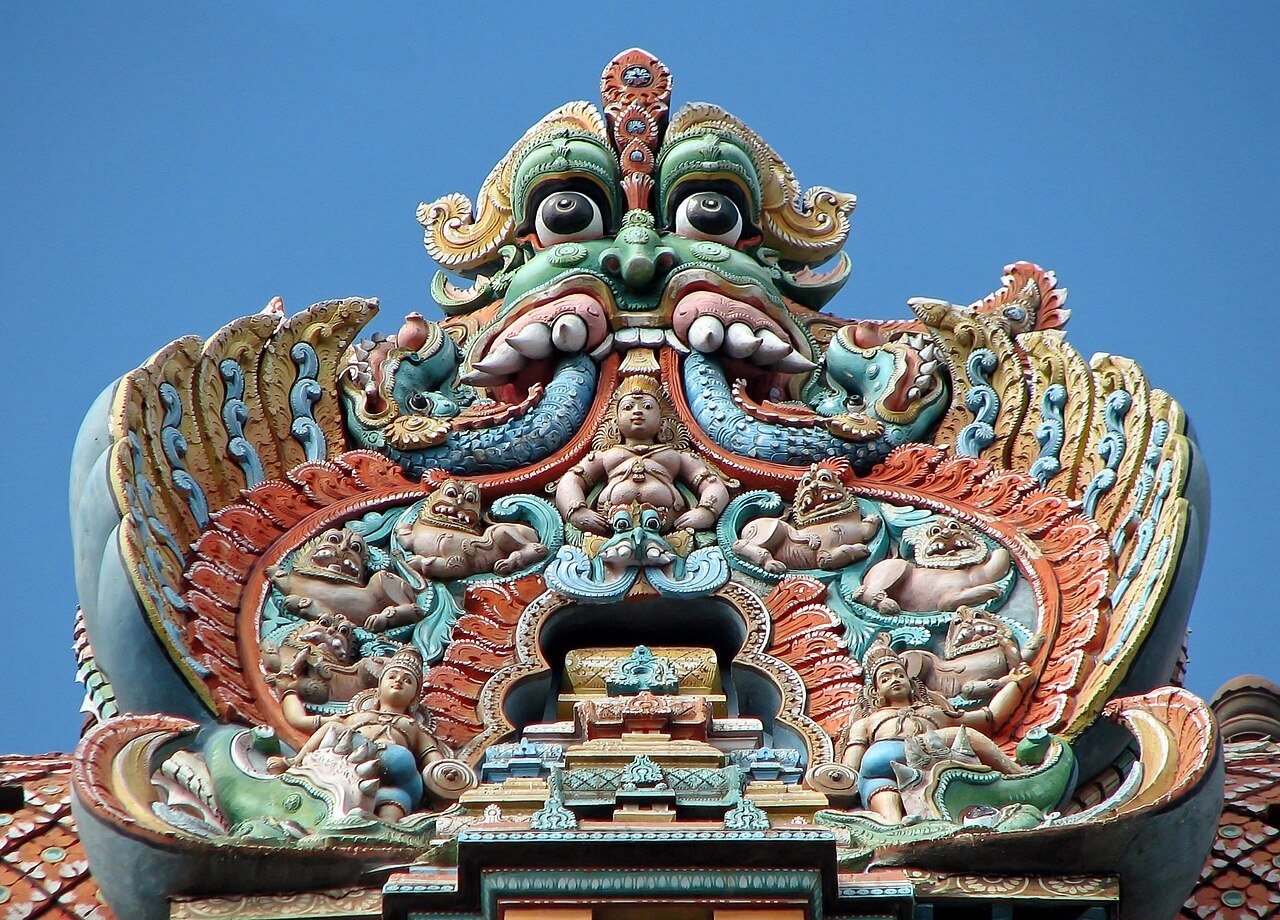
Tamil Nadu’s temples are not just monuments but living centres of devotion, art and community. Marvel at the towering, riotously colourful gopurams of the Meenakshi Temple in Madurai, the UNESCO-listed Chola masterpiece of Thanjavur’s Brihadeeswarar, the seaside shore temples of Mahabalipuram, the cosmic dance hall of Chidambaram, and the long pillared corridors of Rameswaram. Combined with classical music, temple rituals and superb vegetarian food, it is a deeply immersive cultural journey.
Madurai
The magnificent Meenakshi Amman Temple.
Thanjavur
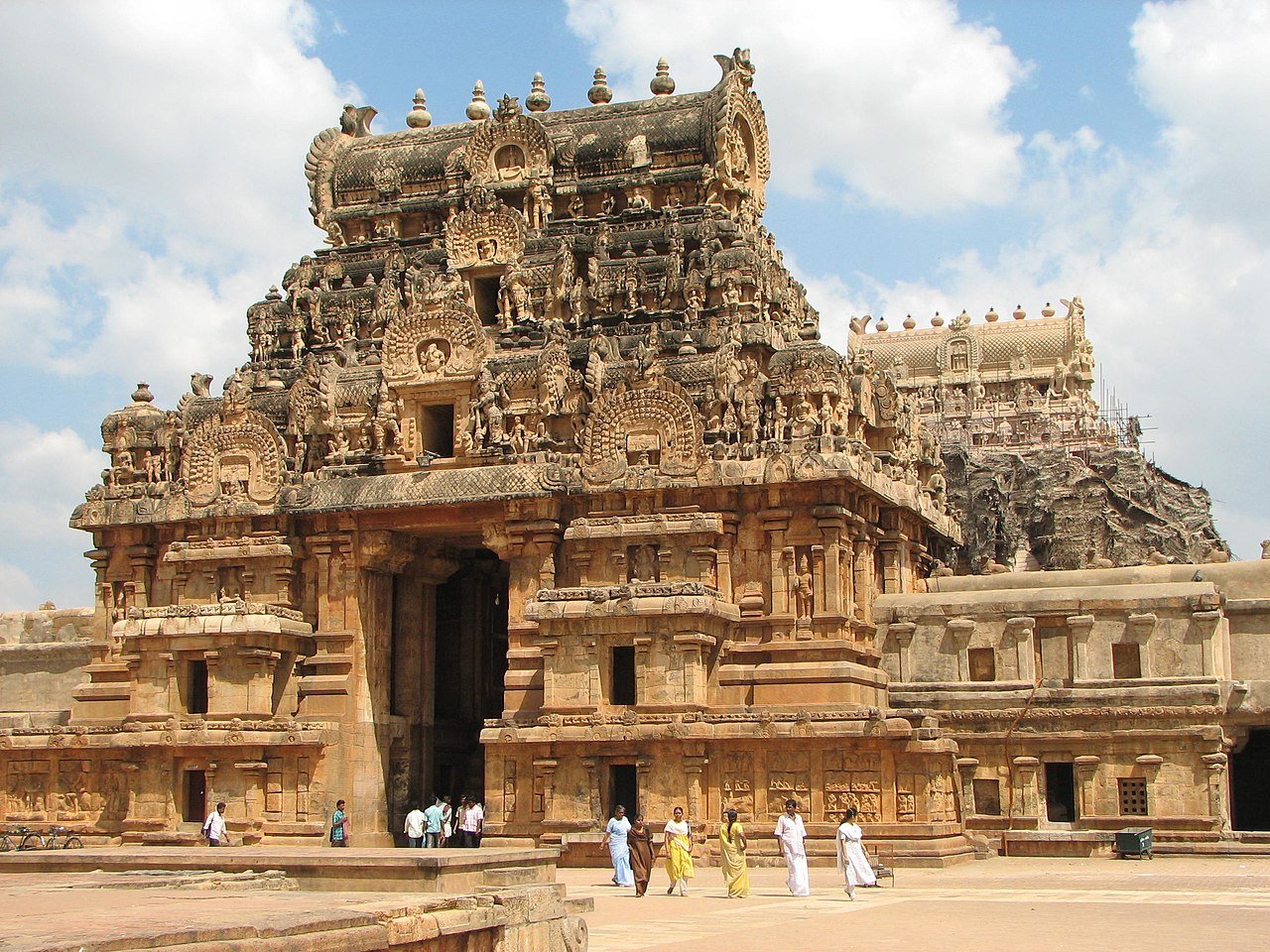
The UNESCO Chola-era Brihadeeswarar Temple.
Mahabalipuram
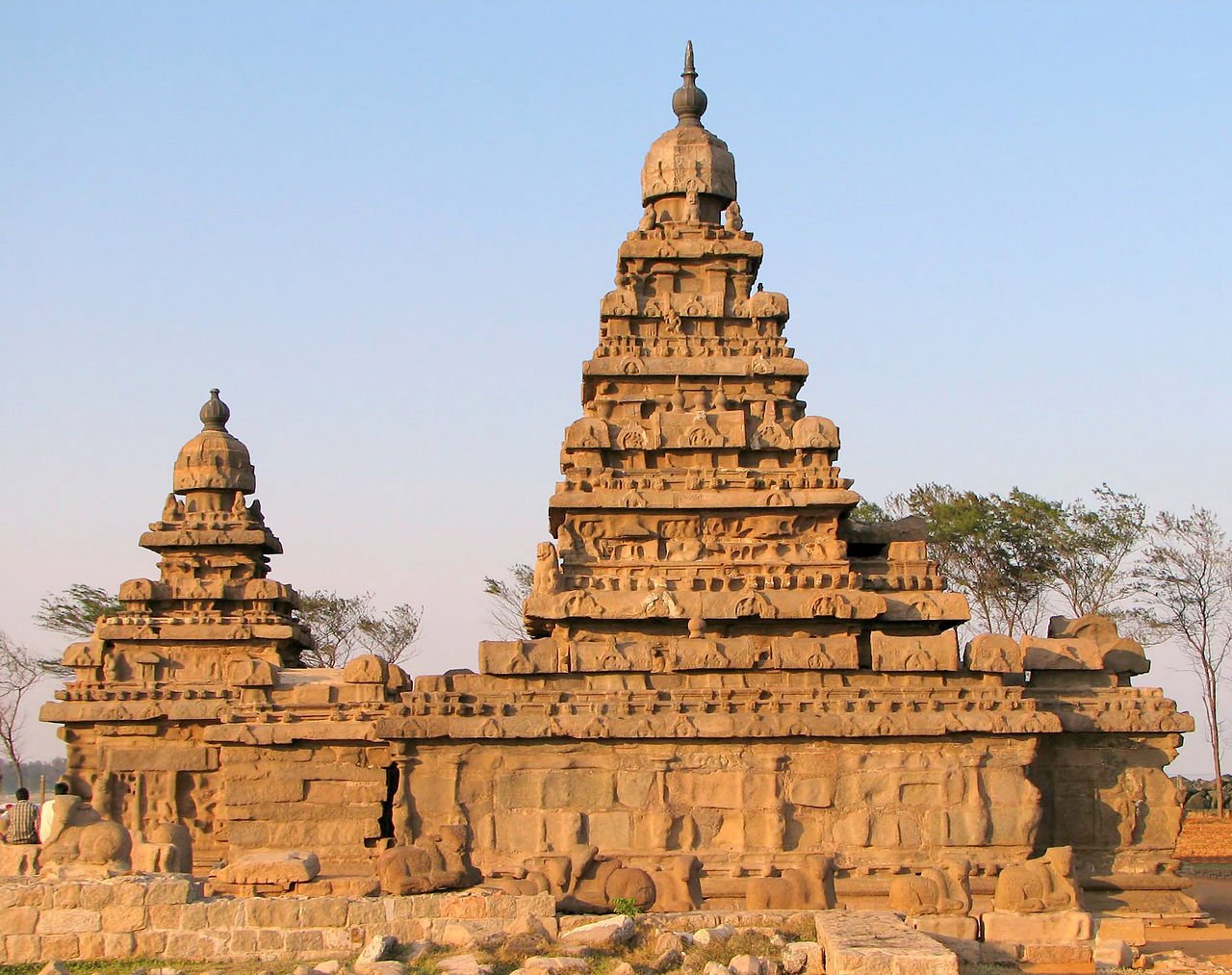
Seaside shore temples and rock carvings.
Chidambaram
The cosmic dance temple of Nataraja.
Rameswaram
Island shrine with vast pillared corridors.
Temple cuisine
Superb South Indian vegetarian food.
Whether you travel for faith, history, architecture or culture, a Tamil Nadu temple trail offers a profound and beautiful journey through one of the world’s great living religious traditions.
A Tamil Nadu temple trail is devotion in stone and colour — soaring gopurams, Chola masterpieces and living rituals a thousand years old.
Part 2 of 8
Getting there and around
Tamil Nadu’s temple towns are well connected by rail and road, ideal for a trail itinerary.
Getting there: Fly into Chennai to start from the north (near Mahabalipuram), or into Madurai for the southern temple cluster. Both are major airports with flights from across India.
Getting around: A hired car with driver is the most convenient way to follow the trail between temple towns, but Tamil Nadu also has an excellent, affordable train and bus network linking Chennai, Chidambaram, Kumbakonam, Thanjavur, Madurai and Rameswaram. Combine trains for long hops with local transport for sightseeing.
Pro tip
Hire a car with driver to follow the temple trail smoothly, or use the efficient trains for the longer legs. Hire knowledgeable local guides at the major temples to understand the rich symbolism, and visit early or in the evening for cooler temperatures and aarti.
Note: Temples can be busy and involve a lot of walking barefoot on stone, so plan visits early or late, and carry socks if the stone gets hot.
Part 3 of 8
Best time to do this itinerary
Tamil Nadu is warm year-round, so the cooler months are best for temple-hopping.
| Season | Months | What to expect |
|---|---|---|
| Peak/cool | Nov–Feb | The best time — pleasant and comfortable for temple visits and travel. |
| Hot | Mar–Jun | Very hot and humid, especially inland; start early and hydrate. |
| Monsoon | Oct–Dec | The northeast monsoon brings rain, mainly to the coast; temples stay open. |
| Festivals | varies | Temple festivals (like Chithirai in Madurai) add colour but big crowds. |
For comfortable temple-hopping, travel between November and February, when the weather is cooler and pleasant. The summer is punishingly hot inland, so start temple visits early. Major temple festivals, such as the Chithirai festival in Madurai (around April), are spectacular but draw huge crowds, so plan accordingly.
Part 4 of 8
Costs and budgeting
Tamil Nadu is very affordable, especially for a temple trail. Here is a realistic per-person, per-day guide for 2026, excluding transport to the state.
| Style | Daily budget | What it covers |
|---|---|---|
| Budget | ₹1,500–2,800 | Budget hotels and lodges, local food, trains and shared transport. |
| Mid-range | ₹4,000–7,500 | Good hotels, a car with driver, guides and nicer dining. |
| Comfort | ₹11,000+ | Heritage and premium hotels, private transport and curated experiences. |
A car with driver is the main transport cost but eases the trail; trains are very cheap for longer hops. Temple entry is usually free or nominal (special darshan queues may cost more), food is inexpensive and superb, and guides are affordable and worthwhile. Carry some cash for temple towns and offerings, though cards and UPI work in cities.
Good to know
Tamil Nadu is generally safe and welcoming. Dress modestly at temples (cover shoulders and legs; some require removing shirts for men at inner sanctums), remove footwear, and note non-Hindus may be restricted from certain inner areas. Walking is barefoot on stone, so plan for the heat, and respect rituals and photography rules.
Part 5 of 8
The 7-day Tamil Nadu temple trail, day by day
This route runs from the north coast down to the southern island shrine.
Day 1 — Chennai & Mahabalipuram: Arrive in Chennai, then the UNESCO shore temples, rock carvings and Arjuna’s Penance at Mahabalipuram.
Day 2 — Chidambaram & Kumbakonam: The Nataraja (cosmic dance) temple at Chidambaram and the temple-rich town of Kumbakonam (and nearby Darasuram).
Day 3 — Thanjavur: The magnificent UNESCO Brihadeeswarar Temple, a Chola masterpiece, plus the palace and art gallery.
Days 4–5 — Madurai: The spectacular Meenakshi Amman Temple, the evening aarti, the Thirumalai Nayakkar Palace and the vibrant city.
Days 6–7 — Rameswaram: Travel south to the sacred island of Rameswaram for the Ramanathaswamy Temple’s vast corridors and the Pamban bridge, before returning.
Extend: Add Kanyakumari (India’s southern tip) or Trichy’s Rock Fort and Srirangam temple.
Pro tip
Time your Madurai stay for the evening Meenakshi temple aarti, a moving experience. Start temple visits early to beat the heat and crowds, and carry socks, as the stone floors get very hot underfoot.
Part 6 of 8
Where to stay along the route
Choosing the right bases keeps this trail comfortable.
Mahabalipuram: Beachside hotels near the shore temples, an easy start from Chennai.
Kumbakonam/Thanjavur: Central hotels near the temples for the Chola heartland.
Madurai: Stay near the Meenakshi Temple for the aarti and old-city atmosphere.
Rameswaram: Hotels near the Ramanathaswamy Temple for early darshan and the island.
Mahabalipuram: beach
By the shore temples.
Thanjavur: central
Near the big temple.
Madurai: temple-side
For the evening aarti.
Rameswaram: near temple
For early darshan.
Book ahead around major temple festivals and peak season, and choose central, temple-side stays to make the most of early and evening visits.
Part 7 of 8
Practical tips for this temple trail
A few habits make this temple trail smoother and more respectful.
Dress modestly
Cover shoulders and legs; follow each temple’s rules.
Carry socks
Stone floors get hot for barefoot walking.
Use trains & a car
Trains for long hops, a car for the trail.
Hire guides
They reveal the rich symbolism and history.
A Tamil Nadu temple trail rewards respect and preparation. Dress modestly — cover shoulders and legs, and note some temples require men to remove shirts at inner sanctums and may restrict non-Hindus from certain areas. Remove footwear as required, carry socks for the hot stone floors, and follow photography rules inside.
Combine trains for the long hops with a car or local transport for the trail, hire knowledgeable guides to understand the symbolism, and start visits early to beat the heat and crowds. Travel between November and February for the most comfortable weather, carry some cash for offerings and temple towns, and embrace the superb South Indian vegetarian food. Done thoughtfully, this trail offers a profound and beautiful journey through India’s living temple traditions.
Part 8 of 8
Frequently asked questions
How do I plan a Tamil Nadu temple trail?
A classic 7-day route runs Chennai/Mahabalipuram → Chidambaram/Kumbakonam → Thanjavur → Madurai → Rameswaram, taking in the state’s greatest temples from the north coast to the southern island. Fly into Chennai or Madurai, and combine trains for long hops with a car for the trail.
When is the best time for a Tamil Nadu temple trail?
November to February offers the most comfortable weather for temple-hopping, with cooler, pleasant days. Summer is punishingly hot inland, so start visits early, while the October–December northeast monsoon brings rain mainly to the coast. Major temple festivals add colour but big crowds.
What should I wear when visiting Tamil Nadu temples?
Dress modestly — cover shoulders and legs, with traditional or conservative clothing preferred. Some temples require men to remove their shirts at inner sanctums, and footwear must be removed before entering. Carry socks for the hot stone floors, and check each temple’s specific dress and photography rules.
Can non-Hindus enter these temples?
Non-Hindus are welcome in most areas of Tamil Nadu’s temples, though some restrict entry to the innermost sanctums to Hindus only. Always observe posted rules and local customs, dress modestly, remove footwear, and be respectful of ongoing worship, and you will be warmly received at the vast majority of sites.
How much does a Tamil Nadu temple trail cost?
It is very affordable. Excluding transport to the state, budget travellers manage on roughly ₹1,500–2,800 a day, mid-range trips ₹4,000–7,500 including a car and guides, and comfort trips from ₹11,000. Temple entry is usually free or nominal, food is cheap, and trains keep transport costs low.
How do I get around for the temple trail?
A hired car with driver is the most convenient way to follow the trail between temple towns, but Tamil Nadu’s excellent, cheap trains and buses link Chennai, Chidambaram, Kumbakonam, Thanjavur, Madurai and Rameswaram well. Many travellers combine trains for long hops with local transport for sightseeing.
Which are the must-see temples in Tamil Nadu?
The Meenakshi Amman Temple in Madurai, the UNESCO Brihadeeswarar Temple in Thanjavur, the shore temples of Mahabalipuram, the Nataraja temple at Chidambaram, and the Ramanathaswamy Temple at Rameswaram are the headline sites. Srirangam (Trichy) and Kanyakumari make excellent additions if you have time.
Is Tamil Nadu good for vegetarian food?
Exceptionally so. Tamil Nadu is one of the most vegetarian-friendly regions in the world, famous for dosas, idlis, vadas, sambar, banana-leaf meals and filter coffee. Temple towns have excellent, cheap vegetarian eateries, so vegetarian and vegan travellers eat extremely well throughout the trail.
Can I shorten or extend this temple trail?
Yes. For a shorter trip, focus on Madurai and Thanjavur, or Chennai with Mahabalipuram and Kanchipuram. To extend, add Trichy’s Rock Fort and the vast Srirangam temple, Kanyakumari at India’s southern tip, or the hill temple town of Palani. The route is flexible, so tailor it to your time and interests while keeping the pace realistic.
What are temple festivals like, and should I plan around them?
Tamil Nadu’s temple festivals, such as Madurai’s Chithirai festival, are spectacular events with grand processions, decorated deities, music and huge gatherings of devotees. They offer an extraordinary cultural experience, but bring very large crowds and packed accommodation, so book well ahead and be prepared for long queues if you time your visit to coincide with one.
The bottom line
A Tamil Nadu temple trail is a profound journey through India’s living religious heart — the soaring gopurams of Madurai’s Meenakshi Temple, the Chola grandeur of Thanjavur’s Brihadeeswarar, the seaside shore temples of Mahabalipuram, and the island sanctity of Rameswaram. Fly into Chennai or Madurai, combine trains and a car, travel between November and February, and hire guides to unlock the symbolism. Dress modestly, carry socks for the hot stone, start early, and savour the superb vegetarian food, and Tamil Nadu will reward you with one of India’s richest cultural and spiritual experiences.
Related reading
 South Africa Travel Guide for Indians (2026)
 South Korea Travel Guide for Indians (2026)
 Italy Travel Guide for Indians: Visa, Costs & Itinerary
Photos sourced from Wikimedia Commons under their respective Creative Commons licences. Travel details are indicative for 2026; confirm timings, fares and temple rules before you travel.