Yogyakarta & Java Travel Guide for Indians 2026 — Borobudur, Prambanan & Cost
Last updated: July 8, 2026
Yogyakarta — affectionately “Jogja” — is the soul of Java and the cultural heart of Indonesia. Still ruled by a sultan, this graceful university city is the gateway to two of the world’s greatest temples: the colossal Buddhist stupa of Borobudur and the soaring Hindu spires of Prambanan, both UNESCO World Heritage Sites. Beyond the monuments, Jogja brims with batik workshops, silver craft, gamelan music, smoking volcanoes and a famously friendly, affordable streetlife. For Indian travellers it is an easy, visa-on-arrival escape that blends spectacular heritage with warm hospitality and remarkable value.
This 2026 guide for Indian travellers covers visas and how to get there, the best time to visit, what it costs, where to stay and eat, and how to plan a rewarding four-day trip across Jogja’s temples, palaces and volcanoes.
- Visa: Indians can get a Visa on Arrival (or e-VoA online) for Indonesia, valid 30 days and extendable.
- Getting there: No direct flights from India — connect via Singapore, Kuala Lumpur, Bangkok or Jakarta to Yogyakarta (YIA).
- Best time: April to October, the dry season, for the most comfortable sightseeing.
- Don’t miss: Borobudur at sunrise, the Prambanan complex, the Sultan’s Kraton and a Mount Merapi jeep tour.
Part 1 of 8
Why Yogyakarta belongs on your list
Few cities pack in as much as Jogja. Within an hour of the centre you can watch sunrise gild the world’s largest Buddhist temple, explore a vast Hindu temple complex dedicated to Shiva, tour a living royal palace, and bounce up a volcano’s flanks in a jeep. The city itself is creative and laid-back, with batik and silver traditions, a buzzing street-food scene and prices that stretch your budget a long way.
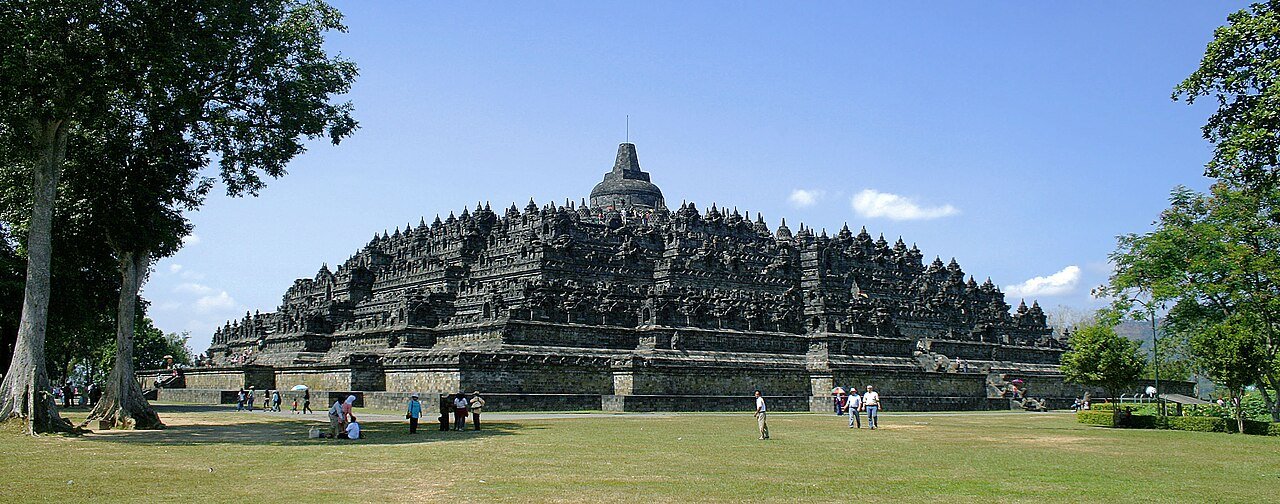
Borobudur
The world’s largest Buddhist temple, magical at sunrise above the morning mist.
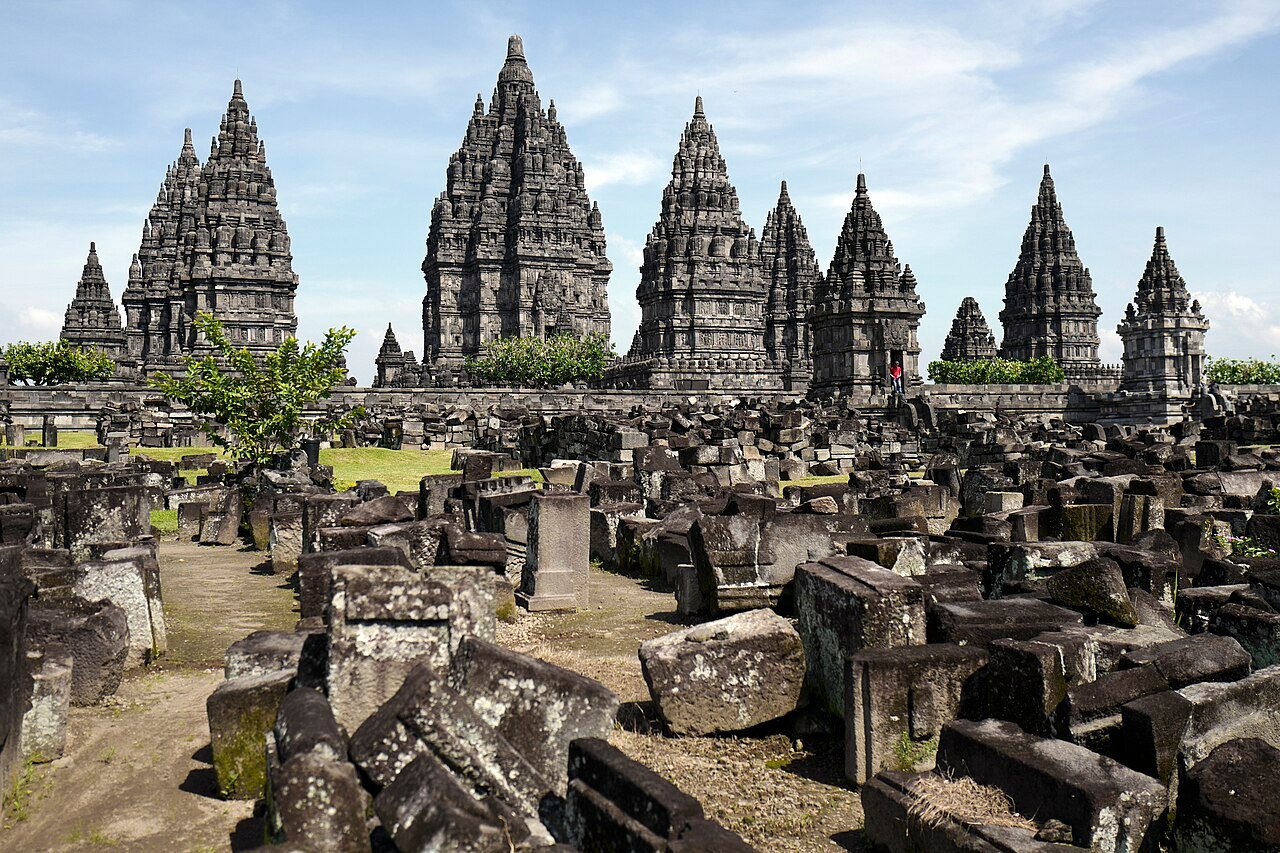
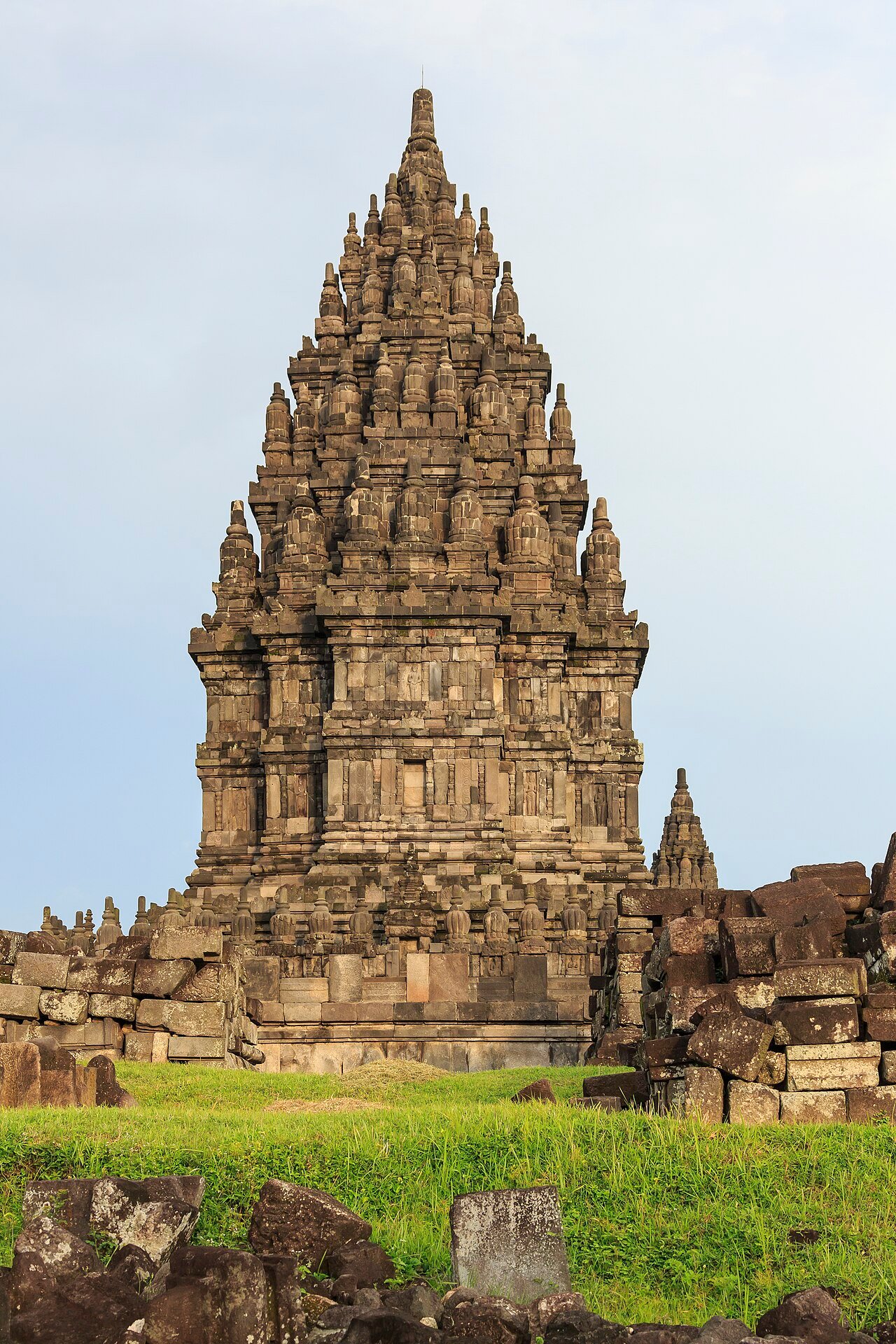
Prambanan
A dramatic 9th-century Hindu complex of soaring, intricately carved spires.
The Kraton
The Sultan’s living palace, with gamelan performances and Javanese court culture.
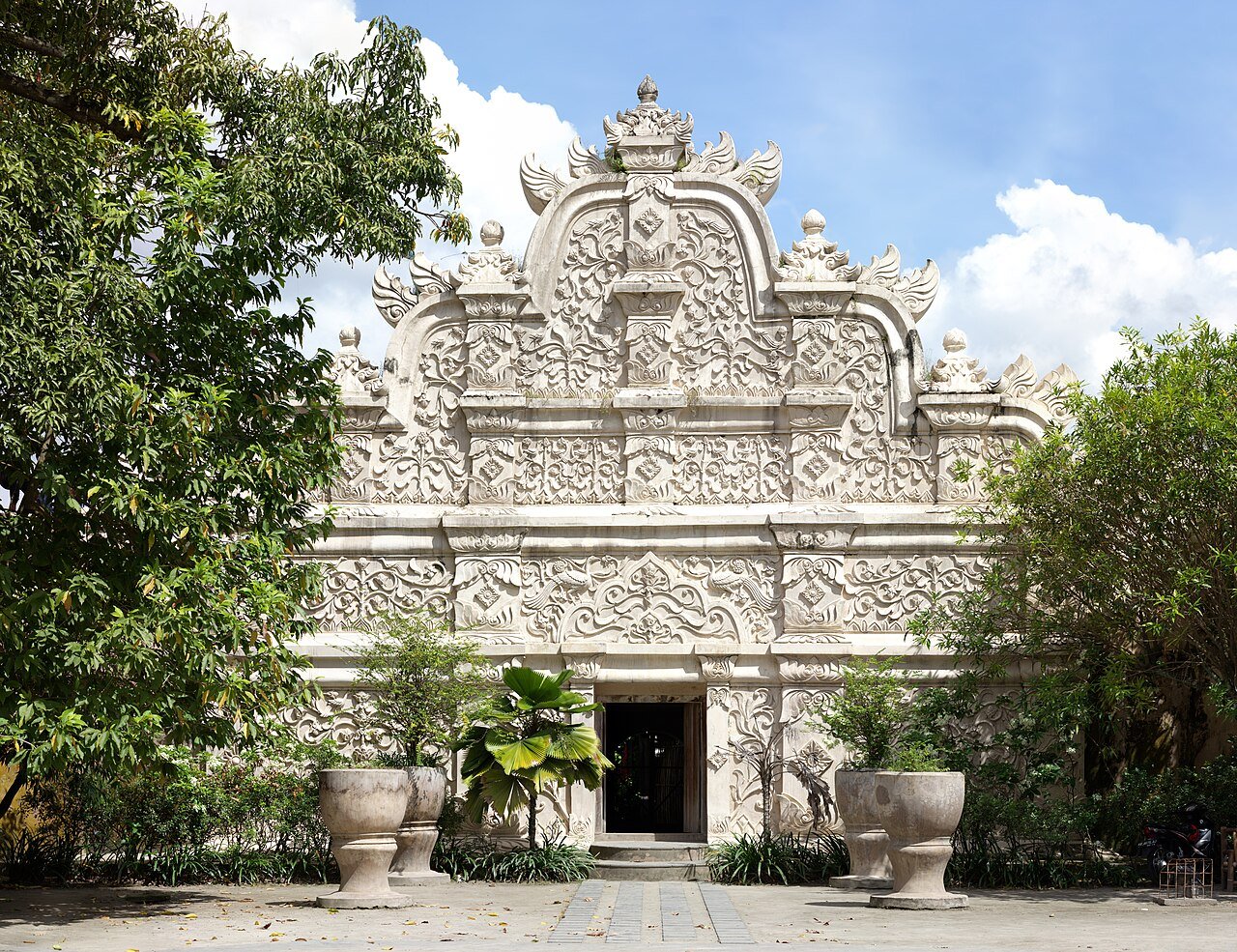
Taman Sari
The atmospheric royal water castle of pools, tunnels and bathing courts.
Mount Merapi
A thrilling jeep tour around one of Indonesia’s most active volcanoes.
Crafts & arts
Batik workshops, Kotagede silver and the Ramayana ballet under the stars.
Whether you are drawn by world-class heritage, volcanic adventure or creative culture, Yogyakarta delivers an exceptional and affordable slice of Indonesia beyond the beaches of Bali.
Jogja is Java distilled — sunrise over Borobudur, Shiva’s spires at Prambanan, a sultan’s palace and a smoking volcano, all in one easy, affordable base.
Part 2 of 8
Visas and getting to Yogyakarta
Indonesia is easy for Indians to enter, and while there are no direct flights, connections through Southeast Asian hubs are frequent and convenient.
Visa: Indian passport holders can obtain a Visa on Arrival (VoA) at major Indonesian airports, or apply for an electronic e-VoA online before travelling. It is typically valid for 30 days and extendable once for a similar period. You will need a passport valid for at least six months, proof of onward travel and the fee. Always confirm the latest rules before booking.
By air: Yogyakarta International Airport (YIA) at Kulon Progo handles international and domestic flights. Most travellers connect via Singapore, Kuala Lumpur, Bangkok or Jakarta. Flying into Bali or Jakarta first and adding a short domestic hop to Jogja is also popular.
Pro tip
Apply for the e-VoA online a few days before you fly to skip the airport queue, and keep digital and printed copies of your visa, onward ticket and hotel booking handy for immigration.
Getting around: Ride-hailing apps like Grab and Gojek are cheap and ubiquitous for getting around the city. For the temples and Merapi, hire a car with driver or join a tour, as the major sights lie outside the centre.
Part 3 of 8
Best time to visit Yogyakarta
Java has a tropical climate with distinct wet and dry seasons, so timing your visit around the drier months makes sightseeing far more pleasant.
| Season | Months | What to expect |
|---|---|---|
| Dry season | Apr–Oct | The best window — sunny, drier days ideal for temples, sunrise visits and volcano tours. |
| Peak dry | Jun–Aug | Comfortable and popular; book Borobudur sunrise slots and stays in advance. |
| Shoulder | Apr, May, Sep, Oct | Pleasant and quieter, with good weather and fewer crowds. |
| Wet season | Nov–Mar | Hot and humid with heavy afternoon downpours; lush but with cloudier sunrises. |
For the clearest skies and the best chance of a spectacular Borobudur sunrise, aim for the dry season from April to October. The wet season is still travel-worthy and greener, but pack a rain jacket and be prepared for cloudier mornings and the occasional washed-out viewpoint.
Part 4 of 8
Costs and budgeting for Indians
Yogyakarta is wonderfully affordable, even by Southeast Asian standards. Here is a realistic per-person, per-day guide for 2026.
| Style | Daily budget | What it covers |
|---|---|---|
| Backpacker | $20–35 | Hostel or guesthouse, ride-hailing and shared tours, street food and local warungs. |
| Mid-range | $45–80 | Boutique hotel, a car with driver for the temples, guided tours and good meals. |
| Premium | $120+ | Luxury resort, private guide, sunrise temple experiences and fine dining. |
Food, transport and accommodation are all cheap, so the main planned costs are the temple entry tickets — Borobudur and Prambanan are the priciest single items, especially the timed sunrise or upper-terrace access at Borobudur. Carry Indonesian rupiah, as while cards work in hotels and malls, cash is needed for warungs, markets, drivers and smaller sites.
Good to know
Yogyakarta is safe and friendly, but use the metered ride-hailing apps to avoid taxi overcharging, and politely decline overly pushy batik “gallery” touts near the Kraton and Malioboro.
Part 5 of 8
Where to stay, what to eat and top experiences
Where to stay: Most travellers base themselves around Malioboro and the city centre for easy access to food, shopping and the Kraton, or in the leafier Prawirotaman area known for its boutique stays and cafés. Staying central keeps you close to the nightlife and makes temple day trips simple.
What to eat: Don’t miss gudeg, Jogja’s signature sweet jackfruit stew, along with nasi goreng, satay, soto soups and the local bakpia pastries. As a Muslim-majority region, halal food is everywhere, and vegetarians can find tofu, tempeh and vegetable dishes, though it helps to specify “no meat” clearly.
Borobudur sunrise
Watch dawn break over the great stupa and surrounding volcanoes.
Ramayana ballet
See the epic performed against the floodlit Prambanan temples.
Batik workshop
Try your hand at Java’s celebrated wax-resist textile art.
Merapi jeep tour
Explore the volcano’s lava fields and viewpoints by 4×4.
For more, wander Malioboro Street’s markets, explore the Kotagede silver quarter, or venture to the dramatic Jomblang Cave with its famous shaft of “heavenly light”.
Part 6 of 8
A 4-day Yogyakarta itinerary
Four days let you cover both great temples, the city’s royal heart and a volcano adventure at a comfortable pace.
Day 1 — City and culture: Explore the Sultan’s Kraton, the Taman Sari water castle and the Kotagede silver workshops, then dive into the street food and shopping along Malioboro in the evening.
Day 2 — Borobudur: Rise early for a Borobudur sunrise or morning visit, take time to absorb the carvings and stupas, then visit nearby Mendut and Pawon temples before relaxing back in town.
Day 3 — Prambanan: Spend the day at the Prambanan complex and its surrounding temples, returning in the evening for the open-air Ramayana ballet against the floodlit spires.
Day 4 — Merapi and beyond: Take a morning Mount Merapi jeep tour, then add Jomblang Cave or a batik class before your onward journey.
Pro tip
Access to Borobudur’s upper terraces is now limited to timed, guided slots with capped numbers, so book your sunrise or temple-climb tickets online well in advance, especially in the busy dry season.
Part 7 of 8
Practical tips for Indian travellers
A little planning makes a Jogja trip seamless, particularly around tickets, transport and local customs.
Pre-book temples
Reserve Borobudur sunrise and upper-terrace slots online ahead of time.
Carry rupiah
Cash is needed for warungs, markets and drivers; cards work in hotels and malls.
Use Grab & Gojek
The ride-hailing apps are cheap, metered and the easiest way around town.
Dress respectfully
Cover shoulders and knees at temples and the Kraton; bring a sarong for some sites.
Yogyakarta is one of Indonesia’s safest and most relaxed cities, well suited to families, couples and solo travellers alike. The main annoyances are minor — taxi overcharging, which the ride-hailing apps solve, and persistent batik-gallery touts near the tourist areas, which a polite no handles. Drink bottled water, protect yourself from the strong equatorial sun, and as in any Muslim-majority region, dress and behave modestly, especially during prayer times and at religious sites.
Yogyakarta also combines beautifully with the rest of Indonesia and the region. It pairs naturally with Bali for a temples-and-beaches trip, with Jakarta as an entry point, or with a wider Southeast Asia route through Singapore and Malaysia. Building one of these in turns a focused cultural visit to Jogja into a fuller and more varied island-hopping adventure.
Part 8 of 8
Frequently asked questions
Do Indians need a visa for Yogyakarta (Indonesia)?
Indian passport holders can obtain a Visa on Arrival at major Indonesian airports, or apply for an e-VoA online before travel. It is usually valid for 30 days and extendable once. Carry a passport valid six months, onward-travel proof and the fee, and check current rules first.
How do I reach Yogyakarta from India?
There are no direct flights, so connect via Singapore, Kuala Lumpur, Bangkok or Jakarta to Yogyakarta International Airport (YIA). Many travellers also fly into Bali or Jakarta and take a short domestic hop to Jogja.
When is the best time to visit?
The dry season from April to October offers the most comfortable weather and the clearest Borobudur sunrises. The November–March wet season is greener but hot, humid and prone to heavy afternoon rain.
Do I need to book Borobudur tickets in advance?
Yes, especially for sunrise or to climb the upper terraces, which are now limited to timed, guided slots with capped numbers. Book online ahead of your visit, particularly in the busy dry season.
Is Yogyakarta cheap to travel?
Very. Food, accommodation and transport are all inexpensive, with the main costs being the temple entry tickets. It is one of the best-value cultural destinations in Southeast Asia for Indian travellers.
Is Yogyakarta safe and good for families?
Yes. It is one of Indonesia’s safest, most relaxed cities and suits families, couples and solo travellers. Use ride-hailing apps to avoid overcharging and decline pushy touts politely near the main sights.
Can vegetarians eat well in Yogyakarta?
Yes. Halal food is everywhere, and vegetarians can enjoy tofu, tempeh, vegetable dishes and fried rice or noodles. Specify “no meat” clearly, as some dishes use small amounts of meat or fish stock.
What can I combine with a Yogyakarta trip?
Jogja pairs well with Bali for a temples-and-beaches holiday, with Jakarta as an entry point, and with a wider Southeast Asia route through Singapore and Malaysia for a varied multi-stop trip.
The bottom line
Yogyakarta is the cultural high point of any Indonesia trip — a city where two of the world’s greatest temples, a living royal court and an active volcano sit within easy reach of a friendly, affordable base. Sort your visa on arrival, come in the dry season, pre-book your Borobudur sunrise, and lean into the city’s creative, laid-back charm. Do that, and Jogja will reward you with one of Southeast Asia’s richest and best-value heritage experiences.
Related reading
 Bangkok Pattaya Itinerary: 5-Day Thailand Plan (2026)
 Jodhpur Itinerary: 2-Day Blue City Plan (2026)
 Pondicherry Itinerary: 2-3 Day French Riviera Plan (2026)
Photos sourced from Wikimedia Commons under their respective Creative Commons licences. Visa, flight and ticketing details are indicative for 2026; confirm current visa rules and temple-access bookings before you travel.