Best Carry-On Luggage Guide 2026 — How to Choose & Pack Smart
Last updated: June 29, 2026
Travelling with only carry-on luggage is one of the smartest moves a traveller can make, saving you checked-baggage fees, eliminating the wait at baggage carousels, removing the risk of lost luggage, and letting you breeze straight out of the airport on arrival. With the right bag and packing strategy, it is entirely possible to travel for a week or even longer with just a cabin bag, and once you experience the freedom of travelling light, it is hard to go back to lugging heavy checked suitcases around.
This guide covers everything you need to know about carry-on luggage — understanding airline size and weight rules, choosing between hard and soft shells and between suitcases and backpacks, the features that matter, and crucially how to pack efficiently to fit a surprising amount into a small bag. Whether you want to avoid baggage fees on budget airlines or simply enjoy the convenience of travelling light, mastering carry-on travel will make your journeys cheaper, faster and far less stressful.
Why Travel with Carry-On Only
The benefits of travelling carry-on only are substantial. You save money by avoiding checked-baggage fees, which can be significant especially on budget airlines, and you save time by skipping baggage drop-off and the often lengthy wait at the carousel on arrival, walking straight out of the airport instead. You also eliminate the anxiety and disruption of lost or delayed luggage, since your bag stays with you throughout the journey.
Beyond the practical savings, travelling light is liberating: a smaller, lighter bag is easier to carry through airports, onto public transport, up stairs and along streets, making the whole journey less of a physical burden. It also forces you to pack only what you truly need, simplifying decisions and reducing clutter. Once travellers experience these advantages, many become committed carry-on-only converts, finding that less luggage genuinely means more freedom.
Understanding Airline Size and Weight Rules
The most important thing about carry-on luggage is that it must comply with your airline’s cabin baggage rules, which vary considerably between airlines and especially with budget carriers that enforce limits strictly. There is no single universal standard, though many full-service airlines allow a cabin bag around 55x40x20 centimetres, plus often a small personal item; budget airlines may allow smaller dimensions or charge for larger cabin bags.
Weight limits also vary and are strictly enforced by some airlines, so always check both the size and weight allowance for your specific airline and fare class before you travel, as exceeding them can mean expensive fees or being forced to check your bag at the gate. When buying carry-on luggage, choose a size that fits the strictest airlines you fly with, and be aware that some bags marketed as cabin-sized are actually slightly oversized.
Hard Shell vs Soft Shell
A key choice is between hard-shell and soft-shell carry-on luggage, each with advantages. Hard-shell cases, made of materials like polycarbonate, offer better protection for fragile contents, are often more water-resistant and easier to clean, and have a sleek, modern look, though they cannot expand or squeeze into tight spaces and can scratch. They suit travellers carrying delicate items or wanting maximum protection.
Soft-shell cases and bags are more flexible, often lighter, can squeeze into tight overhead bins or under seats, and frequently have external pockets for easy access and some expandability, though they offer less protection and water resistance. The choice comes down to your priorities: protection and looks versus flexibility and accessibility. Many frequent carry-on travellers favour lightweight soft-shell bags or backpacks for their squeezability and external pockets, but both types work well.
Suitcase vs Backpack for Carry-On
Within carry-on options, you can choose a wheeled suitcase or a travel backpack, each suiting different styles. Wheeled cabin suitcases are easy to roll through airports and on smooth surfaces, kind to your back, and keep clothes neat, making them ideal for business trips and travel that is mostly on even ground. They are the go-to for many travellers who prioritise ease and a tidy, professional look.
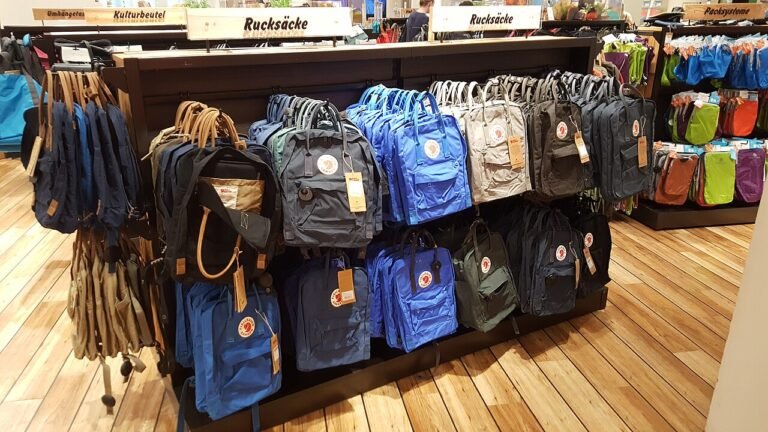
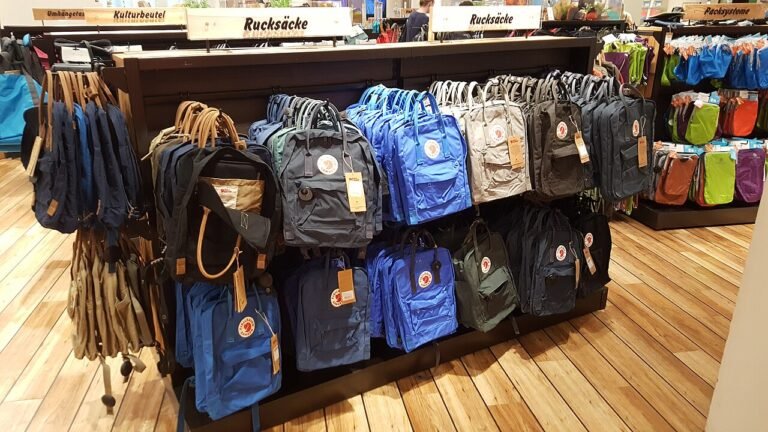
Carry-on travel backpacks, by contrast, keep your hands free and handle stairs, cobblestones, public transport and uneven terrain far better, making them ideal for multi-city and active trips. There are also hybrid wheeled backpacks. The best choice depends on how much walking and rough terrain your trips involve versus how much you value the ease of wheels. Some travellers own both and choose per trip, but matching the bag to your typical journeys is key.
Features to Look For
Several features make carry-on luggage better. For wheeled cases, four spinner wheels offer easy manoeuvrability in all directions, while sturdy two-wheel designs can be more durable on rough ground; a smooth, sturdy telescopic handle and quality, durable zippers (a common failure point) are essential. Look for a well-organised interior with compartments and compression straps to keep contents secure and maximise space.
Other valuable features include light weight (since the bag’s own weight eats into your allowance), durability and quality construction, lockable zippers for security, external pockets for quick access to essentials (on soft-shell bags and backpacks), and a good warranty. For backpacks, a comfortable harness and suitcase-style opening matter. Prioritise the features that suit your travel style, but durability, light weight and a usable, well-organised interior benefit almost every traveller.
How to Pack a Week in a Carry-On
Packing a week or more into a carry-on is very achievable with the right approach. Plan a versatile, mix-and-match wardrobe in a coordinated colour palette so every item works together, choosing lightweight, quick-drying and wrinkle-resistant fabrics, and commit to doing laundry on longer trips rather than packing more clothes. Lay everything out and then ruthlessly cut what you do not truly need, as most people pack far more than they use.
Use packing cubes to organise and compress clothing, roll garments to save space and reduce wrinkles, wear your bulkiest items (like jackets and heavy shoes) on the plane rather than packing them, and decant toiletries into travel-sized containers within liquid limits. Fill shoes with small items, use every gap, and keep a small foldable bag for shopping or laundry. With these techniques, a carry-on holds far more than most people imagine.
Mastering Liquids and Toiletries Rules
The cabin liquids rule is one of the main challenges of carry-on-only travel, and understanding it prevents problems at security. The widely applied rule limits liquids, gels, creams and pastes to containers of 100 millilitres or less, all fitting within a single transparent, resealable bag of around one litre, presented separately at security. This includes toiletries, cosmetics, and items you might not think of as liquids, like toothpaste and certain foods.
To manage this, decant your toiletries into small reusable travel bottles, choose solid alternatives where possible (such as solid shampoo bars, bar soap and solid toothpaste, which do not count as liquids), and buy larger toiletries at your destination if needed. Keep your liquids bag easily accessible for security screening. Medications and baby items often have exceptions but may need declaring. Mastering these rules is essential to smooth, hassle-free carry-on-only travel.
What to Keep Accessible
Smart organisation of your carry-on includes keeping certain items easily accessible. Your travel documents, passport, boarding pass, wallet, phone and any essential medication should be in an outer pocket or a small personal item bag for quick access through the airport and security, not buried deep in your main bag. Your liquids bag and any electronics that must be screened separately should also be easy to reach at security.
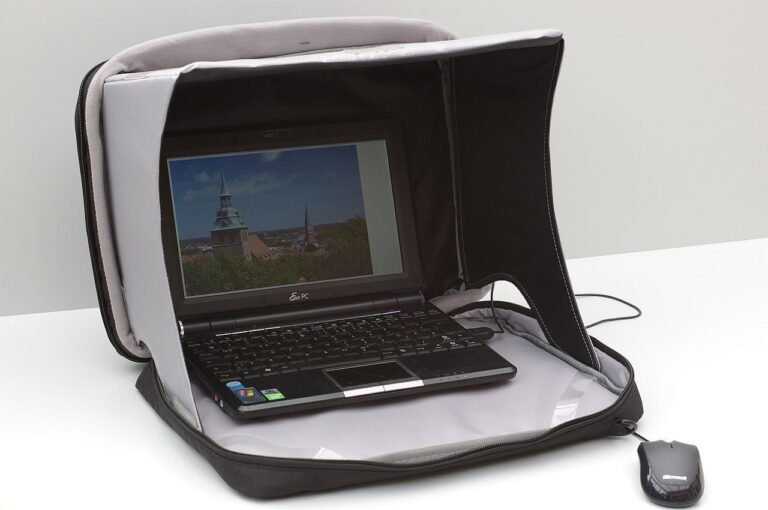
A small personal item — a daypack, tote or laptop bag that fits under the seat — is invaluable for holding these essentials plus items you want during the flight, like a book, snacks, headphones, a refillable water bottle (filled after security) and a light layer. Keeping these well organised means you move through the airport smoothly and have what you need to hand throughout the journey, without rummaging through your main carry-on.
Common Carry-On Mistakes
Several common mistakes trip up carry-on travellers. Buying a bag that is slightly oversized for your airline’s limits is a frequent and costly error, as is ignoring the weight allowance, which some airlines enforce strictly. Overpacking despite the limited space, then struggling to close the bag or being forced to check it, defeats the purpose, as does forgetting the liquids rule and having items confiscated at security.
Other pitfalls include packing valuables or essential medication in a bag that might be gate-checked if the cabin fills up, not checking the specific rules for each airline on a multi-airline trip, and choosing a heavy bag whose own weight eats into the allowance. Being aware of these mistakes — and checking your airline’s exact rules, weighing your packed bag, and respecting the liquids limits — ensures your carry-on travel stays smooth and fee-free.
Tips for Stress-Free Carry-On Travel
To make carry-on-only travel effortless, always check your specific airline’s size and weight rules before each trip and pack to the strictest limits you will face, weighing your packed bag at home to be sure. Invest in a quality, lightweight bag that fits the rules, use packing cubes and a capsule wardrobe approach, and embrace solid toiletries to sidestep liquid limits. Keep documents and essentials in an accessible personal item.
Build a reusable packing list so you do not forget essentials or overpack, leave a little space for purchases, and arrive at the airport prepared to move through security smoothly with your liquids and electronics accessible. With practice, packing carry-on only becomes second nature, and the rewards — saving money, time and stress while enjoying the freedom of travelling light — make it well worth mastering for almost any trip.
Frequently Asked Questions
What size is carry-on luggage? It varies by airline, but many full-service carriers allow around 55x40x20 cm plus a personal item, while budget airlines may be smaller or stricter. Always check your specific airline’s rules.
Can I travel for a week with only carry-on? Yes. With a versatile capsule wardrobe, packing cubes, quick-drying fabrics and a willingness to do laundry, a week or more in a carry-on is very achievable.
Is hard shell or soft shell carry-on better? Hard shell offers better protection and water resistance; soft shell is more flexible, often lighter, squeezes into tight bins and has external pockets. Both work well depending on your priorities.
What are the liquid rules for carry-on? Liquids, gels and pastes must be in containers of 100 ml or less, fitting in a single transparent one-litre resealable bag. Solid toiletries like shampoo bars avoid the limit.
How do I avoid carry-on baggage fees? Choose a bag within your airline’s exact size and weight limits, pack light, and check the rules for each airline you fly, as budget carriers in particular enforce limits strictly.
Mastering carry-on-only travel is one of the most rewarding skills a traveller can develop, saving money and time while granting the freedom of moving lightly through the world. Choose a quality bag that fits your airline’s rules and your travel style, master the liquids regulations and a capsule-wardrobe packing approach, and keep your essentials accessible — and you will wonder why you ever struggled with heavy checked luggage in the first place.
Choosing the Right Personal Item
Alongside your main carry-on, the personal item — the smaller bag most airlines allow in addition — is an underrated tool for travelling light effectively. Typically a daypack, tote, laptop bag or large handbag that fits under the seat in front of you, it holds the essentials you want during the flight and quick access to documents, electronics and valuables. Choosing it well effectively expands your usable carry-on capacity while keeping important items close.
Look for a personal item that maximises the allowed under-seat dimensions, has good organisation for documents, a laptop or tablet, chargers, snacks and a water bottle, and is comfortable to carry around your destination as a daypack. A packable daypack that folds away is a popular choice for those whose main carry-on is a suitcase. Used thoughtfully, the personal item is not just extra space but a vital part of an organised, efficient and stress-free carry-on travel system.
Carry-on size limits, weight allowances and liquid rules vary by airline and change over time. This guide offers general, brand-neutral advice; always verify the current cabin baggage and security rules for your specific airline and route before travelling.
Related reading: Camera Gear for Travel Photography 2026 — What to Pack & How to Choose · Carry-On Liquid & Battery Rules: Pack to Pass Security · Best Luggage & Suitcases for Travel 2026 — Cabin to Check-In Buying Guide