Lakshadweep Travel Guide 2026 — Islands, Permits, Best Time & Tips
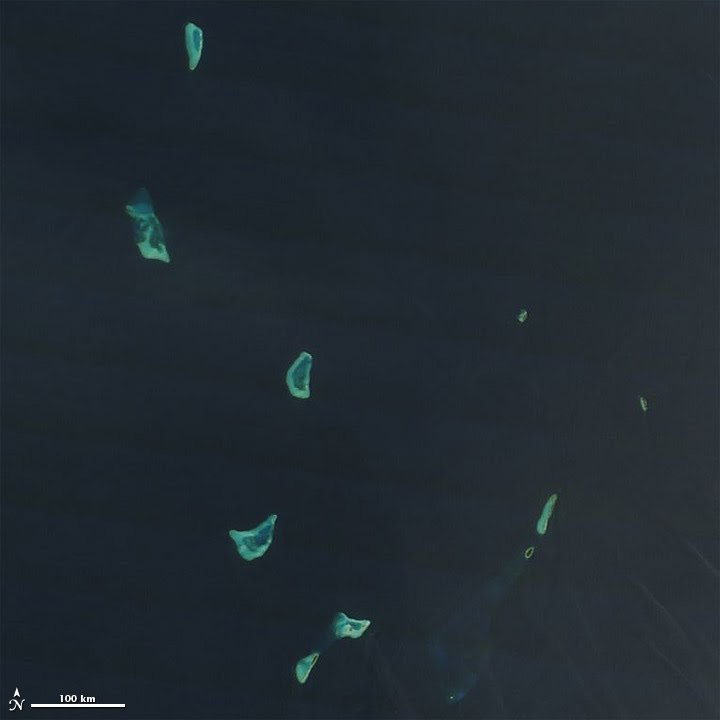
Lakshadweep is India’s best-kept secret — an archipelago of 36 coral islands scattered across the Arabian Sea, fringed by blinding white sand, ringed by turquoise lagoons, and home to some of the most pristine coral reefs in the country. With only a handful of islands open to tourists and strict limits on visitor numbers, it remains blissfully uncrowded — a Maldives-like paradise without leaving India, no passport or forex required. This guide covers the permits you need, the best time to visit, how to reach Lakshadweep, the islands open to tourists, things to do, where to stay, food, a sample plan, budget and practical tips.
Why visit Lakshadweep
Lakshadweep offers world-class lagoons and reefs, superb snorkelling and scuba diving, and a tranquil, untouched feel that’s increasingly rare. Because tourism is tightly regulated to protect the fragile ecosystem, the islands never feel crowded, and the marine life — coral gardens, reef fish, turtles, rays — is spectacularly healthy. For Indian travellers it’s a rare chance to experience castaway-style island beauty within the country, at lower cost and hassle than an overseas beach trip.
Permits: essential before you go
Every visitor to Lakshadweep — Indian and foreign — needs an entry permit, arranged in advance (Indians apply through the official process, often via tour operators or the online permit system, with ID and photos; foreign nationals have additional restrictions). Tourism is largely package-based through approved operators and the tourism corporation, especially for the resort islands, so most travellers book a package that includes permits, transport and stay. Plan ahead, as permits and limited accommodation must be secured before travel.
Best time to visit
The ideal window is October to mid-May, with the calmest seas, clearest water and best diving/snorkelling conditions; December to March is peak season. Avoid the monsoon (June–September), when rough seas suspend most boat transfers and water activities, and many services shut down. For the best underwater visibility and smooth island-hopping, the dry winter and spring months are unbeatable.
How to reach Lakshadweep
Access is via Kochi (Cochin) in Kerala. By air: flights connect Kochi to Agatti island, the only airport, from where boats or helicopters transfer you onward to other islands. By ship: passenger ships sail from Kochi to the islands (a longer, scenic 14–20 hour voyage, weather-dependent). Most travellers fly to Agatti as part of a package; inter-island travel is by boat, so factor in transfer times and sea conditions.
Islands open to tourists
Only select islands welcome visitors. Agatti has the airport and a stunning lagoon, a common base. Bangaram is an uninhabited-feeling resort island with gorgeous beaches (and where alcohol is permitted, unlike most islands). Kavaratti, the capital, has aquariums, mosques and water sports. Kadmat and Minicoy are prized for diving and their lagoons (Minicoy, the southernmost, has a distinct Maldivian-influenced culture and a famous lighthouse). Thinnakara offers tented beach stays. Which islands you visit usually depends on your chosen package.
Top things to do
The sea is the star. Snorkelling over coral gardens is superb and accessible even to beginners, while scuba diving here is among India’s best, with certified centres on Kadmat, Agatti and Bangaram. Try kayaking, glass-bottom boat rides, lagoon swimming and stand-up paddleboarding, and simply relax on near-empty beaches. Cultural touches include visiting island villages, lighthouses (Minicoy), and learning about the islanders’ fishing and coir traditions. Sunset over the lagoon is unforgettable.
Where to stay
Accommodation is limited and books out, so reserve early. Options include the resort islands (Bangaram, Thinnakara, Kadmat) with cottages and tents, government tourism accommodations on Agatti and Kavaratti, and a growing number of homestays on inhabited islands offering an authentic, lower-cost experience. Most leisure travellers book a package that bundles the stay, permits and transfers. Don’t expect luxury-resort scale — the appeal is simplicity and nature, not opulence.
Food in Lakshadweep
The cuisine is coastal and coconut-rich, with fresh seafood (especially tuna), rice, and coconut featuring heavily, reflecting Kerala and Maldivian influences. Vegetarian options exist but can be limited on smaller islands, so vegetarians should communicate needs in advance (packages can usually arrange veg meals). Note that alcohol is prohibited on most islands (Bangaram being the main exception). Tap water is precious on coral islands, so bottled/treated water is the norm.
Sample 4–5 day plan
Day 1: Fly Kochi–Agatti, settle, lagoon swim and sunset. Day 2: Snorkelling and a glass-bottom boat over the reefs; kayaking in the lagoon. Day 3: A scuba dive or a boat trip to a neighbouring island (Bangaram/Thinnakara) for beaches. Day 4: Cultural visit (a village, lighthouse or the capital Kavaratti), more water time. Day 5: Final beach morning, fly back to Kochi. Itineraries are largely shaped by your package and the islands it includes.
Budget
Lakshadweep is mid-range to premium because of limited access and accommodation. Packages (covering permits, flights/ship, stay, transfers and some activities) are the usual route and vary widely by island and standard. Budget travellers can keep costs down with homestays and the ship over flights; resort-island stays and diving push costs up. Factor in the Kochi flight/ship, the package, and extras like scuba certification. Booking early secures both better prices and the limited permits and rooms.
Practical tips
Arrange permits and bookings well in advance through approved operators. Pack reef-safe sunscreen, light cottons, swimwear, water shoes and any medicines (island pharmacies are basic). Respect the fragile ecosystem — don’t touch or take coral, and minimise plastic. Carry cash, as card facilities and ATMs are limited. Be flexible: sea conditions can delay transfers. Respect local customs and the dry-island rules, and dress modestly in villages.
Is Lakshadweep safe?
Lakshadweep is very safe, with friendly islanders and low crime; the main considerations are the sea (follow guides for snorkelling/diving and heed conditions) and the remoteness (basic medical facilities, so carry essentials and insurance). It’s well suited to families and couples seeking a quiet, nature-focused escape.
Frequently asked questions
Do I need a permit for Lakshadweep? Yes — all visitors need an entry permit, arranged in advance, usually via a tour package.
How do I reach Lakshadweep? Via Kochi — by flight to Agatti or by passenger ship to the islands.
Is Lakshadweep like the Maldives? Similar coral-island beauty and lagoons, but more low-key, regulated and budget-friendly, and within India (no passport/forex).
When is the best time to visit? October to mid-May for calm seas and the best diving; avoid the monsoon.
Diving and snorkelling in depth
Lakshadweep’s reefs are the main event, and the water clarity is exceptional. Snorkelling is easy and rewarding even for beginners — vibrant coral gardens, parrotfish, butterflyfish, rays and the occasional turtle lie just off the lagoon edges. For scuba diving, the islands rival or surpass many famous spots, with PADI/SSI dive centres on Kadmat, Agatti and Bangaram offering discover-scuba sessions for first-timers and certification courses for those wanting to go deeper. Visibility is best in the calm season (October–May). Always dive with the certified centres, respect the reef (no touching or standing on coral), and you’ll experience some of India’s most pristine underwater scenery.
Eco-tourism and responsible travel
Lakshadweep’s fragile coral ecosystem is precisely why tourism is so tightly controlled, and visitors share the responsibility of protecting it. Use reef-safe sunscreen, never touch, break or remove coral or shells, avoid single-use plastic (carry a reusable bottle), and follow guides’ instructions in the water. Fresh water and resources are scarce on coral atolls, so use them sparingly. Supporting island homestays and local guides keeps tourism benefits within the community. Travelling lightly and respectfully ensures these islands stay as pristine as you found them.
Lakshadweep vs the Maldives
The comparison is natural — both are coral-atoll paradises in the same sea. Lakshadweep wins on being within India (no passport, visa or forex), lower cost, and an untouched, low-key feel; it’s quieter and more regulated, with simpler accommodation. The Maldives offers more developed luxury resorts, overwater villas and a wider range of stays and flights. For Indian travellers wanting Maldives-like beauty with less hassle and cost — and who value seclusion over resort polish — Lakshadweep is a compelling, patriotic alternative.
Getting around the islands
Inter-island travel is by boat (and occasionally helicopter from Agatti), so transfers depend on sea conditions and are usually built into your package. Within an island, distances are short — walking, cycling or short rides cover everything. Because schedules hinge on the sea and limited transport, build buffer time into your plans and avoid tight onward connections from Kochi. Patience and flexibility are part of island travel here.
More frequently asked questions
Is Lakshadweep good for non-divers? Yes — snorkelling, glass-bottom boats, kayaking and lagoon swimming make it rewarding even without diving.
Can foreigners visit Lakshadweep? Yes, with permits and some additional restrictions; most visit specific resort islands via approved operators.
Is alcohol available? Mostly no — most islands are dry; Bangaram is the main exception.
Plan it faster: estimate spend with the Trip Cost Calculator, build a route in the Trip Planner, and browse more India travel guides.
Last updated: June 2026. Permits, fees, timings and transport can change — confirm on official sources before you travel.
Related reading: Andaman Islands Travel Guide 2026 — Beaches, Best Time, Permits & Itinerary · Hampi Travel Guide 2026 — Ruins, Temples, Best Time & Tips · Agra Travel Guide 2026 — Taj Mahal, Agra Fort, Best Time & Tips