Rann of Kutch Travel Guide 2026 — White Desert, Rann Utsav & Best Time
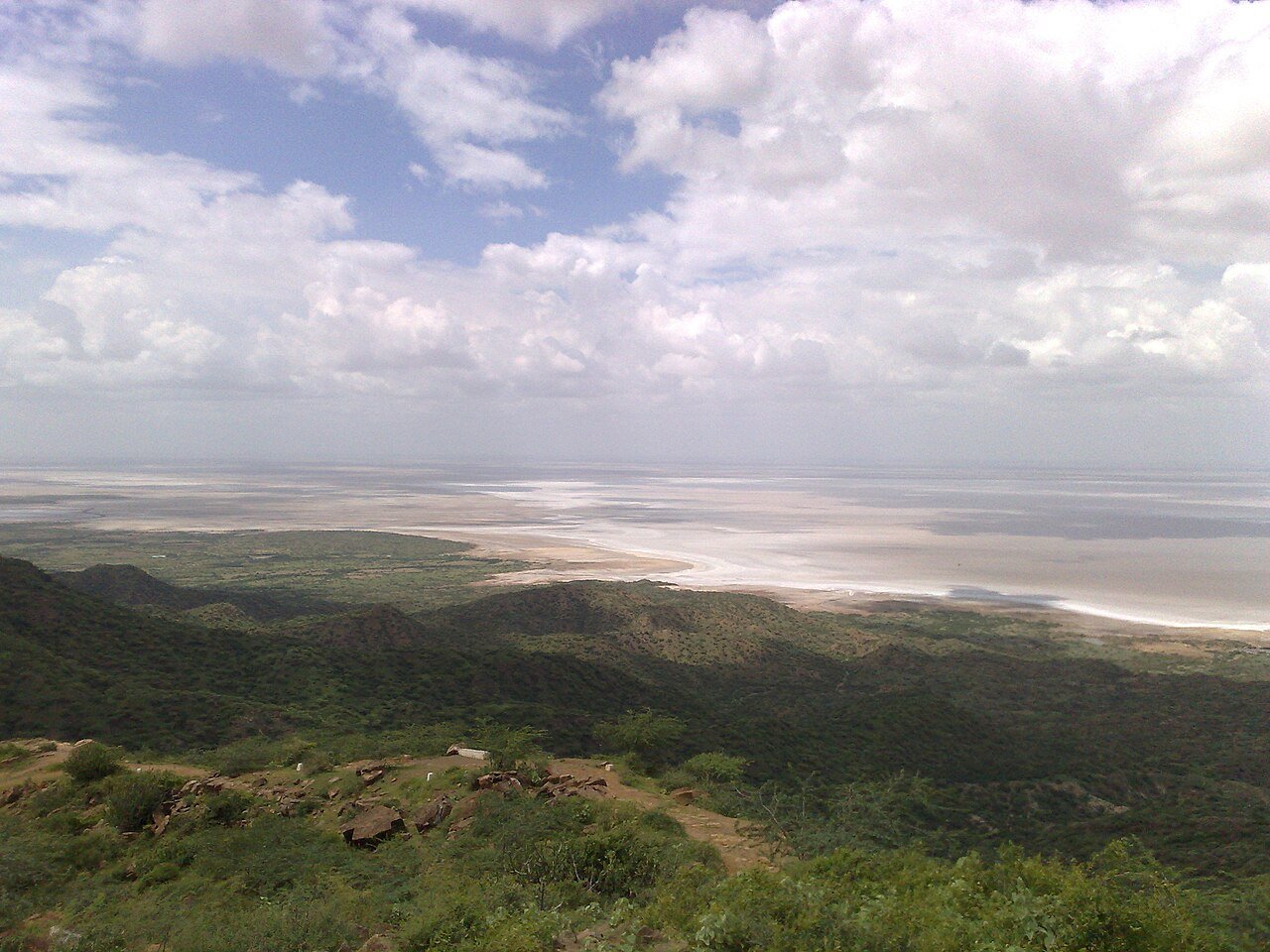
The Rann of Kutch is one of India’s most surreal landscapes — a vast, blindingly white salt desert in Gujarat that stretches to the horizon, especially magical under a full moon. Once the seabed of the Arabian Sea, the Great Rann transforms with the seasons, and in winter it becomes the stage for the spectacular Rann Utsav, a months-long festival of culture, crafts, music and tented luxury. Beyond the white desert, Kutch is a treasure trove of handicraft villages, wildlife, beaches and history. This guide covers the best time to visit, how to reach, the Rann Utsav, things to do, where to stay, food, budget and practical tips.
Why visit the Rann of Kutch
The Rann offers something you’ll see nowhere else in India: an endless white salt plain that glows under the moon and shimmers under the sun. Add the vibrant Rann Utsav, some of the country’s finest traditional handicrafts (embroidery, bandhani, leatherwork), unique wildlife, and a rich tribal culture, and Kutch becomes a uniquely rewarding, photogenic and cultural destination — a favourite for photographers, culture lovers and offbeat travellers.
Best time to visit
The white desert is best seen in winter (November to February), when the salt flats are dry, white and accessible, and the weather is pleasant — this is also when the Rann Utsav runs. Visiting around a full moon is especially magical, as the white desert glows under moonlight. Summer (March–June) is brutally hot, and the monsoon floods the Rann (returning it to a marsh), so it’s largely inaccessible. Plan for the winter festival window.
How to reach the Rann of Kutch
The gateway is Bhuj. By air: Bhuj has an airport with flights from Mumbai and other cities. By train: Bhuj is connected by rail to Ahmedabad, Mumbai and beyond. By road: Bhuj is well linked by highway (Ahmedabad is about 330 km). From Bhuj, the white desert and tent city at Dhordo are around 80 km (1.5–2 hours) by road; you’ll need a permit for the border-area Rann, easily arranged at a checkpoint or with your package.
The Rann Utsav
The Rann Utsav (typically running from around November to February) is the region’s headline event — a sprawling tent city at Dhordo offering everything from budget to luxury tents, cultural performances, folk music and dance, craft bazaars, camel and ATV rides, adventure activities, and organised sunset/sunrise/full-moon visits to the white desert. It’s a convenient, all-in-one way to experience the Rann with comfort and curated culture. Book tent-city packages in advance, as they’re popular.
Top things to do
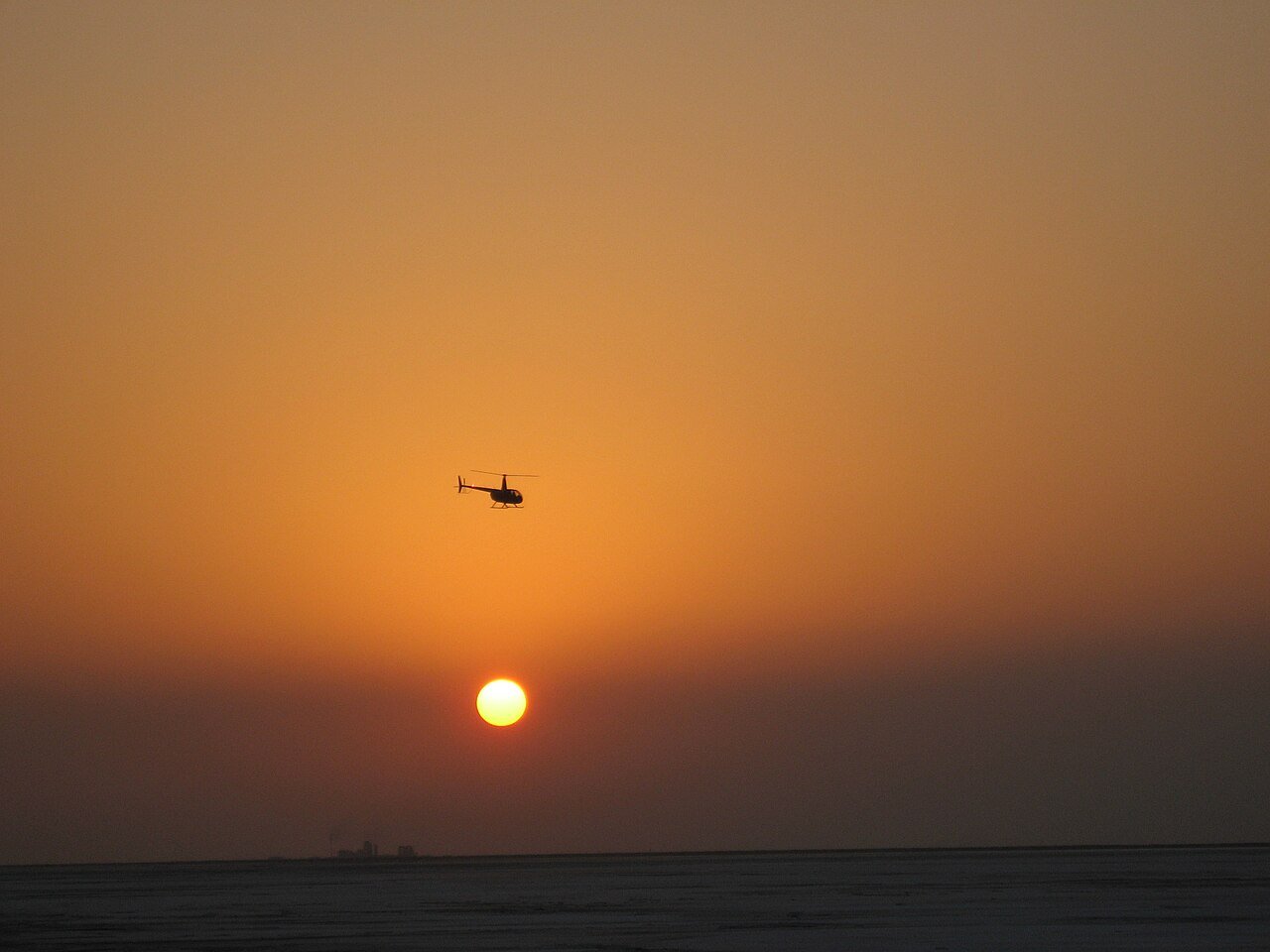
Watch sunset and moonrise over the White Rann — the signature experience. Climb Kala Dungar (Black Hill), the highest point in Kutch, for panoramic views over the salt desert. Explore the famous handicraft villages — Nirona (Rogan art and bell-making), Ajrakhpur (block printing), Bhujodi (weaving) and Hodka (embroidery) — to meet artisans and buy directly. Visit historic Bhuj (Aina Mahal, Prag Mahal, museums), the white-sand Mandvi beach and its ship-building yards, and spot wildlife at the Wild Ass Sanctuary in the Little Rann and flamingos in season.
Where to stay
The most popular option is the Rann Utsav tent city at Dhordo, with tents from budget to premium, all meals and activities bundled — convenient and atmospheric. Alternatively, base in Bhuj (hotels of all budgets) and day-trip to the Rann, or choose characterful homestays and resorts in villages like Hodka and Dhordo for a more authentic, often better-value experience. Book early for the winter festival season.
Food in Kutch
Kutchi and Gujarati cuisine is largely vegetarian and delicious — think Gujarati thalis, dhokla, bajra rotla with butter and jaggery, kadhi, and local sweets. The tent city and restaurants serve generous veg spreads. Vegetarians are exceptionally well catered for; non-veg is less common in this predominantly vegetarian region. Try the local buttermilk and regional specialities, and enjoy the hearty, flavourful thalis that define Gujarati hospitality.
Sample 2–3 day plan
Day 1: Arrive Bhuj, explore the old town and palaces, drive to Dhordo/your stay, and catch sunset and moonrise over the White Rann. Day 2: Sunrise at the Rann, then the handicraft villages (Nirona, Ajrakhpur, Bhujodi) and Kala Dungar for views. Day 3 (optional): Mandvi beach and the ship-building yard, or the Wild Ass Sanctuary, before departing from Bhuj.
Budget
Costs vary with how you stay. Tent-city packages at Rann Utsav range from affordable to premium and bundle meals, activities and Rann visits. Budget travellers can base in Bhuj or village homestays and day-trip more cheaply; mid-range travellers enjoy comfortable tents or resorts. Factor in transport to Bhuj, the Rann permit (minor), and craft shopping (it’s hard to resist). Booking the tent city and stays well ahead in season secures better rates.
Practical tips
Visit around a full moon for the most magical white-desert experience, and carry the small permit for the border-area Rann. Days are warm but desert nights and early mornings are cold in winter, so pack layers. Bring sun protection and sunglasses (the salt glare is intense), comfortable shoes, and cash for village artisans. Respect the artisans and their craft (buying directly supports them), and book festival accommodation early. The Rann is a protected border region, so follow local rules.
Is the Rann of Kutch safe?
Kutch is a calm, welcoming and very safe region, including for families and solo travellers, with rich hospitality. The main considerations are the harsh climate (heat in summer, cold desert nights in winter) and the remoteness of some areas — carry water, sun protection and warm layers, and respect border-zone regulations.
Frequently asked questions
When is the best time to see the White Rann? November to February (the Rann Utsav season), ideally around a full moon.
What is the Rann Utsav? A winter festival with a tent city at Dhordo offering culture, crafts, activities and curated white-desert visits.
How do I reach the Rann? Via Bhuj (by air, train or road), then around 80 km to the white desert at Dhordo.
Is Kutch good for vegetarians? Excellent — Gujarati cuisine is predominantly vegetarian and superb.
The handicrafts of Kutch
Kutch is one of India’s richest regions for traditional crafts, and meeting the artisans is a highlight. In the villages around Bhuj you’ll find intricate embroidery and mirror-work (Hodka, Sumrasar), bandhani tie-dye, Ajrakh block printing (Ajrakhpur), the rare Rogan art and copper-bell making of Nirona, and the weaving of Bhujodi. Buying directly from artisans supports these living traditions and gets you authentic, often heirloom-quality pieces — shawls, textiles, leatherwork and home décor. Many workshops welcome visitors to watch the craft in progress, making it as much a cultural experience as a shopping one.
Beyond the White Rann
Kutch rewards exploration beyond the salt flats. The Little Rann of Kutch is home to the Wild Ass Sanctuary, the last refuge of the Indian wild ass and a haven for birds and flamingos in season. Mandvi offers a relaxed white-sand beach and centuries-old wooden ship-building yards. The hill of Kala Dungar gives sweeping Rann views and a famous temple, and historic Bhuj has palaces (Aina Mahal, Prag Mahal) and museums recounting the region’s culture and the 2001 earthquake recovery. Birdwatchers, history lovers and beachgoers all find something here.
Kutchi culture and people
What makes Kutch unforgettable is its people and culture. The region is a mosaic of communities — Rabari, Ahir, Jat and others — each with distinctive dress, embroidery and traditions, and a deep heritage of folk music and dance. Hospitality is warm and genuine, and a village homestay offers real insight into rural Kutchi life. The Rann Utsav showcases this culture through performances and craft, but seeking out the villages themselves reveals it most authentically. Respect local customs, ask before photographing people, and you’ll be welcomed warmly.
Photography tips for the Rann
The White Rann is a photographer’s dream. Shoot at sunrise, sunset and under the full moon for the most dramatic light, when the salt flats glow gold, pink or silver. The endless white plain is perfect for creative, minimalist and reflection shots (especially when a thin water layer remains). Carry sunglasses and protect gear from the intense salt glare and fine dust. A tripod helps for low-light and moonlit shots. The handicraft villages and colourfully dressed locals also offer rich portrait and detail opportunities (always ask permission first).
More frequently asked questions
Is the Rann Utsav worth it? Yes — it’s a convenient, atmospheric way to experience the White Rann with culture, crafts and comfortable tents.
Can I visit the White Rann without the festival? Yes, in winter with a permit, basing in Bhuj or a village — but the Utsav adds infrastructure and culture.
How many days do I need? Two to three days cover the Rann, handicraft villages and Bhuj; add more for Mandvi and the Wild Ass Sanctuary.
Plan it faster: estimate spend with the Trip Cost Calculator, build a route in the Trip Planner, and browse more India travel guides.
Last updated: June 2026. Permits, fees, timings and transport can change — confirm on official sources before you travel.
Related reading: Jaisalmer Travel Guide 2026 — Golden Fort, Desert Safari & Best Time · Kashmir Travel Guide 2026 — Srinagar, Gulmarg, Pahalgam & Best Time · Hampi Travel Guide 2026 — Ruins, Temples, Best Time & Tips